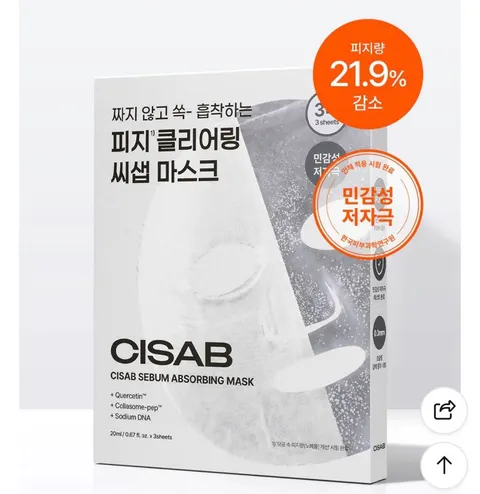
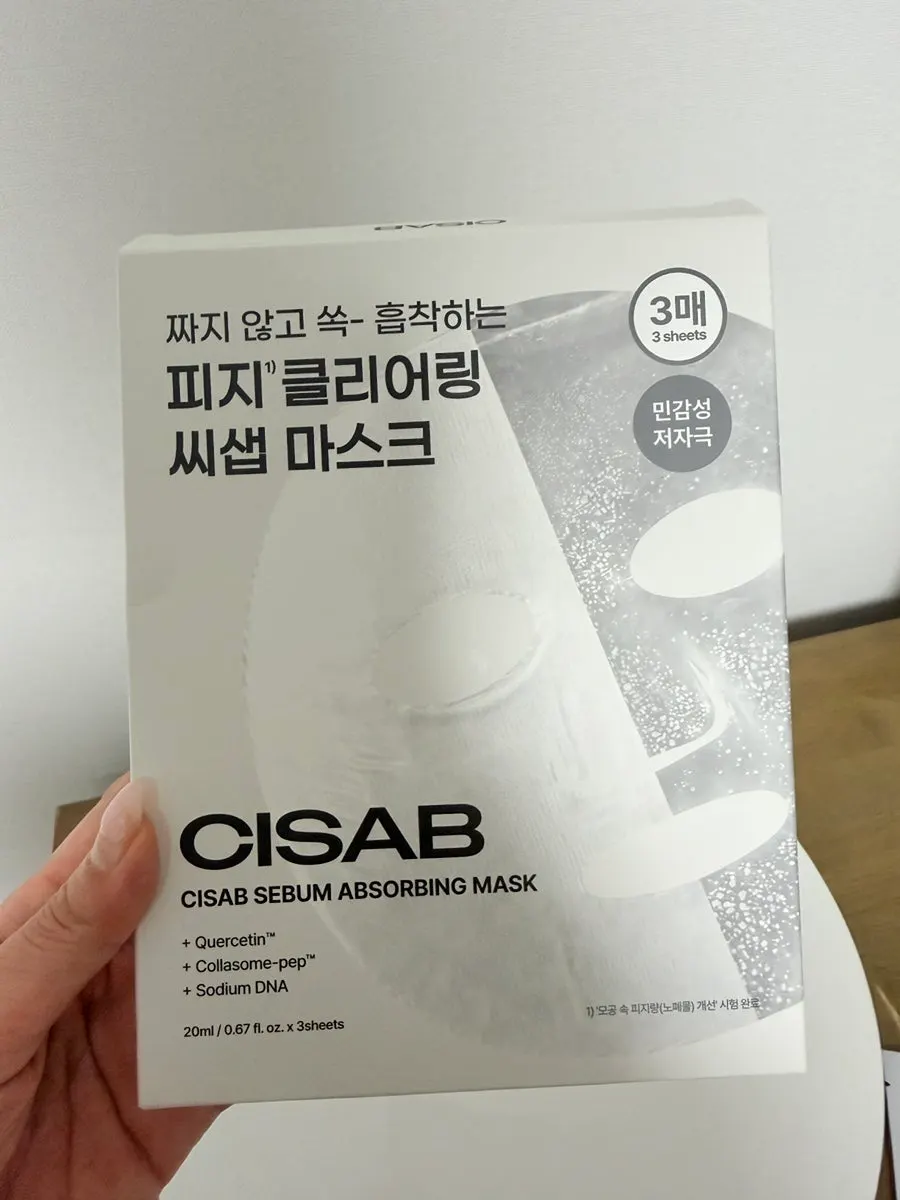
No-peel nose patch for blackheads: CSSAE Sebum Absorbing Patch Mask
In short
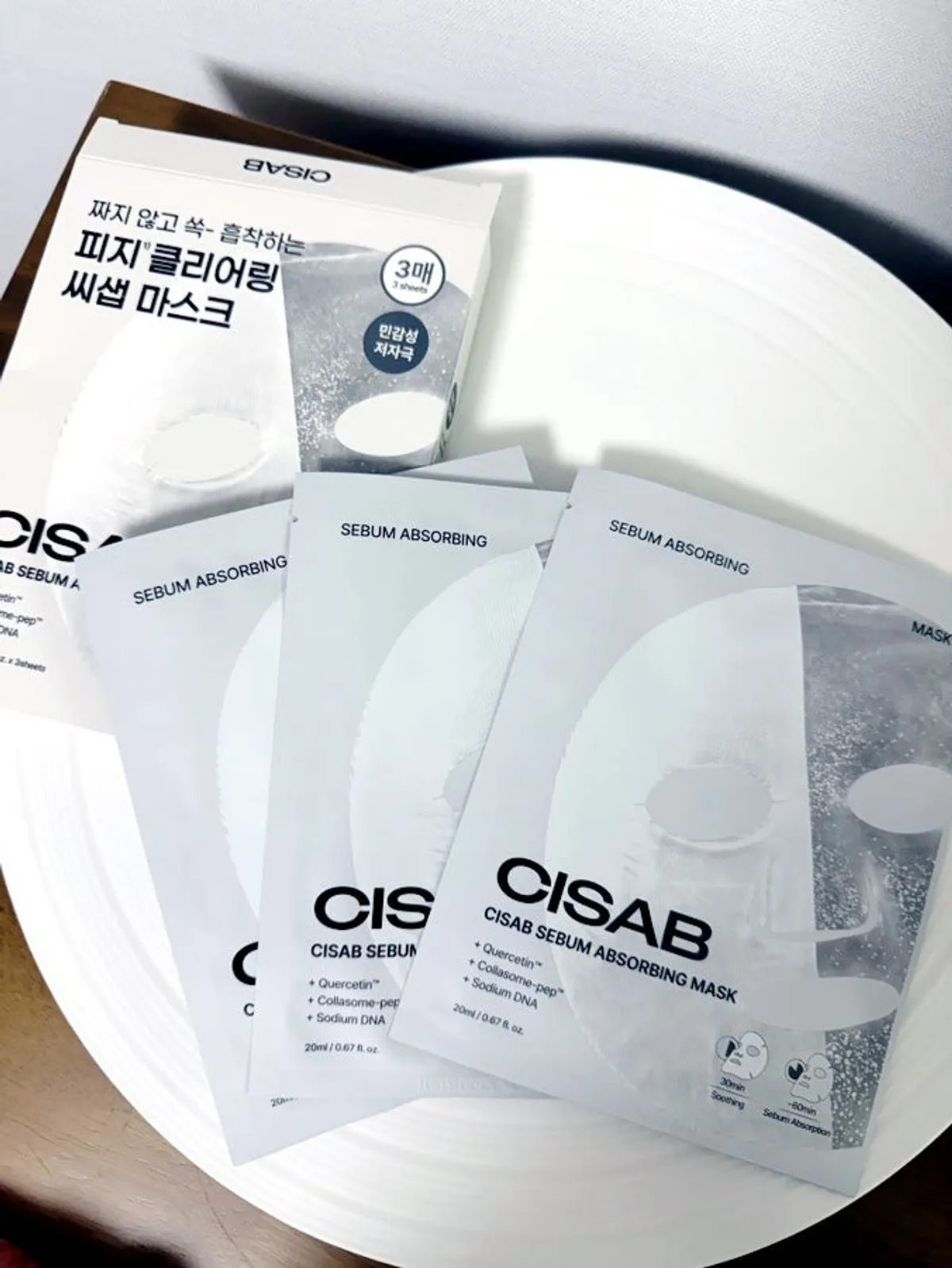
CSSAE Trouble Exfoliating Sebum Absorbing Patch Mask is a home-care nose patch that softens built-up sebum and dead skin instead of ripping it away like a peel-off nose strip. The patch goes on the nose after cleansing, comes off once the set time is up, and is followed by another wash; the skin around the nose felt noticeably smoother afterwards. For anyone who finds the tugging of peel-off strips too harsh, CSSAE's soften-and-remove patch is an easy alternative to try.
Good to know
- Product
- CSSAE Trouble Exfoliating Sebum Absorbing Patch Mask
- Method
- Not a peel-off type — softens sebum and dead skin rather than ripping it off
- How to use
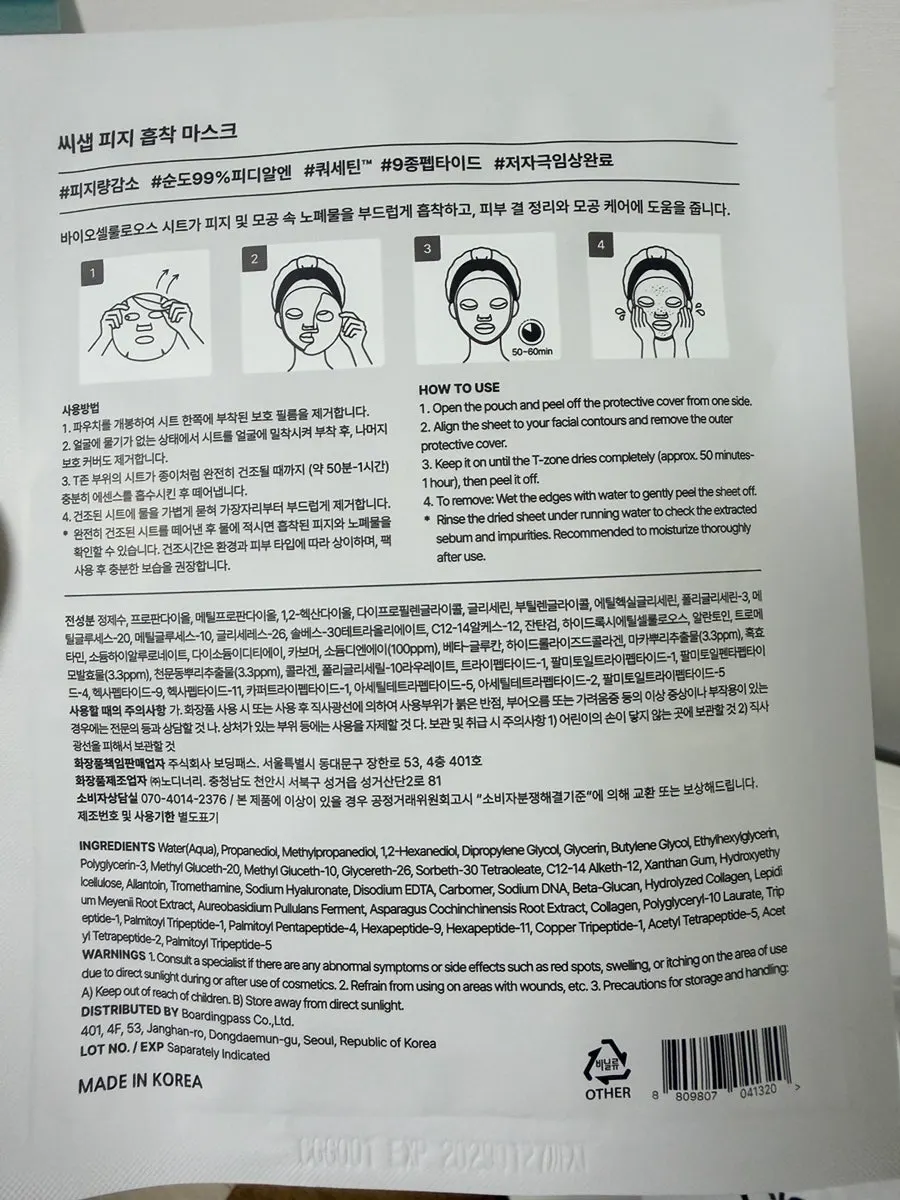
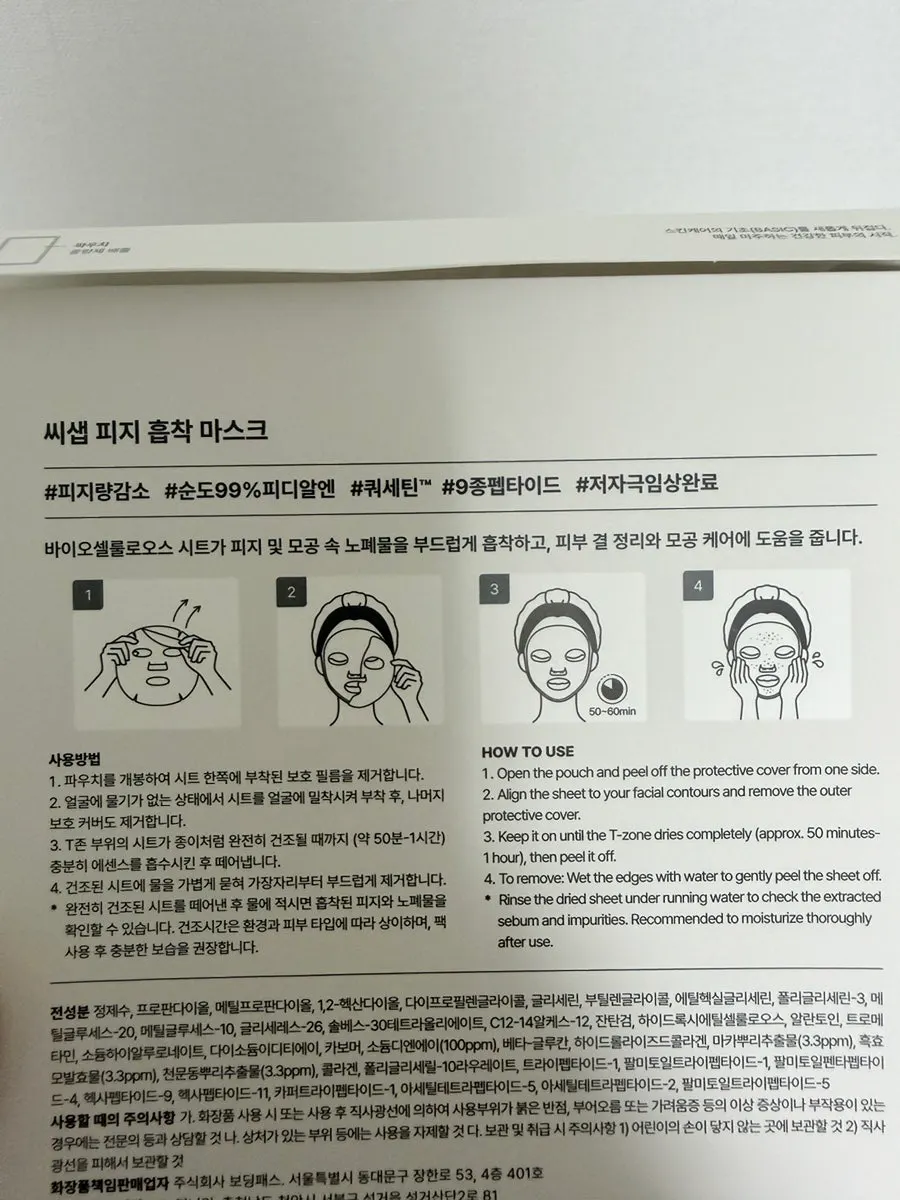
- Cleanse and pat dry → apply patch to nose → remove after the set time → finish with a cleanse
- Target areas
- Nose, sides of the nostrils, T-zone and other sebum-prone areas
- Caution
- Do not use on suspected sebaceous cysts or inflamed areas
Prices as written by the tester on Sep 15, 2026 · not updated automatically
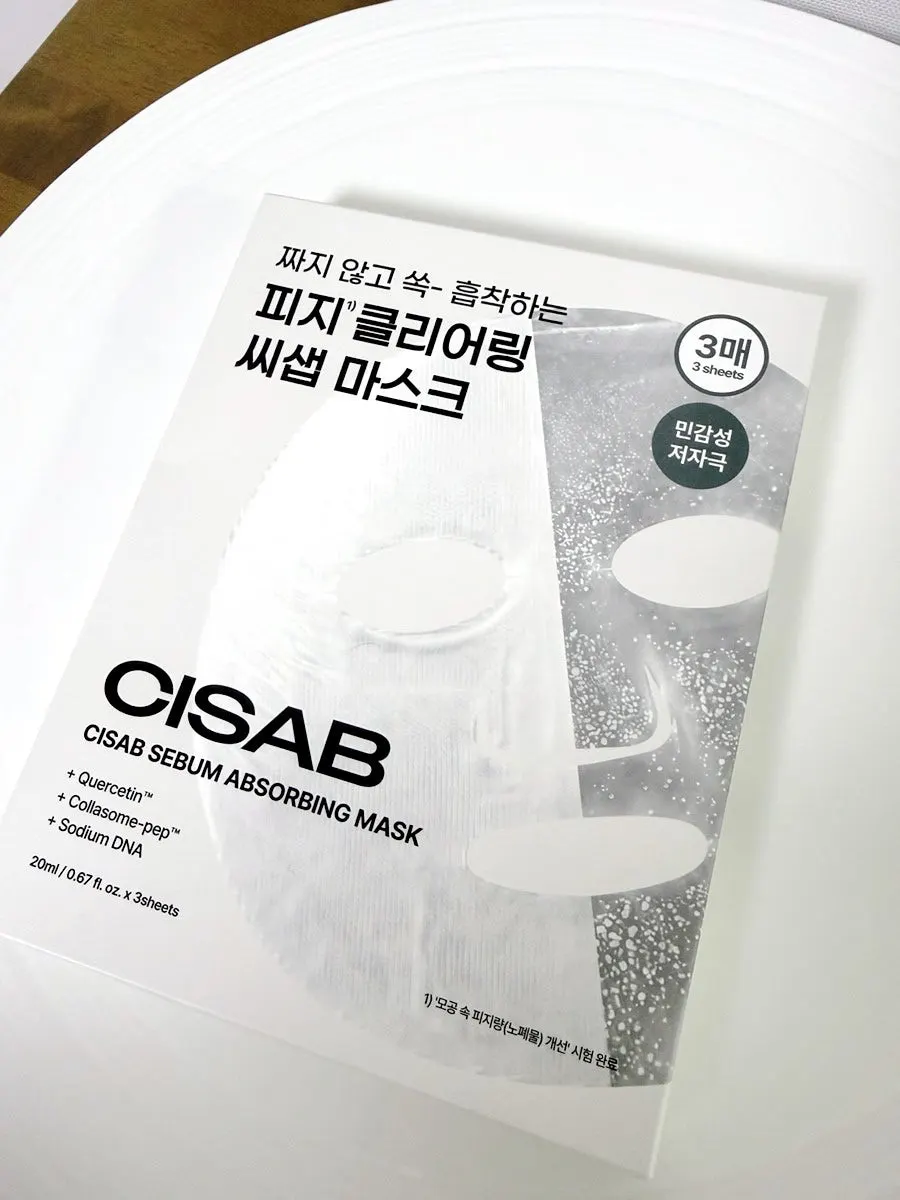
There are days when just my nose looks unusually rough and dark. Even after cleansing carefully, bumpy sebum still lingers around my nose, and up close in the mirror I can spot blackheads dotted all over. But using a strong pore strip that you squeeze or rip off always felt too harsh on my skin. So this time I tried a different approach — the CSSAE Trouble Exfoliating Sebum Absorbing Patch Mask.
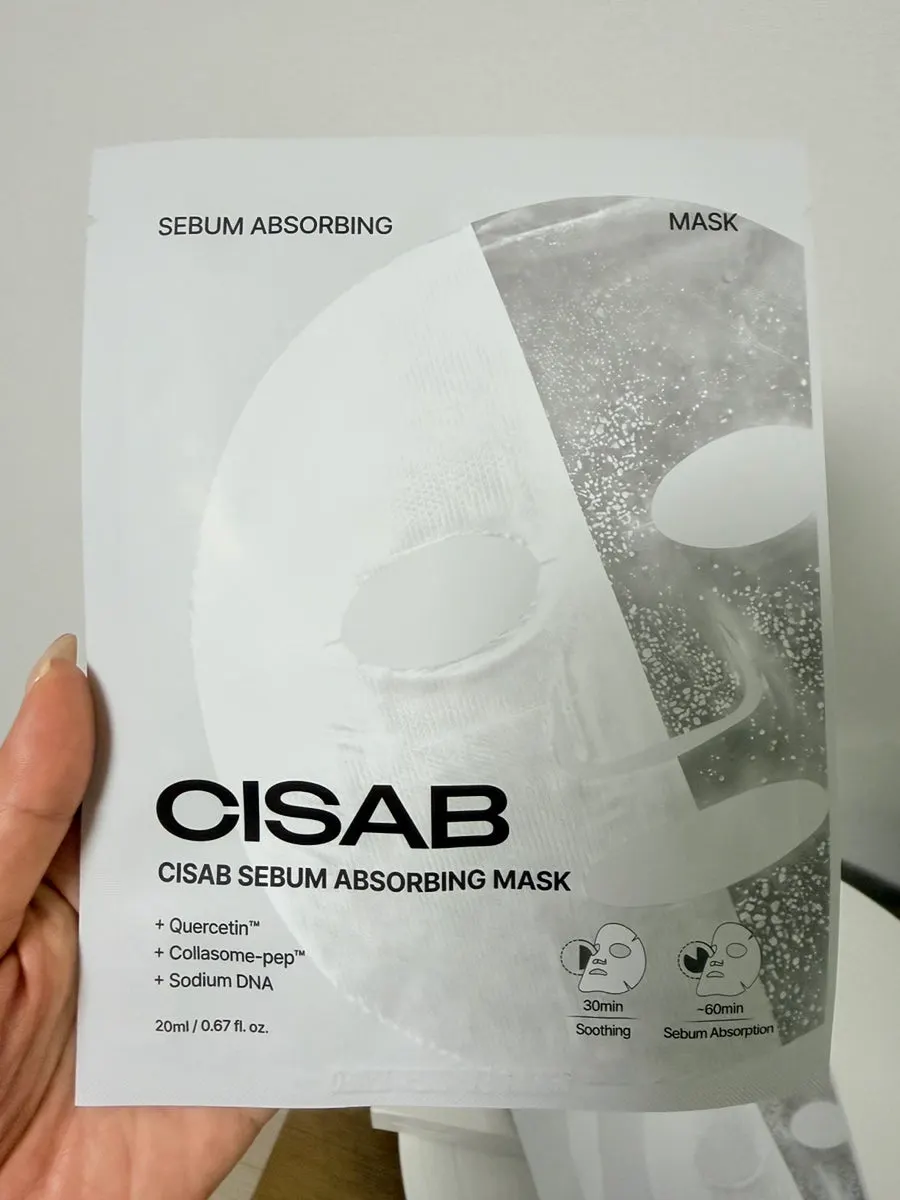
Unlike a typical peel-off nose strip that you stick on and yank off, this one softens built-up sebum and impurities gently instead, so I was curious enough to try it myself.
I especially liked that it's an easy home-care option for when sebum and dead skin start bothering you like they have been for me lately.
Why blackheads make the nose look rough
Blackheads are known to form when sebum trapped in pores oxidizes and turns dark. I usually don't think much about it, but under bright light my nose shows unusually dark spots that bug me.
The sides of the nose and around the nostrils are especially prone to sebum buildup, so cleansing alone wasn't enough to keep things tidy. Rather than squeezing it out by hand, I chose to soften it gently and wipe it away instead. The CSSAE patch I used this time turned out to be great for focusing on exactly these areas.
Why a no-peel patch instead of a peel-off nose strip?
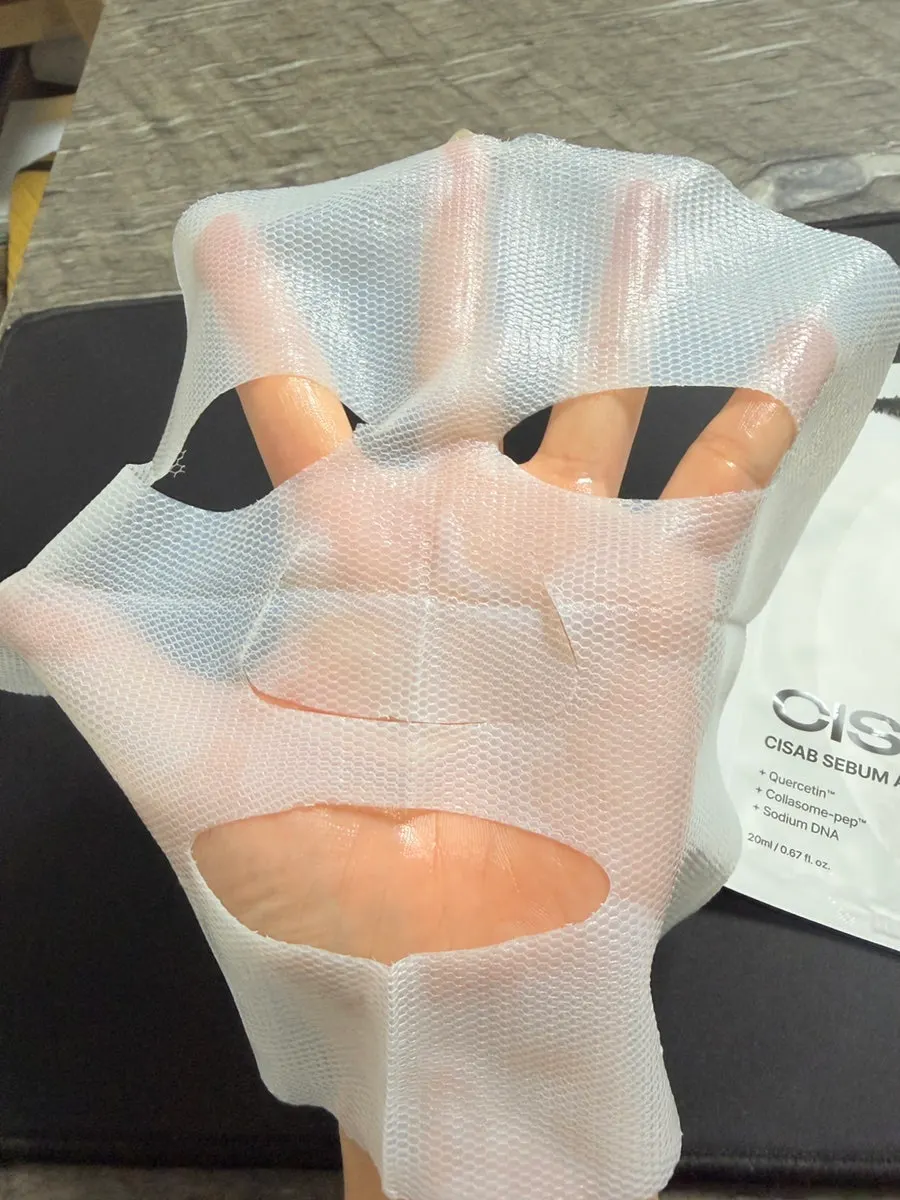
The most important thing for me when choosing a sebum patch was irritation. When I used a peel-off type before, I hated the feeling of my skin being tugged along with it.
The CSSAE Trouble Exfoliating Sebum Absorbing Patch Mask uses a soften-and-manage method rather than ripping, so it felt much more comfortable to use. There was no forceful pulling sensation while I waited with the patch on, and afterward I just finished with a clean rinse. If you want to reduce strain on your skin compared to physically yanking, this kind of sebum patch seems like a solid option.
How the CSSAE patch felt in use
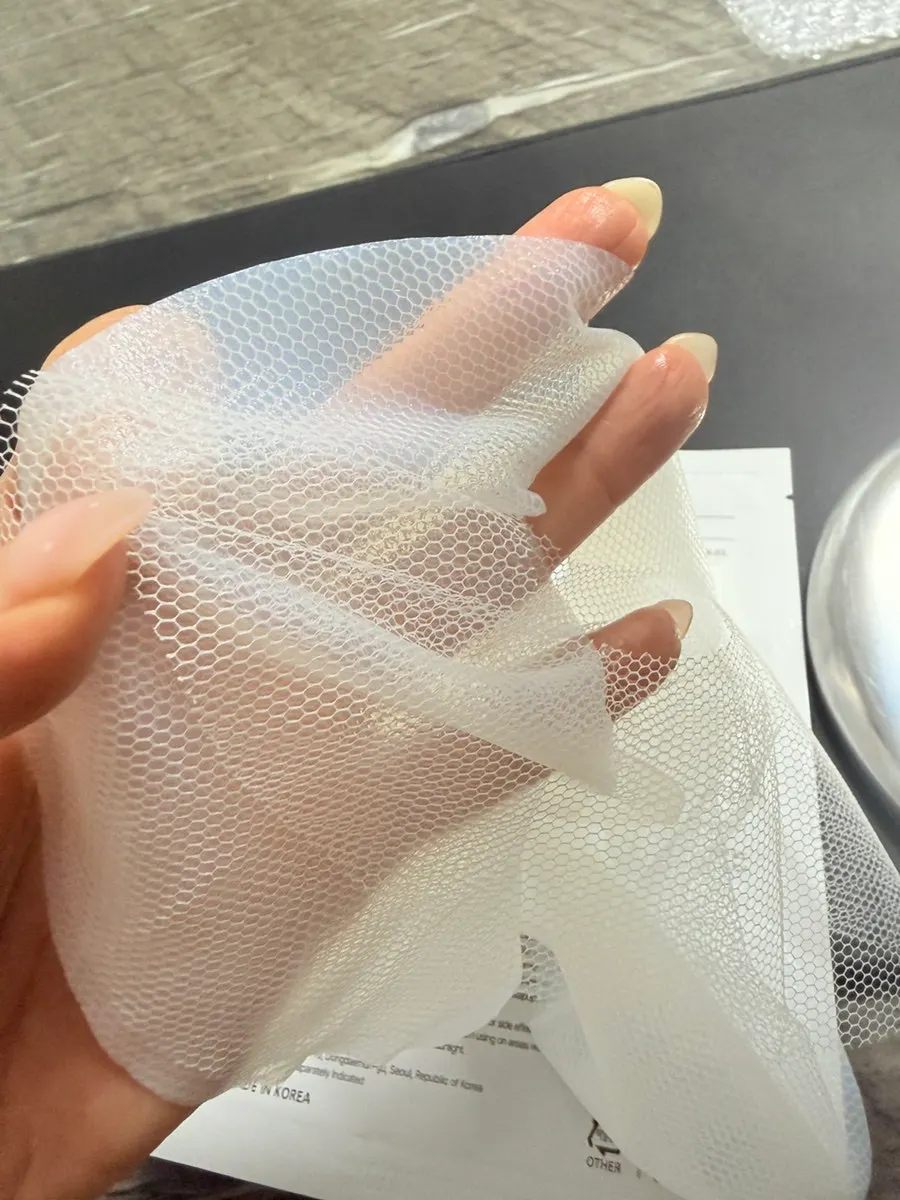
The first time, I cleansed thoroughly around my nose, patted off the moisture, then put on the patch. There wasn't much fuss while it was sitting on my skin, which made it easy.
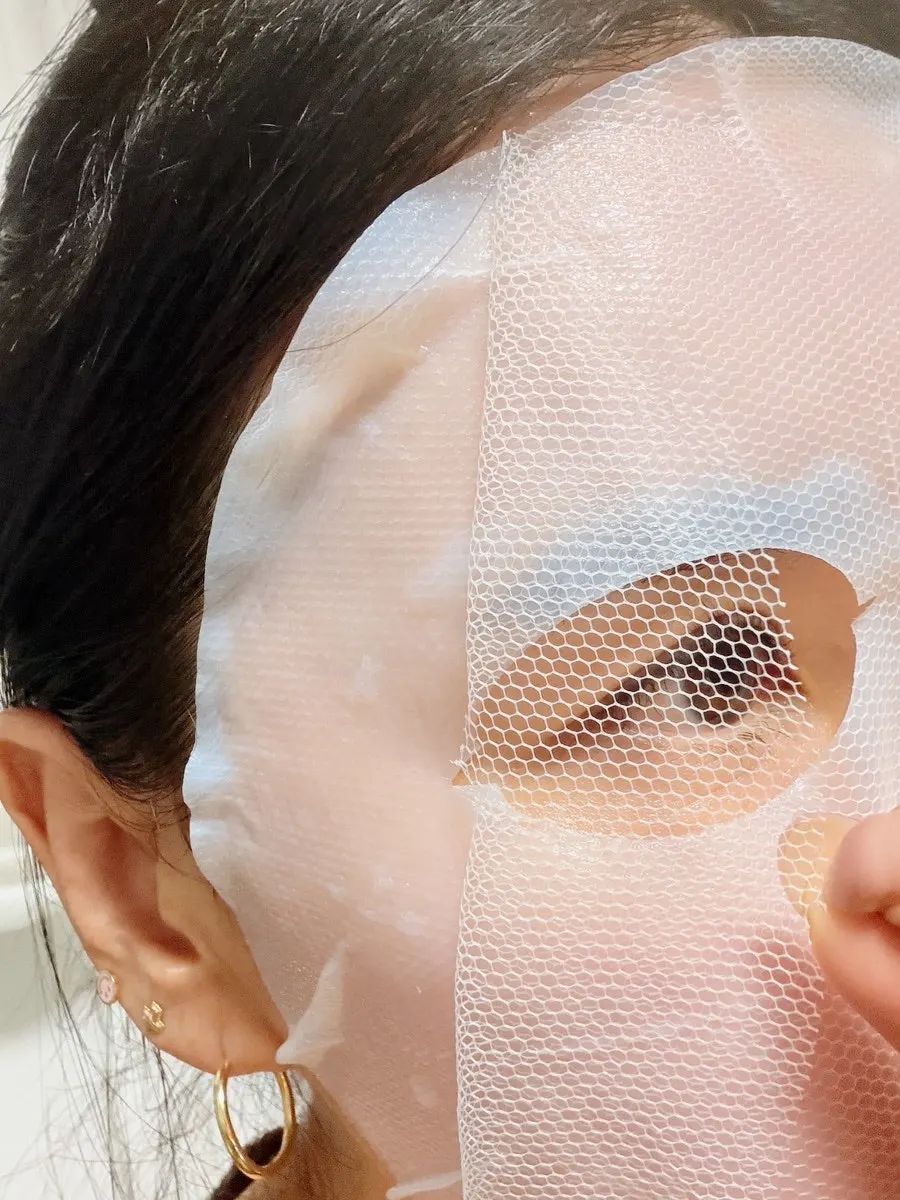
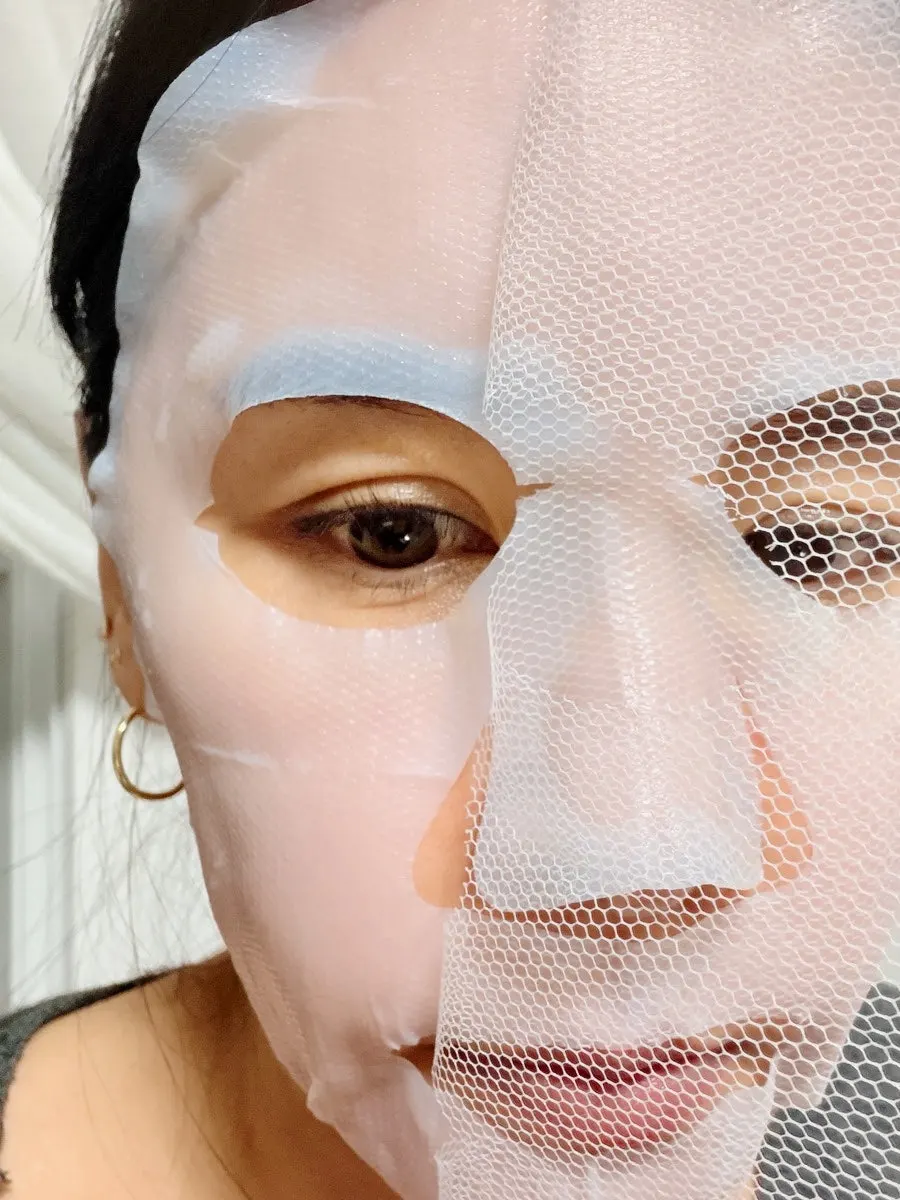
You just leave it on and remove it after the set time, so it was easy to manage while watching TV or doing something else at home. Afterward, I checked around my nose and the areas that usually felt rough were noticeably smoother.
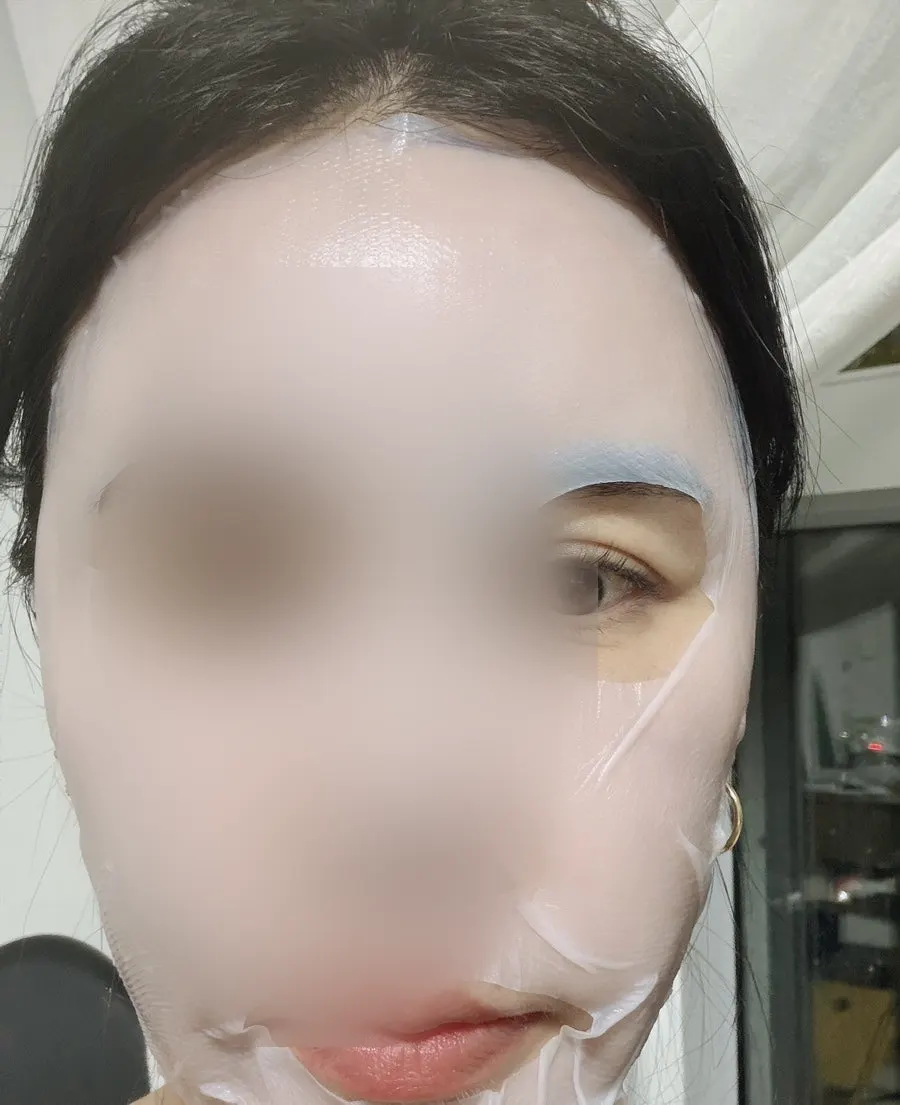
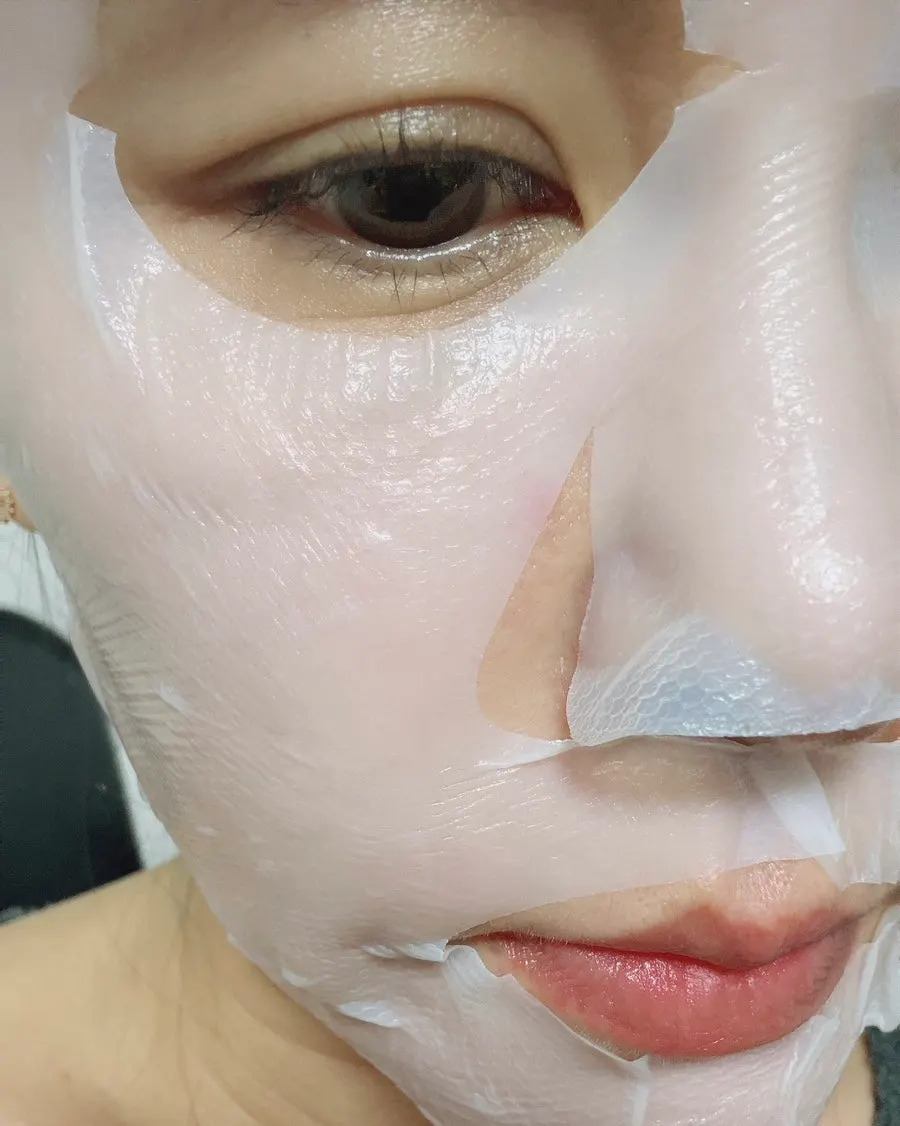
I was especially satisfied that it focused on the areas where sebum tends to build up most. Above all, I liked not having to squeeze anything out by force. Constantly pressing and squeezing to remove sebum by hand can actually irritate the skin and turn it red, so going forward I plan to reach for this kind of home care before trying forceful extraction.
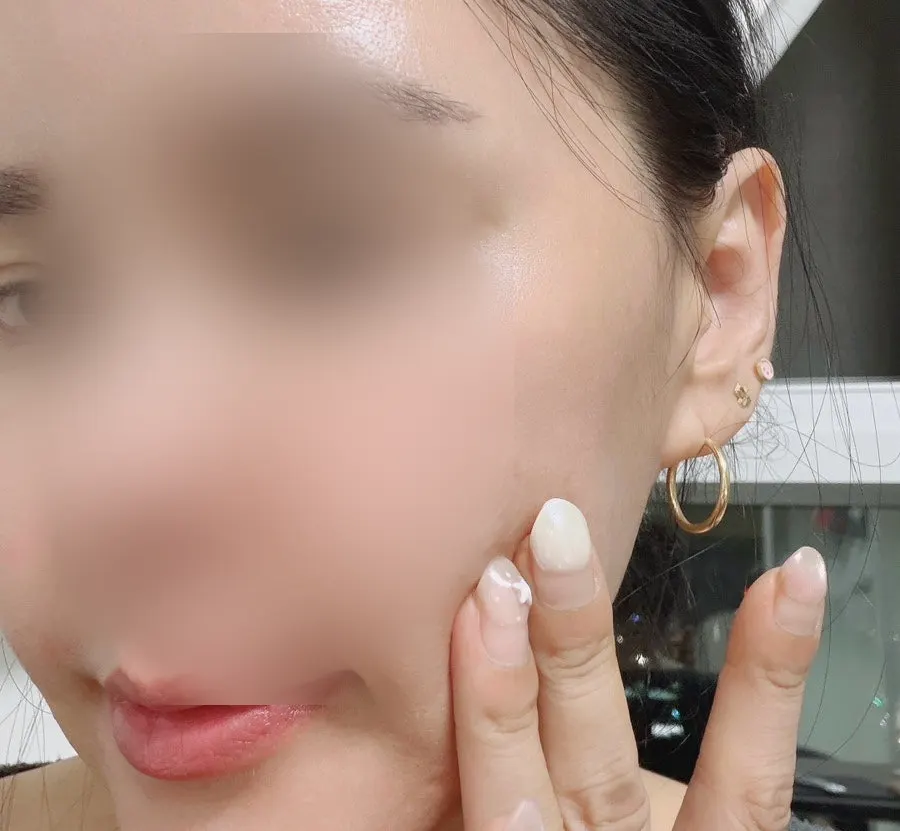
Hydrating and calming the nose after sebum care
I think what comes after sebum removal matters just as much as the removal itself. After using the patch, I cleaned my skin thoroughly and made sure to give it plenty of hydration.
The product itself is formulated to consider hydration and calming care after managing sebum, so it left my skin feeling less dry afterward. Rather than repeating overly strong methods to get rid of sebum, it's better to manage at a reasonable pace while watching your skin's condition. In fact, managing blackheads or sebum is about consistency, not a one-time fix.
Are sebaceous cysts and blackheads the same thing?
There's one point that's easy to get confused about. Some people search for sebum removal methods because of a suspected sebaceous cyst, but ordinary blackheads and sebaceous cysts shouldn't be treated as the same thing.
It's best to avoid squeezing hard or trying to remove a hard lump or inflamed area that might be a sebaceous cyst at home with a patch. What I managed this time was strictly surface-level sebum, blackheads, and dead skin as home care. If you suspect a sebaceous cyst, it's safer to get it checked properly at a dermatology clinic rather than attempting self-extraction. It's important not to mix up a sebaceous cyst with an ordinary sebum concern.
Who the CSSAE sebum patch suits best
- Anyone bothered by blackheads around the nose
- Anyone with a lot of sebum on the nose and T-zone
- Anyone whose skin texture feels rough from built-up dead skin
- Anyone who finds peel-off nose strips too harsh
- Anyone who wants an easy sebum patch to use at home
- Anyone who wants clean, smooth skin texture after sebum removal
If you're like me and get self-conscious about sebum around your nose every time you look in the mirror, this is a home-care item worth trying at least once. If you've found 'rip-it-off' nose strips too harsh, you might really notice the difference with this soften-and-manage approach.
After using it, my nose felt noticeably cleaner and smoother, and I plan to keep managing it steadily based on how my skin looks going forward. More than anything, I was reminded that sebum removal isn't about going as hard as possible — it's about finding a method that suits your skin while minimizing irritation.
If you want an easy way to manage this at home, the CSSAE Trouble Exfoliating Sebum Absorbing Patch Mask was a sebum patch I could use without worry. That said, I'd recommend not using it on lesions that look like sebaceous cysts or inflamed areas, and getting a proper diagnosis first. Rather than expecting every blackhead to disappear at once, I found it most comfortable to keep cleansing and moisturizing as the basics, and reach for a sebum patch whenever needed.