Car glass oil film remover for night glare: AutoGrooming Clean View
In short
AutoGrooming Clean View is a car glass oil-film remover used in Korea. After an automatic car wash, I treated the windshield, side windows, and rear window in about 10 minutes and found the glass clearer with less nighttime glare. Verdict: an easy first-time oil-film removal kit, but bring gloves.
Good to know
- Product
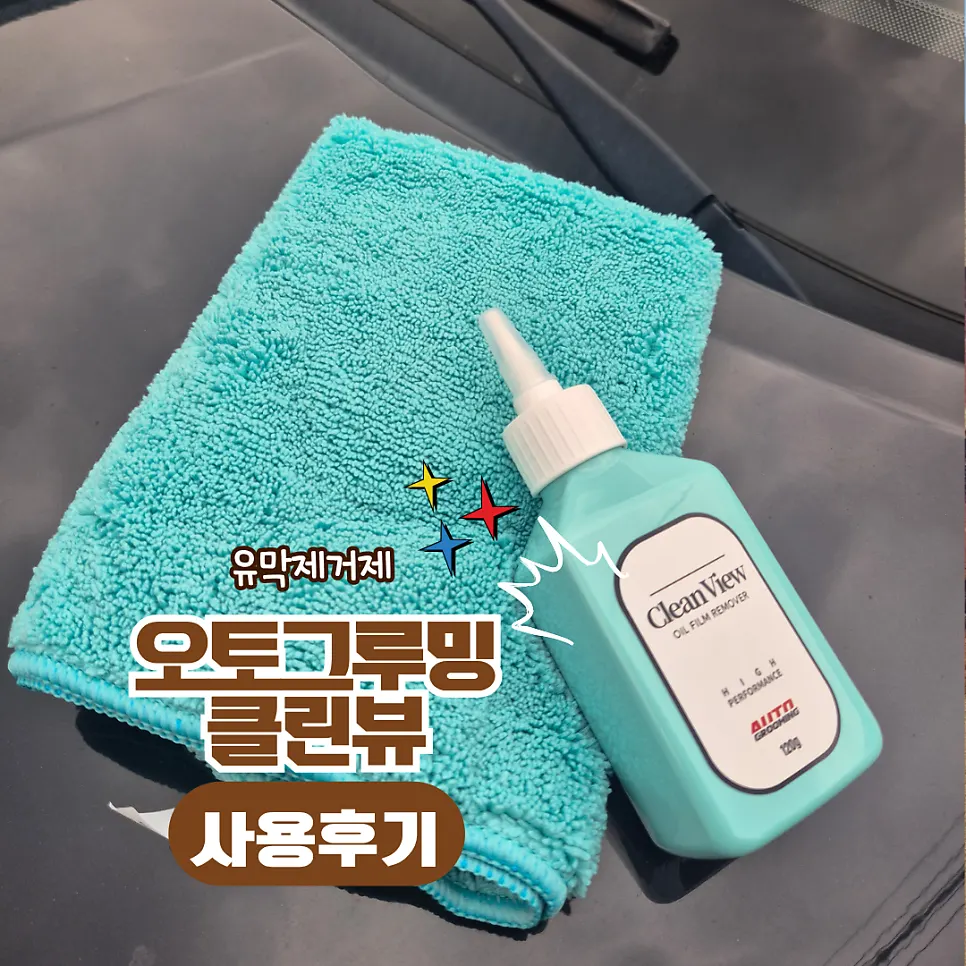
- AutoGrooming Clean View car glass oil-film remover
- Use conditions
- Used on car glass after an automatic car wash
- Contents
- Oil-film remover solution and a dedicated towel
- Coverage and time
- Windshield, side windows, and rear window in about 10 minutes
Prices as written by the tester on Apr 5, 2026 · not updated automatically
Why did I look for an oil-film remover even after an automatic car wash?
When I drove in the rain, the windshield seemed to haze and blur. Even after an automatic car wash, the glass did not feel properly clean, and the wipers made a squeaking sound when they ran. Seeing it turn hazy again so soon after washing made me think an oil film might be the issue.
I usually use automatic car washes, so I kept putting off removing the oil film. I thought I would have to scrub hard for a long time.
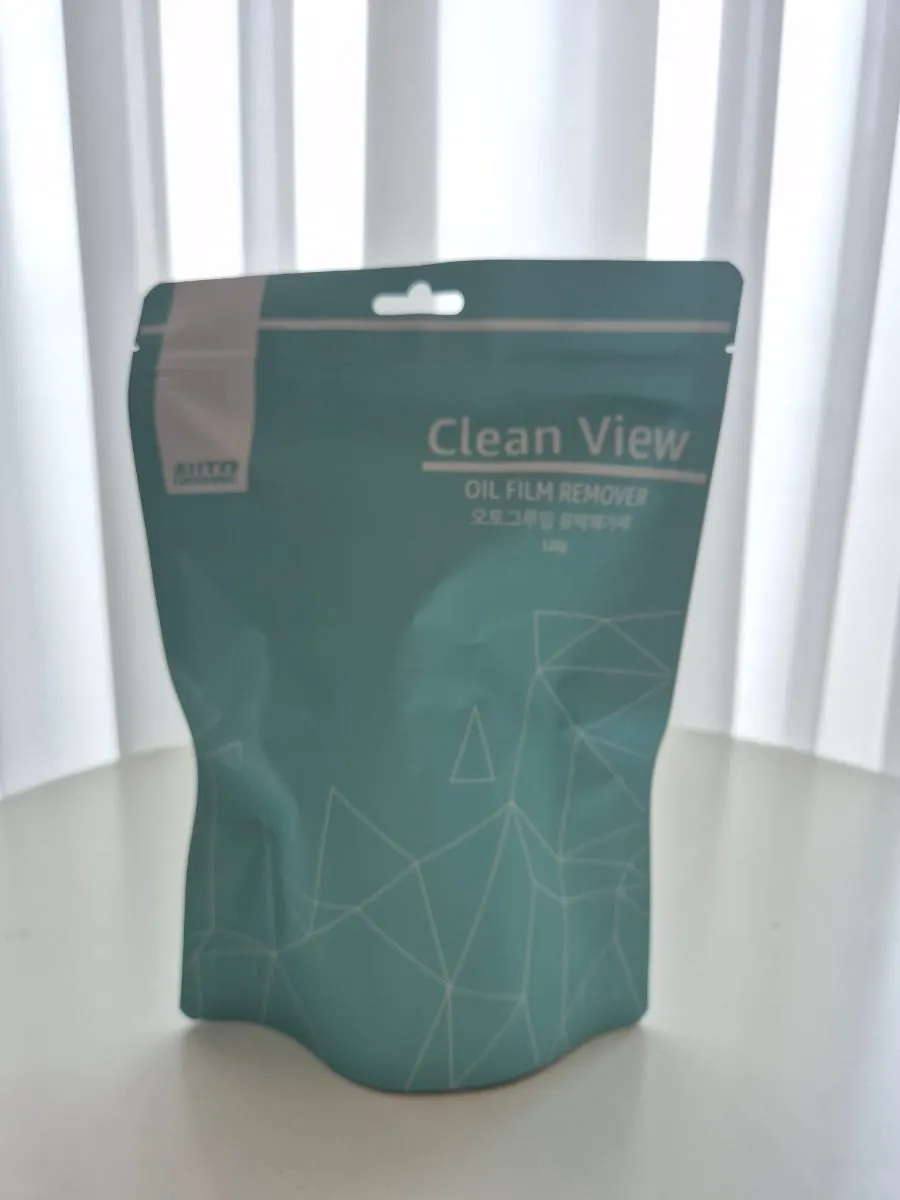
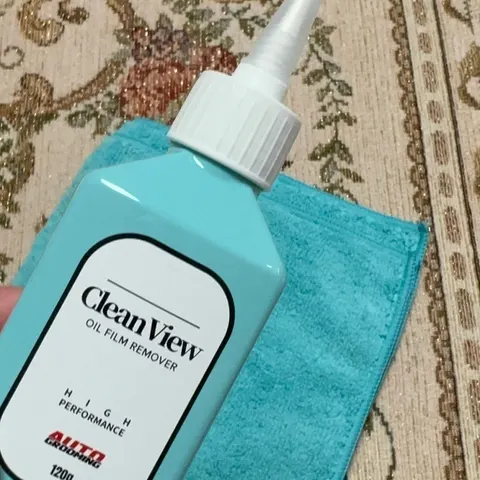
The product I used this time was AutoGrooming Clean View oil-film remover. Once I tried it myself, the process was simpler than I expected.
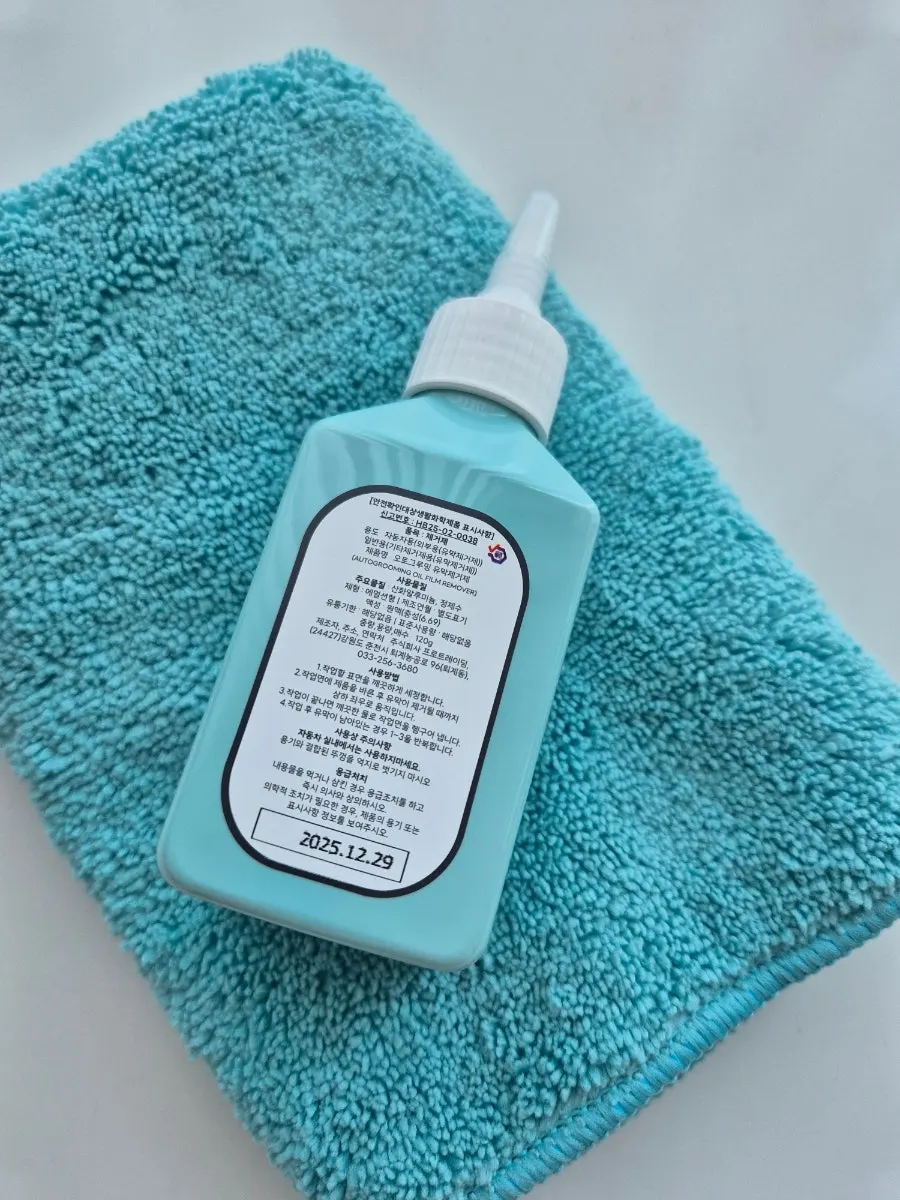
What is included, and where can it be used?
The box included the oil-film remover solution and a dedicated towel. It was convenient to start right away without bringing out a separate towel from home.
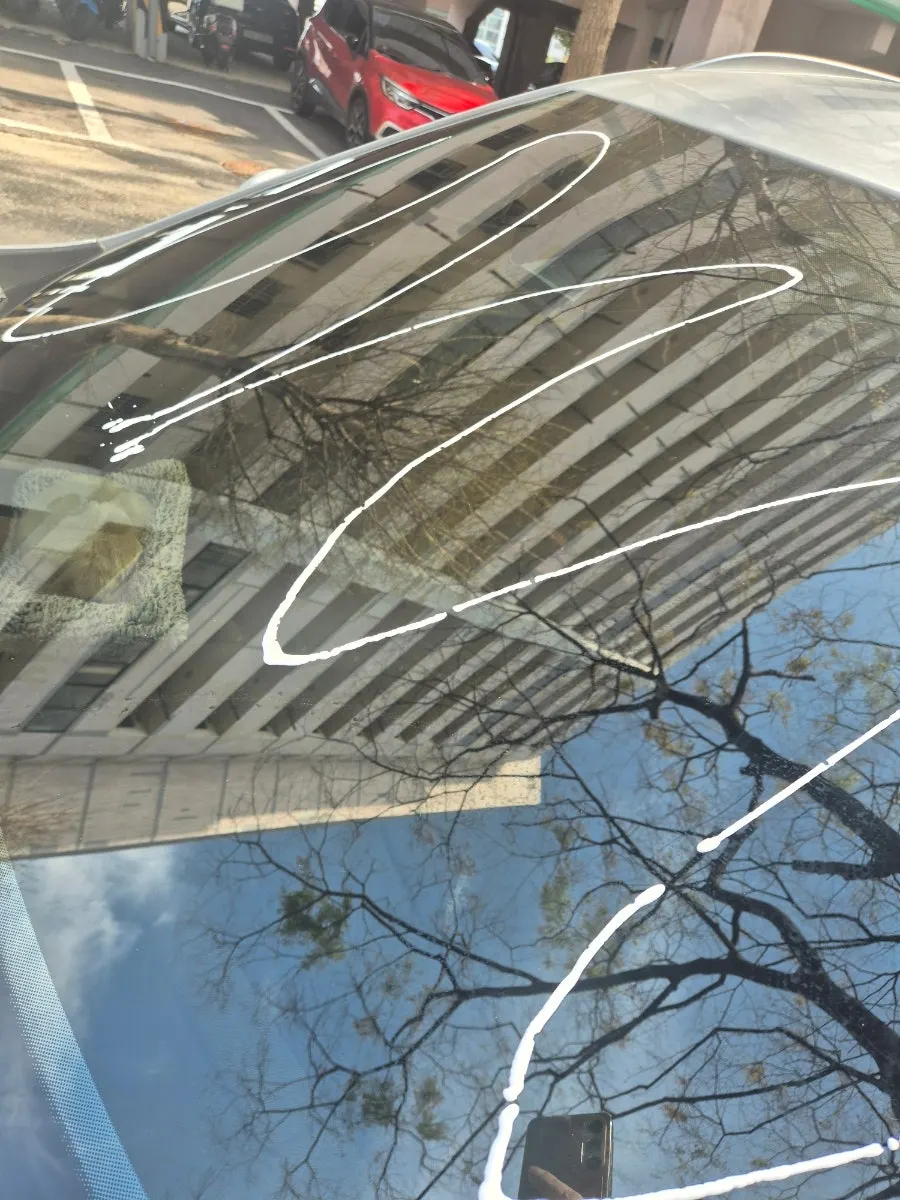
It is said to last for three to four uses per bottle and can be used from the windshield to the side windows and rear window. As a first-time user, I also felt less worried after reading that it would not cause whitening even if it got on rubber molding.
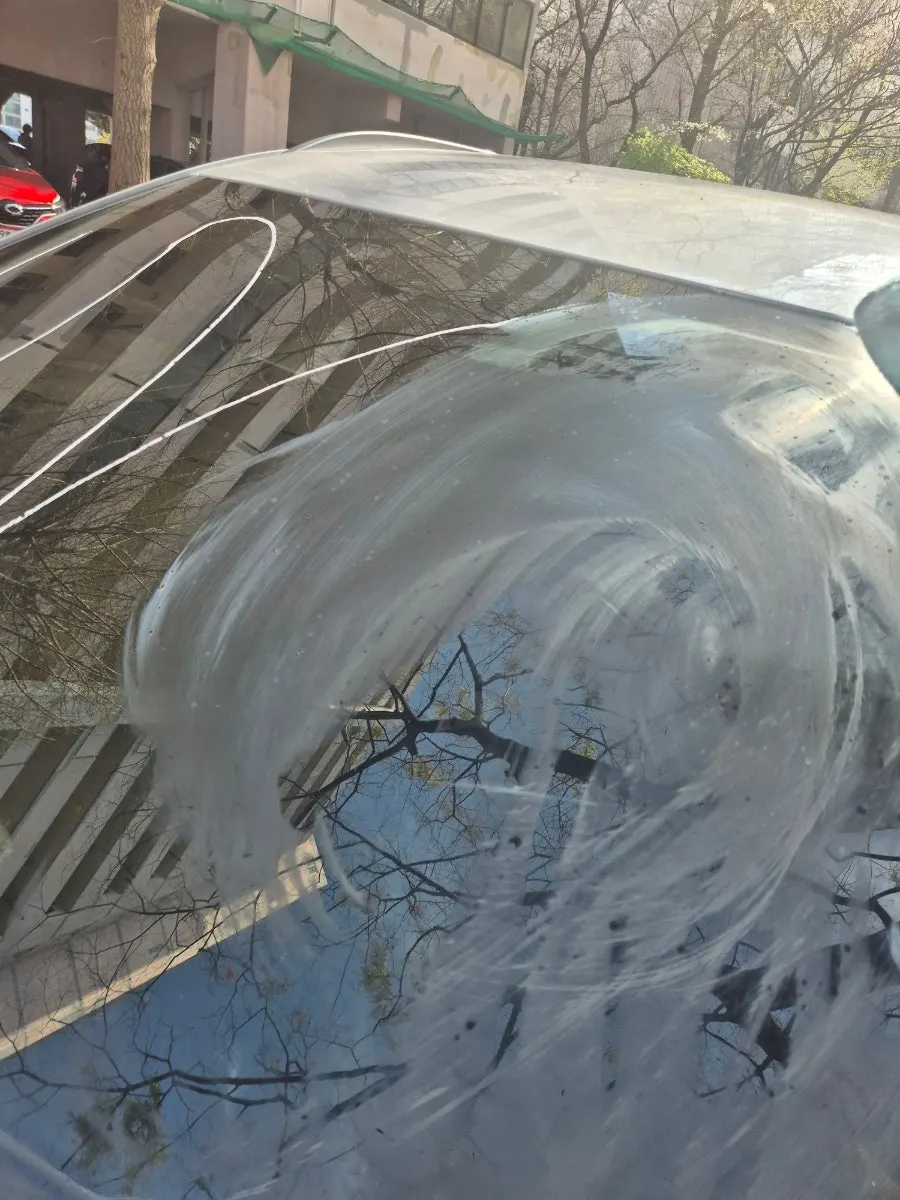
What steps did I follow to remove the oil film?
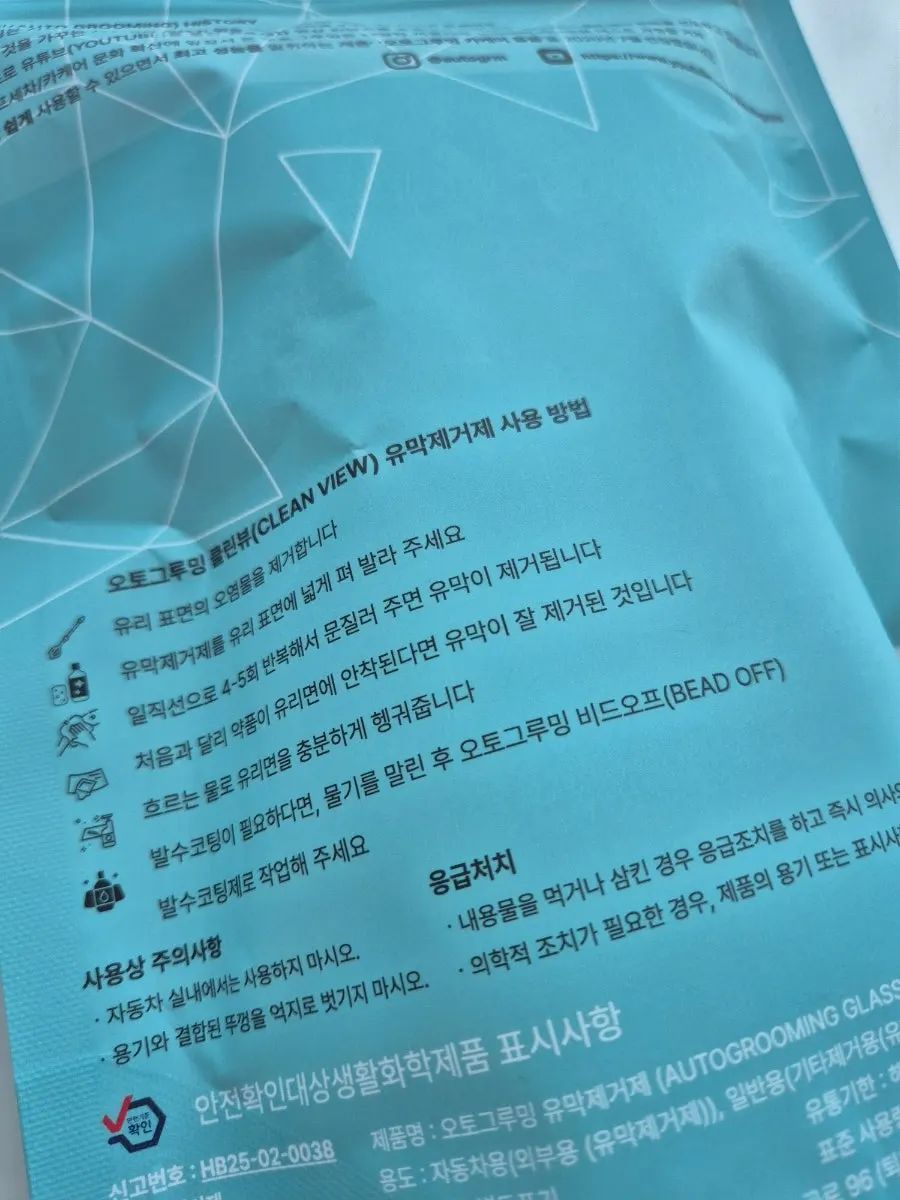
I worked on the car after getting back from an automatic wash. First, I lightly rinsed off any dust left on the glass with water. I heard that the solution spreads better when a little moisture remains, so I sprayed it evenly over the glass in that state. It felt like the solution was spreading white across the glass.
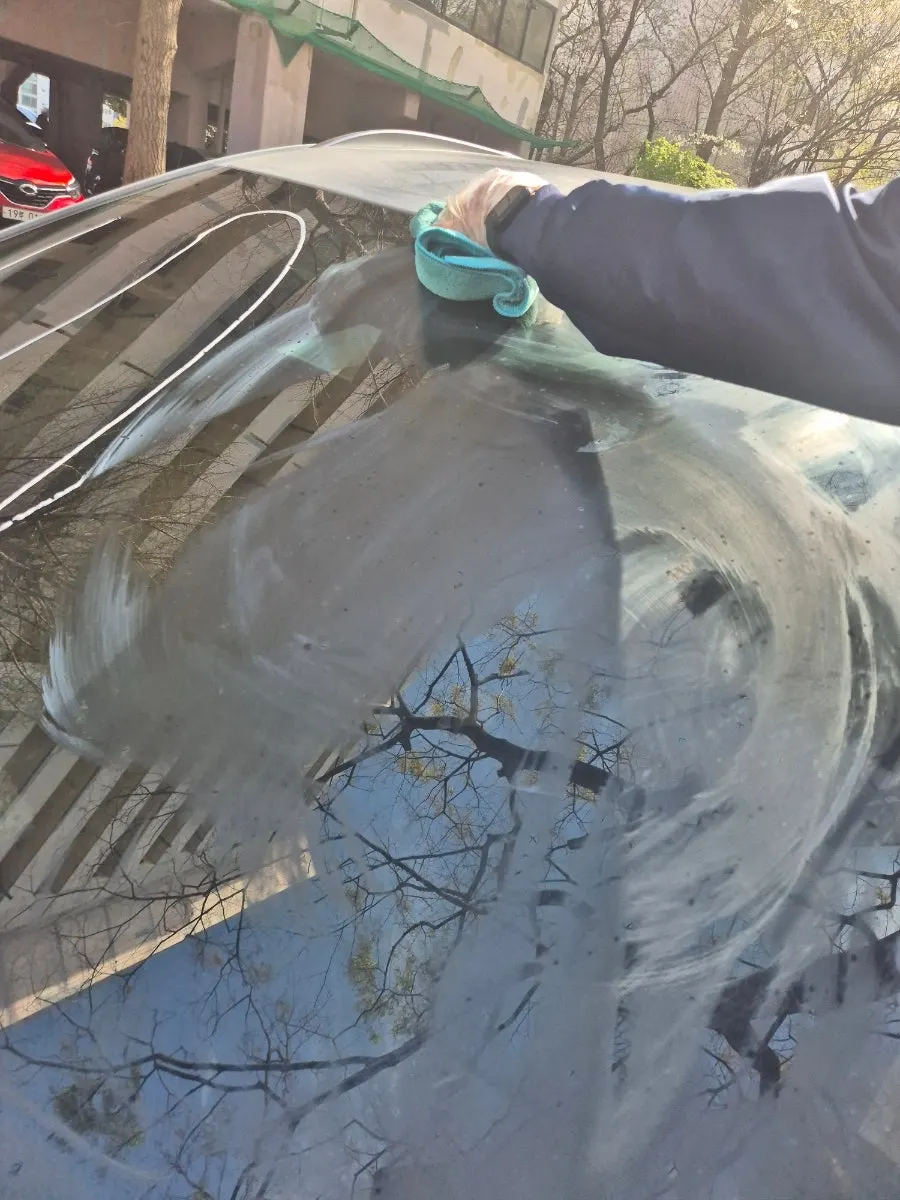
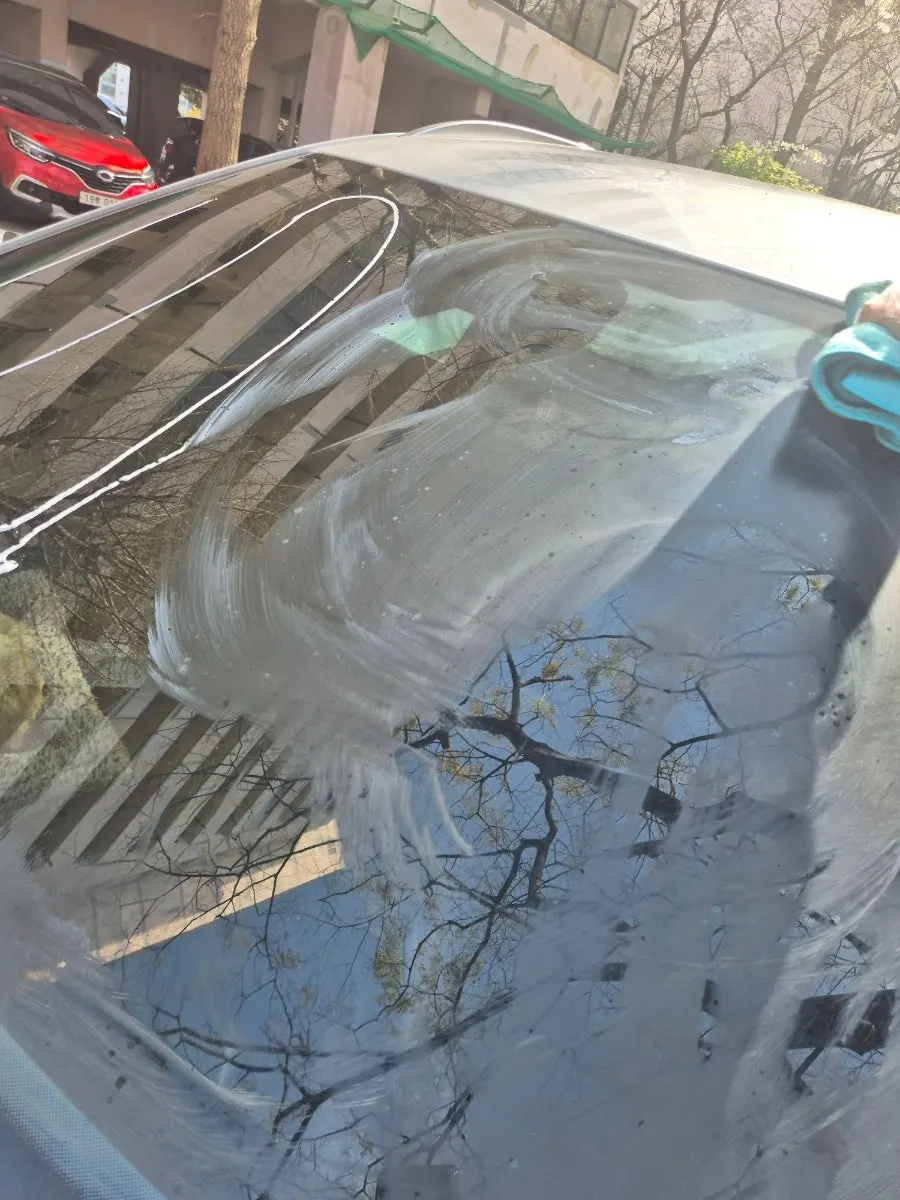
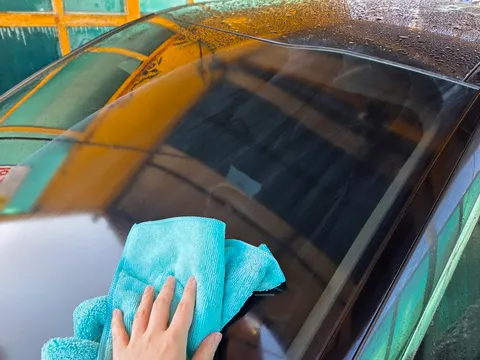
Next, I used the dedicated towel to rub in circles. As I rubbed, the surface started to feel grippier.
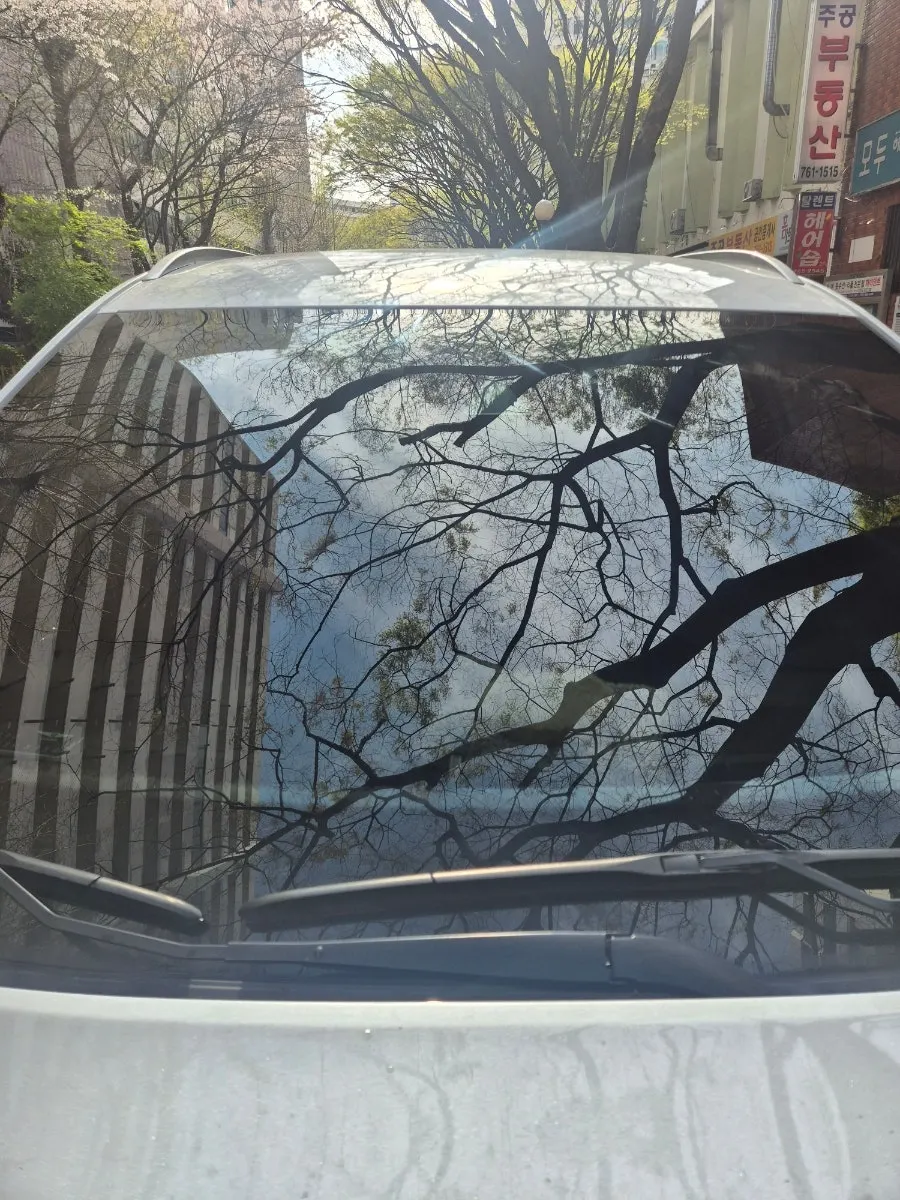
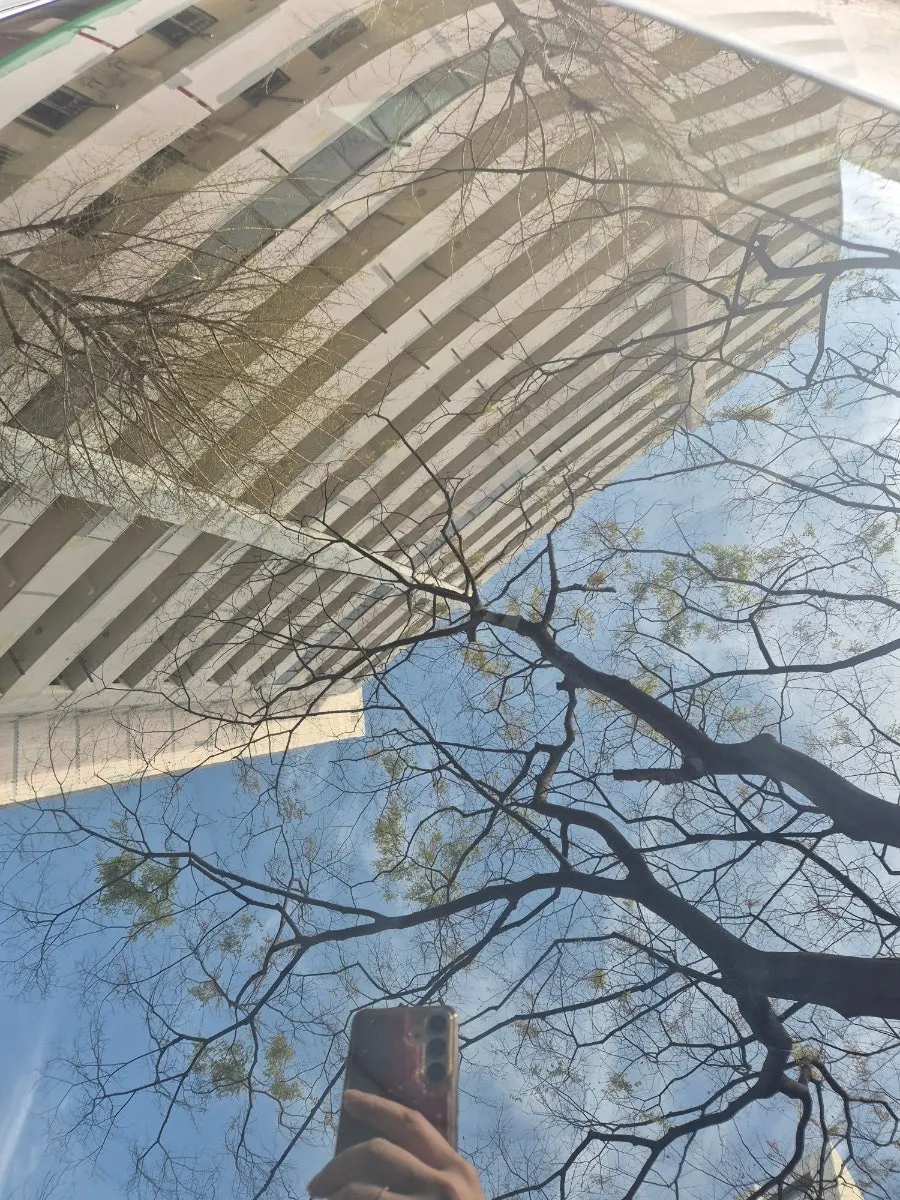
Lastly, I rinsed it with clean water. In my case, it took about 10 minutes or less to do the windshield, side windows, and rear window.
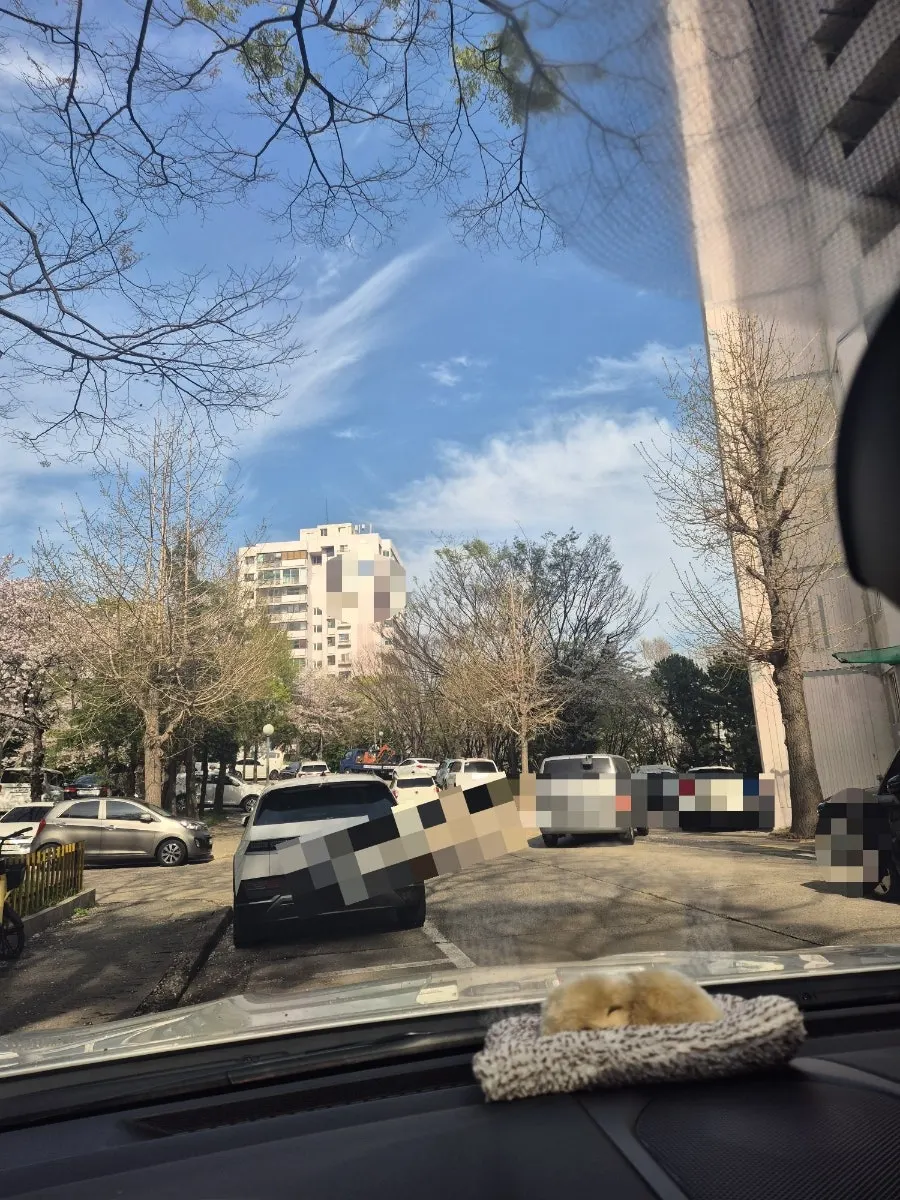
How did the glass and nighttime glare look afterward?
Afterward, the glass that had looked hazy appeared clearer. The way water beaded up also changed: before, water droplets lingered messily, while afterward they rolled right off.

What I noticed most was reduced glare while driving at night. After removing the oil film, glass care at the next car wash also felt much easier.
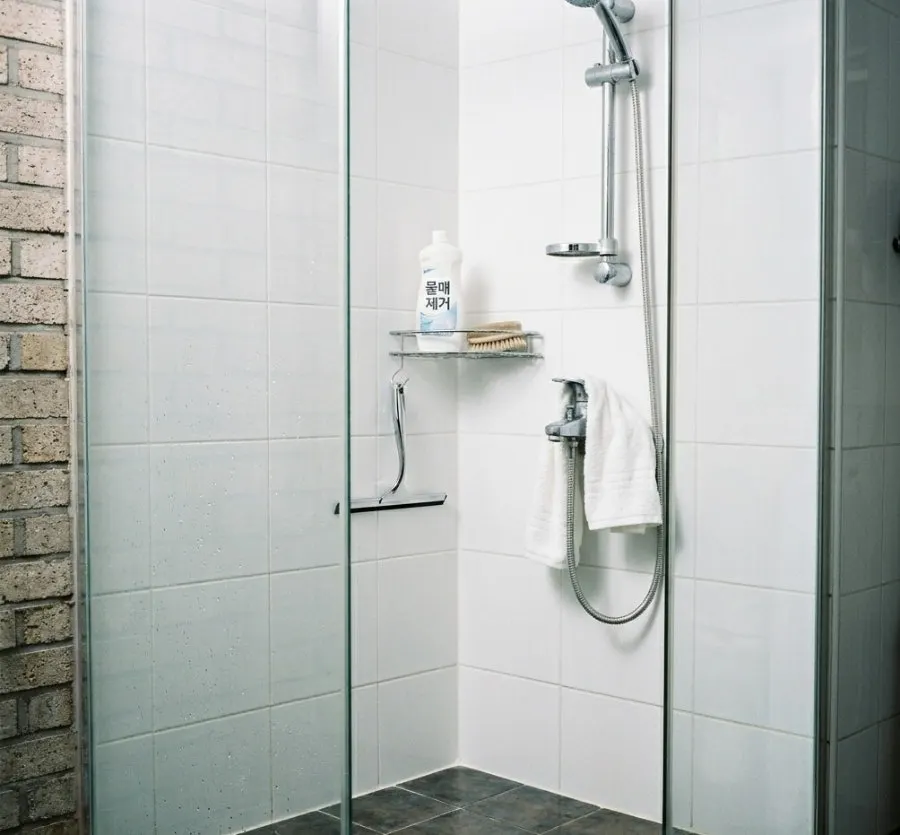
It is also said to work on water stains in a bathroom shower booth. This time, though, I used it on car glass.
What was disappointing about doing it for the first time?
I started with bare hands, then realized too late that the solution could come into direct contact with my skin. It would have been more comfortable if I had brought gloves beforehand. An outdoor spot with good ventilation also seemed like the safest choice for the job.
Because I could do the job with the solution and dedicated towel, even I—someone who had kept putting off oil-film removal—finished it without much difficulty. The changes in the glass right after the work and in nighttime glare are what I remember most from this use.