Mapo shabu-shabu restaurant with aromatic mala broth: Nahonsha
In short
Nahonsha is a solo shabu-shabu restaurant near Hapjeong Station in Mapo, Seoul. I enjoyed fresh meat, quality vegetables, fragrant mala broth, and finished with kalguksu noodles. Verdict: Nahonsha is a place I would revisit when I crave mala shabu-shabu.
Good to know
- Location
- Near Hapjeong Station
- Sauces
- 3 varieties
- Ordering
- Kiosk system
as written by the visitor on Sep 12, 2026
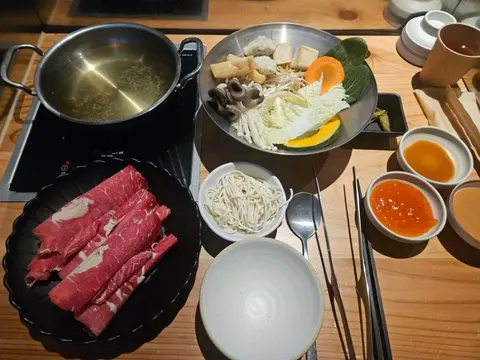
Shabu-shabu originated in Japan, but its roots are in China. Meat and broth quality are the heart of the flavor, and Nahonsha, which I visited this time, was perfect on both counts, making it such an enjoyable experience.
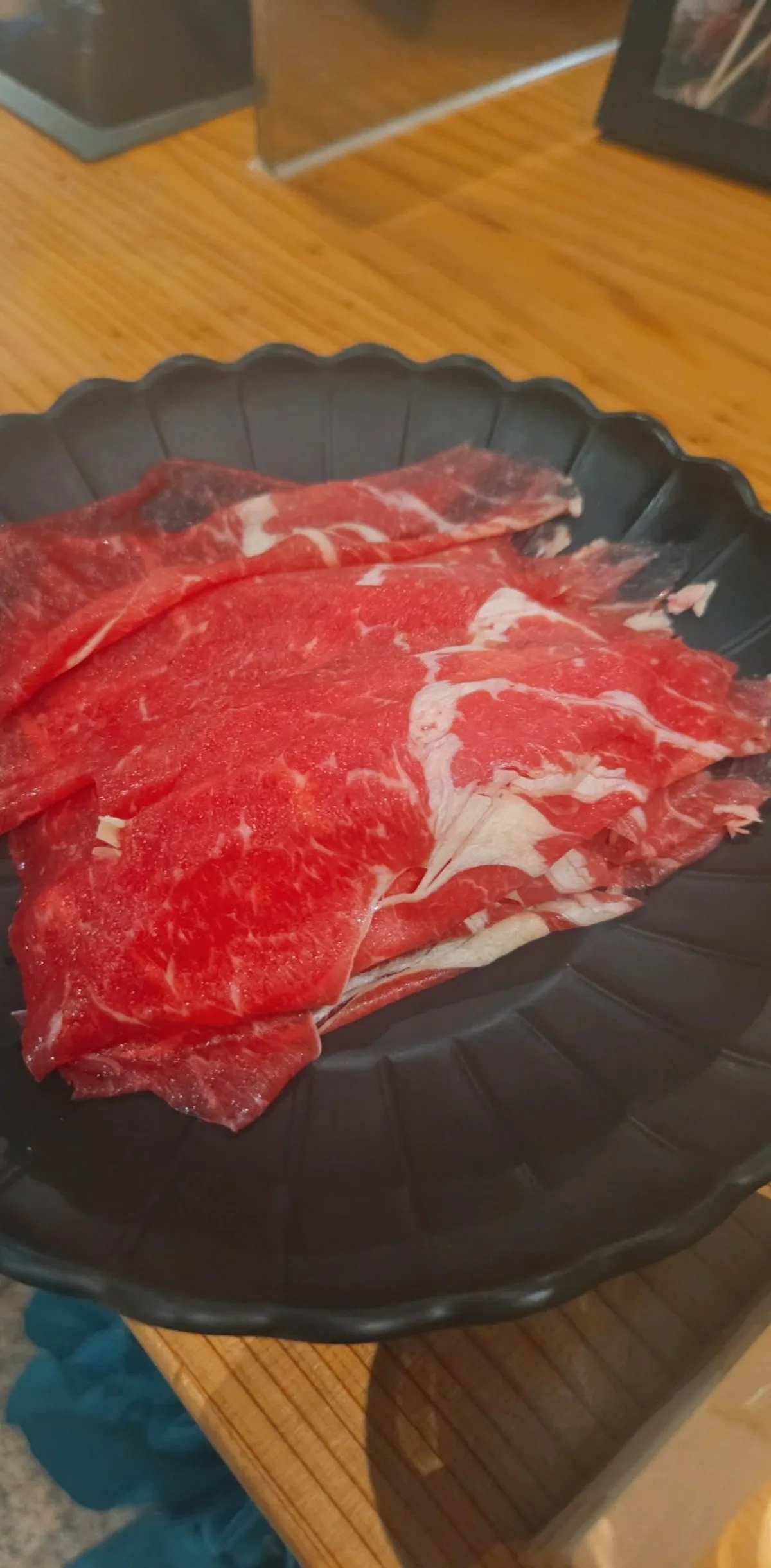
The meat was really fresh.
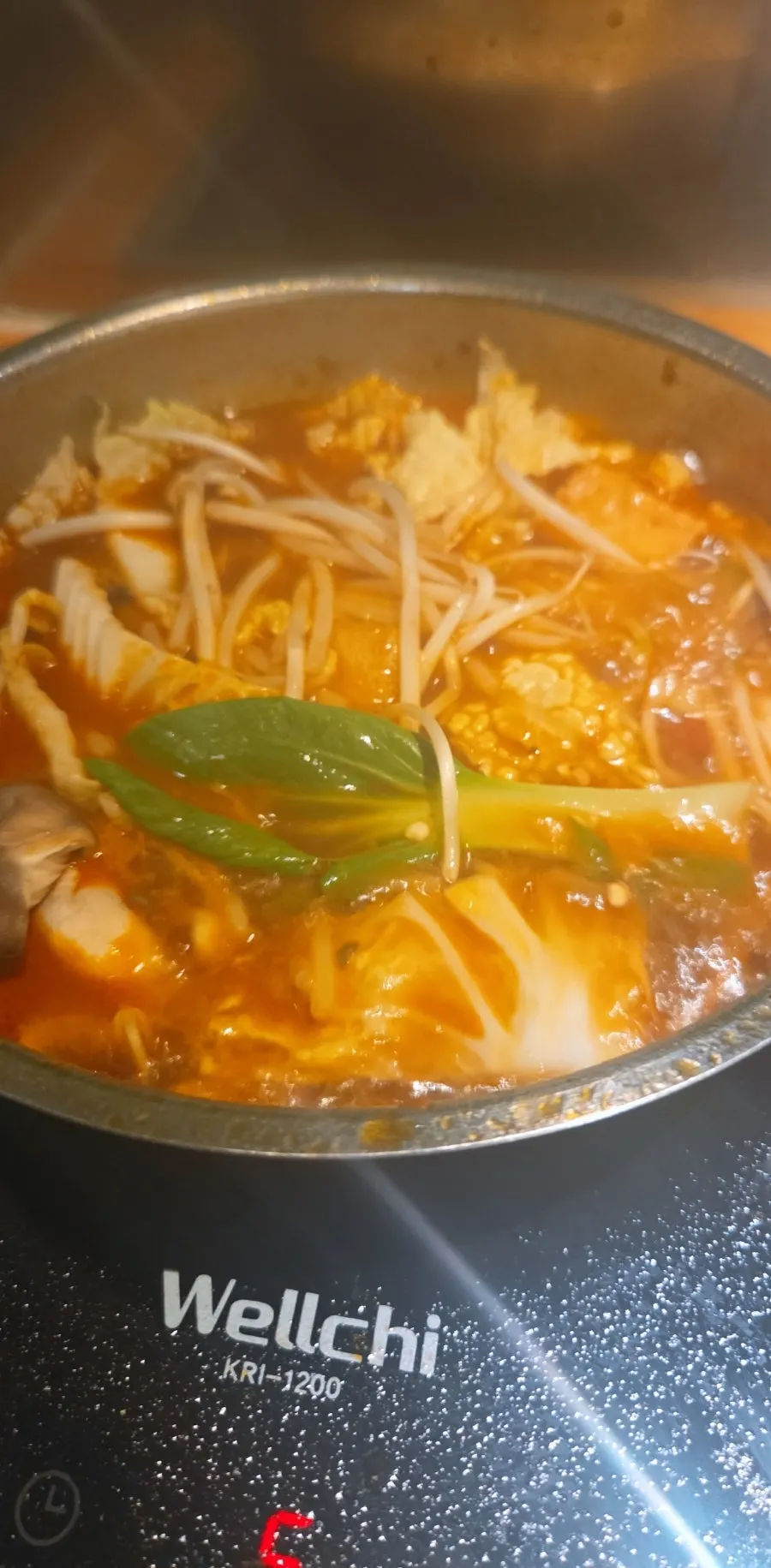
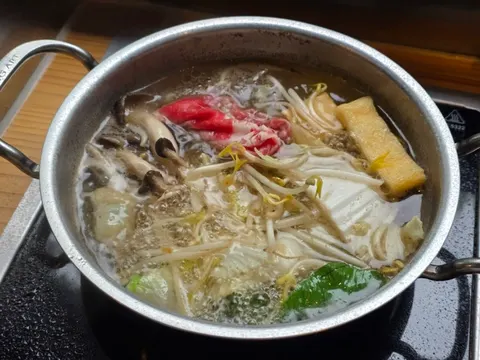
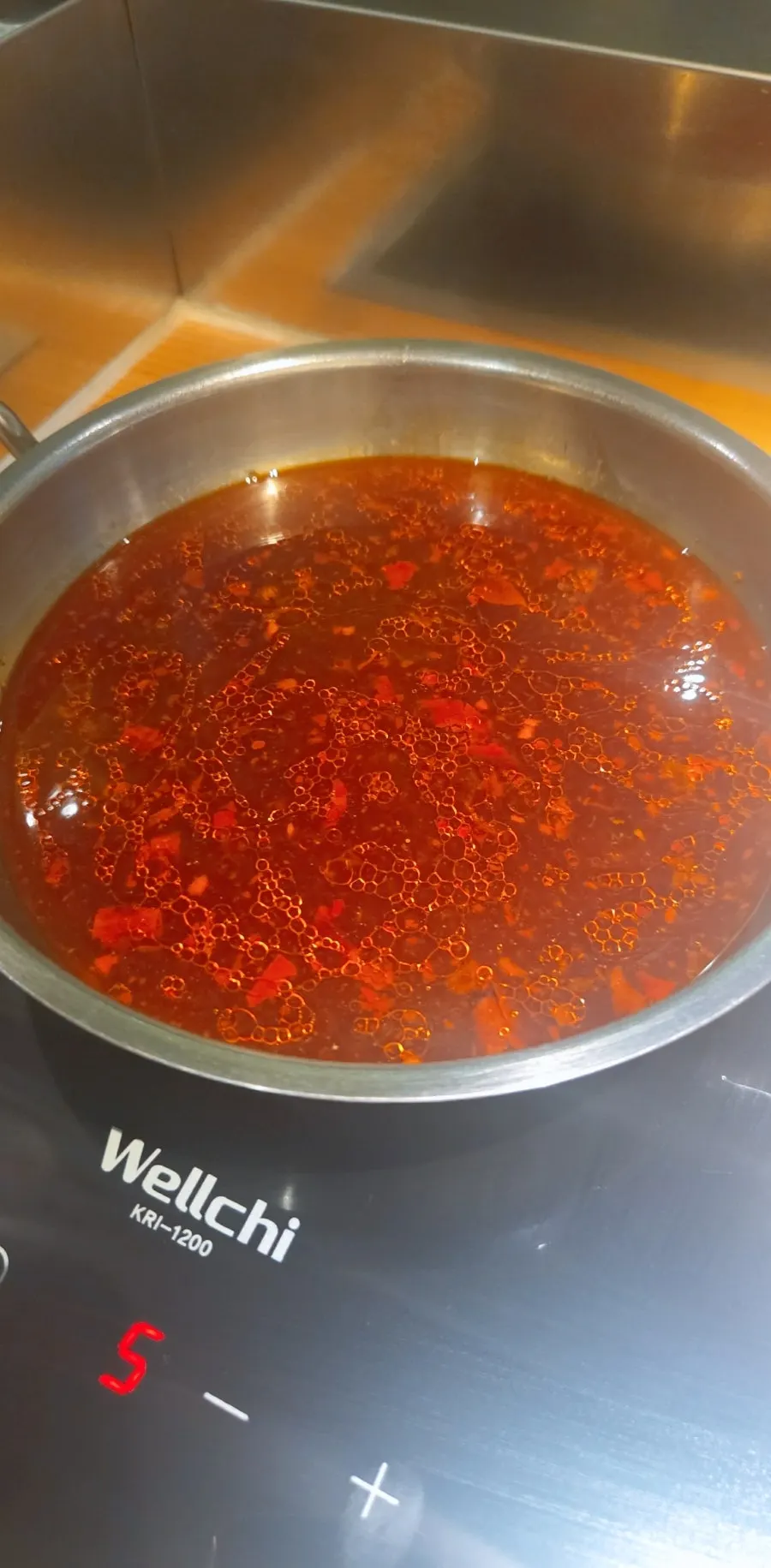
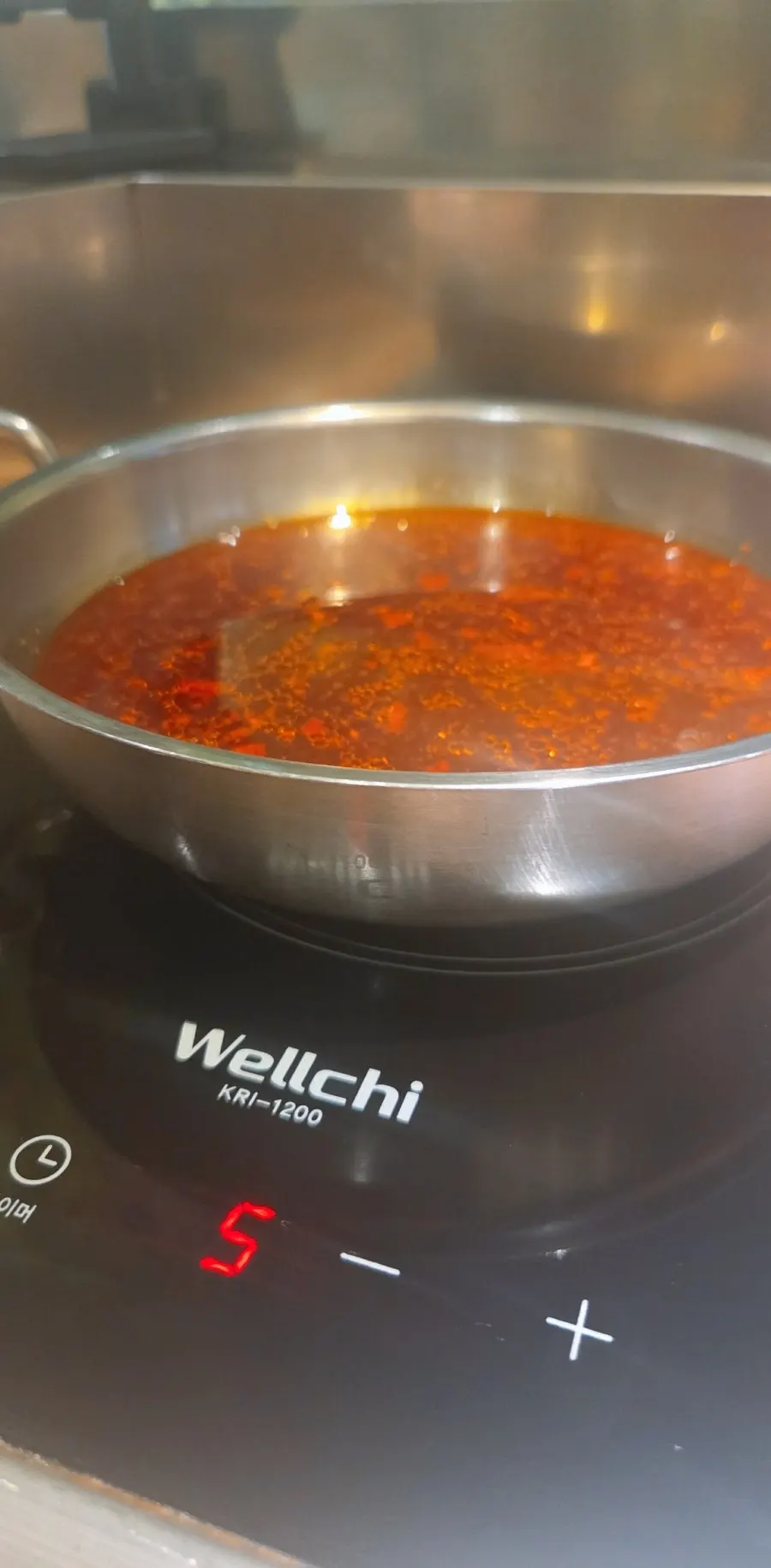
Broth with a truly fragrant mala aroma
I ordered the mala broth, and I loved that it was the kind where the mala aroma really comes through.
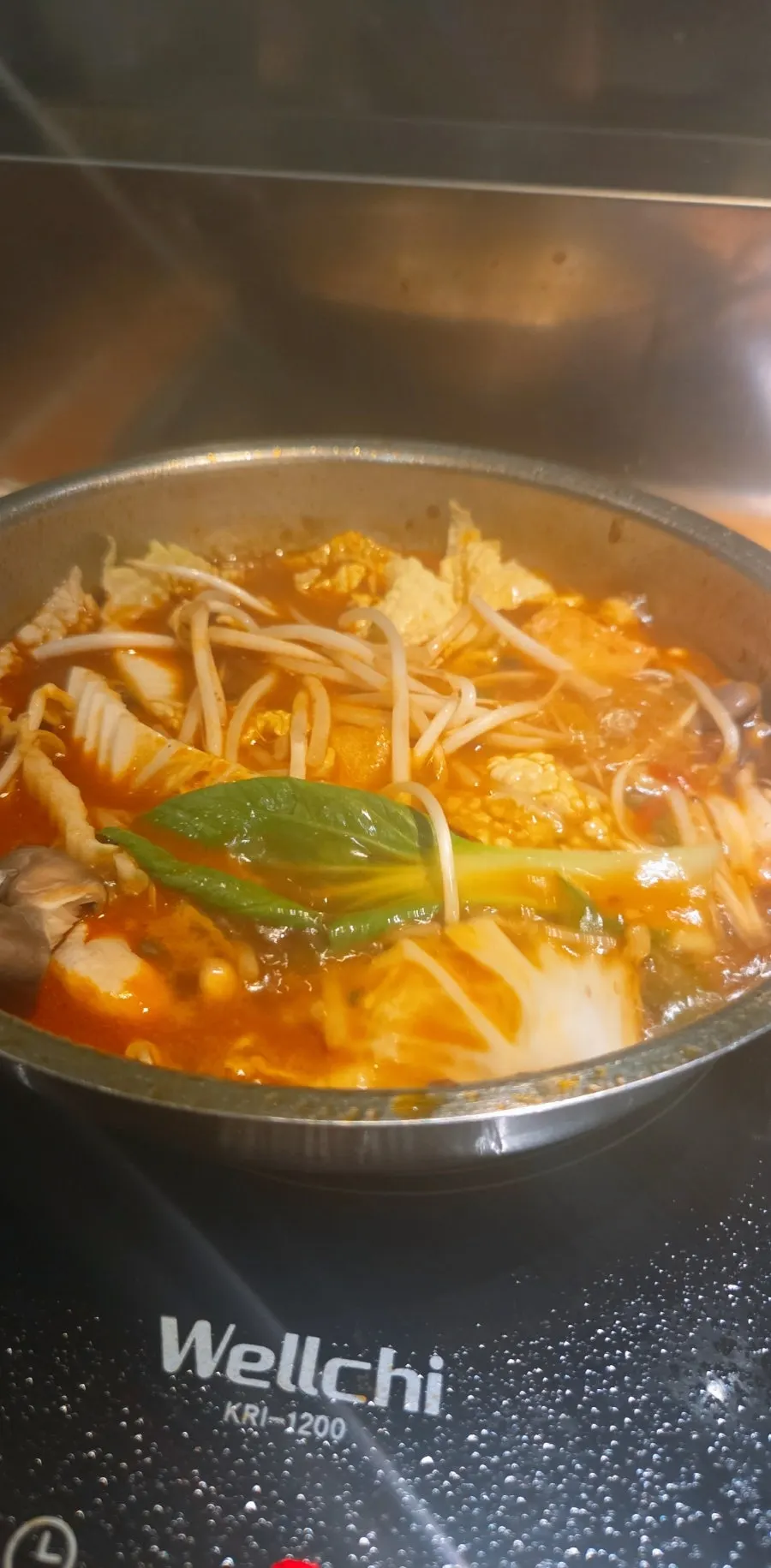
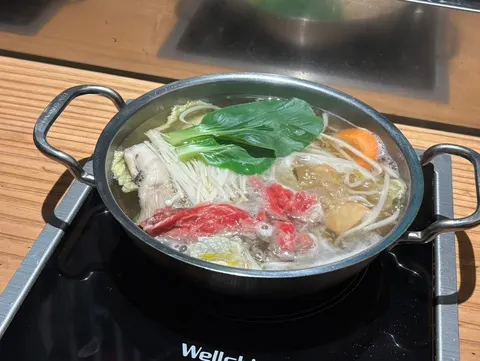
It felt so good to have broth done properly.
When the broth, vegetables, and meat all hit the mark, that is shabu-shabu complete.
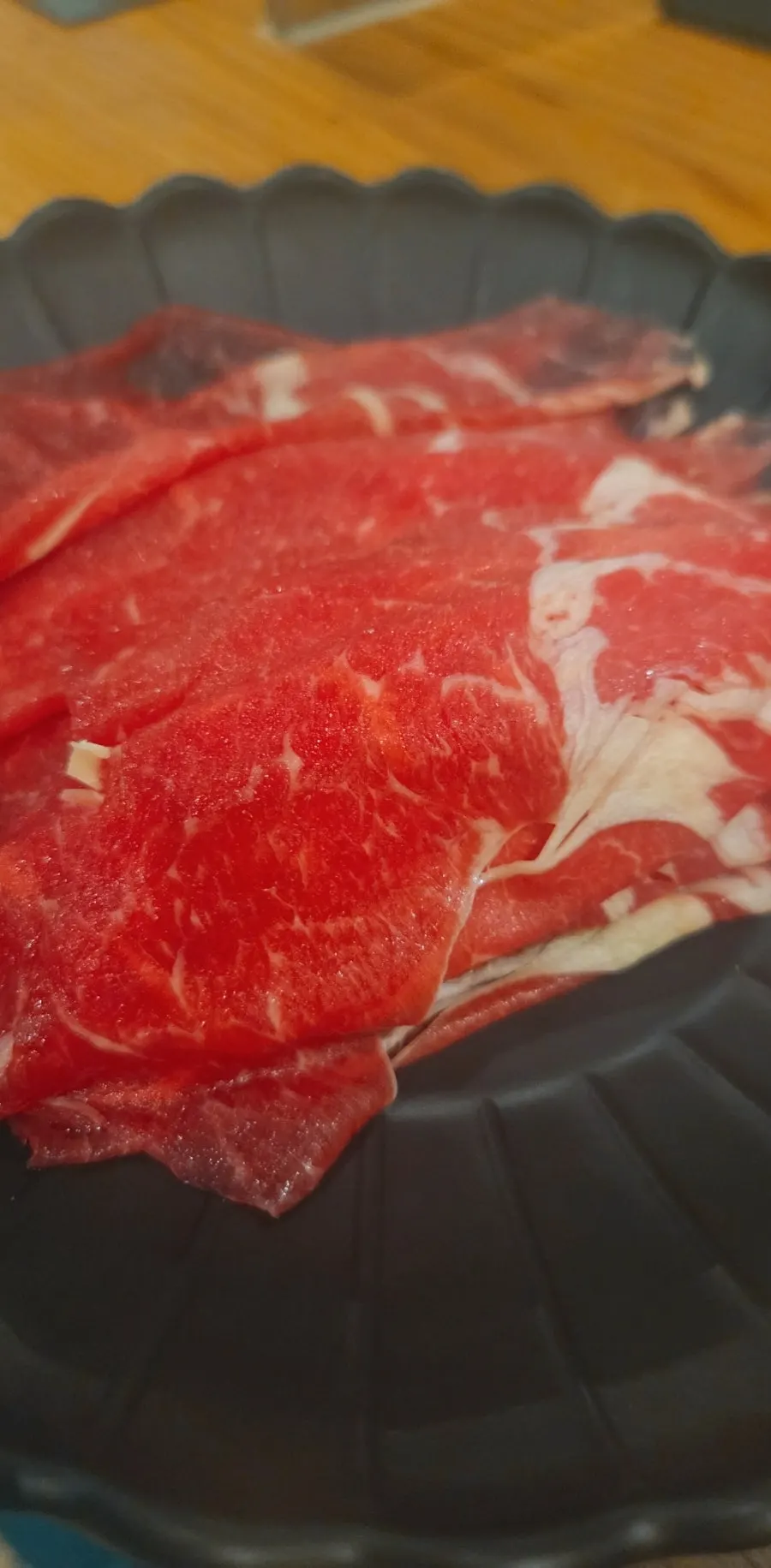
The meat is the real deal. It tasted really good too.
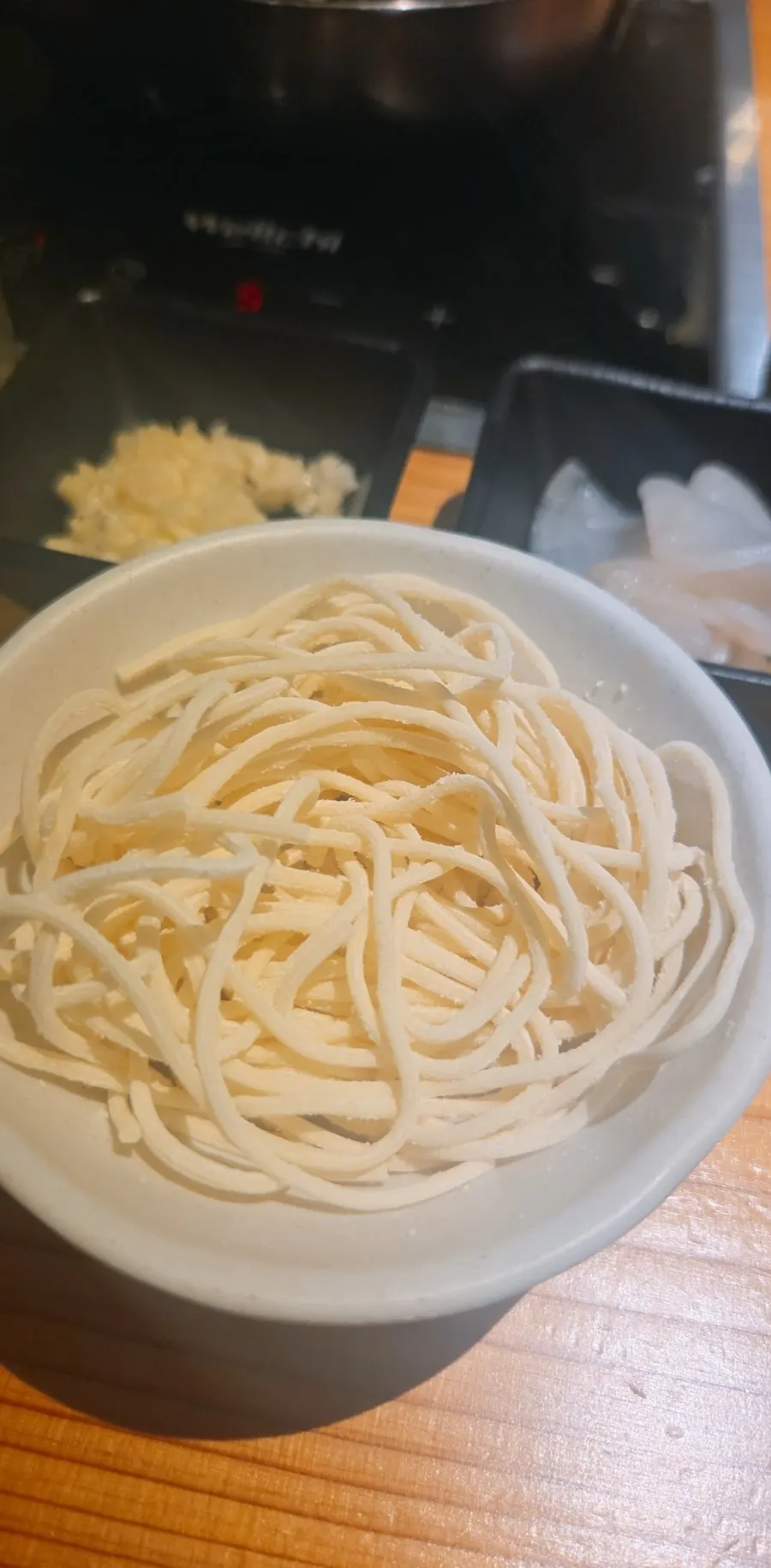
Adding kalguksu (knife-cut noodles) at the end to finish it off is the best too.
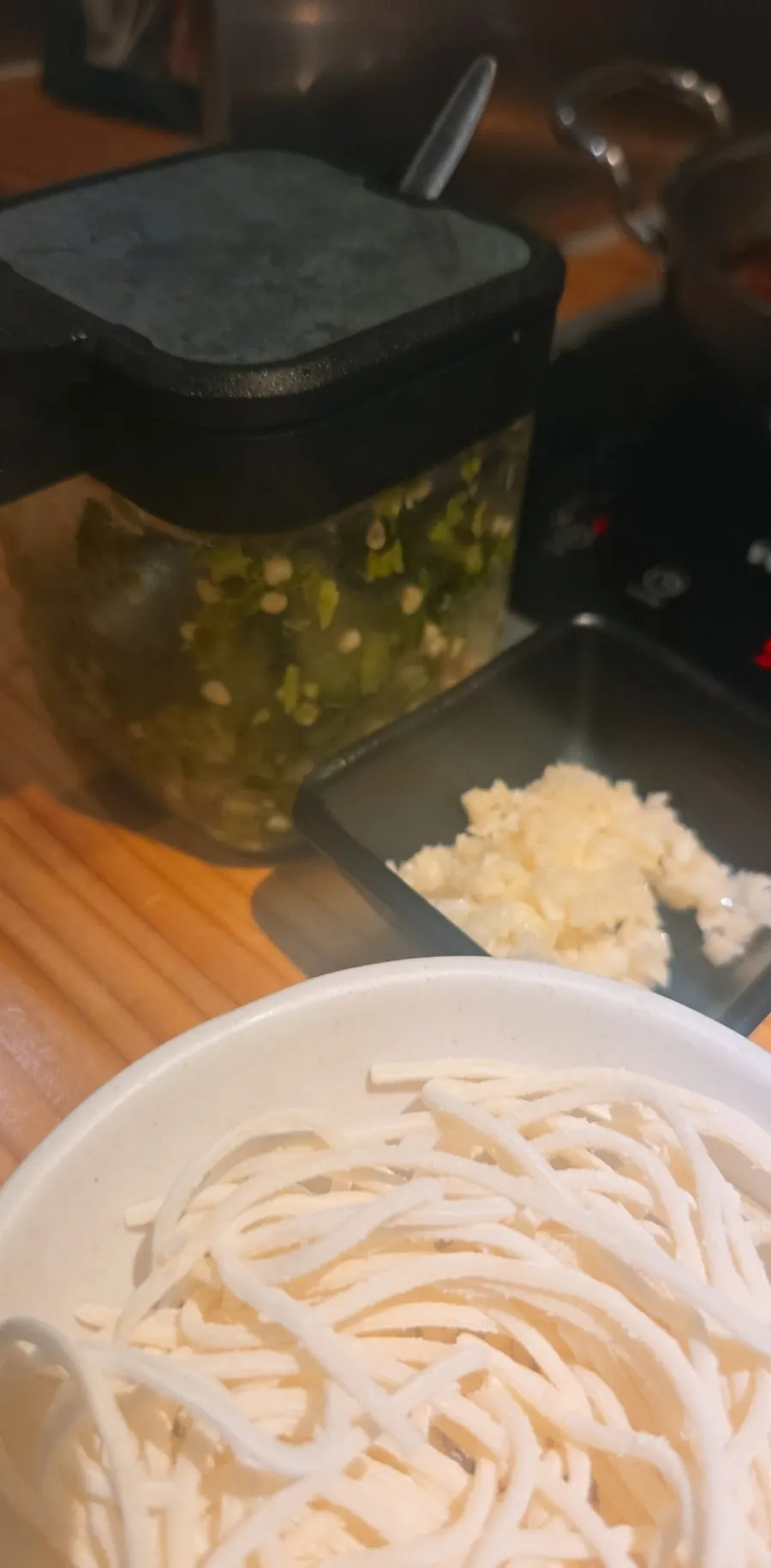
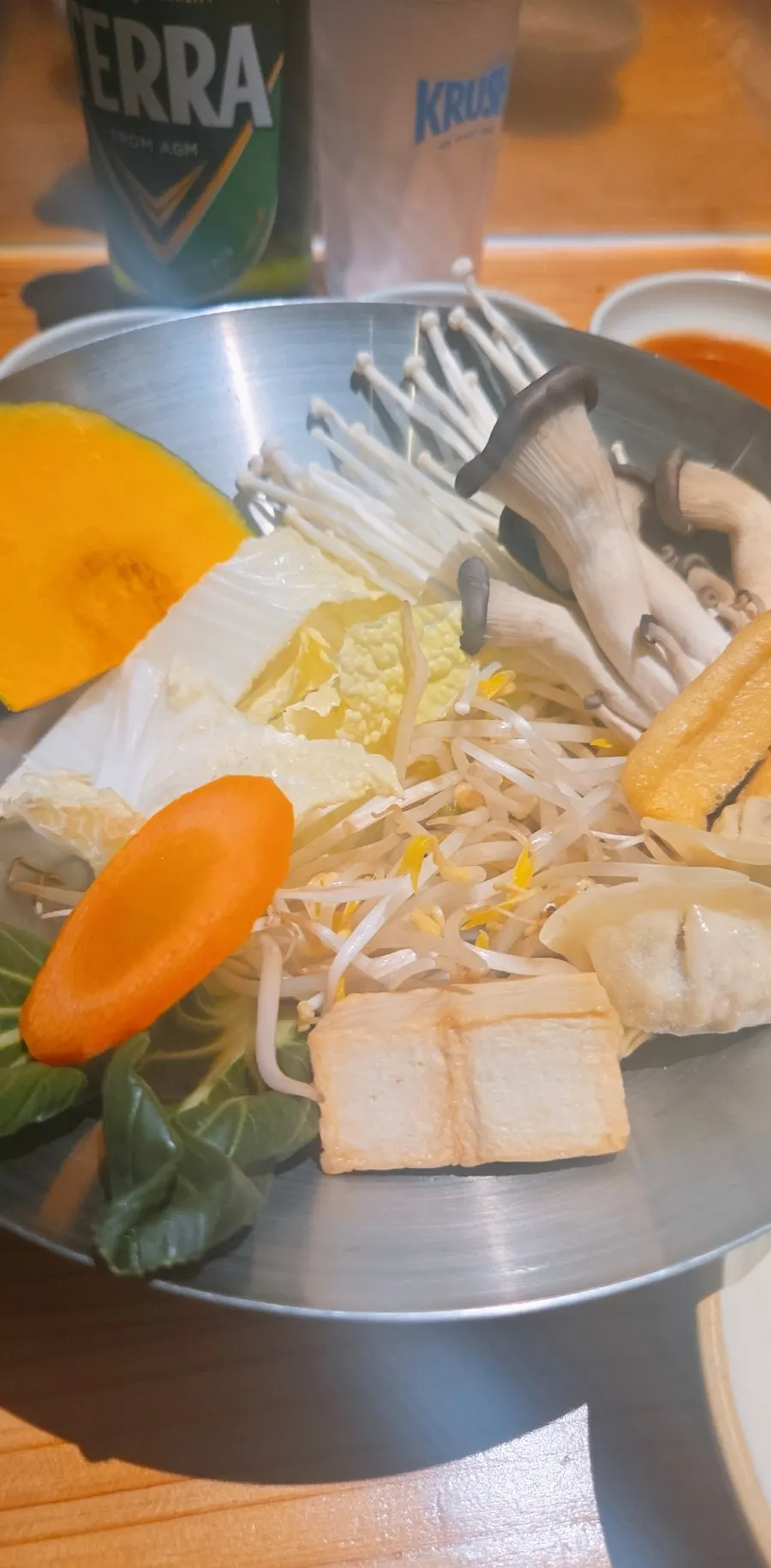
Meat, vegetables, and even the sauces
These are the standard vegetables, but every one was high quality, and it felt like my appetite was coming back.
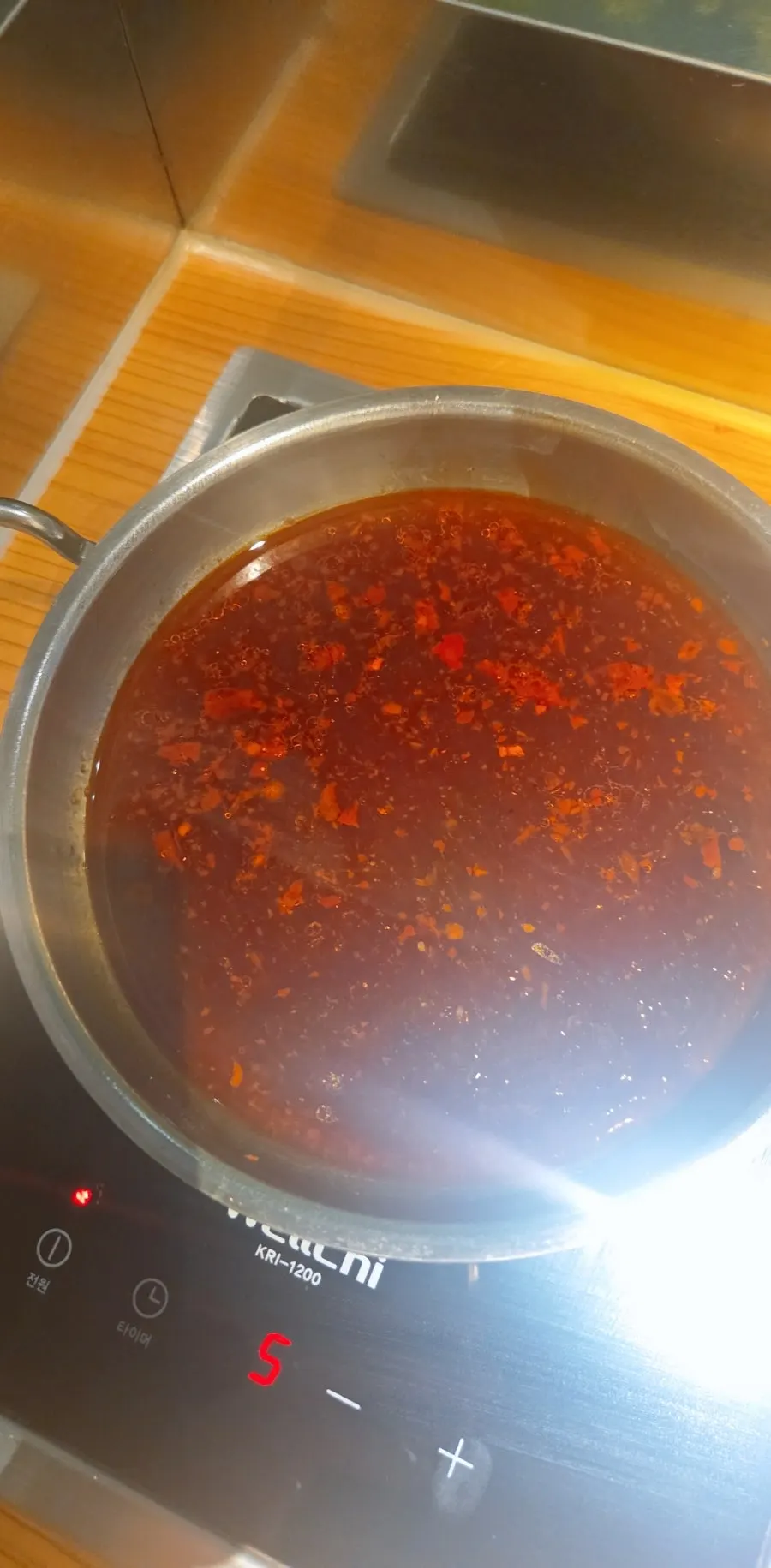
Just look at the refined quality of the mala broth.
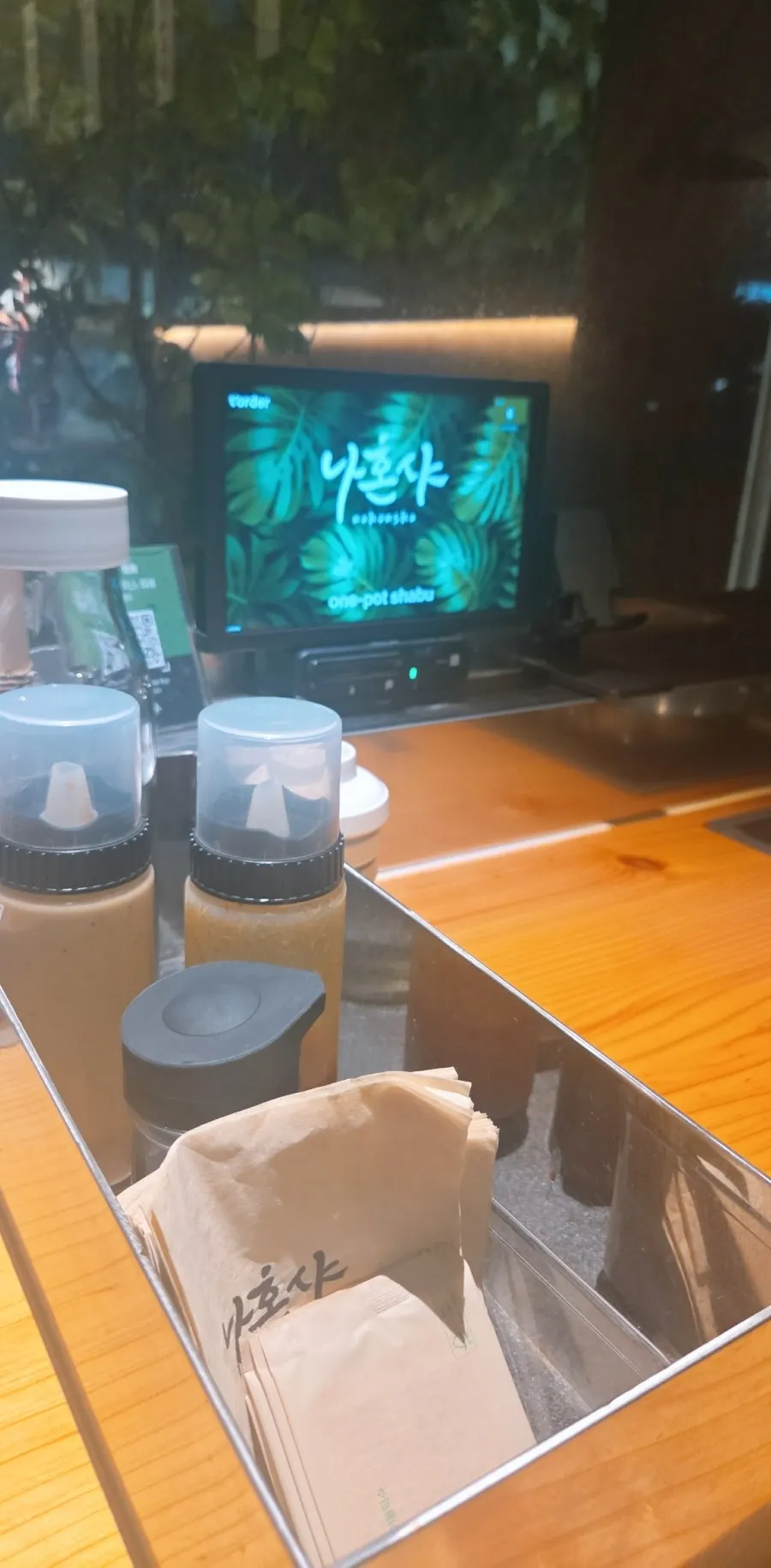
There are three sauces.
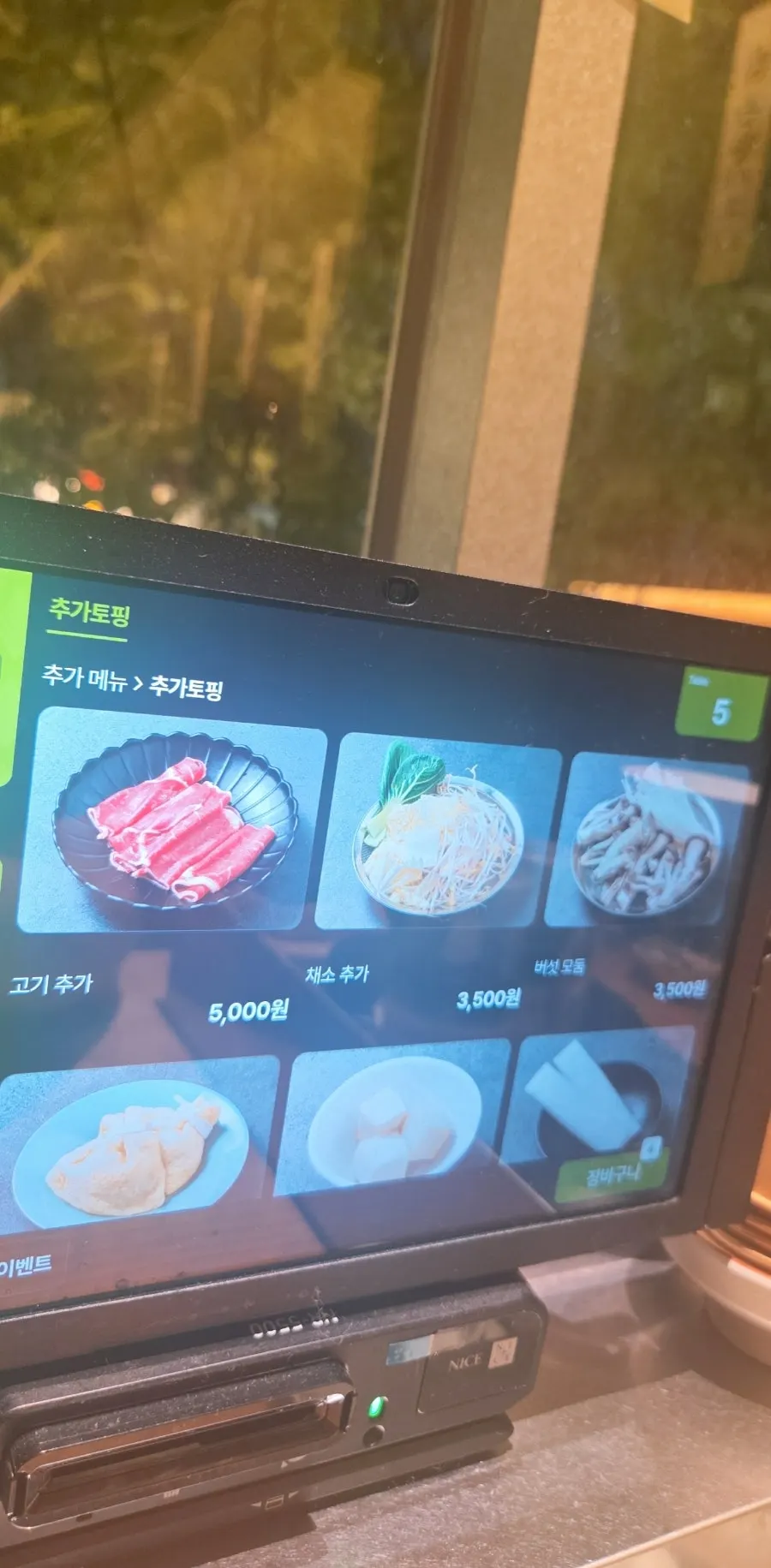
A kiosk system is essential these days.
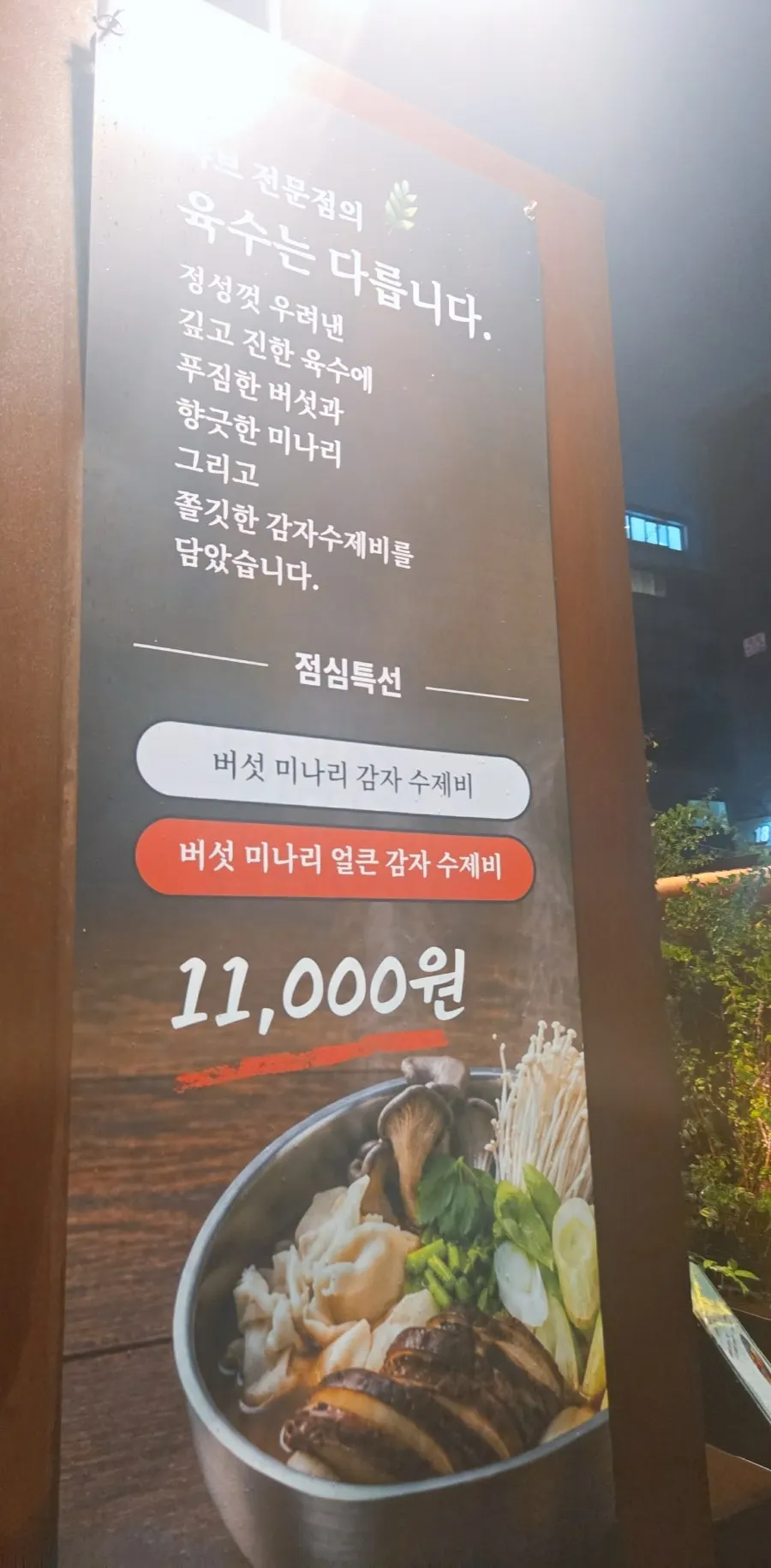
I would like to try this sometime later too.
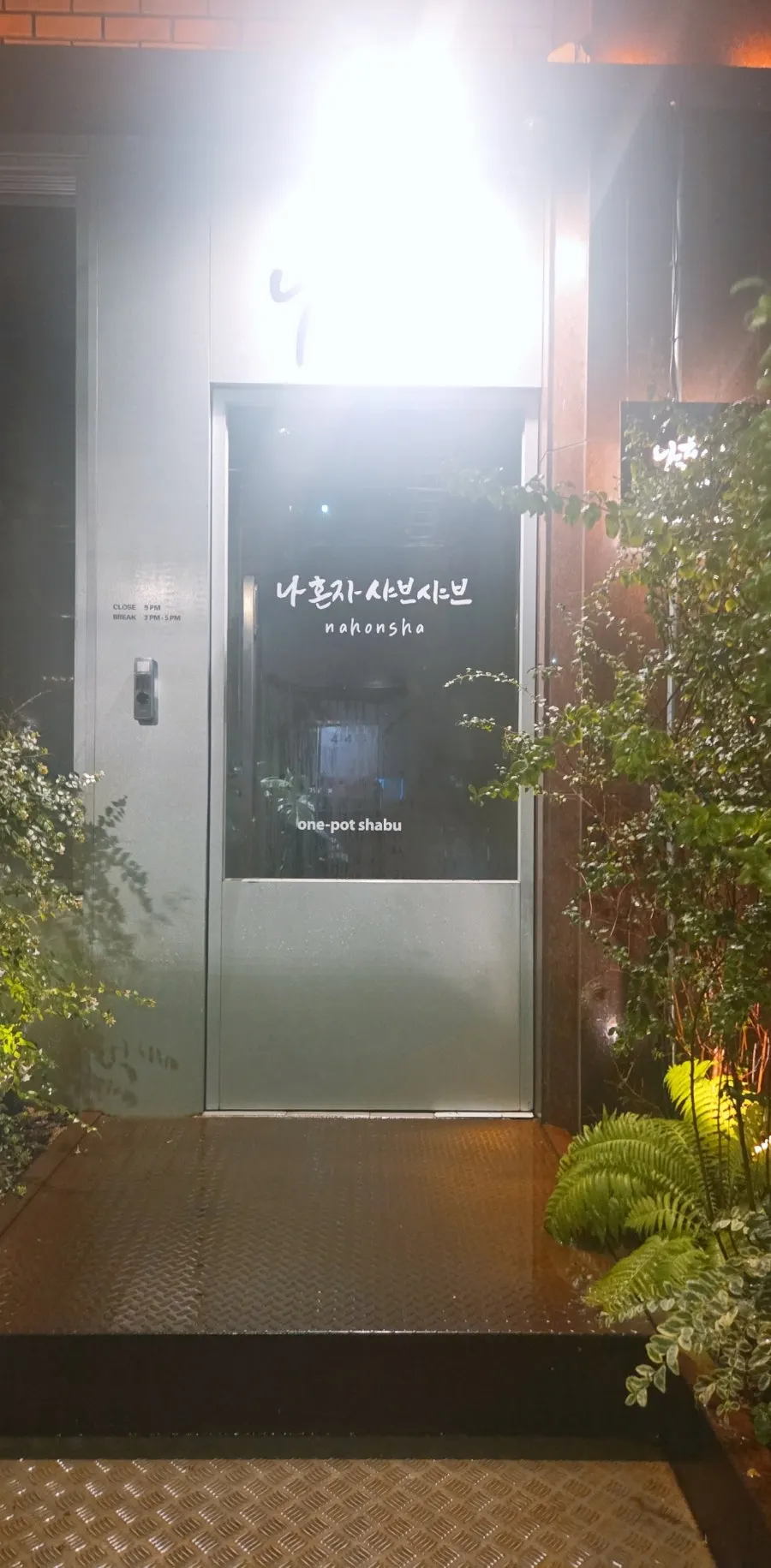
Nahonsha shabu-shabu is near Hapjeong Station, so it is easy to get to. I think I would come back when I want to enjoy shabu-shabu alone.
The origins and history of shabu-shabu
Shabu-shabu (しゃぶしゃぶ) is a Japanese-style sukiyaki and hot-pot dish in which thinly sliced meat is briefly swished in simmering broth before eating.
The name “shabu-shabu” comes from an onomatopoeia imitating the swishing, splashing sound made when meat is moved through broth with chopsticks.
In fact, the roots of this cooking method are thought to be Chinese hot pot, specifically shuàn yángròu (涮羊肉), or swished mutton. Mongolian-style mutton shabu-shabu spread throughout China via the Yuan dynasty, then made its way to Japan in the early 20th century.
In 1952, a restaurant called Suehiro in Osaka, now Suehirotei, developed the dish, named it “shabu-shabu,” and registered it as a trademark, helping popularize it. It then spread across Japan and became an independent food genre.
It entered Korea through Japan in the 1980s and 1990s, where it was adapted and established with vegetables and mushrooms.
What does mala shabu taste like?
Mala shabu is a fusion style that brings the mala (麻辣) spices of China’s Sichuan region into conventional shabu-shabu.
- Ma (麻, numbing): Sichuan peppercorns, a type of prickly ash, create a tongue-tingling, numbing sensation. It is not simply spicy; the numbness is the key.
- La (辣, hot): Dried chilies and chili oil add an intense, fiery heat.
- Complex aroma: Star anise, cinnamon, cloves, and various other spices make the aroma rich and layered, while the oily broth, or hongtang, is deeply savory.
- How it differs from regular shabu-shabu: Unlike the mild, clean flavor of standard broth, mala shabu centers on an intense, addictive numbing heat. Even after swishing meat and vegetables, the spice flavor remains strongly present.
What is known about mala broth spices
The main spices in mala broth are traditionally said to have the following benefits. However, these are perspectives from folk remedies and traditional medicine; actual health effects vary greatly by individual and are not scientifically verified treatments.
- Sichuan peppercorn: It is said to promote blood circulation and warm the body, and traditionally believed to aid digestion by encouraging digestive secretions. Some studies also suggest antibacterial activity.
- Dried chilies and chili oil (capsaicin): Studies suggest capsaicin may temporarily boost metabolism. By raising body temperature and encouraging sweating, it may also stimulate endorphin release and provide a temporary feeling of stress relief.
- Spices such as star anise, cinnamon, and cloves: Some research suggests cinnamon may help regulate blood sugar, though the small amount in mala soup is not meaningful, and it contains antioxidant compounds.
Things to keep in mind when eating mala broth
Mala broth is often very high in sodium and oil, so overconsumption can instead burden the body through stomach irritation, heartburn, or elevated blood pressure. As you build tolerance for the heat and numbness, you may tend to seek increasingly intense flavors, so moderation is best. If you have a particular health condition, such as a gastrointestinal condition or high blood pressure, I recommend consulting a professional before eating it.
Where it is
42 Dongmak-ro, Mapo-gu, Seoul, South Korea (서울특별시 마포구 독막로 42 1층)서울특별시 마포구 독막로 42 1층