Saturday wait #35 during buckwheat flower festival: Bongpyeong Memil
In short
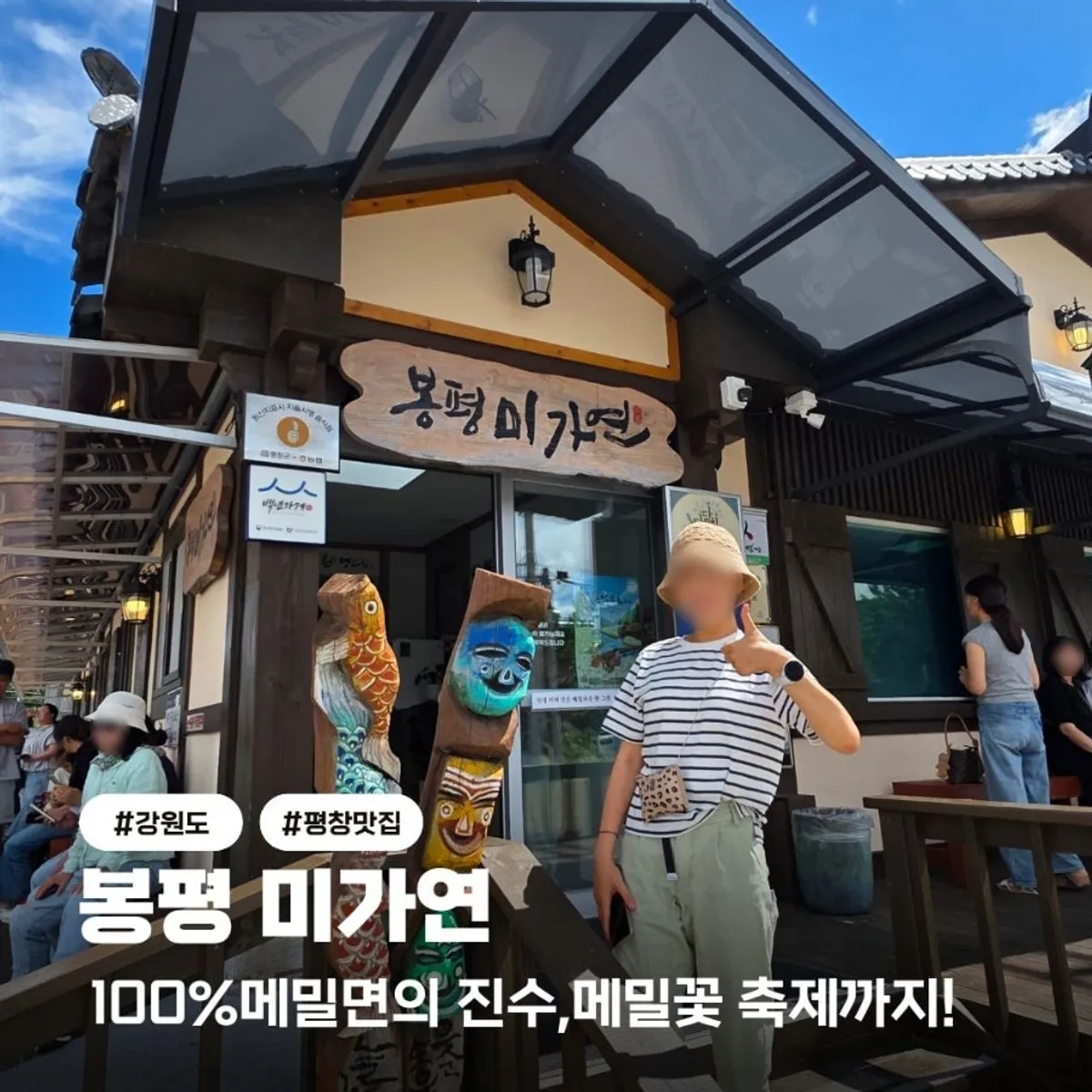
Bongpyeong Memil Migayeon is a buckwheat noodle restaurant in Bongpyeong, Pyeongchang, Gangwon, that makes its 100% buckwheat noodles in-house. Visiting on a Saturday at noon during the buckwheat flower festival, the writer took waiting number 35 and got seated in about 15 minutes, then tried the plain memil makguksu (buckwheat cold noodles), hanwoo yukhoe bibim makguksu (raw beef tartare mixed noodles), buckwheat pancakes, and an extra serving of noodles. It's a great fit for anyone who wants to taste buckwheat itself rather than a heavily seasoned bowl.
Good to know
- Address
- 108 Gipung-ro, Bongpyeong-myeon, Pyeongchang-gun, Gangwon-do, South Korea
- Location
- 8-minute drive from the Bongpyeong Hyoseok Culture Festival (buckwheat flower festival) grounds
- Hours
- Daily 10:00–17:00
- Closed
- Every Wednesday
- Parking
- Free at the restaurant's own lot
- Pets
- Not allowed
- Ordering
- Table kiosk, order and pay at once
- Extra noodle serving (gopbaegi)
- ₩5,000
- Seating
- Large dining room, has a room (shared, not private per party), baby chairs available
as written by the visitor on Sep 7, 2026
Bongpyeong Memil Migayeon basics
- Address: 108 Gipung-ro, Bongpyeong-myeon, Pyeongchang-gun, Gangwon-do, South Korea (8-minute drive from the Bongpyeong Hyoseok buckwheat flower festival grounds)
- Hours: daily 10 a.m. to 5 p.m., closed every Wednesday
- Parking: free at Bongpyeong Memil Migayeon's own lot
- Pets not allowed
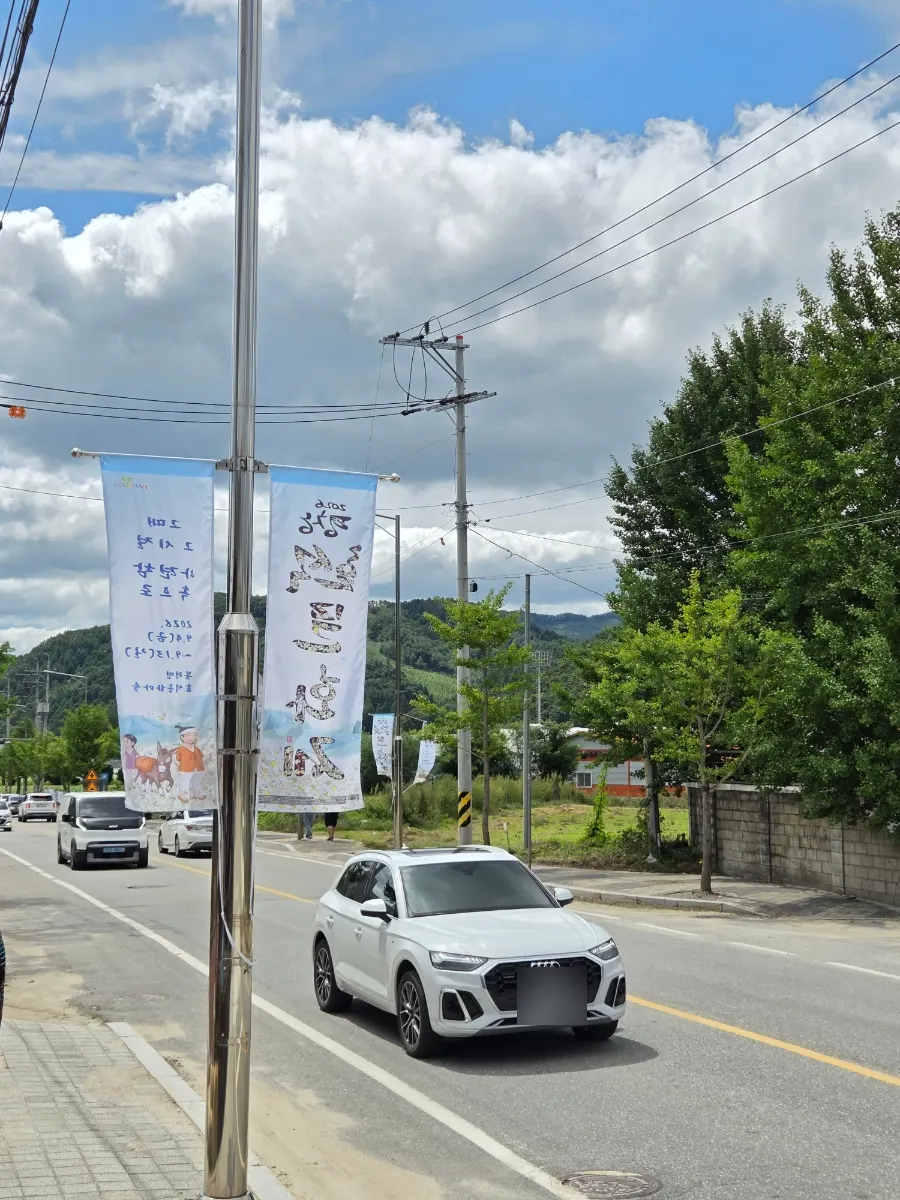
Bongpyeong in Pyeongchang, Gangwon is in the middle of its buckwheat flower festival right now! We stopped by Bongpyeong on our way to see the buckwheat fields and continue on to Gangneung.
1. The wait
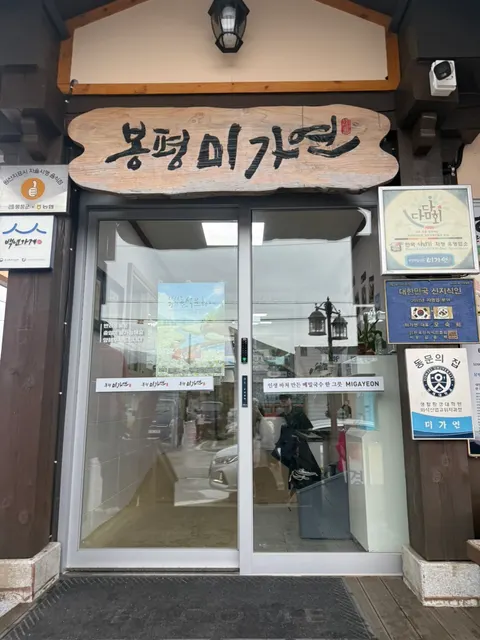
Our timing was a bit awkward — we wanted to eat lunch, take a quick look at the festival grounds, and then head to Gangneung, so I looked up good buckwheat restaurants near the festival site. Bongpyeong has a ton of buckwheat restaurants, but the one that caught my eye was Bongpyeong Migayeon.
It's a place that makes 100% buckwheat noodles in-house, run by Korean food master Oh Suk-hee. I'd heard chef Edward Lee had visited, so my expectations for the taste were pretty high.
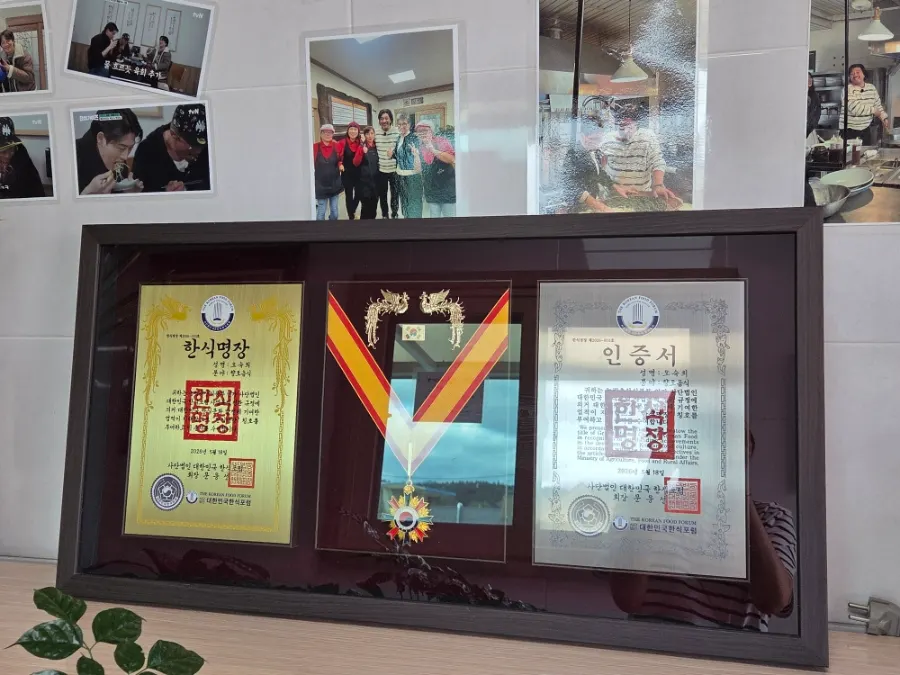
Everyone seemed to have the same idea as us — when we arrived at noon on a Saturday and looked around the restaurant, the wait was already fairly long.
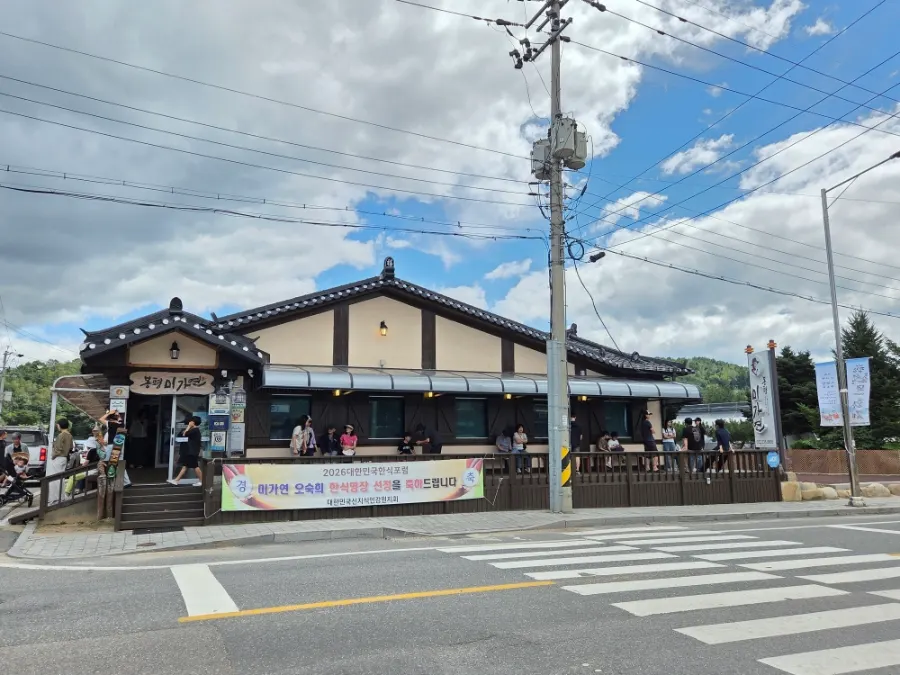
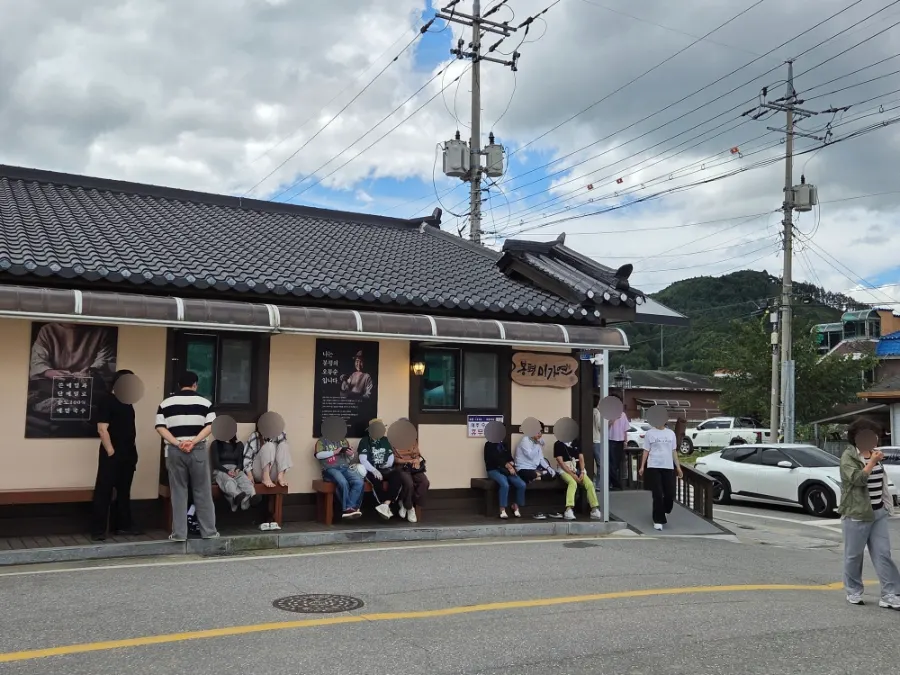
Have one person register for the wait before you finish parking
While my husband parked, I got out first and put our name in — we were number 35, with 11 parties ahead of us. The estimated wait time in the KakaoTalk message was about 30 minutes, but since makguksu (cold buckwheat noodles) turns over tables quickly, I asked the owner and she said around 10 people get seated every 15 minutes or so. And amazingly, it really did take about 15 minutes.
Partly because of the buckwheat flower festival, there were a lot of family groups, so each party had a lot of people. The restaurant is fairly large and does have a room, but it's not for one party's exclusive use — groups are split up and seated.
Still, the spacing between seats was fine, and baby chairs were on hand, so it looked like a good spot for families. If you're visiting on a day when the Bongpyeong five-day market is running, or on a weekend or holiday, it's worth planning for a wait.
2. 100% buckwheat makguksu
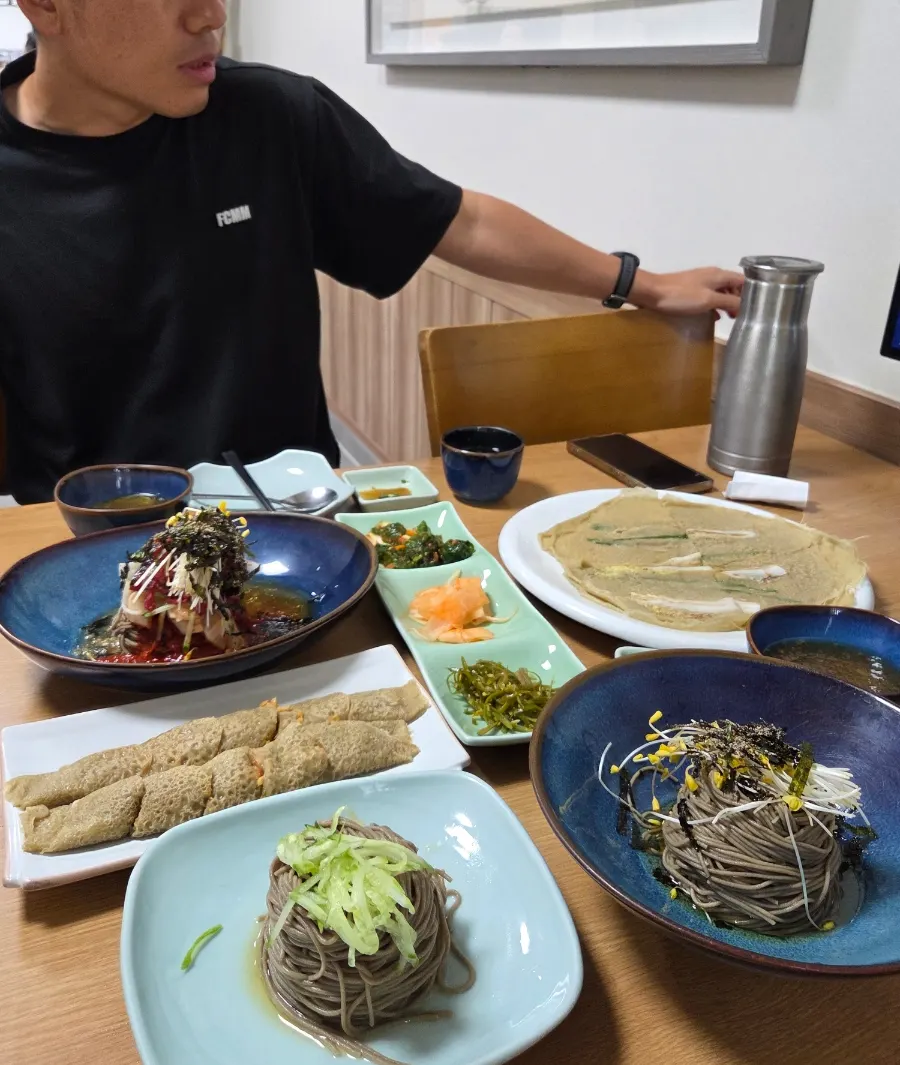
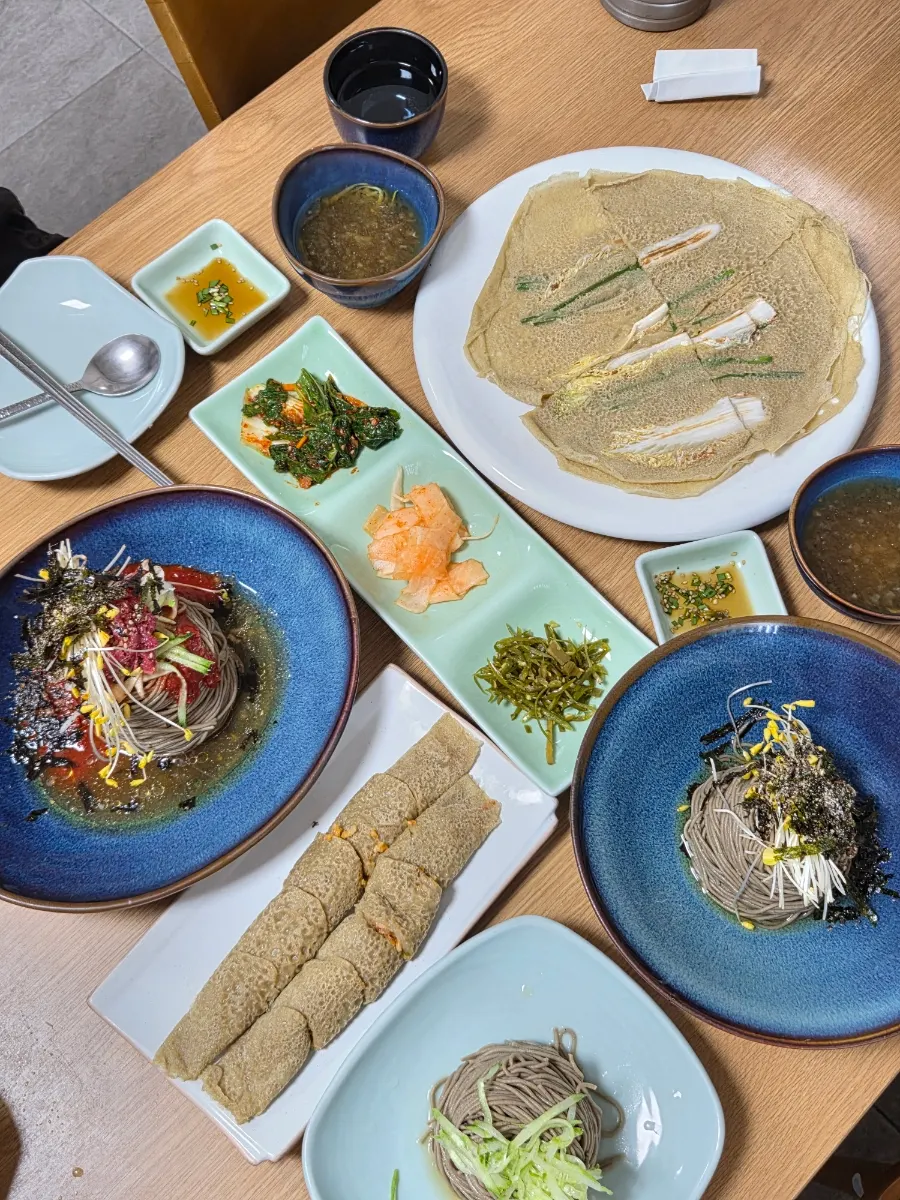
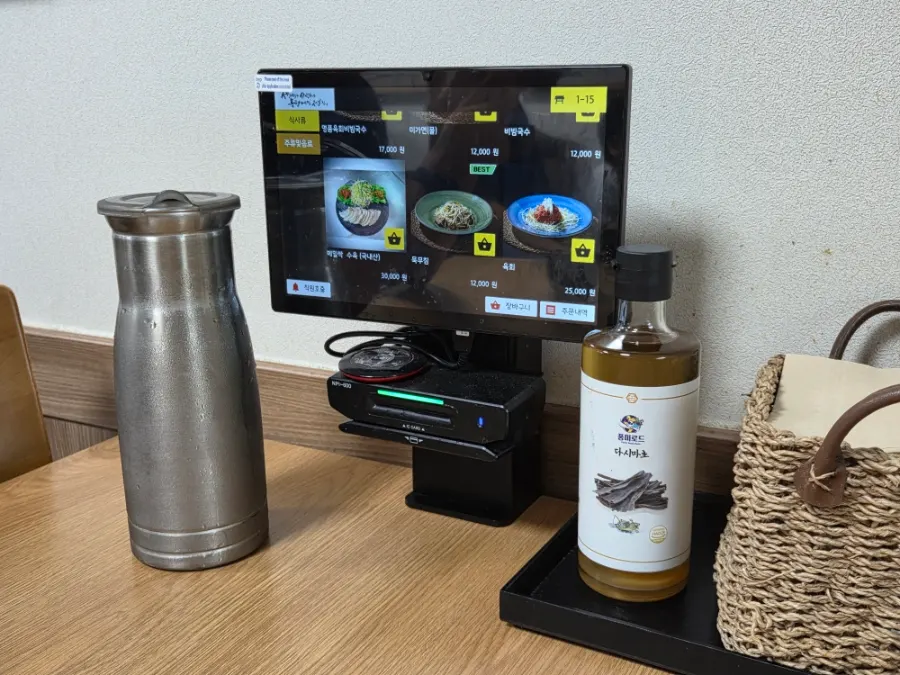
You order and pay at the same time using the kiosk on the table. We debated ordering yukhoe (raw beef tartare) as a side or a buckwheat dish, and ended up ordering memil-jeon (buckwheat pancake) and memil-jeonbyeong (buckwheat rice roll pancake), plus the plain 100% buckwheat makguksu and the yukhoe bibim makguksu topped with raw beef.
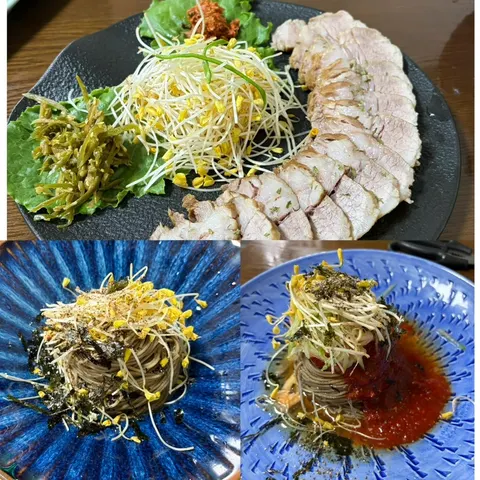
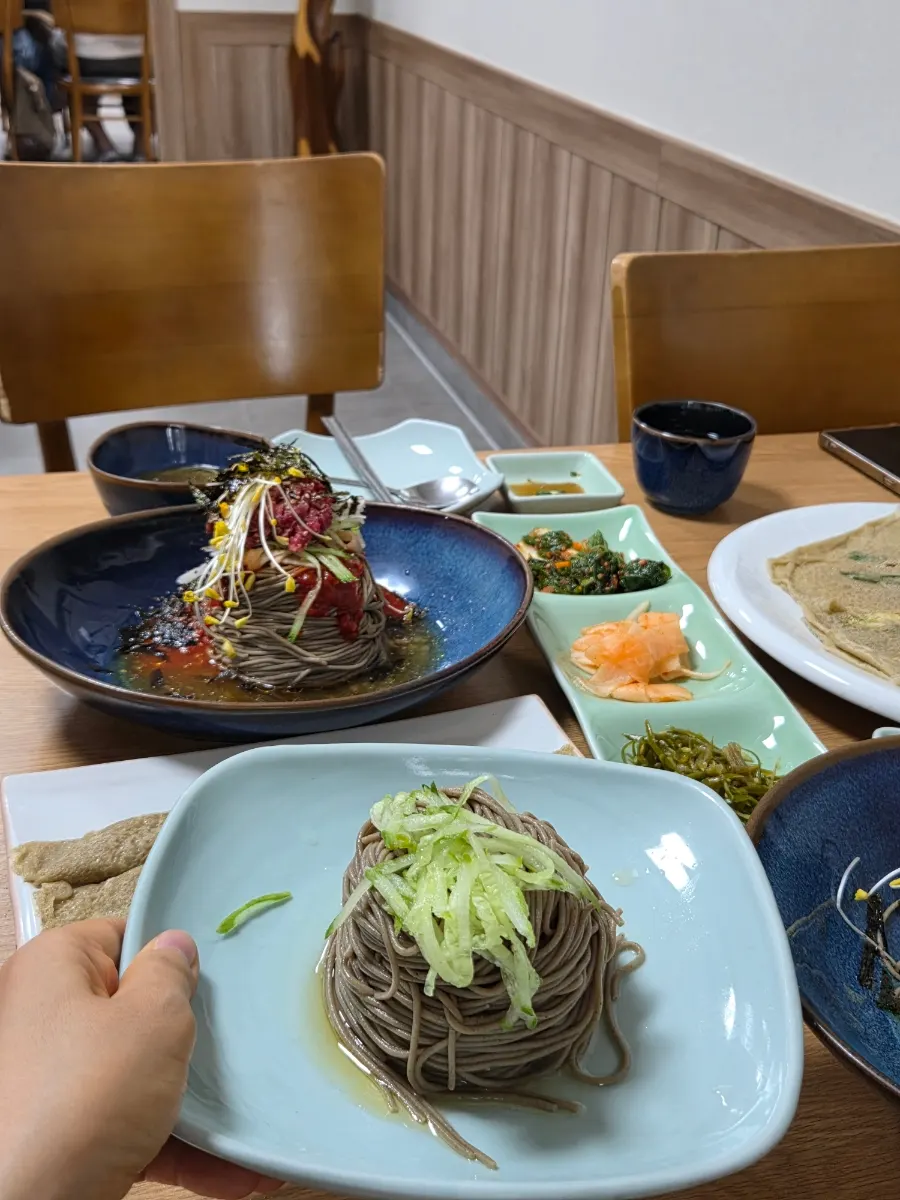
The plain Bongpyeong buckwheat makguksu is 100% buckwheat noodles in a soy sauce and perilla oil base. Being 100% buckwheat, the texture was noticeably different from typical makguksu noodles.
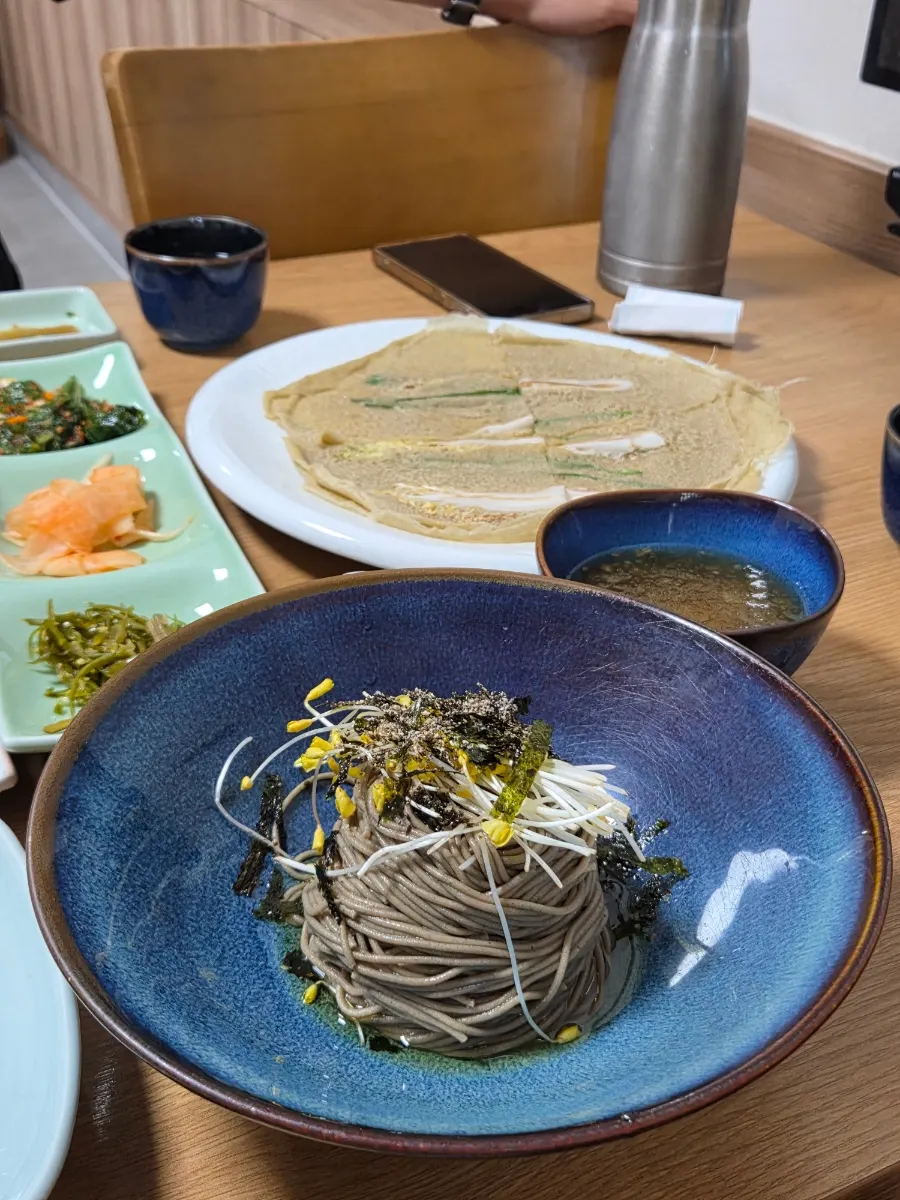
Rather than a chewy, long-bite noodle, it was more of a soft noodle that snaps easily. Being 100% buckwheat, I trusted the quality, but I was worried about buckwheat's characteristic bitterness — contrary to my worry, it wasn't bitter at all, just clean and delicious. That said, the plain makguksu wasn't strongly seasoned, so it was quite mild.
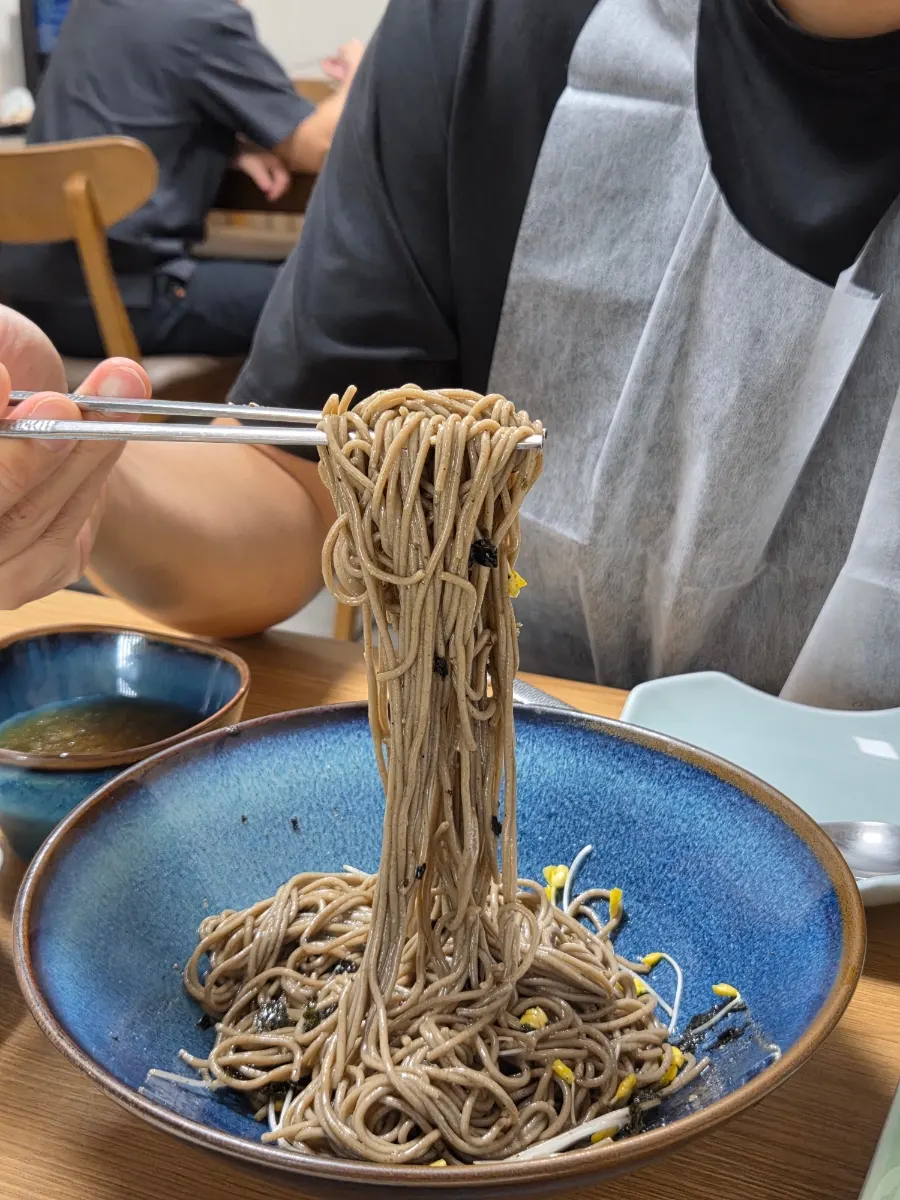
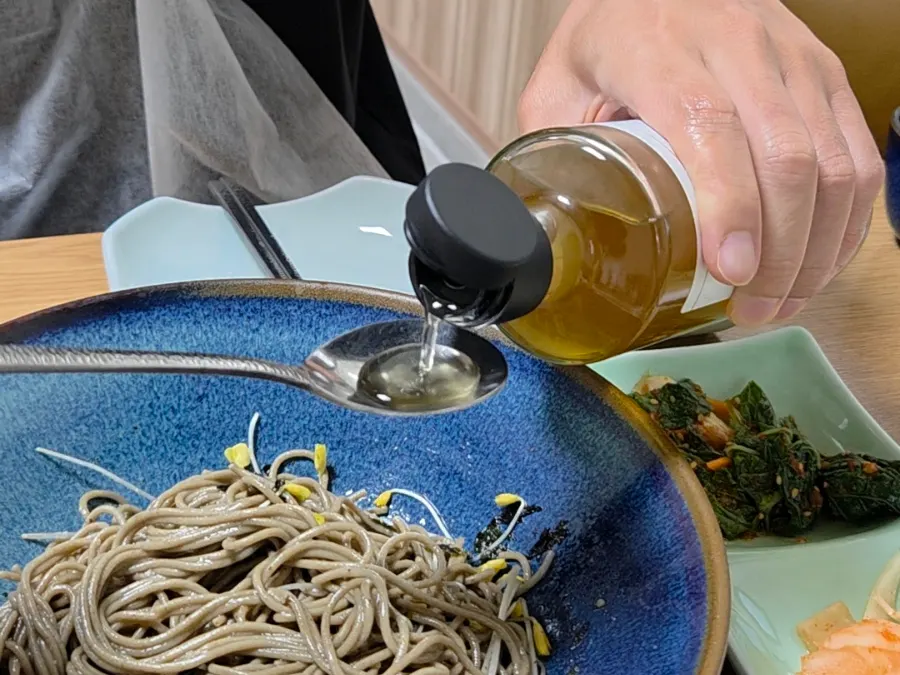
If it's too mild, add half a spoon of kelp vinegar
It's exactly the kind of flavor older generations love — if you like the mild, clean taste of pyeongyang naengmyeon (cold noodles), this will suit you perfectly, but if you prefer heavily seasoned makguksu, you might find it a bit bland. The staff explained that adding about half a spoon of the kelp vinegar on the table makes it taste even better in that case. Adding the kelp vinegar surprisingly brings out a bit more umami.
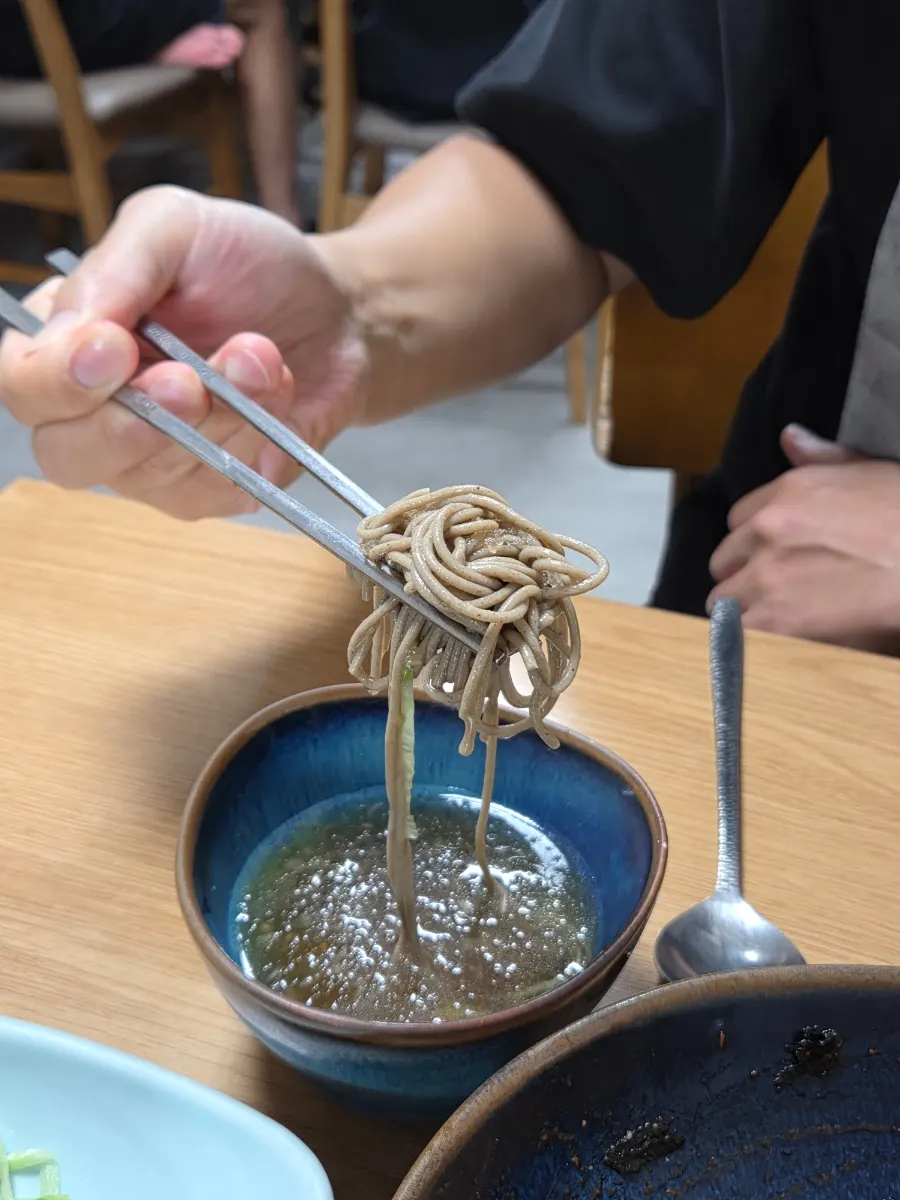
The accompanying broth had a light layer of ice slush floating in it, so it was refreshingly cold, and lightly seasoned. You can dip the noodles into it like soba, or pour a little over the noodles depending on your taste.
3. Yukhoe bibim makguksu
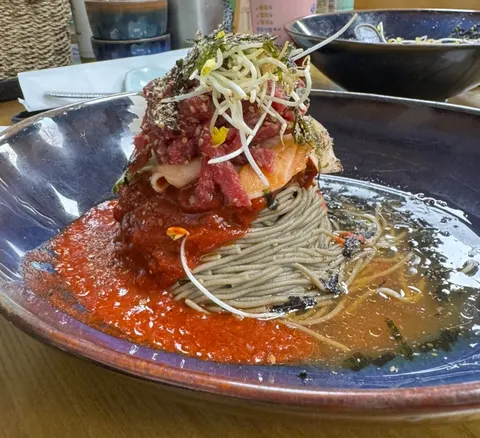
Since we couldn't order yukhoe as a side, we ordered the bibim makguksu (mixed noodles) topped with yukhoe instead, out of curiosity.
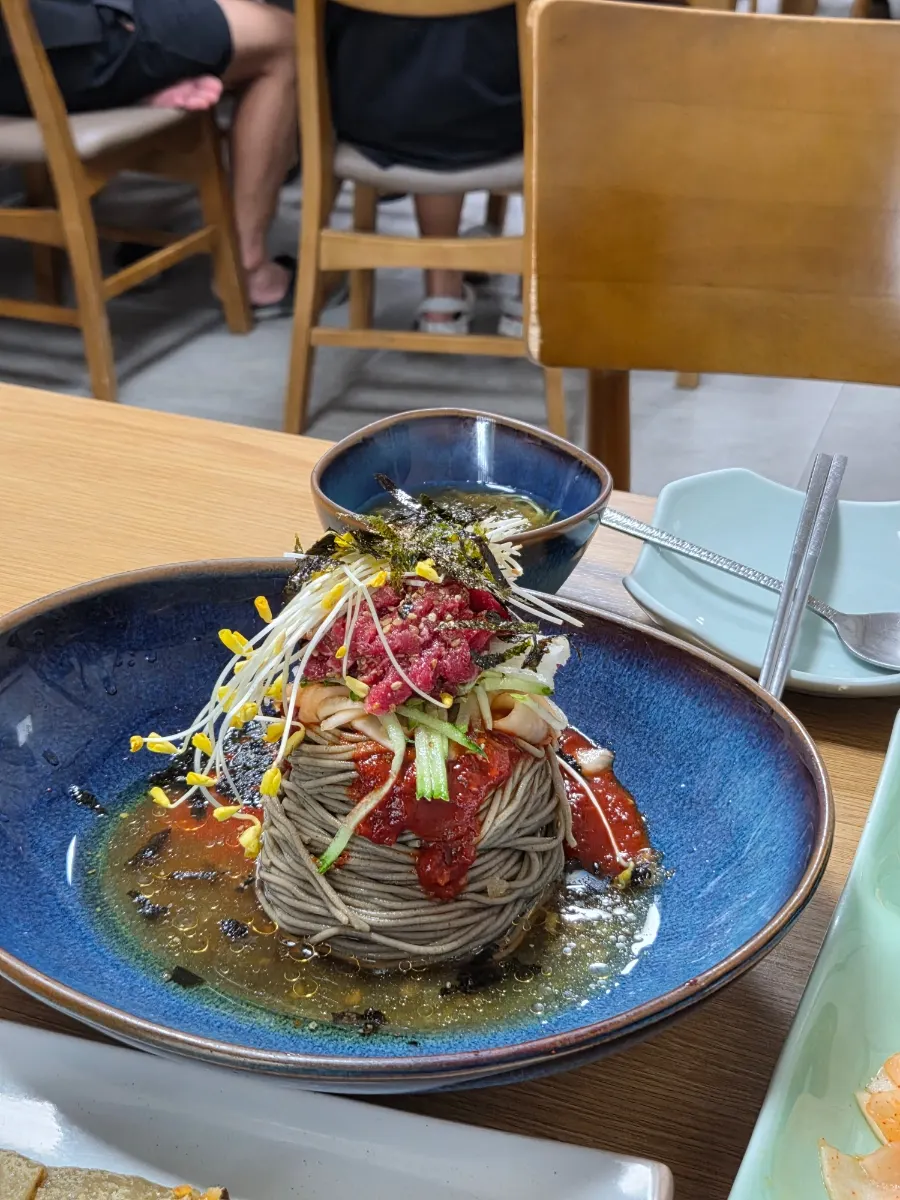
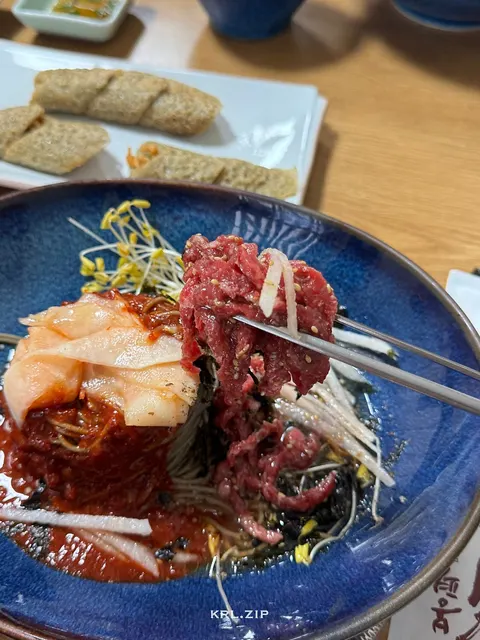
It came topped with hanwoo yukhoe (raw Korean beef) made with Pyeongchang hanwoo, and eating it together with the buckwheat noodles added a nice chewy texture from the beef.
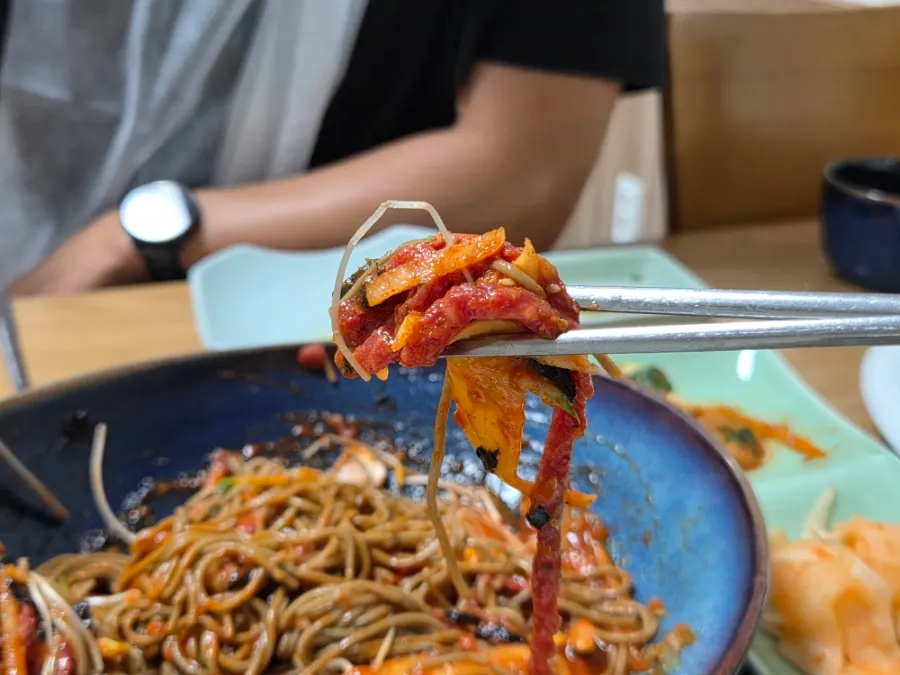
The seasoning for the mixed noodles wasn't too intense either, with just the right amount of umami — personally, this suited my taste far better than the plain makguksu.
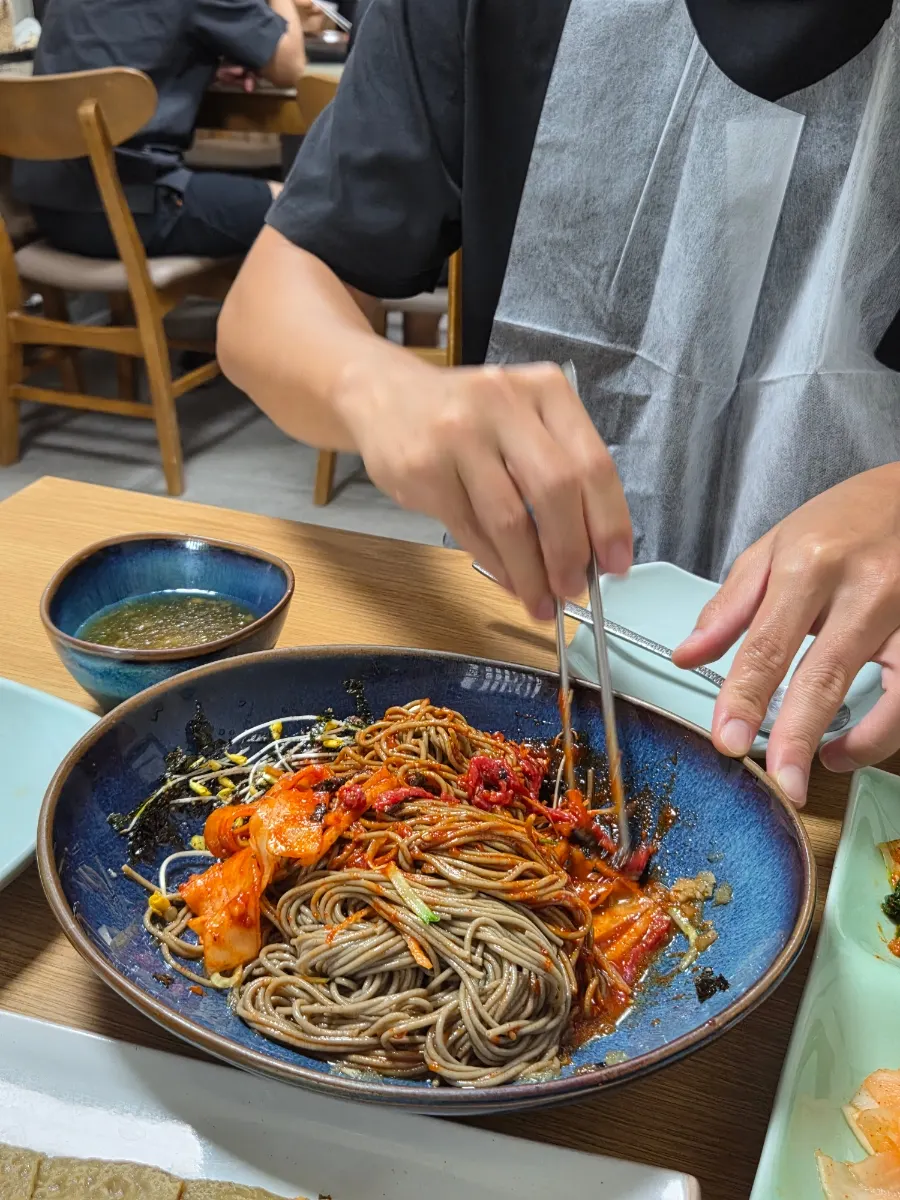
Wrapping the noodles and beef together in kimchi was delicious, and it also paired well with the memil-jeon and memil-jeonbyeong we ordered alongside.
4. Extra noodle serving (gopbaegi) for ₩5,000
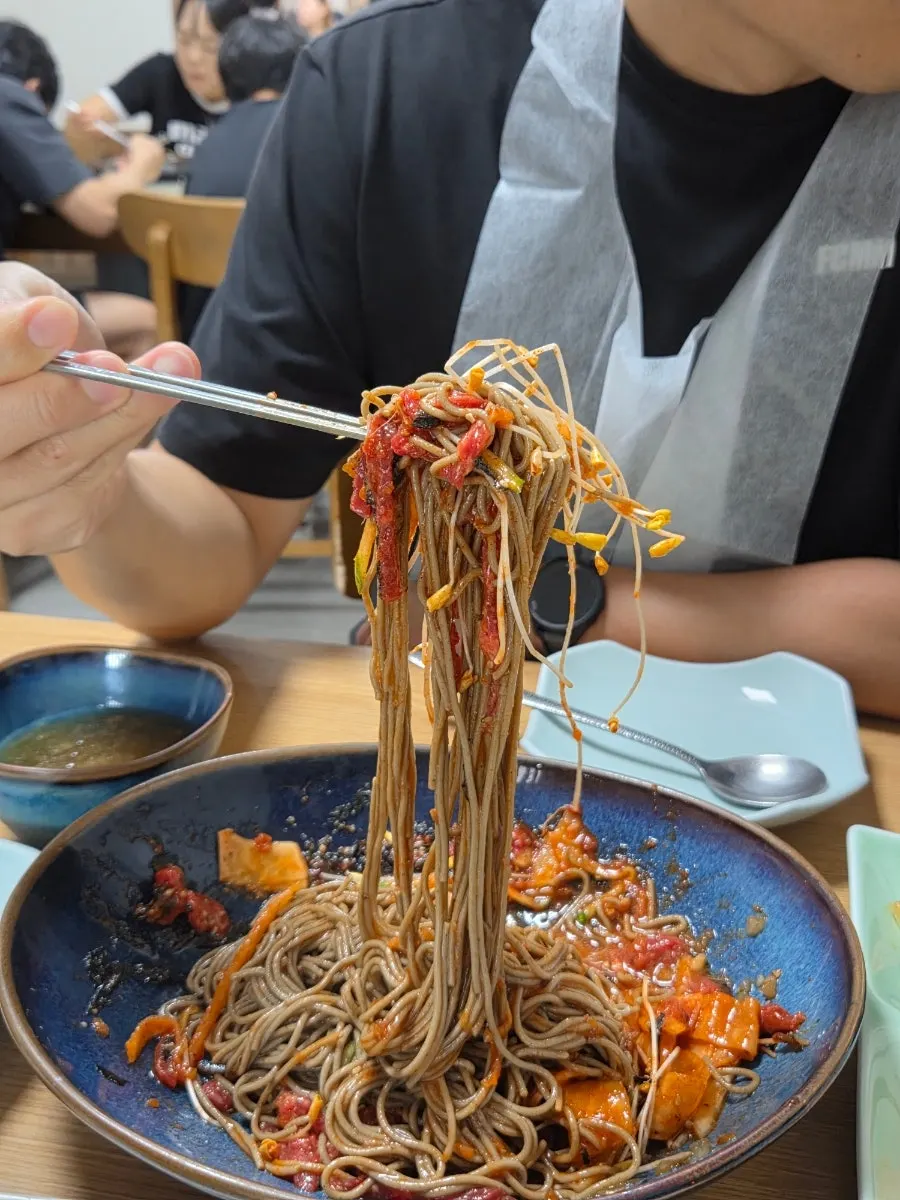
We were hungry, so we splurged and ordered the extra-large serving — at Bongpyeong Memil Migayeon, gopbaegi means an extra serving of noodles, priced at ₩5,000.
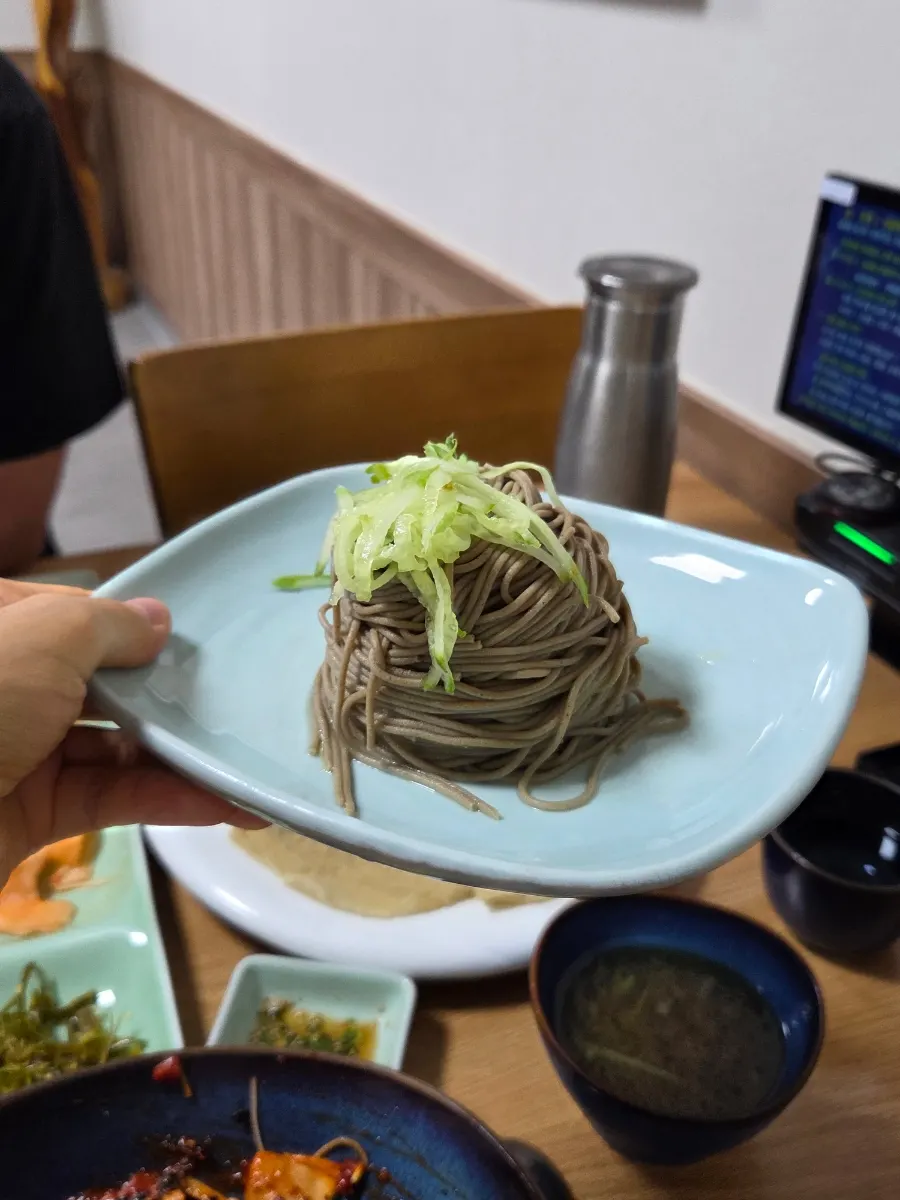
I thought it was pricey for an extra serving, but once we spread the noodles out, it was almost a full portion's worth. And of course, being 100% buckwheat noodles, that justifies the price.
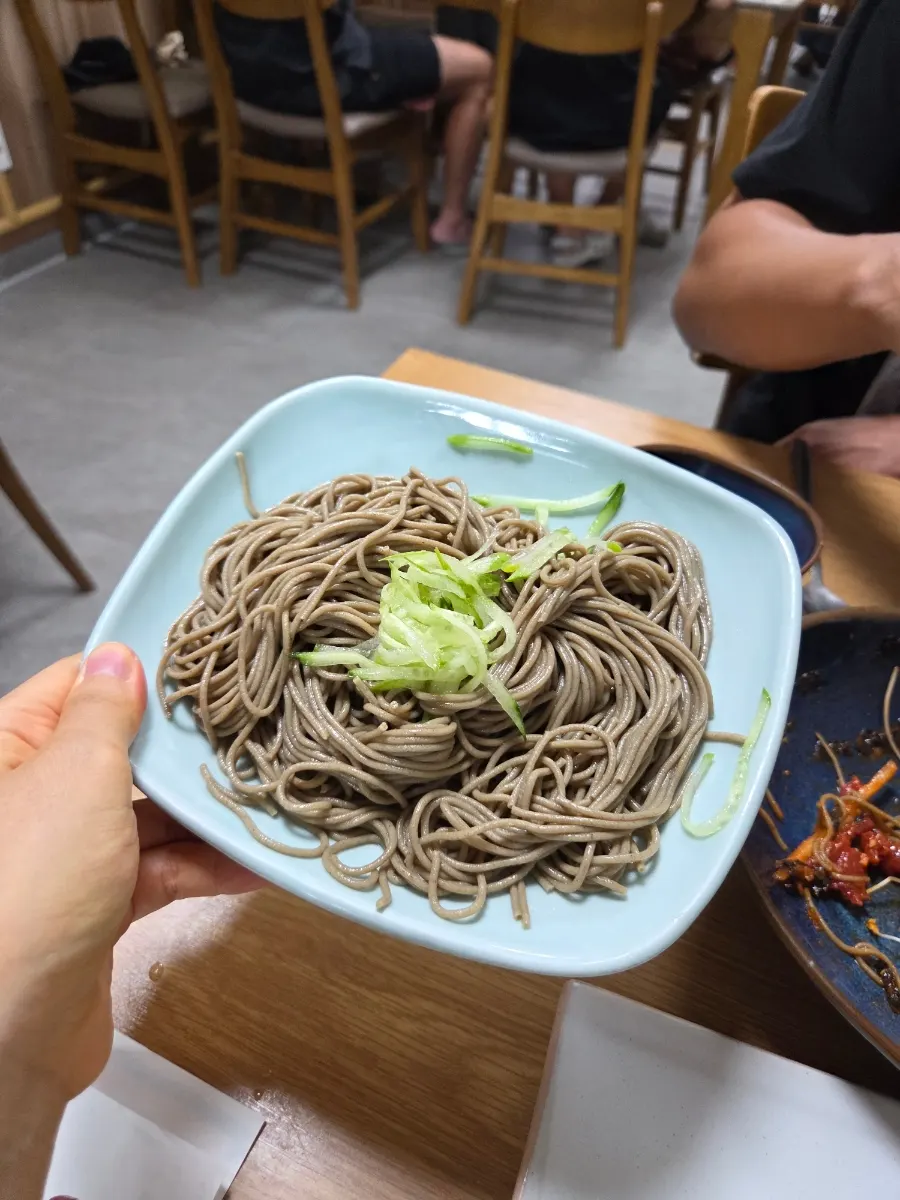
They don't give you extra sauce separately, so we dipped half of it in the broth like soba and mixed the other half into the bibim makguksu.
Recommended eating order
Personally, if you're ordering the bibim makguksu together with the plain one, I'd recommend eating the plain makguksu first. Tasting the mild flavor first lets you fully appreciate the buckwheat itself before moving on to the seasoned dish — each tasted better that way.
5. Memil-jeon and memil-jeonbyeong
Since buckwheat is basically in season in Bongpyeong right now, given the buckwheat flower festival, and we wanted to eat as many buckwheat dishes as possible, we ordered memil-jeon (buckwheat pancake) and memil-jeonbyeong (buckwheat rice roll pancake) as sides.
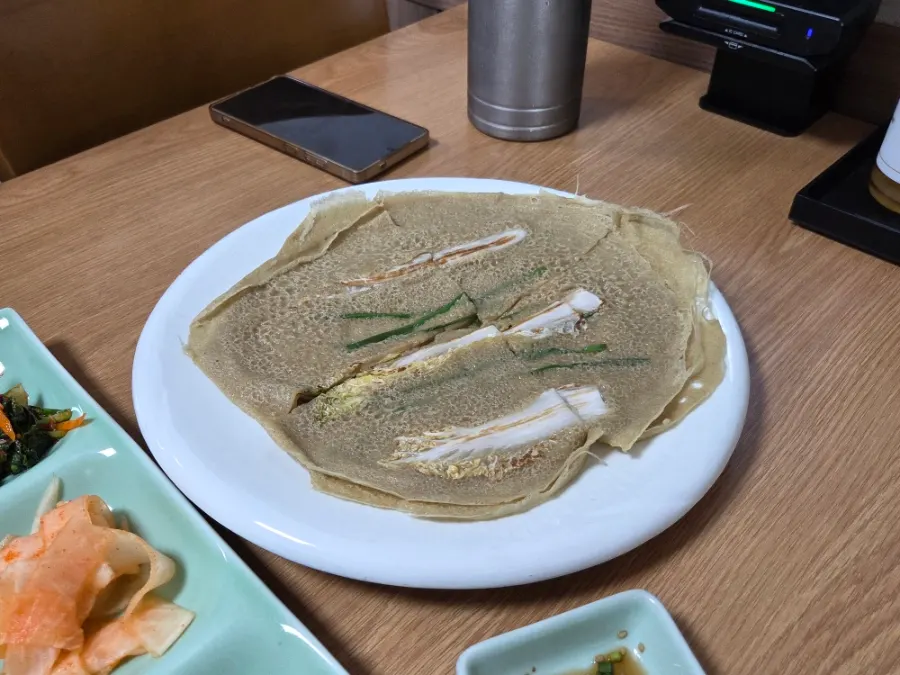
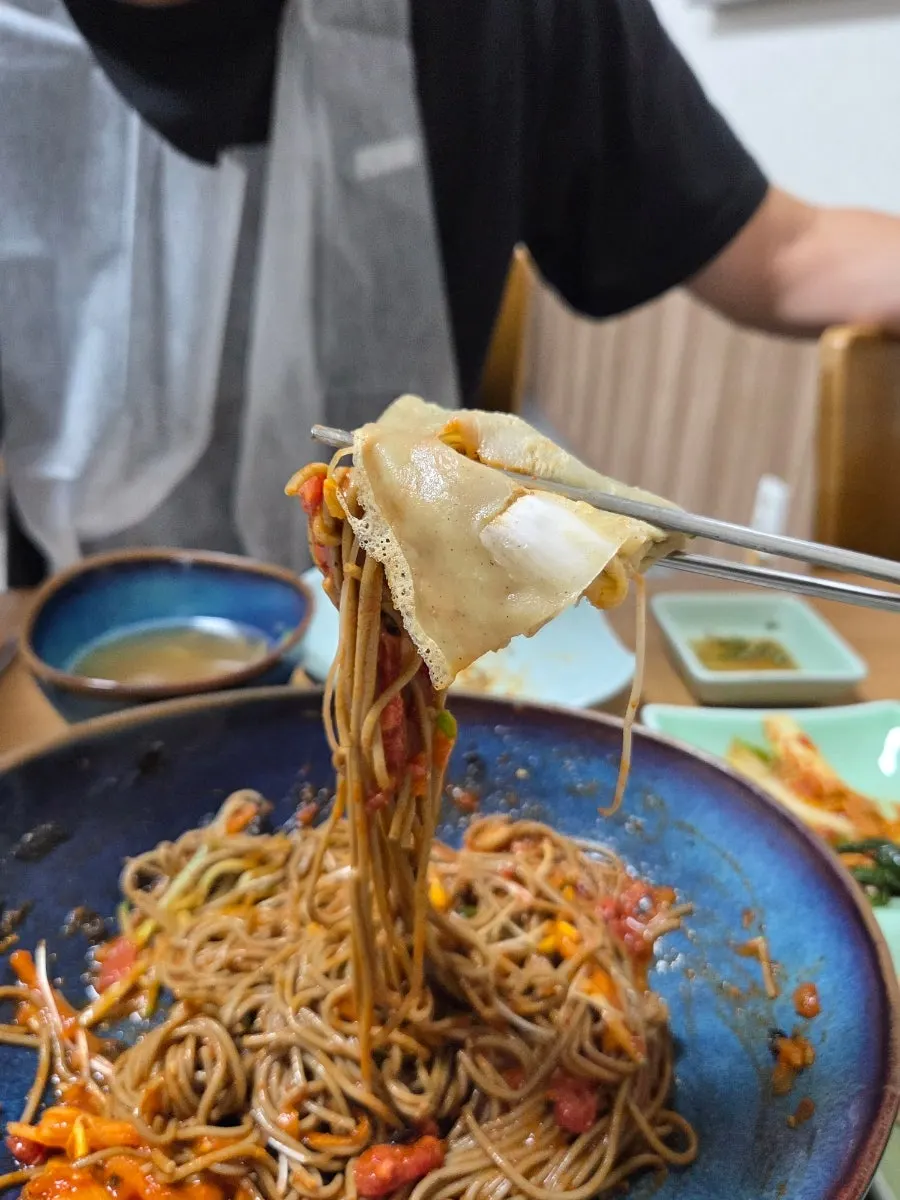
Honestly, I'm not usually a fan of jeon (pan-fried pancakes), but Migayeon's memil-jeon is pan-fried extremely thin, so it was much tastier than I expected. You get two thin pancakes.
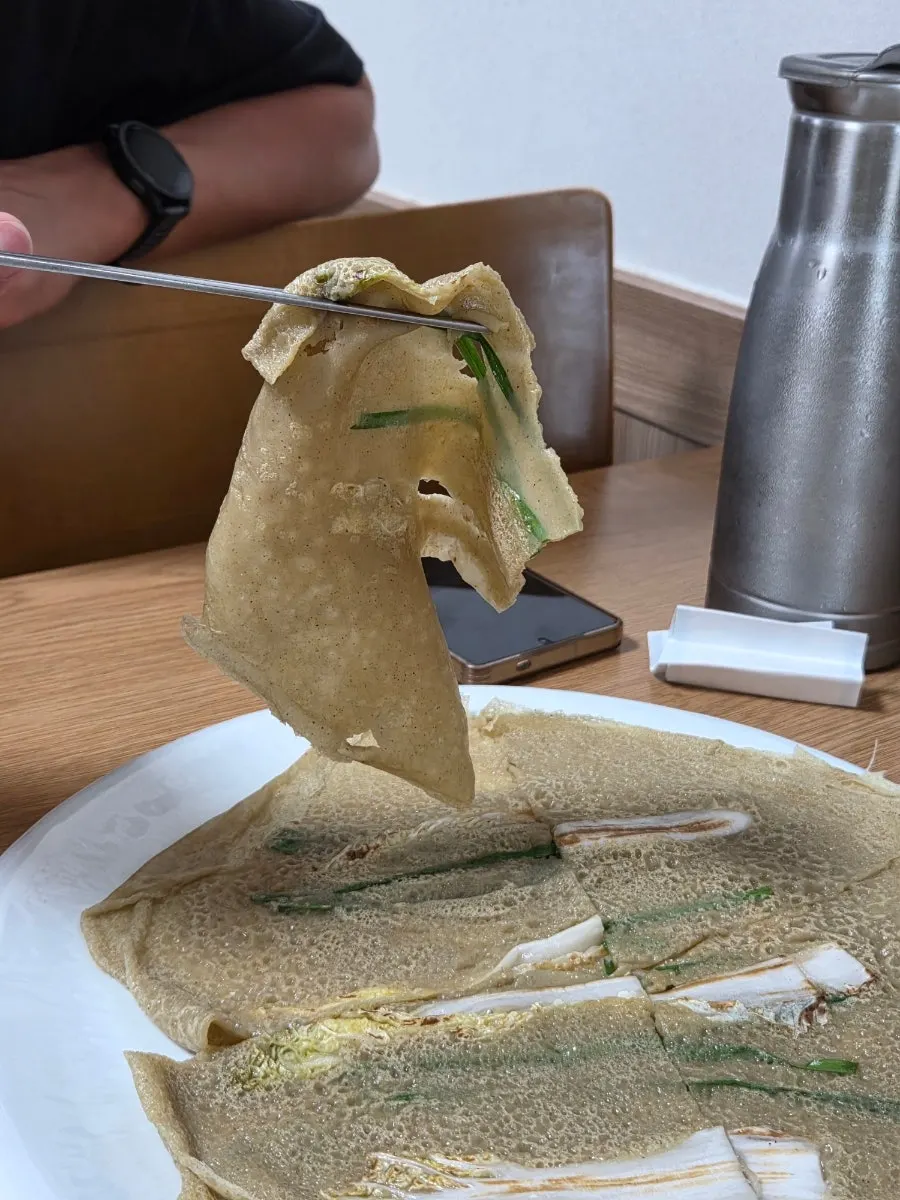
Rather than a thick, greasy pancake, it was thin and clean-tasting, so it was easy to eat without feeling heavy, and buckwheat's characteristic nutty flavor came through subtly. Wrapping it with the pickled hot pepper like a jeonbyeong was also great!
The memil-jeonbyeong also came with two pieces, filled with seasoned radish, and the batter was a bit thicker than the memil-jeon, so it had a fluffier texture. A different charm from the thin, clean memil-jeon.
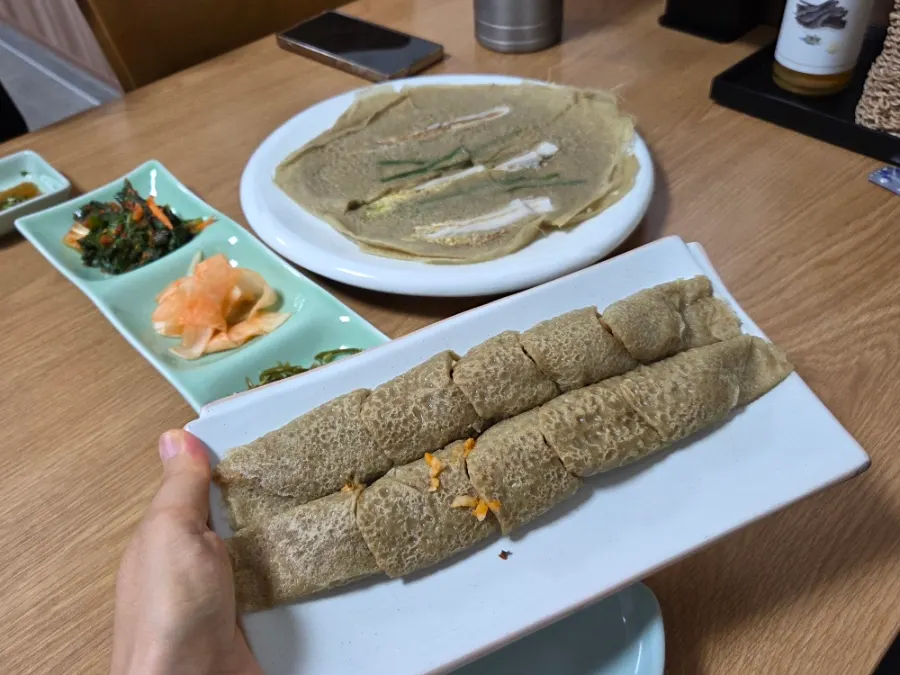
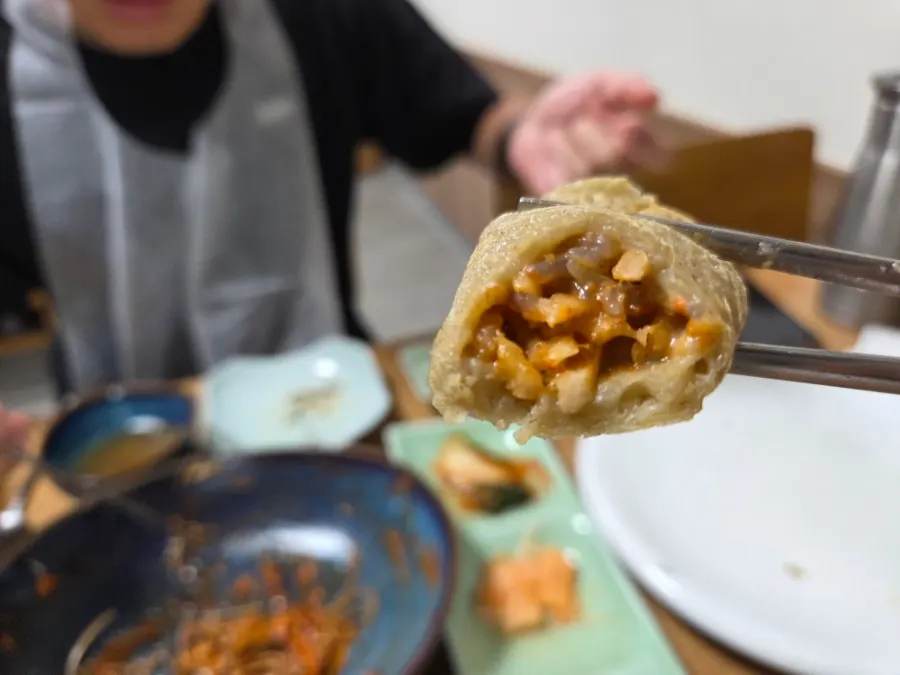
Where the memil-jeonbyeong I had in Yeongwol had a filling like kimchi mandu, Migayeon's version in Pyeongchang uses seasoned radish and glass noodles, and overall the seasoning across the dishes isn't heavy — it's on the clean side. It felt like a healthy meal, and satisfying. Best of all, eating 100% buckwheat digested really well.
Who is this for
Overall, Migayeon is a place I'd recommend to anyone who wants to properly taste buckwheat itself rather than a heavily seasoned makguksu. Since the noodles are 100% buckwheat and made fresh daily, if you've come all the way to Bongpyeong in Pyeongchang to enjoy buckwheat, it's close to the Bongpyeong buckwheat flower festival grounds, so I'd recommend adding it to the same trip!
Where it is
108 Gipung-ro, Bongpyeong-myeon, Pyeongchang-gun, Gangwon-do, South Korea강원특별자치도 평창군 봉평면 기풍로 108