Rice in leftover jjamppong broth, Haeundae Chinese: Bueokgan
In short
Bueokgan Chinese Haeundae Branch is a Chinese restaurant on Dalmaji-gil in Haeundae, Busan, serving familiar jjajangmyeon, jjamppong and tangsuyuk with house twists like poached egg, pork belly and black vinegar sauce. On a late lunch visit just before the 15:00 break time, the writer ordered poached-egg pork belly jjajang at 10,000 won, seafood jjamppong at 14,000 won and black vinegar tenderloin tangsuyuk at 28,000 won, then finished by mixing rice into the leftover jjamppong broth. Bueokgan Chinese is the place to remember when you want to step a little outside the usual Chinese restaurant menu.
Good to know
- Address
- 1F, 200 Dalmaji-gil 117beon-na-gil, Haeundae-gu, Busan
- Hours
- Daily 11:00-21:00
- Break time
- 15:00-16:30
- Last order
- 20:30
- Reservations
- Accepted
- Parking
- Basement parking available
- Poached-egg pork belly jjajang
- 10,000 won
- Seafood jjamppong
- 14,000 won
- Black vinegar tenderloin tangsuyuk
- 28,000 won
as written by the visitor on Sep 23, 2026
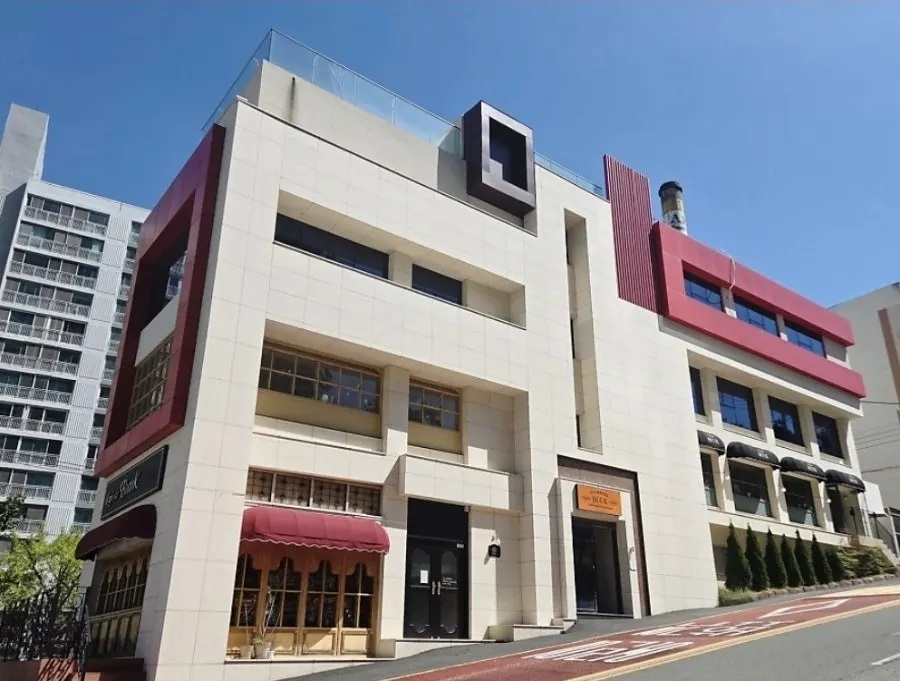
Where is Bueokgan Chinese Haeundae Branch, and what are its hours?
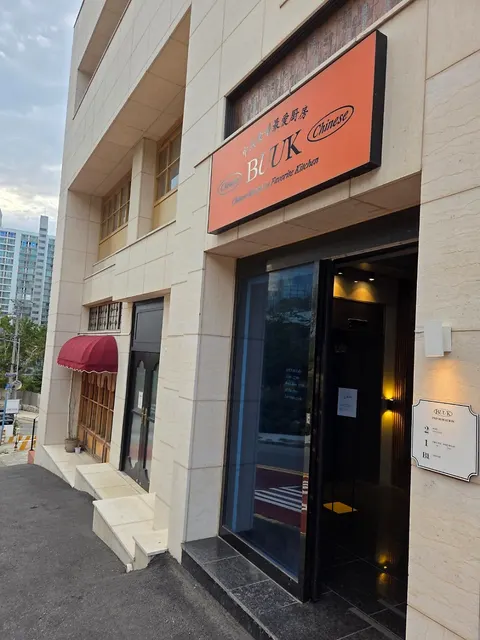
Bueokgan Chinese Haeundae Branch Address: 부산 해운대구 달맞이길117번나길 200 1층 Hours: Daily 11:00–21:00 Break time: 15:00–16:30 Last order: 20:30 Reservations available Parking available
I was craving Chinese food in Haeundae, so I headed to Bueokgan Chinese Haeundae Branch. It keeps familiar Chinese dishes like jjajangmyeon, jjamppong and tangsuyuk at its core, but I noticed some unusual combinations too — jjajang topped with poached egg and pork belly, tangsuyuk made with black vinegar. Rather than the same old Chinese restaurant menu, there were a lot of dishes that mixed familiar Chinese food with this place's own ingredients and sauces, so it took me a while to decide what to try, haha.

Where do you park at Bueokgan Chinese?
I came by car, and there was a basement parking lot, so I could park and go straight up. Around Haeundae, driving means parking is always a worry, so having in-building parking was really convenient.
What is the dining room like?
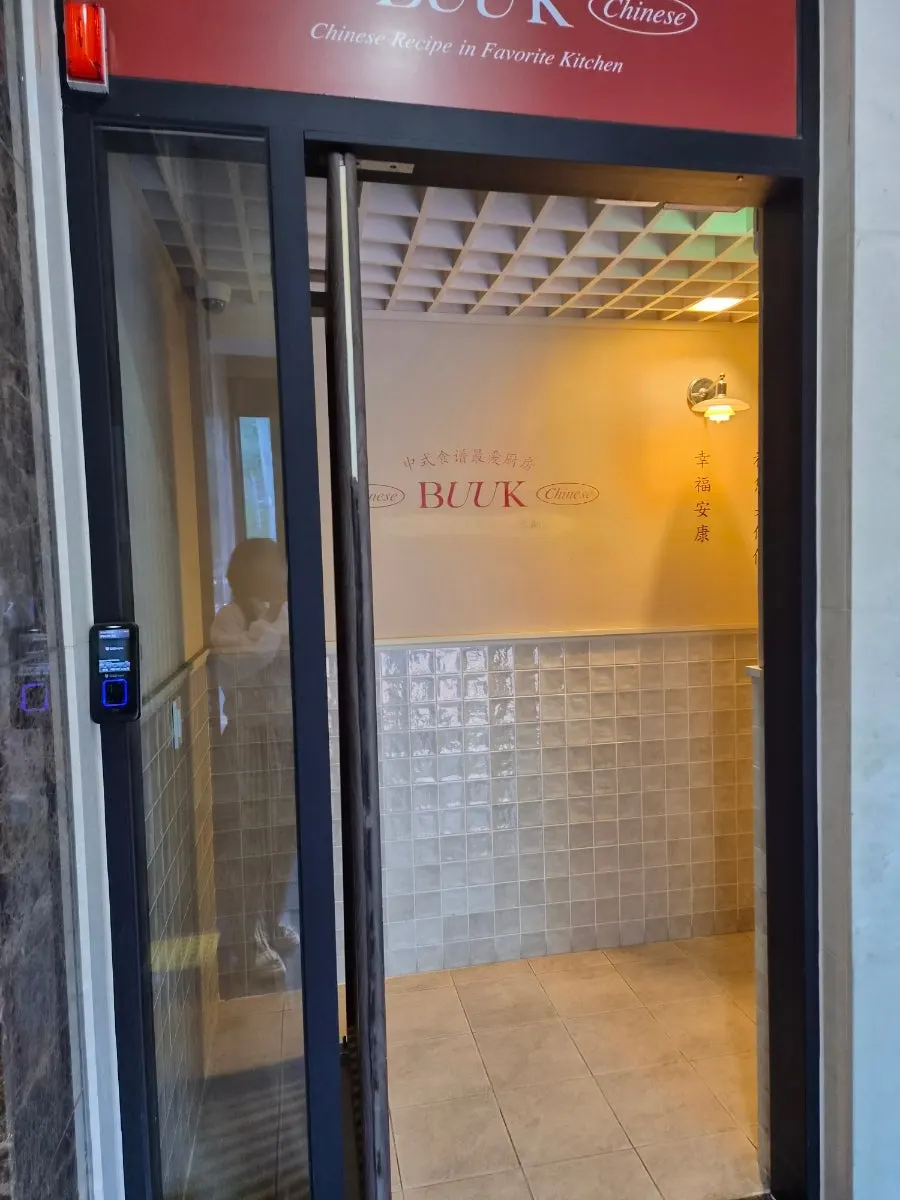
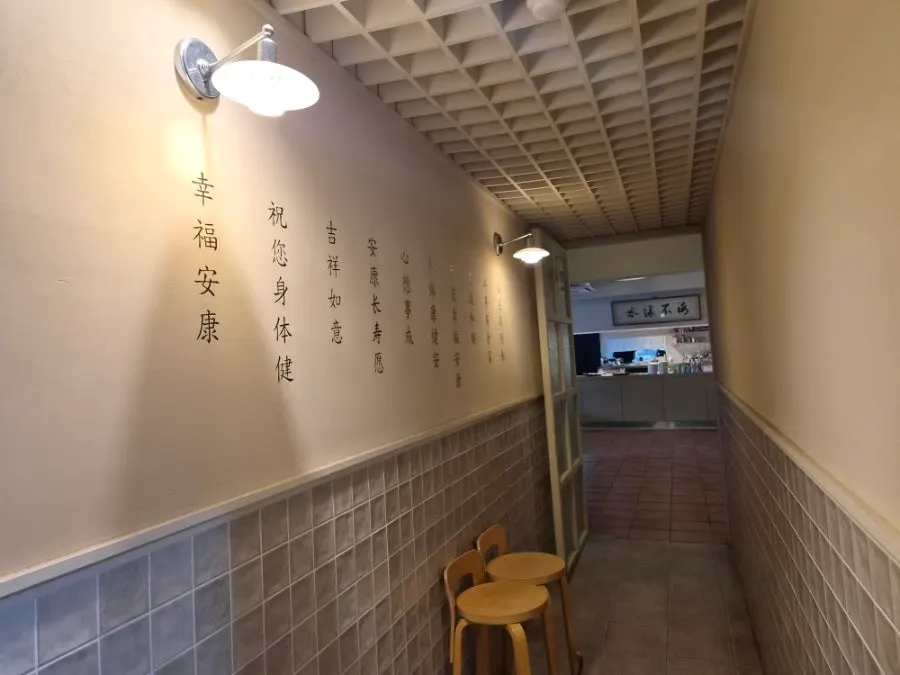
The entrance had a different feel from a typical Chinese restaurant. Walls with Chinese characters, soft lighting, and calm-toned tiles line the hallway leading into the restaurant — a Chinese mood established without going overboard, right from the corridor.

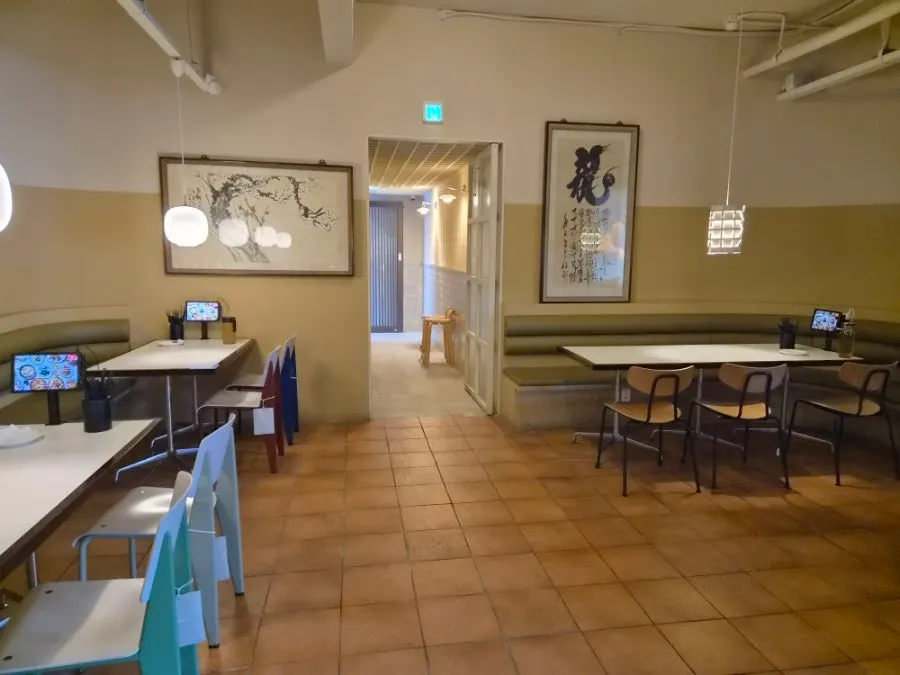
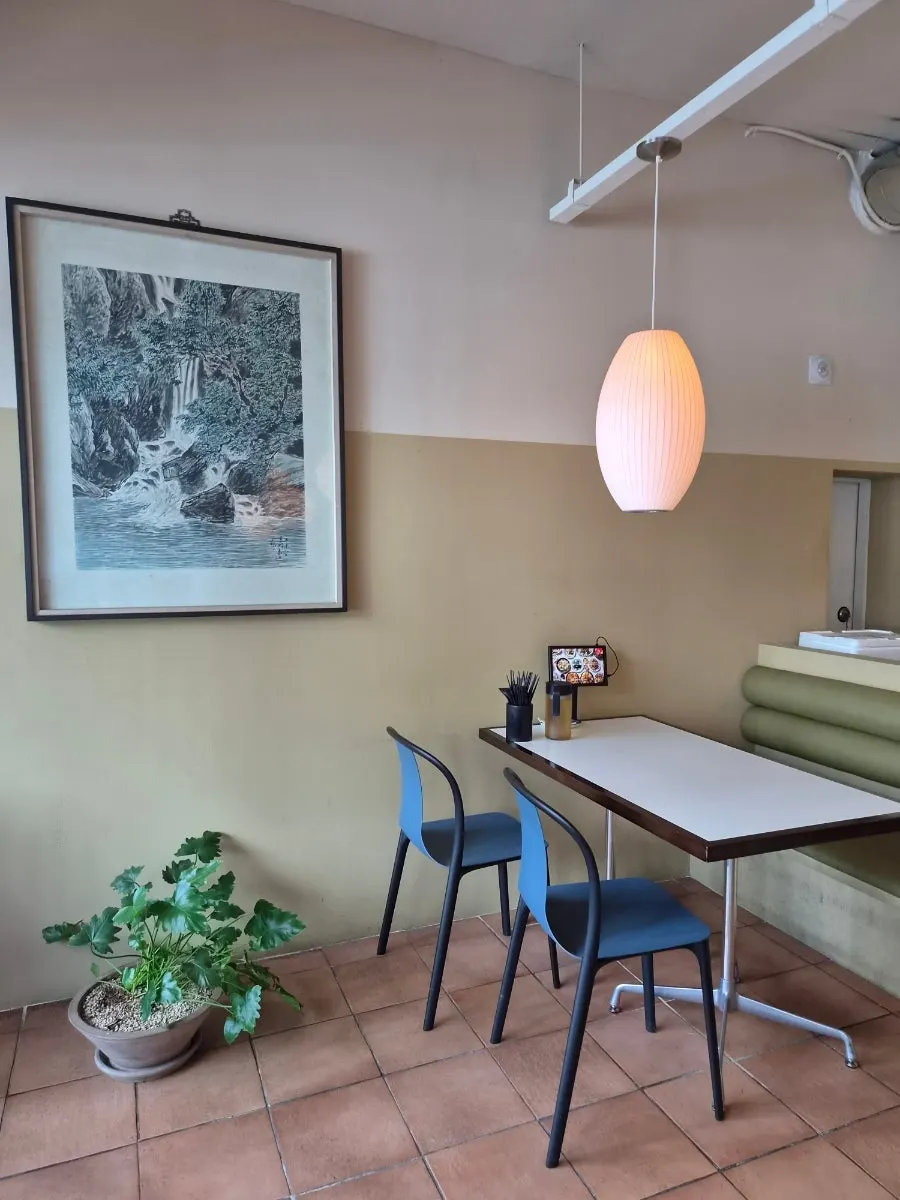
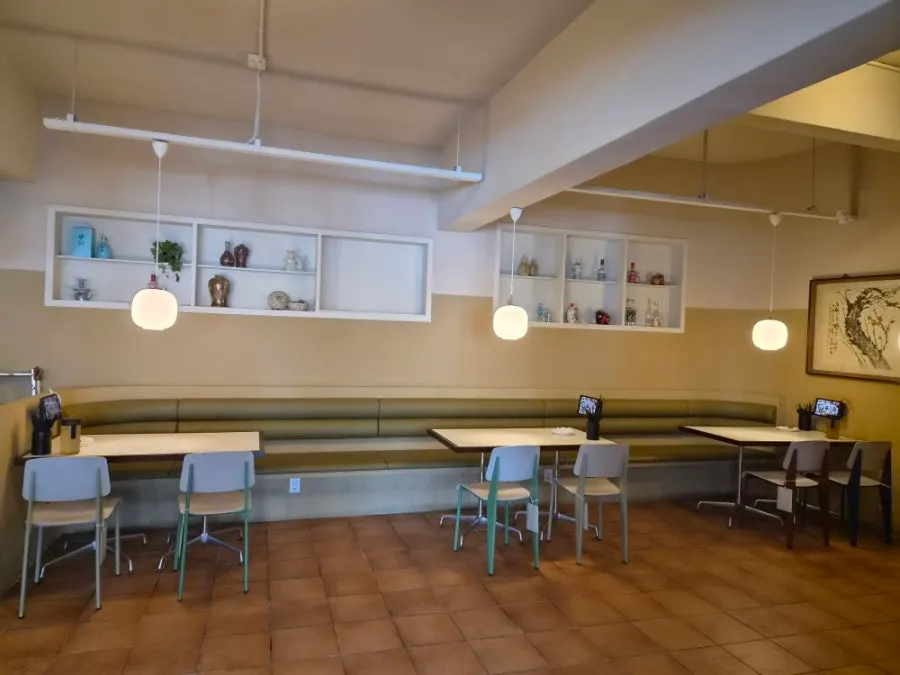
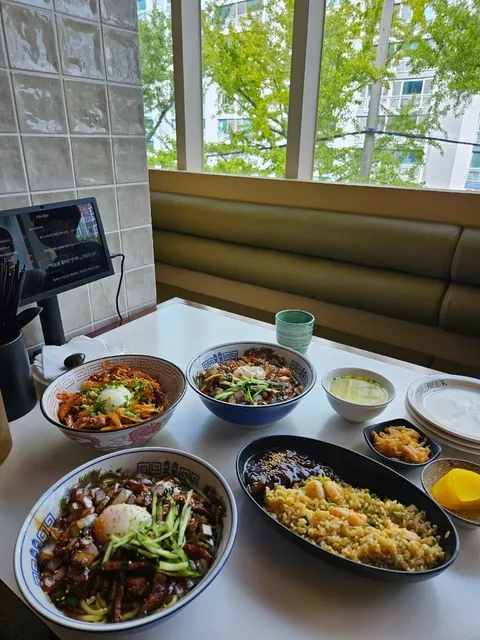
Once inside, the space was bigger and cleaner than I expected. Instead of the flashy red interior you'd picture for a Chinese restaurant, they used calm tones, and the tables had generous spacing, so the overall mood felt comfortable.

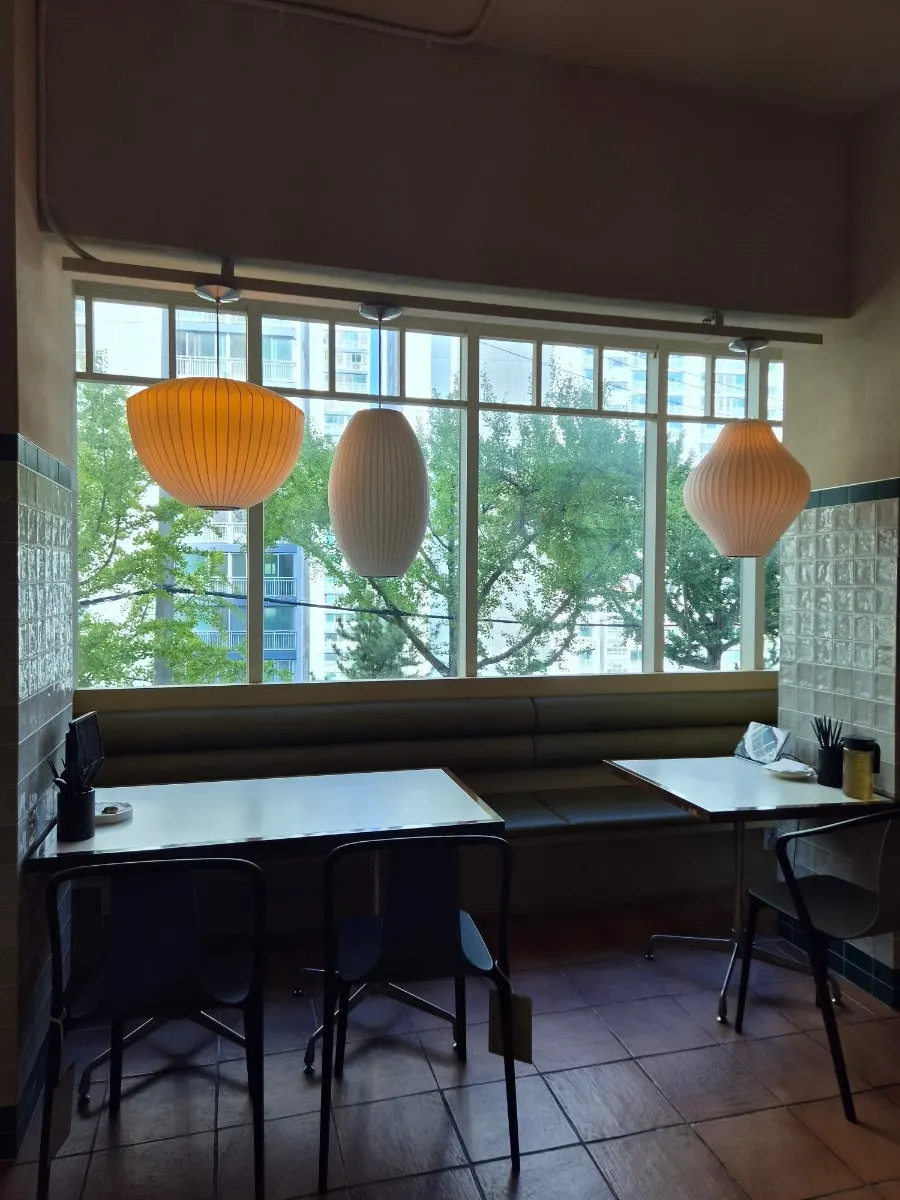
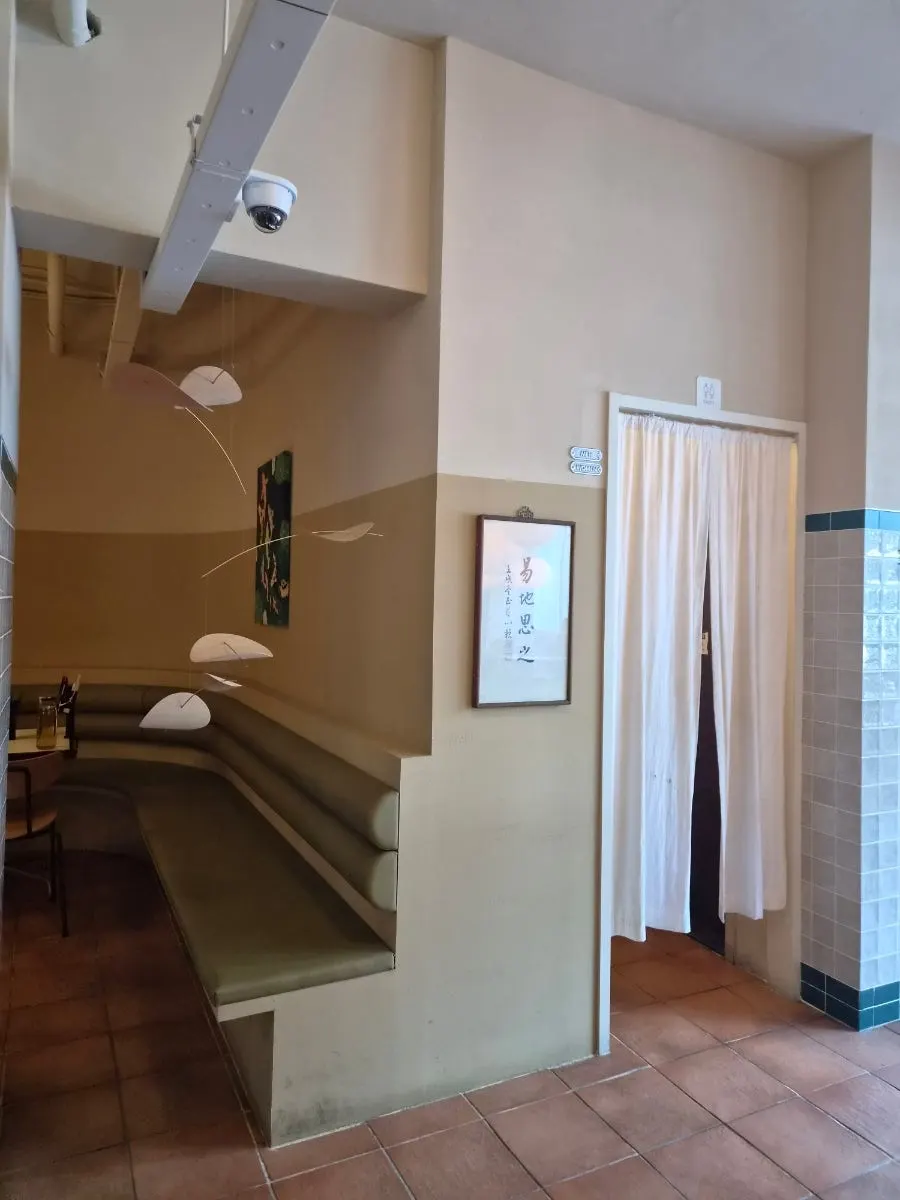

Big mirrors, plants and lamps of different shapes were placed here and there, and I found myself noticing those details too. It kept the distinct feel of a Chinese restaurant while giving it a clean, modern touch.
The window seats especially got a lot of sunlight through the big windows, so visiting during the day made the atmosphere even better. The dining space overall was bright and tidy, so it looked good for a family meal or a casual lunch.
We arrived right before break time, a bit past the lunch rush, so the restaurant was quiet and we could eat without any wait.
What we ordered and what it cost
The menu ranged from basic Chinese dishes like jjajangmyeon and jjamppong to items that really show this place's own personality. Unique dishes like poached-egg pork belly jjajang, beef brisket jjamppong, and mala coriander jjamppong stood out, and there were plenty of other choices among the cooked dishes too — pork siumai, yuxiang eggplant, jalapeño cream shrimp, kkanpung shrimp, and whole-garlic yurinki.
Out of those, we ordered
- Poached-egg pork belly jjajang — ₩10,000
- Seafood jjamppong — ₩14,000
- Black vinegar tenderloin tangsuyuk — ₩28,000
That's what we went with. The black vinegar tenderloin tangsuyuk especially was the dish I most wanted to try here — the sauce is clearly different from typical tangsuyuk, so it was the one I was most curious about.
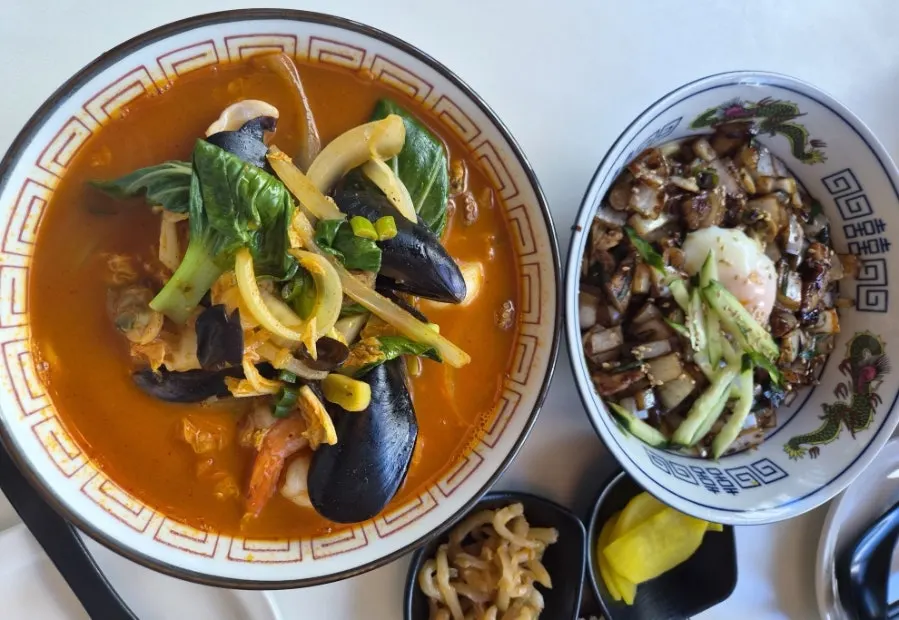
The jjajang came topped with pork belly and a poached egg, the jjamppong was packed with seafood, and with the black vinegar tenderloin tangsuyuk alongside, the three dishes were completely different in style, so it was great for sharing a bit of everything.
Poached-egg pork belly jjajang, 10,000 won
First, the poached-egg pork belly jjajang. As the name says, what sets this apart from a regular jjajang is the pork belly and poached egg. There's a generous amount of well-fried onion and pork belly, with a poached egg and shredded cucumber on top in the center.
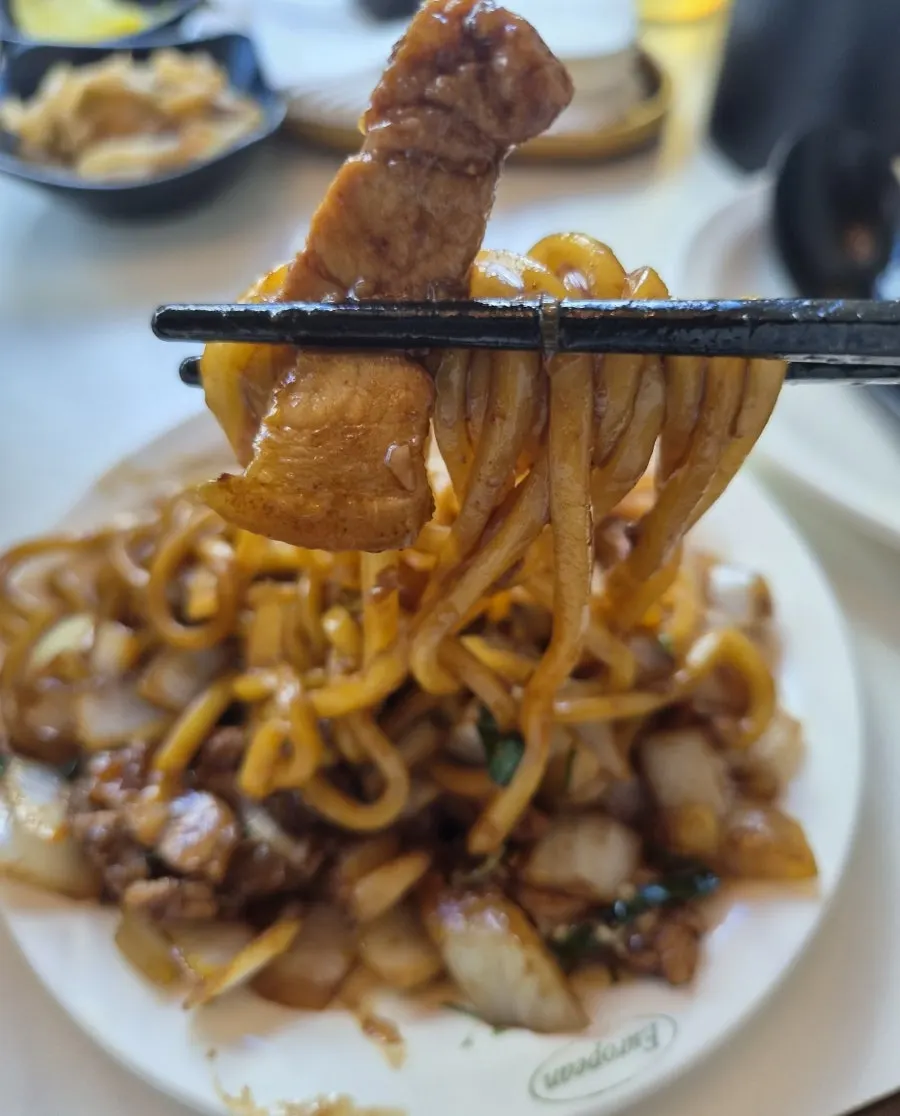
The pork belly wasn't just finely chopped bits — you could actually chew on real pieces with every bite, so the jjajang alone was pretty filling. The rich flavor of the jjajang sauce paired well with the savory pork belly too.
I popped the poached egg and mixed it in with the noodles. As the yolk blended into the jjajang sauce, it softened the rich jjajang flavor a bit and added extra savoriness. Eating the pork belly along with it gave a taste and texture clearly different from a regular jjajang. The combination of poached egg and pork belly added to a familiar jjajang really seemed to show off this place's style.
Seafood jjamppong, 14,000 won - and rice in the broth
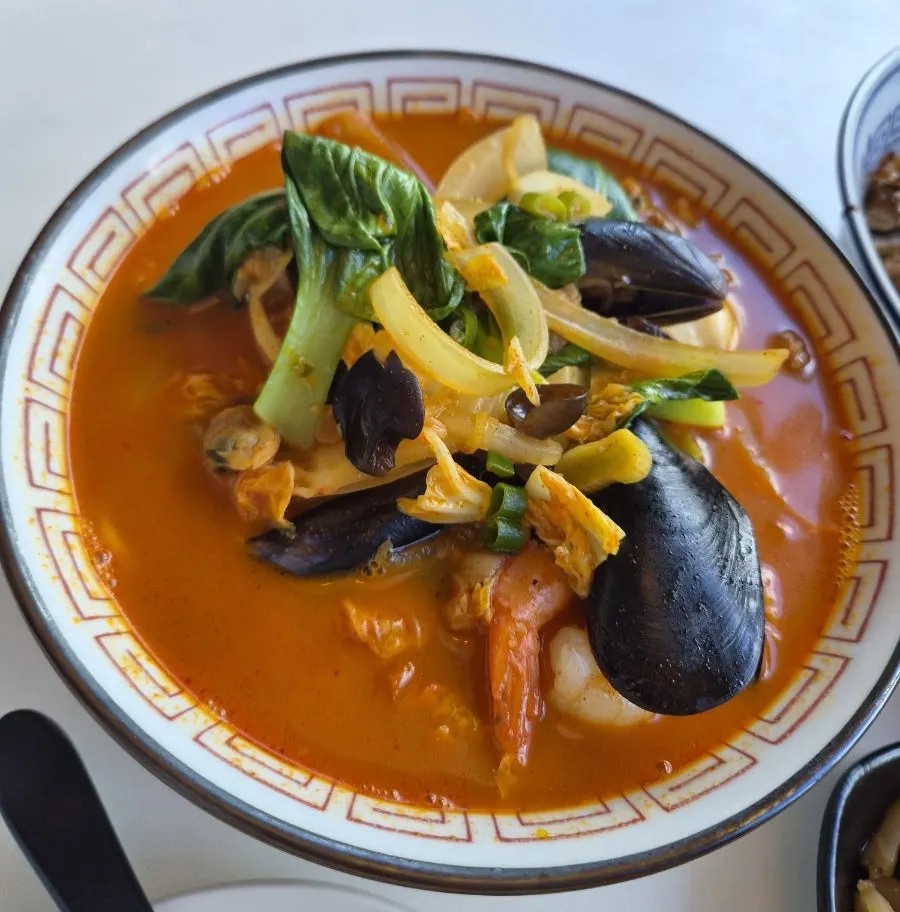
With the seafood jjamppong, what caught my eye first — even before the broth — was the generous pile of toppings. Mussels, shrimp, clams, octopus, along with bok choy, onion, cabbage and wood ear mushroom, all mixed evenly with the seafood and vegetables.
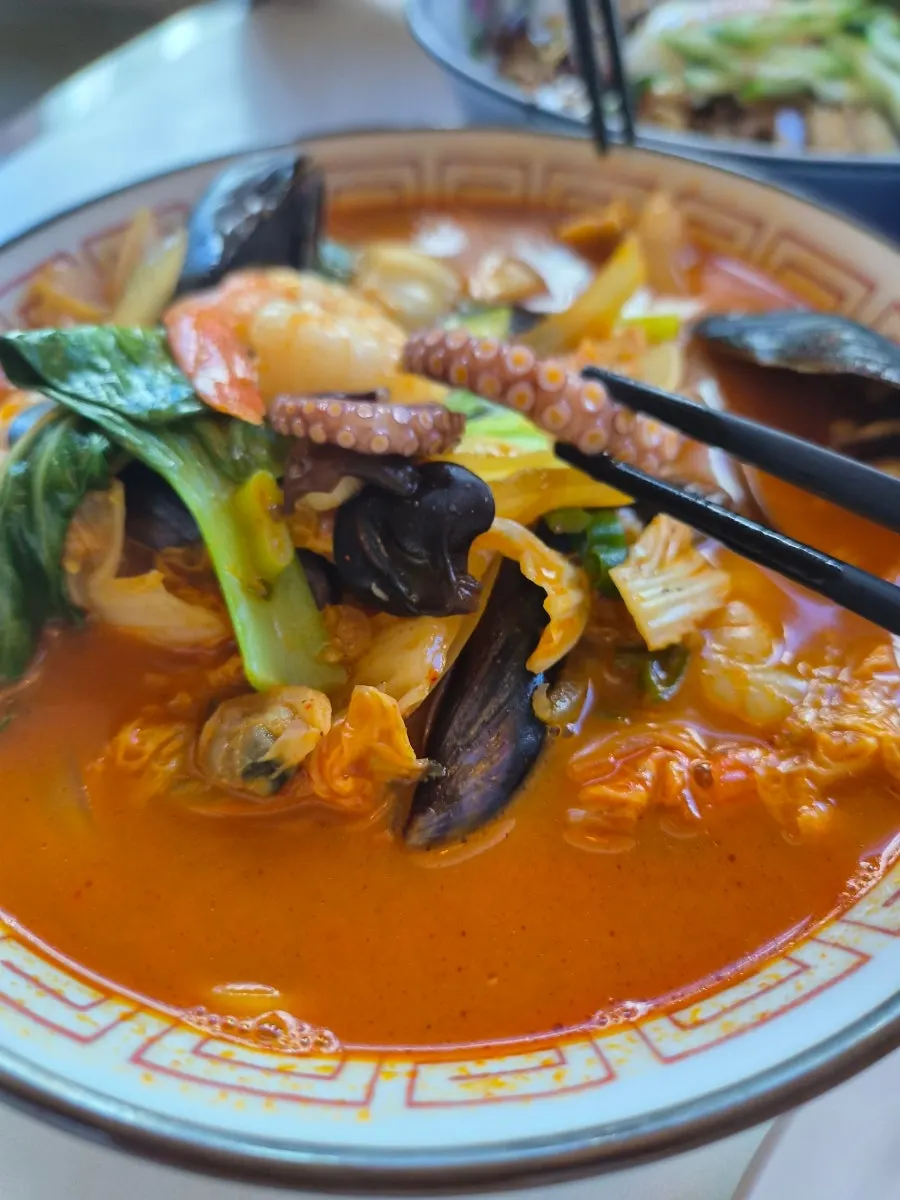

The shrimp were pretty plump too, so instead of just eating the noodles, there was the fun of picking out seafood piece by piece along the way.
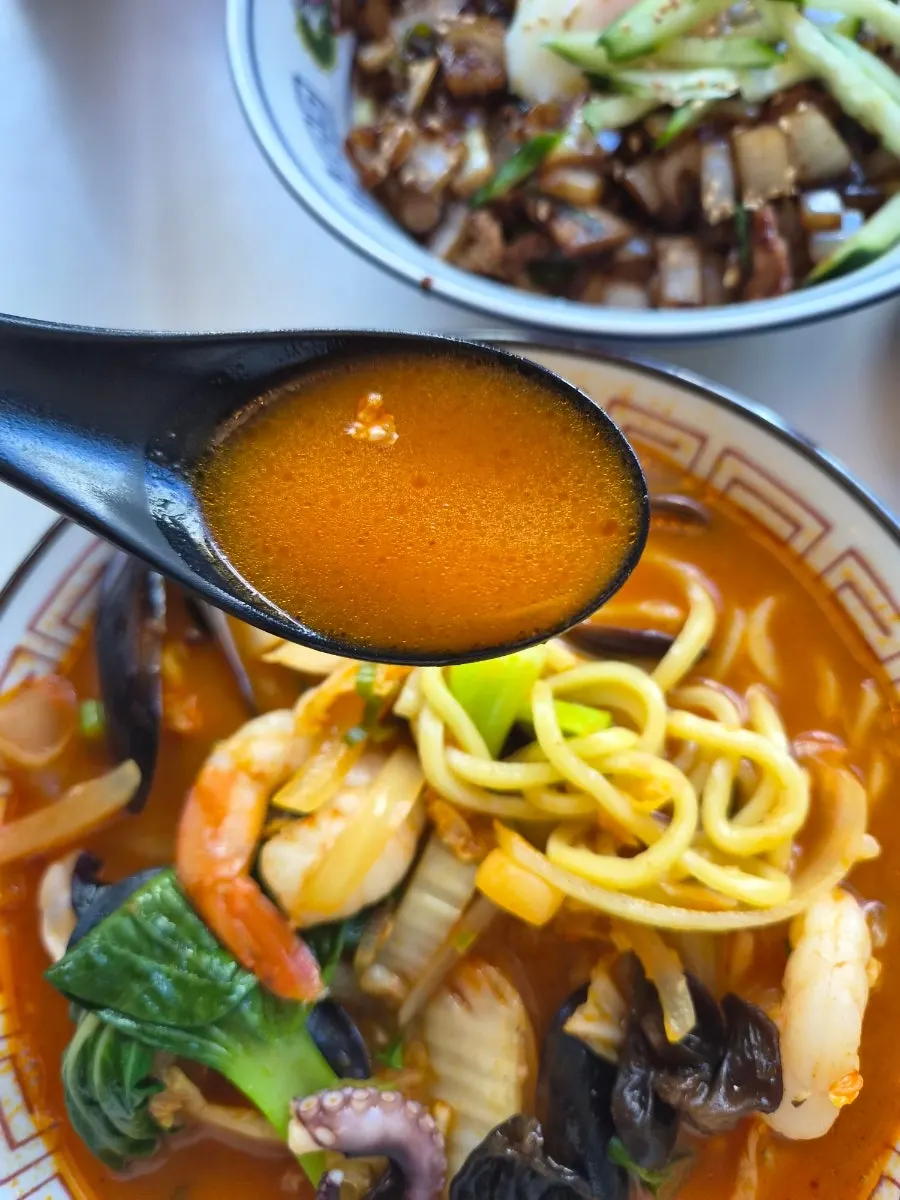

The broth was spicy, with the flavors from the seafood and vegetables coming through together. With such a variety of toppings, it was great to alternate between noodles and seafood, and once I'd eaten most of the noodles there was still broth left, so we added rice too. With that much seafood and vegetables packed in, it seemed like a waste to just leave the broth.
Mixing rice into the leftover jjamppong broth brought up seafood and vegetables in the same spoonful. There was plump clam meat, crunchy vegetables — a variety of textures — and the spicy broth's savoriness from the seafood came through more with every bite, blending several flavors together nicely.
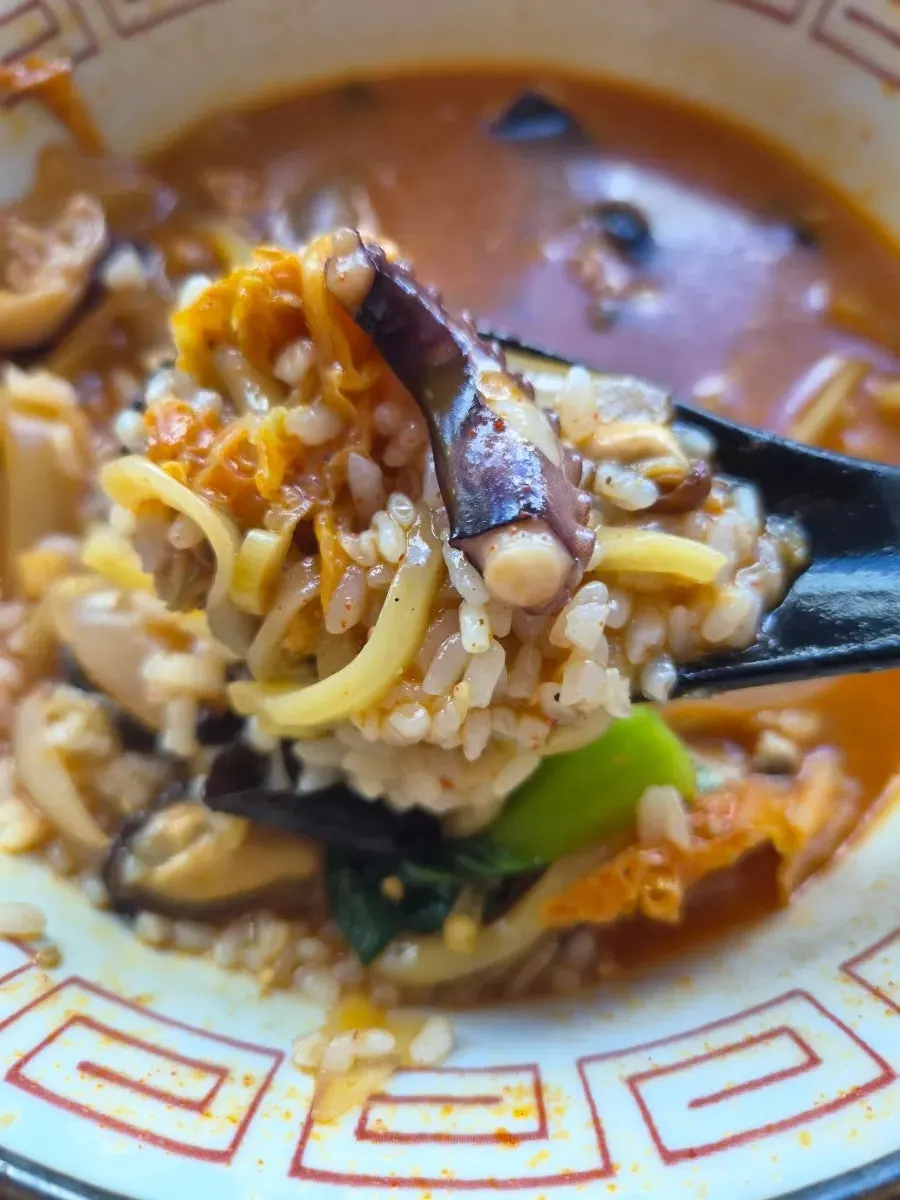

The spicy broth soaked into the rice grains nicely, making it easy to scoop up with a spoon, and we finished off properly full, from noodles all the way to rice.
How does the black vinegar tenderloin tangsuyuk (28,000 won) taste?
And the dish I was most curious about that day, the one that really showed this place's identity — the black vinegar tenderloin tangsuyuk —
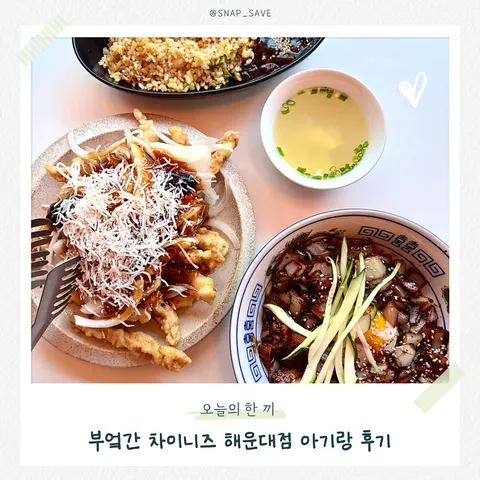
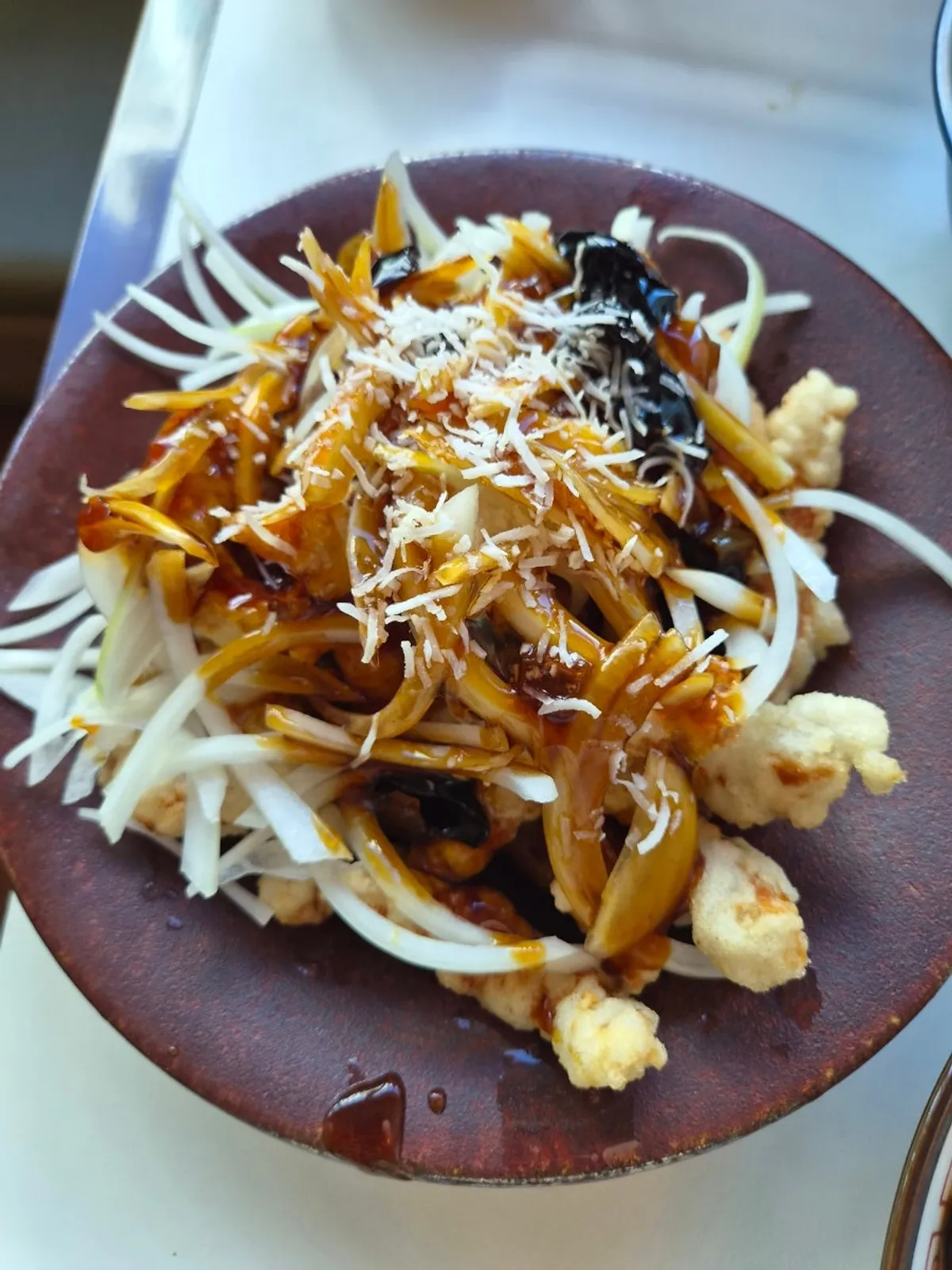
It looked a little different from typical tangsuyuk right from the start. Piled high with shredded onion over crispy fried tenderloin, served with wood ear mushroom and a deep-colored black vinegar sauce on the side.
Rather than eating the tangsuyuk alone, it worked better to eat it together with the crunchy onion and wood ear mushroom. The crispness of the onion and the springy bite of the wood ear mushroom added extra texture to each piece of tangsuyuk.
I expected the black vinegar to be quite sour given the name, but it was a bit different from the usual sweet-and-sour tangsuyuk sauce we're used to. The black vinegar's distinct tang blended with a subtle sweetness, giving the sauce a deep flavor, and eating it with onion kept it from feeling heavy.
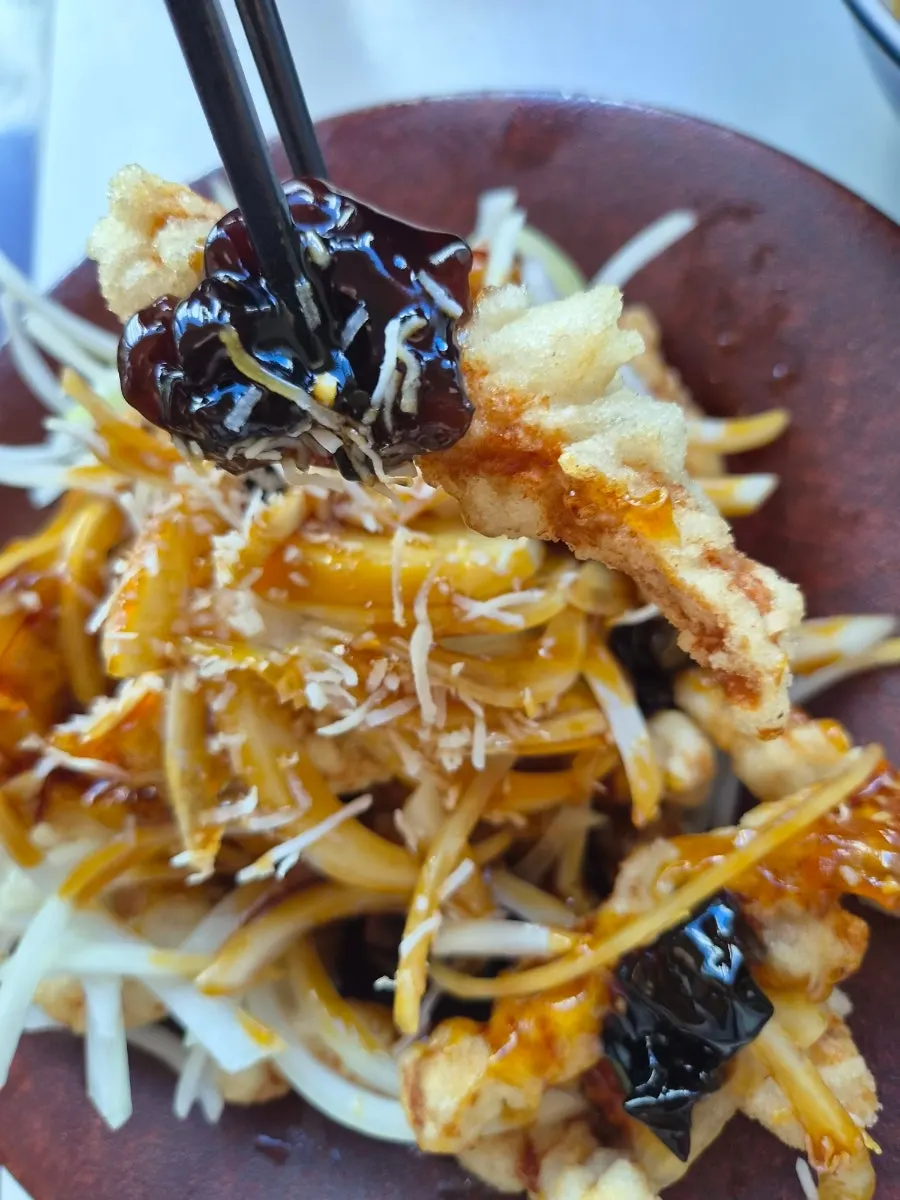
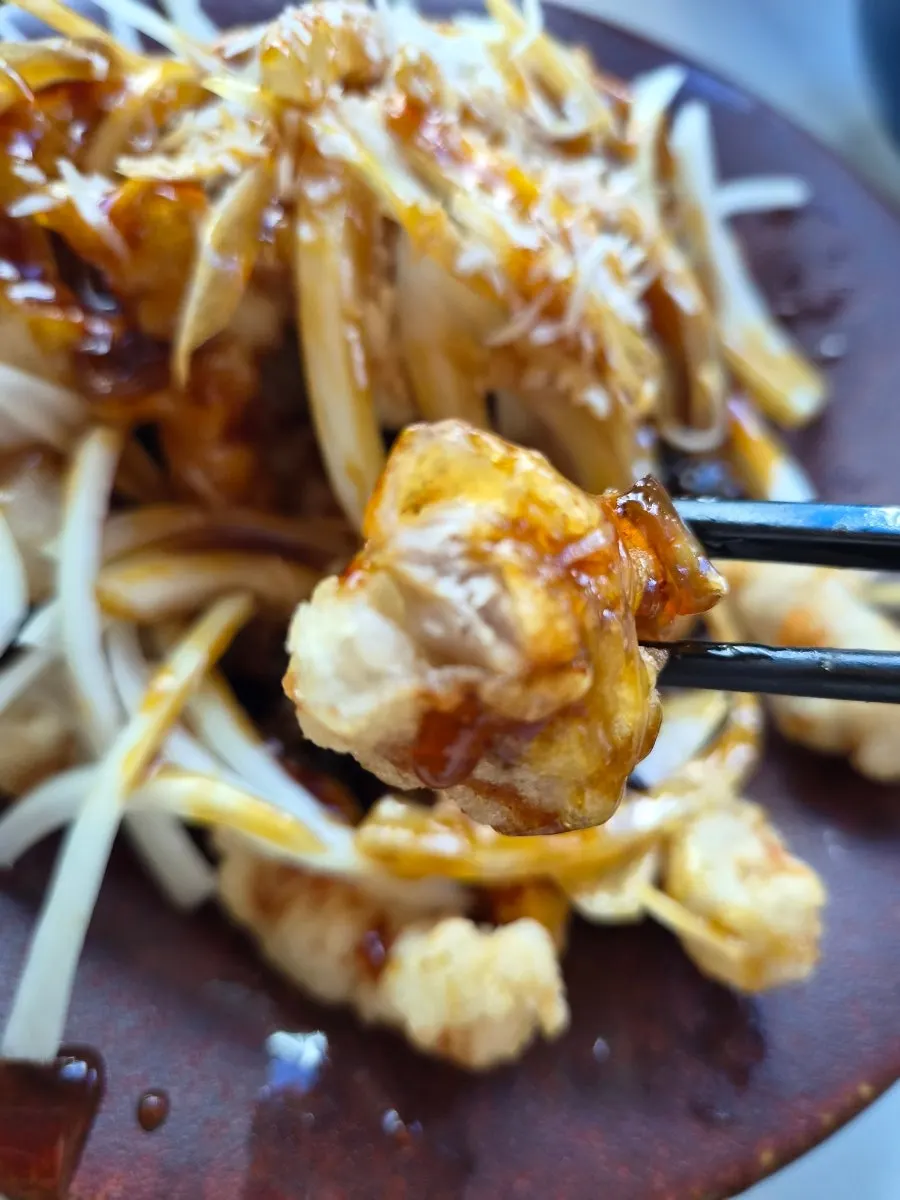
The batter wasn't too thick either, keeping its crispy texture. Above all, since it differed from the usual tangsuyuk in both sauce and how it's eaten, this felt like the most distinctly this-restaurant dish of the three. If it's your first visit, the black vinegar tenderloin tangsuyuk is worth ordering along with everything else.
Is Bueokgan Chinese Haeundae worth a visit?
Bueokgan Chinese Haeundae Branch does have basic jjajangmyeon and jjamppong, but what's more appealing are the dishes that combine familiar Chinese food with a bit different ingredients and sauces.
The jjajang topped with poached egg and pork belly, the jjamppong loaded with seafood, and the black vinegar tenderloin tangsuyuk eaten together with onion and wood ear mushroom — all three dishes we ordered had a clear identity of their own, and this seems like the kind of place you'd think of when you want to step a little away from the usual jjajangmyeon, jjamppong and tangsuyuk. The restaurant's atmosphere is also a bit different from a typical Chinese restaurant, clean and calm, and with in-building parking available, it's worth a visit if you're looking for Chinese food in Haeundae.
Where it is
200 Dalmaji-gil 117beon-nagil, Haeundae-gu, Busan, South Korea부산광역시 해운대구 달맞이길117번나길 200 1층