Hapjeong bar for yakitori and beef sashimi: Soottori
In short
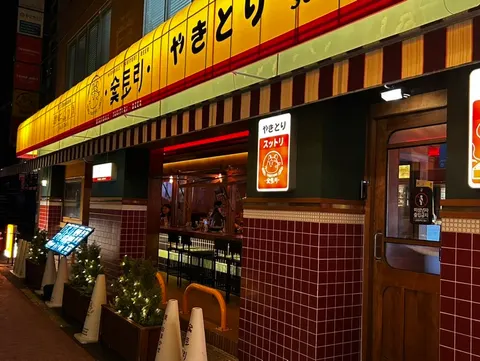
Soottori Hongdae Hapjeong is an izakaya bar in Mapo, Seoul, serving yakitori and drinks. I enjoyed a seven-skewer random assortment served fresh off the grill, plus Korean beef yuk sashimi, Sapporo draft beer in a frosted glass, and Cheongha. A comfortable pick for a relaxed solo drink.
Good to know
- Location
- A 5-minute walk from Hapjeong Station
- What I ordered
- Seven-skewer random yakitori assortment and Korean beef yuk sashimi
- Seating
- Bar seats that are great for a solo drink
as written by the visitor on Sep 12, 2026
Freshly grilled yakitori in Hapjeong
Yakitori means grilled chicken skewers in Japanese, and it has become a popular drinking snack at izakaya-style pubs in Korea. It is beloved for recreating the taste and quality of what you would eat in Japan, letting you enjoy authentic Japanese food without making the trip.
This time, I visited Soottori, which aims to offer yakitori with reasonable prices, great flavor, and good quality.
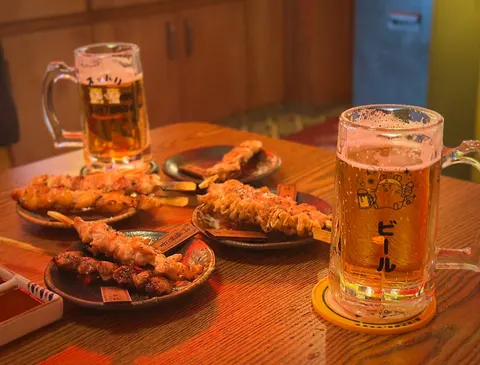
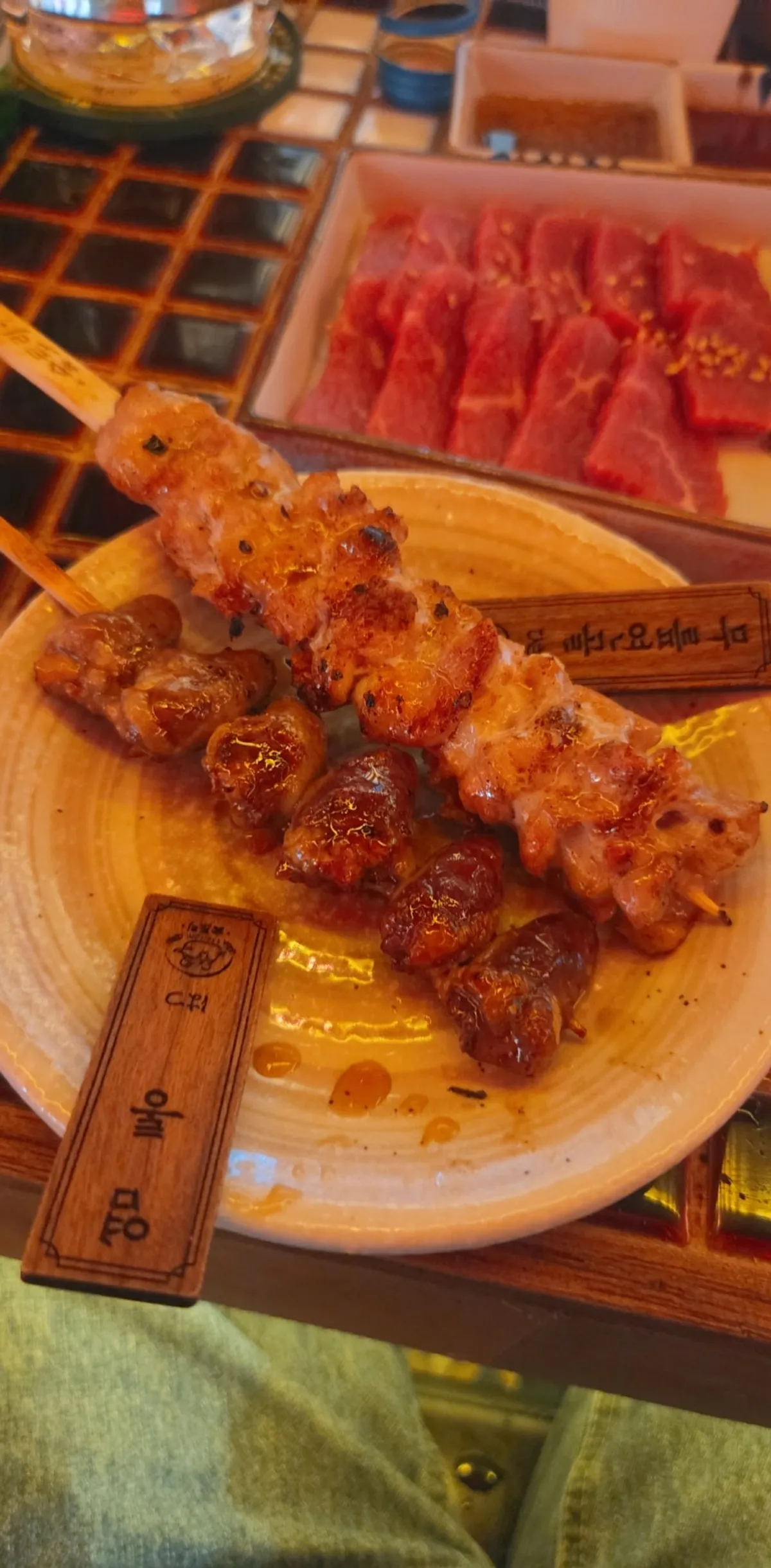
I ordered the seven-skewer random yakitori assortment. They grill and bring them out one or two at a time, so I could eat them right away while they were hot, which was really nice.
Comfortable bar seating for a solo drink
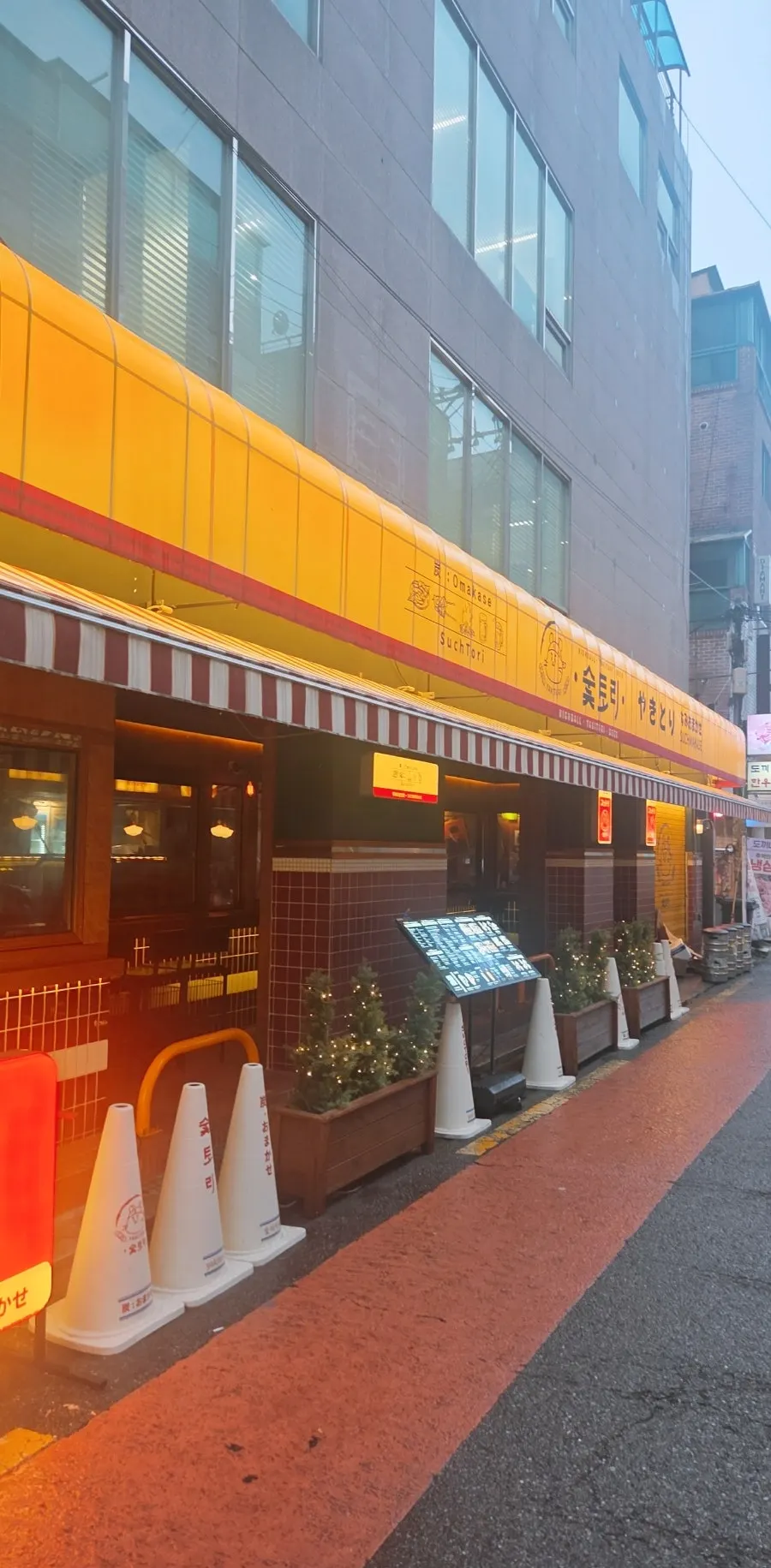
The interior is neat and tidy. I especially liked that there were plenty of bar seats, set up so you can comfortably enjoy a drink on your own.
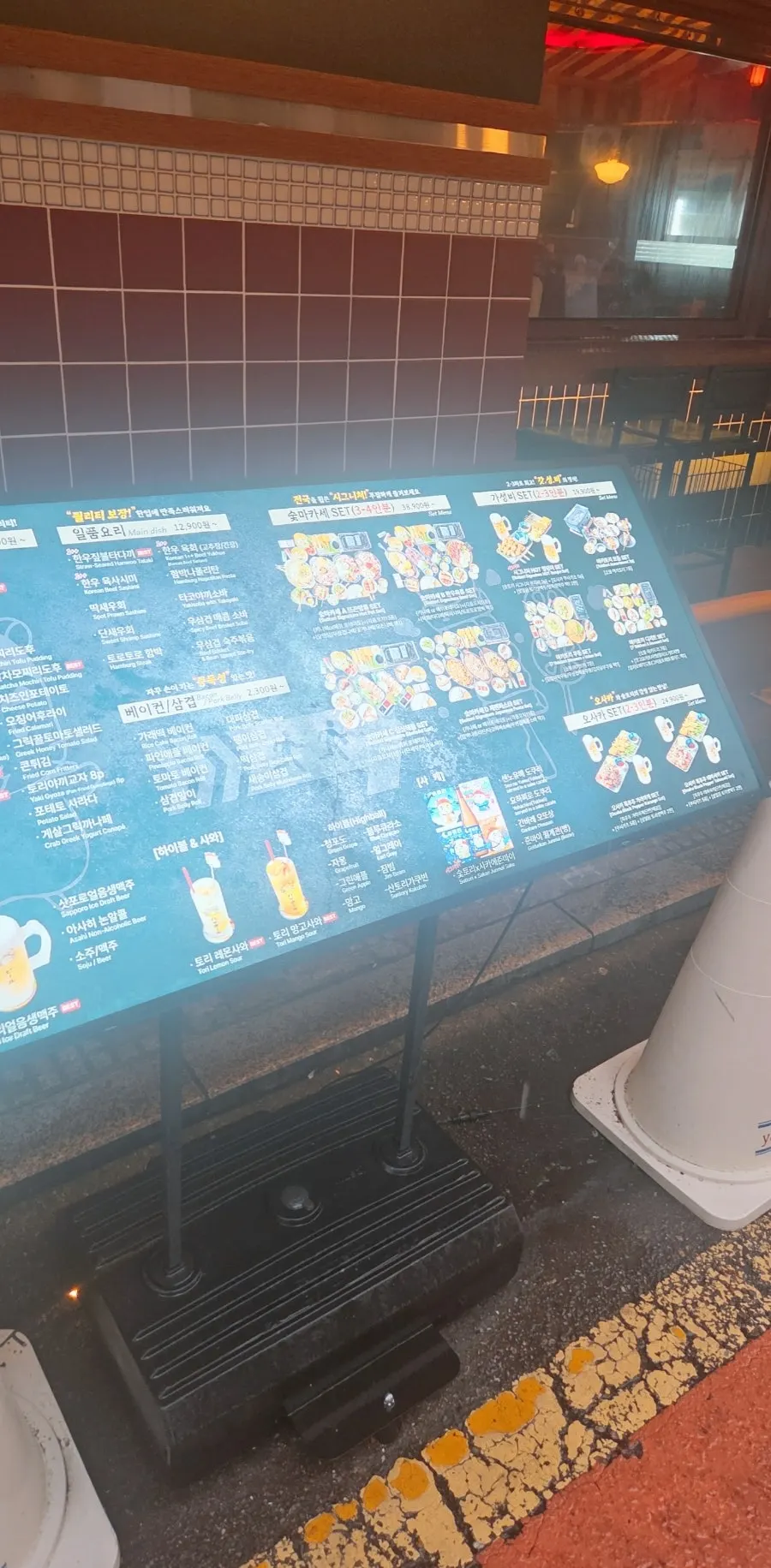
There is even a friendly menu explanation posted outside. For reference, Soottori has grown into a nationwide chain thanks to the secret behind its flavor.
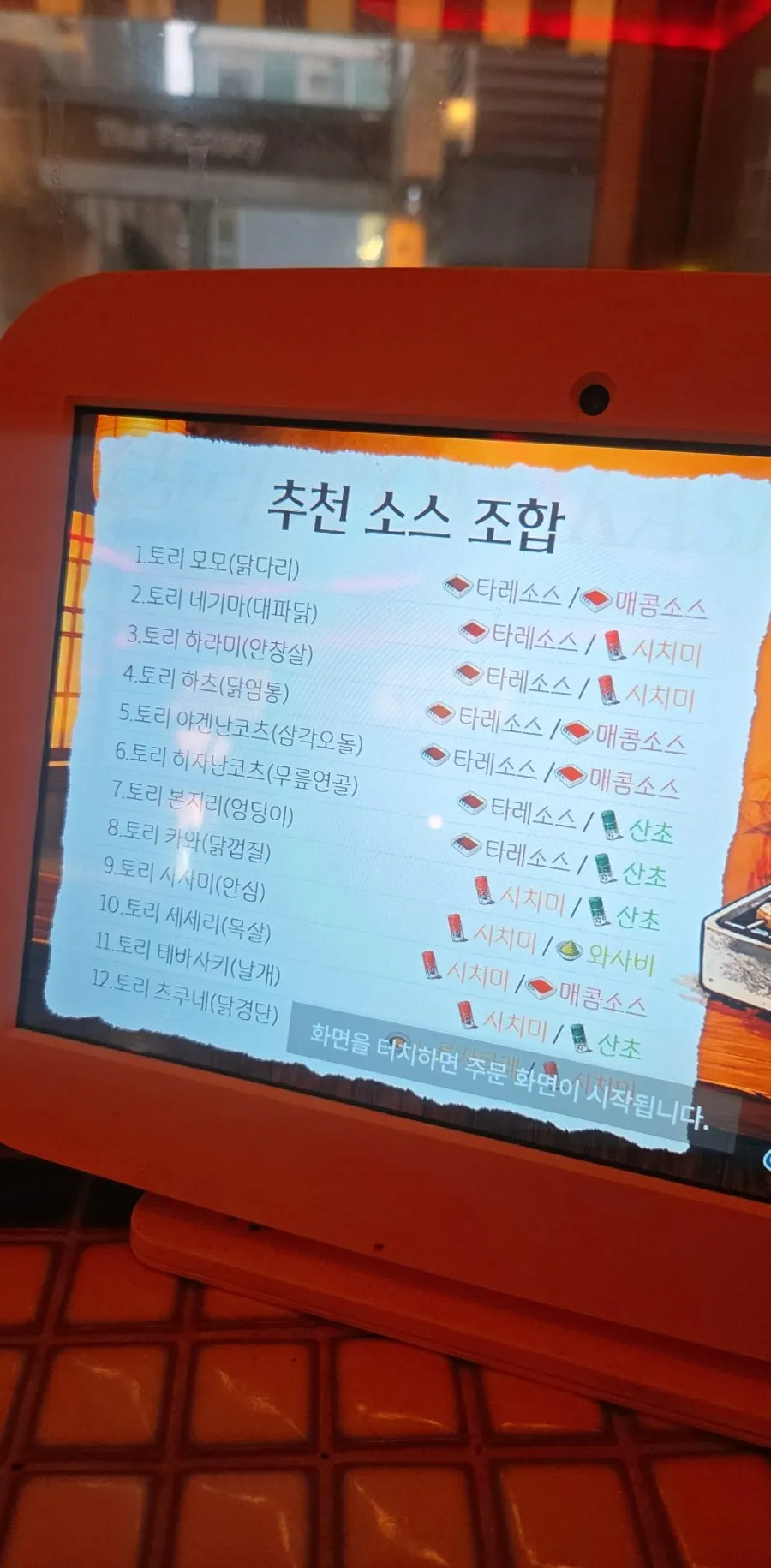
A yakitori spread with sauces
The shichimi and sansho sauces are Japanese-brand sauces that I really like.
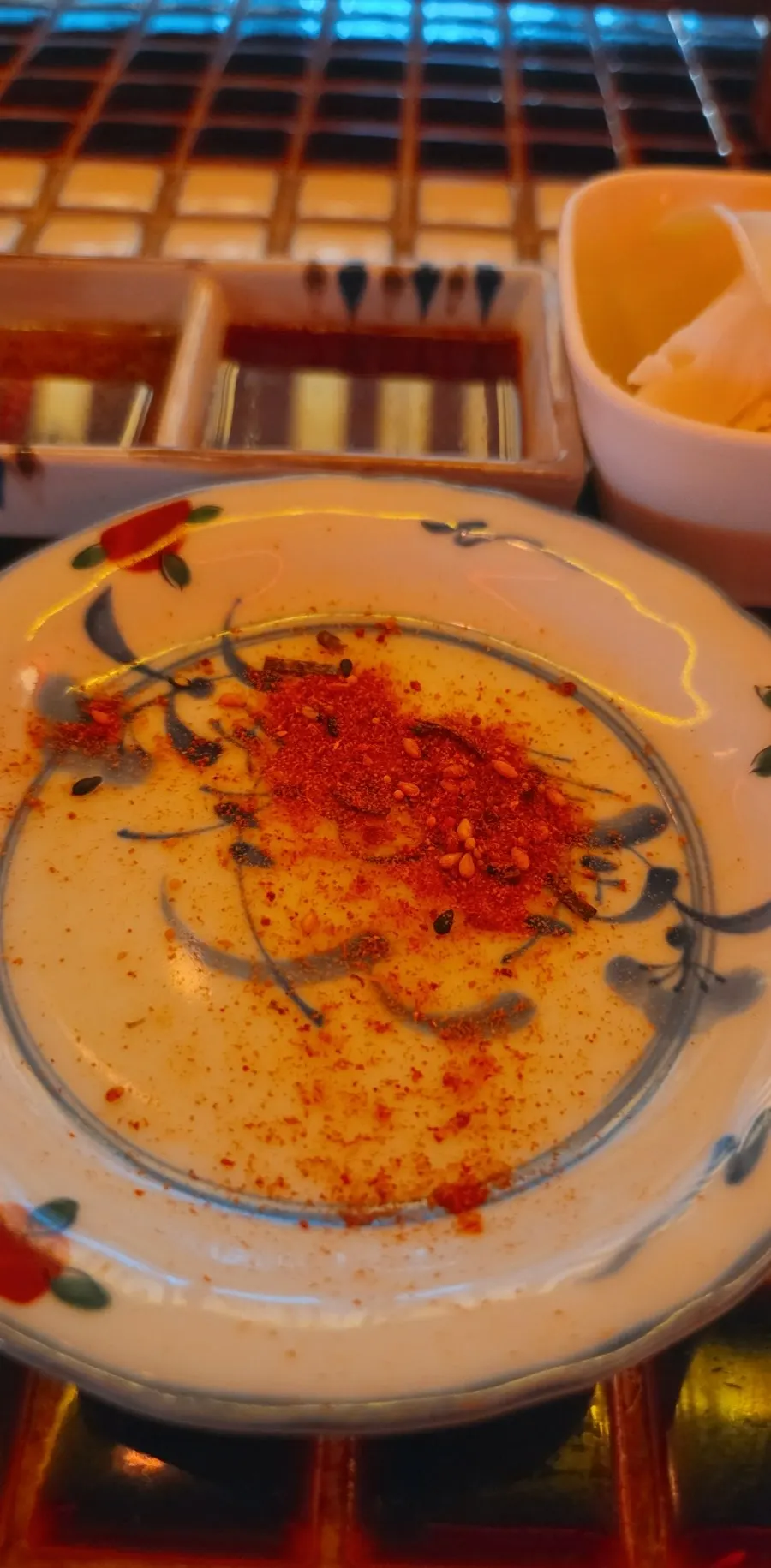
First, I piled plenty onto my plate and got ready to dip the yakitori as soon as it arrived.
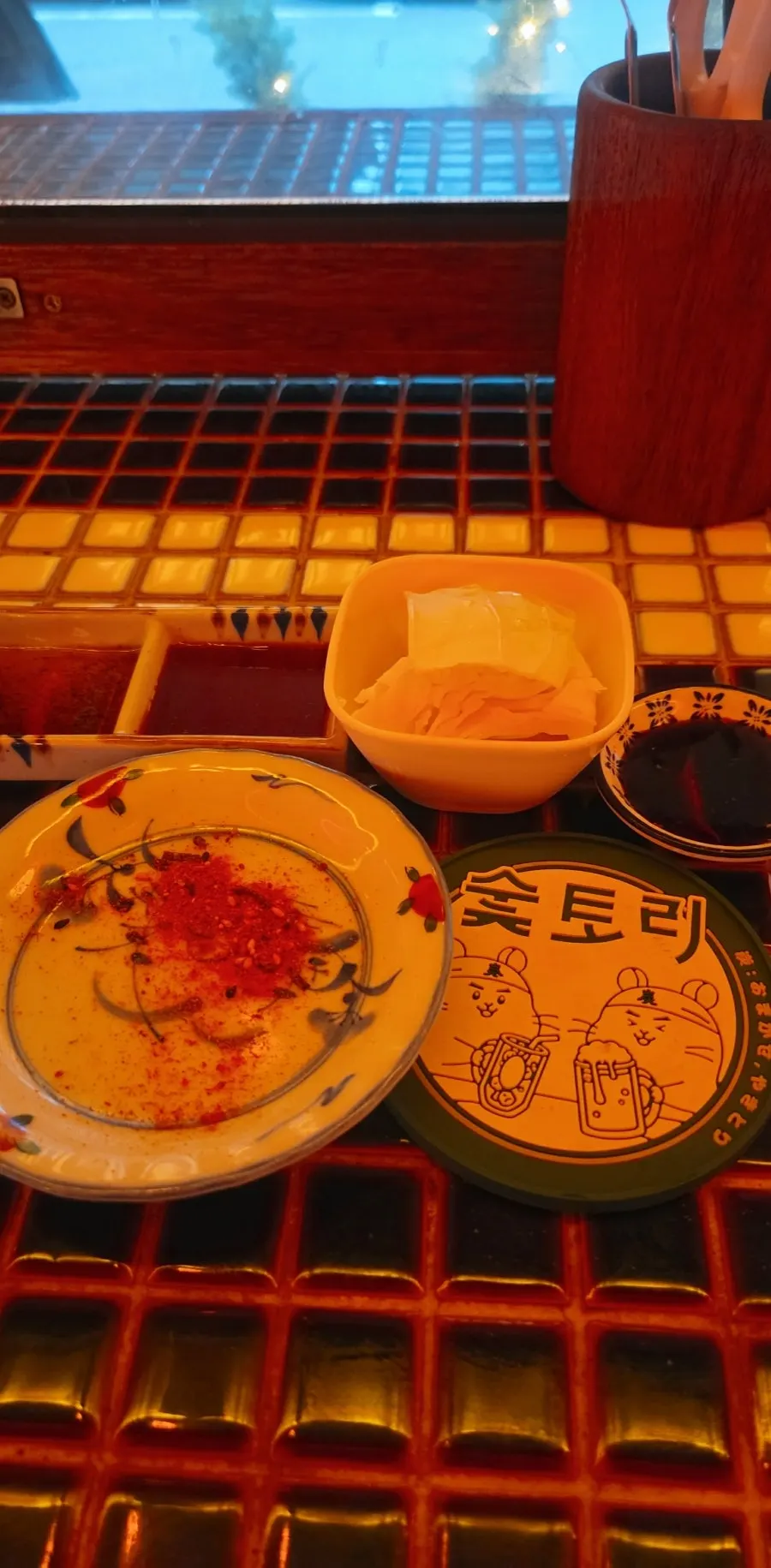
What a lovely spread.
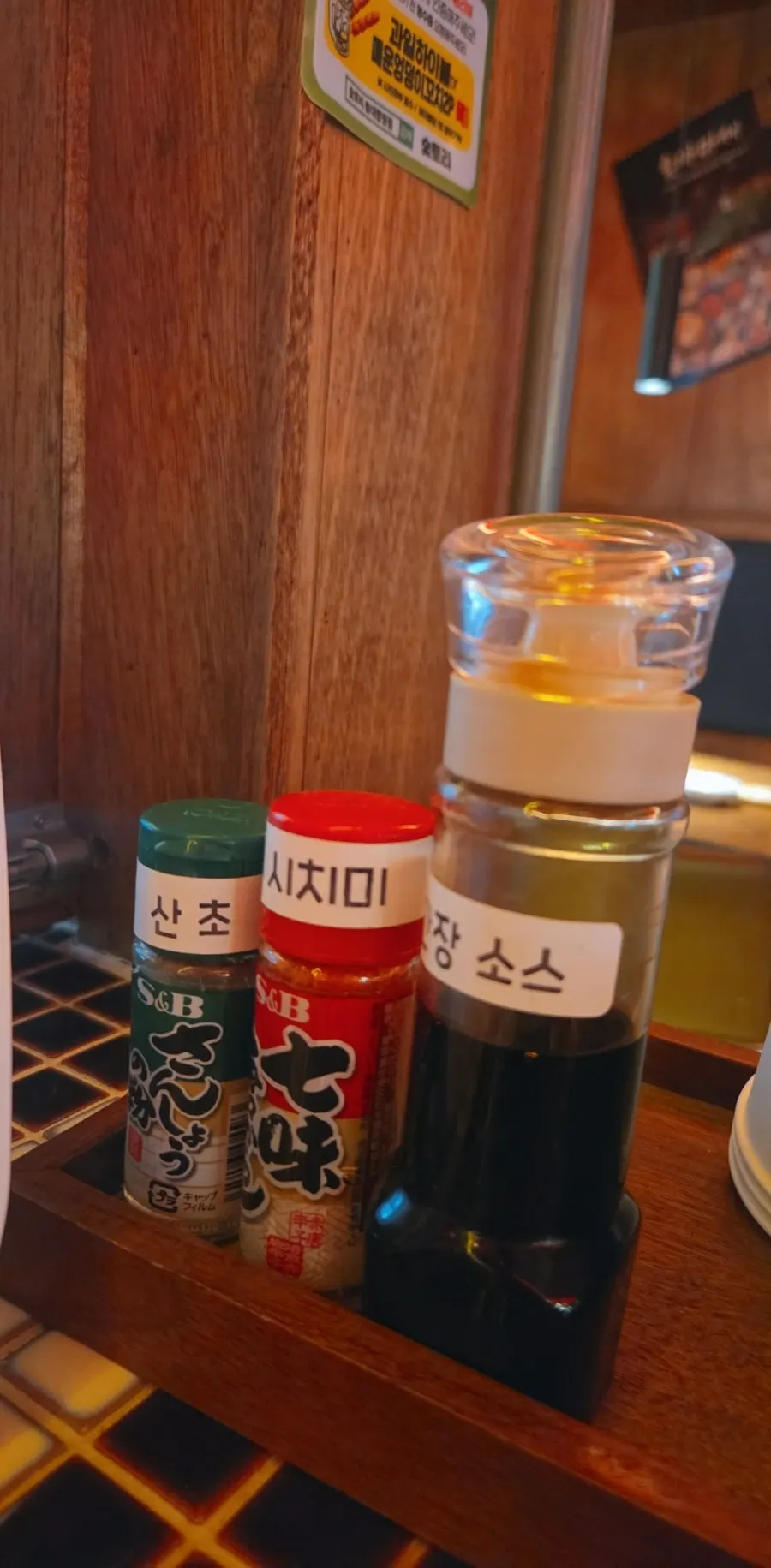
I love this brand of sauce.
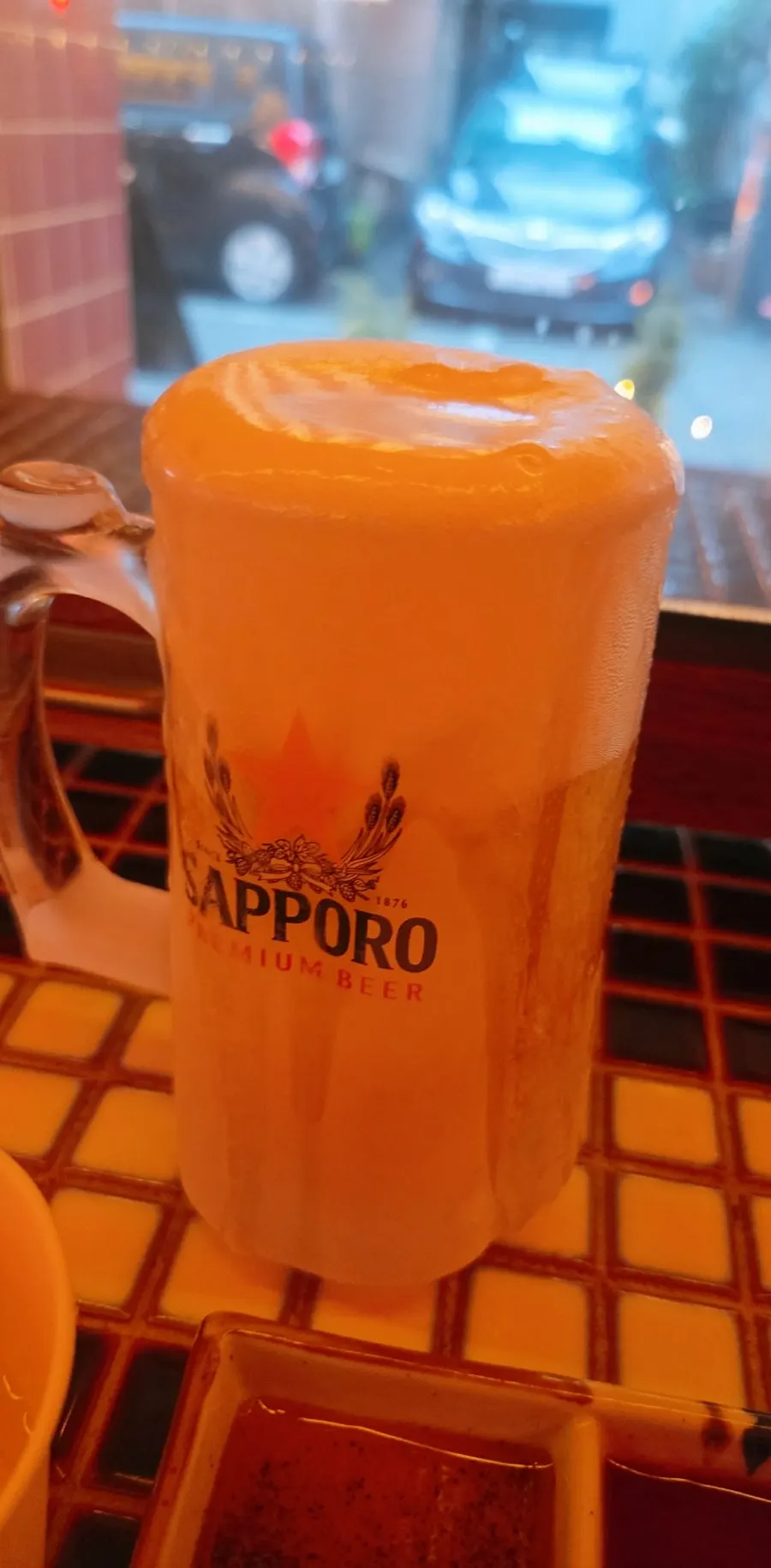
This was Sapporo draft beer, and served in a frosted glass, it tasted absolutely amazing.
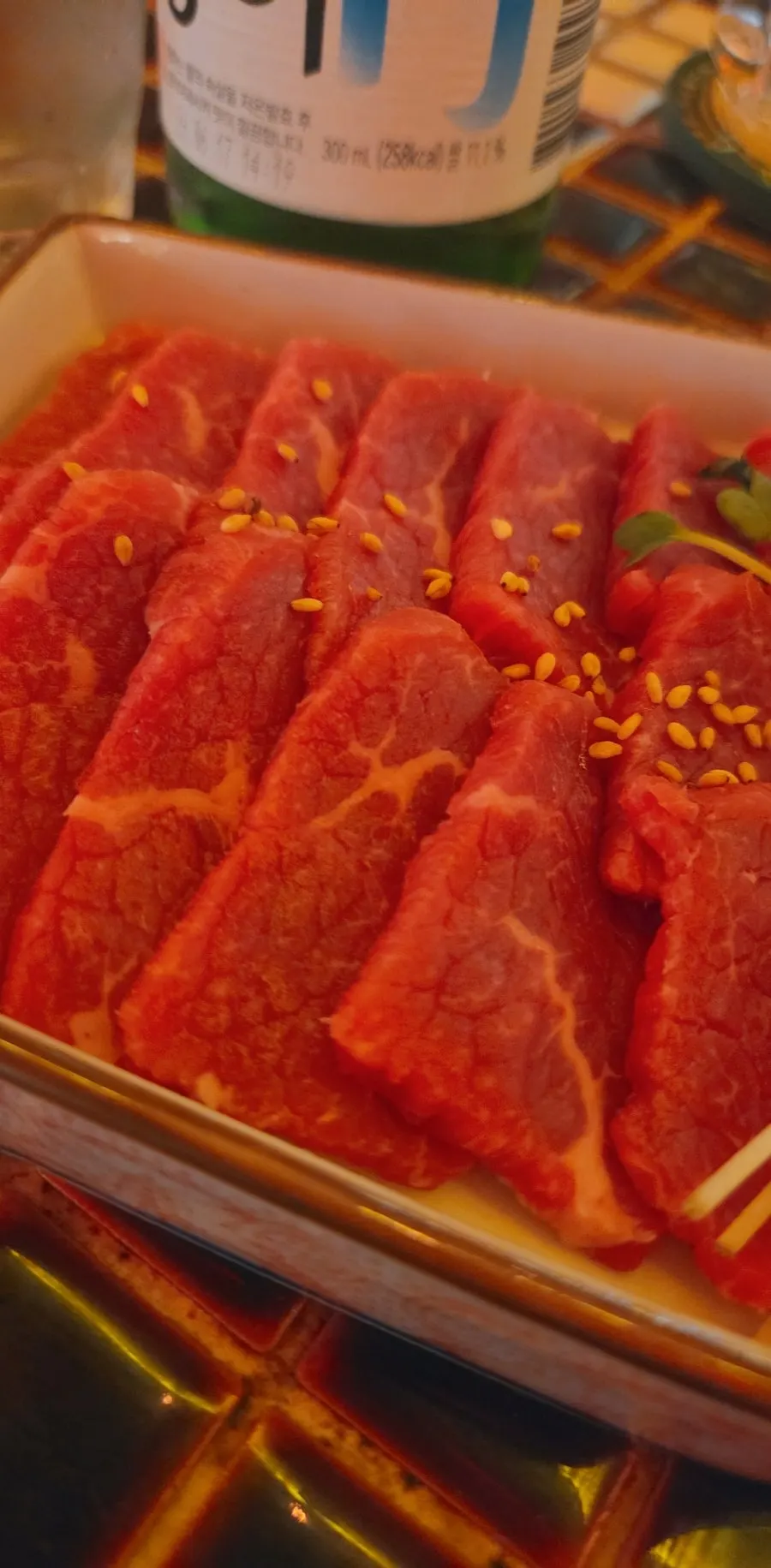
Korean beef yuk sashimi with draft beer and Cheongha
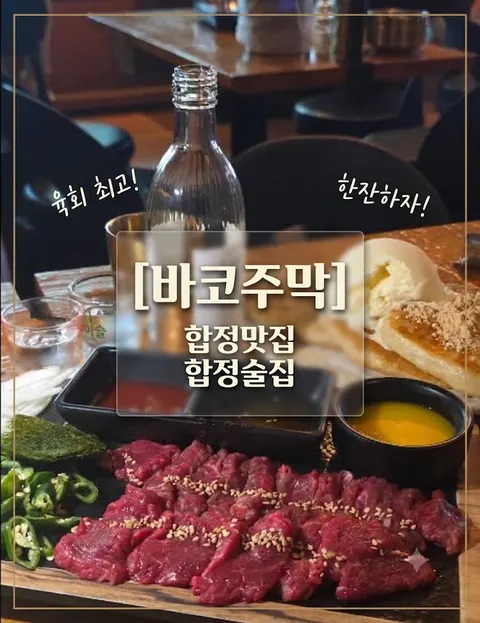
This is my favorite yuk sashimi (Korean-style raw beef). Since it was Korean beef yuk sashimi, the portion was not huge, but quality matters more than quantity. I was very satisfied.
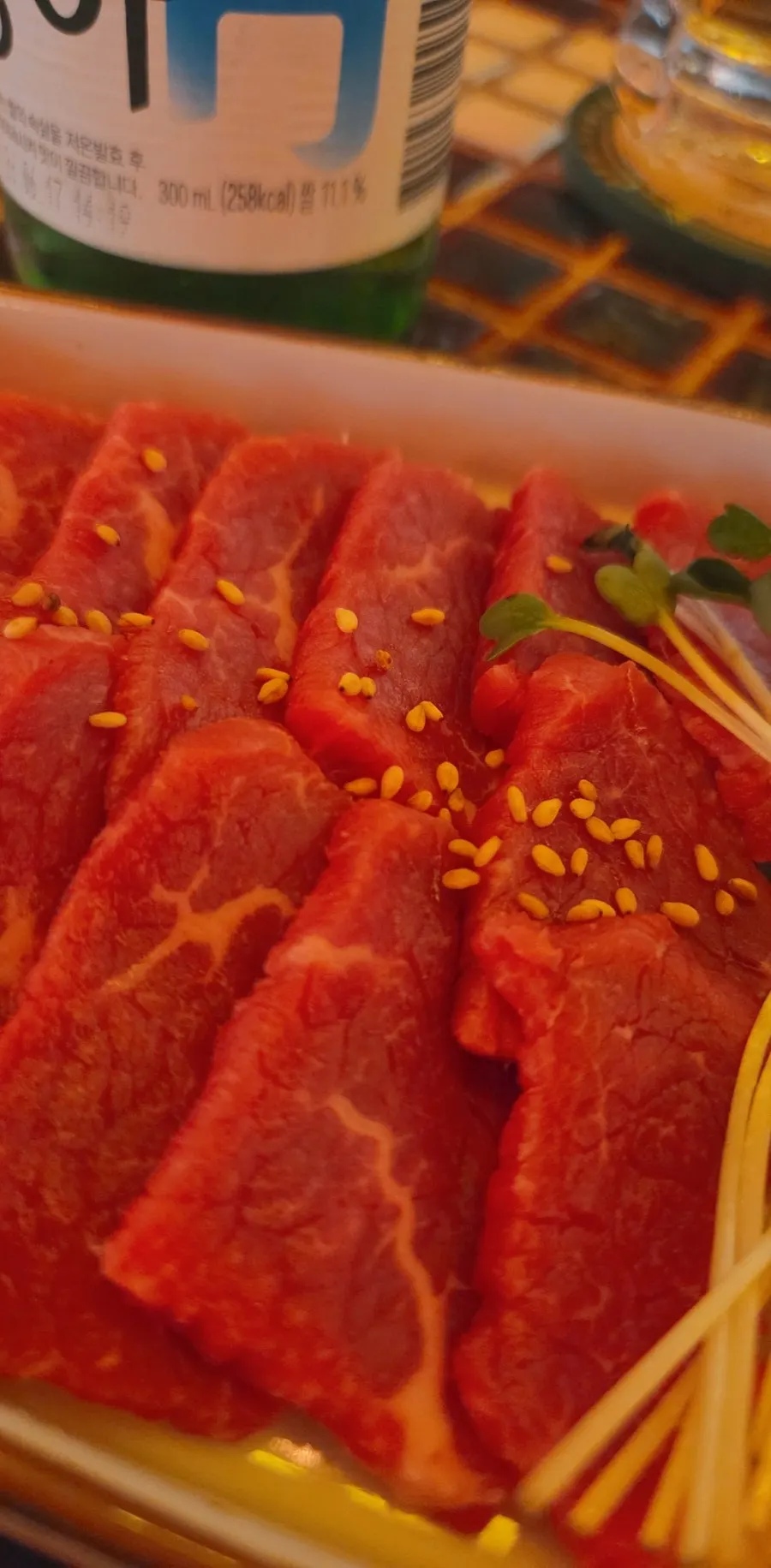
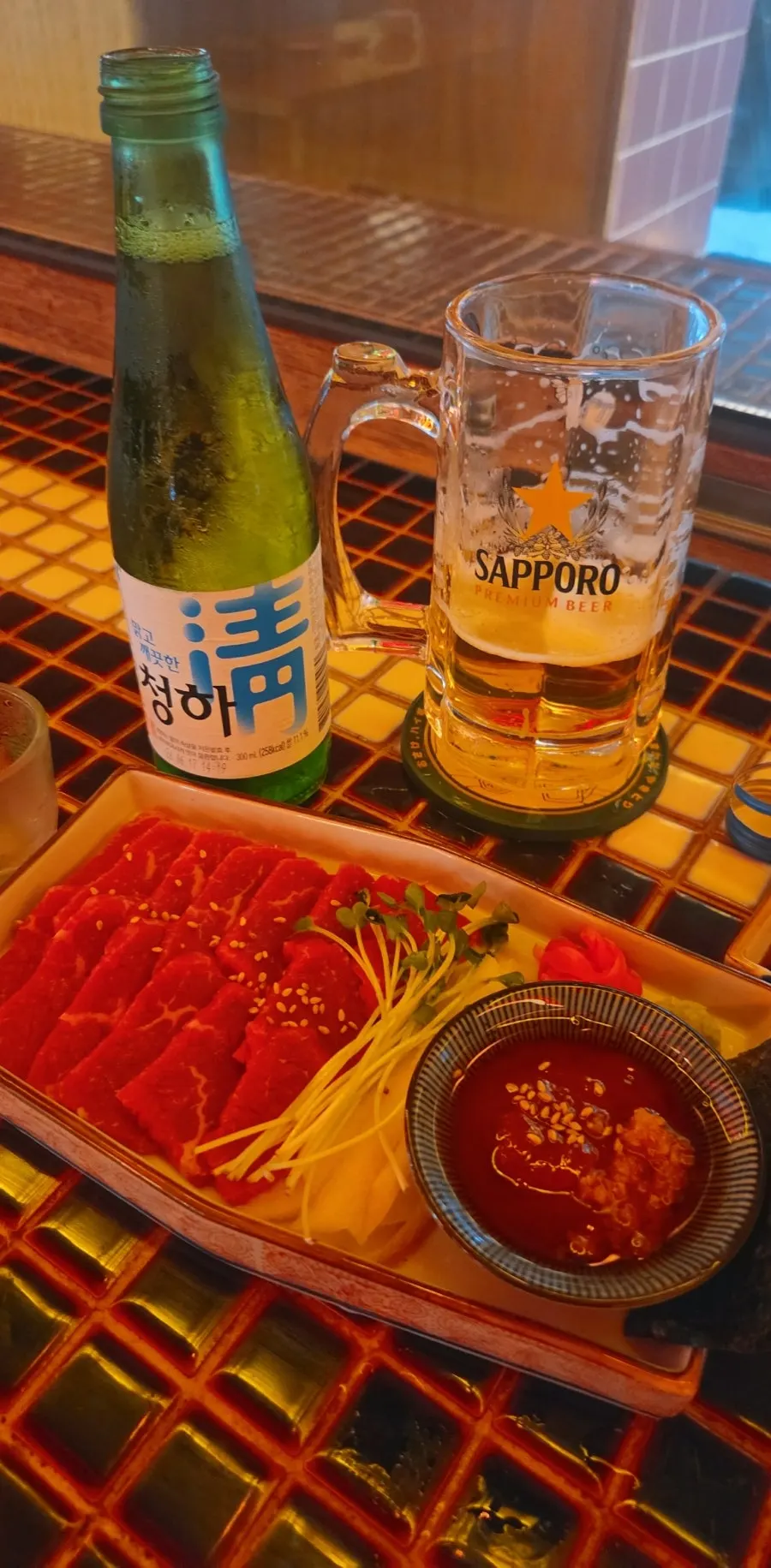
Lately, soju does not seem to agree with me very well, so when I want to take it easy, I usually just have a light beer. But after eating the yuk sashimi, I found myself wanting Cheongha.
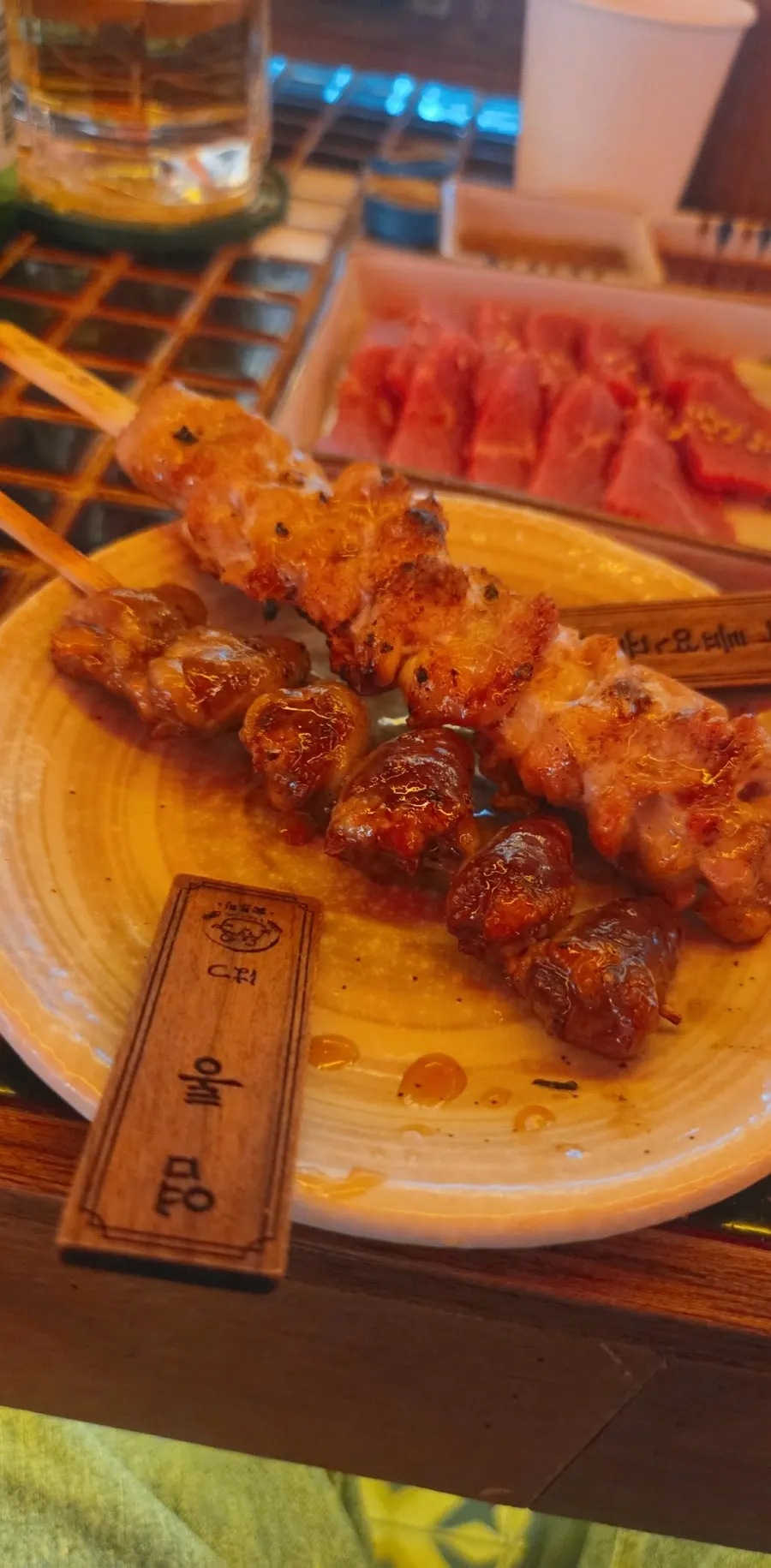
The combination of yuk sashimi, yakitori, draft beer, and Cheongha felt like a gift to myself after a full day of hard work at the office.
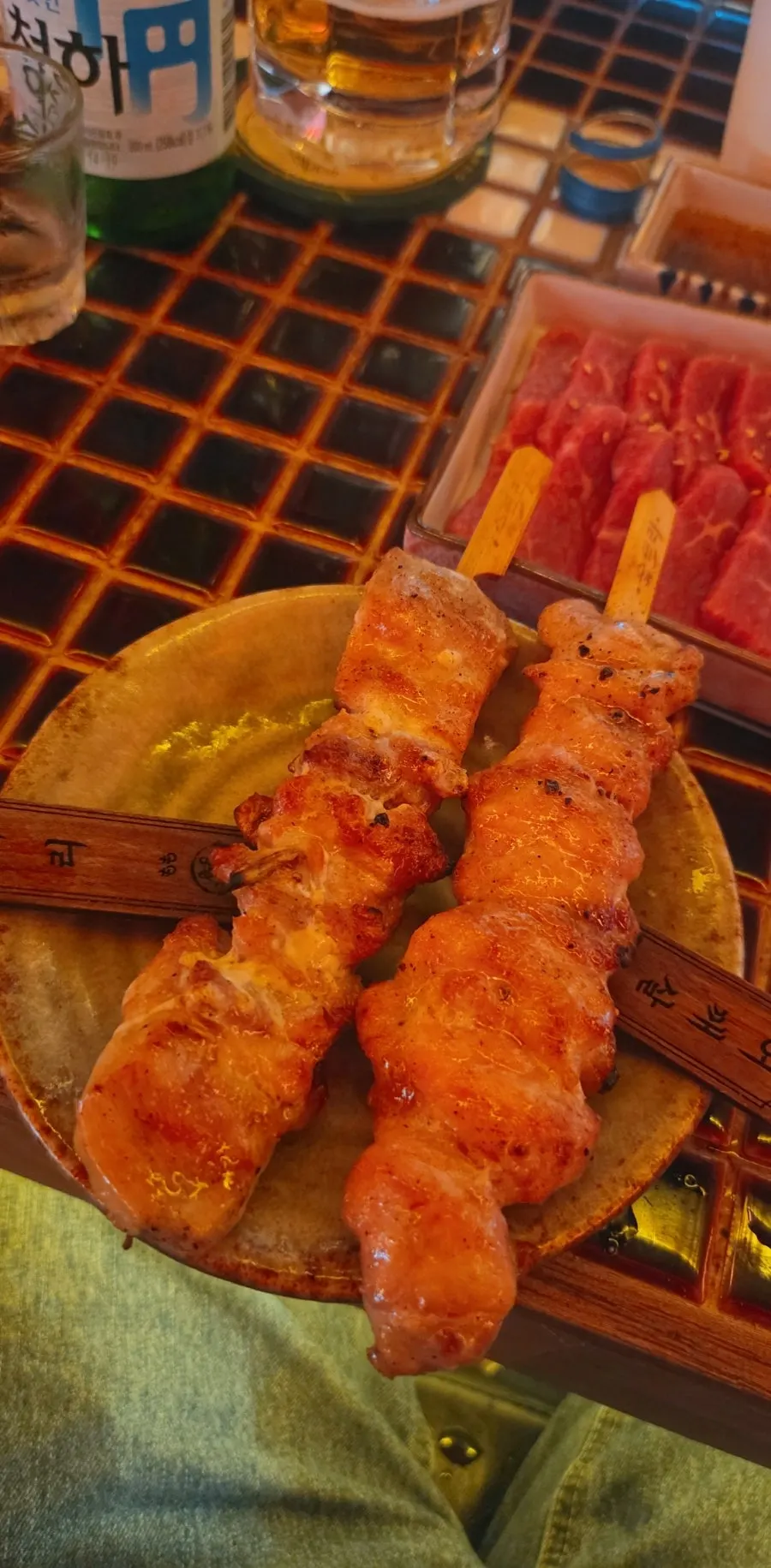
Memorable skewers from the seven-piece assortment
Being able to eat the yakitori right when it came off the grill was such an appealing part of the experience.
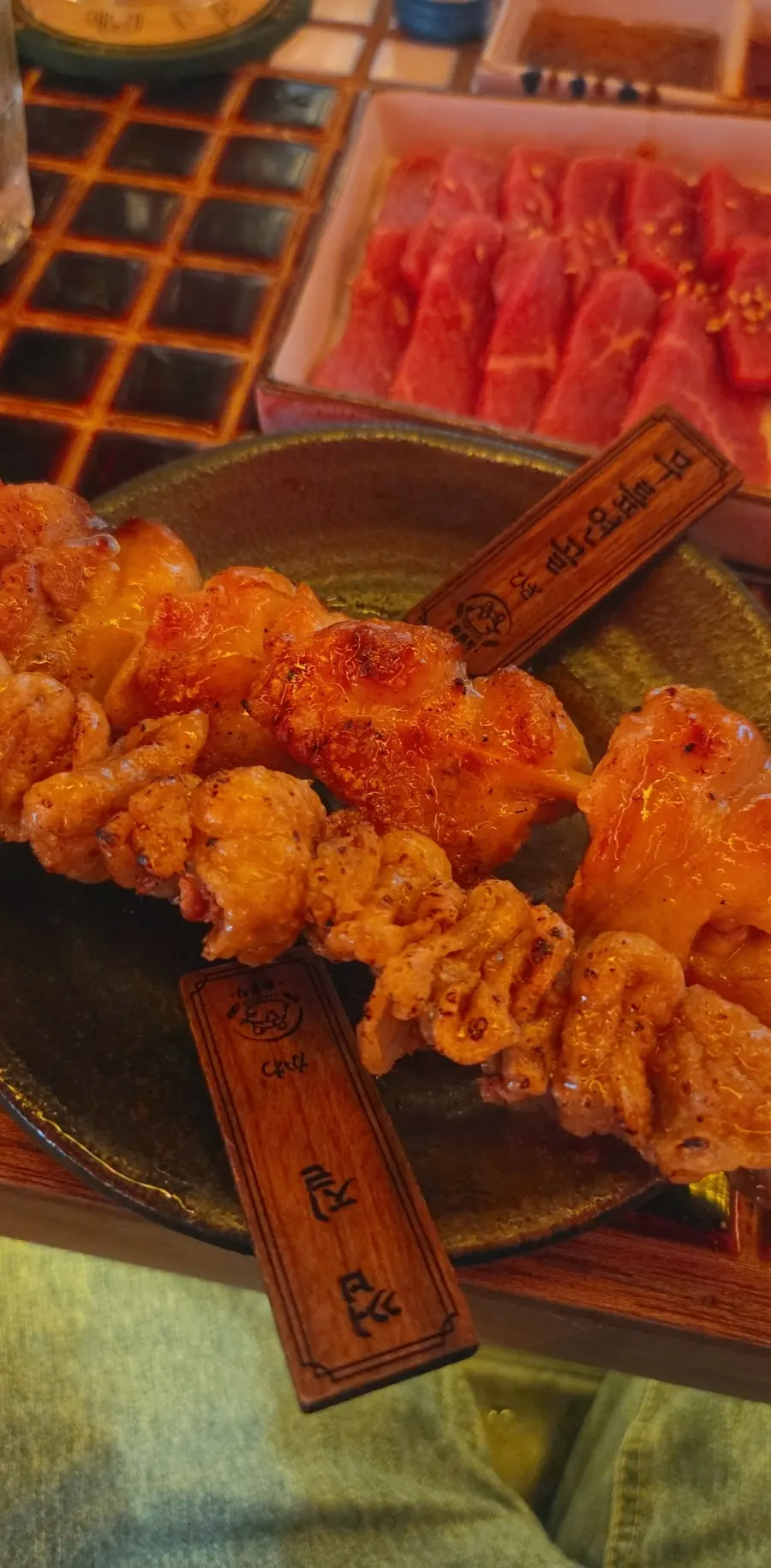
I love tsukune, and next time, when I want it rather than the seven-piece set, I am going to order it individually.
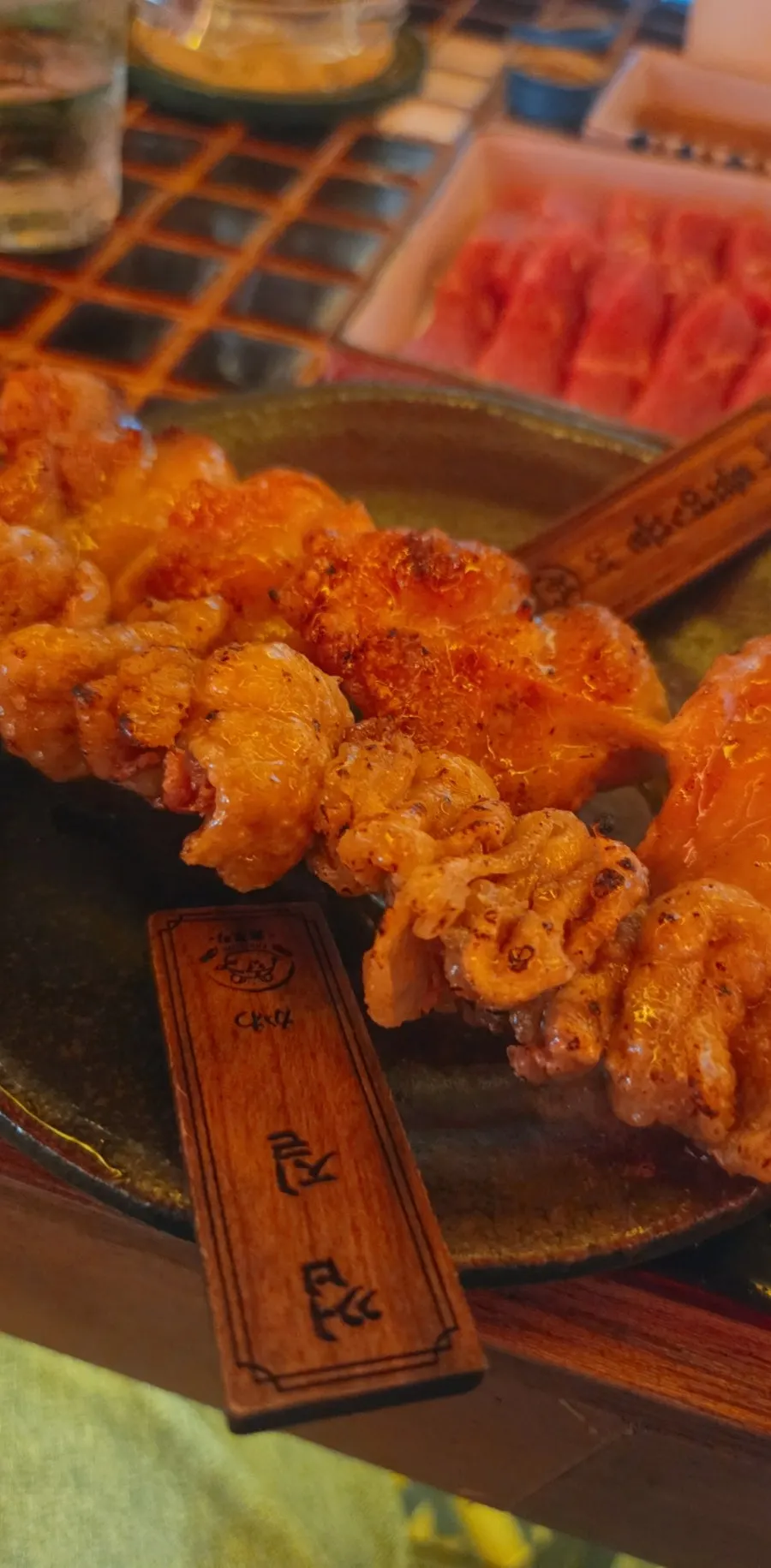
I do not usually care much for chicken skin, but this one was delicious, so I enjoyed it.
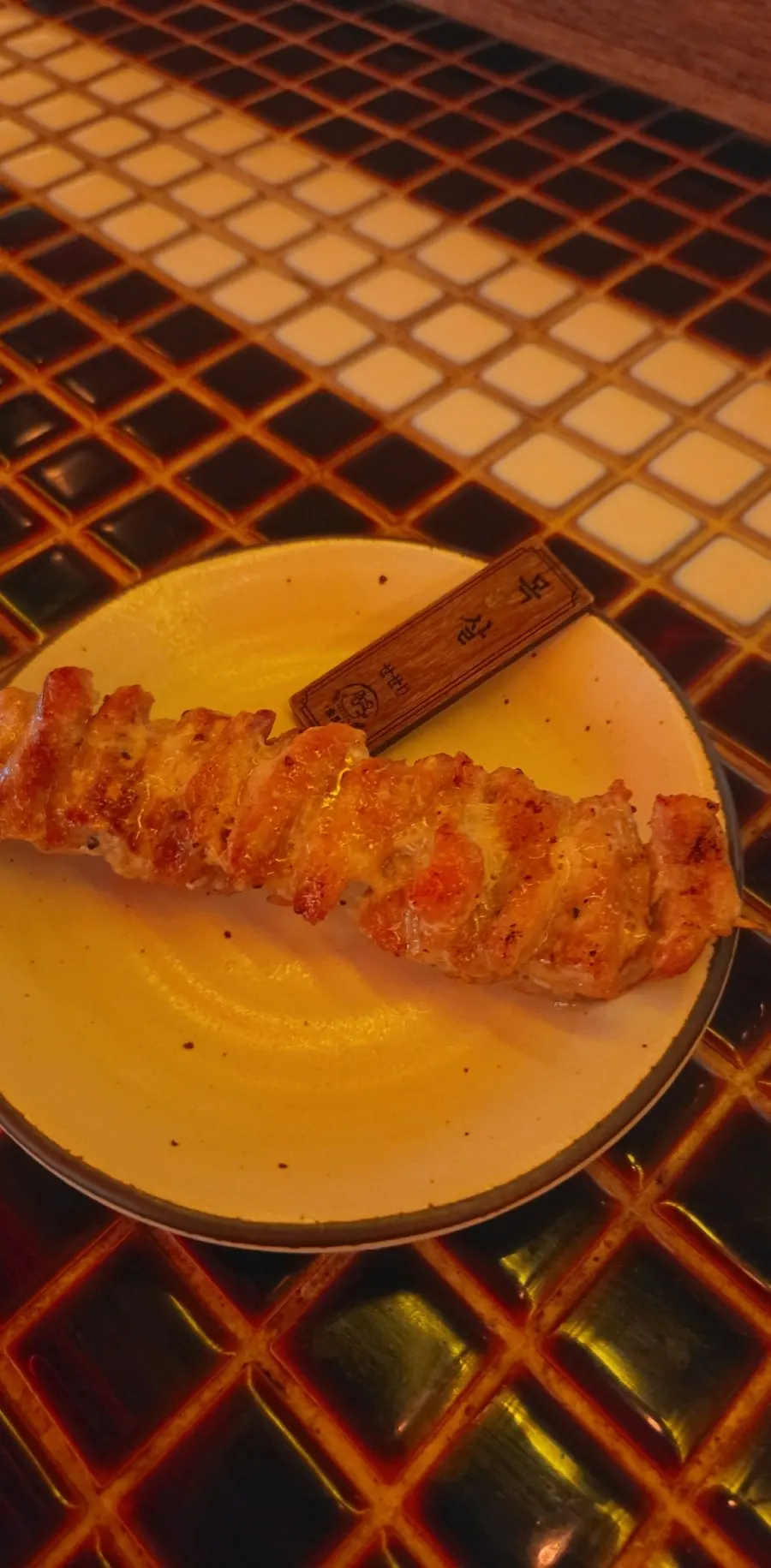
As expected, the chicken neck was mild and tasted wholesome. Soottori Hongdae Hapjeong (숯토리 홍대합정점) is a five-minute walk from Hapjeong Station. Really good food to go with drinks, high-quality draft beer, and a great atmosphere. Highly recommended!
What kind of food is yakitori?
Yakitori (焼き鳥) literally means grilled chicken skewers: yaki (焼き) means to grill, and tori (鳥) means bird or chicken. Skewer-grilling culture existed in Japan from the Edo period, though in its early days it involved grilling various birds, such as sparrows and pheasants, as well as offal.
As poultry farming developed after the Meiji period, chicken became more affordable. After World War II, yakitori became widely popular as an everyday food that made thrifty use of every part of the chicken during food shortages. Today it is a signature izakaya dish, with many regional styles differing in tare sauce and grilling methods.
Japanese names for yakitori cuts
- Thigh, momo (もも): juicy leg meat
- Breast, mune (むね): mild chicken breast
- Skin, kawa (かわ): crisp grilled chicken skin
- Heart, hatsu (ハツ): chicken heart
- Liver, reba (レバー): chicken liver
- Gizzard, sunagimo (砂肝/すなぎも): pleasantly chewy
- Cartilage, nankotsu (軟骨/なんこつ): crunchy texture
- Meatball, tsukune (つくね): a minced-meat skewer
- Tail fat, bonjiri or bonbochi (ぼんじり): a rich, chewy tail cut
- Neck, seseri (せせり): tender and juicy
- Negima (ねぎま): a skewer alternating green onion and meat
Flavor changes with sauce and cut
Yakitori is broadly divided into tare (たれ), a sweet and savory soy sauce-based style, and shio (塩), seasoned simply with salt; the best method differs by cut. Charcoal grilling gives it a gentle smoky aroma, a crisp exterior, and a moist interior. Even from one chicken, each cut offers a different chewiness, crispness, or tenderness, making for a varied experience.
Nutritional characteristics of yakitori
Please take this as general nutritional information rather than medical benefits. Mune, or chicken breast, is low in fat and rich in protein, which can support muscle building and help maintain fullness. Skin and bonjiri are higher in fat and calories, so the nutritional balance changes depending on the cuts you choose.
Reba, or liver, is rich in iron and vitamin A and may help prevent anemia, while skin and cartilage contain collagen. However, evidence is lacking that consumed collagen is absorbed directly into the skin. Tare sauce is high in sugar and sodium, and charred bits created during charcoal grilling are not good to consume excessively, so it is best enjoyed in moderation.
Where it is
18 Dongmak-ro 9-gil, Mapo-gu, Seoul, South Korea서울특별시 마포구 독막로9길 18 1층