Korean real estate book for beginners: Rules of Housing Prices
In short
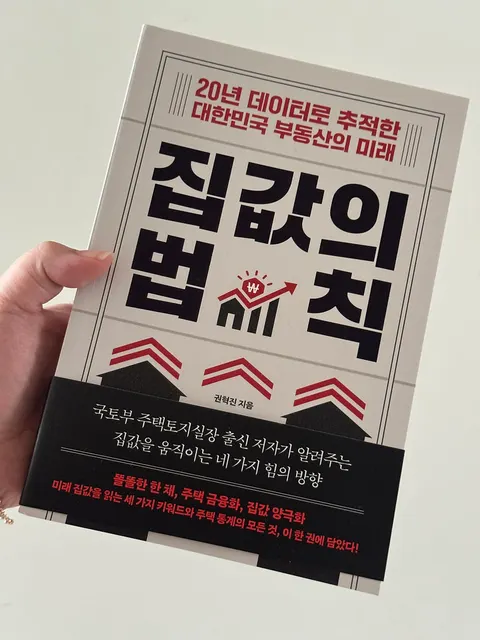
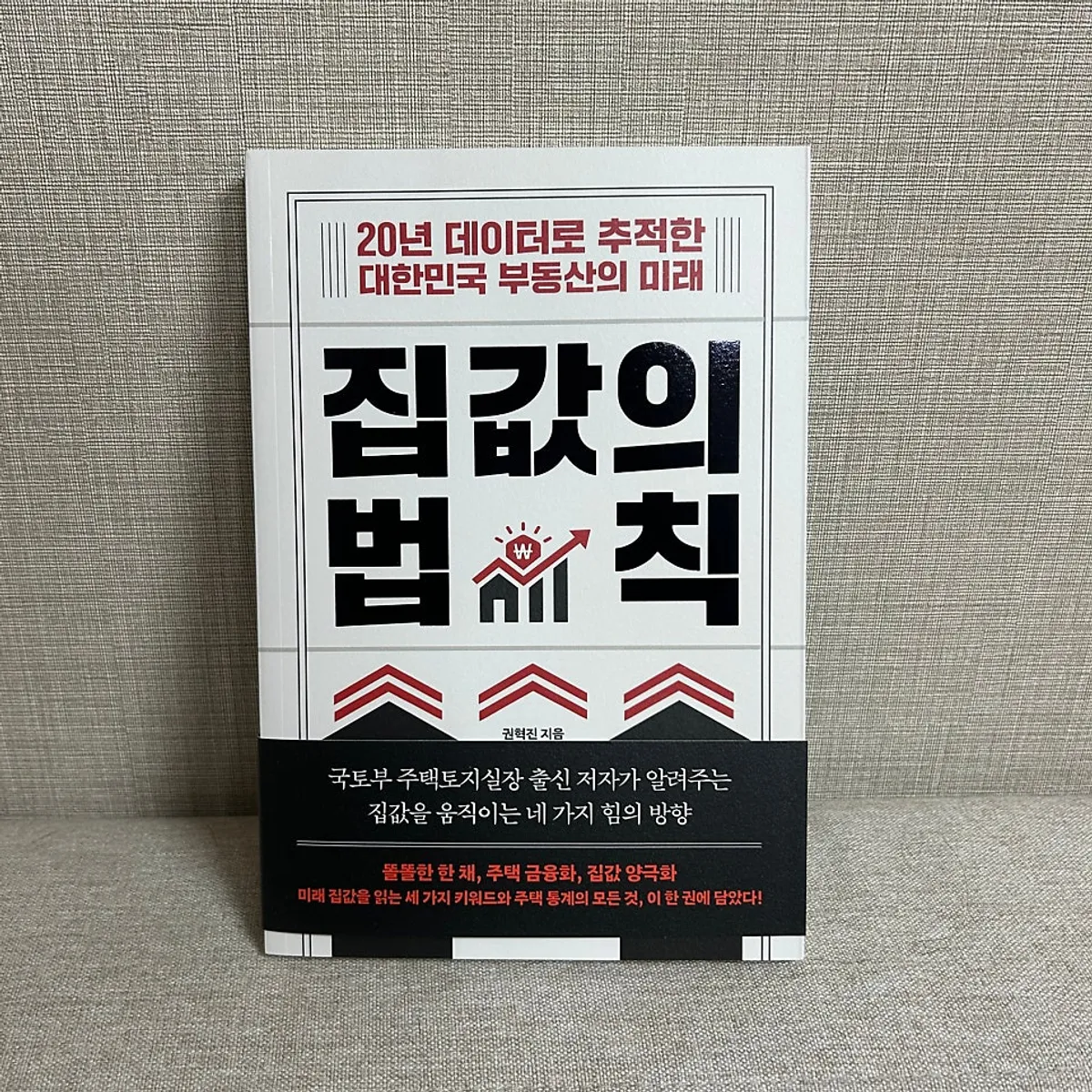
Rules of Housing Prices is a Korean real estate analysis book written by an official who handled housing policy at Korea's Ministry of Land for 30 years. Read from a total beginner's perspective, Rules of Housing Prices covers four forces — demand, supply, finance and regulation — along with housing price trends under each past government, and explains which websites to check for each indicator. The writing is plain enough that it takes under 30 minutes to finish even without an economics background.
Good to know
- Book title
- Rules of Housing Prices
- Author
- An official who handled housing policy at Korea's Ministry of Land for 30 years
- First edition
- Published within the past month
- Structure
- Summary of what sets housing prices → detailed analysis of demand, supply, finance and regulation → final conclusion on where prices are headed
- Where to buy
- Kyobo Book Centre
- Time to finish
- Under 30 minutes
Prices as written by the tester on Sep 23, 2026 · not updated automatically
Why I picked up Rules of Housing Prices
The Seoul real estate market is truly chaotic right now. Search any real estate video on YouTube and you'll find endless videos saying "buy now, prices will keep rising" versus "it's way overheated" — I genuinely couldn't tell who was right. And then I found out there's an actual analysis book about Korean real estate written by a public official who worked directly in housing policy!
I was curious how someone who watched the market up close from the inside would analyze it, and since I'm a real estate beginner with very little knowledge, curiosity got the better of me and I read this book, called "Rules of Housing Prices." If you're a beginner or just interested in real estate, I'd recommend it.
This is the exact book I read. It's sold at Kyobo Book Centre, so if you're curious, I'd definitely recommend checking it out.

Why this book among so many Korean real estate books
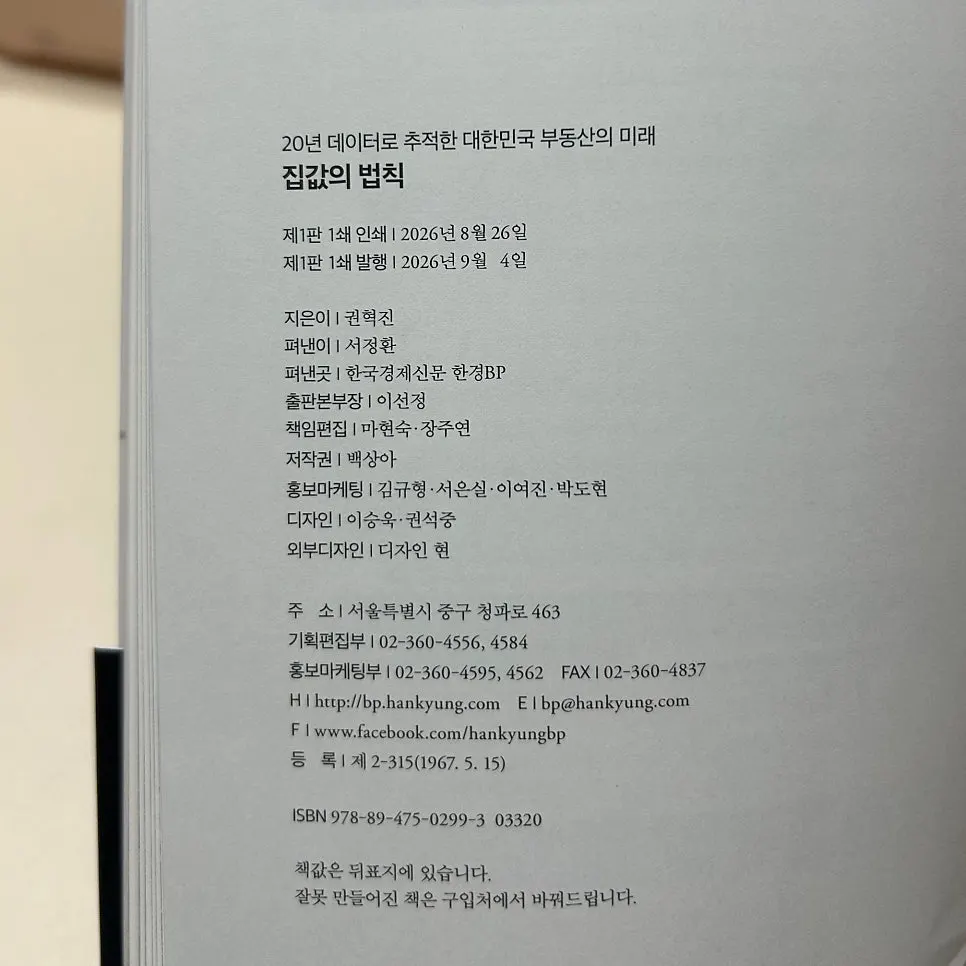
Among the many real estate books out there, I chose Rules of Housing Prices for two big reasons. First, it was written by someone who actually handled housing policy at the Ministry of Land for 30 years! I figured it would blend both a practitioner's perspective and that of an ordinary Korean citizen, and that it might show what data a practitioner analyzes and how — something I could learn from to build my own view of the market.
Second, the first edition was published within the last month! The real estate market changes practically day by day, so I wanted to skip any book older than three months, and this one being freshly published meant it would be up to date.
The book is structured as a quick preview summary of what determines housing prices, followed by a detailed breakdown of each factor, then a final conclusion.
1. What actually decides housing prices
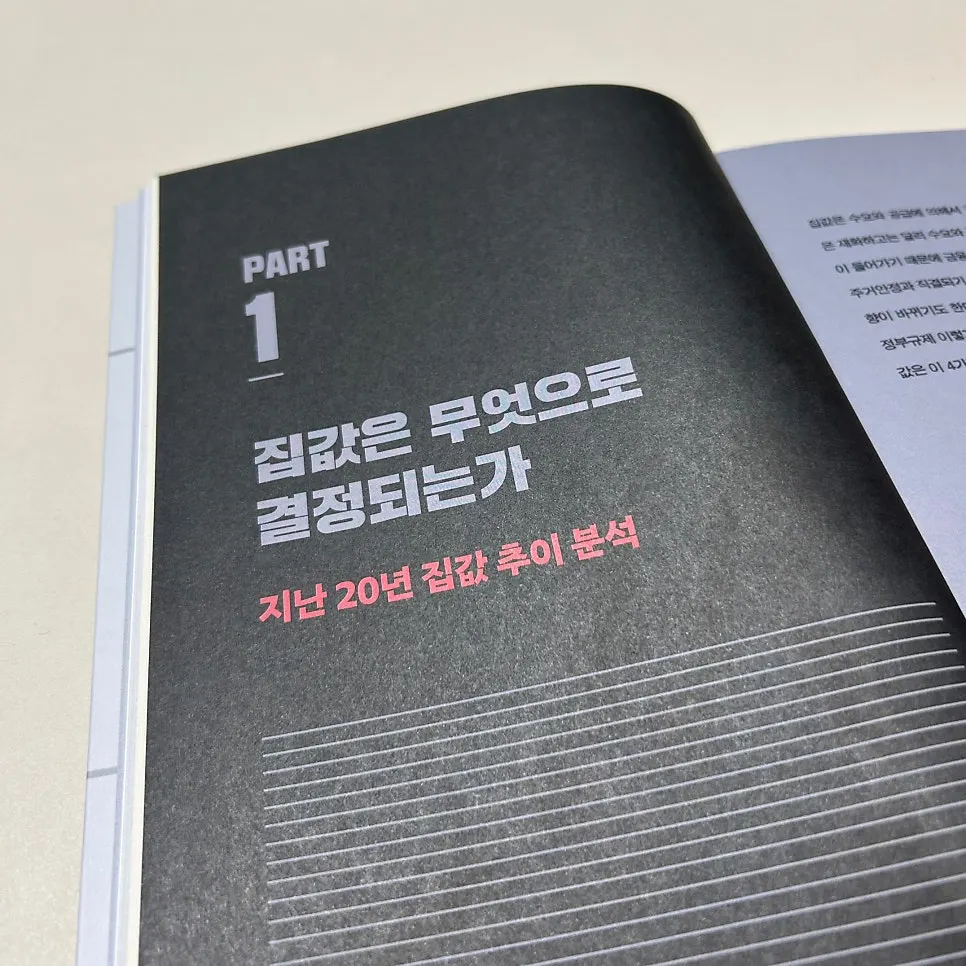
Chapter 1 covers 20 years of housing price trends. I've always thought housing prices are closely tied to government policy, and I wanted to see at a glance how prices moved under different governments and their different policy leanings — and right from the first chapter, it gave me exactly what I was looking for.
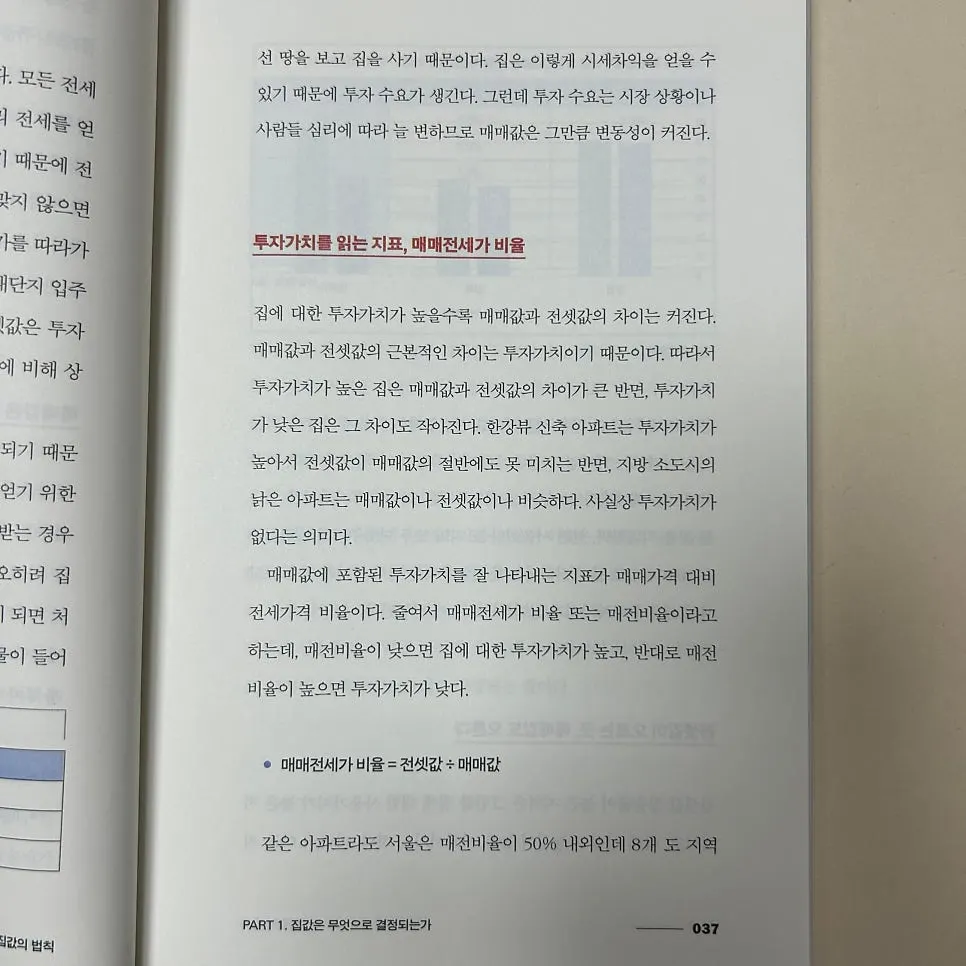
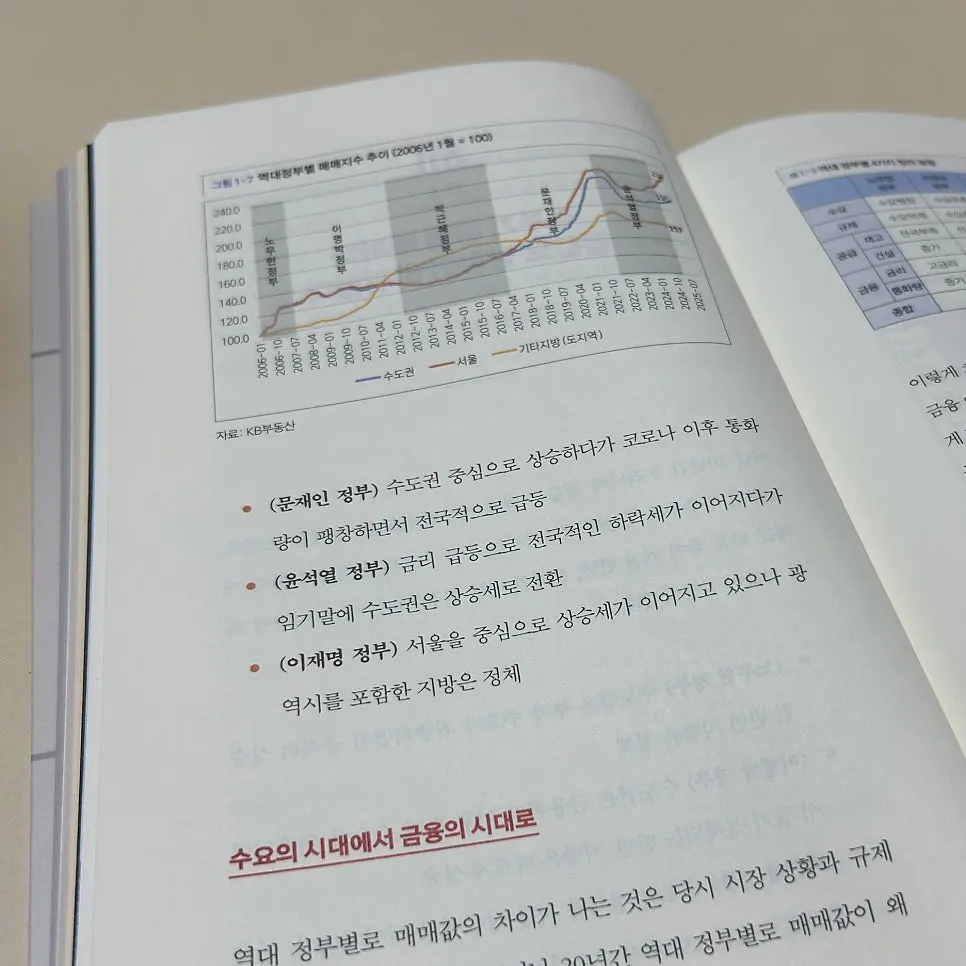
For beginners like me, it was great to see both the theory of which real estate indicators exist and how those indicators moved under each past government — theory and real cases shown together made it easy to study.

Where and how to check Korean property indicators
And here's the part I liked most! I've often thought the stats and figures YouTubers throw around might not be entirely accurate, and wanted to verify them myself, but I never knew where to even look. This book explains in detail which sites to check and how to read the real estate indicators there — it'll be a huge help when studying on my own.
2. Housing prices and the force of demand
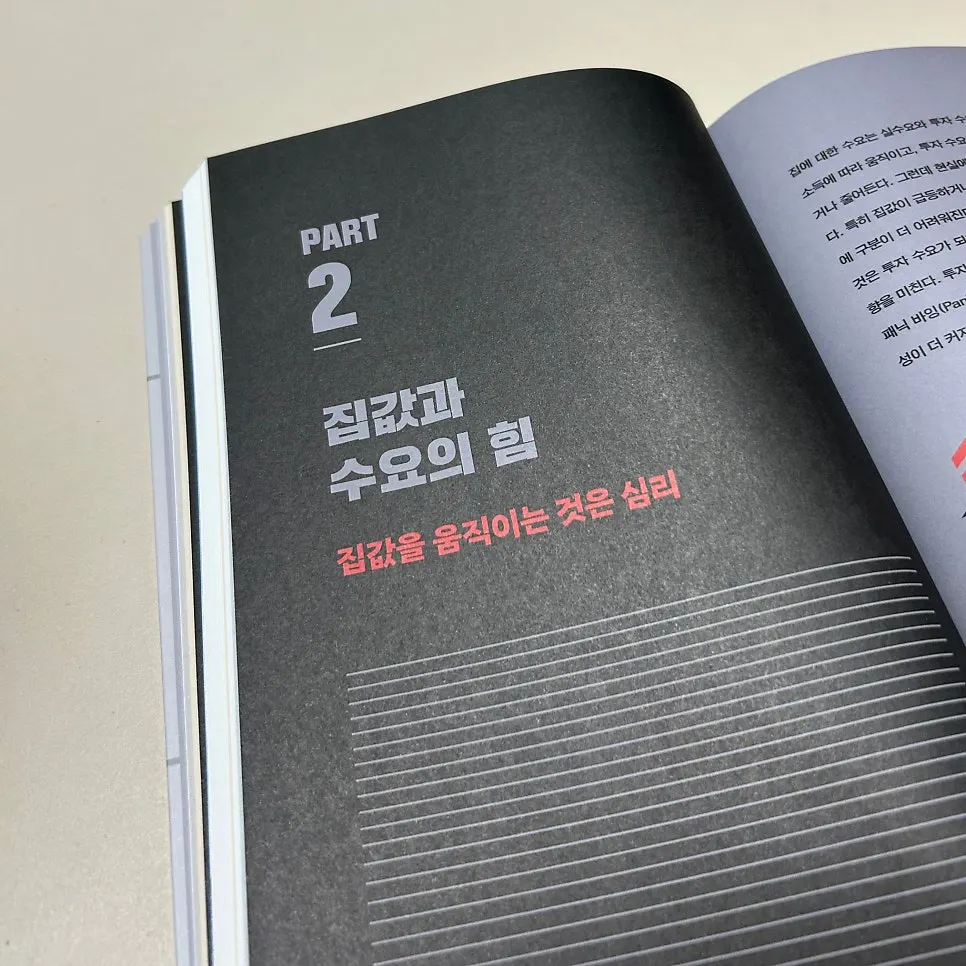
Chapters 2 through 5 go deeper into the factors introduced in Chapter 1. The first was "demand." I read Part 2 keeping in mind: prices rise with more demand, fall with less.
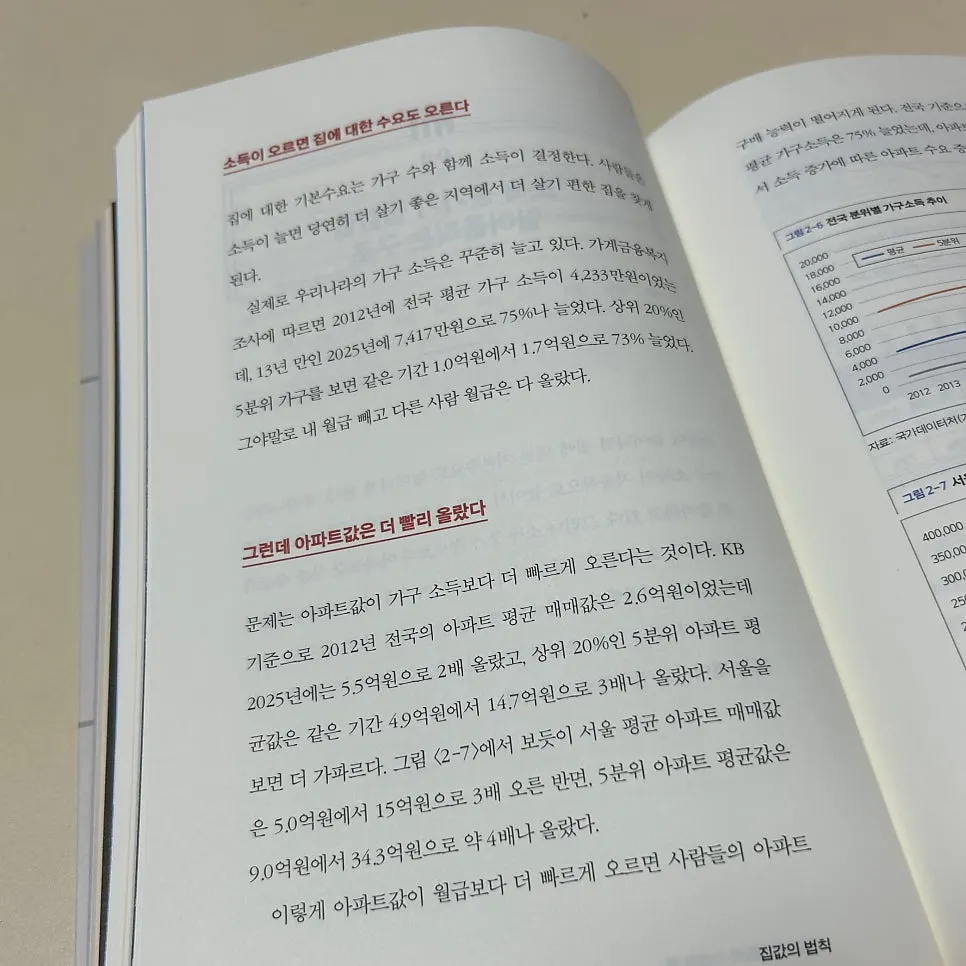
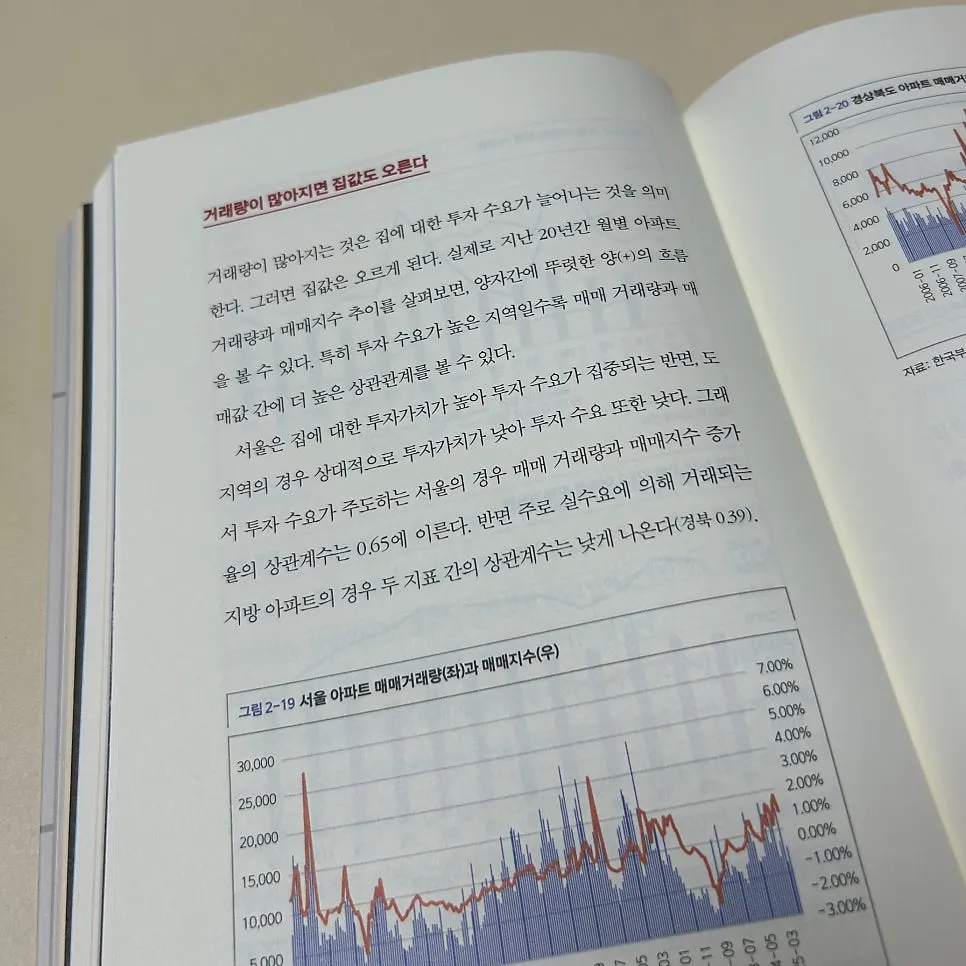
Reading it with the law of demand in mind, everything made sense — nothing felt difficult. As income rises, demand for housing rises, and as transactions increase, prices rise too.
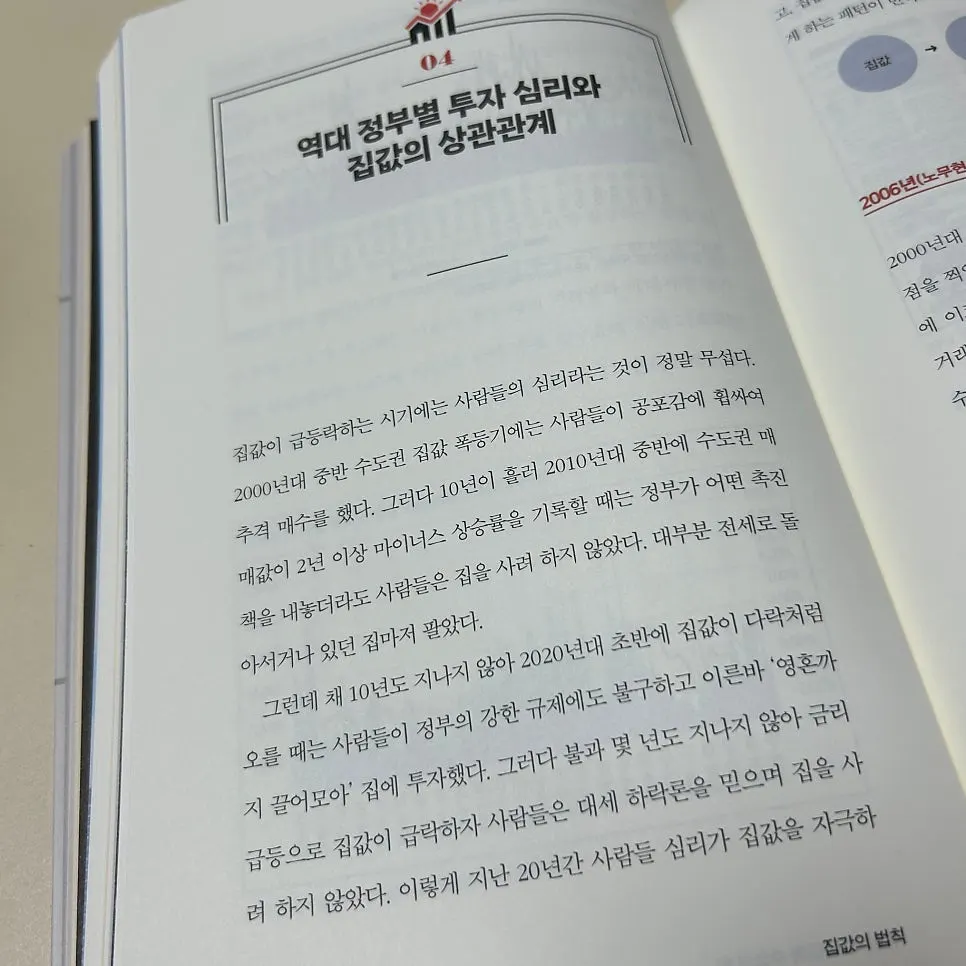
And just like in Part 1, it showed how people's demand and housing prices moved under each past government. Looking at old price graphs, there were times I thought, "if I'd had money back then, I'd have definitely bought a house" — but after reading this book, I realized that if I'd actually been an adult living through a crash, I probably wouldn't have bought either haha. Same as stocks — the psychology of "it drops when I buy, it rises when I sell" seems to apply to housing prices too.
3. Housing prices and the force of supply
After demand, the second factor was supply. I've heard a lot of experts recently saying that shrinking supply will have a big impact on real estate going forward, so I read this part especially closely.
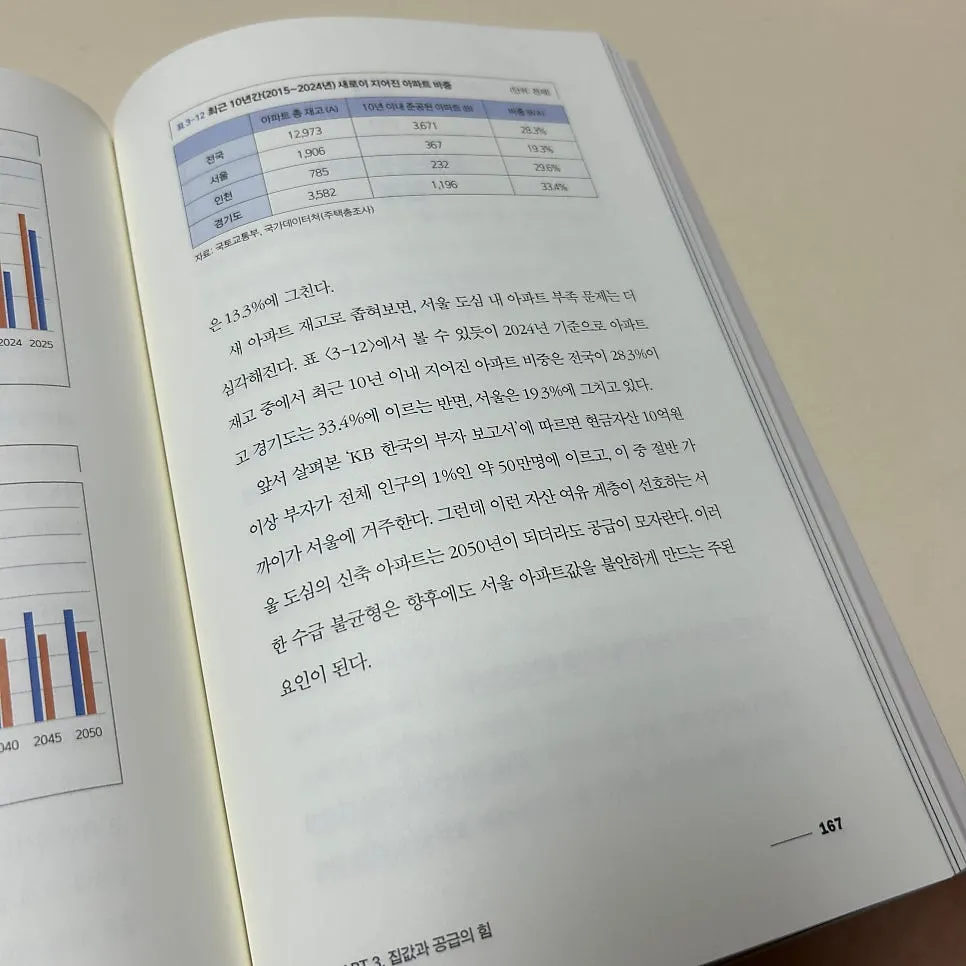
My takeaway: a shortage of supply will lead to even more severe polarization. It's bitter to face the reality that you really want to buy a house but can't buy the one you want right now, and it got me thinking hard about what it would take to end up on the "+" side of that polarized future.
4. Housing prices and the force of finance
The third factor was finance. Whenever I watch related videos, the term "M2 money supply" keeps coming up constantly, and with interest rate issues happening in both the US and Korea right now, I read this part half-hoping it might hint at a coming downturn haha.
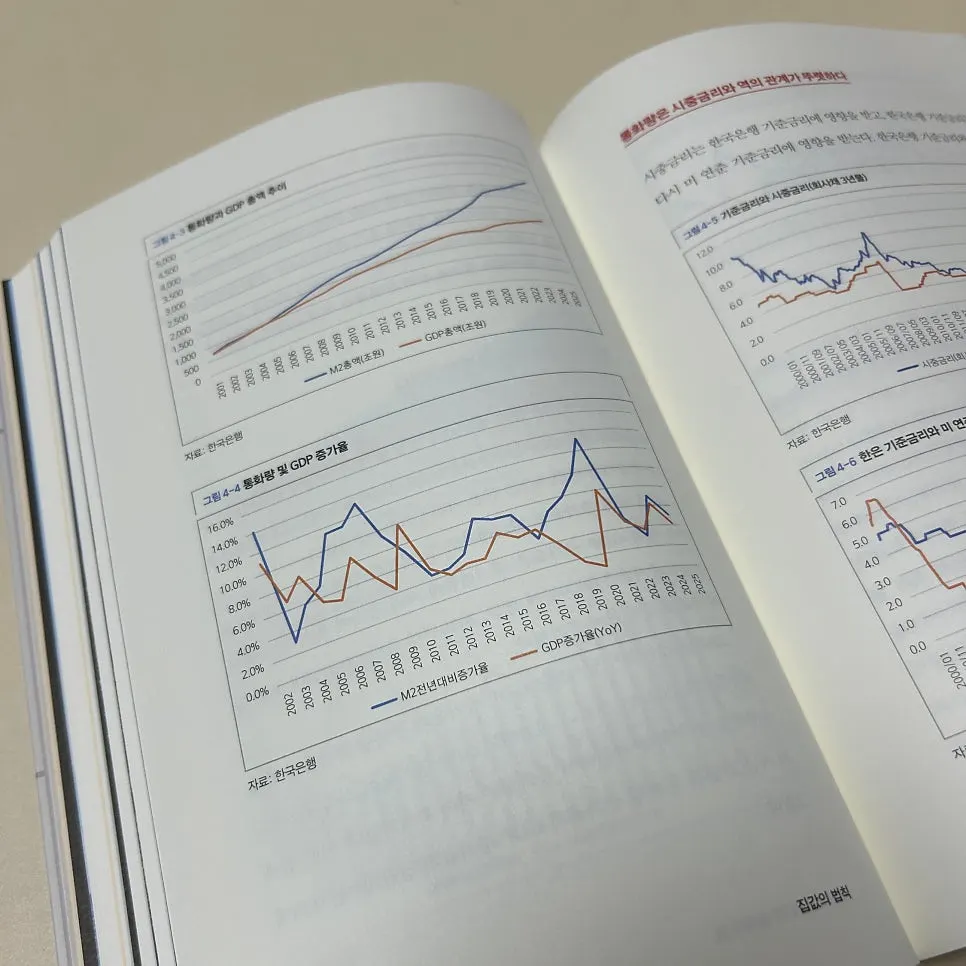
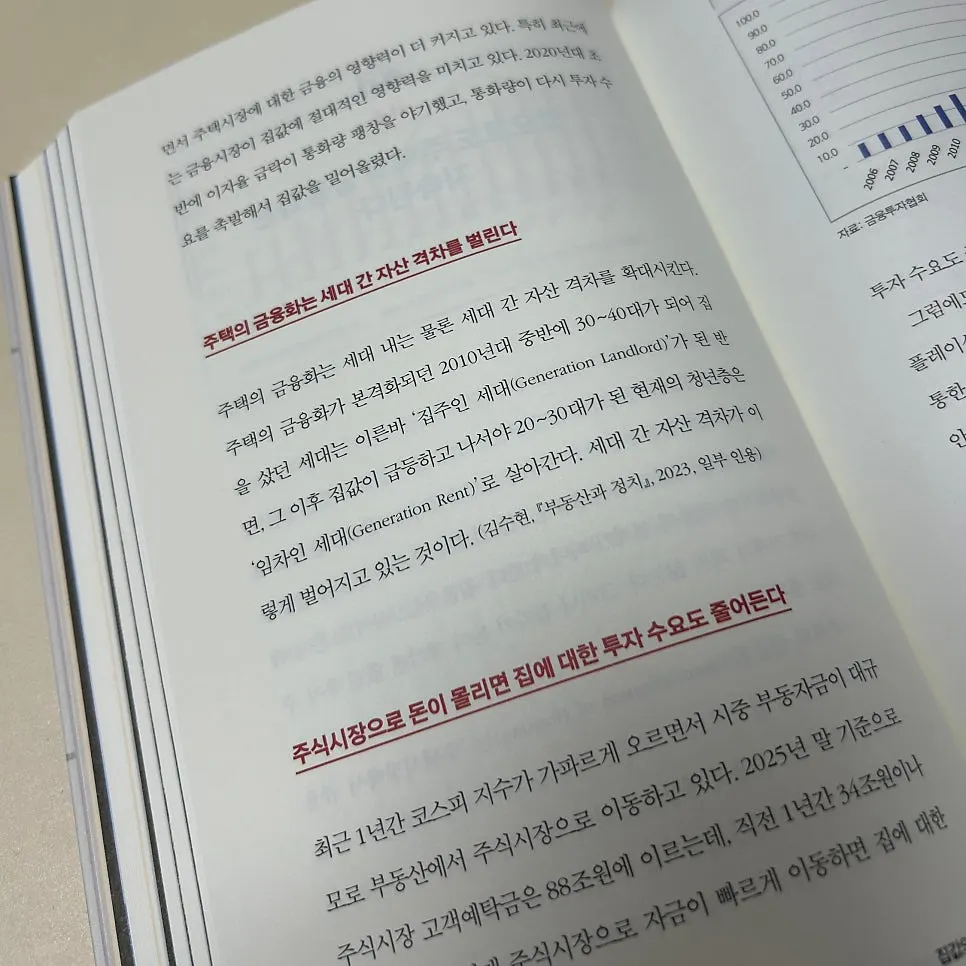
This part had a lot of graphs, which I loved. I took economics as my social studies elective for the national college entrance exam, so it brought back memories of the macroeconomics unit haha. I won't spoil the details here, but this part offered a bigger-picture view beyond just buyer and seller psychology — how macro factors actually move the market.
5. Housing prices and the force of regulation

The last factor was regulation (government policy). I read this part practically racking my brain like I'd become a Ministry of Land official myself haha. I don't think any past government's real estate policy intended to stop people without homes from buying one, but it seems regulations often end up hurting exactly the people who need housing, causing unexpected side effects — which made me think of today's various real estate regulations and feel a bit bitter.
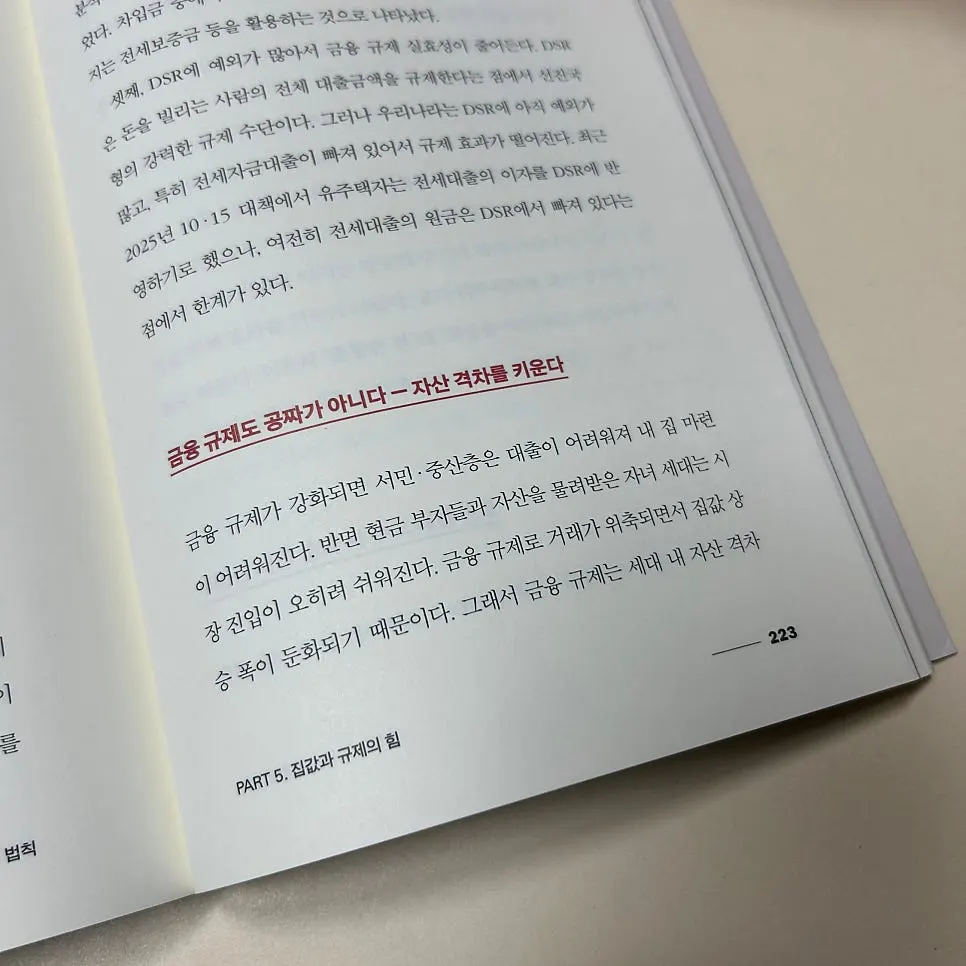
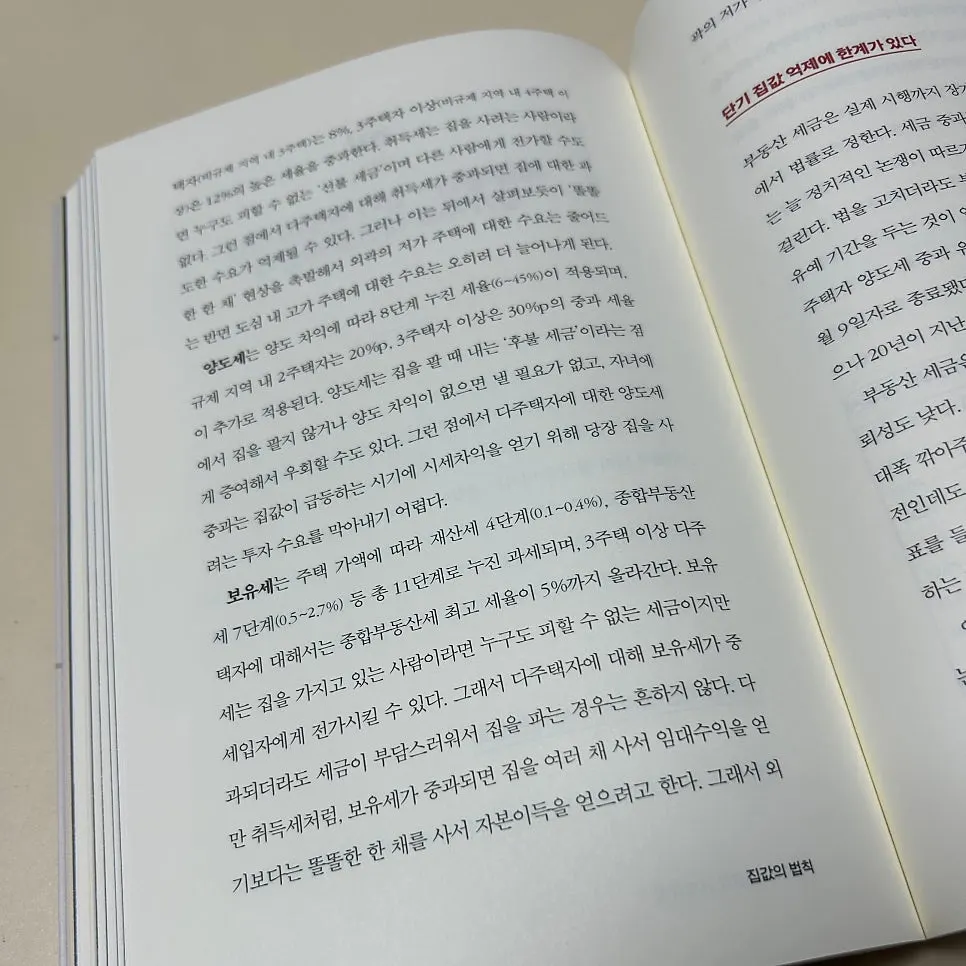
The recency of this book really stood out in this section, which was exactly why I chose it in the first place. It reflects the latest regulations, so it was great being able to understand what intentions were behind them, and it even covers which taxes to consider once you own a home! I don't own a house yet, but it let me think through the realistic concerns that come after buying one.
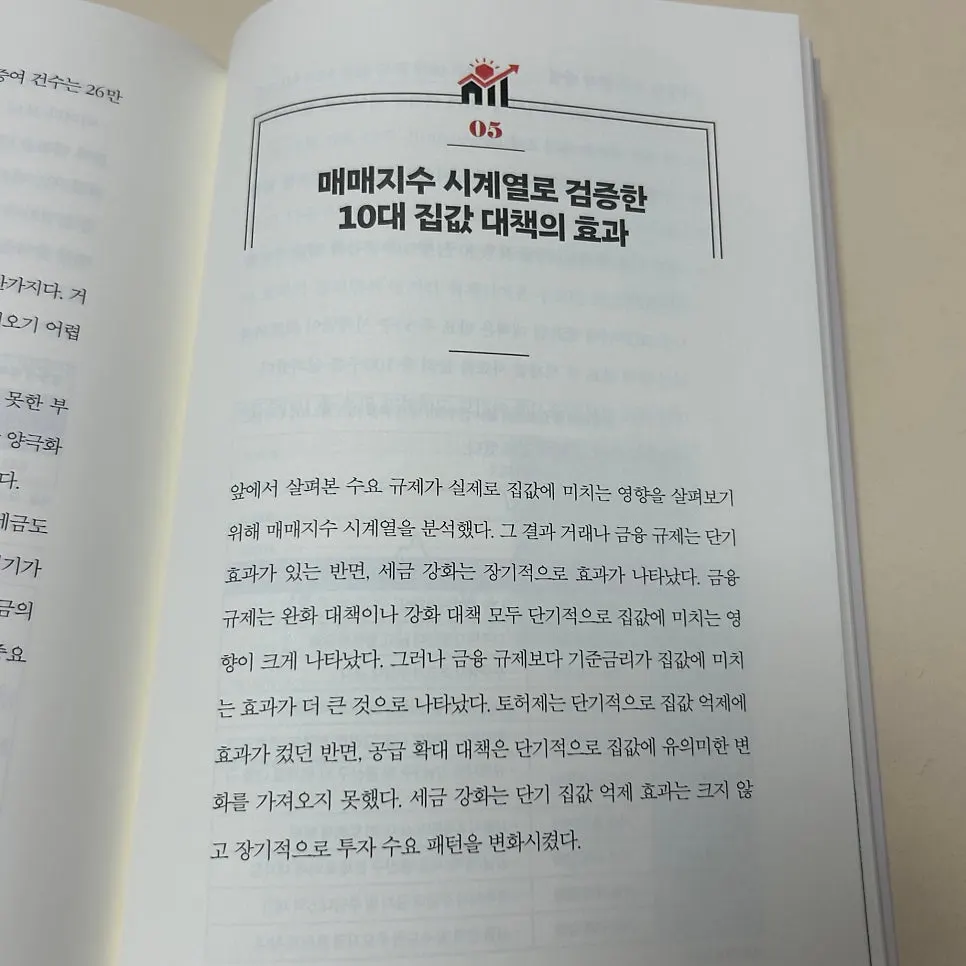
Time-series analysis is included too
Looking at the book's many graphs, I kept thinking: today's policy might change tomorrow's housing prices, but since houses aren't bought and sold as often as everyday goods, shouldn't this be analyzed as a time series rather than just charted with data from a single period? And sure enough, at the end, the book does exactly that kind of time-series analysis. Without it, I would've just thought of this as a book summarizing facts and events already experienced, but this level of detailed analysis really boosted my trust in the book!
6. Where housing prices are headed
The last part is the final conclusion on where prices are actually headed. The subheading gives a bit of a spoiler: "From the age of demand to the age of supply." I won't reveal the full conclusion since that would take away the reason to buy the book, but I agree with it!
That said, this conclusion is a market analysis, while my own financial situation is something only I can assess — so I finished the book thinking I need to study and think more about what stance to take and how to act on it.

What a beginner takes away from Rules of Housing Prices
And there was a quote in the middle of the book...
The best time to buy a house is always five years ago.
Haha, this is exactly what I've always thought, so it made me laugh. If everyone five years ago had been decisive, bold, and brave, everyone would be rich by now, right?! It made me think I should be a bit braver going forward, and this book gave me the resolve to keep studying and stay alert so I don't miss the opportunity that comes my way!!
I also learned a lot of new things about real estate, and after reading this, economic news feels more relatable and easier to understand than before. The content was written in enough detail and simplicity that you can understand it without any economics background, which I loved — and even though it had been a while since I'd read a book, I finished it in under 30 minutes. It's a book you can read casually or think deeply about, so I'd recommend it to anyone interested in real estate, beginners included!
Where to buy
- 교보문고
- 판매 중이라고 소개