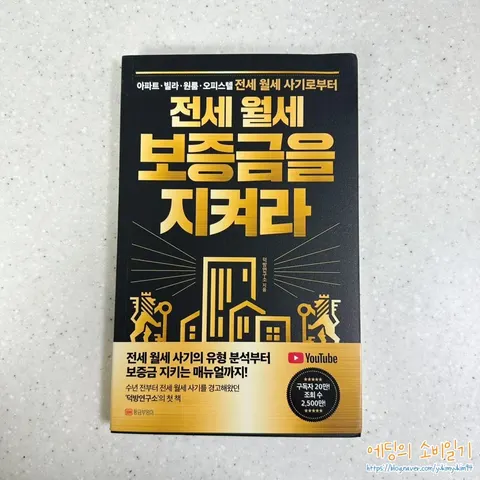
Korean housing deposit guide book: Jeonse Wolse Bojeunggeumeul Jikyeora
In short
Jeonse Wolse Bojeunggeumeul Jikyeora is a Korean book about protecting jeonse and monthly-rent deposits in Korea. After the writer’s parents did not get their deposit back, the writer took notes on guarantee-insurance claims, refusing lease renewal, and checking illegal brokers. Verdict: a useful, careful read before signing another home contract.
Good to know
- When to notify refusal to renew
- 6 to 2 months before the contract expires
- When a guarantee-insurance claim can be filed
- About 1 month after the contract expires
- Document review and payment
- About 1 month
- Certified letter documents
- Prepare 3 copies: one each for tenant, landlord, and post office
Prices as written by the tester on Aug 13, 2024 · not updated automatically
My parents recently moved, but their landlord did not return their jeonse deposit, so they had a difficult time for a while. I regretted that they had not signed up for jeonse deposit guarantee insurance in advance; they would not have struggled like this. I wish we had known sooner.
I’ll introduce everything from how to enroll in jeonse deposit guarantee insurance to how to refuse renewal of a jeonse lease so you can properly get your deposit back from the landlord.
What is jeonse deposit guarantee insurance?
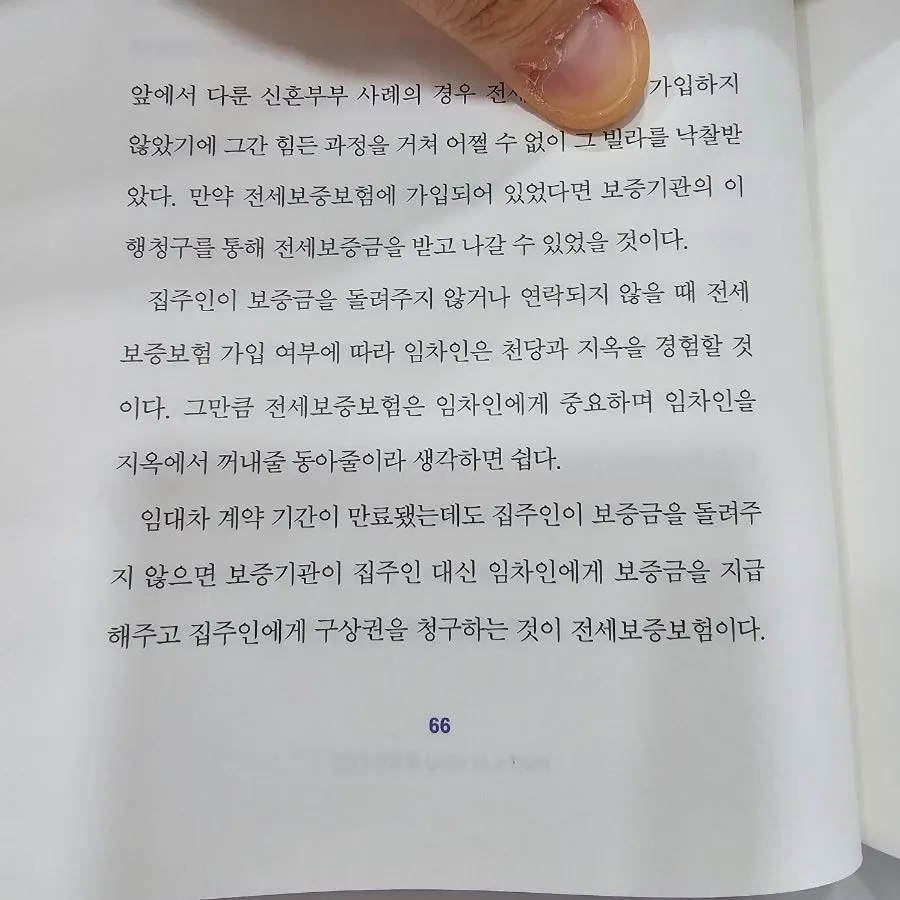
Jeonse deposit guarantee insurance means that if a lease term ends and the landlord does not return the deposit, a guarantee institution pays the tenant in place of the landlord, then seeks reimbursement from the landlord.
It is a system in which a guarantee institution acts in the middle to ensure that a tenant does not lose the jeonse deposit paid to the landlord.
What types of jeonse deposit guarantee insurance are there?
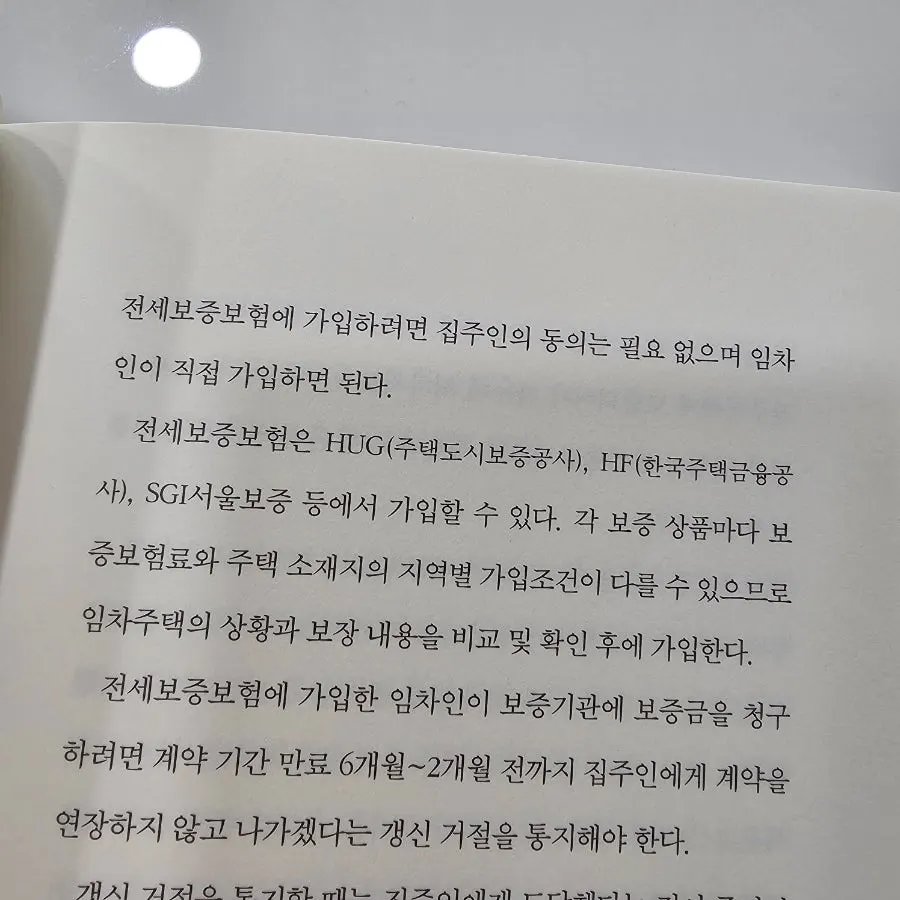
There are about three types of jeonse deposit guarantee insurance.
- HUG jeonse deposit guarantee insurance
- HF Korea Housing Finance Corporation jeonse deposit guarantee insurance
- SGI Seoul Guarantee
Each differs in guarantee-insurance premiums and eligibility conditions based on where the home is located. It is important to compare them and enroll according to the circumstances of the home where you currently live on a jeonse or monthly-rent lease.
How do you claim jeonse deposit guarantee insurance?
So, if you enroll in jeonse deposit guarantee insurance, can you immediately receive the jeonse deposit that the landlord will not give you? Not quite. The process is somewhat complicated.
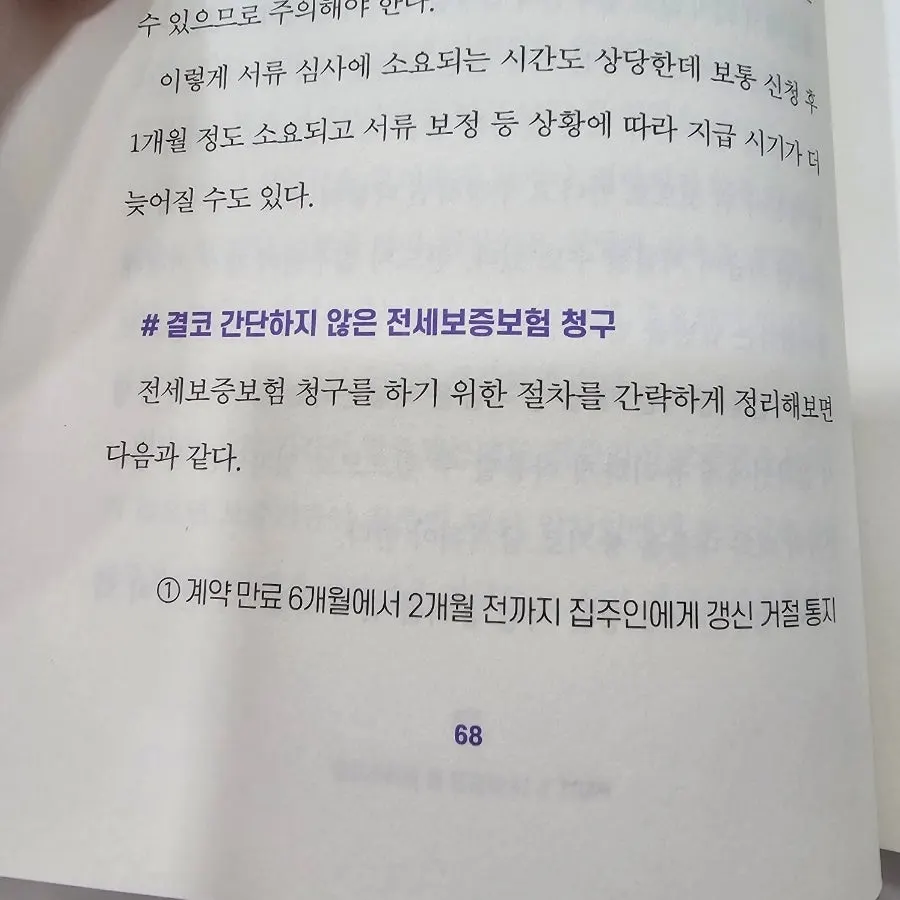
Jeonse deposit guarantee insurance claim process
1) Notify the landlord that you refuse renewal from 6 to 2 months before the contract expires. 2) Apply for a leasehold registration order (available after the contract ends) and file the guarantee-insurance claim (available about 1 month after the contract ends). 3) Payment follows document review (takes about 1 month).
A key point here is whether you properly notified the landlord that you refused renewal before the contract expired.
One thing to watch out for is people who assume that, because they have jeonse deposit guarantee insurance, they can claim their deposit as soon as the lease ends and quickly sign a contract for a new home. That is the wrong thing to do.
The payment review may reject or hold the payment. So, if possible, it is safest to sign for a new home after you have received your deposit back!
Why is refusing jeonse lease renewal important?
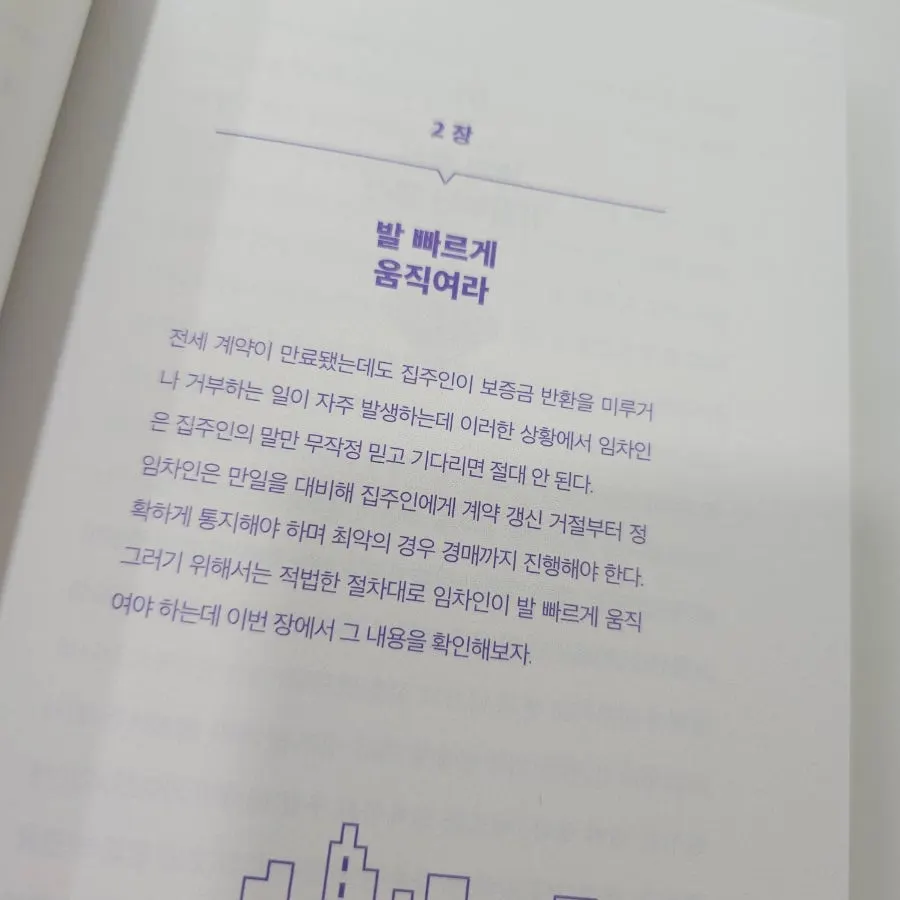
To get back a jeonse deposit, it is important first to enroll in jeonse deposit guarantee insurance in advance, and second, to notify the landlord that you refuse renewal when the jeonse lease nears its end.
Why refusing jeonse lease renewal matters
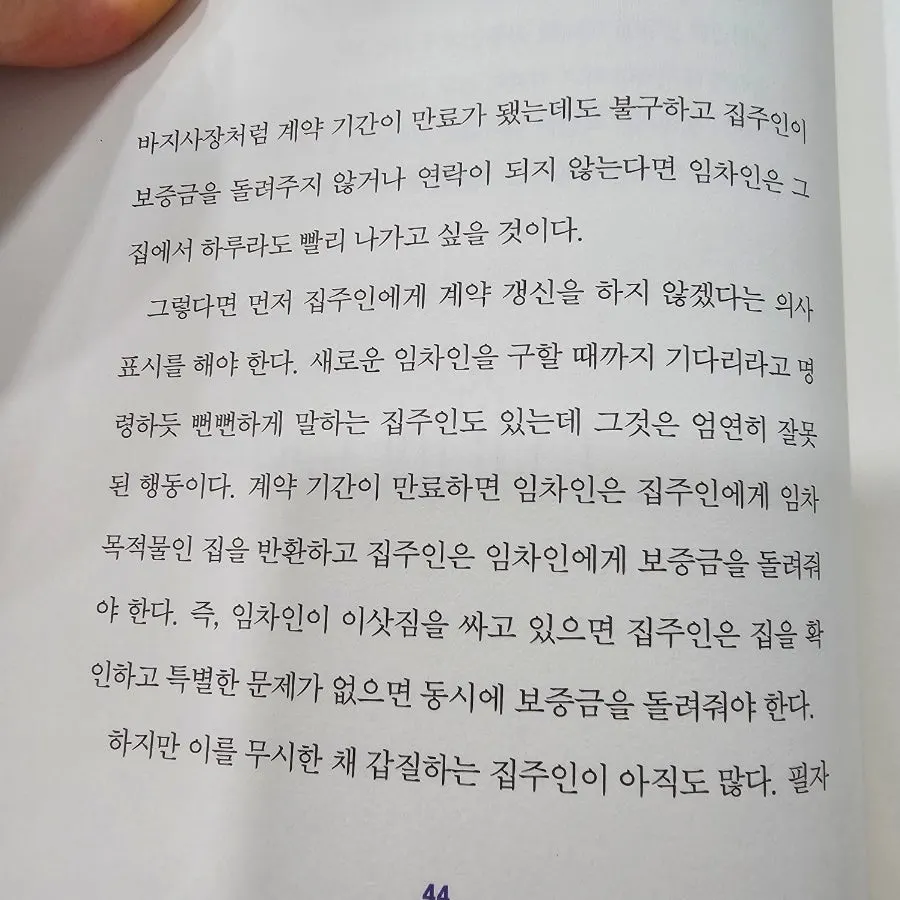
If the tenant has already told the landlord they refuse renewal, the situation proceeds more favorably for the tenant should the worst happen and the property go to auction.
+ You also need proof that you notified the landlord of refusal to renew in order to claim under jeonse deposit guarantee insurance, so be sure to take care of this.
When should you notify the landlord of refusal to renew?
So when should you express that you do not intend to renew the contract? If the lease term is two years, notify the landlord that you will not extend the contract and will move out from 6 to 2 months before the contract expires.
There is also “tacit renewal,” meaning that if neither landlord nor tenant gives notice of refusal to renew from 6 to 2 months beforehand, the lease is considered automatically renewed under the same terms as before.
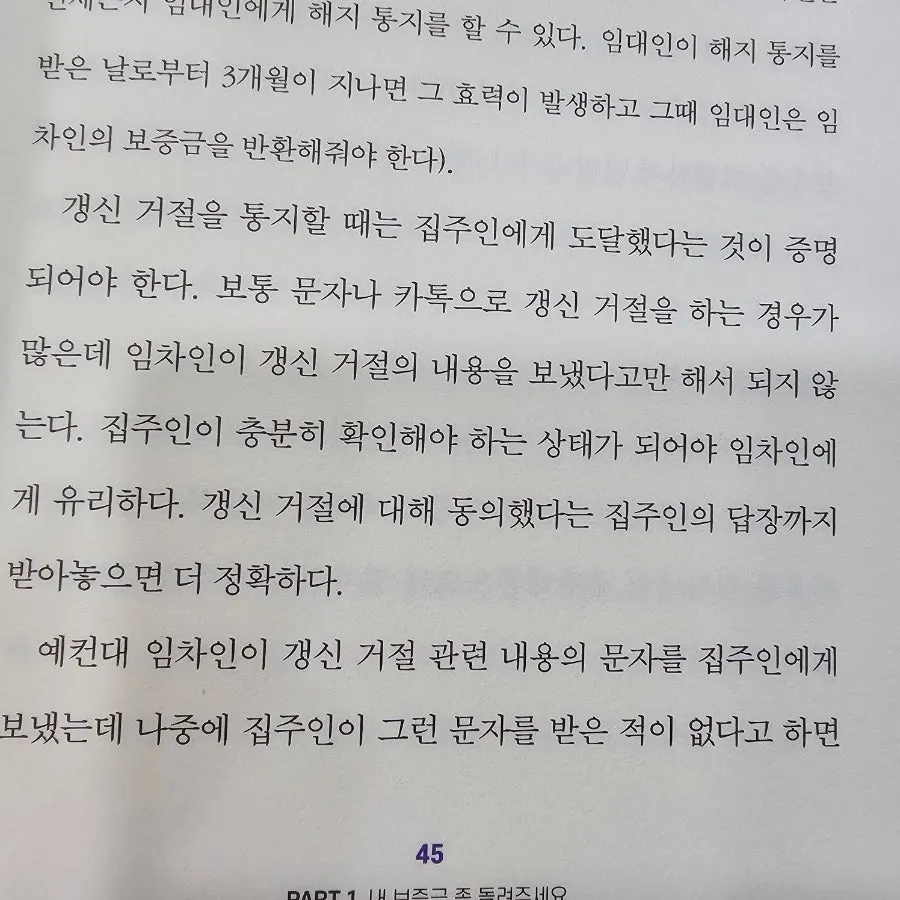
How to notify the landlord that you refuse jeonse lease renewal
1) Give notice in a way that shows the landlord received it. 2) It is important to receive a response that the landlord agrees to the refusal to renew. 3) Rather than a text message, it is also a good idea to record a phone call.
How to send a certified letter when you cannot reach the landlord
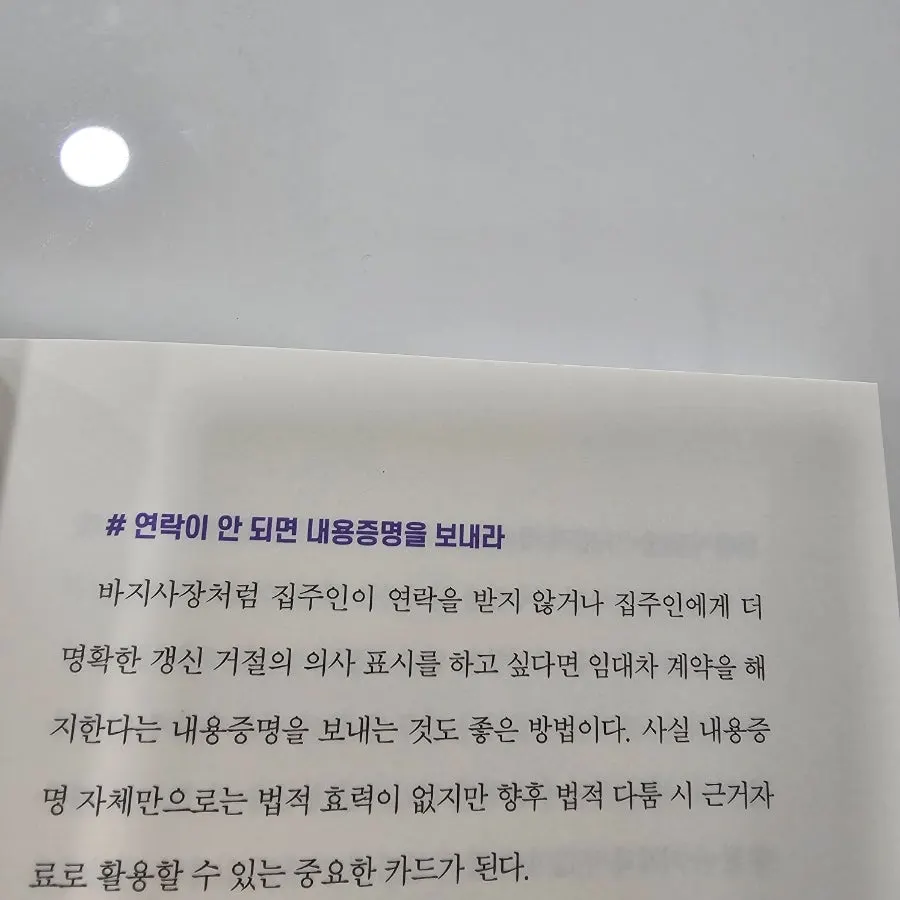
If you are trying to contact the landlord but cannot reach them by phone or text, you can also send a certified letter. A certified letter alone has no legal force, but it can be used as supporting evidence in a later legal dispute, so use this method if nothing else works!
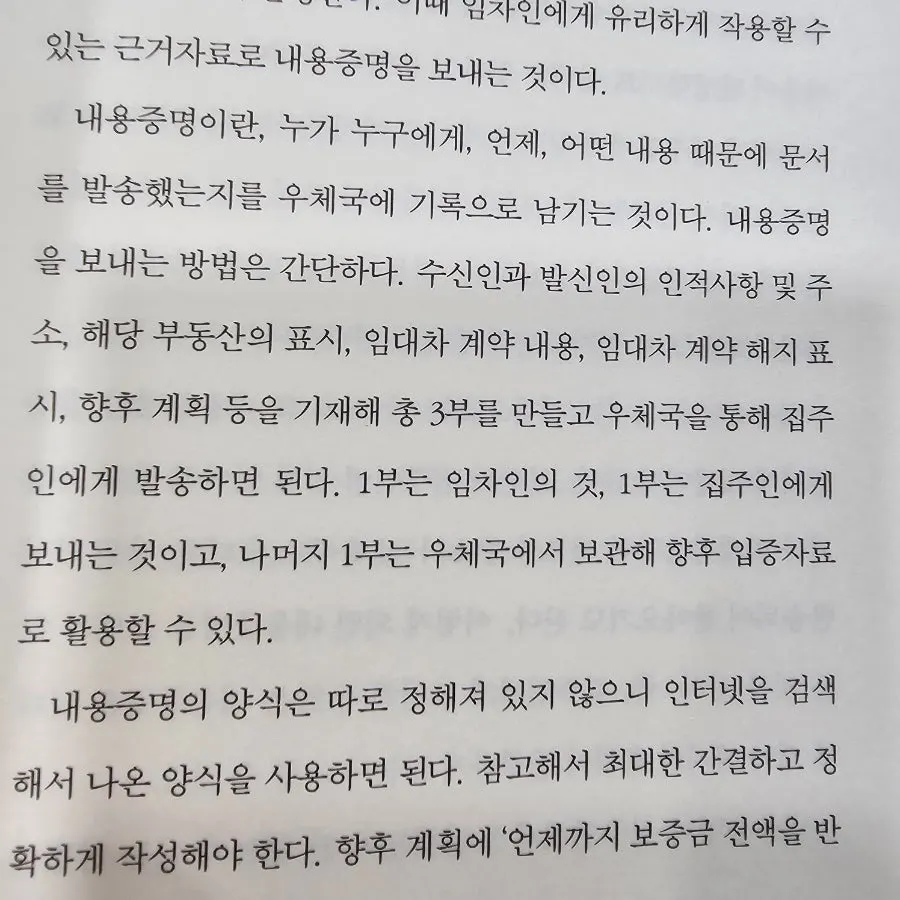
A certified letter is a record kept by the post office of who sent a document to whom, when, and for what content.
How to send a certified letter
Write the recipient’s and sender’s personal details and addresses, identification of the property, the lease terms, notice that the lease is being terminated, and future plans. Make three copies and send them to the landlord through the post office.
- One copy for the tenant
- One copy for the landlord
- One copy kept by the post office
Reading Jeonse Wolse Bojeunggeumeul Jikyeora
Real estate seems difficult no matter how much I look into it. Especially because I so often see reports about jeonse and monthly-rent scams, I was immediately scared.
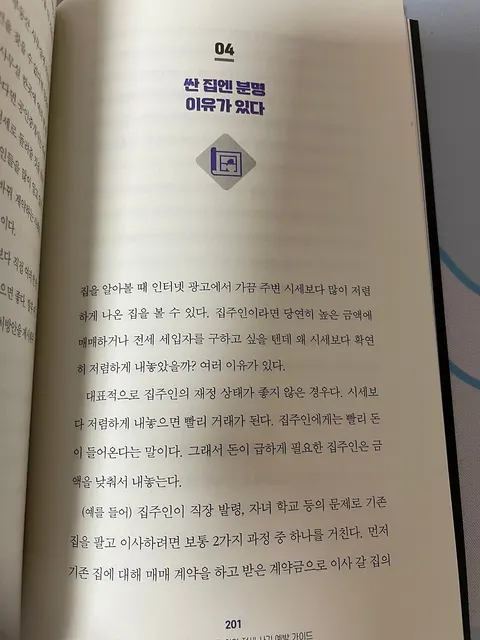
This is the book I began reading after going through my parents’ case and wondering how we could protect jeonse and monthly-rent deposits. It explains in detail what to do step by step to get a jeonse deposit back from a landlord and what is favorable to tenants, so I read it closely while taking notes.
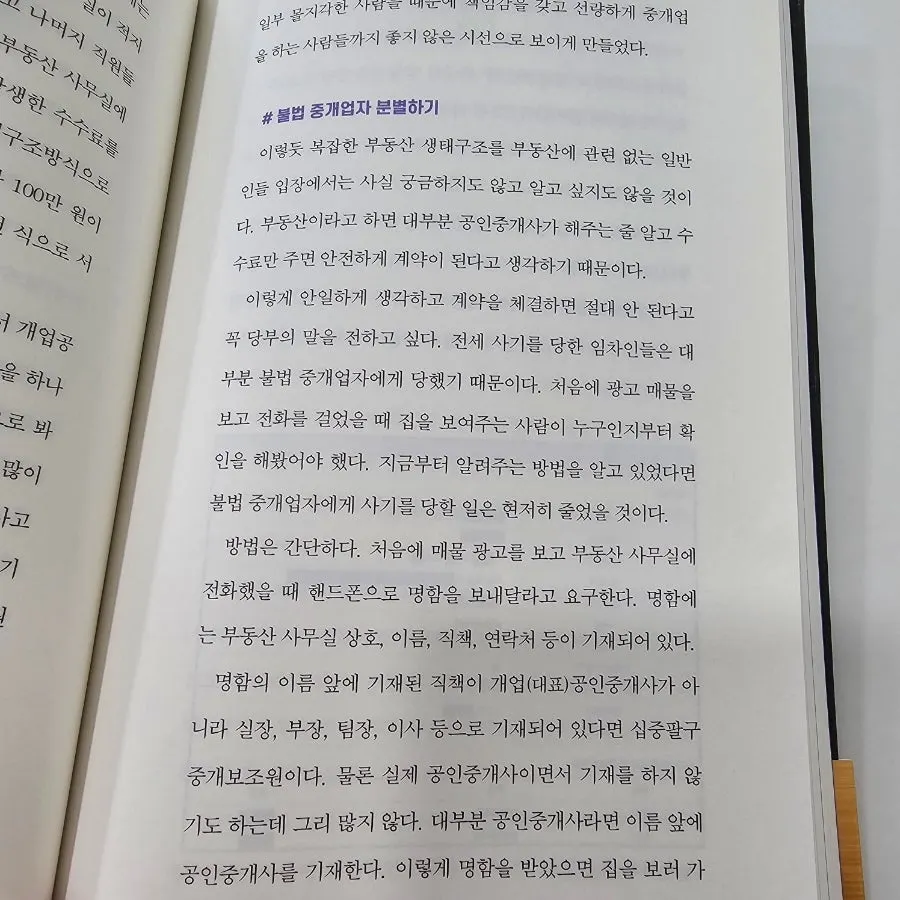
As well as jeonse and monthly rent, it also gives detailed guidance on how to identify illegal real-estate brokers when you visit an agency to look for a home.
1) First, get the business card of the person introducing the property and check whether they are a licensed real-estate agent or a brokerage assistant.
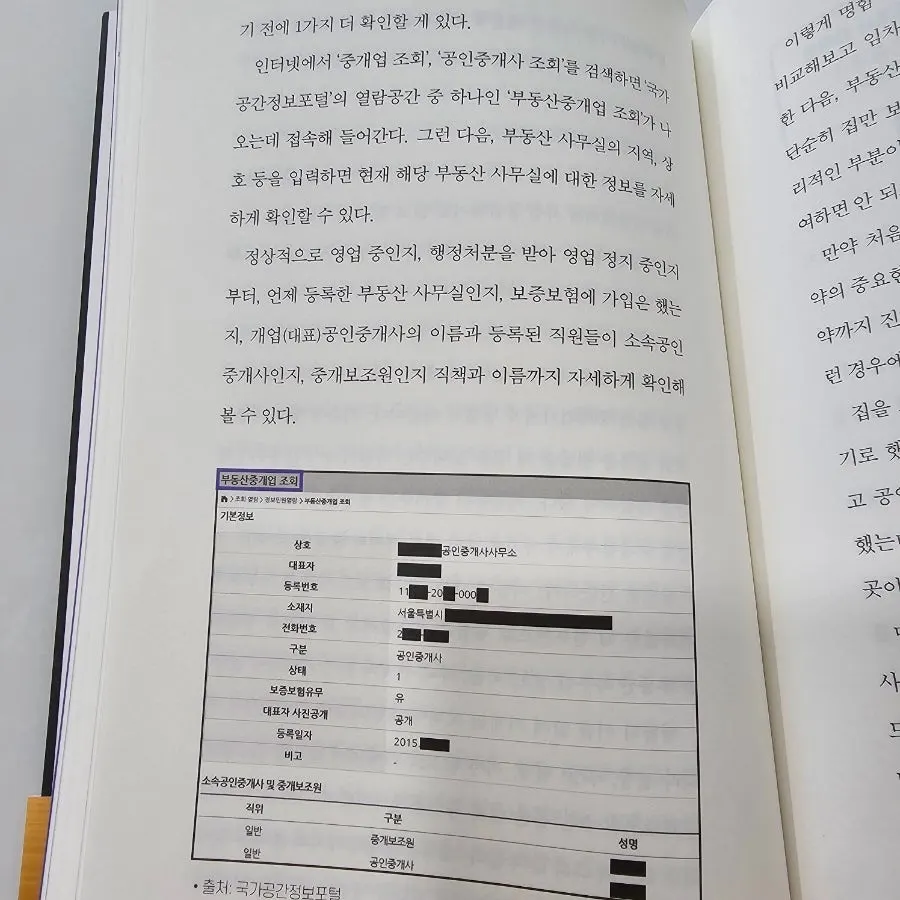
2) You can also check on the National Spatial Data Infrastructure Portal whether that licensed real-estate agency is operating properly.
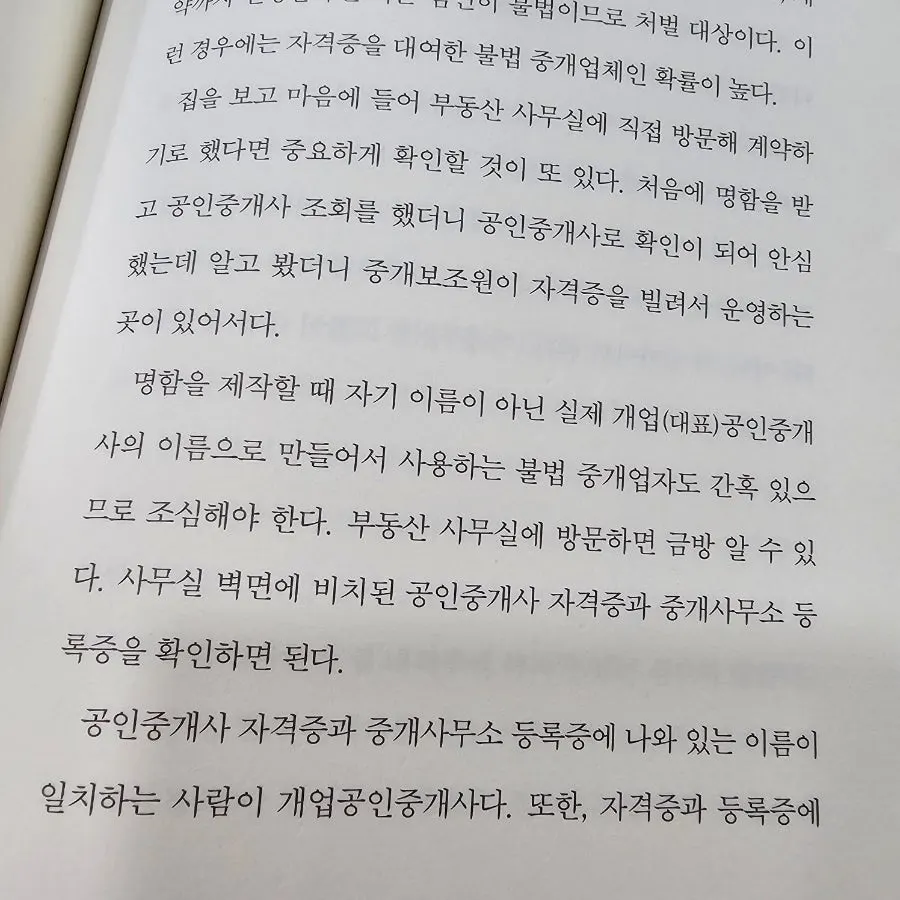
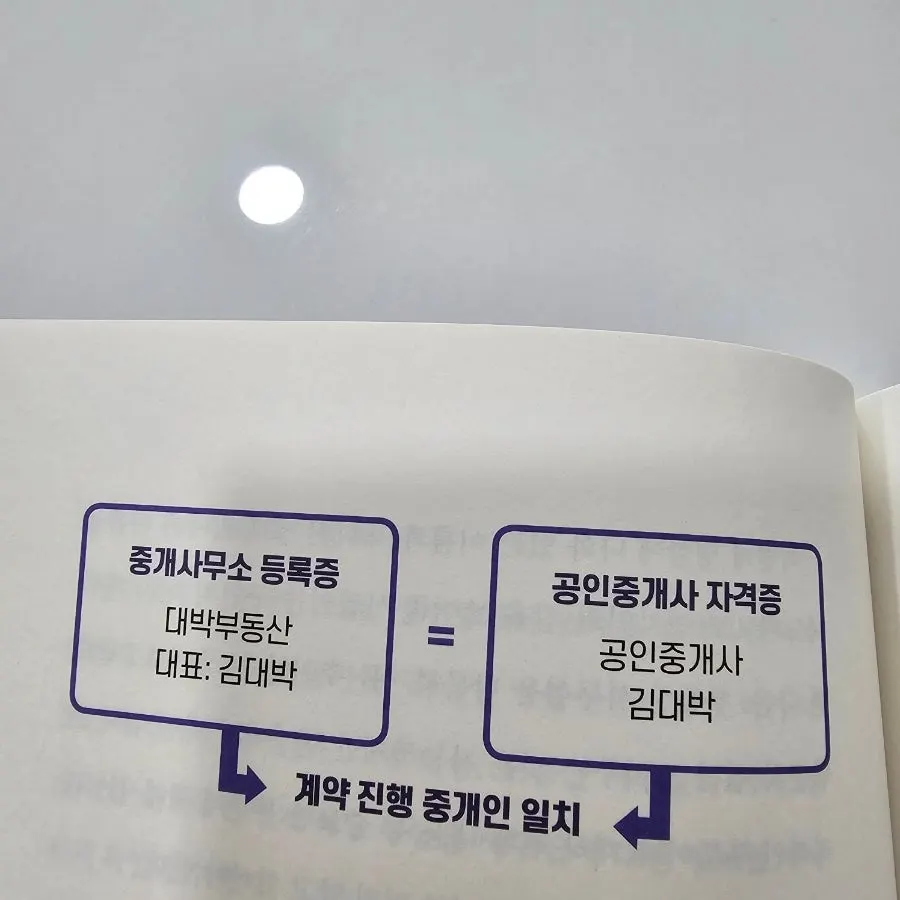
Lastly, even if a business card says “licensed real-estate agent,” 3) you need to compare the card with the business registration certificate to confirm that the person really is the agent who opened that office. If the name of the representative on the business registration certificate matches the person on the agent’s card, and the office is properly registered to operate, you can avoid scams to some extent.