Korean housing deposit protection book: Deokbang Yeonguso
In short
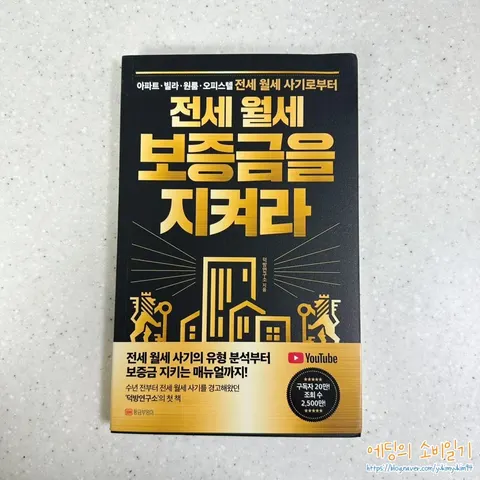
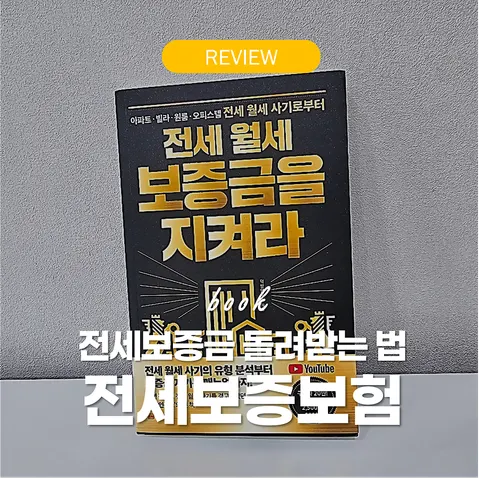
Protect Your Jeonse and Monthly Rent Deposit is a Korean housing-deposit protection book by Deokbang Yeonguso. The carefully packaged book covers resident registration, tenant protection, auctions, illegal brokers, and contract clauses. Verdict: a worthwhile read before signing a jeonse home contract.
Could jeonse fraud happen to me?
You have probably heard of the Villa King case and jeonse fraud. We live in a time when no one can feel safe from jeonse fraud. But a gem of a book has come out with detailed ways to respond to it. Today, let’s dig into Protect Your Jeonse and Monthly Rent Deposit, a book I think tenants and people just starting their working lives should all read at least once.

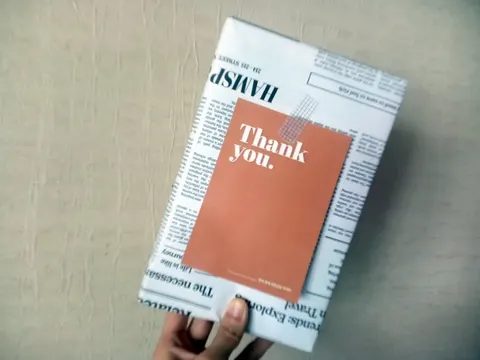
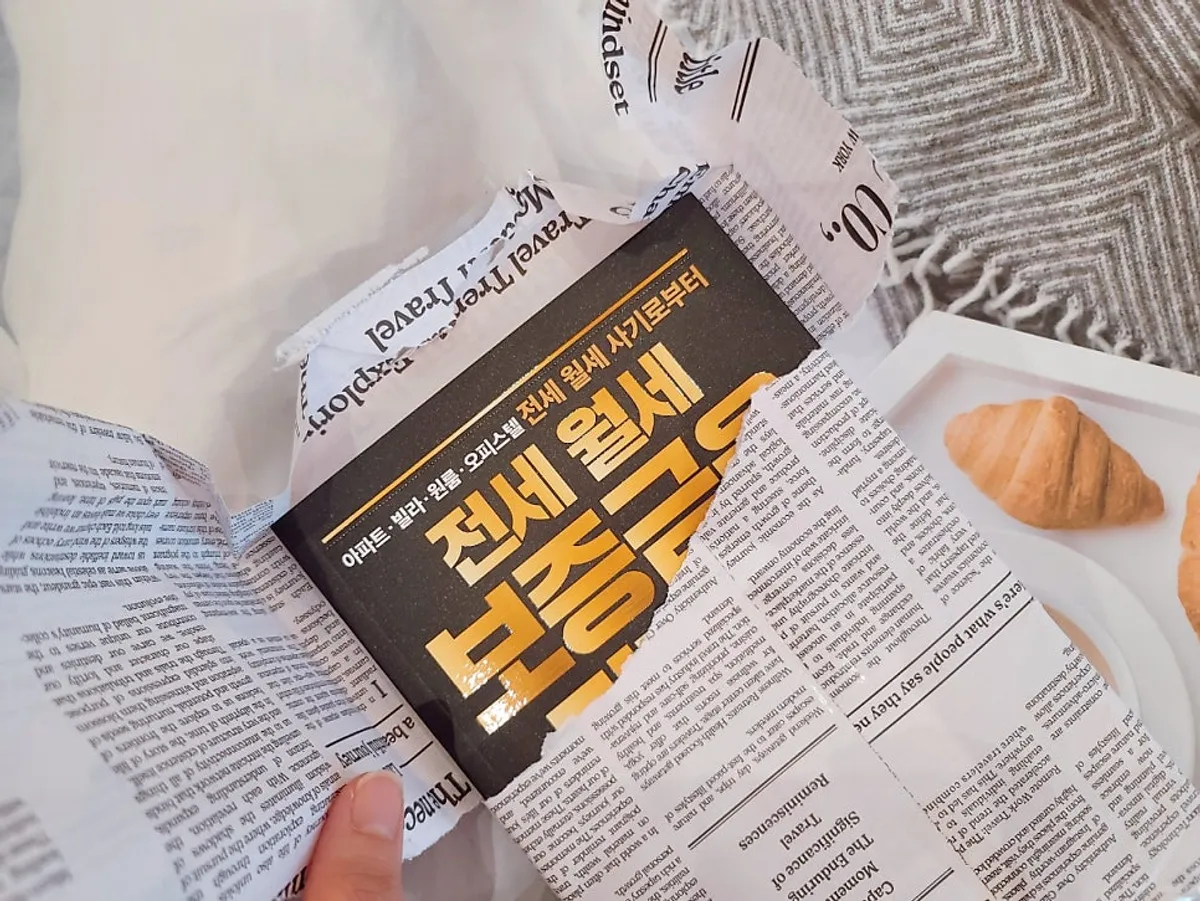
I have ordered plenty of books, but this is the first time I have seen packaging this thoughtful and pretty.
When a book arrives on its own in a delivery box, its corners can sometimes get dented or it can become crumpled, which is a little disappointing the moment you receive it. Thanks to the careful packaging, though, I received this book in perfect condition.
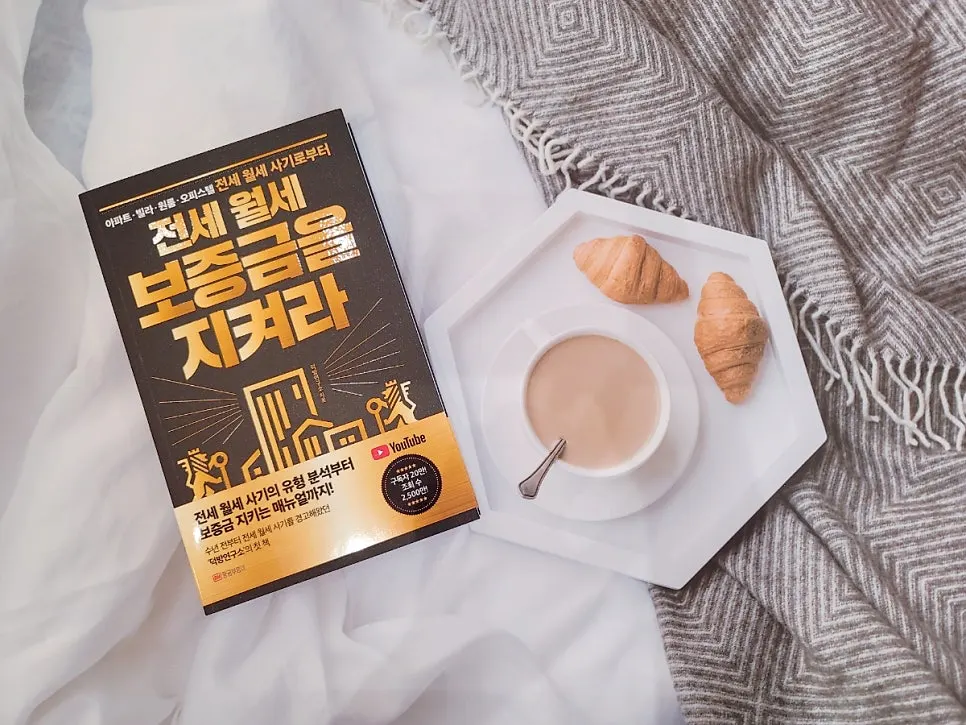
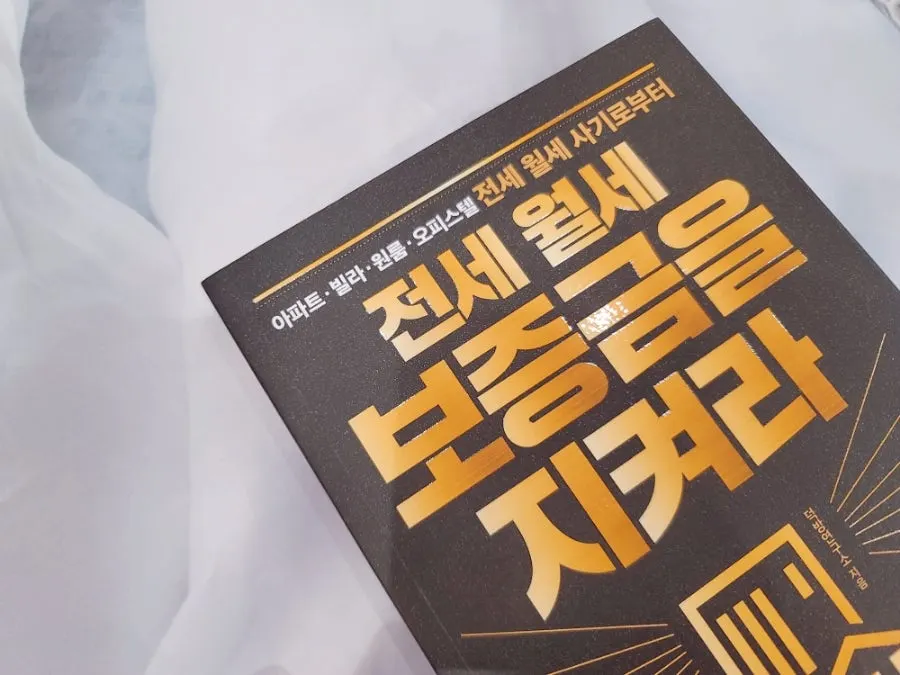
Deokbang Yeonguso’s first book
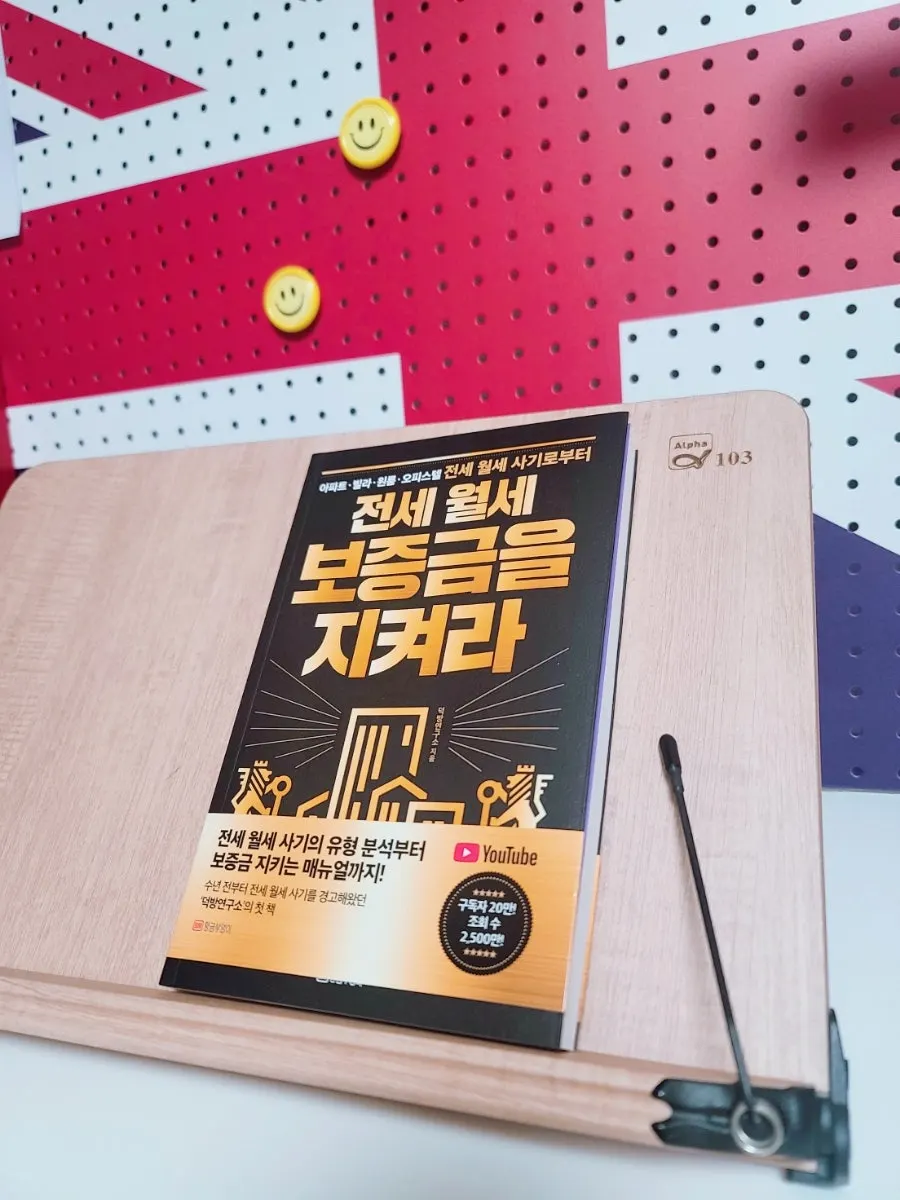
The title grabs your attention right away, doesn’t it? It is also a book that reflects our times. In fact, it is the first book from Deokbang Yeonguso, a YouTube channel with 200,000 subscribers that has warned about jeonse and monthly-rent scams for years.
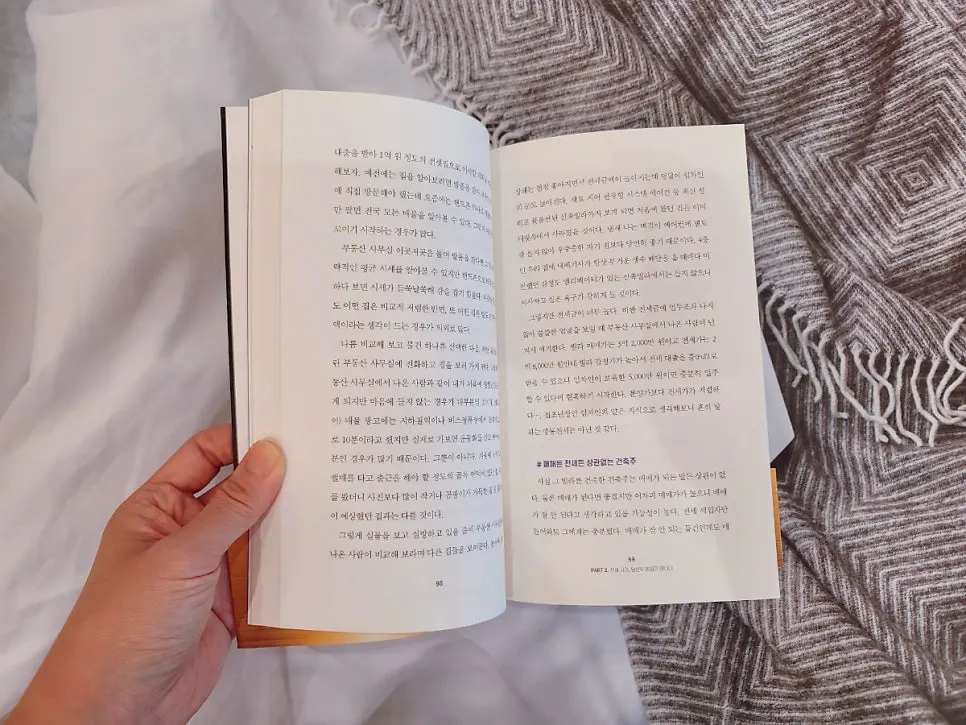
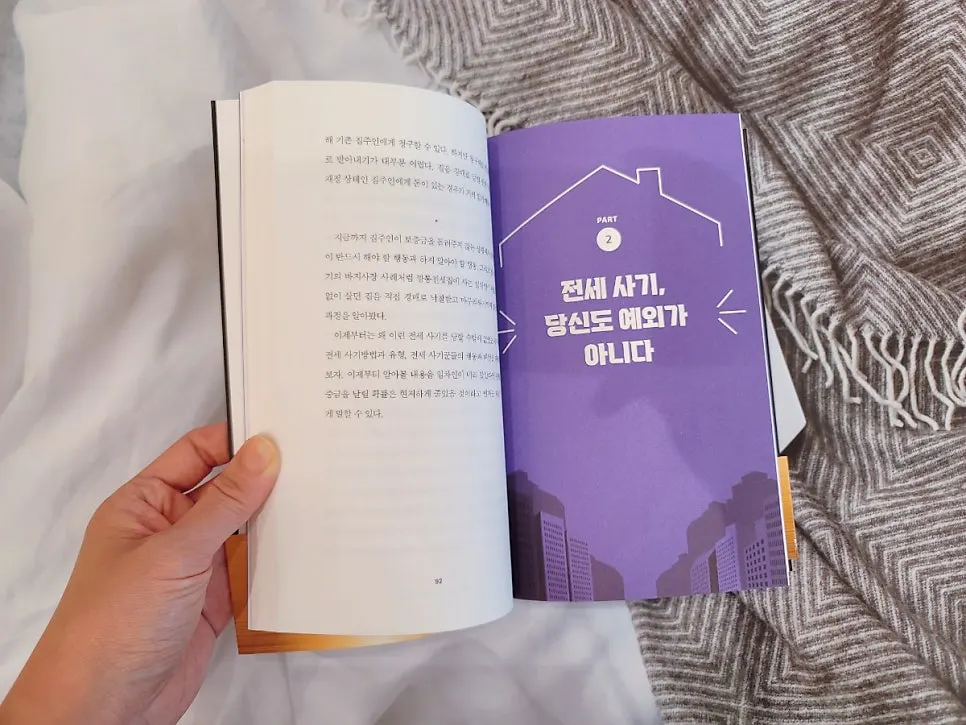
Anyone might think this way: jeonse fraud has nothing to do with me. My jeonse deposit will be safe. But nothing is simply safe anywhere, so we need to keep learning and stay informed.
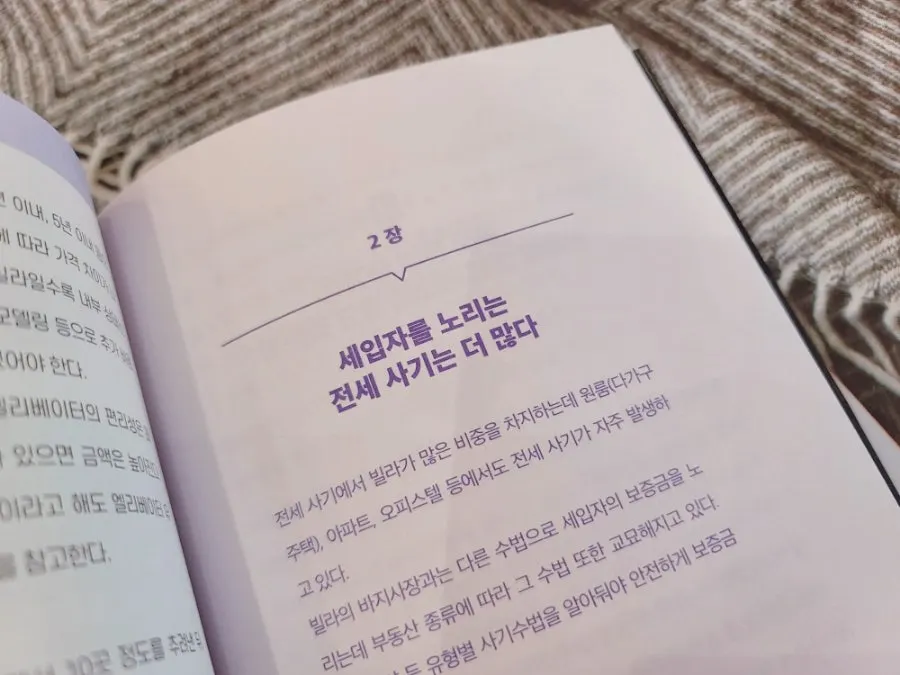
Deokbang Yeonguso is a YouTube channel started by an author who has worked directly in the real-estate field as a licensed real-estate agent for nearly 10 years, with a degree in real estate, to post easy-to-understand videos about essential real-estate knowledge. Being in the field, the author naturally came face to face with one fact: jeonse fraud has been steadily increasing. After posting a video called “This Is How Villa Jeonse Scams Are Pulled,” its views exploded. Since then, the channel has consistently explained how to avoid jeonse fraud, covering not only villas but also one-room jeonse scams and what to do when the landlord changes.
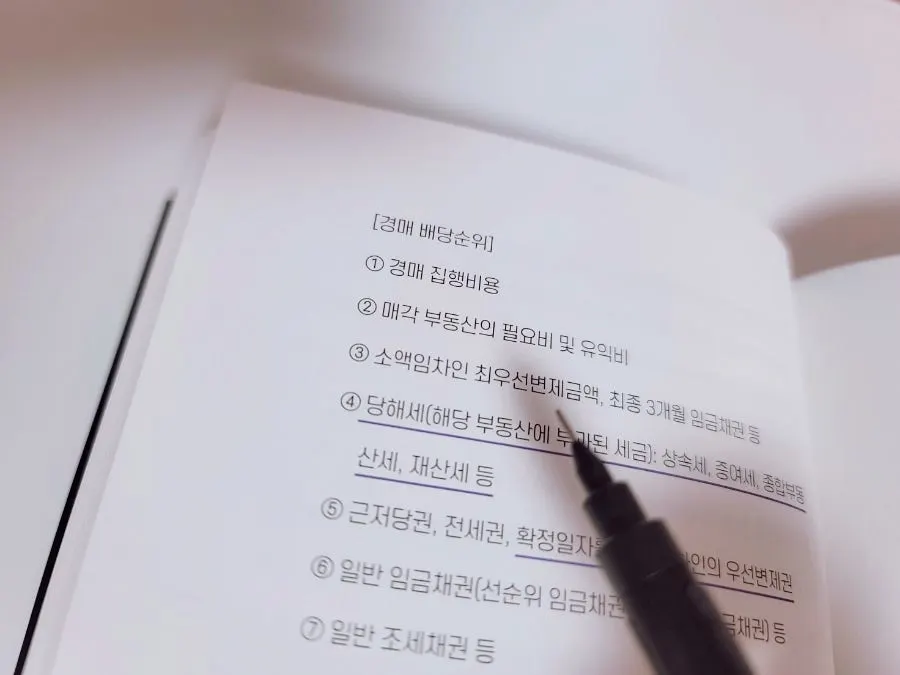
What I read with a highlighter, from resident registration to auctions
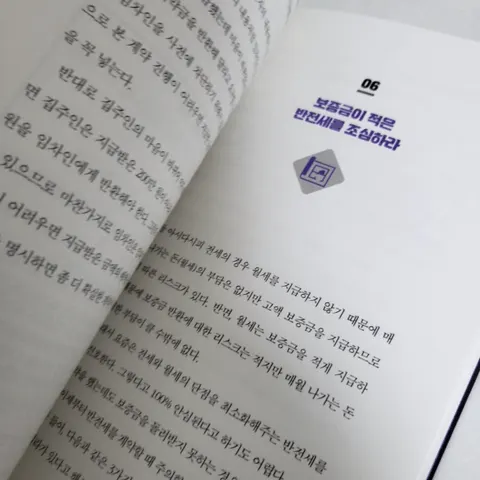
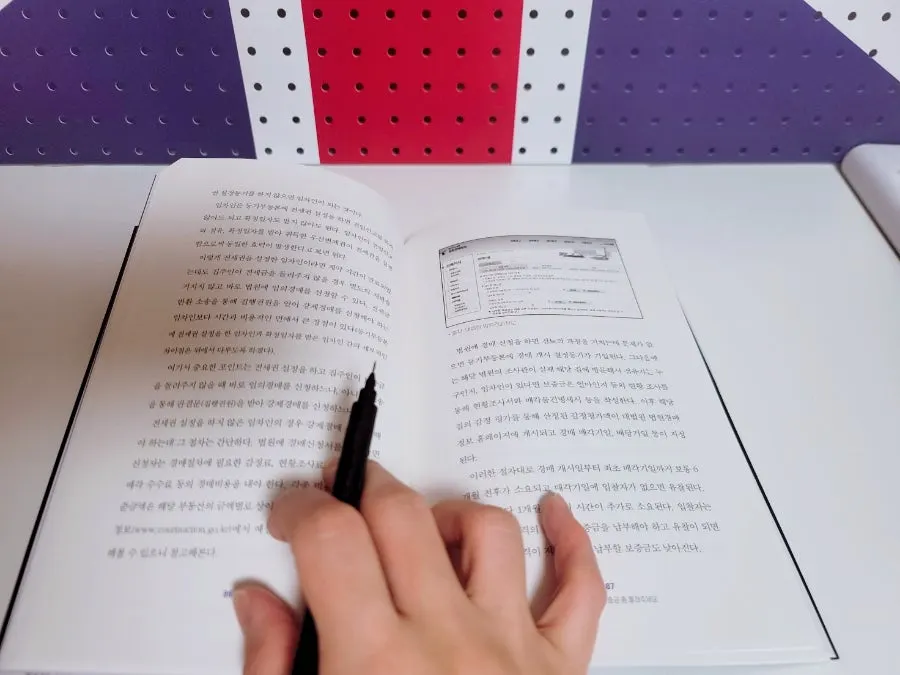
These may be unfamiliar terms for most people, but they are information worth knowing, so I went into serious study mode with my highlighter. Terms you may have heard of at least once—resident registration, tenant opposability, preferential repayment rights, and top-priority repayment rights—are explained clearly. It also goes into detail about auctions, something I had been interested in, so I think I learned a lot through this opportunity.
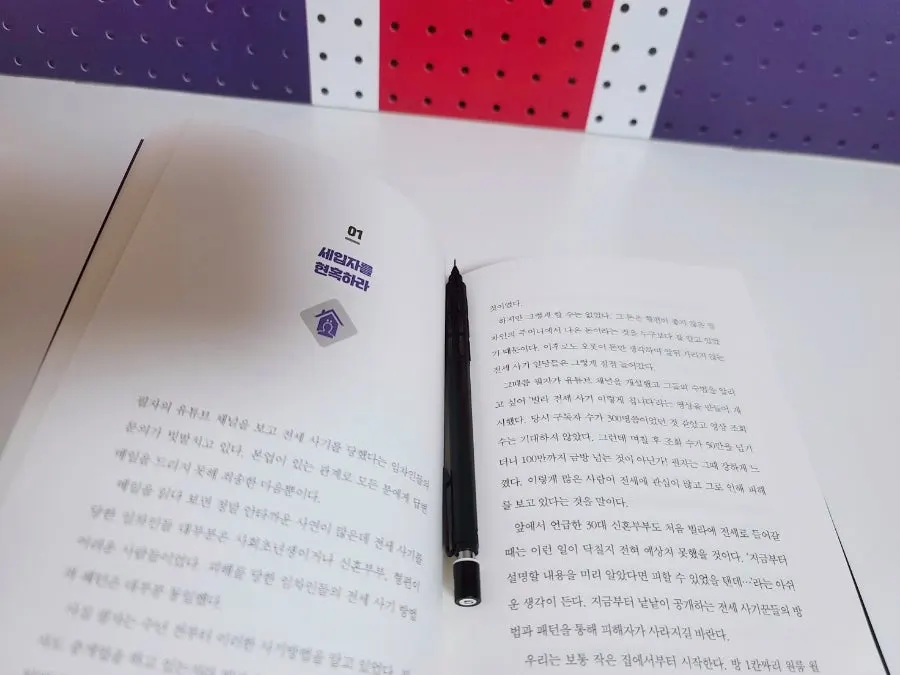
Illegal brokers and rebates
It also explains in detail how to identify illegal brokers, which I think will be very useful when looking for a jeonse or monthly-rent home. In the section “Scammers Throw a Money Party,” you can read about “rebates,” and it really is shocking.
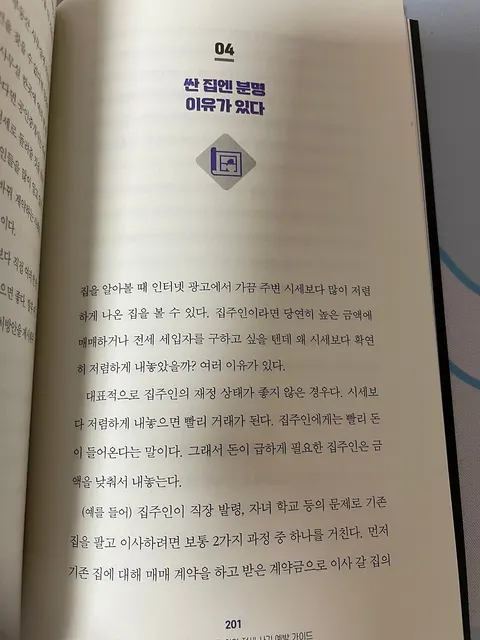
There are illegal brokers and illegal sales agencies that proceed with contracts even while knowing the jeonse deposit is far above market price, blinded by money. Why would they deliberately arrange a contract with a high jeonse deposit when they know the tenant will struggle to recover it later?
It is the rebate, called R! Finding just one jeonse tenant can earn them ₩30 million, close to the annual salary of someone starting their career. In reality, dozens of contracts were handled by just one illegal brokerage operating by borrowing a license, and the R it received alone amounted to hundreds of millions of won. The important point is that all of this R is the tenant’s money.
After signing a jeonse contract with the tenant, the developer transfers ownership to a front man and escapes the landlord’s rights and obligations. The front man, as the name suggests, is someone with no money from the beginning. They pocket a fee ranging from hundreds of thousands to several million won each time ownership of one property is transferred. Even knowing they will have to return the deposit when the jeonse contract ends, they join the scam for the small amount of money right in front of them.
What happens after that is as clear as day. It is only regrettable that this could have been avoided if the tenant had properly checked the home’s market price from the start.
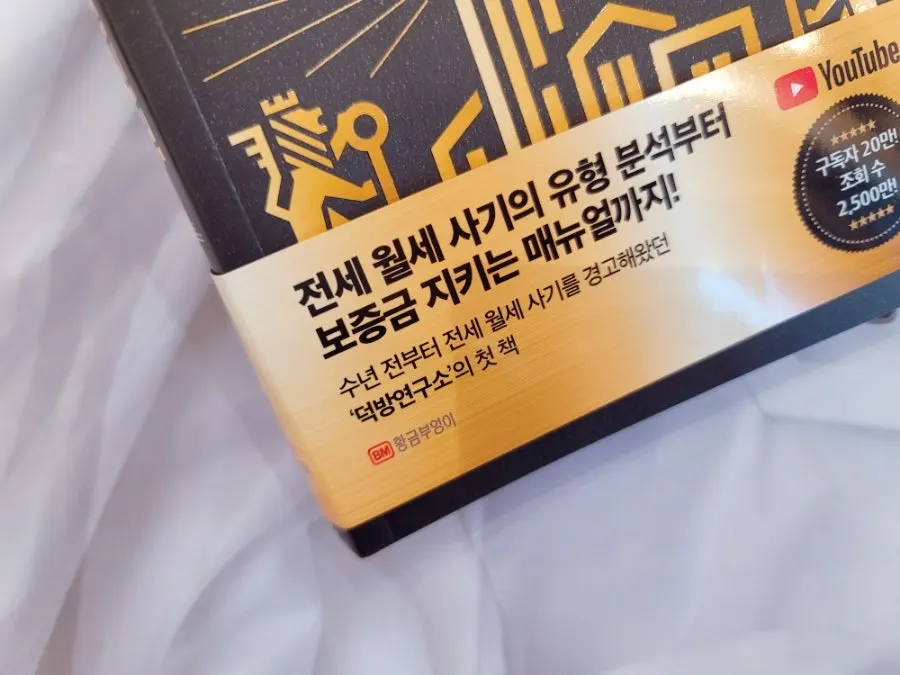
How should you read special contract clauses?
The book also kindly explains a jeonse-fraud prevention guide for people new to housing, so this one book can help you master both types of jeonse fraud and how to respond to them. It discusses special clauses when drafting a contract, too, and I found it interesting because I did not know this part either. Landlords sometimes put clauses that disadvantage tenants into a contract, such as, “The lease term is one year, and the tenant will move out after one year.” The conclusion is: you do not have to move out.
Article 10 of the Housing Lease Protection Act: Any agreement that violates this Act and is disadvantageous to the tenant is invalid.

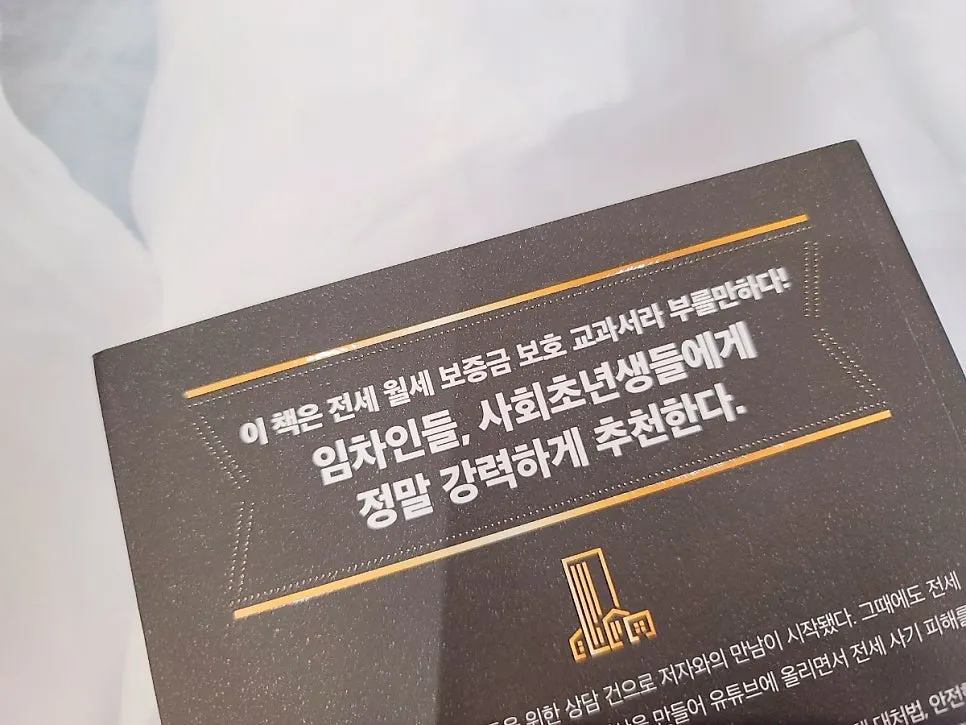
It also gives detailed special clauses you should ask for without worrying about what the landlord thinks, so knowing just this much should be a big help when making a contract. This book holds the author’s wish to give essential information to tenants who are lost and unsure where to start when looking for a jeonse home—and to help them avoid worrying about their deposit for as long as they live as jeonse or monthly-rent tenants. Protect Your Jeonse and Monthly Rent Deposit is full of useful information, so I definitely recommend reading it at least once.