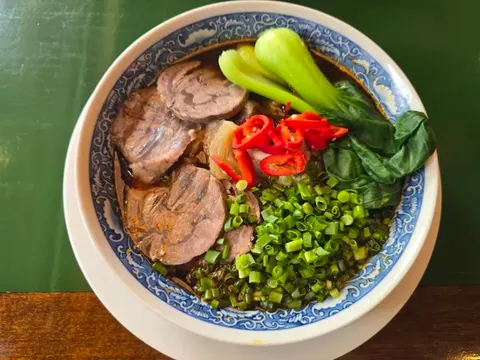
Authentic shoyu ramen and highball whisky at a City Hall bar: Mentsuru
In short
Mentsuru City Hall Branch is a Japanese ramen restaurant a short walk from City Hall Station in Jung-gu, Seoul. The writer ordered the authentic shoyu ramen (soy sauce-based ramen) and karaage (Japanese fried chicken) at a handsome bar seat lined with whisky bottles for highballs, and found the depth of the broth on a completely different level. For proper Japanese ramen in central Seoul, Mentsuru City Hall Branch is the answer.
Good to know
- Location
- 1F, Unit 1, 2 Seosomun-ro 11-gil, Jung-gu, Seoul — a short walk from City Hall Station
- Ordered
- Authentic shoyu ramen, karaage
- Seating
- Bar seats
as written by the visitor on Sep 23, 2026
I had a wonderful meal at a place where you can eat proper Japanese ramen. I was happy and grateful.
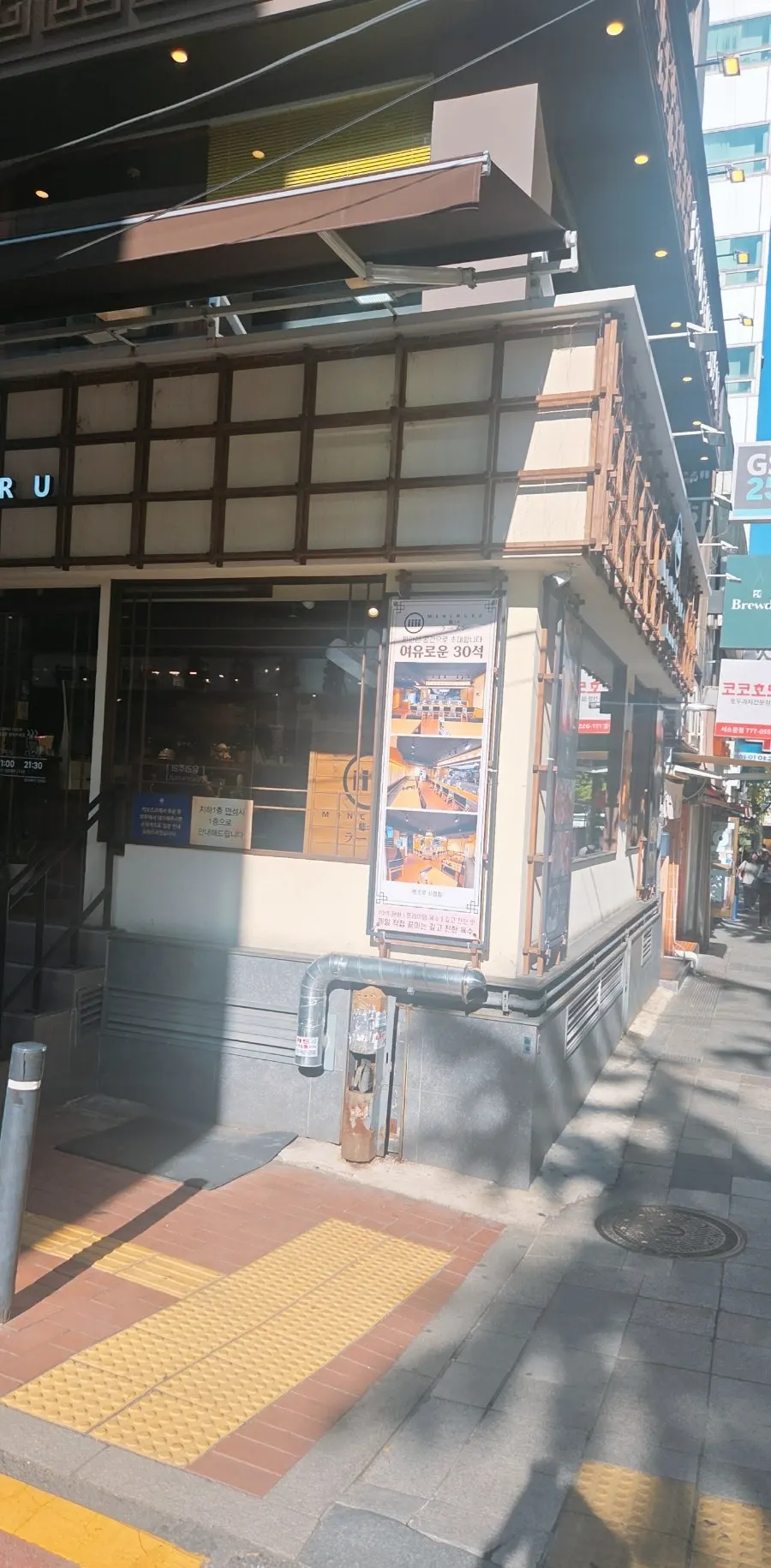
Mentsuru City Hall Branch: a ramen restaurant busy from the front door
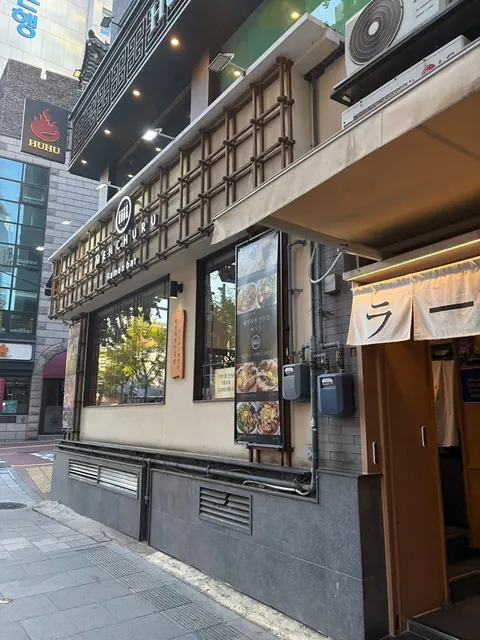
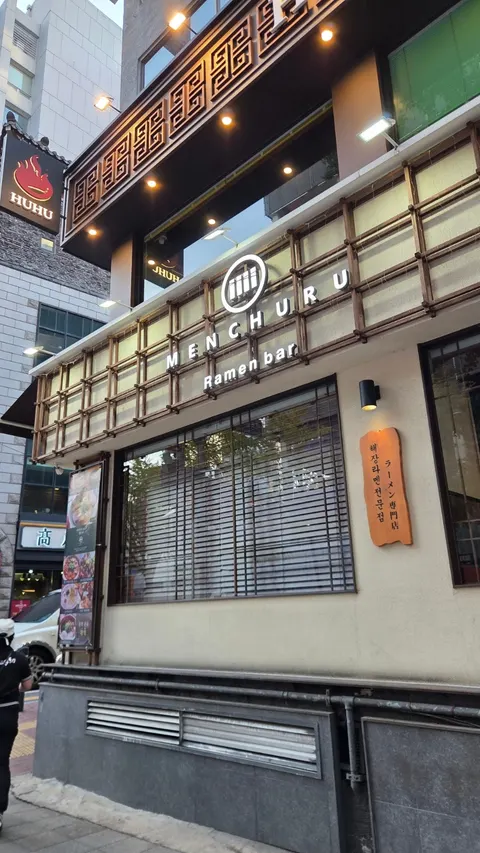
This is Mentsuru, located close to City Hall Station.
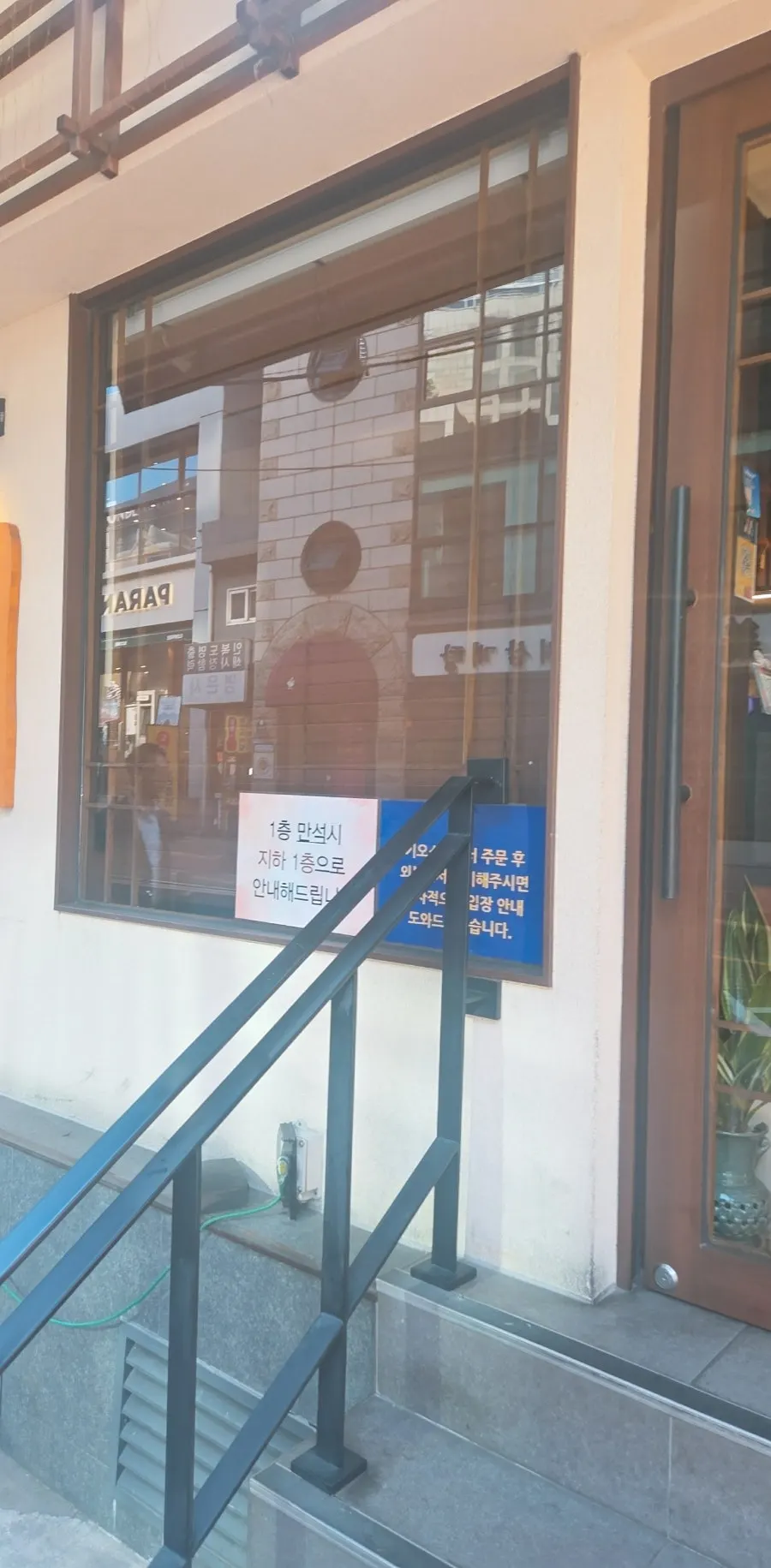
This is the entrance — no matter when you go, there are always a lot of customers.
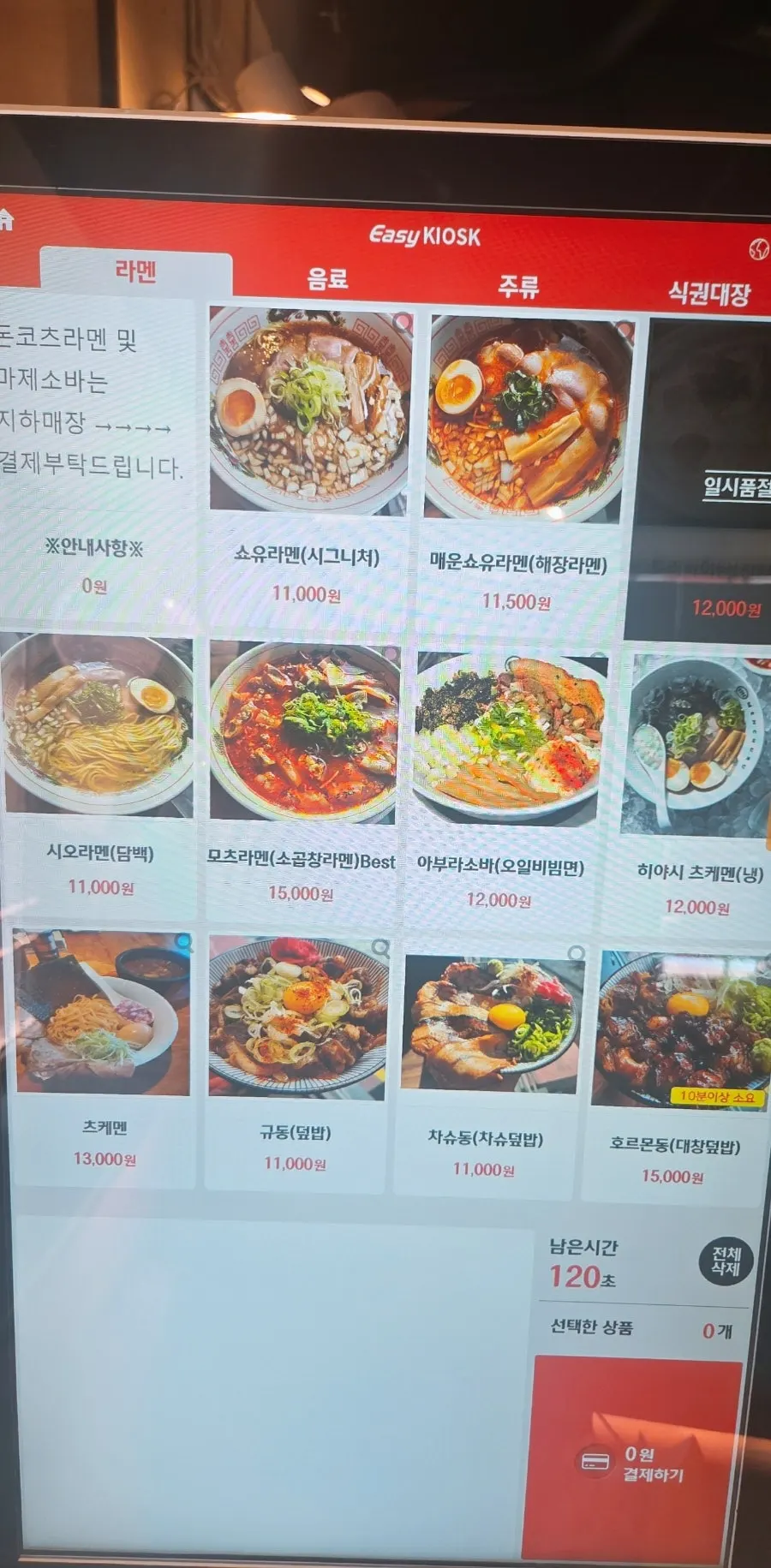
Today I wanted authentic shoyu ramen, so that's what I ordered.
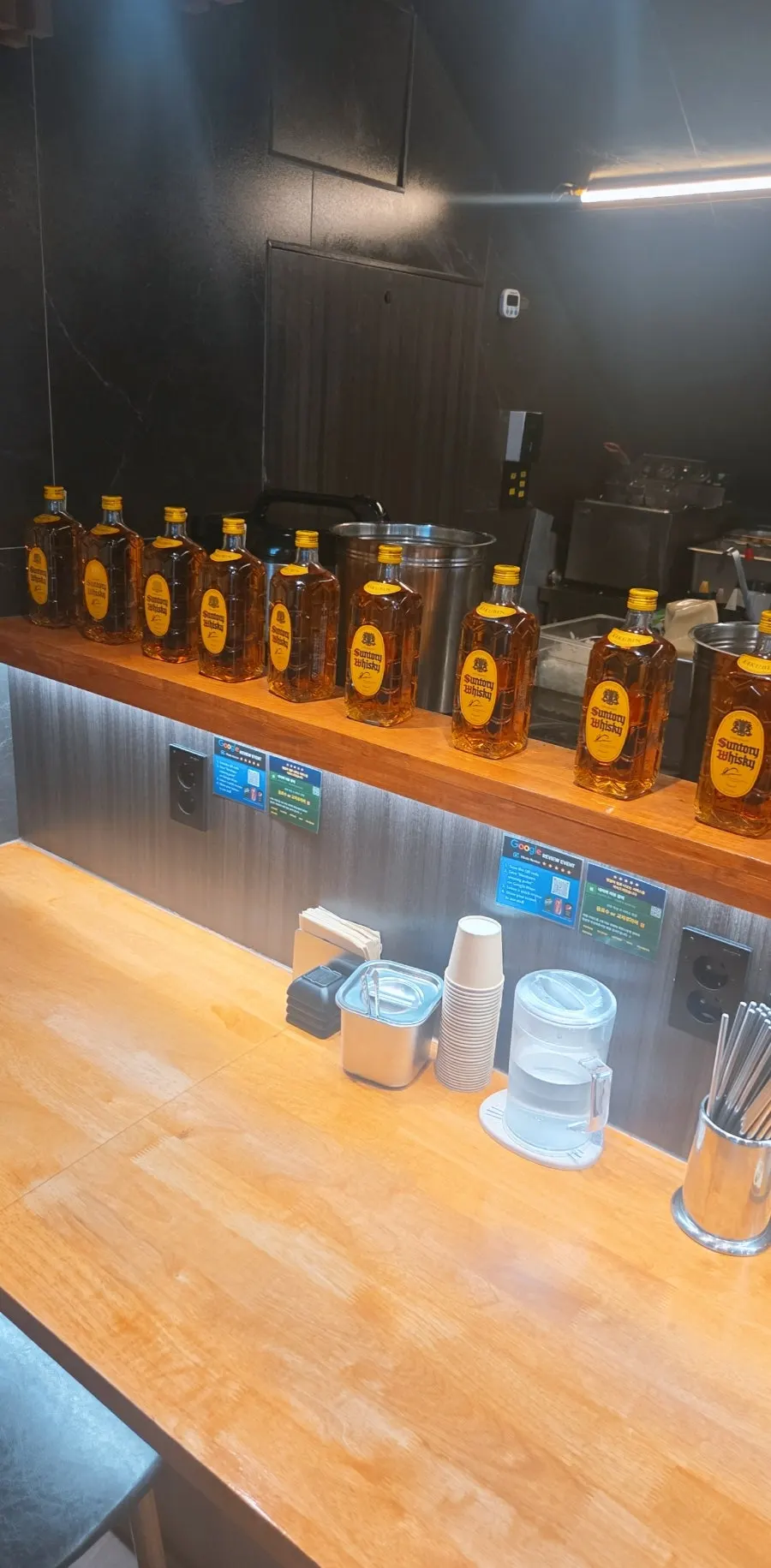
Bar seats and highball whisky at Mentsuru City Hall Branch
The bar seats are really gorgeous.
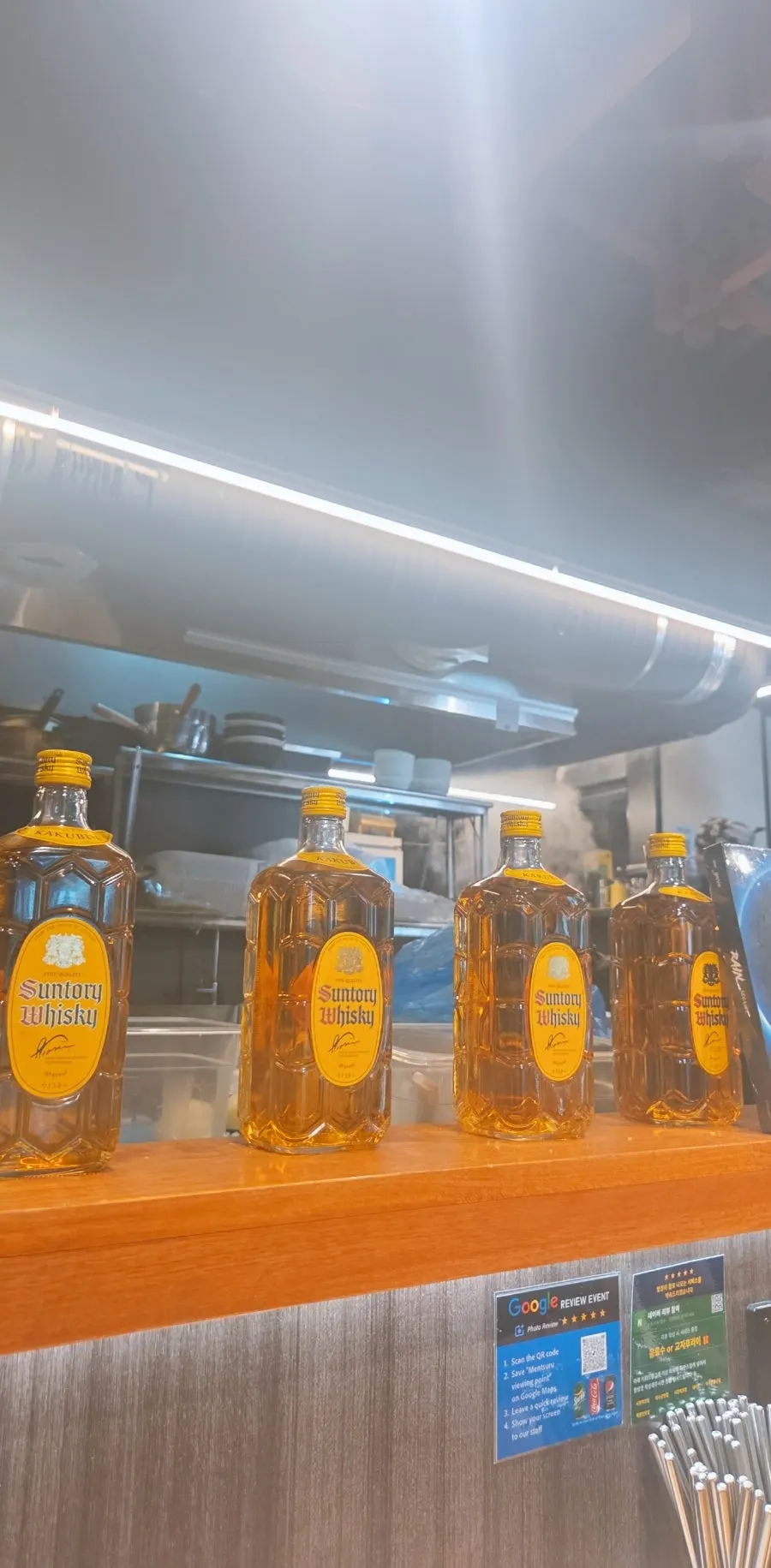
This is the whisky used to make highballs.
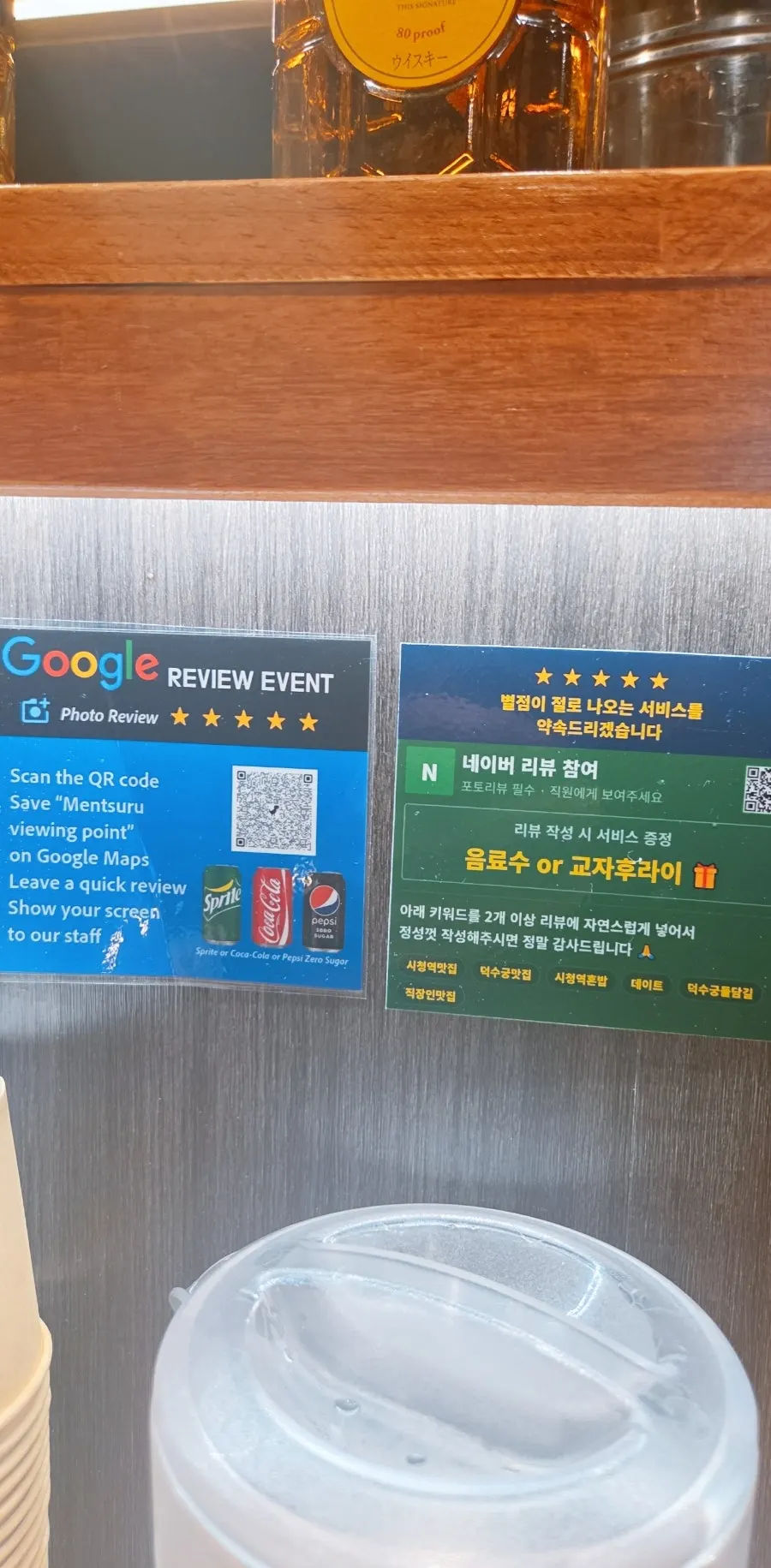
You can leave a review too.
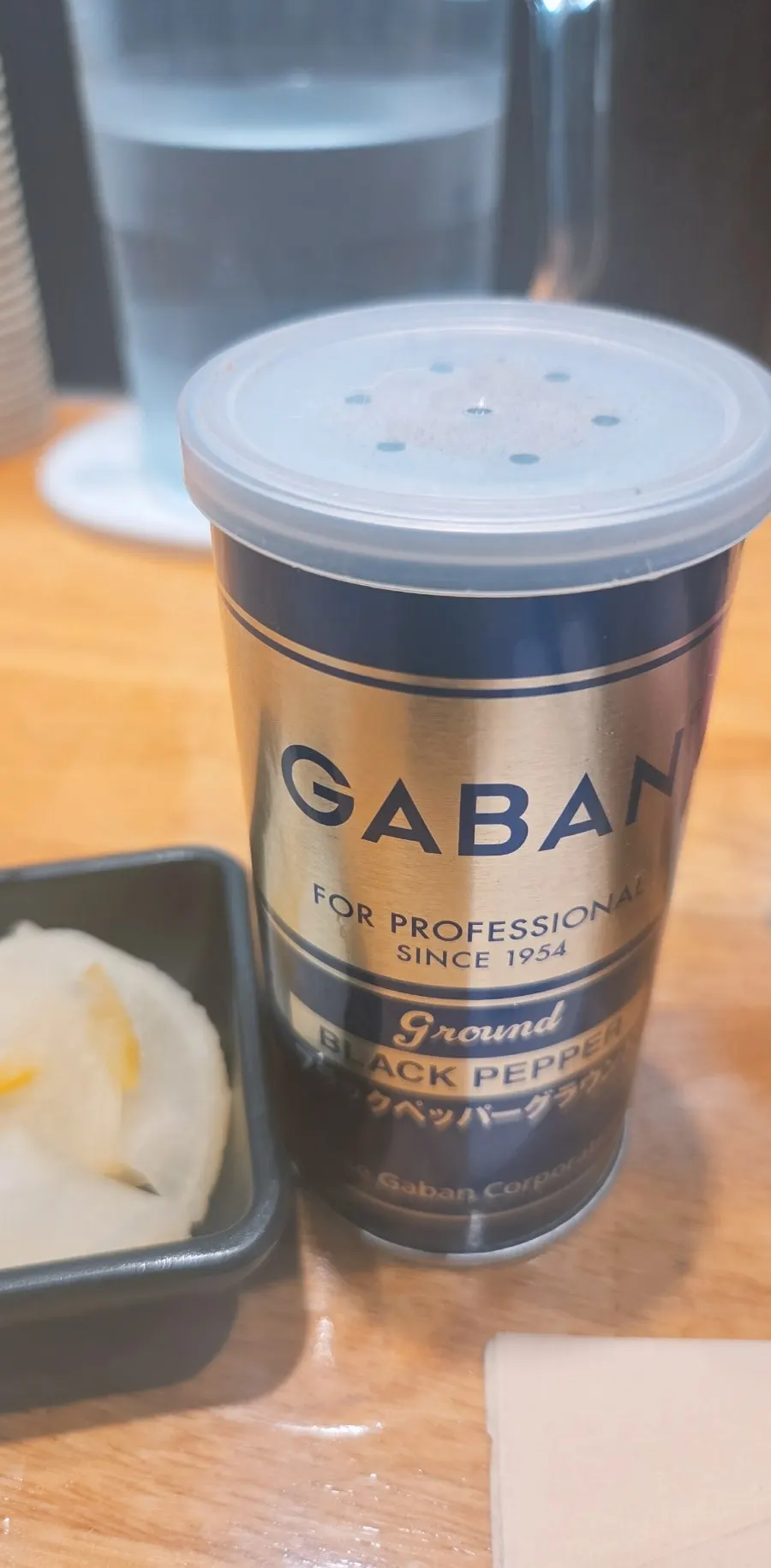
This is the pepper, which I love.
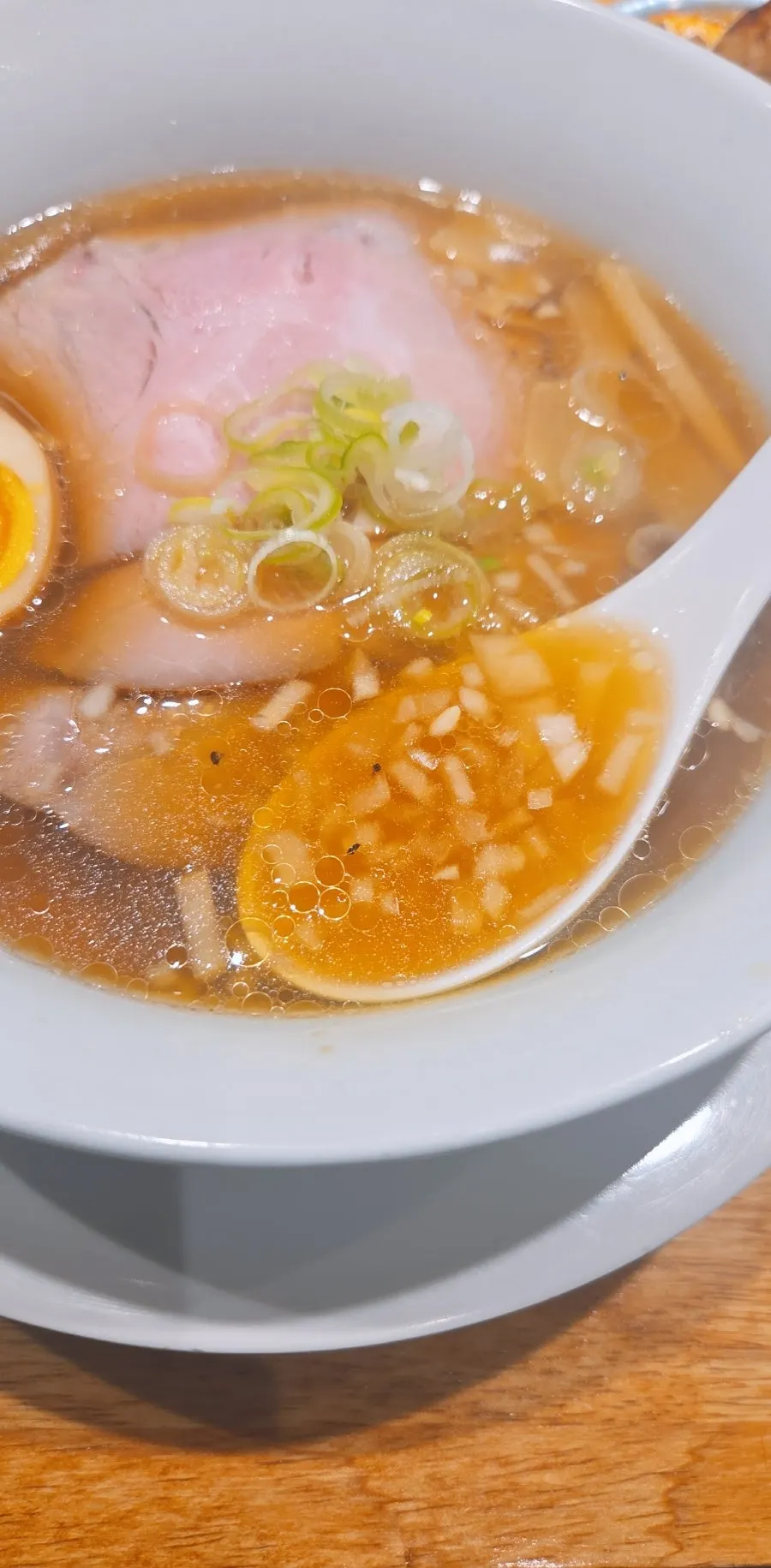
Mentsuru's authentic shoyu ramen and the depth of its broth
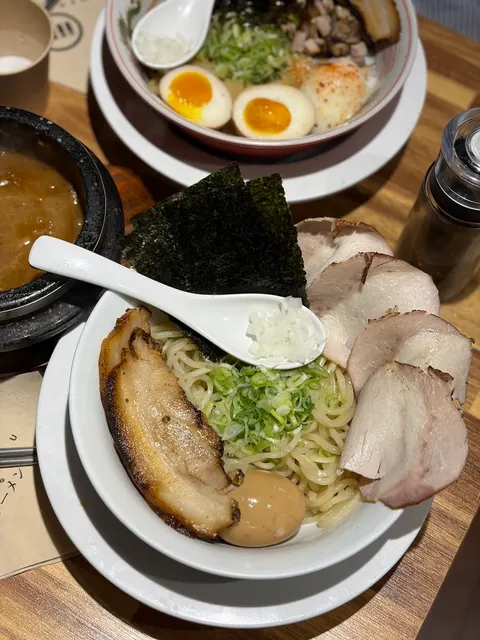
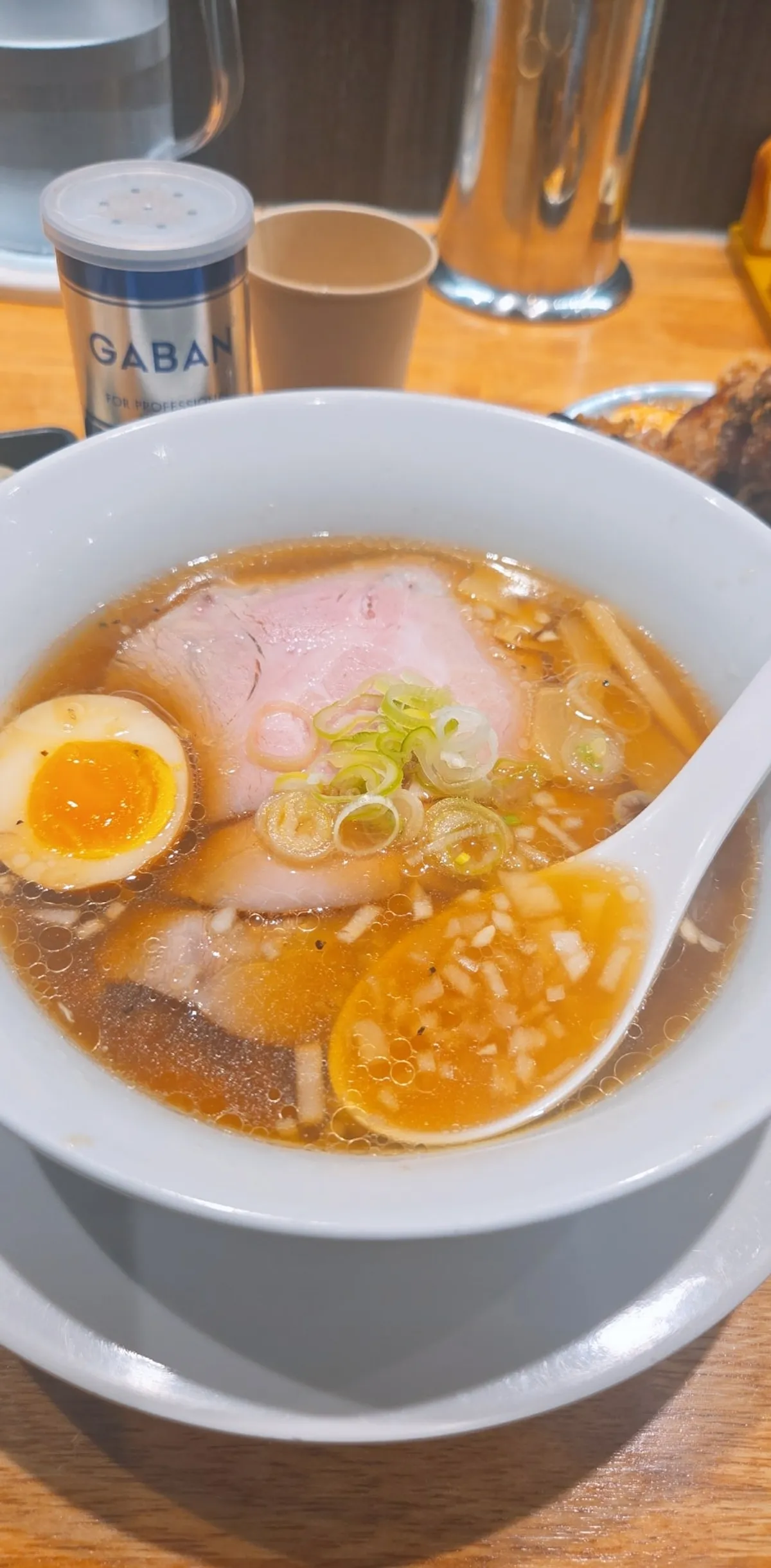
The shoyu ramen finally arrived.
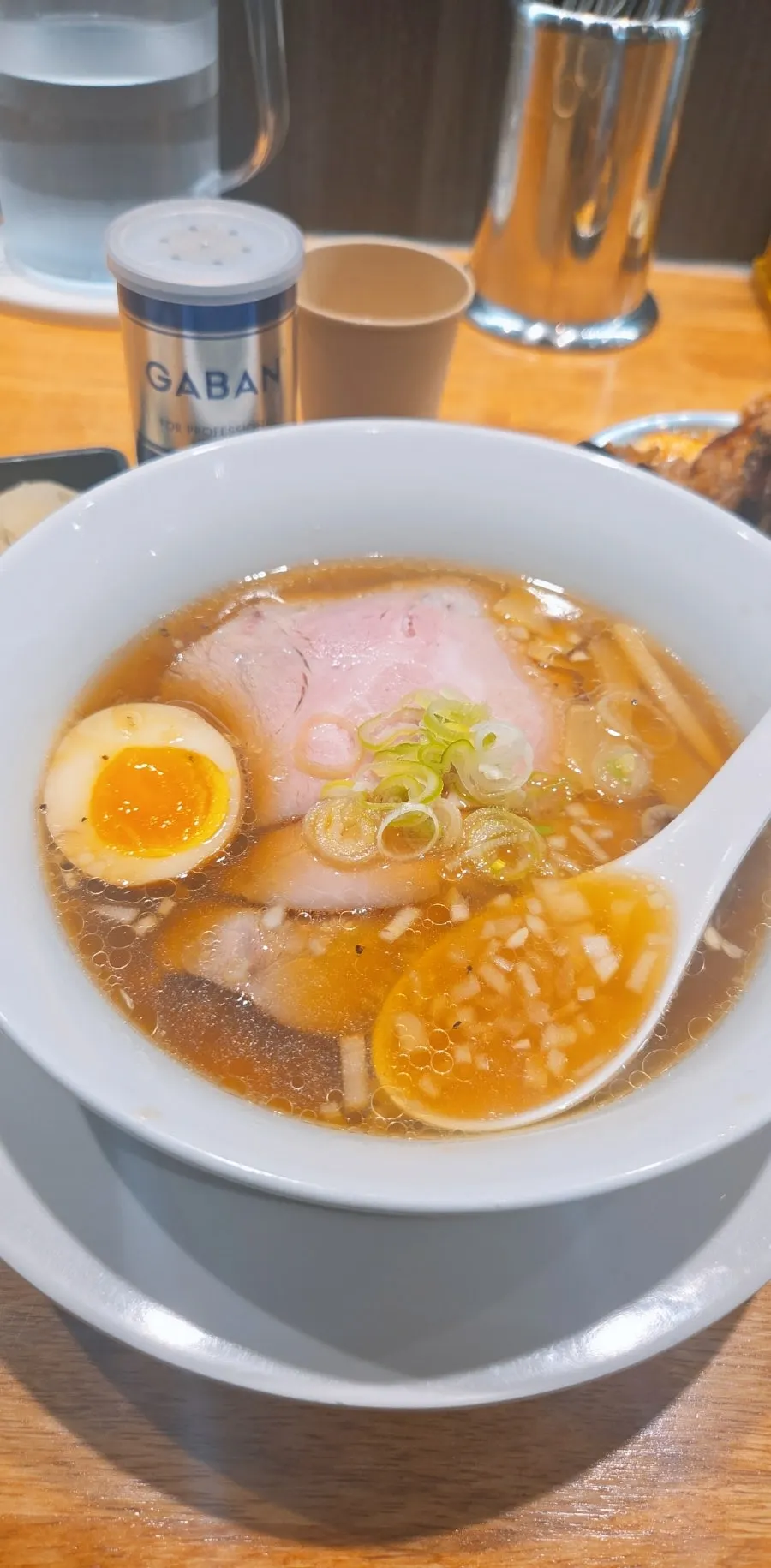
It's really, truly delicious.
The depth of the broth feels like it's on a completely different level.
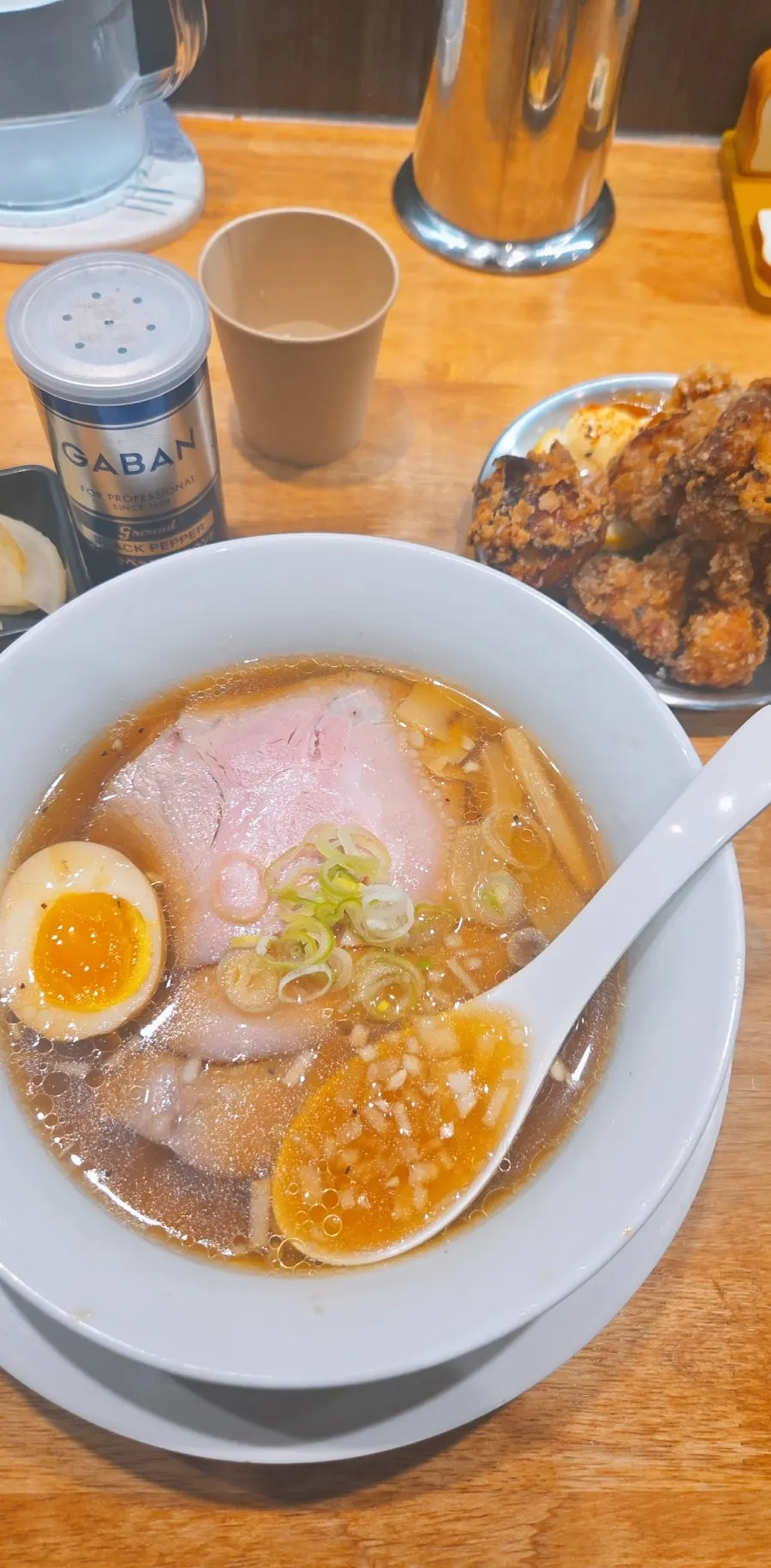
This is proper Japanese ramen.
Is the karaage at Mentsuru worth ordering?
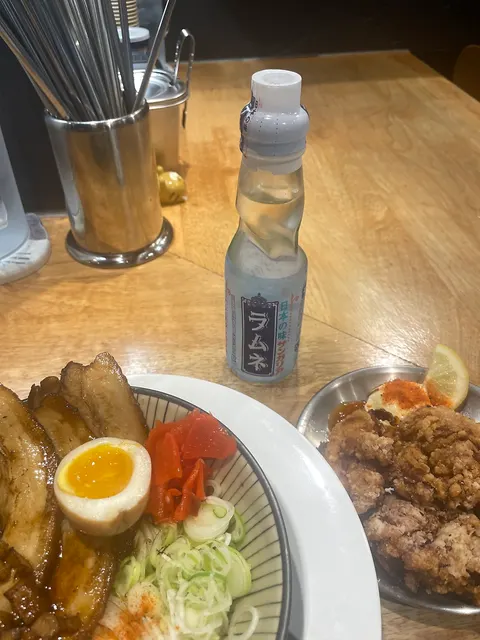
The karaage is fantastic.
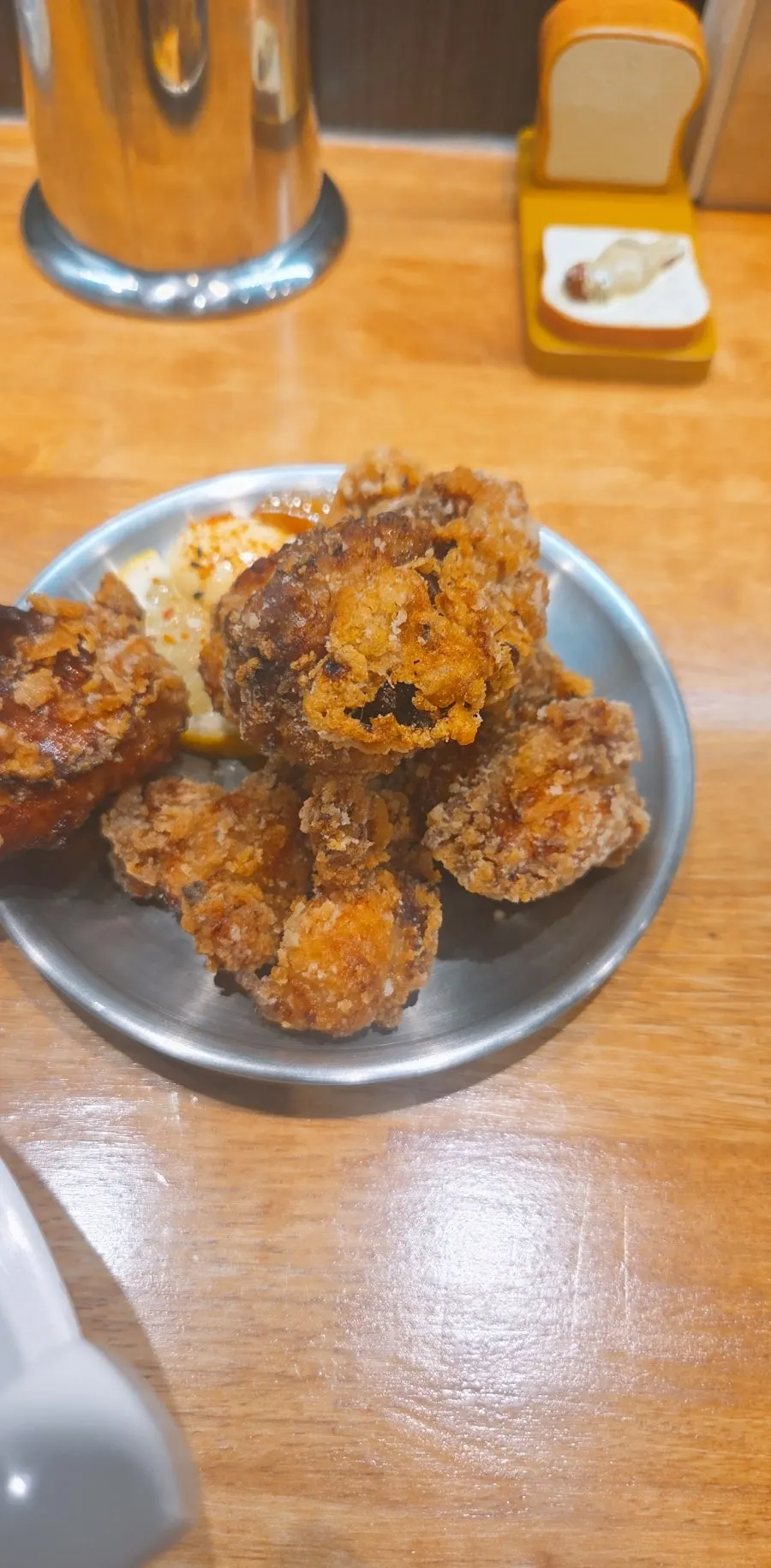
The karaage has a depth of flavor that's hard to put into words.
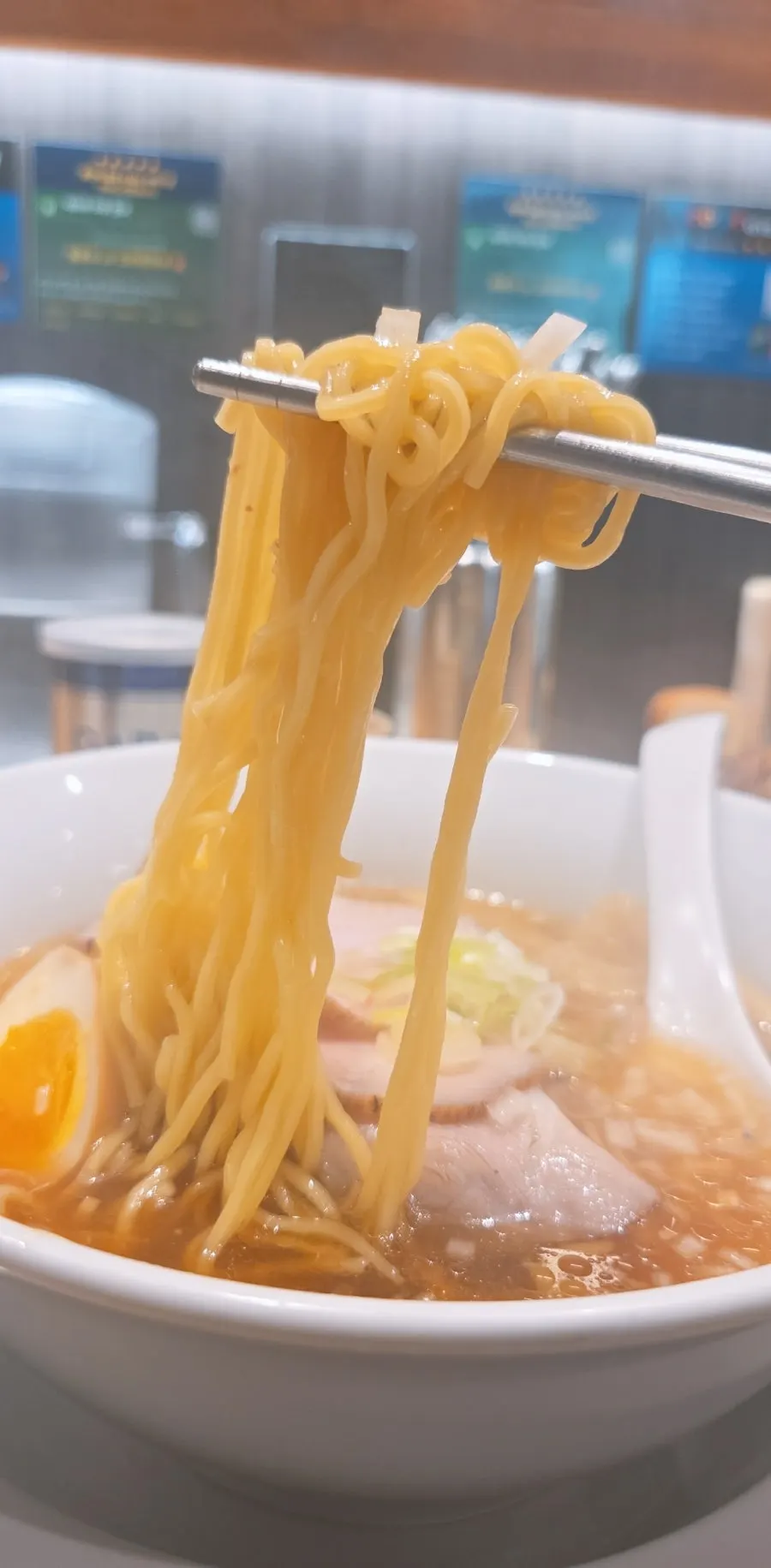
Mentsuru is a place I really love. I'm always rooting for it to keep doing well.
Useful info: where shoyu ramen came from
The roots of ramen itself
The prototype of Japanese ramen took shape from the late Meiji era (1868–1912) through the Taisho era (1912–1926), as 'chuka soba,' brought by Chinese immigrants and students, spread through Japan. In port-city Chinatowns like Yokohama and Kobe, Chinese restaurants and street stalls served 'nankin soba' and 'shina soba,' adapted to Japanese tastes.
Japan's first ramen shop and the birth of shoyu ramen
In 1910, Japan's first dedicated ramen shop, Rairaiken (来々軒), opened in Asakusa, Tokyo. It transformed simple Chinese-style noodles using traditional Japanese ingredients like dried fish, seaweed, and soy sauce (shoyu) — and this soy sauce became the broth base, forming the prototype of shoyu ramen.
Interestingly, in the very early days when ramen was called 'nankin soba,' salt-based shio ramen is said to have come first, and shoyu ramen began when Rairaiken added soy sauce as a base on top of that. In other words, the original form of ramen was shio (salt), and shoyu developed later by adding soy sauce on top.
How shoyu ramen spread across Japan
With the postwar rise of instant ramen and its nationwide spread through the 1970s, shoyu ramen established itself as the 'basic form' of Japanese ramen. Even today, with Tokyo and Yokohama as its birthplace, it remains the representative ramen style, characterized by a clear brown broth made from chicken bone or vegetable stock plus a soy sauce-based tare.
Useful info: the origin of karaage (唐揚げ)
Etymology: why 'kara' means China
The name 'karaage' itself refers to Chinese-style cooking. 'Kara (唐)' refers to China, specifically the Tang dynasty (618–907), and 'age (揚げ)' means fried. Originally, this cooking method referred to frying without batter, sometimes called 'kara-age' in the sense of 'empty frying.'
The earliest records and how karaage reached Japan
The earliest record of the karaage cooking method (then written as 空揚, with the same pronunciation) appears in the late 17th century, during the Genroku era. The common theory is that a frying method brought over from China was absorbed into Japanese food culture during the Edo period (1600–1868), though there's also a theory that 16th-century Portuguese missionaries introduced frying techniques.
How karaage became a chicken dish for everyone
Originally, karaage wasn't a term for a specific ingredient — it referred to the cooking method itself, of lightly coating meat or fish in starch and flour before frying. It became relatively recent that it came to mean 'fried chicken' as we know it today — chicken karaage started becoming popular in the 1930s as a menu item at 'Chinese-style (唐揚げ)' restaurants.
It became a common home-cooked dish only after World War II. During the postwar food shortage, chicken was relatively easy to get and cheap, which helped karaage spread widely as both a home dish and an izakaya menu item.
Karaage's place on the table today
Today it's a national dish found everywhere in Japan — convenience stores, izakayas, festival stalls. In Oita Prefecture, an annual 'Karaage Festival' draws around 60 participating shops, making it a local specialty in its own right.
Where it is
1F, 1 Ho, 2 Seosomun-ro 11-gil, Jung-gu, Seoul, South Korea서울특별시 중구 서소문로11길 2 1층 1호