Hapjeong restaurant kaisendon with Koshihikari rice: Makise Hapjeong
In short
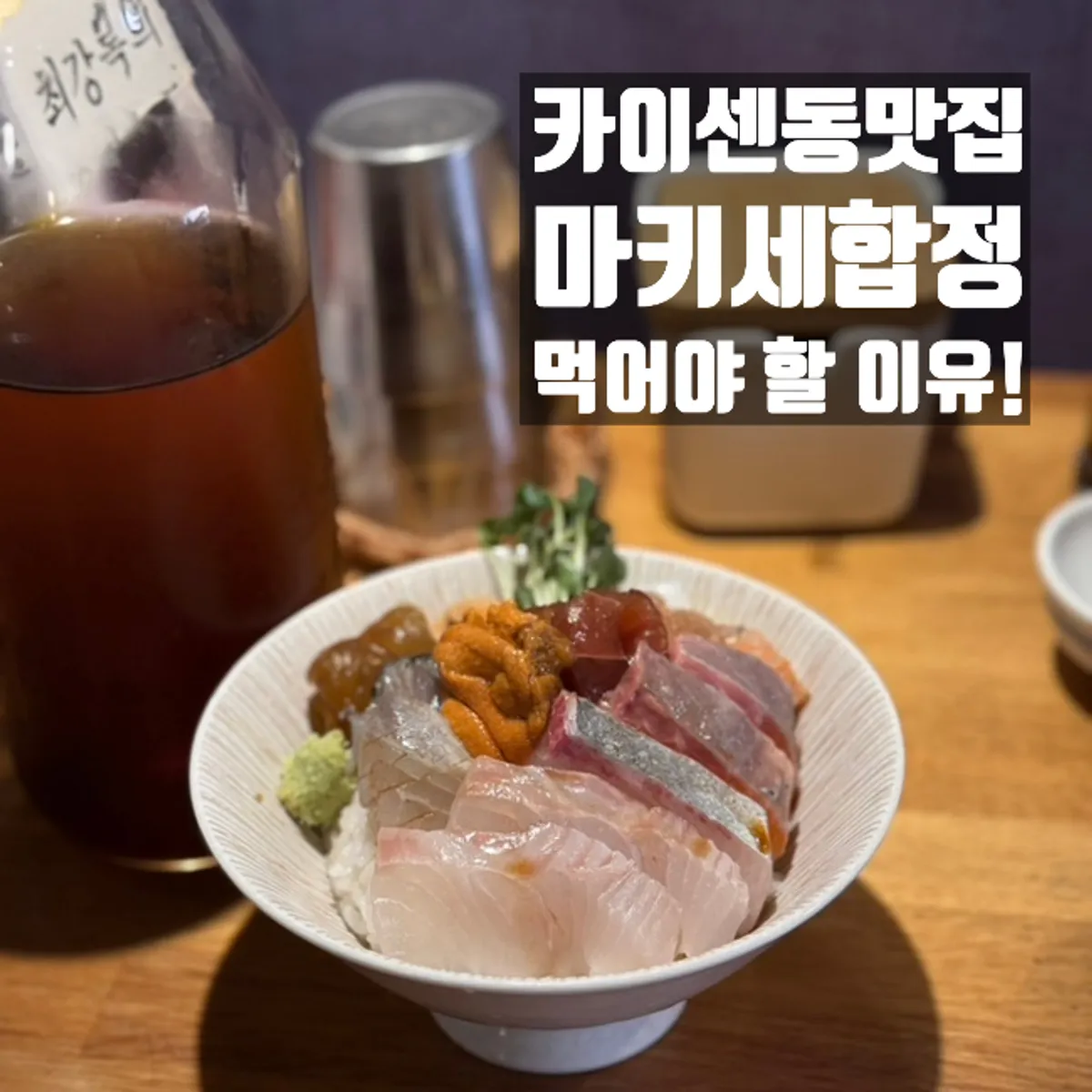
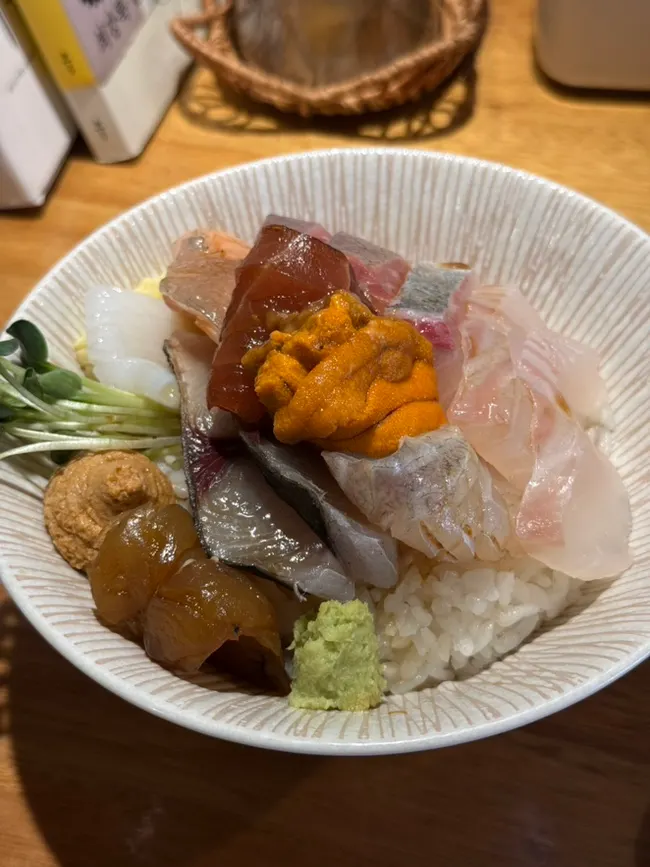
Makise Hapjeong is a Japanese restaurant near Hapjeong Station in Mapo, Seoul that specializes in kaisendon (seafood rice bowl) and sushi. The base kaisendon is 20,000 won for 13 pieces, and adding uni (sea urchin) made it richer, but the smell of freshly cooked Koshihikari rice stayed with me more than the sashimi, along with the fun finish where staff turn your favorite sashimi into one piece of sushi. Add uni if you love it; otherwise the base kaisendon at Makise Hapjeong is plenty.
Good to know
- Base kaisendon
- 20,000 won
- What's in the kaisendon
- 2 kinds of white fish, tuna, salmon, 2 seasonal sashimi, shrimp, squid, monkfish liver and more — 13 pieces
- Add-on ordered
- Uni (sea urchin)
- Rice
- Koshihikari variety (per the restaurant)
- Closing service
- Name your favorite sashimi and it comes back as 1 piece of sushi; candy after the meal
- Set for two A
- 2 kaisendon + 2 cheese fries + 1 drink
- Set for two B
- 2 kaisendon + 2 cheese fries + 2 alcoholic drinks
- Basis
- Visited and dined in person, September 2026
- Price reference
- ₩20,000 ≈ $14.5 (2026-09-21)
as written by the visitor on Sep 21, 2026
I went and had kaisendon (seafood rice bowl) in Hapjeong. This time I visited Makise Hapjeong. To cut to the chase, the kaisendon was delicious, but surprisingly the rice was what I remembered most here. Walking in, the smell of freshly cooked rice spread through the place... the food hadn't even come out yet and my mouth was already watering just from the rice smell haha. I got the base kaisendon with added uni, and if you like uni, I'd recommend adding it.
※ This is based on a visit and meal in September 2026.
What is Makise Hapjeong? A kaisendon and sushi specialist in Mapo, Seoul
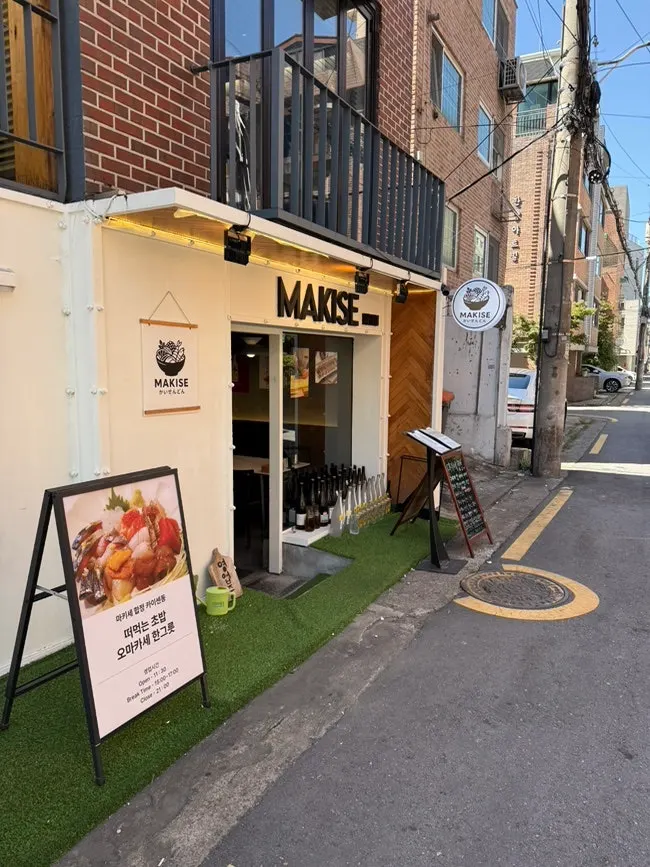
Makise is a Japanese restaurant in Hapjeong specializing in kaisendon and sushi. With kaisendon, the rice matters as much as the seafood. Makise says they use Koshihikari rice for a softer texture.
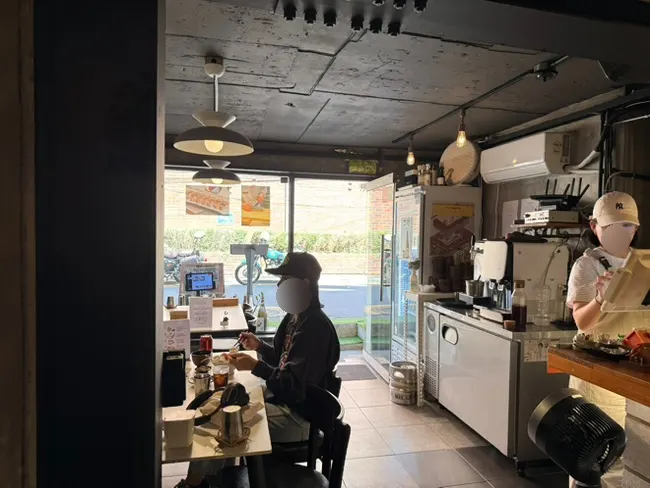
Honestly, I'd recommend visiting this area by public transit. It's a pretty busy neighborhood.
The smell of freshly cooked rice at the door of Makise Hapjeong
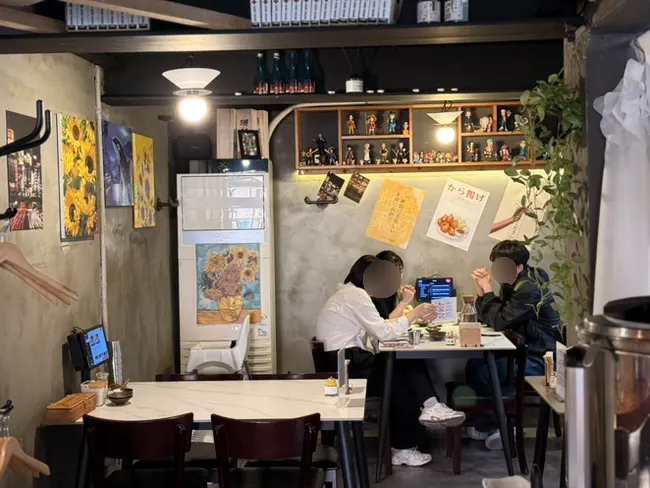
The first thing that stuck with me at Makise Hapjeong wasn't the fish. It was the rice smell. I walked into the restaurant and the distinct, savory smell of freshly cooked rice spread through the air.
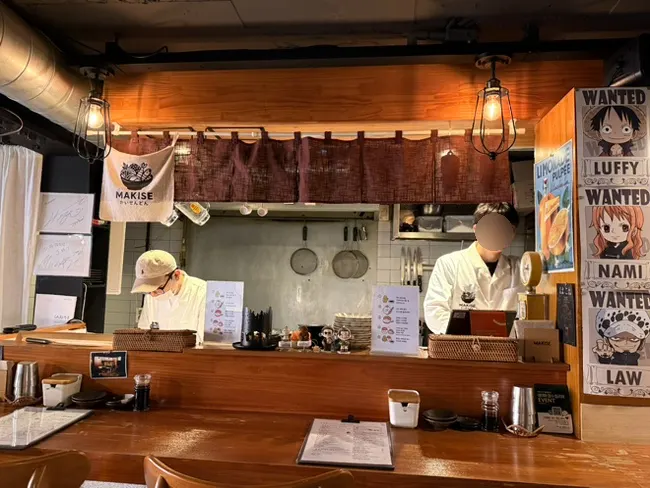
Wow... the kaisendon hadn't even come out yet, but I already felt like the rice alone would be delicious. Makise actually says they use Koshihikari because they care about rice quality for kaisendon and sushi. When you think of kaisendon, you usually think first about "what sashimi is on it today?" right? But here, I could tell from the start that they were paying close attention to the rice too.
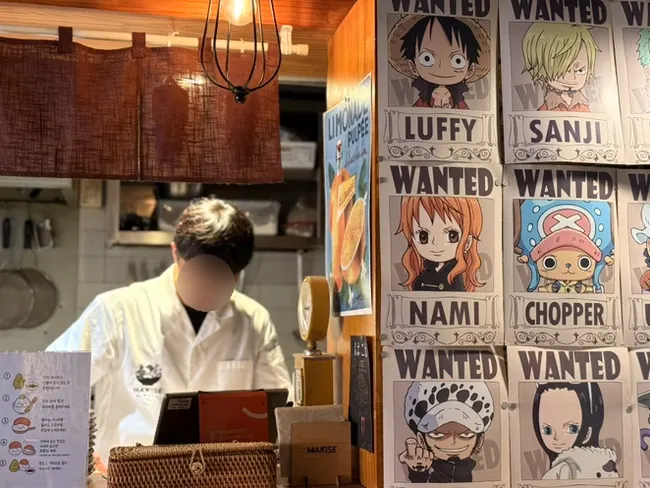
Shelves full of Japanese cookbooks: how serious is the Makise Hapjeong owner?
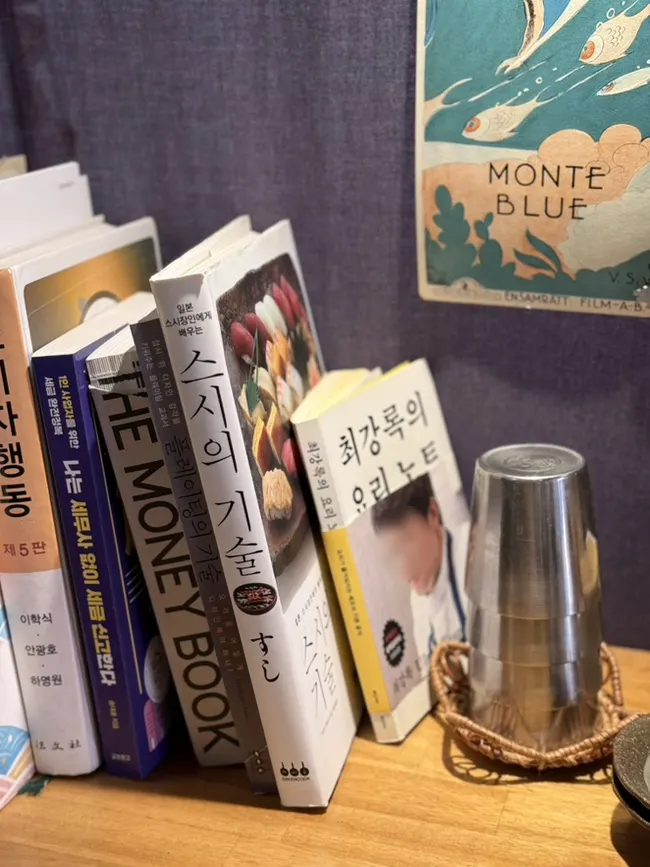
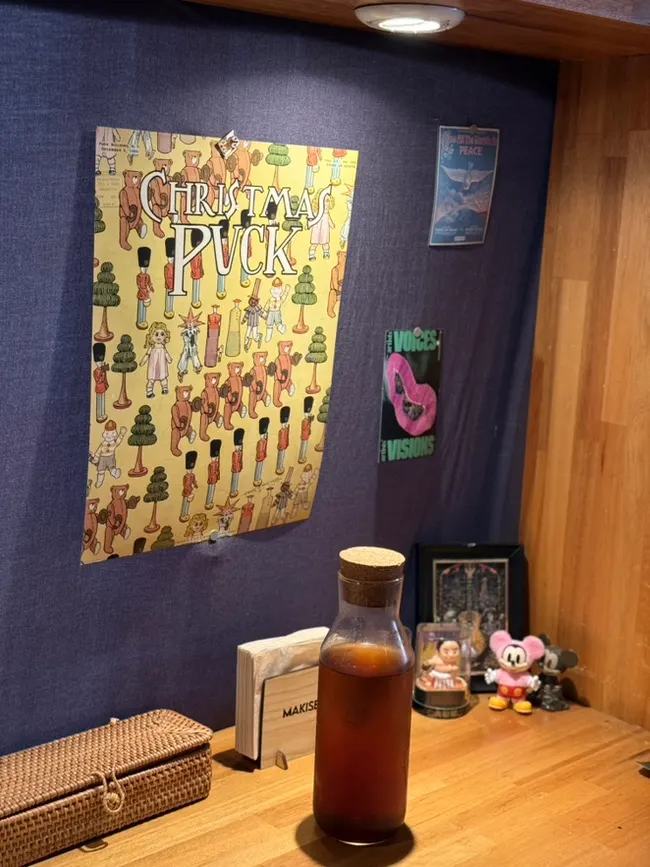
While waiting for the food, I looked around the restaurant and noticed a shelf packed with quite a few Japanese cuisine books. So I browsed a few while waiting for the food haha. It wasn't just a couple of books placed for decoration — there were noticeably many Japanese food-related books, which made me think
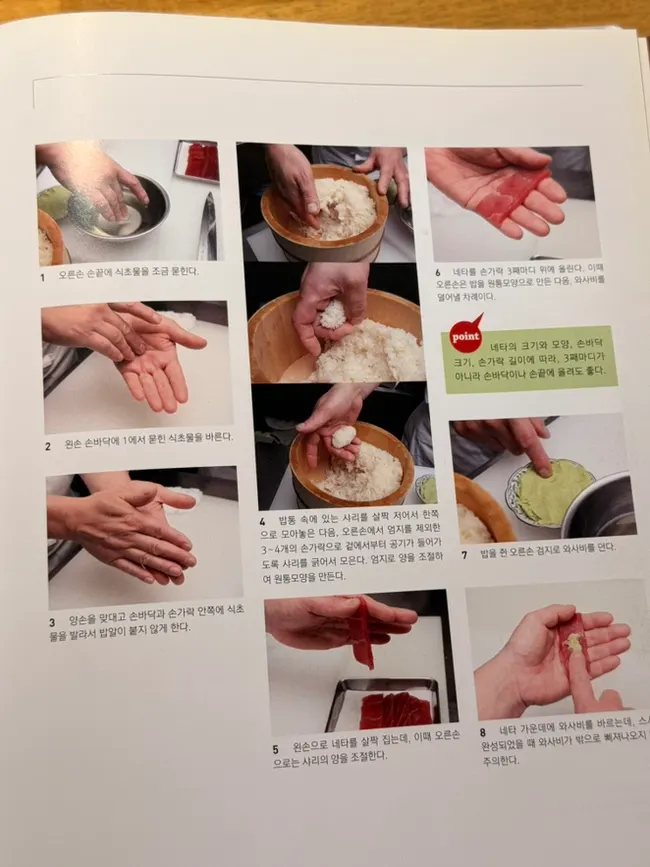
"Is the owner really serious about Japanese cuisine?" I can't say for sure this directly correlates with how the food tastes, but it was a fun detail showing the restaurant's character while waiting for the kaisendon.
The 20,000 won kaisendon at Makise Hapjeong, and what adding uni does
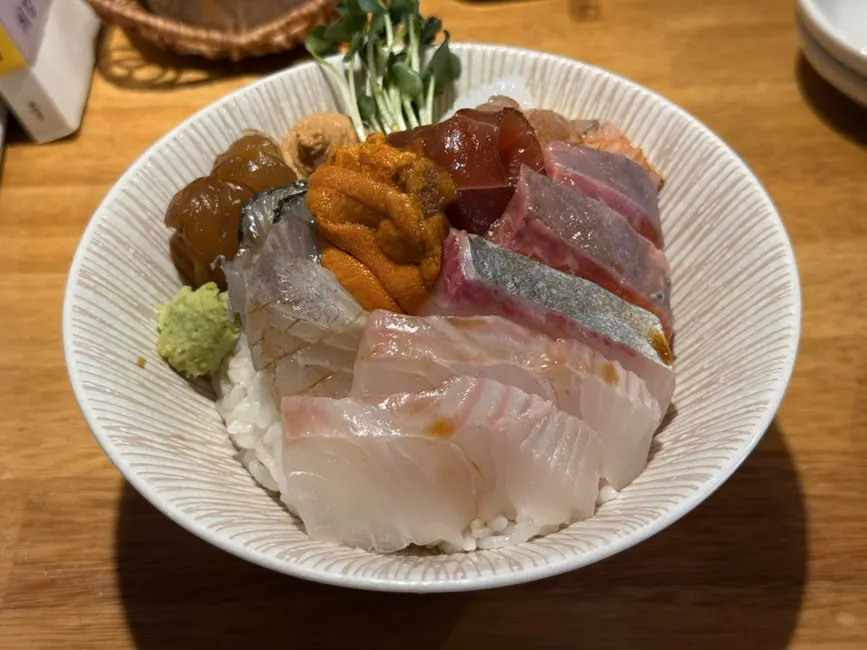
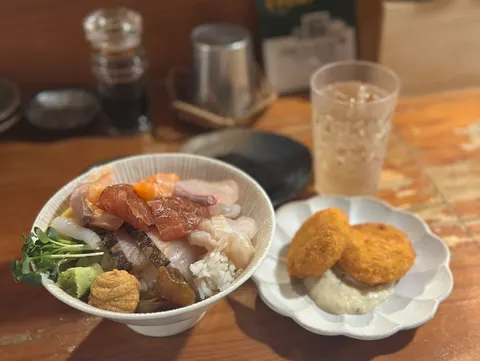
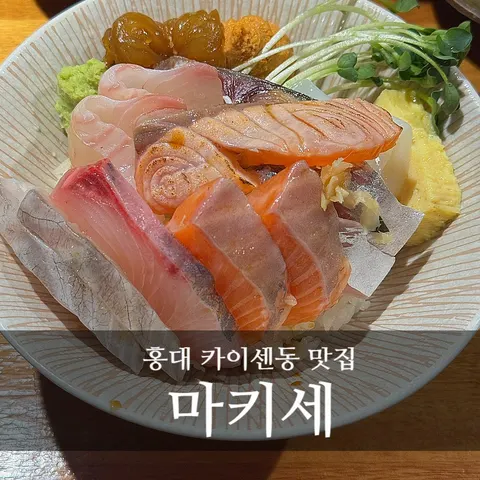
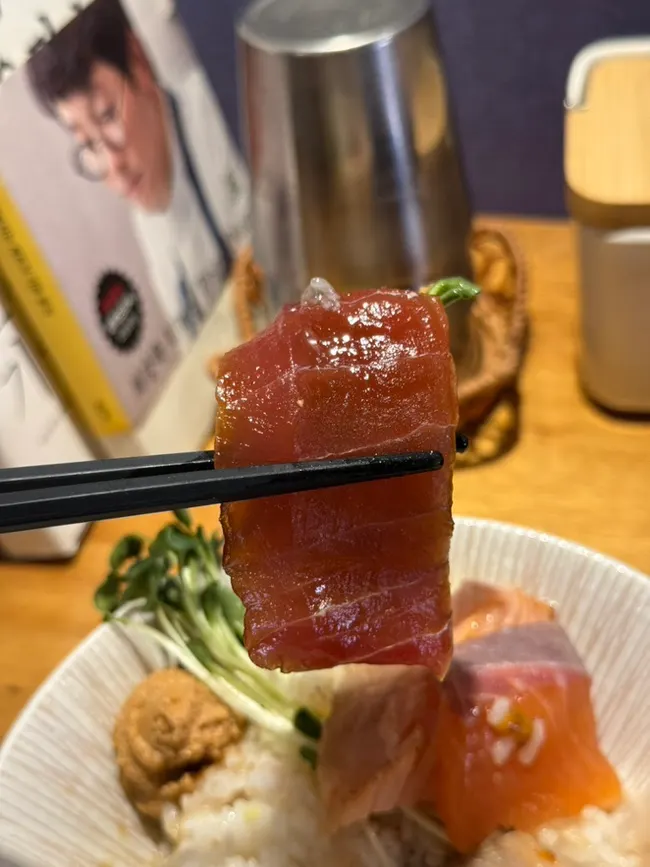
And then the kaisendon arrived. The base kaisendon is ₩20,000. It comes with 13 pieces including 2 kinds of white fish, tuna, salmon, 2 seasonal sashimi, shrimp, squid, and monkfish liver. But I didn't stop there... I added uni haha.
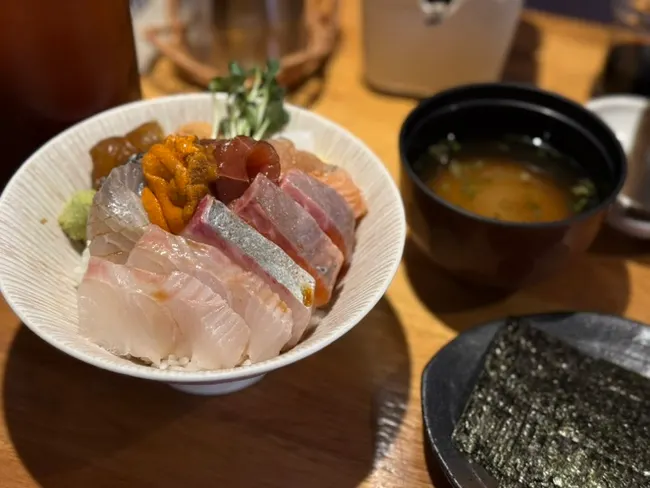
I like uni, and once it's added to a kaisendon, the whole look of the bowl changes. Tasting it, the uni was fresh, which was great. That rich, smooth signature uni flavor slipped in between the sashimi and rice, making it feel a bit more indulgent than the base bowl. So if you're normally a uni fan, I'd recommend adding it.
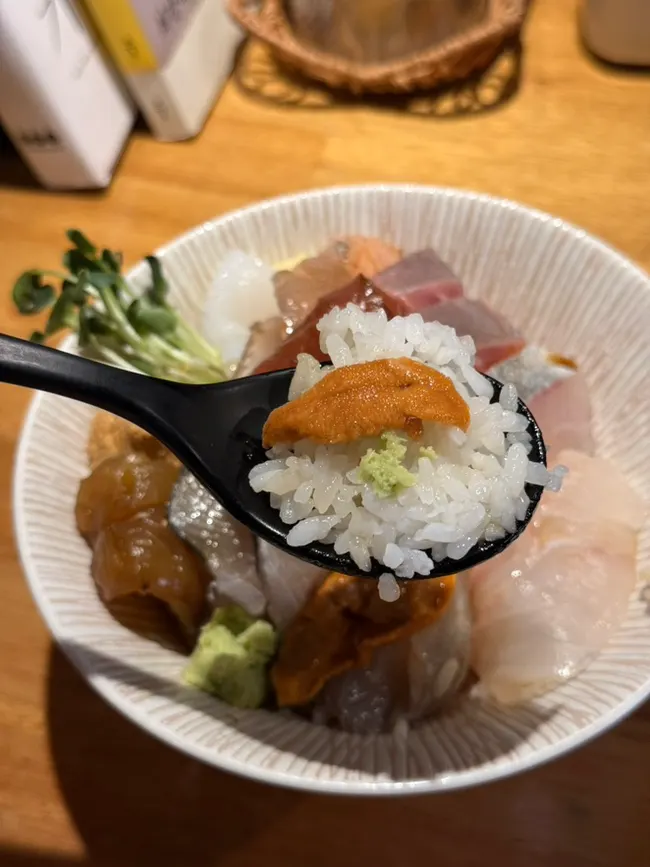
On the other hand, if you don't particularly like uni, there's no need to add it. The base kaisendon already lets you eat several kinds of sashimi. This is the first decision point for this post.
How to eat the kaisendon at Makise Hapjeong
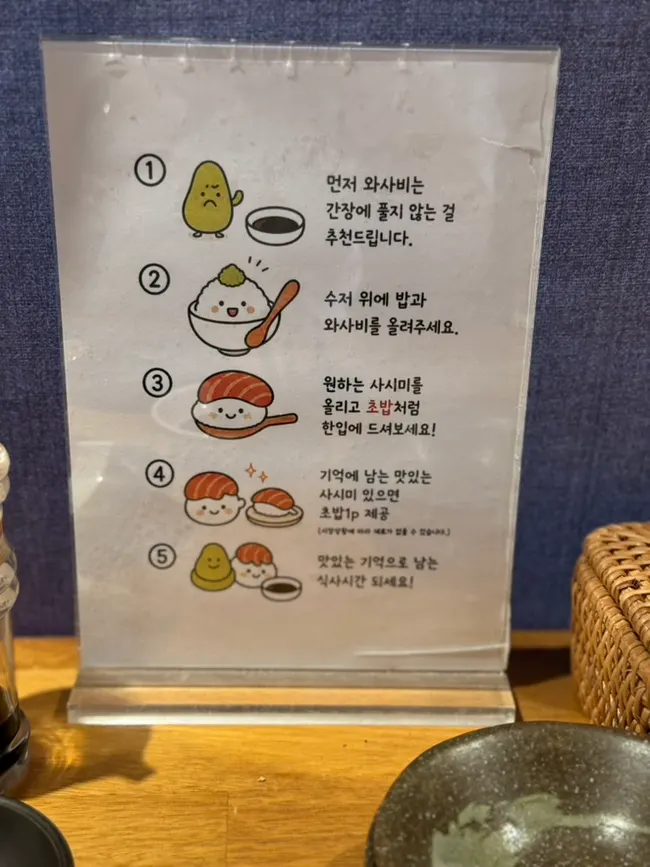
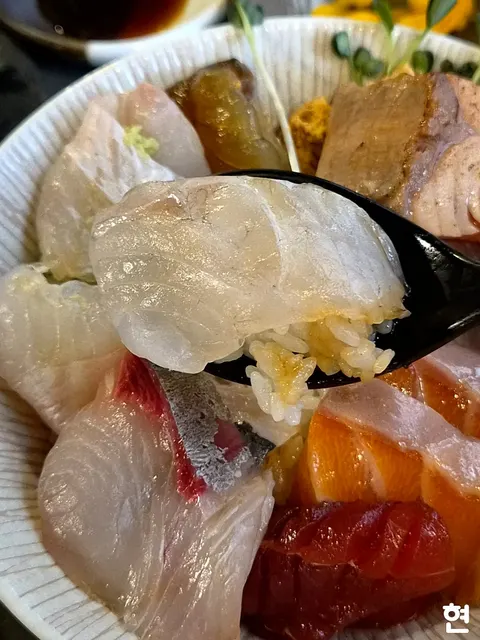
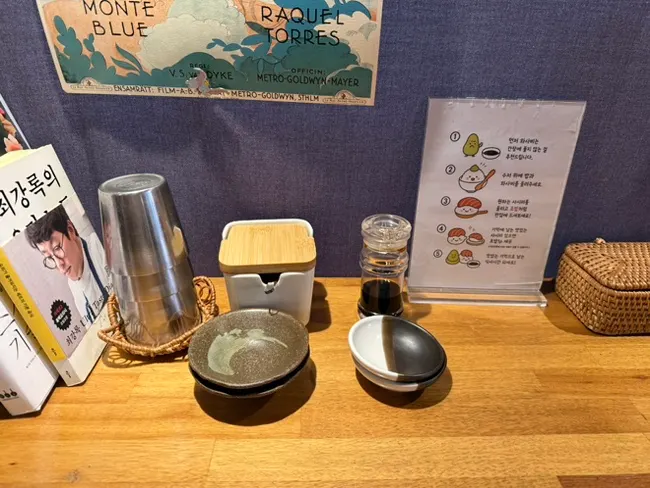
The way you're supposed to eat the kaisendon here was also fun. Don't mix all the wasabi into the soy sauce. Instead, put rice on the spoon first, add a little wasabi on top, then place one piece of sashimi you like on top. Eat it all in one bite, and
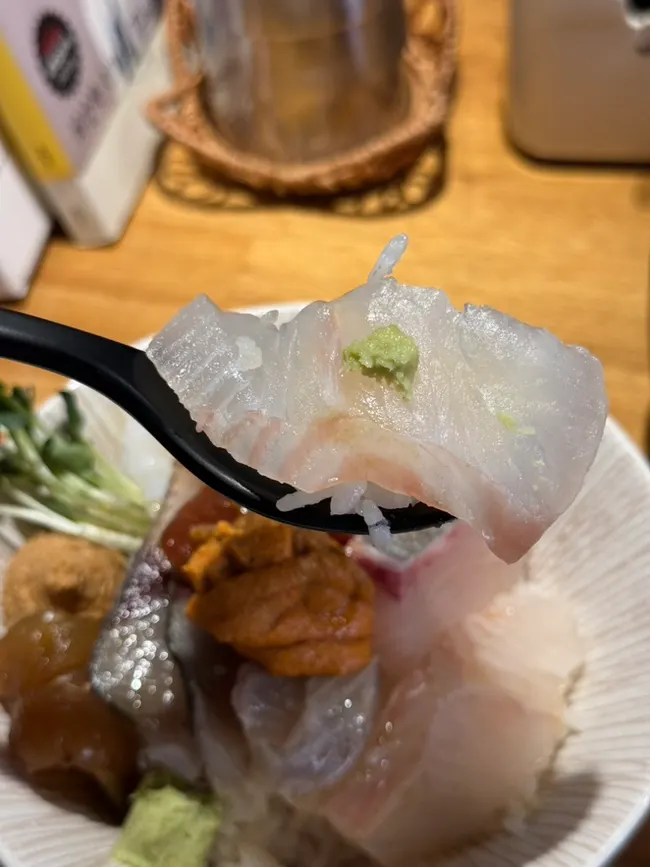
it feels like making a tiny piece of sushi right on your spoon. I liked this method. Rather than mixing everything together from the start, picking one sashimi at a time made it fun to compare which fish I liked best.
Remember your favorite sashimi: the free sushi piece at the end
That's not the end. Once you've nearly finished the kaisendon at Makise Hapjeong, pick out the sashimi that impressed you most. Because I was told that if you mention your favorite sashimi at the end, they'll turn it into a single sushi piece for you.
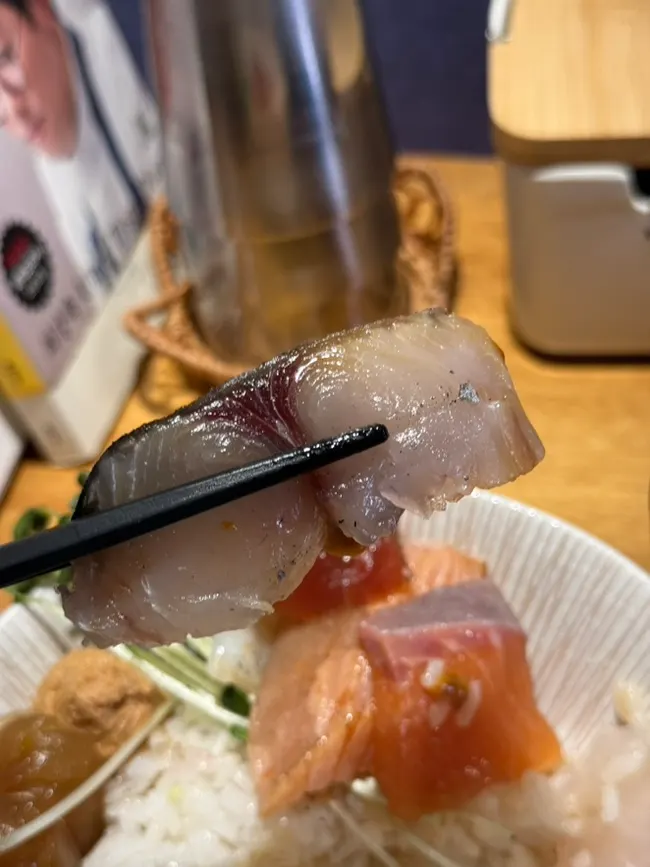
This really stuck with me at Makise. Rather than just finishing off a bowl of kaisendon, the flow goes: try each sashimi one by one → pick your favorite → finish with a sushi piece made from that fish.
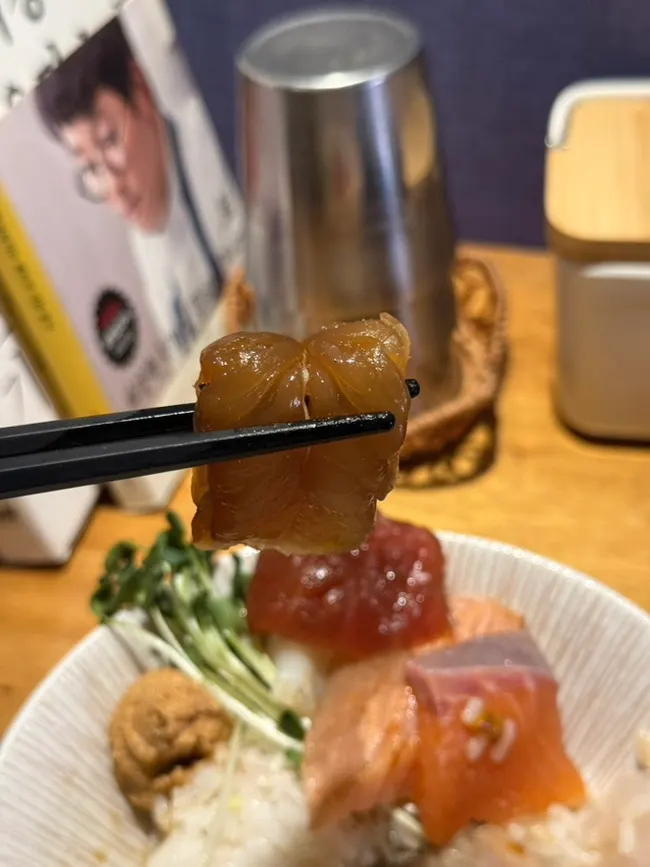
It has a bit of an omakase-style fun to it. So don't just eat mindlessly from the start — try thinking once, "what's the best one today?" haha.
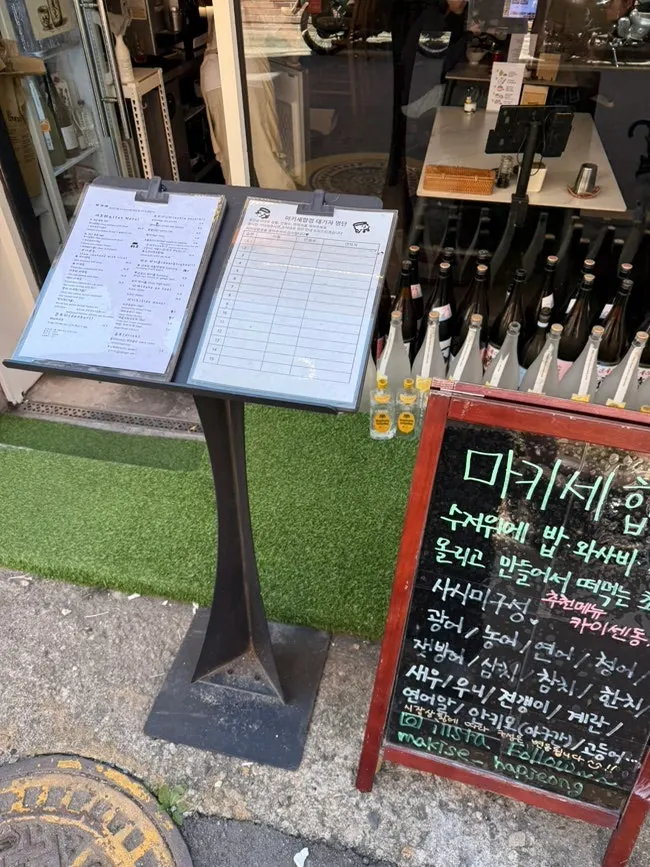
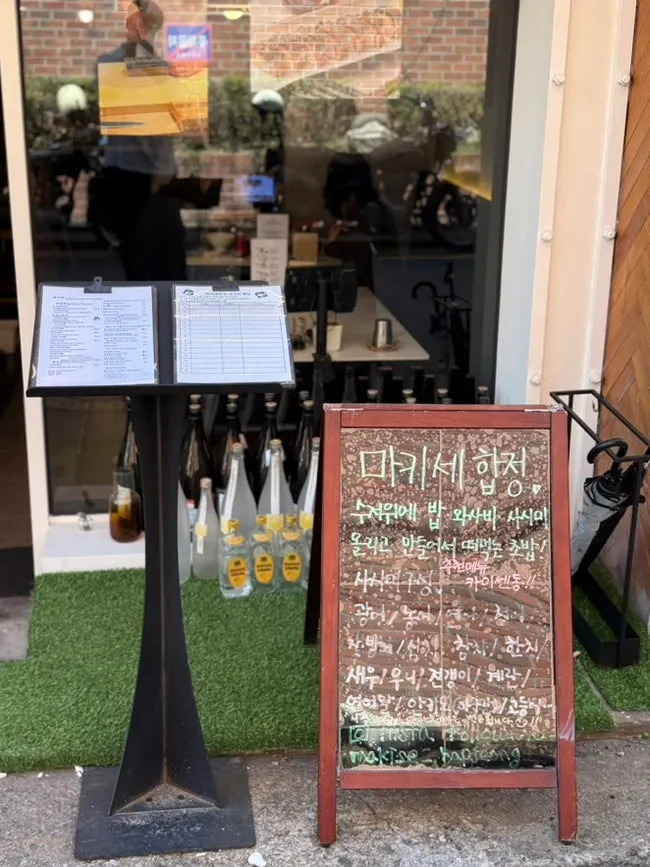
Makise Hapjeong menu and prices, including the sets for two
2-person set A comes with 2 kaisendon + 2 cheese fries + 1 drink, and set B comes with 2 kaisendon + 2 cheese fries + 2 alcoholic drinks. If it's your first time here, I'd still recommend starting with the signature kaisendon.
Candy to finish the meal at Makise Hapjeong
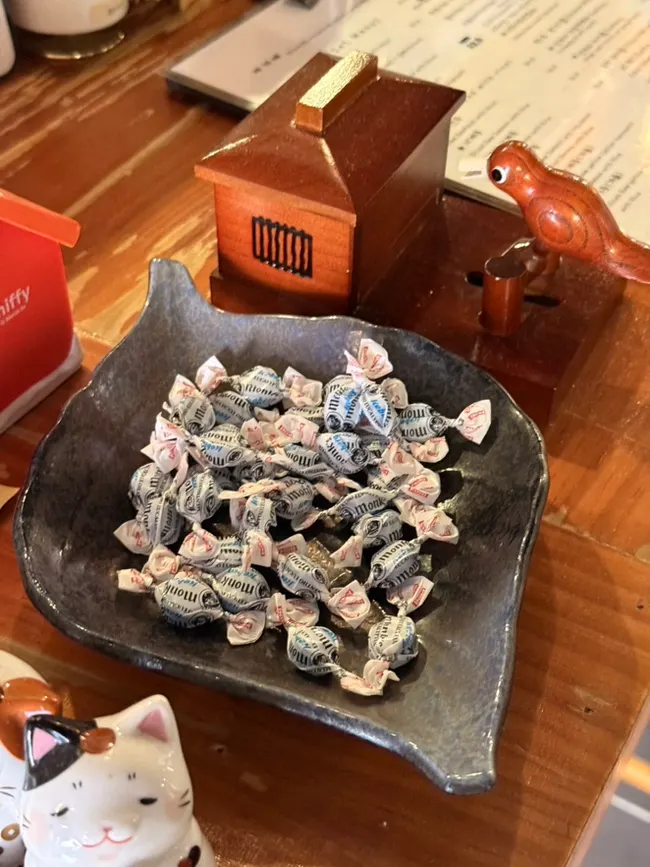
After finishing the kaisendon and the final sushi piece, they gave me candy too. It's not a big gesture, but this kind of small finishing touch tends to stick with you haha. It started with the smell of freshly cooked rice, moved through picking and trying several sashimi, ended with one sushi piece made from my favorite fish, and finished with candy. There was a quiet enjoyment in the whole process of eating this meal.
Looking for kaisendon in Hongdae or Hapjeong? What I'd order again
If I had to pick just three things I remembered most after eating at Makise, it's this: Koshihikari rice, fresh sashimi, and that final sushi piece. The rice, especially, really surprised me.
Since it's kaisendon, I naturally expected the seafood to be what stuck with me, but the smell of freshly cooked rice when I walked in was what caught me first, and eating each sashimi one by one on rice was fun too. If you're in Hapjeong or Hongdae and want a kaisendon with several kinds of sashimi for around 20,000 won, it's worth a visit. And if you love uni like me... add the uni haha.
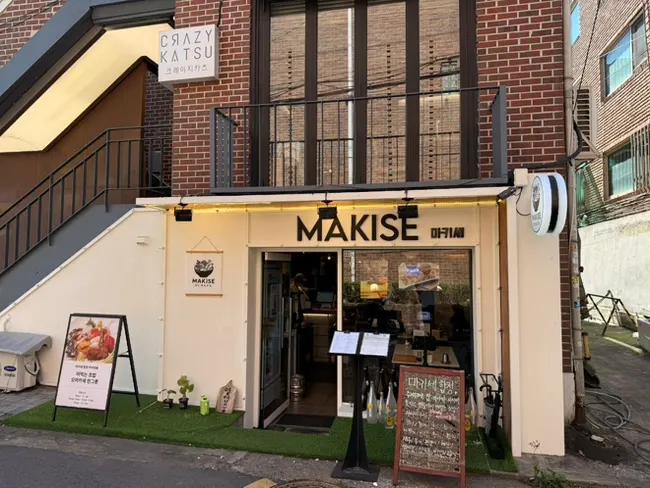
Makise Hapjeong is a kaisendon restaurant where fresh sashimi was good, but the smell of freshly cooked Koshihikari rice is what stuck with me most. The base bowl is plenty, but if you like uni, I'd recommend adding it. And at the end, be sure to have them turn your favorite sashimi into a sushi piece!
Where it is
44 Poeun-ro 2na-gil, B01, basement level, Mapo-gu, Seoul, South Korea서울특별시 마포구 포은로2나길 44 지층 b01호