Gongneung-dong ramen shop: L-size tsukemen with menma, Torikokoro
In short
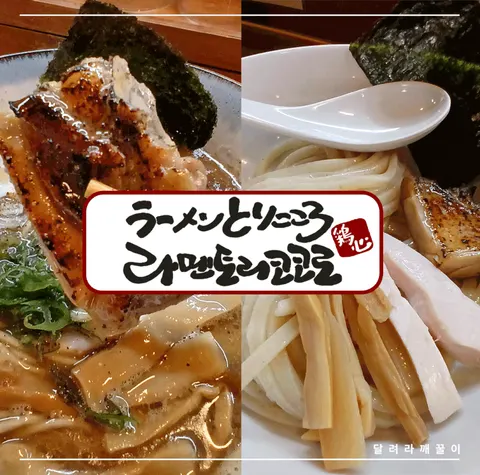
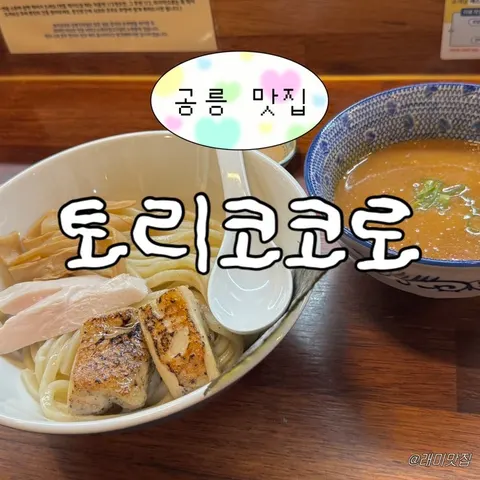
Torikokoro Gongneung Direct Store is a ramen and tsukemen restaurant in Gongneung-dong, Nowon, Seoul, where both the broth and the noodles are made in house. The L-size tsukemen with extra seaweed and extra menma (seasoned bamboo shoots) came with chewy fresh noodles that taste grain-sweet on their own, chicken breast as tender as sous vide, char-grilled chicken, and a perfect soft-boiled egg. Because L adds the egg and more toppings than M, L size is the one to order at Torikokoro.
Good to know
- Location
- 10 Gongneung-ro 35-gil, basement level, Nowon-gu, Seoul (about 12 minutes on foot from Gongneung Station, 11 minutes from Taereung-ipgu Station)
- Menu
- Four dishes: tsukemen, karai miso (spicy miso) tsukemen, mazesoba, niboshi shoyu ramen
- Sizes
- Tsukemen size and noodle amount are your choice; L includes an egg and more toppings than M
- Seating
- All bar-counter seats, and few of them, so expect a possible wait
- Parking
- No dedicated parking; use a nearby paid lot (no parking validation)
- On the table
- Pepper, kelp vinegar and a water dispenser
as written by the visitor on Sep 22, 2026
Where is Torikokoro Gongneung Direct Store, and where do you park?
Torikokoro Gongneung Direct Store is a Japanese-style ramen and tsukemen shop about a 12-minute walk from Gongneung Station and 11 minutes from Taereung-ipgu Station. That side of the neighborhood has plenty to see and plenty of good restaurants, so it's a nice area for a leisurely walk.
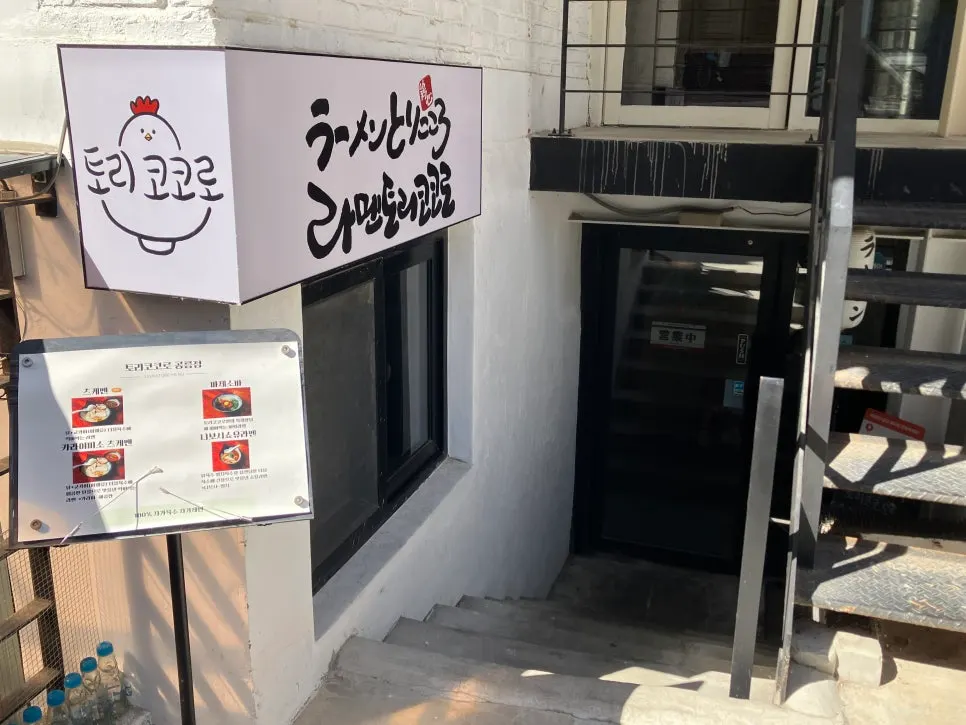
Torikokoro Gongneung Direct Store
There's no dedicated parking space, so you'll need to use a nearby lot. No parking support is offered!
The four-dish menu, and how tsukemen M and L differ
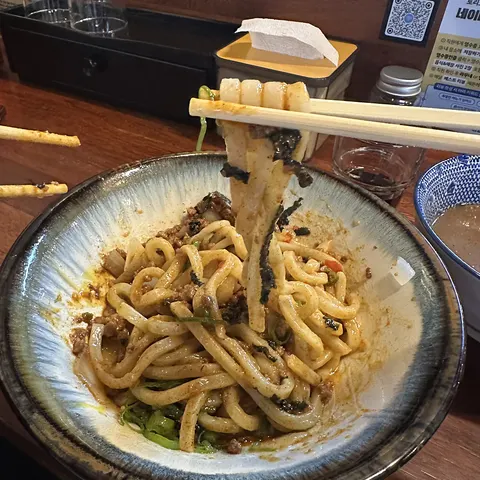
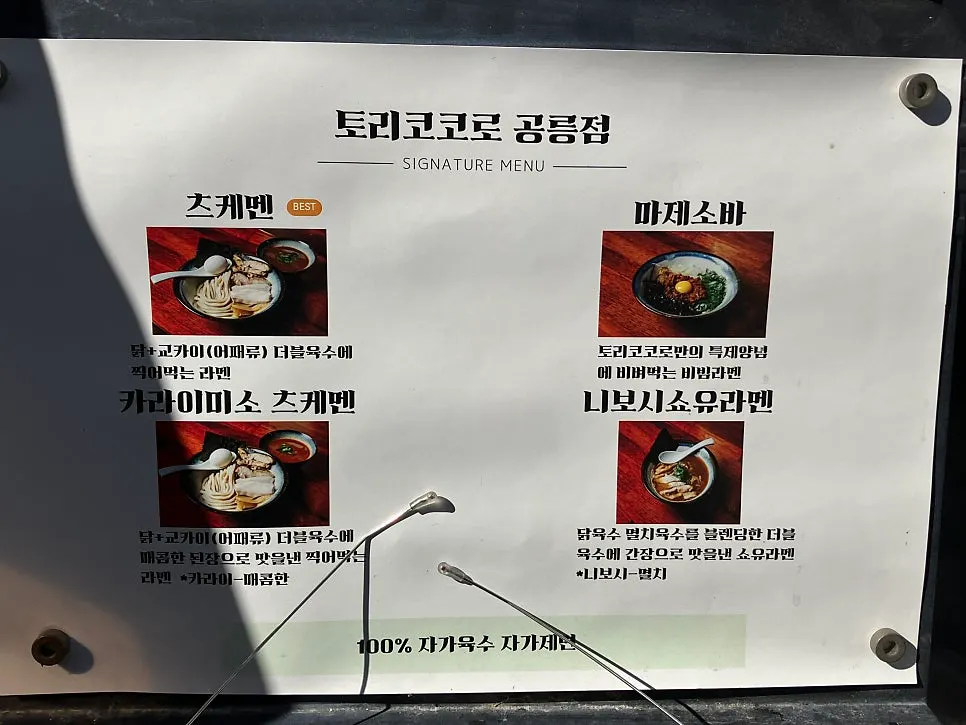
Torikokoro's menu has four items: tsukemen, karai miso tsukemen, mazesoba, and niboshi shoyu ramen. Everything is 100% house broth and house-made noodles, so I was really looking forward to it.
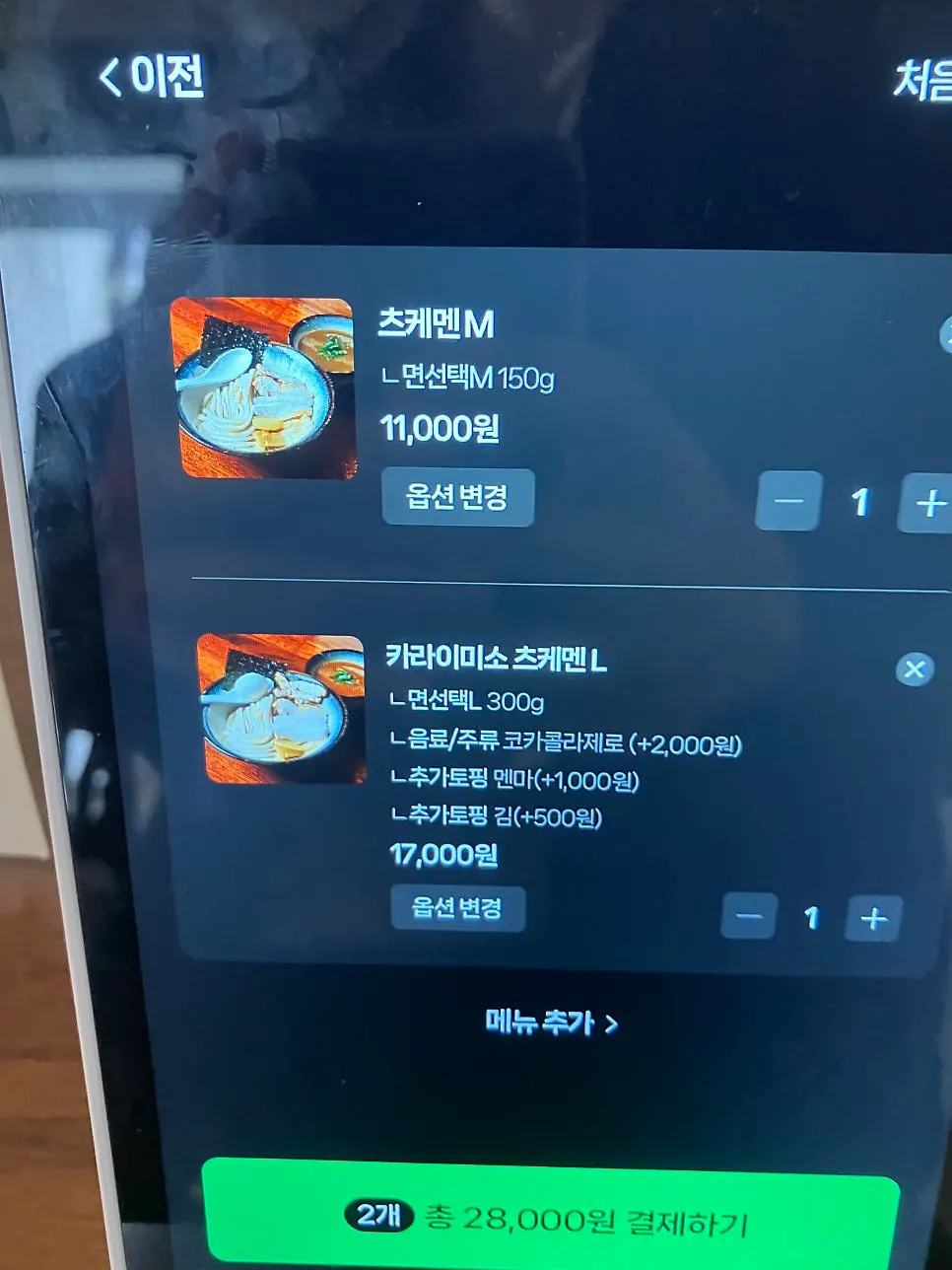
For tsukemen you can choose the size, and within each size choose the noodle amount. Toppings can also be added! The karai miso option has a spicy note, but it's not very hot — just a faint hint of spice. There's a noodle-amount difference between tsukemen M and L, but also a difference in whether egg is included and how much topping you get, so personally I recommend going with L!
Inside Torikokoro: bar seats and solo dining
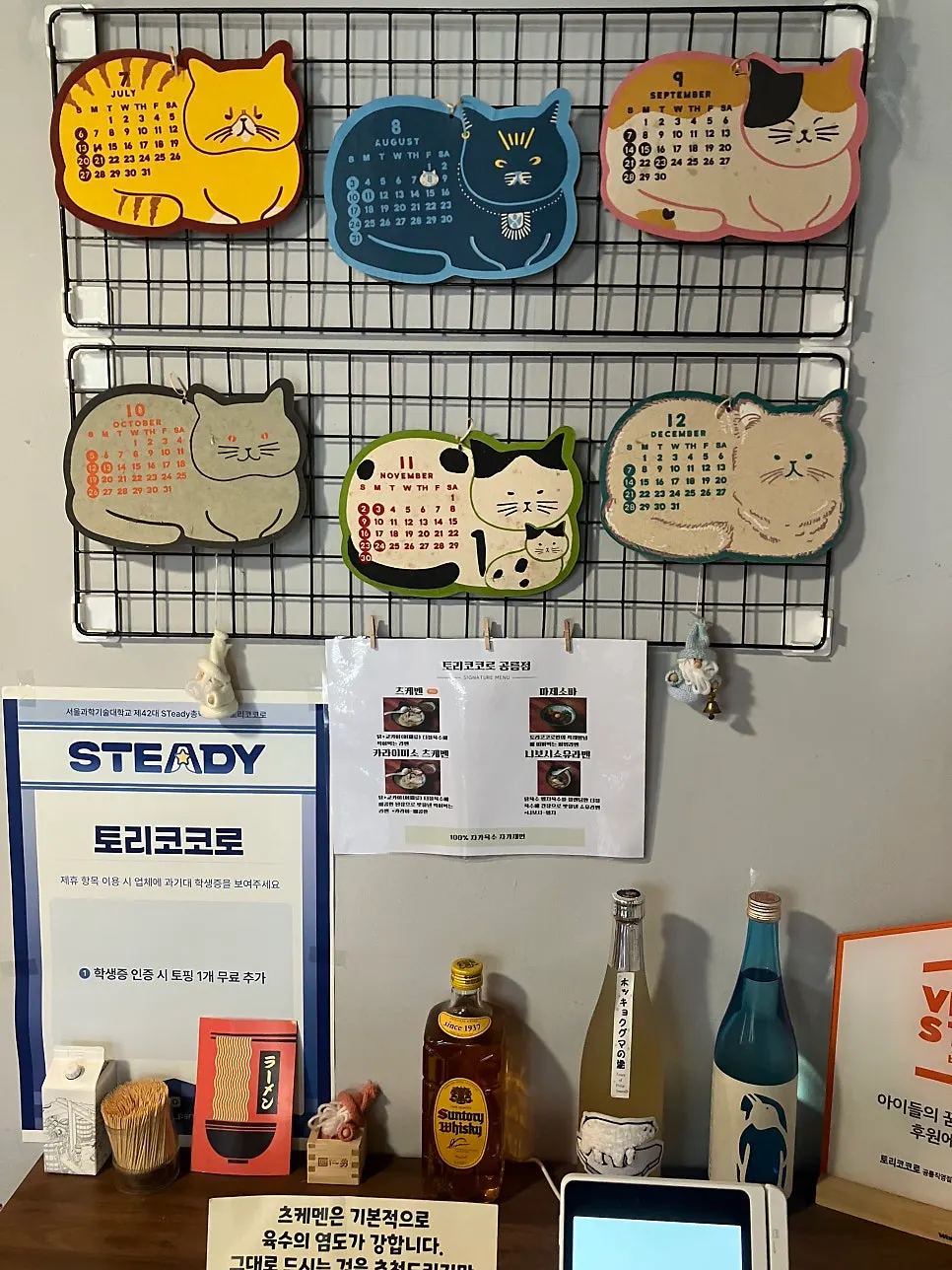
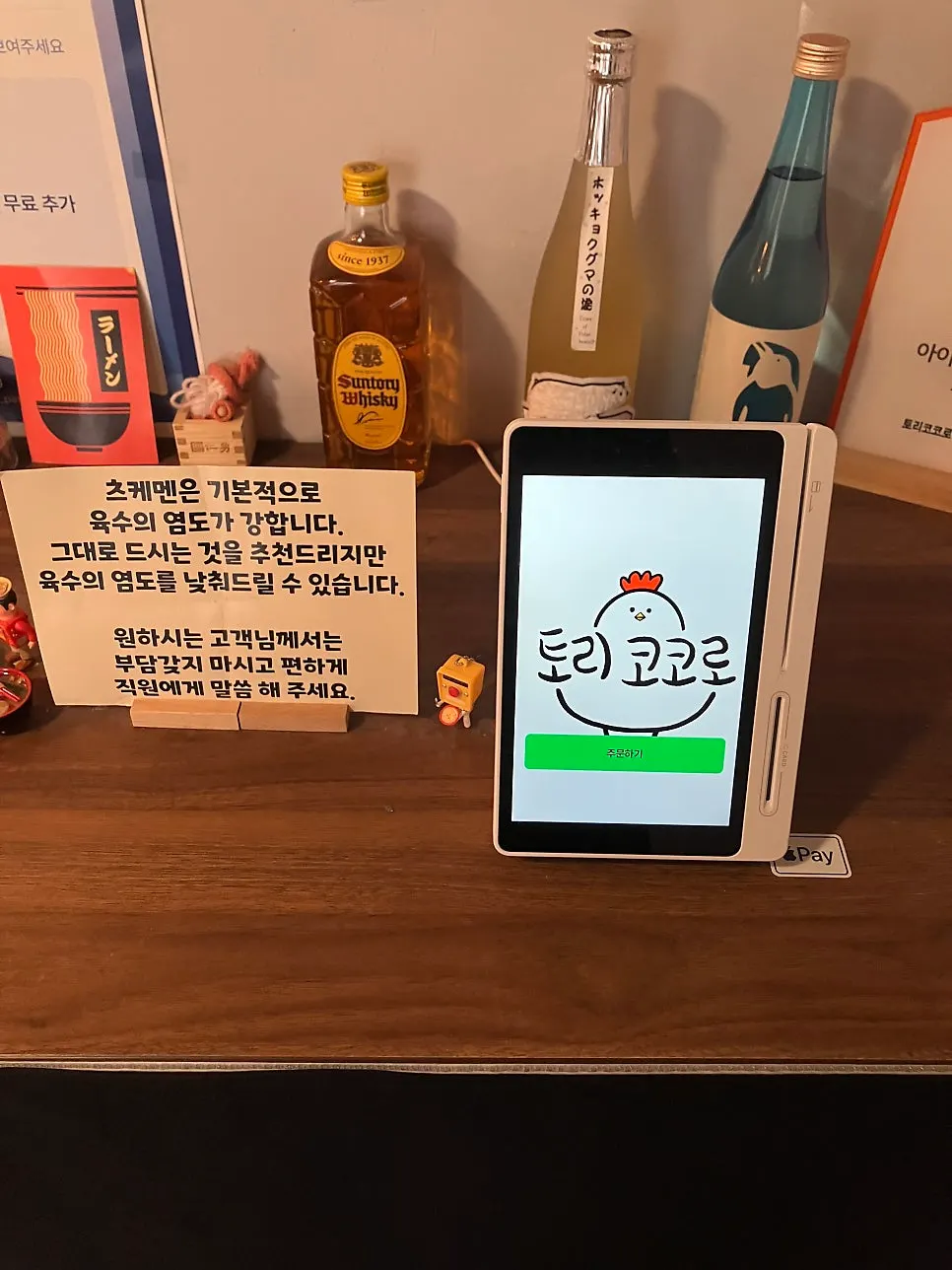
You order first when you come in, then take a seat!
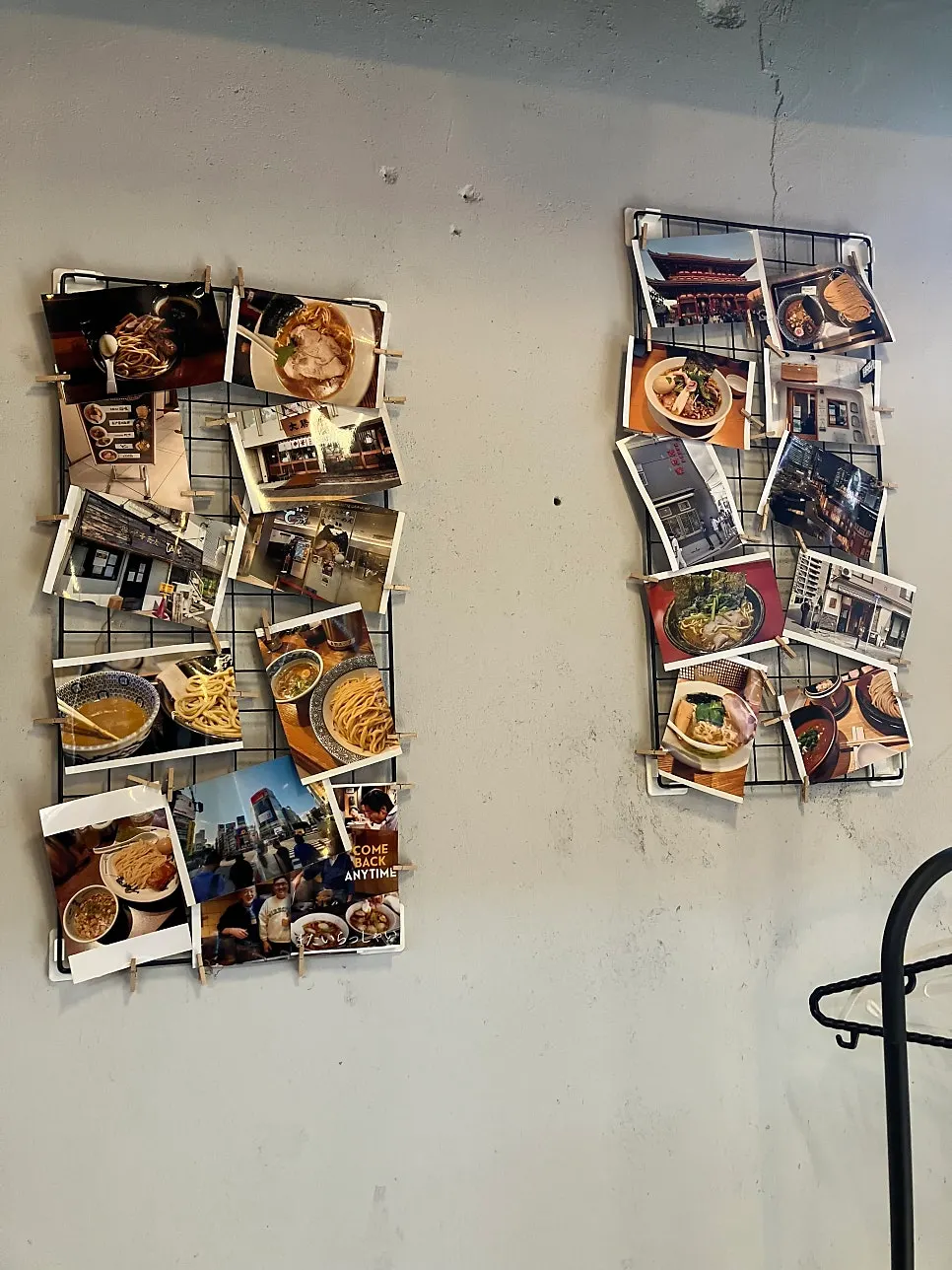
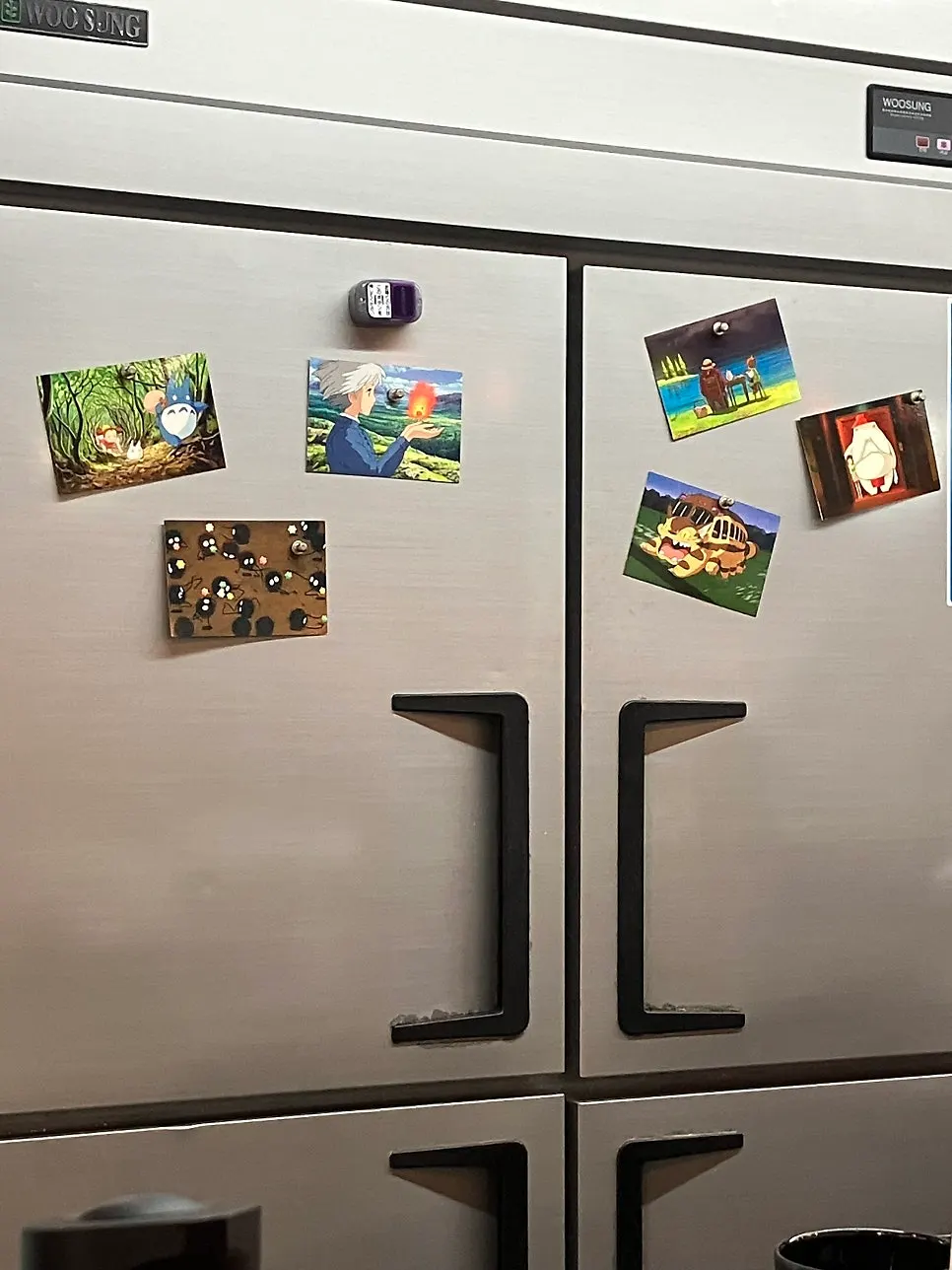
There are some cute photos around the shop too. Very charming.
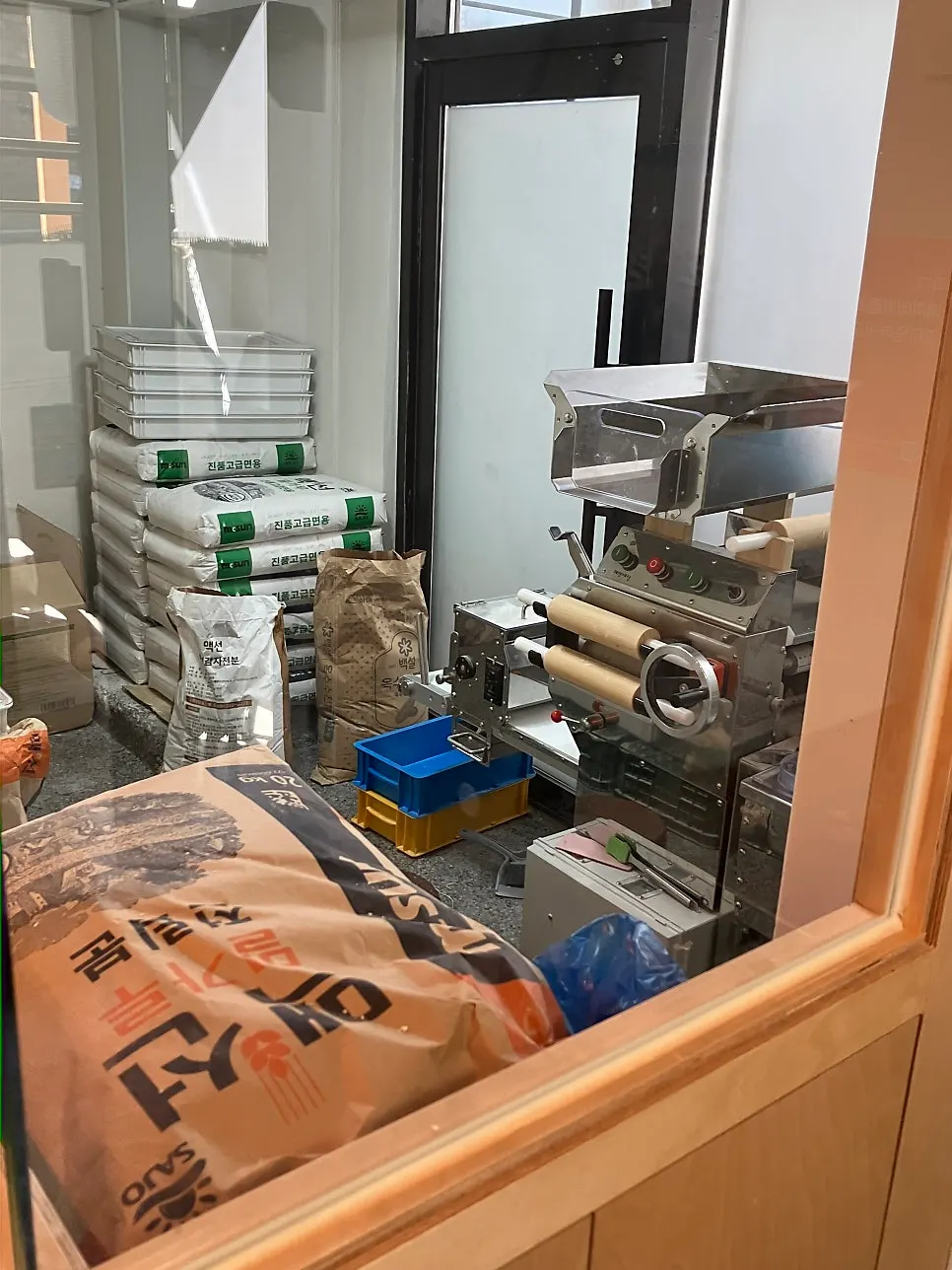
True to their house-made noodles, there's a separate area where they make fresh noodles. House-made noodles and house-made broth at this price — that's real value, isn't it?
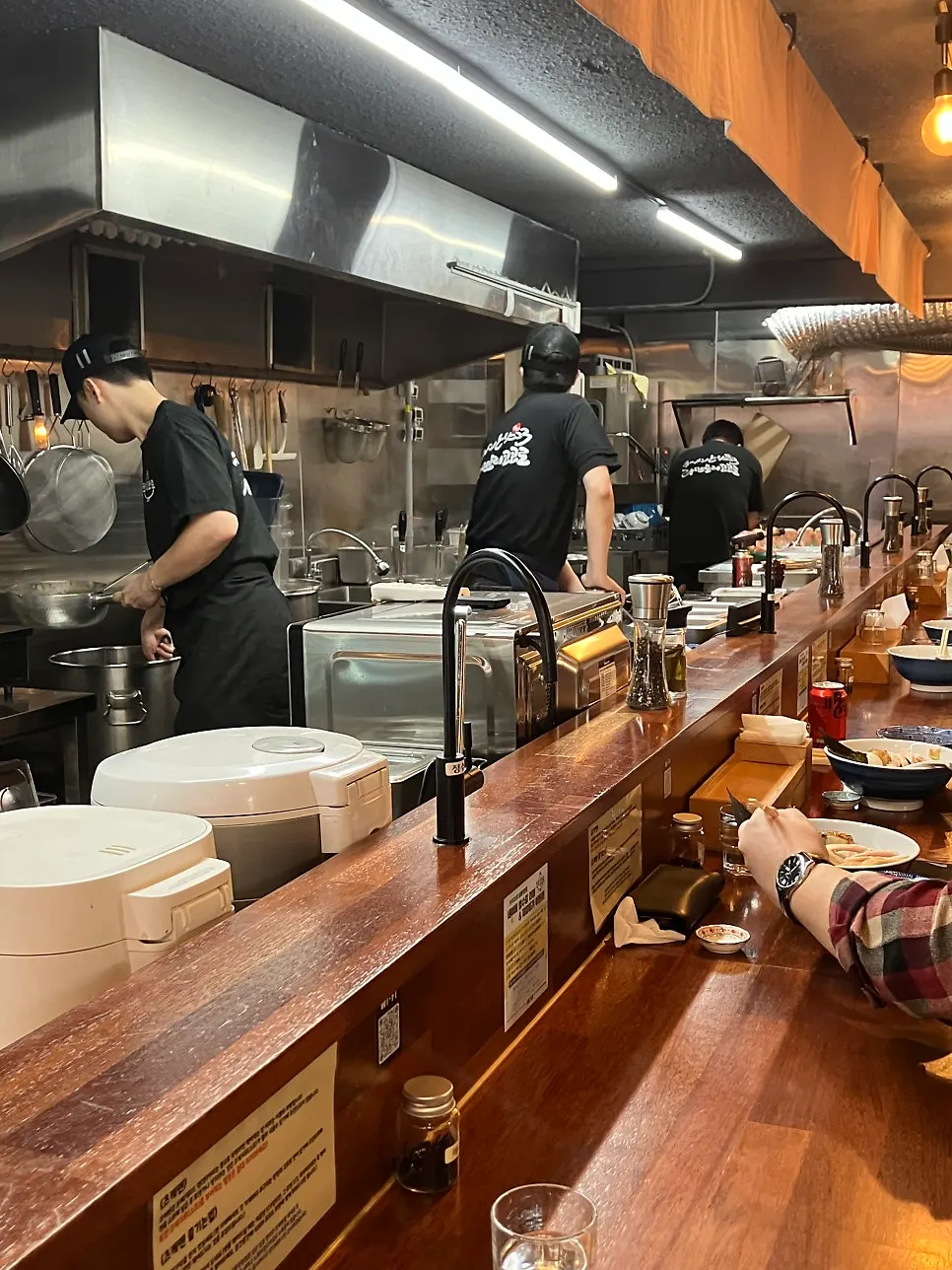
There aren't many seats inside, so there can be a wait!! Every seat is bar-table style, and there were a lot of solo diners. It seems like a great spot for eating alone.
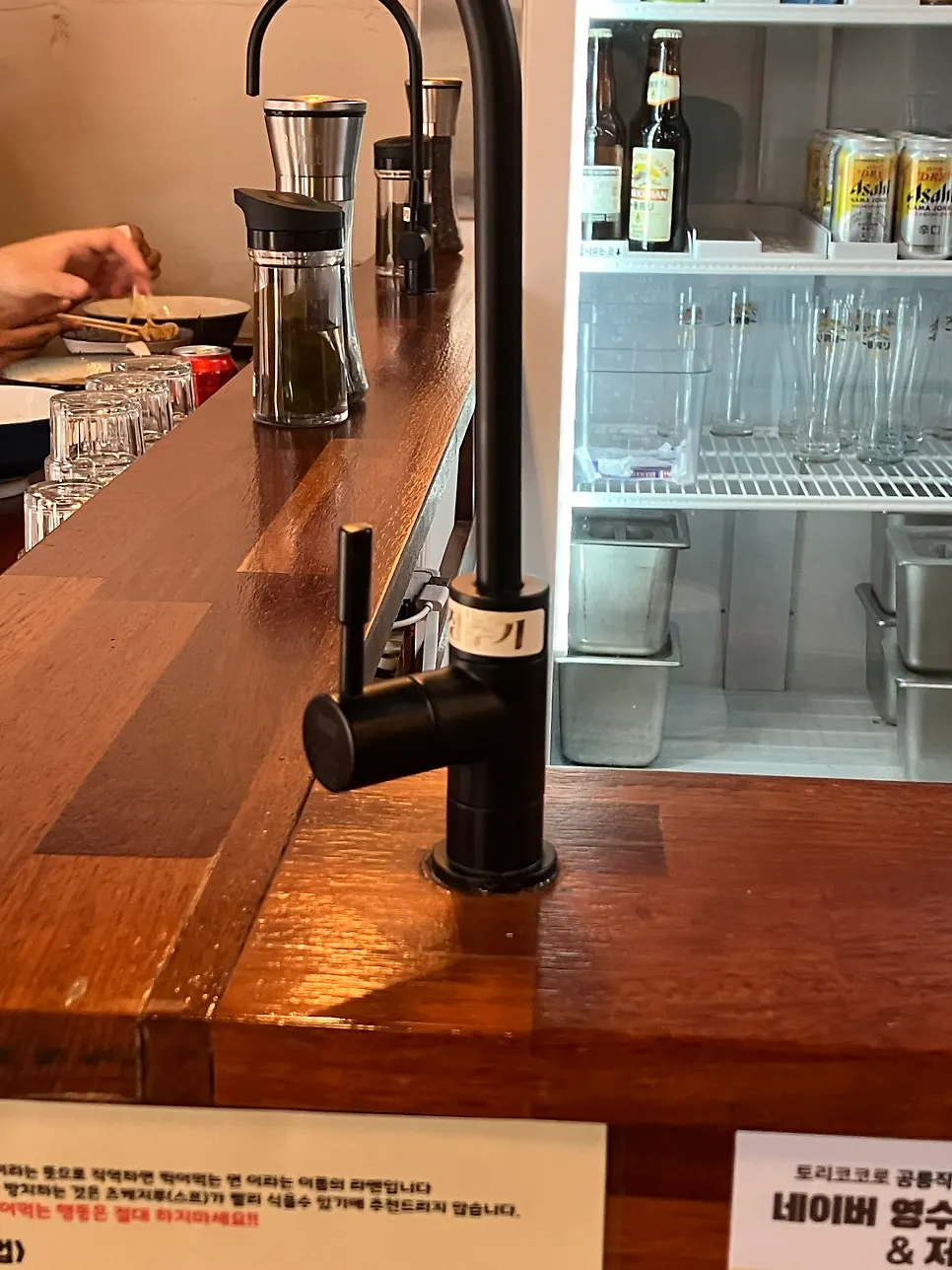
Each table had pepper and a kelp vinegar dispenser. A dispenser, of all things — I thought that was funny haha.
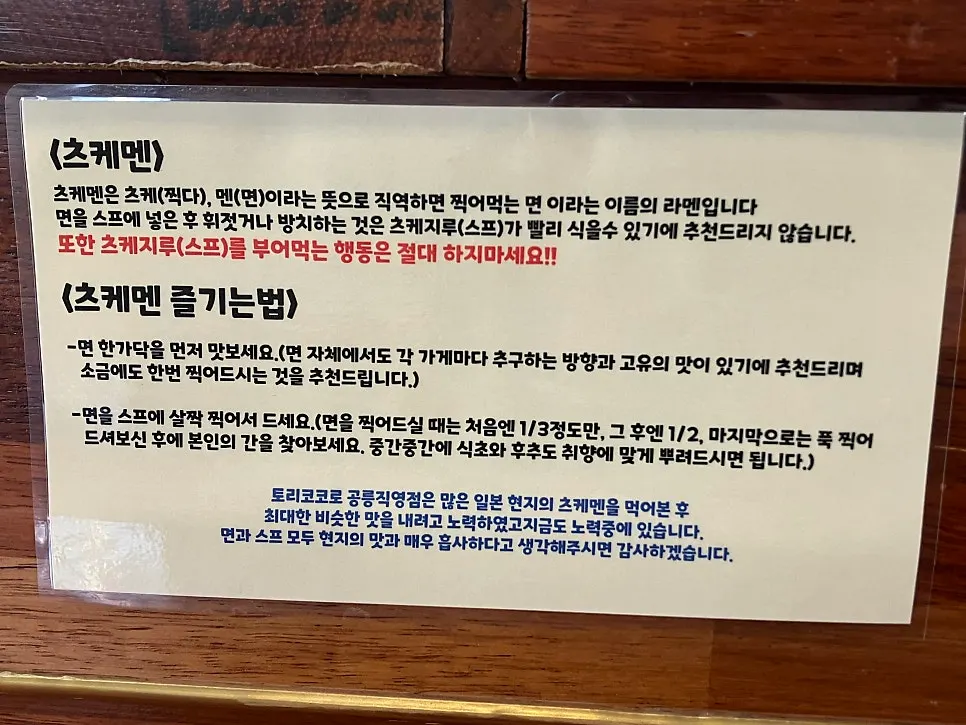
How to eat tsukemen and adjust the saltiness
Tsukemen is literally 'dipping noodles' ramen — pouring the broth over the noodles is not tolerated here.
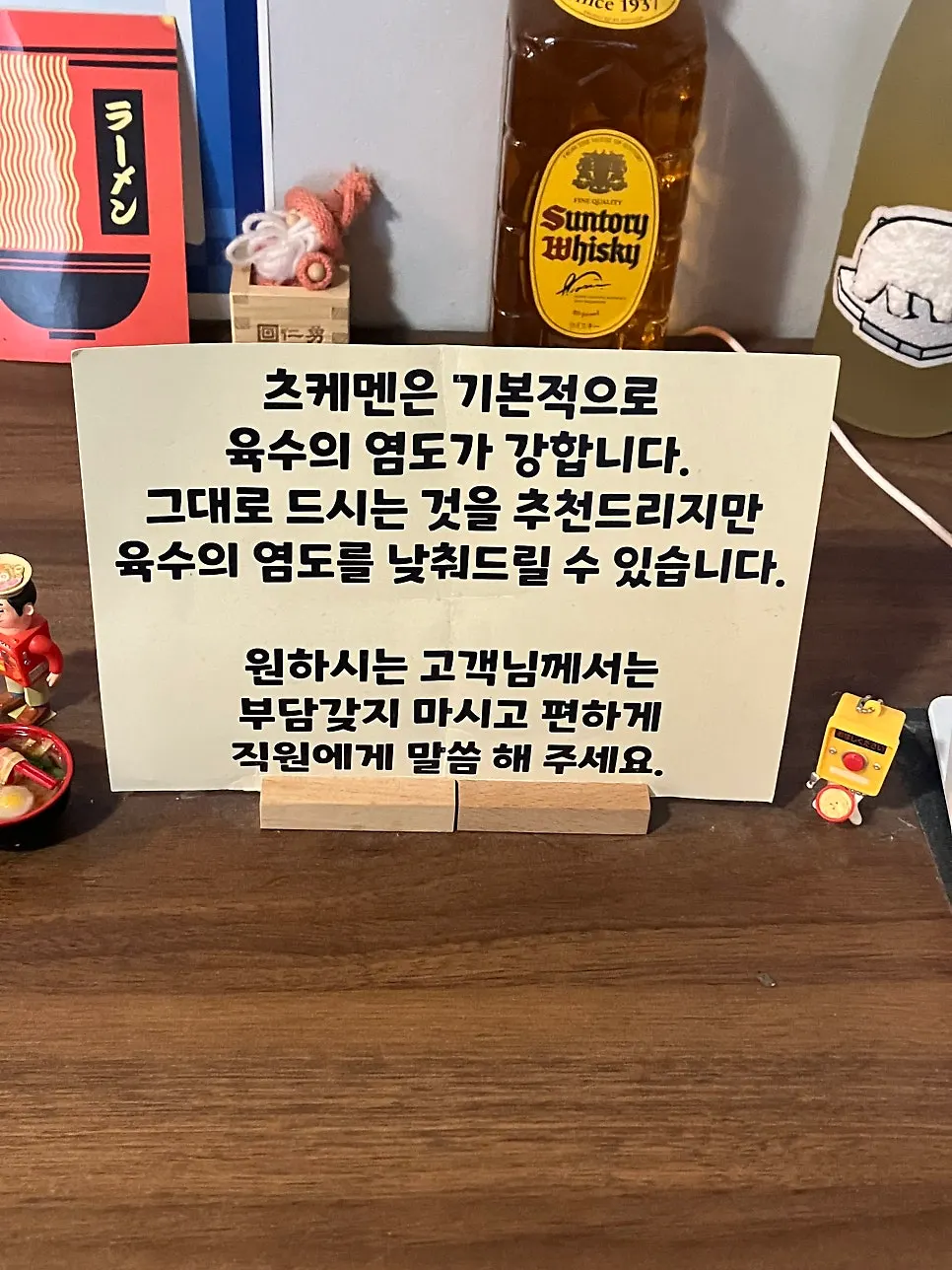
Also, the saltiness is fairly strong by default, but you can ask them to lower it if you want. It wasn't actually that salty though.
Salt comes out first. You're meant to dip the noodles lightly into this salt. It's a real delicacy on its own..
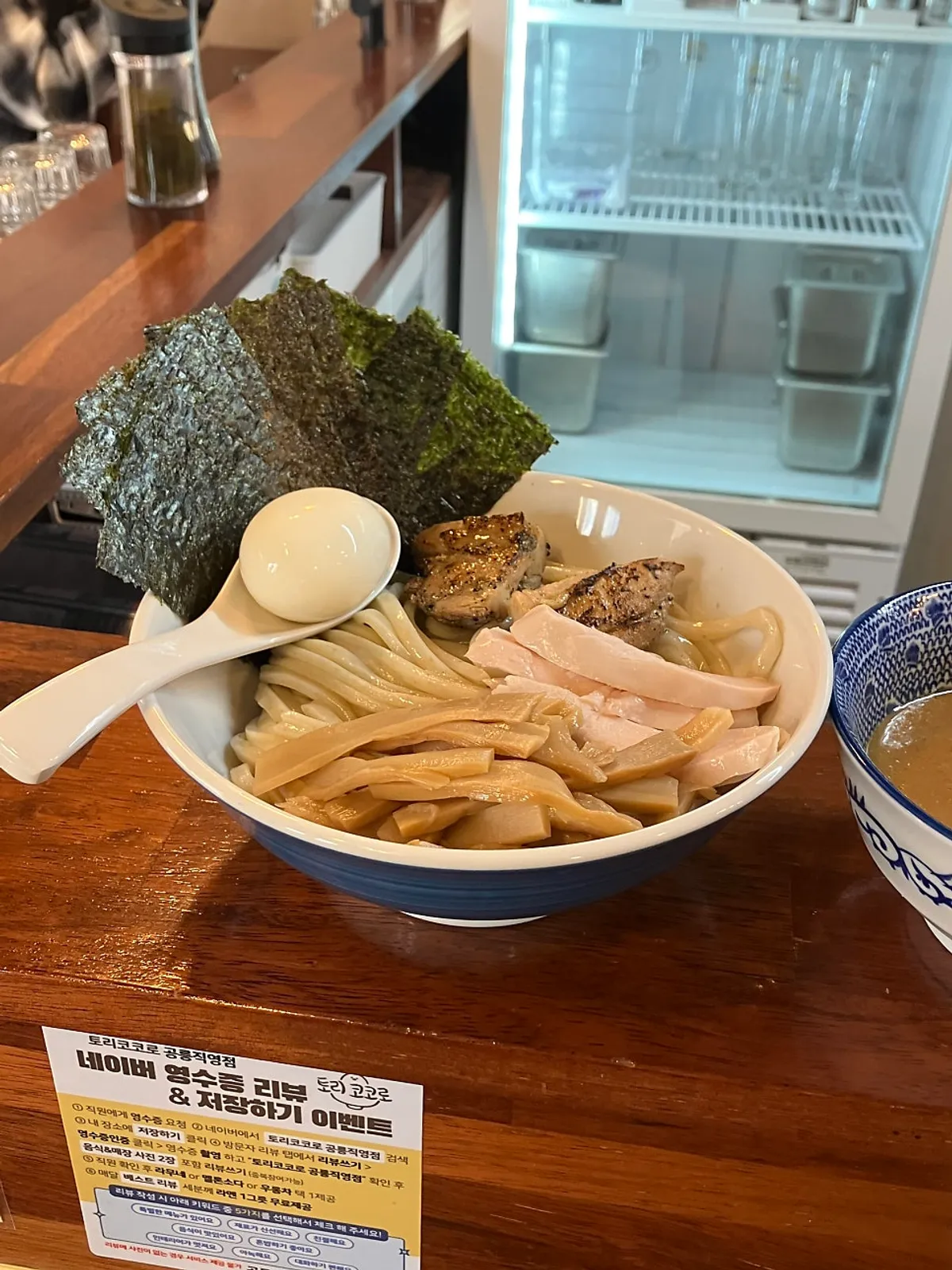
The L-size tsukemen with extra seaweed and menma arrives
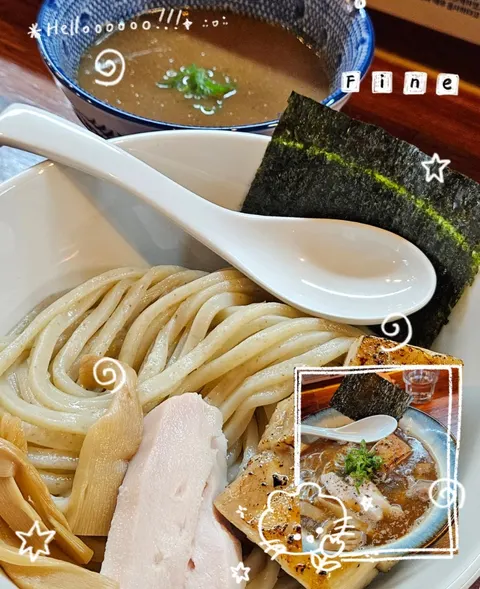
The tsukemen arrives!! I added extra seaweed and extra menma (bamboo shoots), so there was plenty of both piled on. Adding menma is a must.
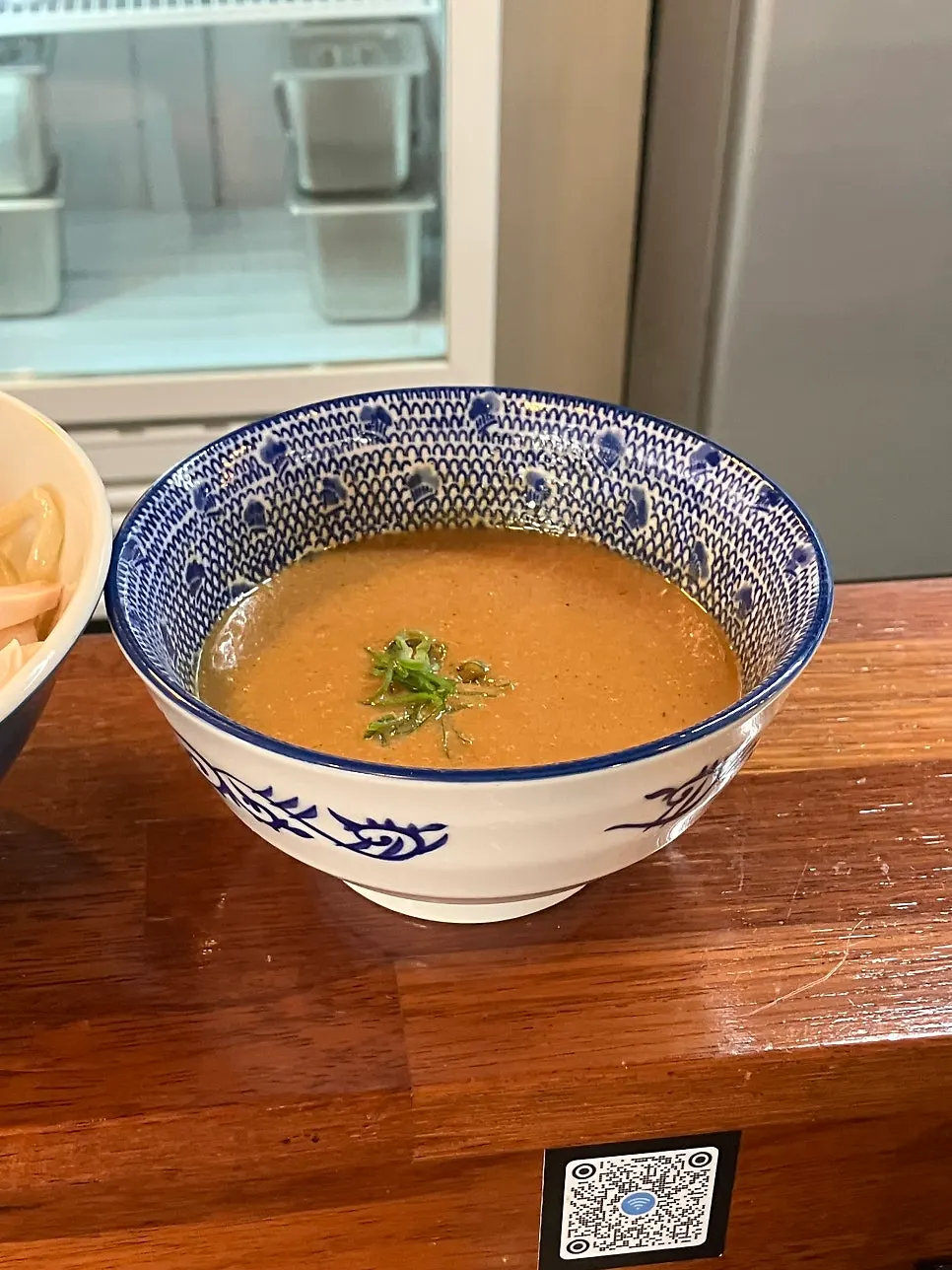
This is the tsukejiru (dipping broth). You dip your noodles in here — I shook a generous amount of the table pepper into mine. You're only supposed to stir it once or twice when it first comes out, but I kept stirring it while filming.
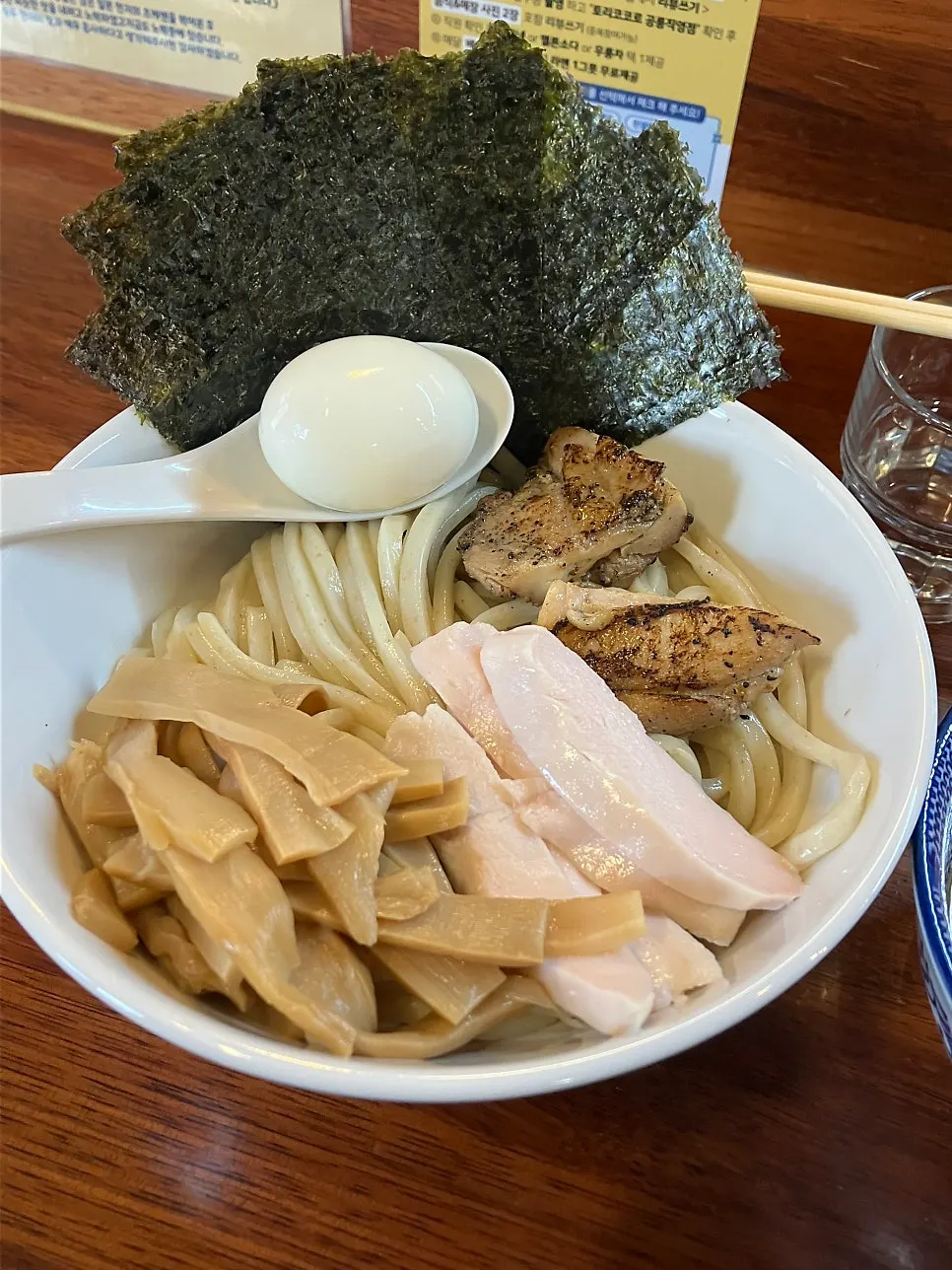
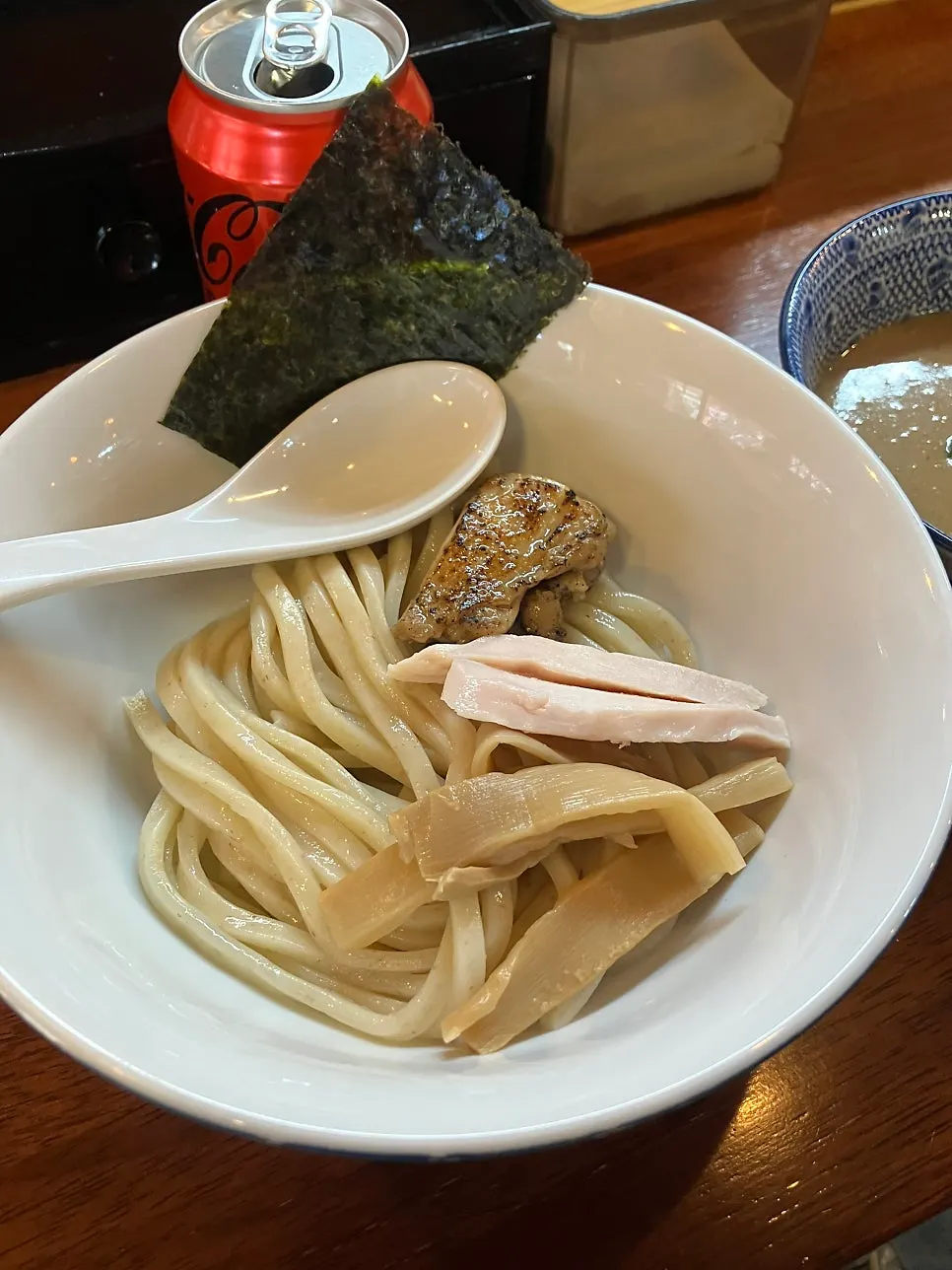
Even with extra seaweed and extra menma, the gap between L and M is significant. I really, really recommend the L size..
But did I actually finish all of this, you ask?
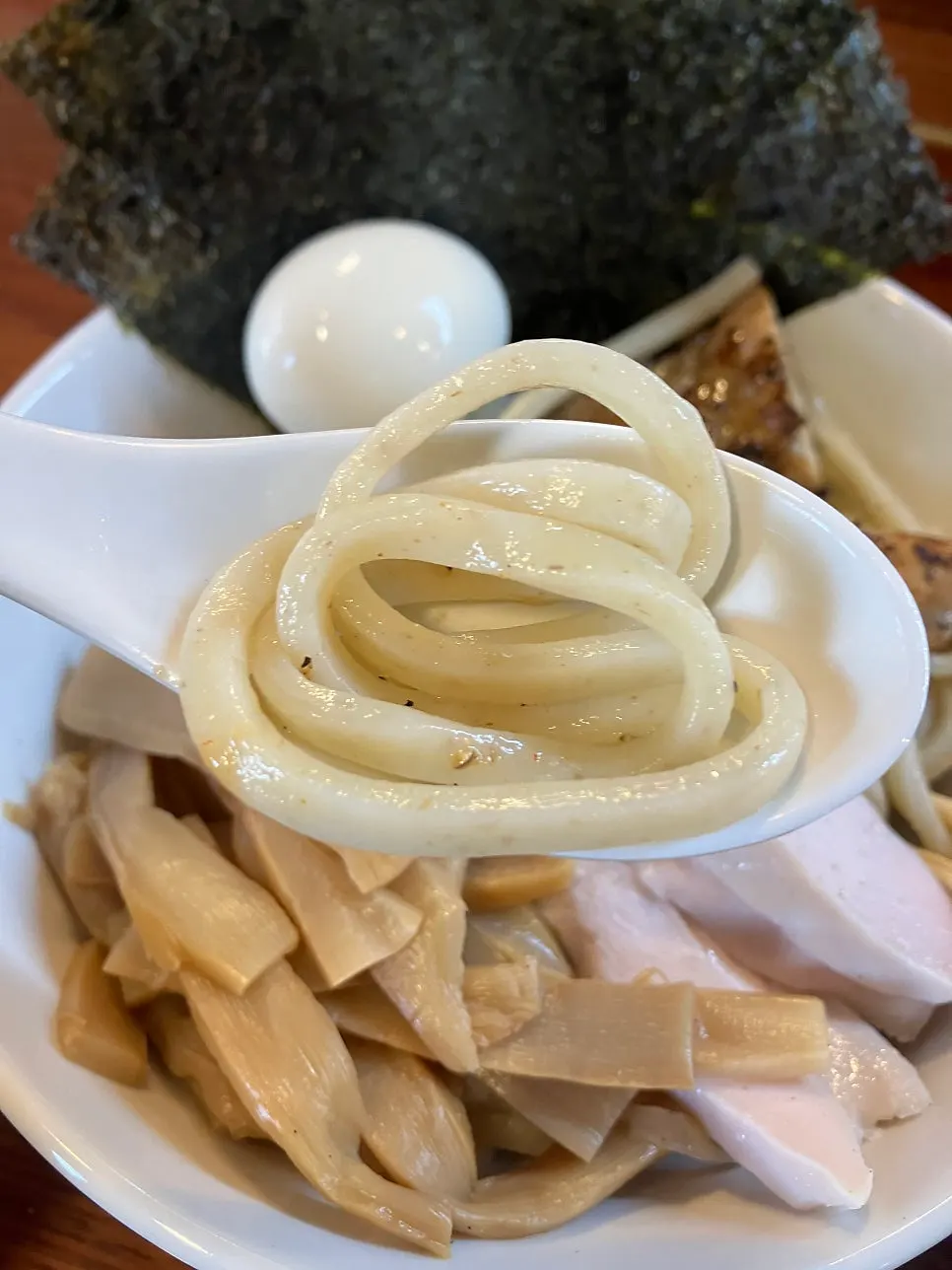
How do the house-made fresh noodles taste?
For your first bite, try the noodles plain. They're incredibly chewy and springy. Delicious even on their own. There's no strong raw-flour taste — instead you get the sweetness and nuttiness of the grain, which really comes through with house-made noodles.
Second, try dipping in salt. You can dab the noodles straight into the salt like I did, or move a small amount onto your chopsticks. It's such a delicacy — genuinely delicious, so I dipped in several more times.
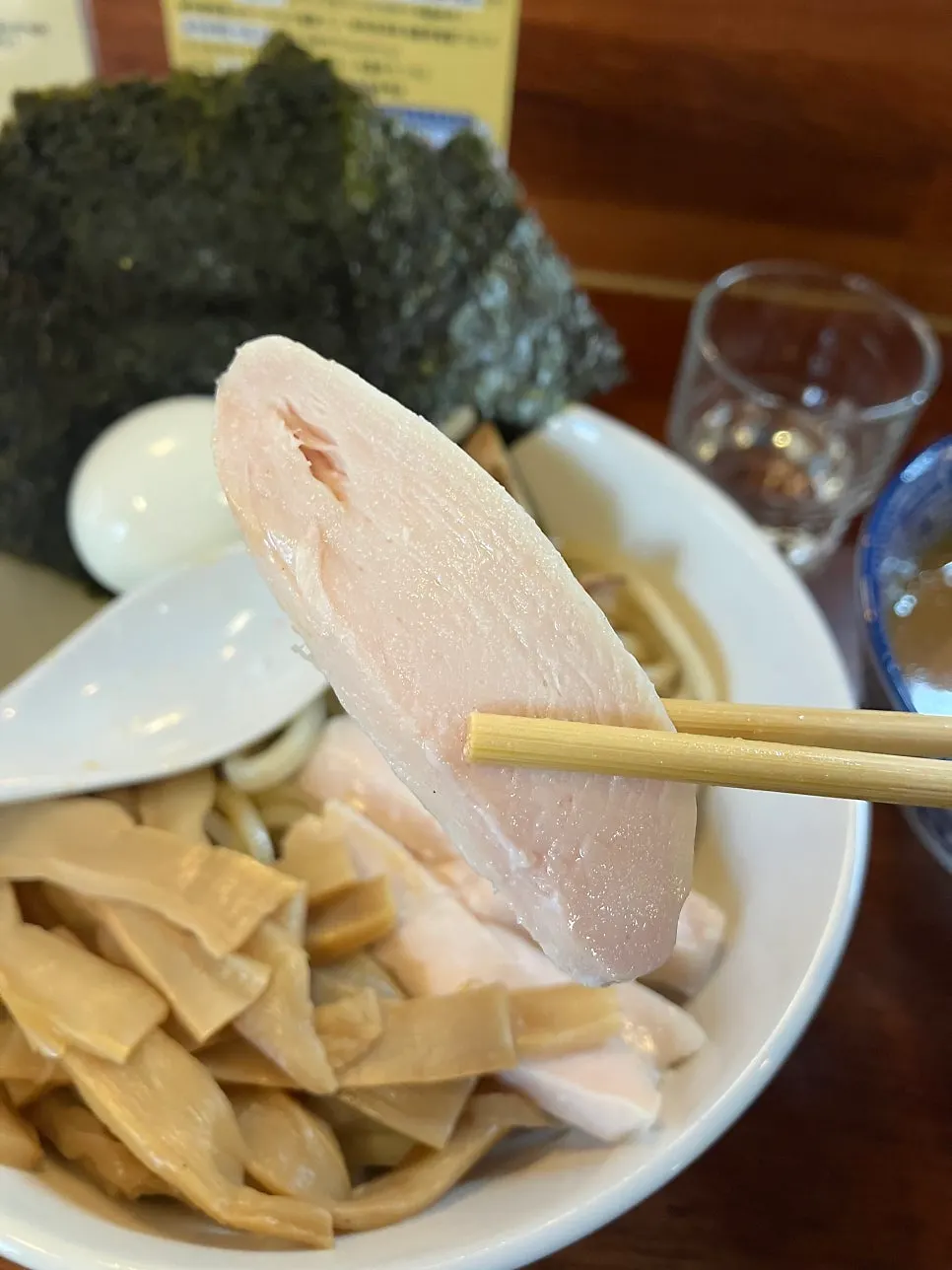
Chicken breast, char-grilled chicken and menma toppings
The chicken breast is genuinely tender. Not dry at all — soft like it was sous-vide cooked. So good.
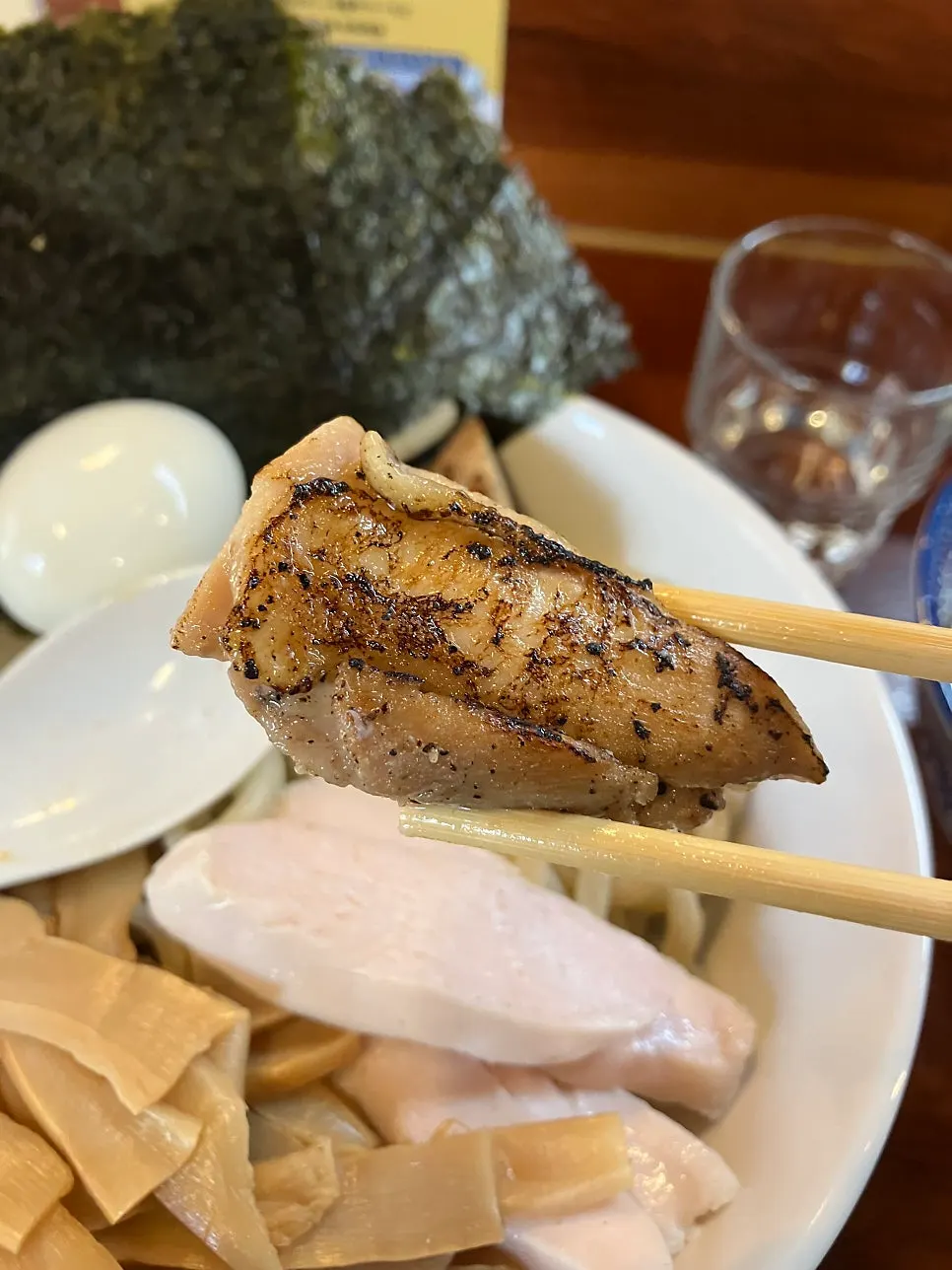
I'm not exactly sure which cut this is, but it's chicken that's been char-grilled, so it has a strong smoky flavor that's delicious and pairs really well.
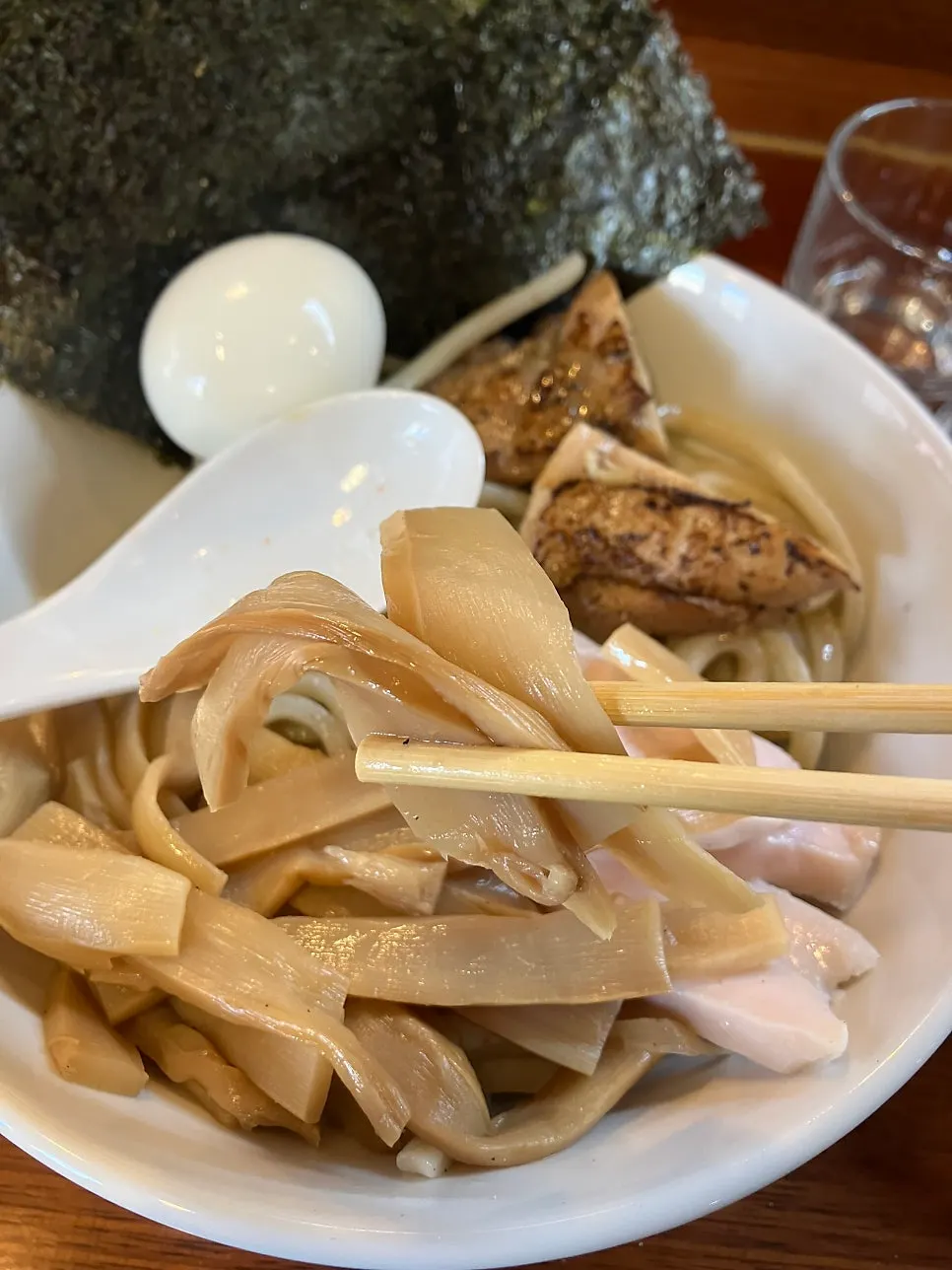
And the menma — of course it's good. Ramen is always better with menma.
How deep to dip in the tsukejiru, and when to add vinegar
Time for the real eating to begin. Start by dipping about 1/3 of the noodles, then 1/2, then finally dunk them all the way in — adjust to your taste as you go. Adding vinegar partway through brings out the flavor even more. It's not as dramatic a change as it is with mazesoba, where vinegar totally transforms the taste, but it's still delicious.
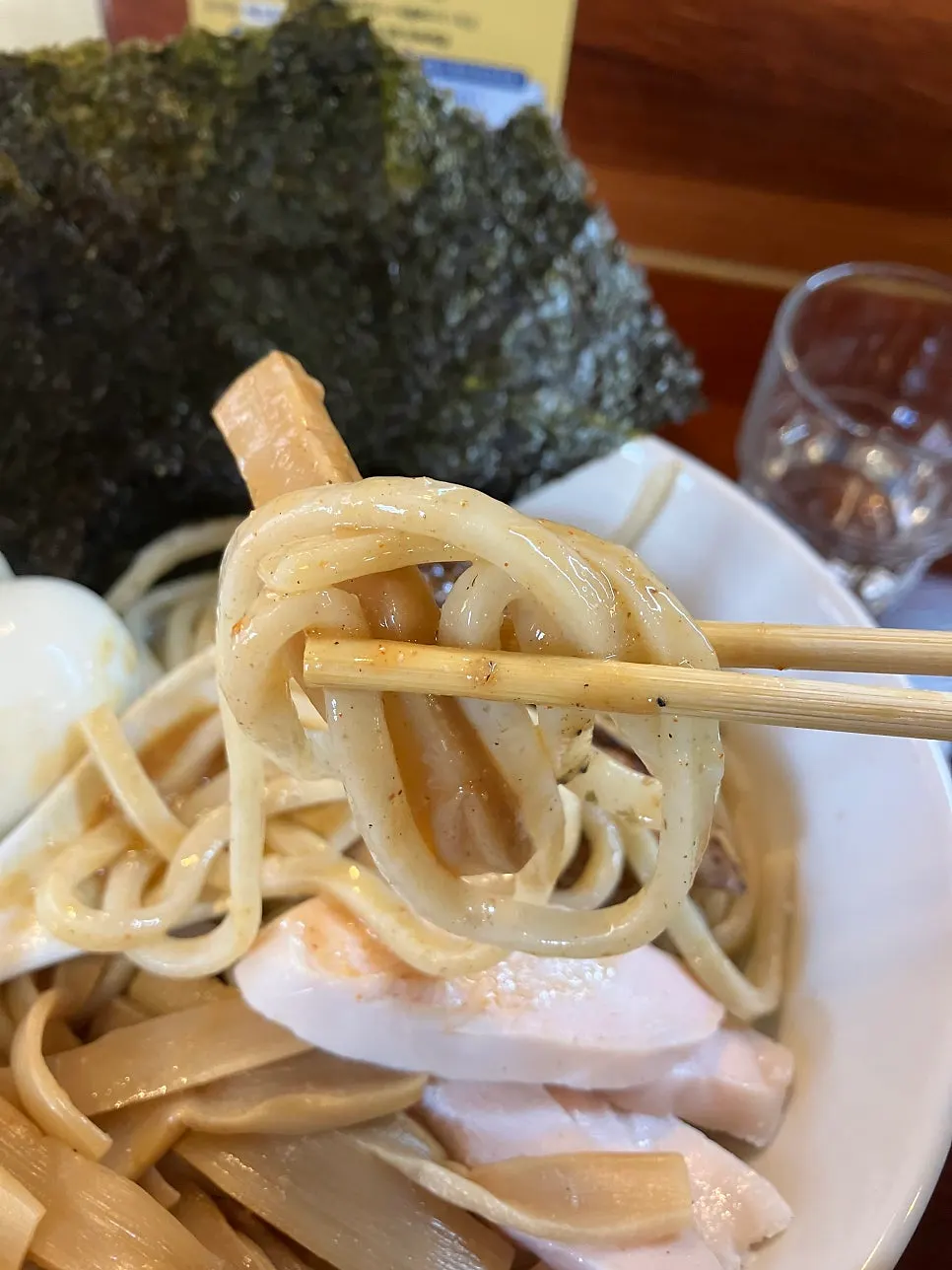
The tsukejiru is thick and rich, bursting with salty umami and waves of seafood aroma — seriously delicious..
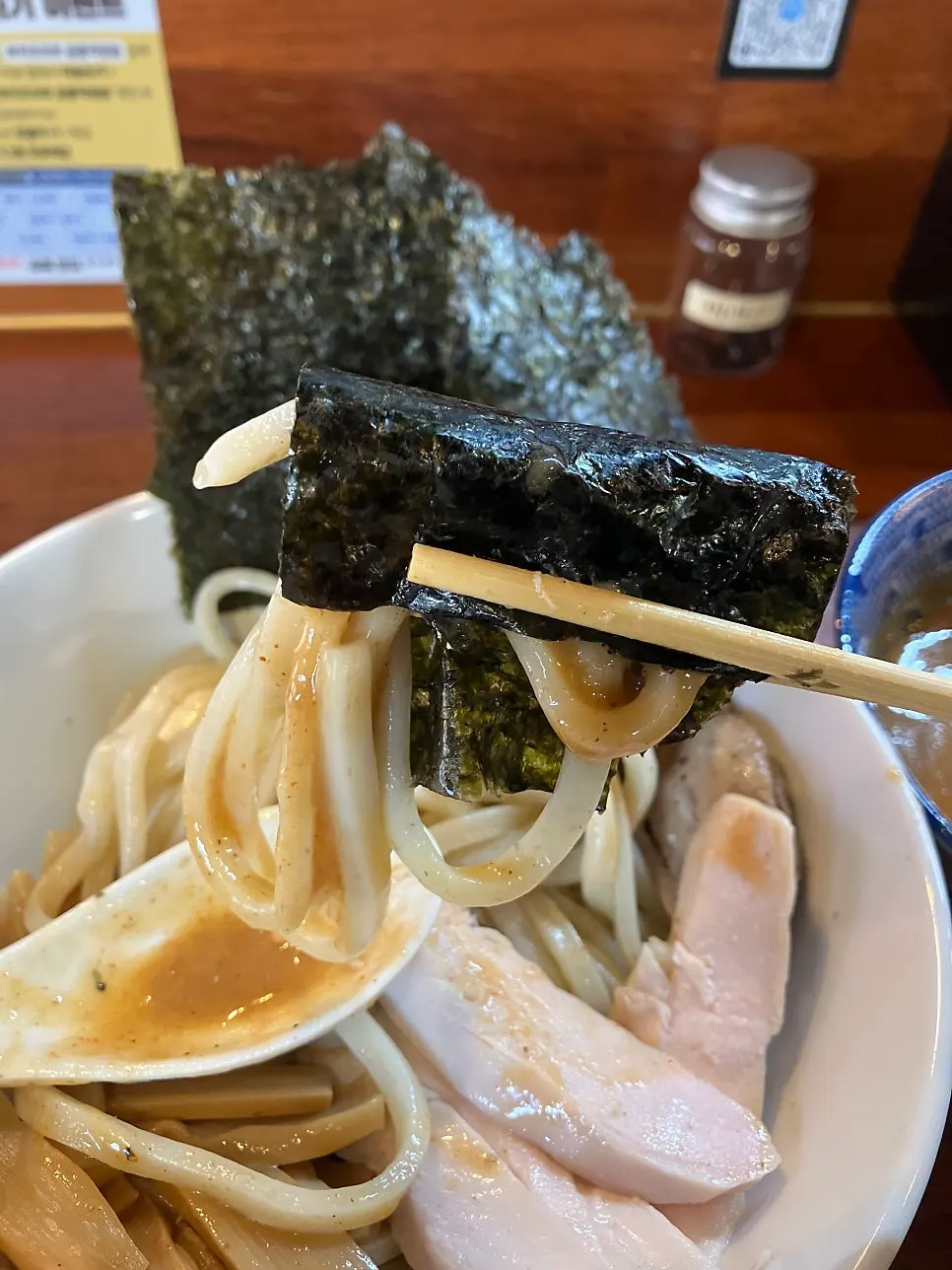
And eating it together with the seaweed is soooooo good. Adding extra seaweed is a must-must-must-must-must.
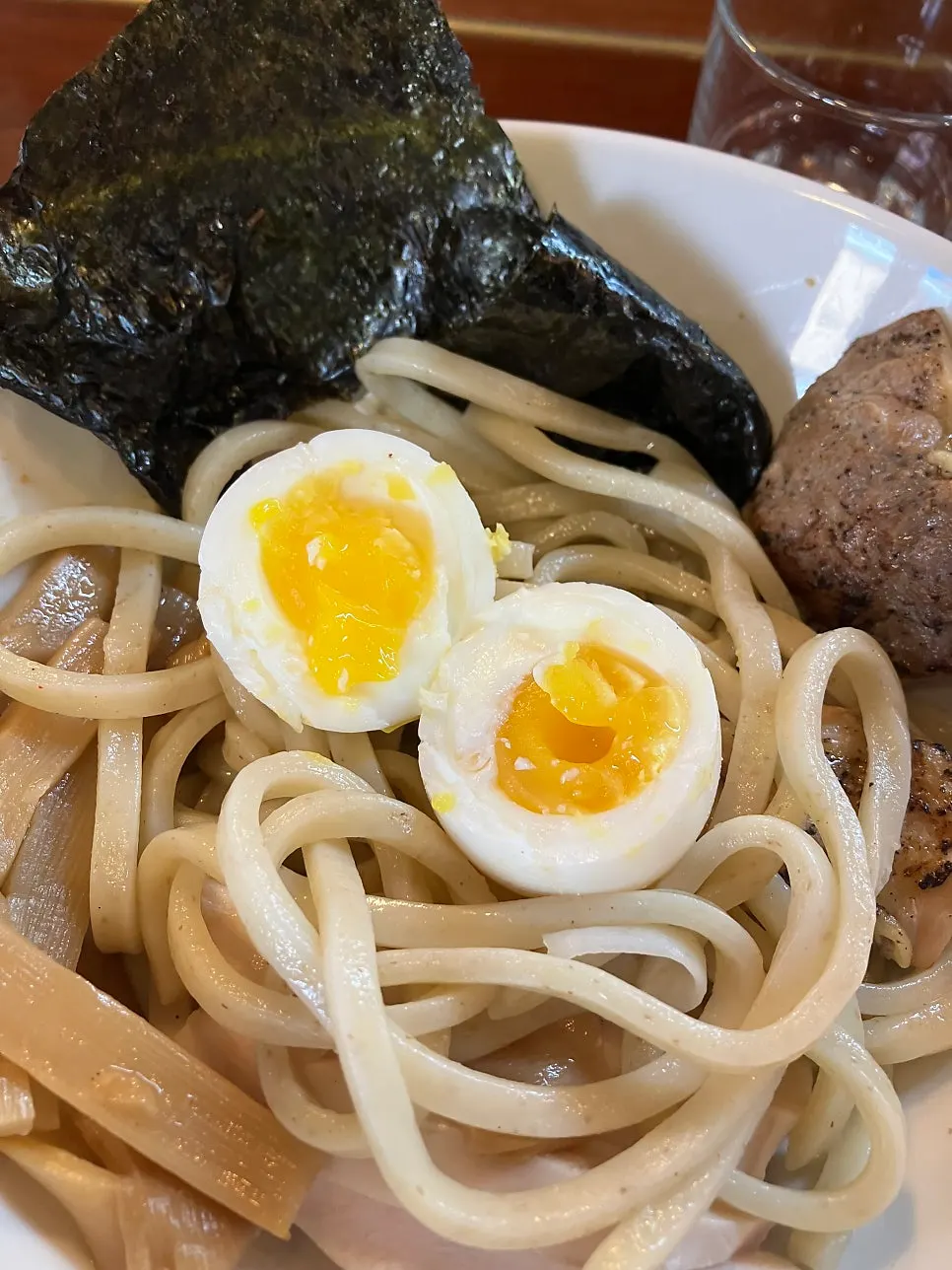
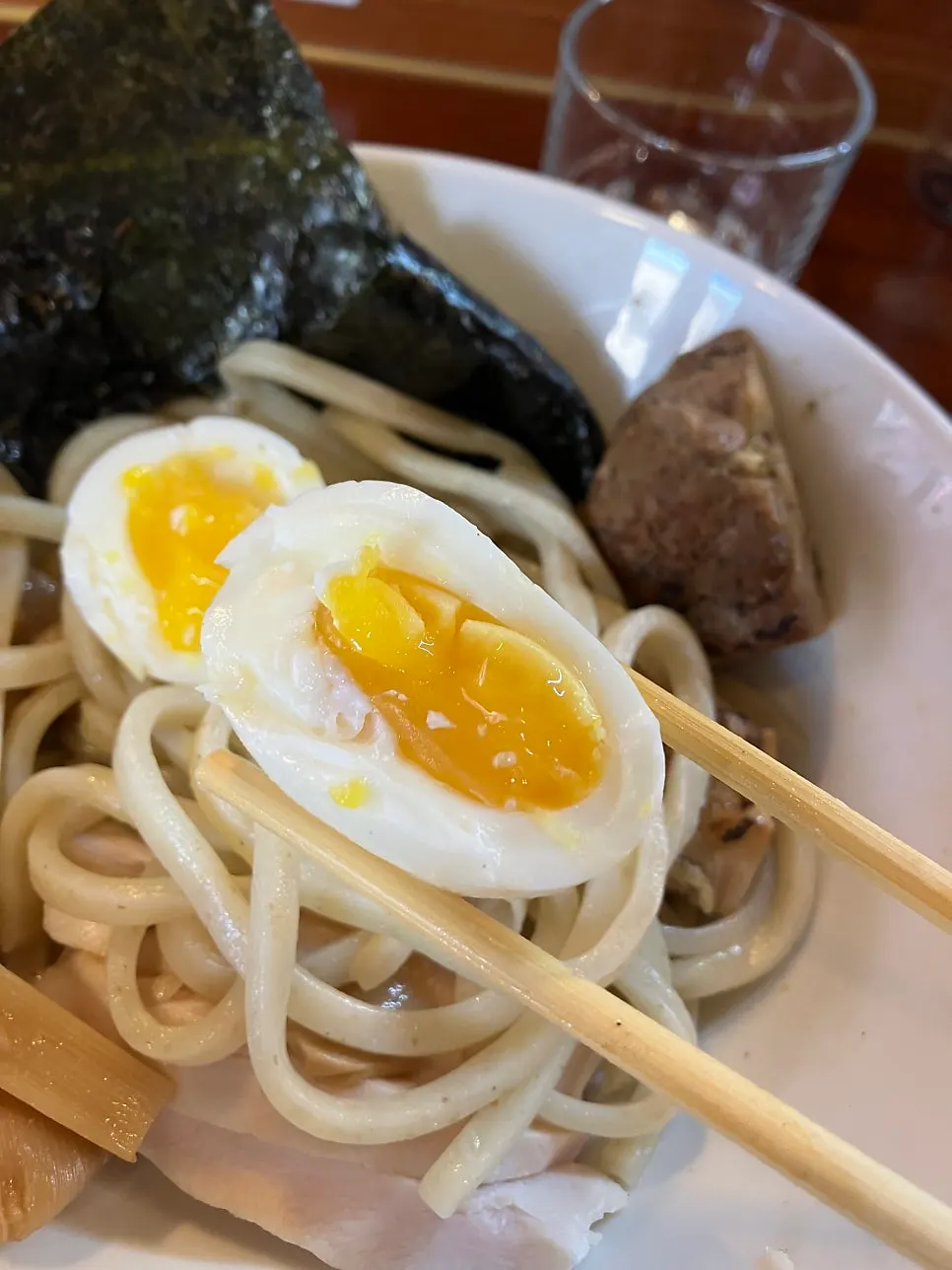
The egg was a perfect soft-boil too.
How many minutes did they cook it for? I'd love to know myself.
Where did it go? Who ate it all?
Is Torikokoro worth it for ramen in Gongneung-dong?
Want delicious ramen or tsukemen in Gongneung? I highly recommend Torikokoro, a great-value spot with house-made noodles and house-made broth!
Where it is
10 Gongneung-ro 35-gil, basement level, Nowon-gu, Seoul, South Korea서울특별시 노원구 공릉로35길 10 지층 토리코코로 공릉직영점