24-hour bone broth jjamppong rice at Iksan Chinese spot Hwangbihong
In short
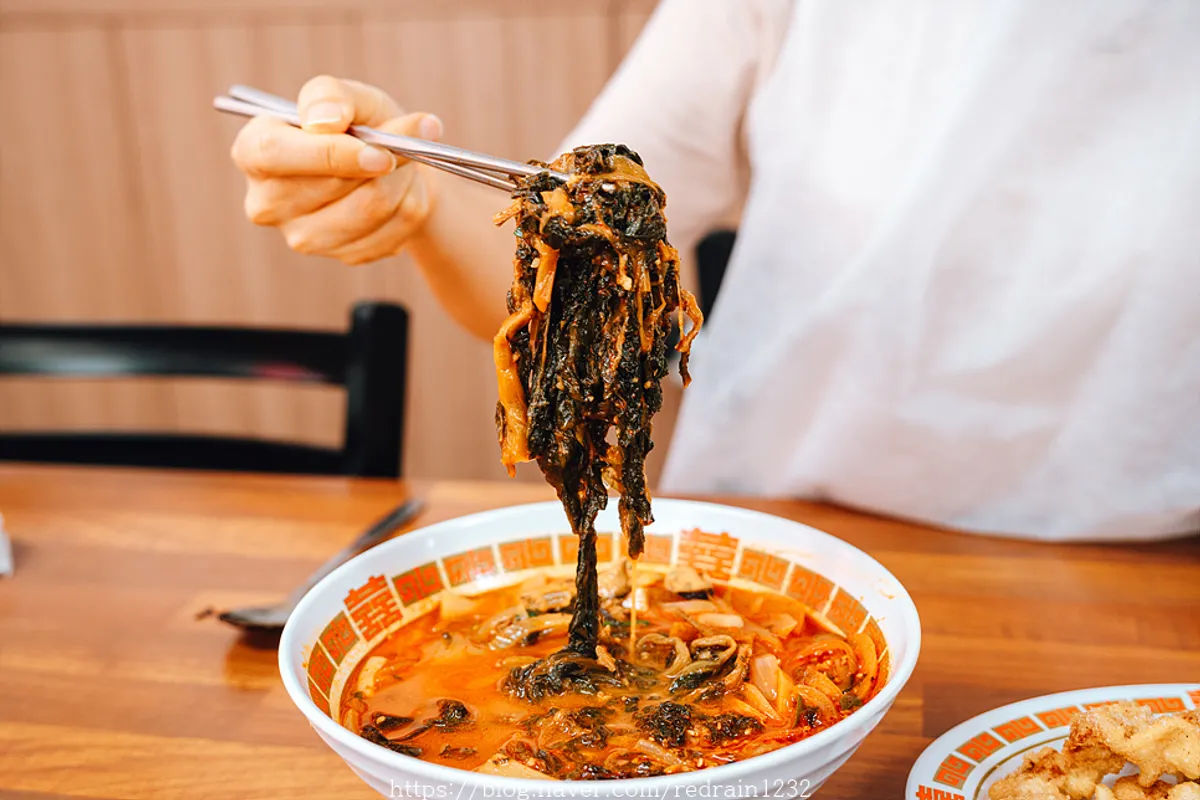
Hwangbihong is a Chinese restaurant in Buseong-dong, Iksan, known for its siraegi jjamppong (jjamppong with dried radish greens). At Hwangbihong the seafood siraegi jjamppong rice comes in a broth of hanwoo (Korean beef) leg bones simmered 24 hours in a cauldron and piled high with siraegi, ordered here with ganjjajang and mini tangsuyuk (sweet and sour pork). For a nutty, heavy broth rather than the usual jjamppong, Hwangbihong's seafood siraegi jjamppong rice was the answer.
Good to know
- Dishes ordered
- Seafood siraegi jjamppong rice, ganjjajang, mini tangsuyuk
- Broth
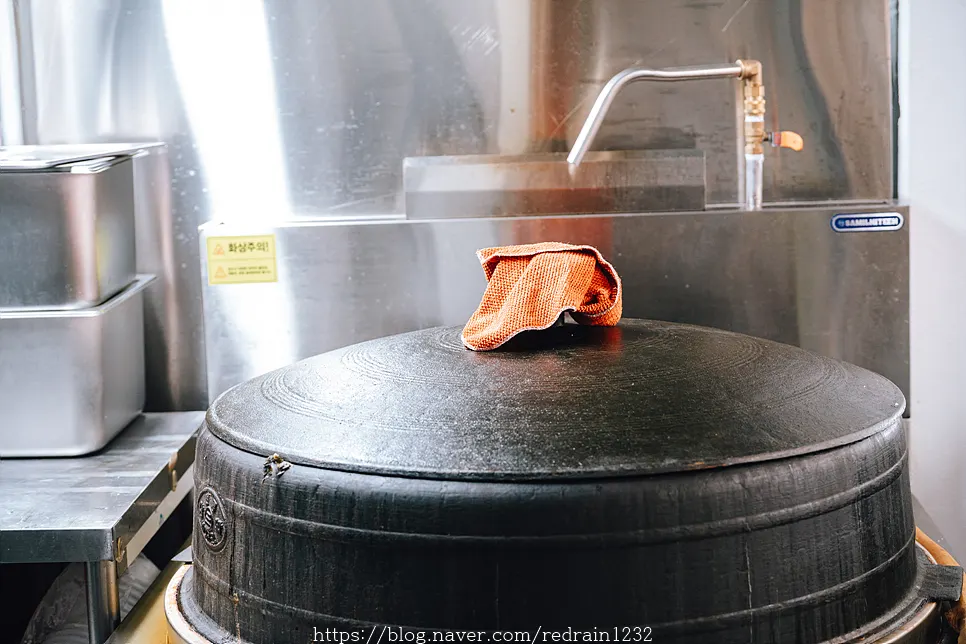
- Said to be hanwoo (Korean beef) leg bones simmered 24 hours in a cauldron
- Noodles
- Chive noodles used in every noodle dish
- Location
- 43 Busong-ro 6-gil, Iksan-si, Jeonbuk (Hwangbihong Chinese Restaurant)
as written by the visitor on Sep 13, 2026
An Iksan Chinese restaurant with hanwoo (Korean beef) leg bone broth piled high with siraegi (dried radish greens).
Hi everyone~! I'm Gu-seok, a travel influencer. When you think of Chinese restaurants, the first things that come to mind are probably jjamppong (spicy seafood noodle soup), jjajangmyeon, and tangsuyuk (sweet and sour pork), right?
Hwangbihong
Whenever I visit a Chinese restaurant, I find myself expecting a spicy, rich jjamppong broth or a smoky jjajangmyeon. This time, while looking for something a little different in Iksan, I visited Hwangbihong, known for its siraegi jjamppong.
Hwangbihong in Iksan: boxes of siraegi right at the door
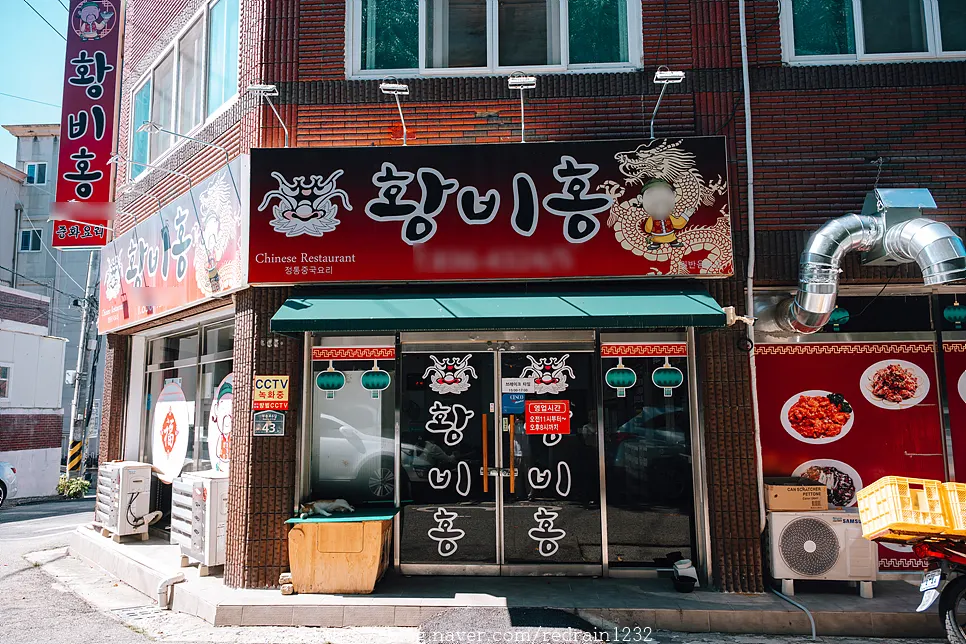
Hwangbihong is a Chinese restaurant in Buseong-dong, Iksan, and boxes of siraegi catch your eye right from the entrance. As I walked into the restaurant, that was the very first thing I noticed.
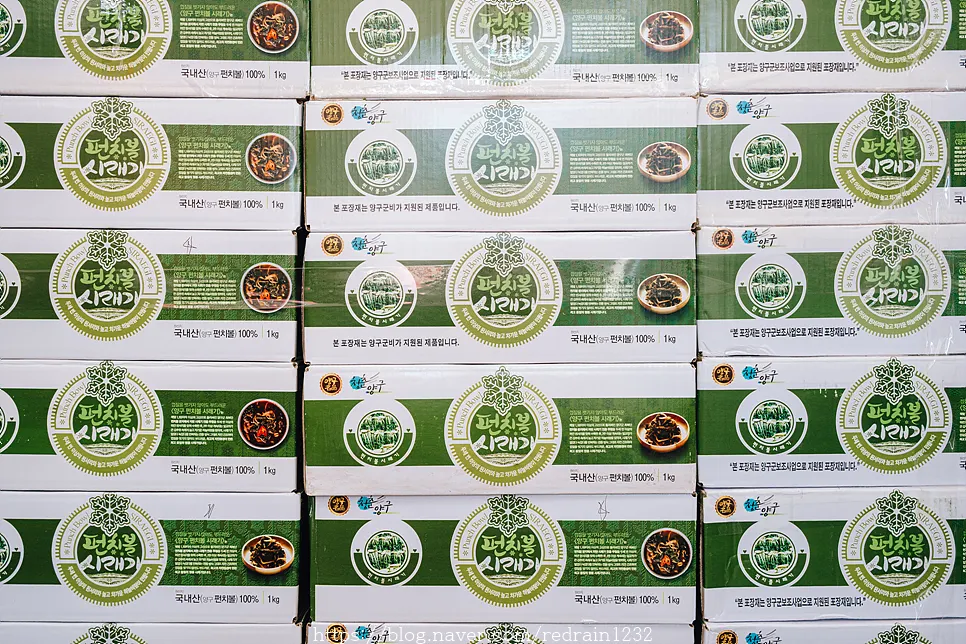
Usually when you walk into a Chinese restaurant, you think of noodles, vegetables, or seafood first, but at Hwangbihong the siraegi is visible right from the entrance, which made me think, 'this really is a place known for siraegi jjamppong.' And it turned out the siraegi at Hwangbihong isn't just a single added ingredient.
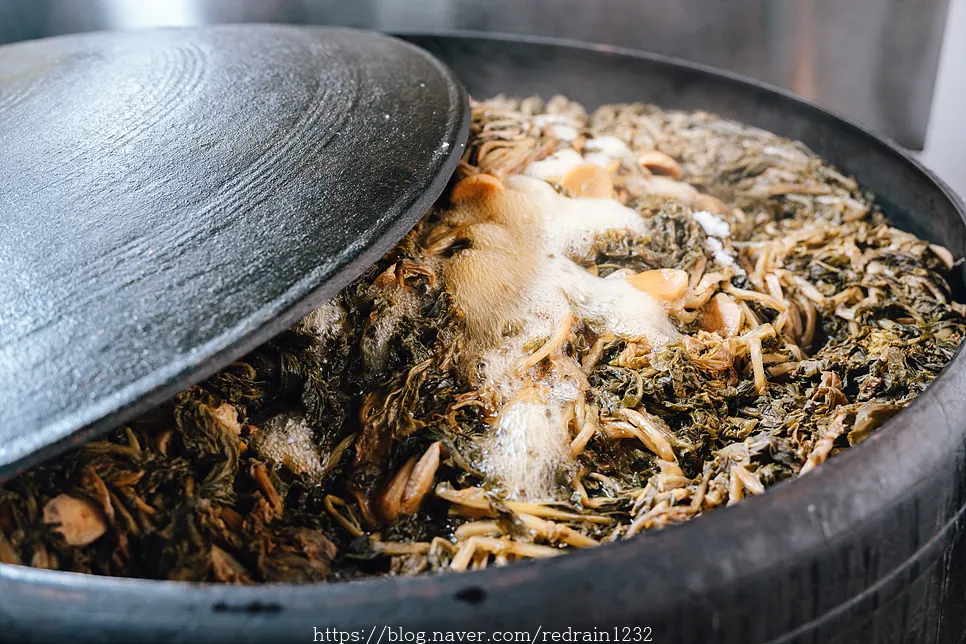
Apparently they use hanwoo (Korean beef) leg bones simmered in a cauldron for a full 24 hours. The combination of siraegi and hanwoo bone broth already felt distinctly different from an ordinary Chinese restaurant jjamppong.
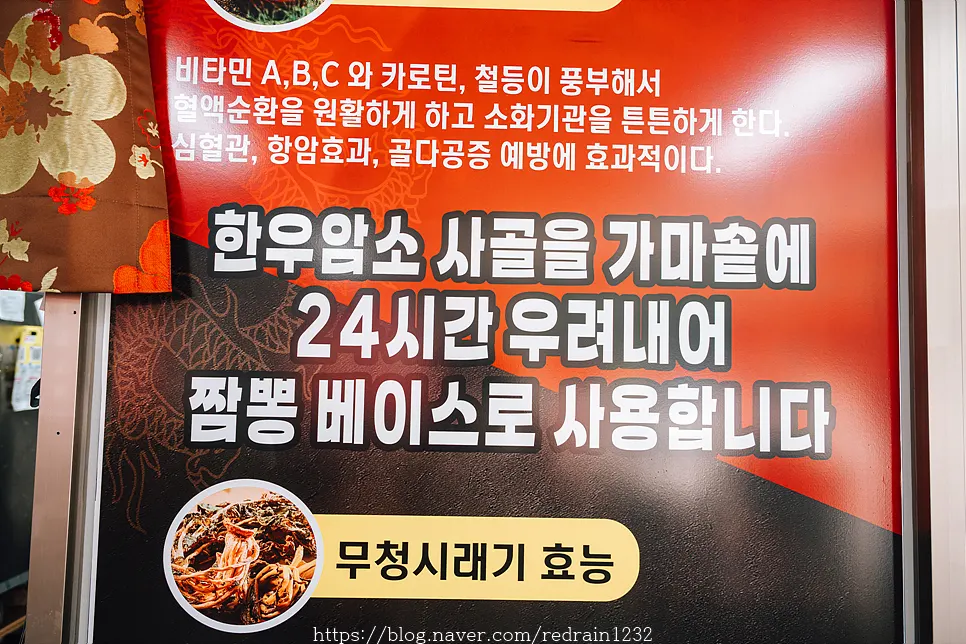
Because so much time and care go into simmering it in the cauldron, I was even more curious how that would translate into the actual flavor of the broth once the food arrived.
What is the dining room at Hwangbihong like?
Walking into Hwangbihong, the interior continues in a clean, comfortable atmosphere that's easy to eat in.
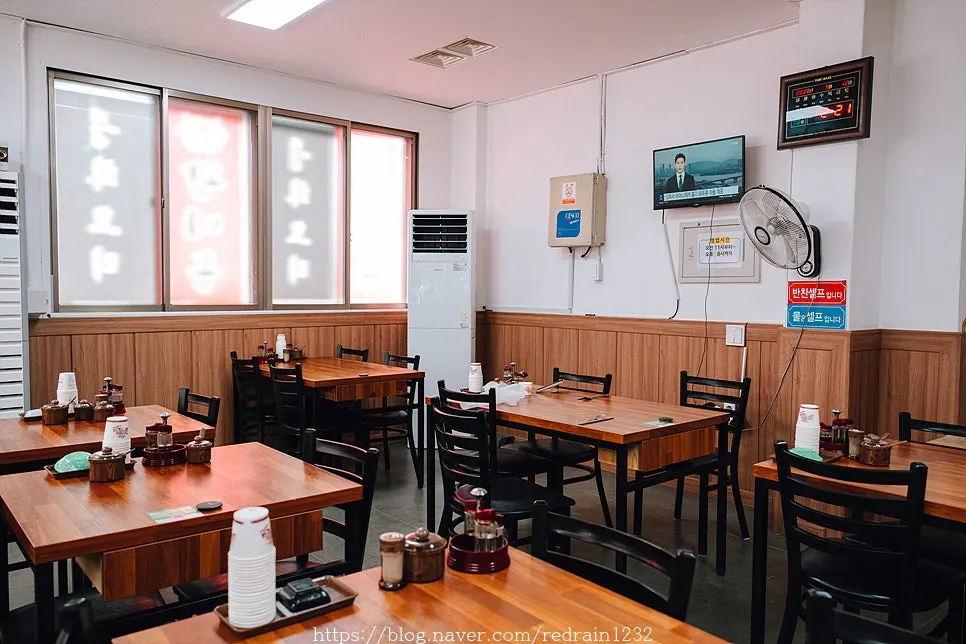
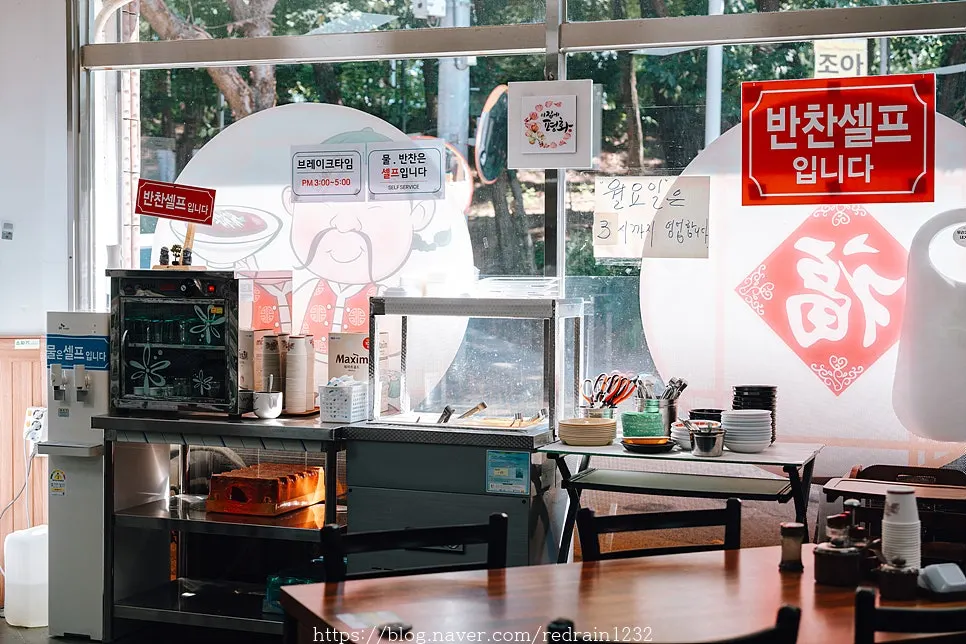
It has that unpretentious, easygoing feel typical of Chinese restaurants, so it seemed like a fine spot for a family meal or a meal with friends.
The three dishes ordered at Hwangbihong
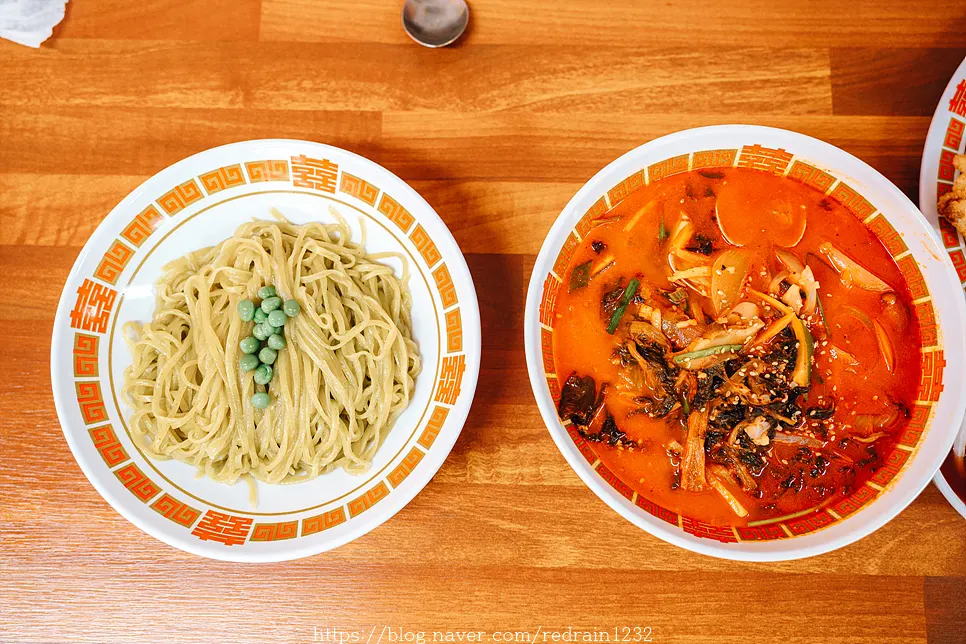
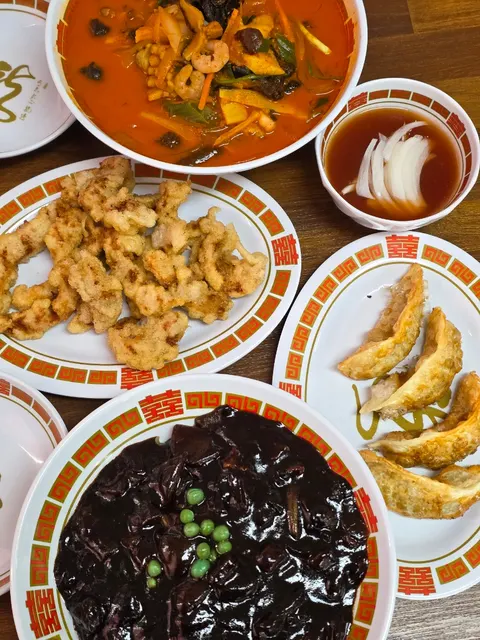
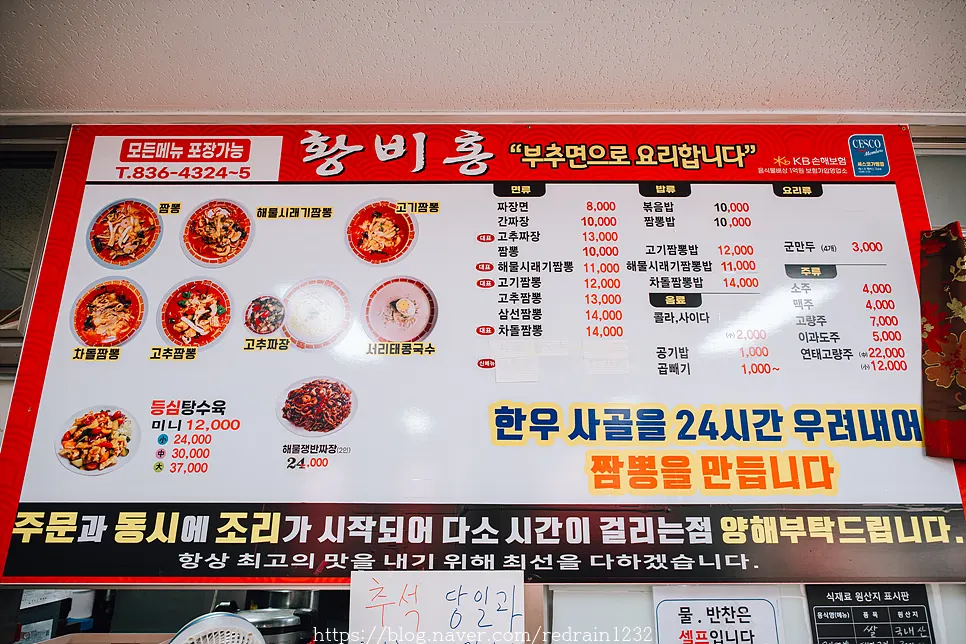
On this visit, I ordered three dishes at Hwangbihong: seafood siraegi jjamppong rice, ganjjajang, and mini tangsuyuk. By ordering jjamppong, jjajang, and tangsuyuk together — the dishes people order most at Chinese restaurants — I wanted to experience a range of Hwangbihong's signature flavors.
How much siraegi is in the seafood siraegi jjamppong rice?
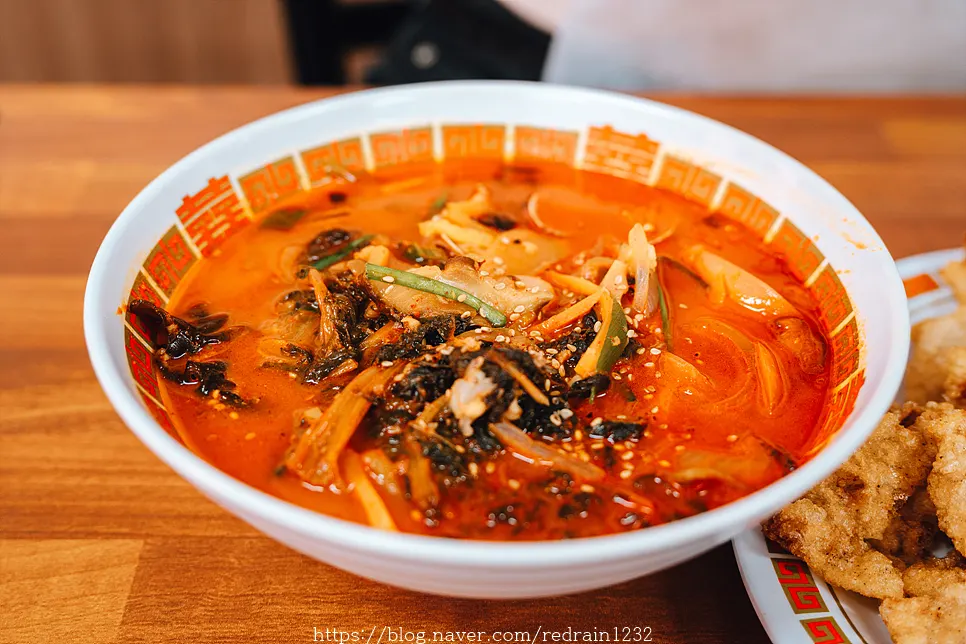
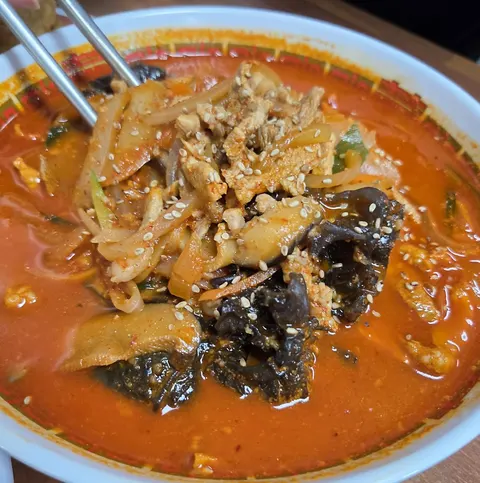
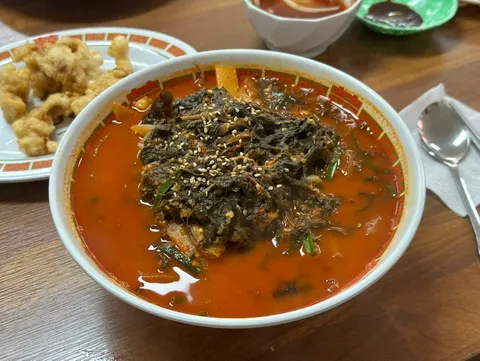
The seafood siraegi jjamppong rice I ordered finally arrived. From the very first impression, it was clearly different from an ordinary jjamppong.
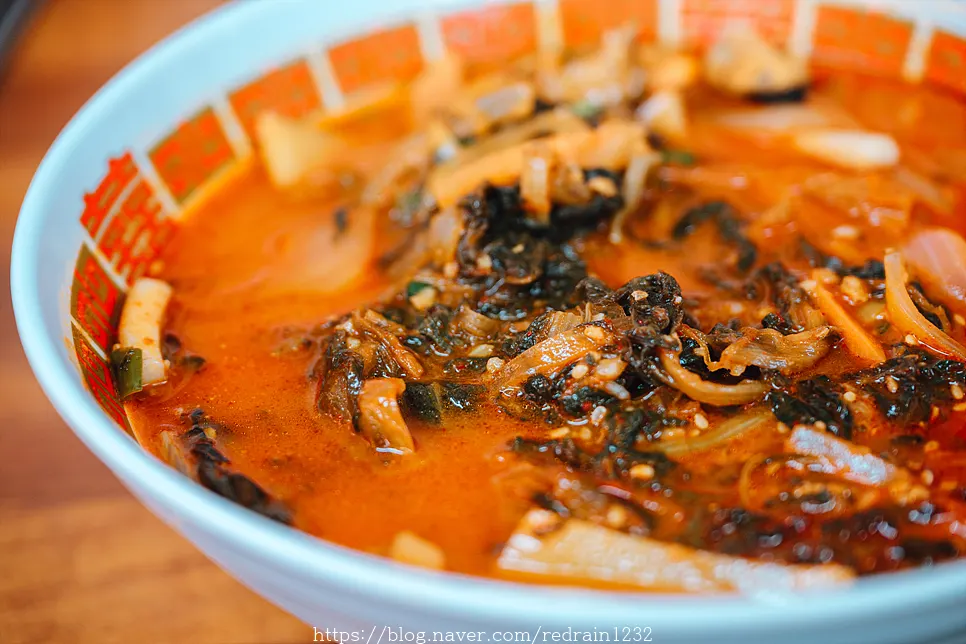
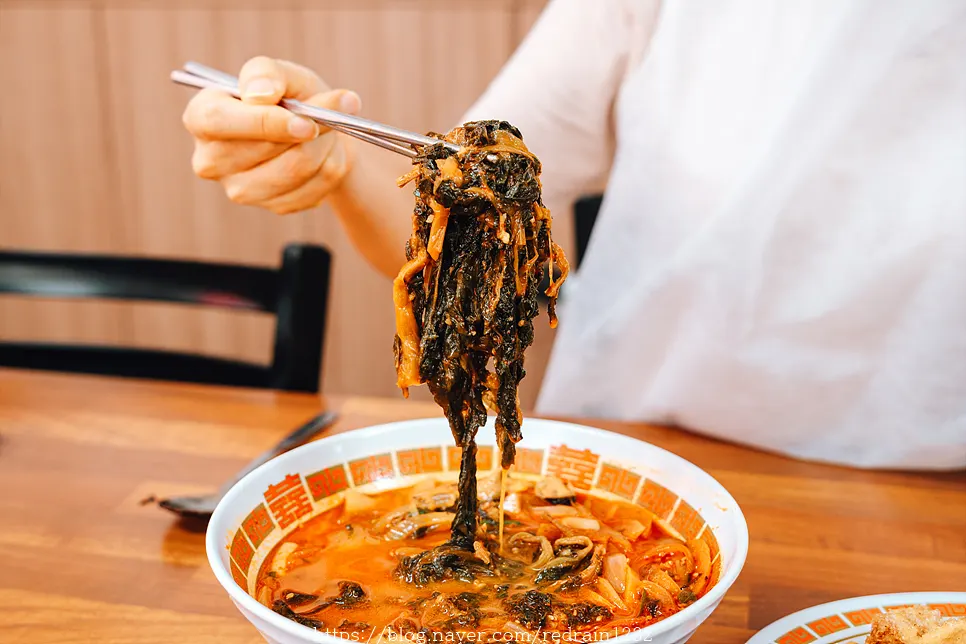
The first thing that caught my eye was, of course, the siraegi. If you assumed the name 'siraegi jjamppong' meant just a small amount of siraegi, you'll be surprised by how much more there is than expected.
Siraegi was piled high on top of the broth, and when I dug in with my spoon, there was plenty more underneath too. 'Generously loaded with siraegi' really was the right way to describe this jjamppong. A typical jjamppong centers on noodles, seafood, and vegetables, but in Hwangbihong's seafood siraegi jjamppong rice, the siraegi had a serious presence. With every spoonful, I could feel the soft texture of the siraegi, and it paired really well with the broth.
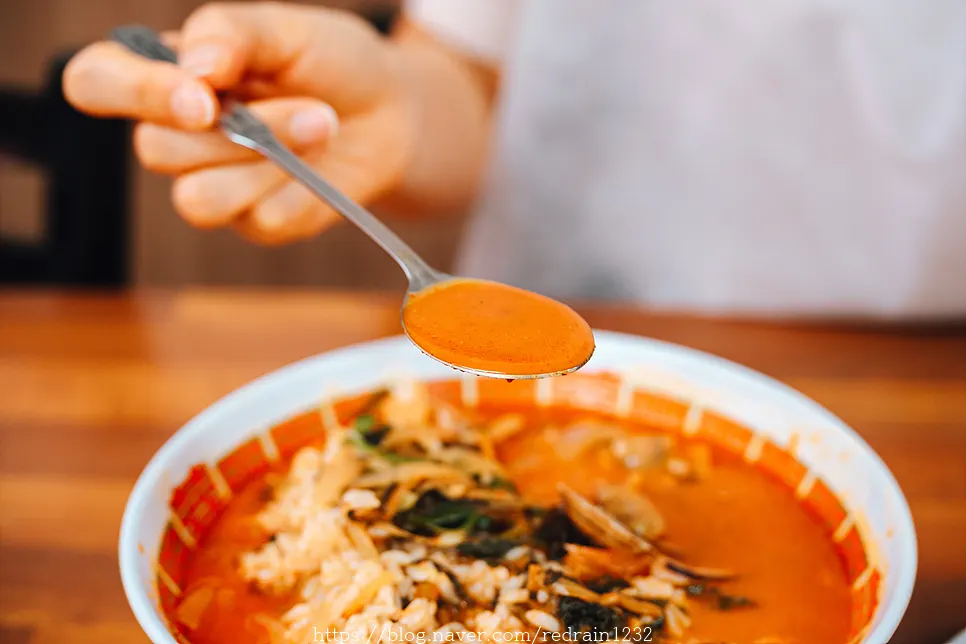
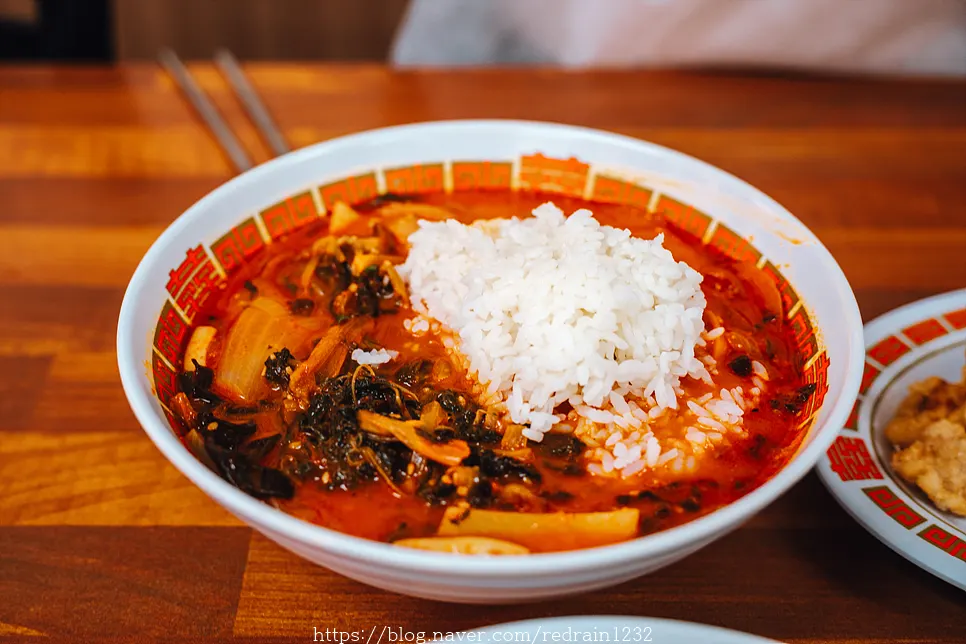
What impressed me most about this dish was, without a doubt, the broth. Hwangbihong makes its deep flavor by simmering hanwoo leg bones for 24 hours in a cauldron. Tasting the actual broth, it had a deep, rich flavor that leaned in a different direction from the spiciness typical of ordinary jjamppong broth. On top of that, the strong savoriness of the siraegi made the broth feel even more substantial. It had jjamppong's characteristic spicy kick, but with the deep flavor from the bone broth underneath, I kept going back for spoonful after spoonful. Above all, once the siraegi melded into the broth, it added a distinctly savory, rich depth that clearly set it apart from an ordinary seafood jjamppong.
Ganjjajang made with chive noodles
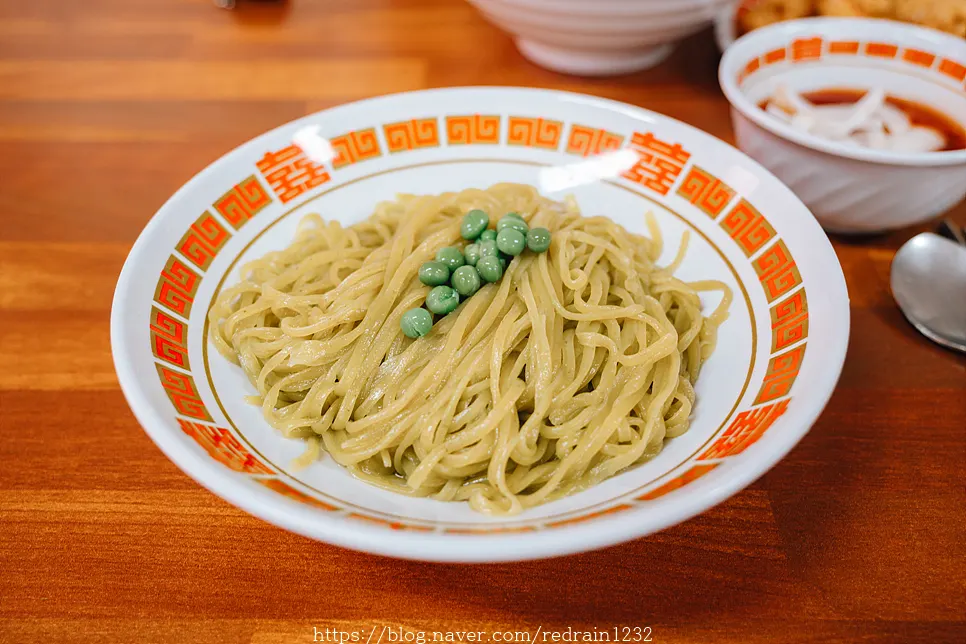
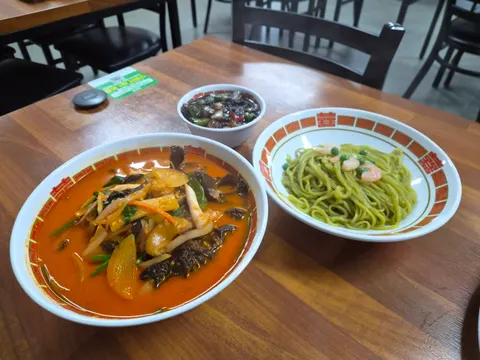
Another thing worth noting at Hwangbihong is the noodles. Apparently, Hwangbihong uses chive noodles in every noodle dish it serves — a point that sets it apart from typical Chinese restaurant noodles. By using noodles made with chives, Hwangbihong has carved out its own distinctive style. With an already distinctive dish like siraegi jjamppong, plus chive noodles on top of that, you can really feel Hwangbihong's own character even in its noodle dishes.
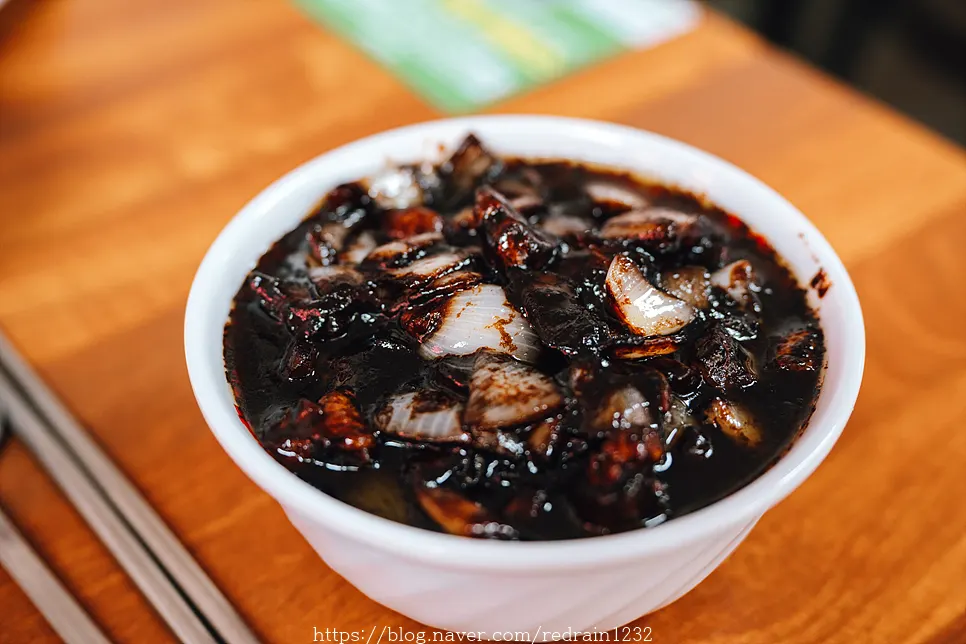
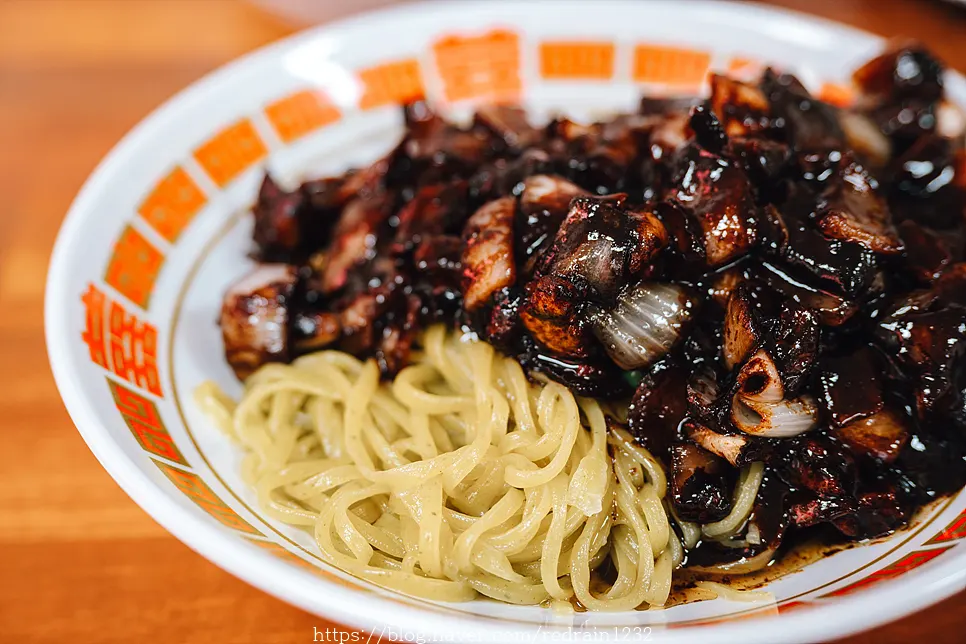
The second dish I tried was ganjjajang. Among jjajangmyeon-style dishes, ganjjajang is popular with people who enjoy the texture of the ingredients and a richer sauce flavor. Hwangbihong's ganjjajang looked generously loaded with ingredients just from its appearance. It was packed with meat, onion, and various other ingredients, so mixing it with the noodles really let you feel the texture of each ingredient.
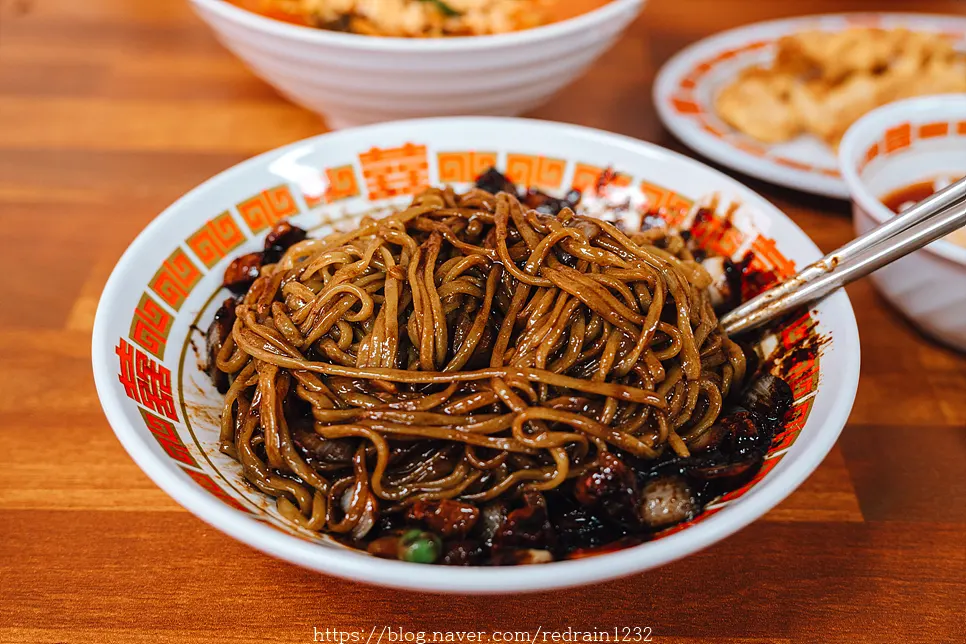
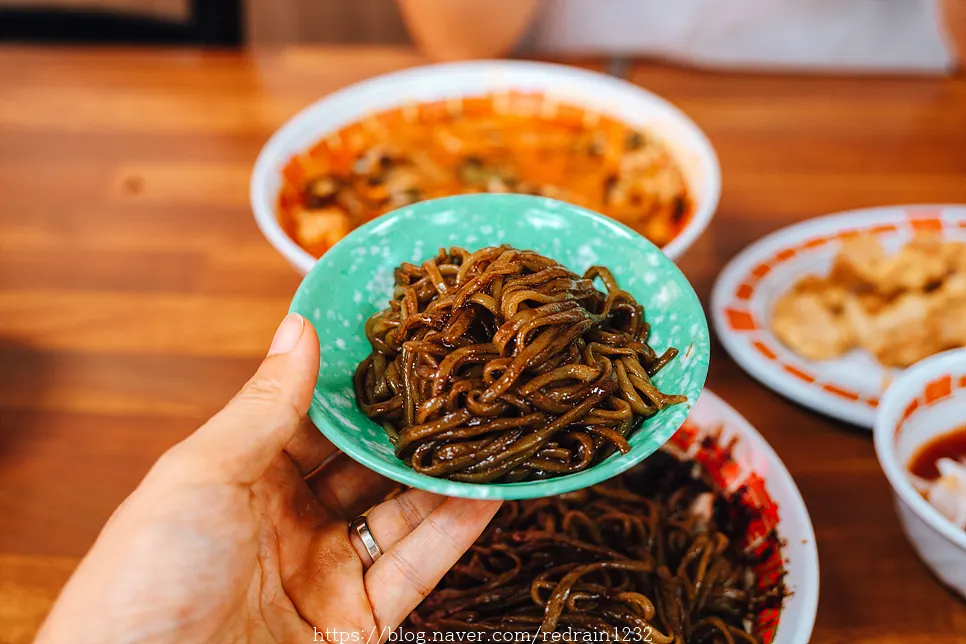
In particular, the jjajang sauce was on the richer side, so mixing plenty of it into the noodles really brought out that savory, deep jjajang flavor. The sweetness of the onion combined with the richness of the meat, making for a ganjjajang that's easy for anyone to enjoy without hesitation. While siraegi jjamppong is a unique, standout dish, the ganjjajang felt familiar and true to the basics.
Mini tangsuyuk (sweet and sour pork)
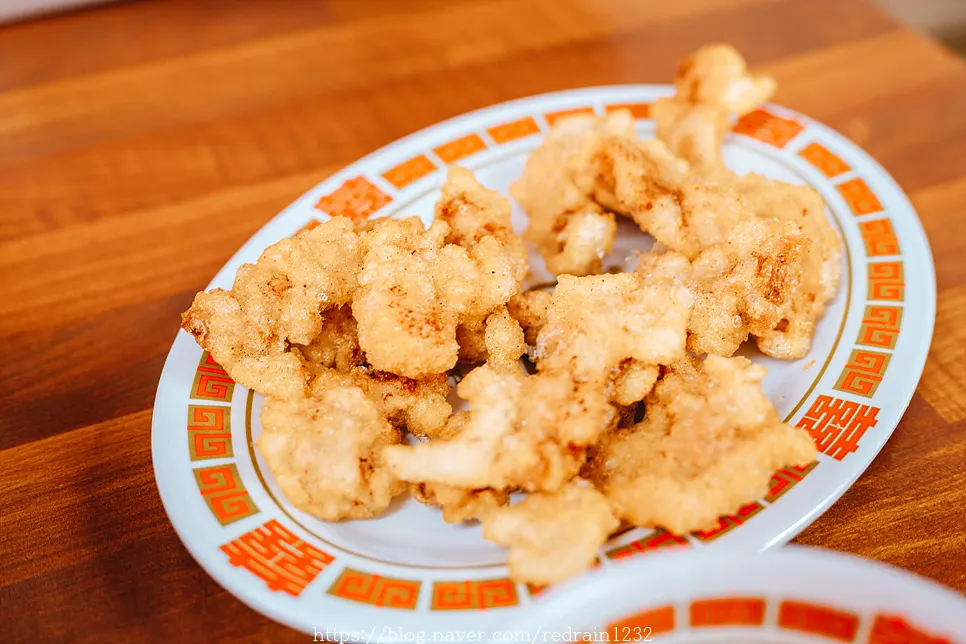
You can't visit a Chinese restaurant without tangsuyuk. Since I wanted to try several dishes together, I ordered Hwangbihong's mini tangsuyuk.
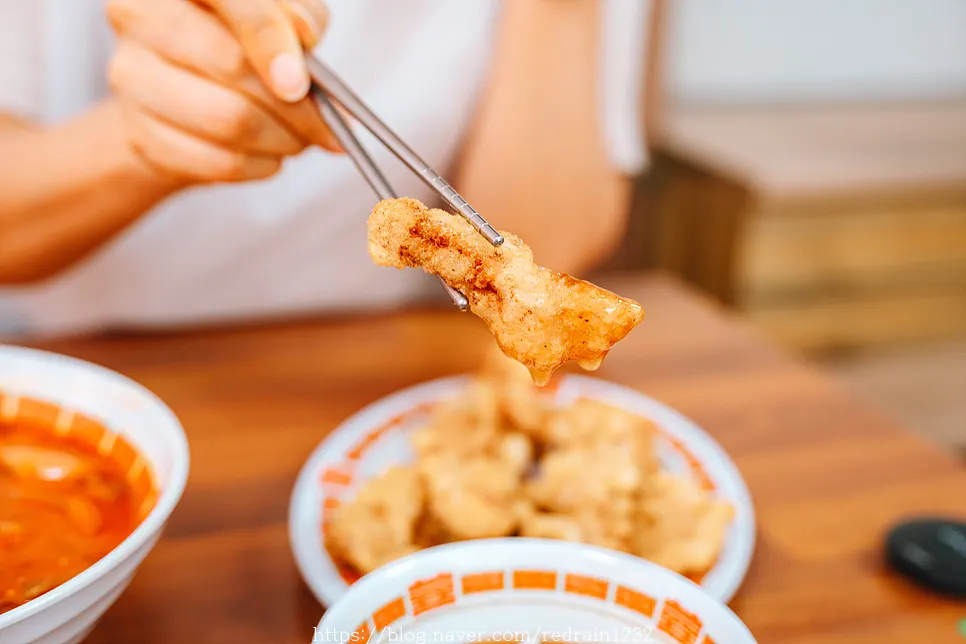
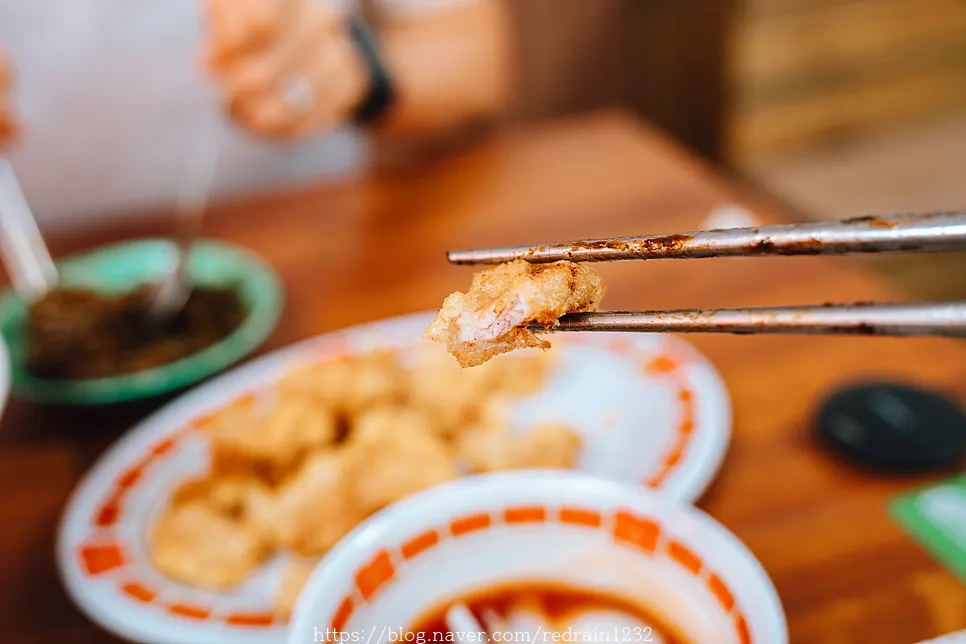
Being a mini size, it was easy to enjoy as a side dish alongside everything else. My first impression of the tangsuyuk was the crispy fried coating. Taking a bite, the outside was crunchy while thick pieces of meat filled the inside, giving it a great texture. Tangsuyuk can be a bit disappointing when the coating is thick but the meat is thin, but Hwangbihong's tangsuyuk had generously thick meat, which made for a satisfying chew. It was also a great dish to share alongside main dishes like jjamppong or jjajang.
Verdict: looking for a different kind of jjamppong in Iksan
If you're in Iksan and want to try a jjamppong that's a little different from the usual, Hwangbihong is well worth a visit. It's an especially interesting menu for anyone who loves siraegi. Seeing the siraegi boxes right at the entrance, and then hearing about the hanwoo leg bones simmered for 24 hours in a cauldron before tasting the food, I felt like I understood a bit better why Hwangbihong is known for its siraegi jjamppong.
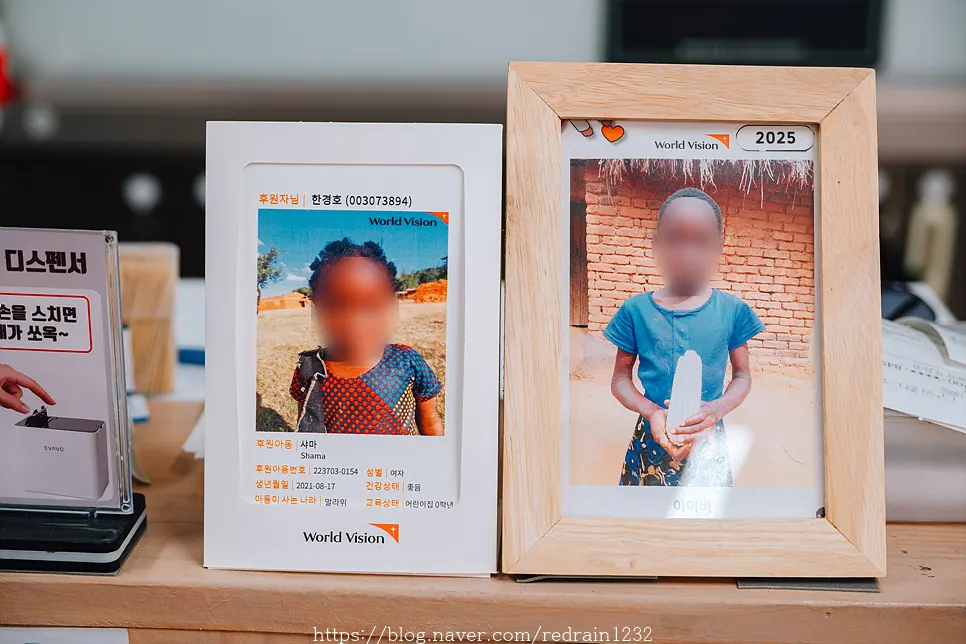
What made Hwangbihong even more meaningful to remember was that, alongside a delicious meal, the restaurant is also connected to a warm act of giving through its support for World Vision. If you're looking for an uncommon jjamppong in Iksan, or if you love siraegi paired with a deep, rich bone broth, Hwangbihong's seafood siraegi jjamppong rice, loaded with siraegi, is well worth trying.
Where it is
43 Busong-ro 6-gil, Iksan-si, Jeonbuk-teukbyeoljachido, South Korea (Hwangbihong Chinese Restaurant)전북특별자치도 익산시 부송로6길 43 황비홍중화요리