Kaiseki restaurant near Gongdeok Station with wine corkage: Danya
In short
Danya at Seoul Garden Hotel is a Japanese omakase and kaiseki restaurant on the basement floor of a four-star hotel between Mapo and Gongdeok stations in Seoul. The 120,000-won premium kaiseki course, eaten at the long counter, ran from five appetizers through steamed abalone, sashimi, sushi, hanwoo striploin and cold anago udon to a peach compote, and the chef swapped the futomaki roll for kelp-cured red seabream once told a diner could not eat cucumber. With wine corkage at 40,000 won a bottle, Danya is reasonable value for a hotel restaurant.
Good to know
- Address
- B1F, 58 Mapo-daero, Mapo-gu, Seoul
- Hours
- Daily 12:00–22:00
- Break time
- 15:00–18:00
- Last order
- 21:00
- Course ordered
- Premium kaiseki, 120,000 won per person (draft beer included)
- Corkage
- 40,000 won per bottle of wine
- Parking
- Parking available, valet available
- Seating
- Mainly a long counter, plus two four-person tables at the back
- Price reference
- ₩120,000 ≈ $89 · ₩40,000 ≈ $29.5 (2026-09-15)
as written by the visitor on Aug 31, 2026
Today I went to experience the kaiseki course at Danya, located inside Seoul Garden Hotel. Every single dish was delicious and the staff explained things so kindly that the whole meal felt way more relaxed than I expected. Let me walk you through the kaiseki course I tried at Danya.
Where is Danya at Seoul Garden Hotel, and what are its hours?
Danya at Seoul Garden Hotel is on the basement floor at 58 Mapo-daero, Mapo-gu, Seoul. It's open daily from 12:00 to 22:00, with a break time from 15:00 to 18:00, last order at 21:00, and both parking and valet are available.
Seoul Garden Hotel is a 4-star hotel located between Mapo Station and Gongdeok Station. Transit access is great since it's near the stations, so it's easy to get to by subway or bus.
Walking in, the lobby immediately shows off its 4-star pedigree with wood-toned interiors and soft lighting creating a clean, calm atmosphere. Danya, the omakase spot everyone raves about, is on the basement floor.
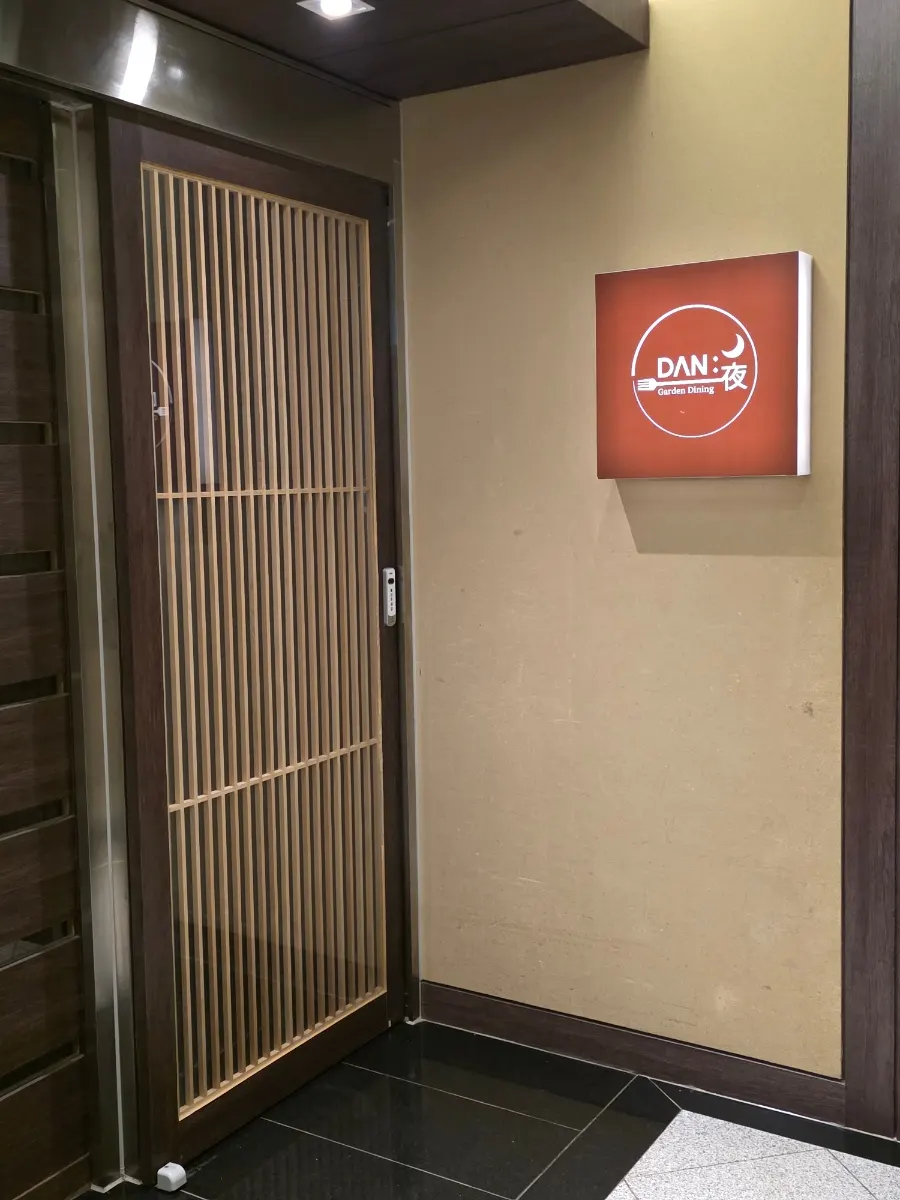
Following the signs down to the basement, Danya, where we'd be having dinner that night, came right into view. From the entrance decorated with Japanese-style lattice doors and calm colors, the place already felt clean and refined — I was getting excited!!
What the counter seating at Danya is like
Danya is a small restaurant centered around a long counter, with two 4-person tables tucked inside.
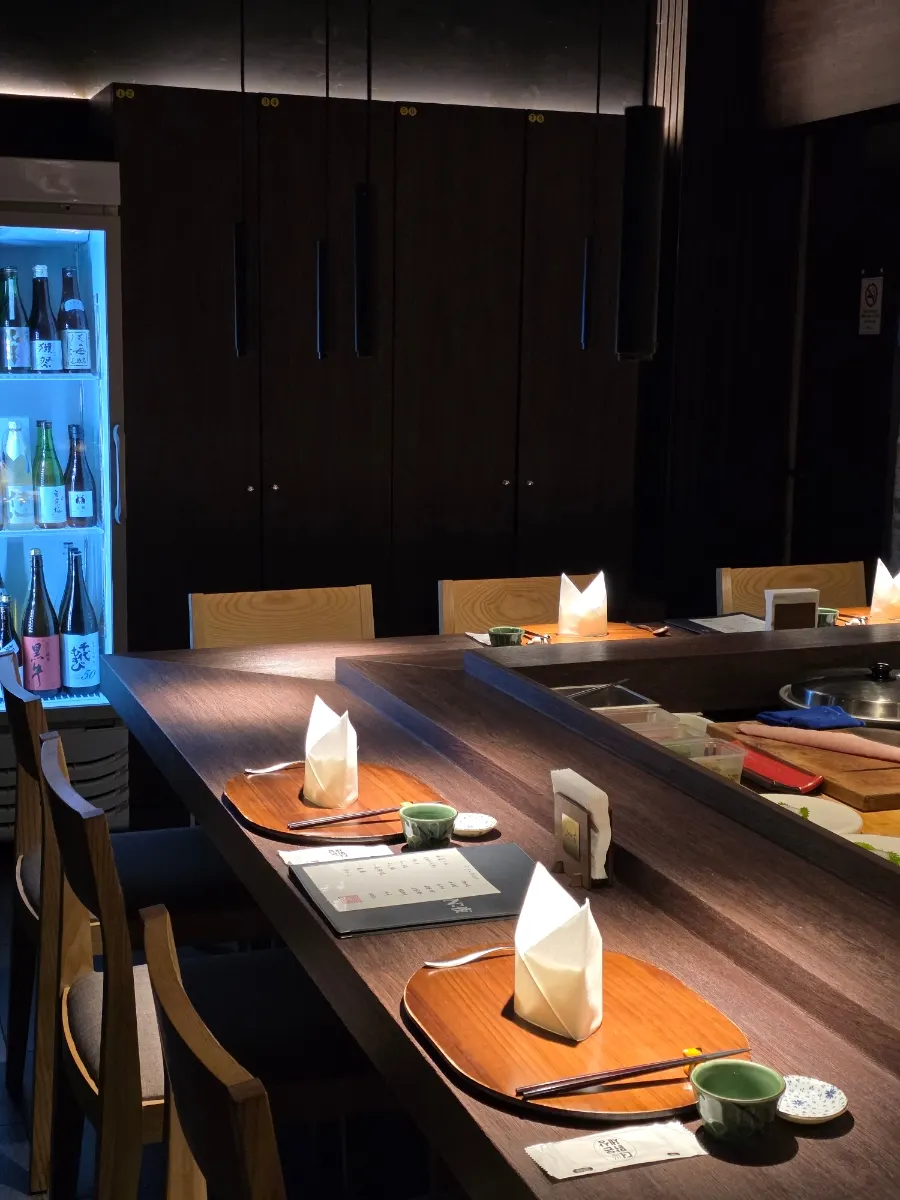
We arrived a little early for our reservation and got to watch the chefs prepping food. We'd booked counter seats, and the tables for four were already fully booked too.
Overall the atmosphere was calm and quiet, which suited us perfectly since we're not fans of noisy places. Despite being a small restaurant, there were more staff managing the hall than chefs cooking up front — just two — so the service flowed really naturally.
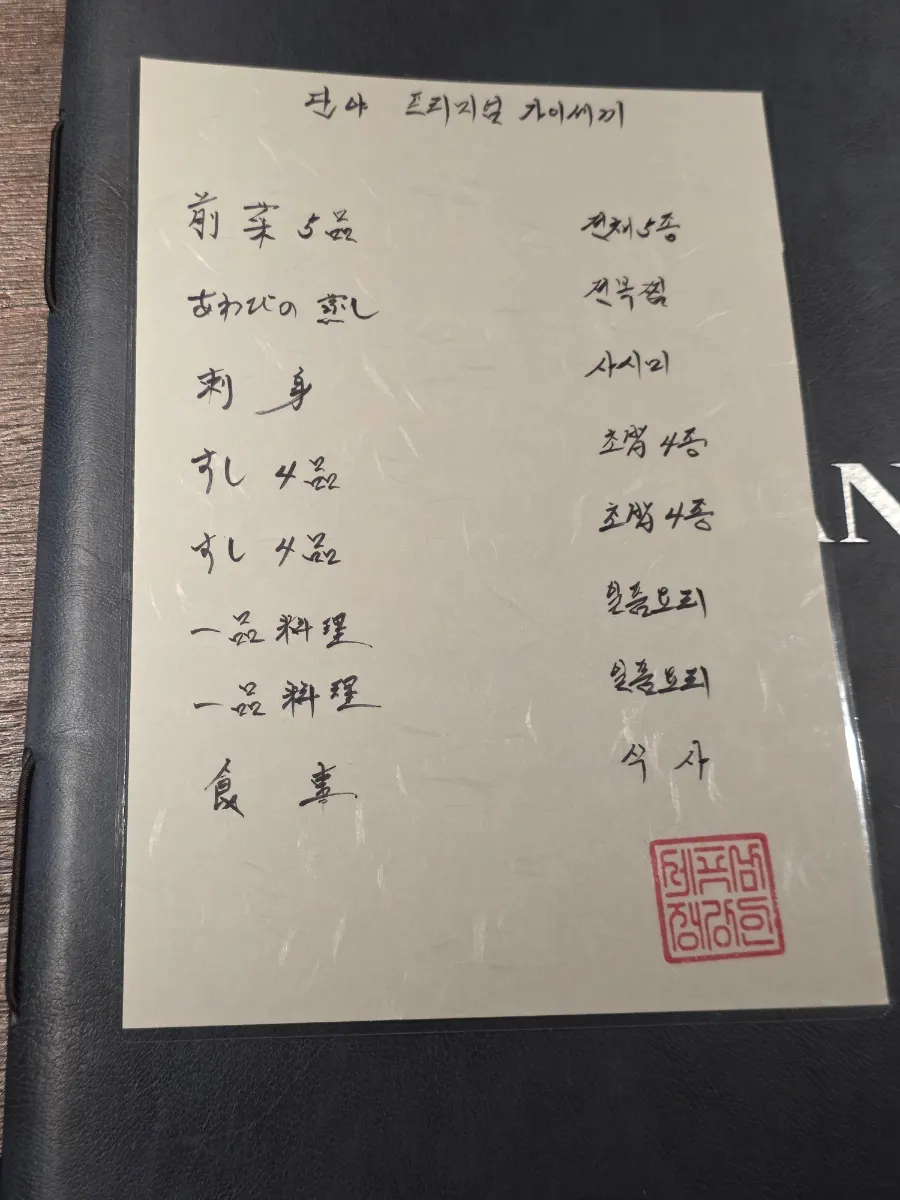
Premium kaiseki at 120,000 won and 40,000-won wine corkage
Most people seemed to order the dinner sushi omakase, but since we wanted to try a wider variety, we went with the premium kaiseki at ₩120,000 per person, which comes with draft beer.
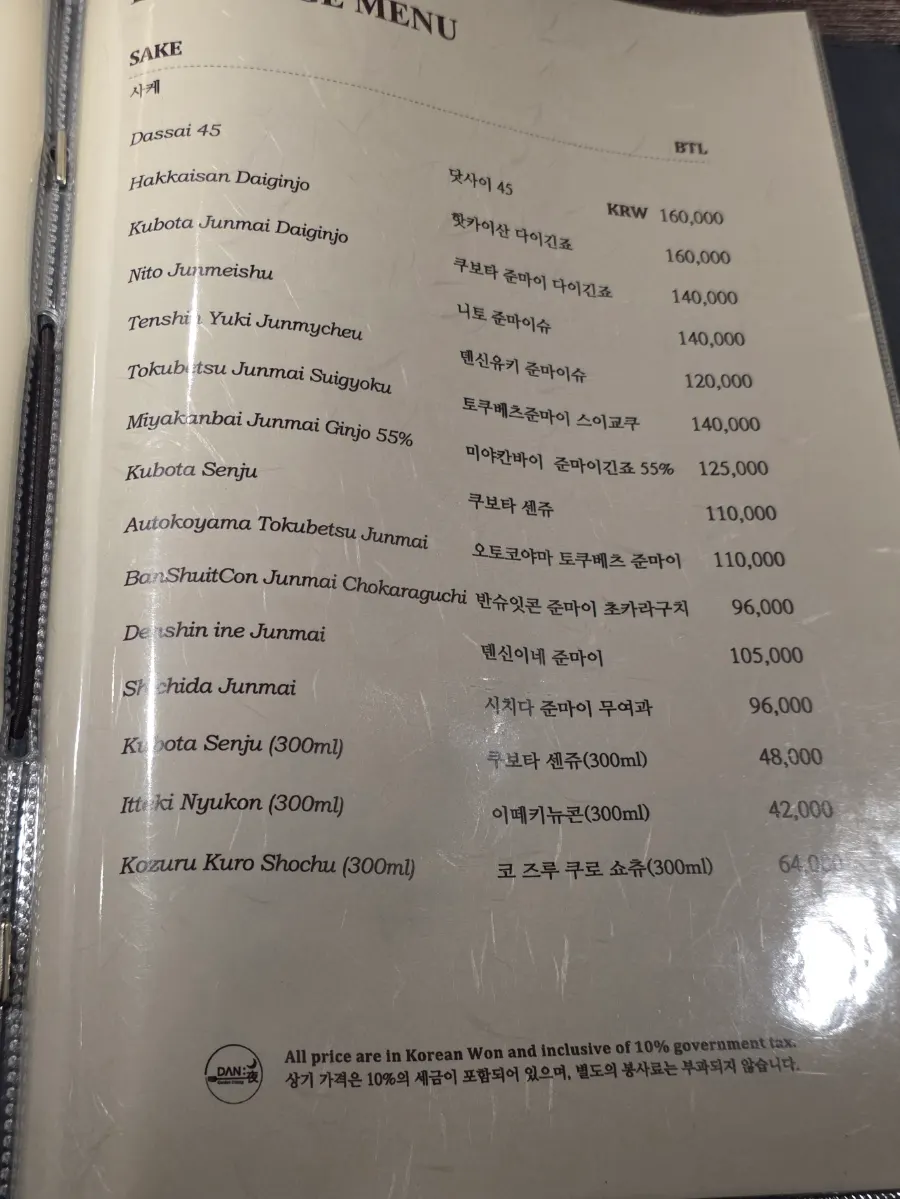
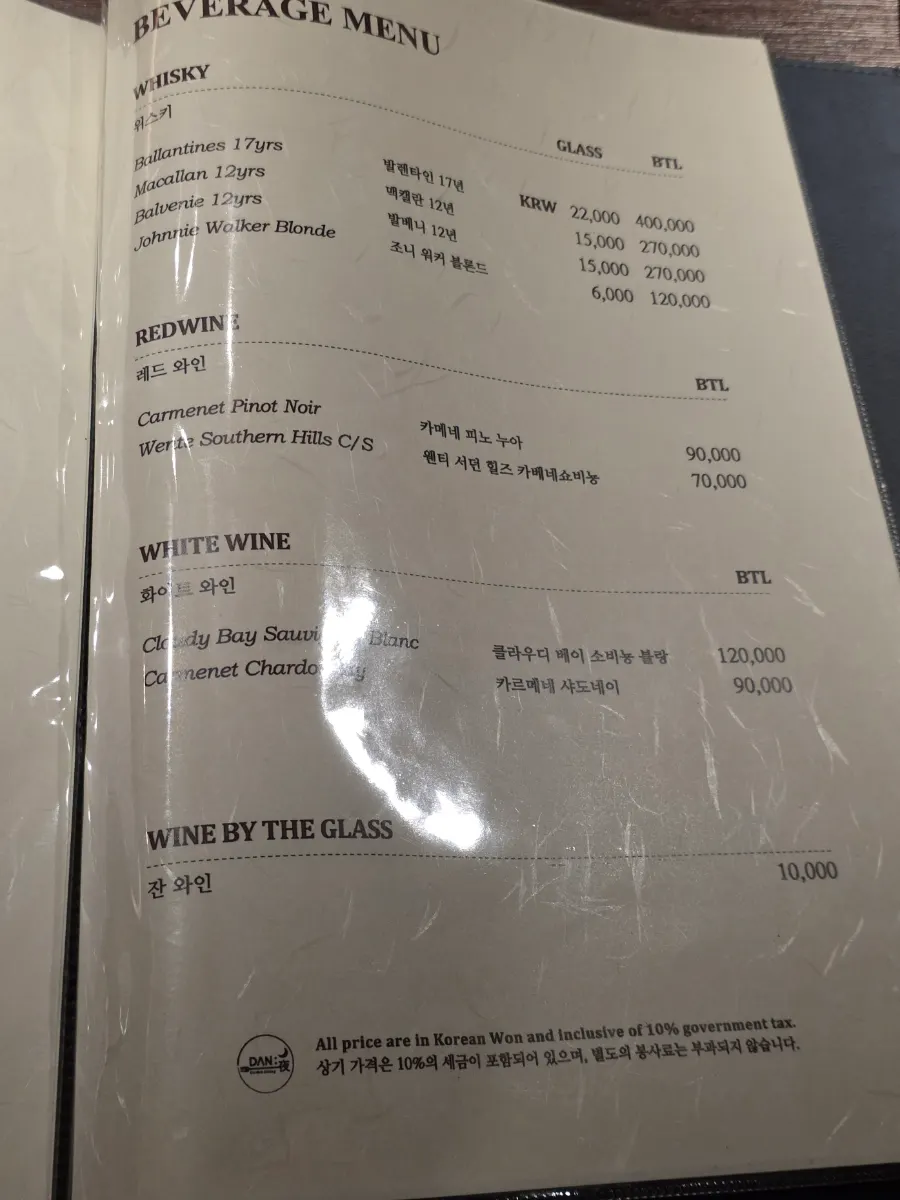
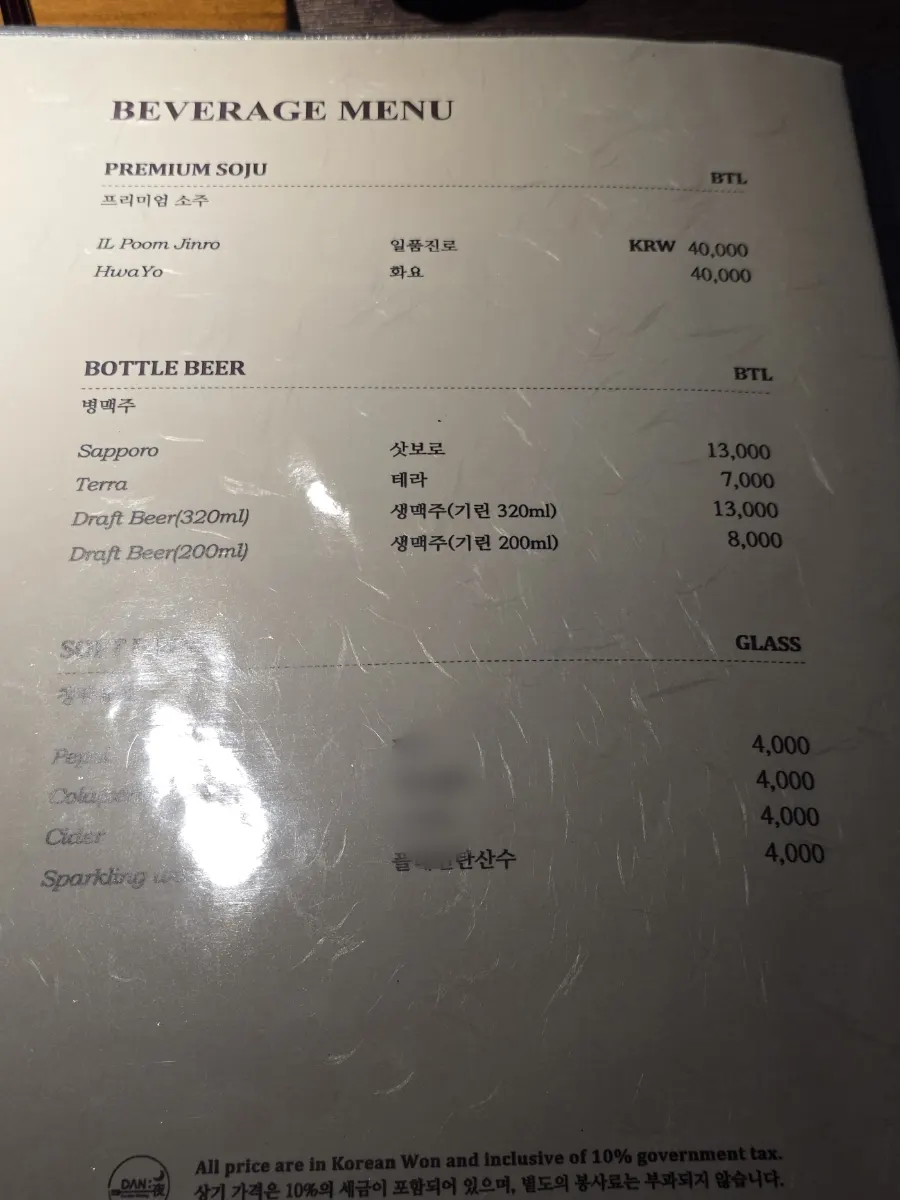
These days most Japanese restaurants stock a range of entry-level champagnes, but here only Moët & Chandon and Bollinger were listed, which actually makes corkage easy to plan around. For reference, corkage runs ₩40,000 per bottle of wine, which felt reasonable given this is inside a hotel.
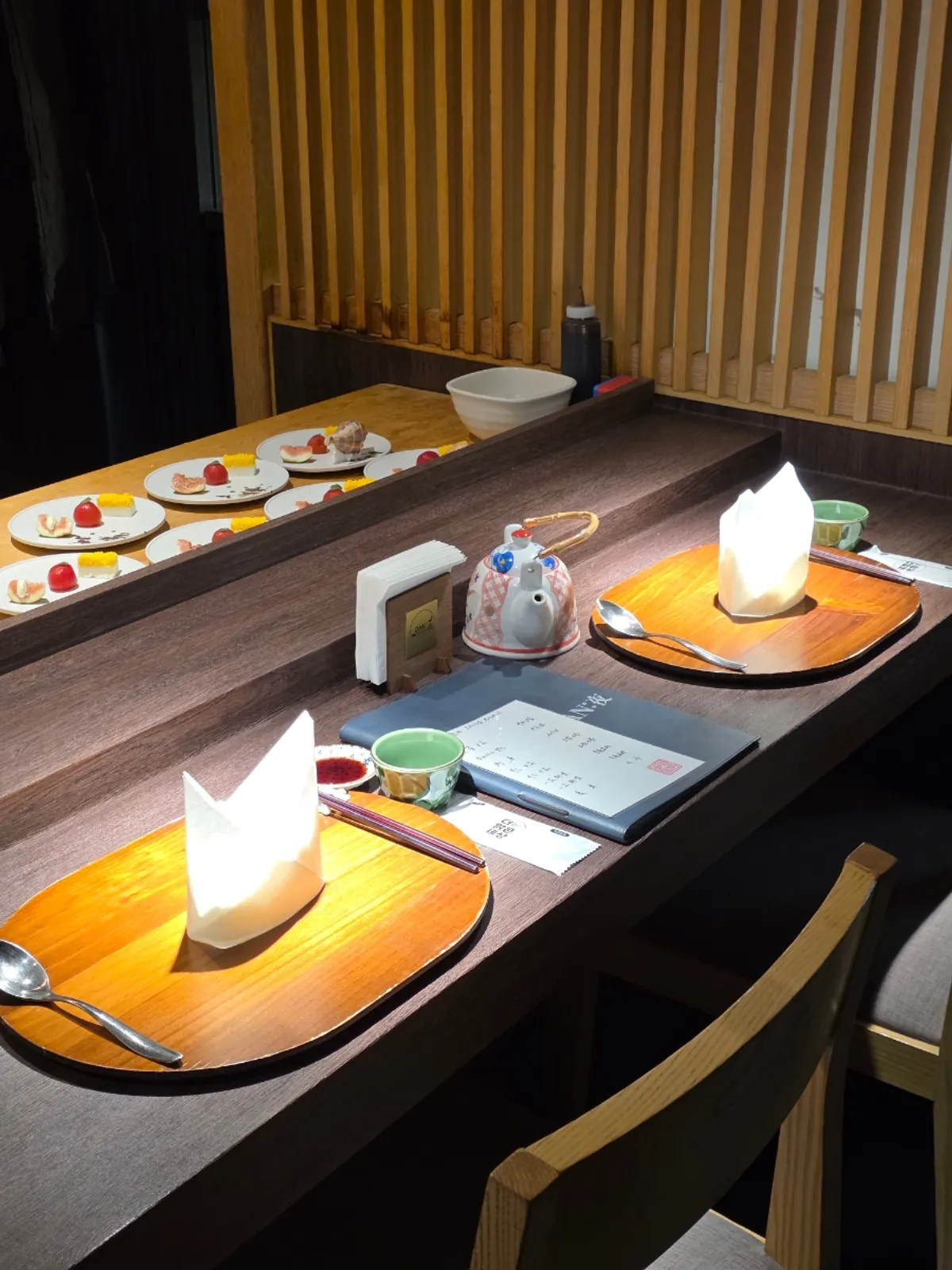
While settling in and looking around, I noticed the chopstick rests were shaped like cats — too cute not to photograph.
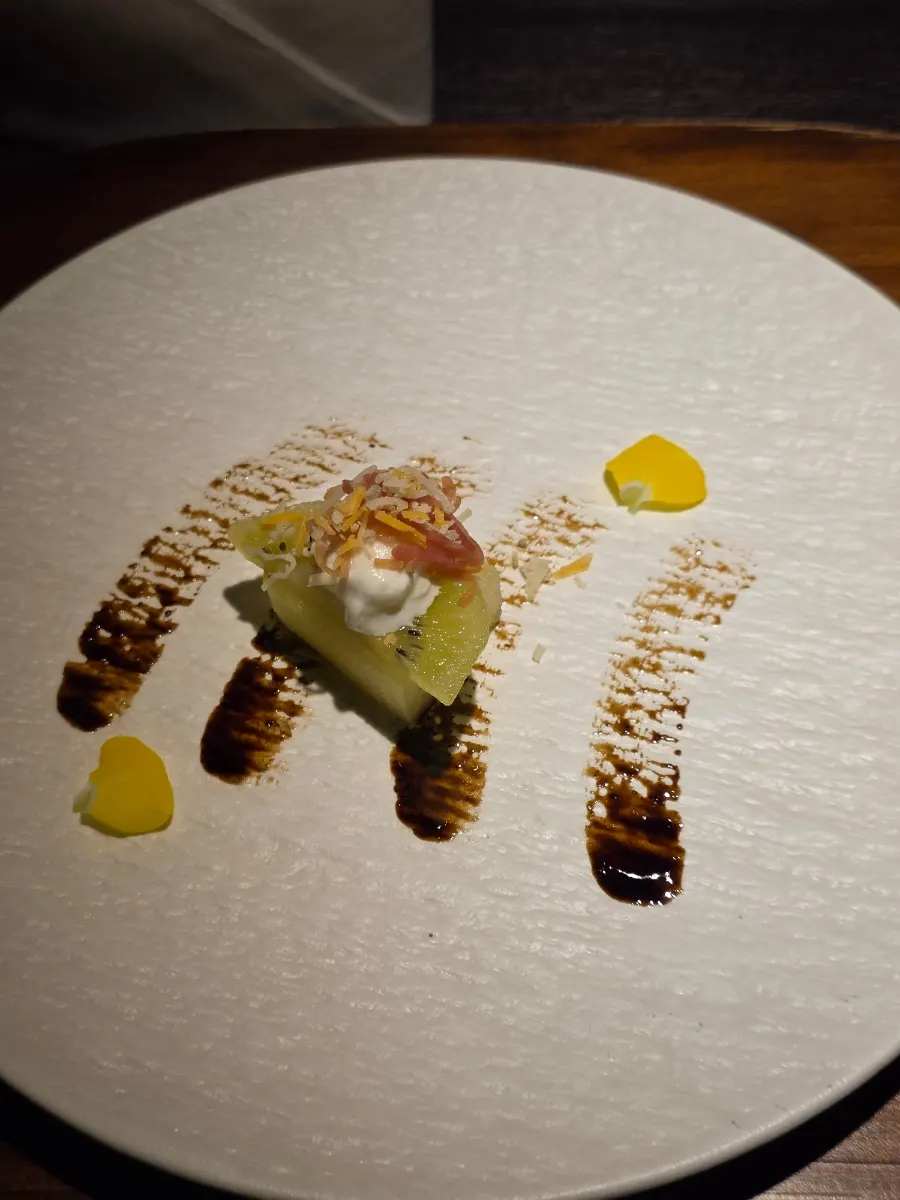
A simple bite that wasn't on the menu came out first — melon with Spanish ham (jamón) and balsamic vinegar, refreshing and easy to eat.
Five appetizers to start the kaiseki course
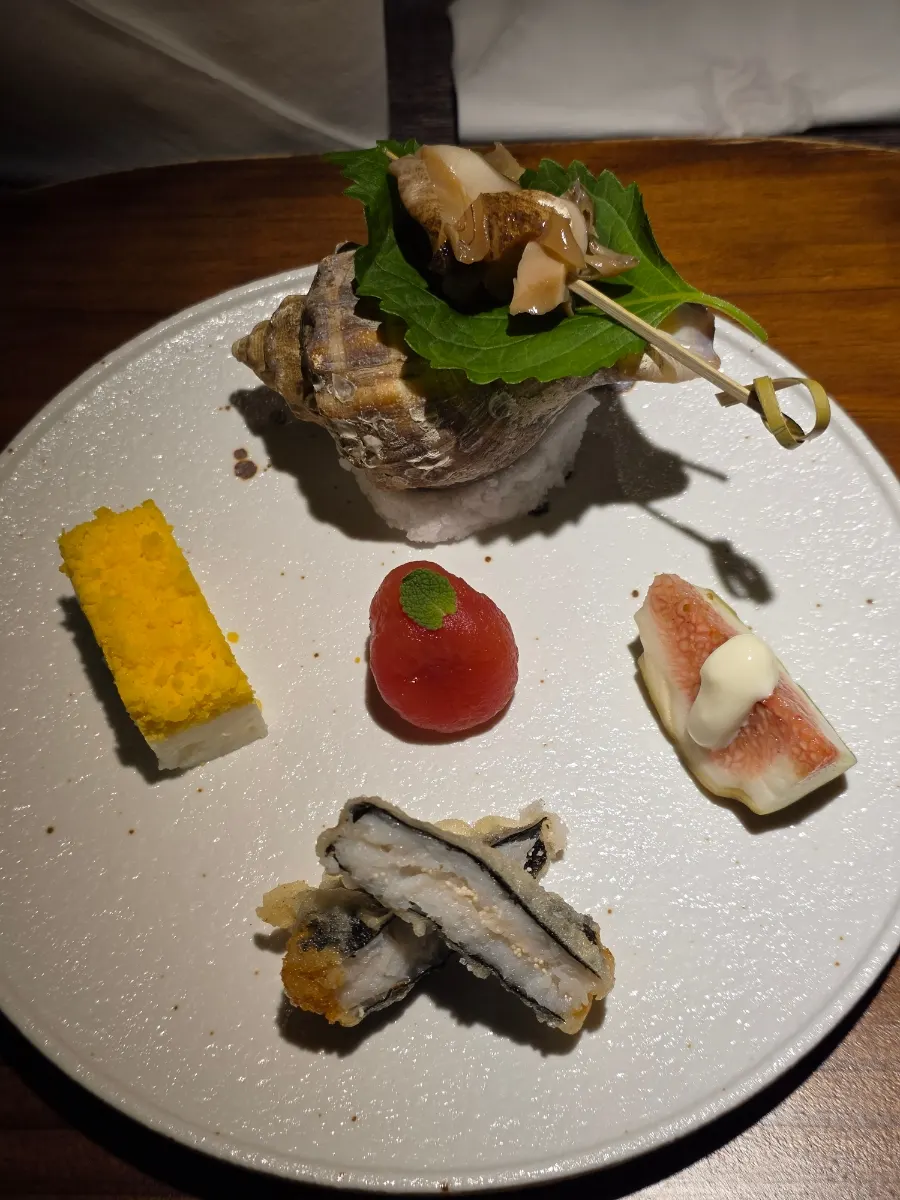
The first course out was five appetizers: braised conch, fig cream cheese, fried hairtail with pollack roe, tamago (Japanese egg omelet), and tomato.
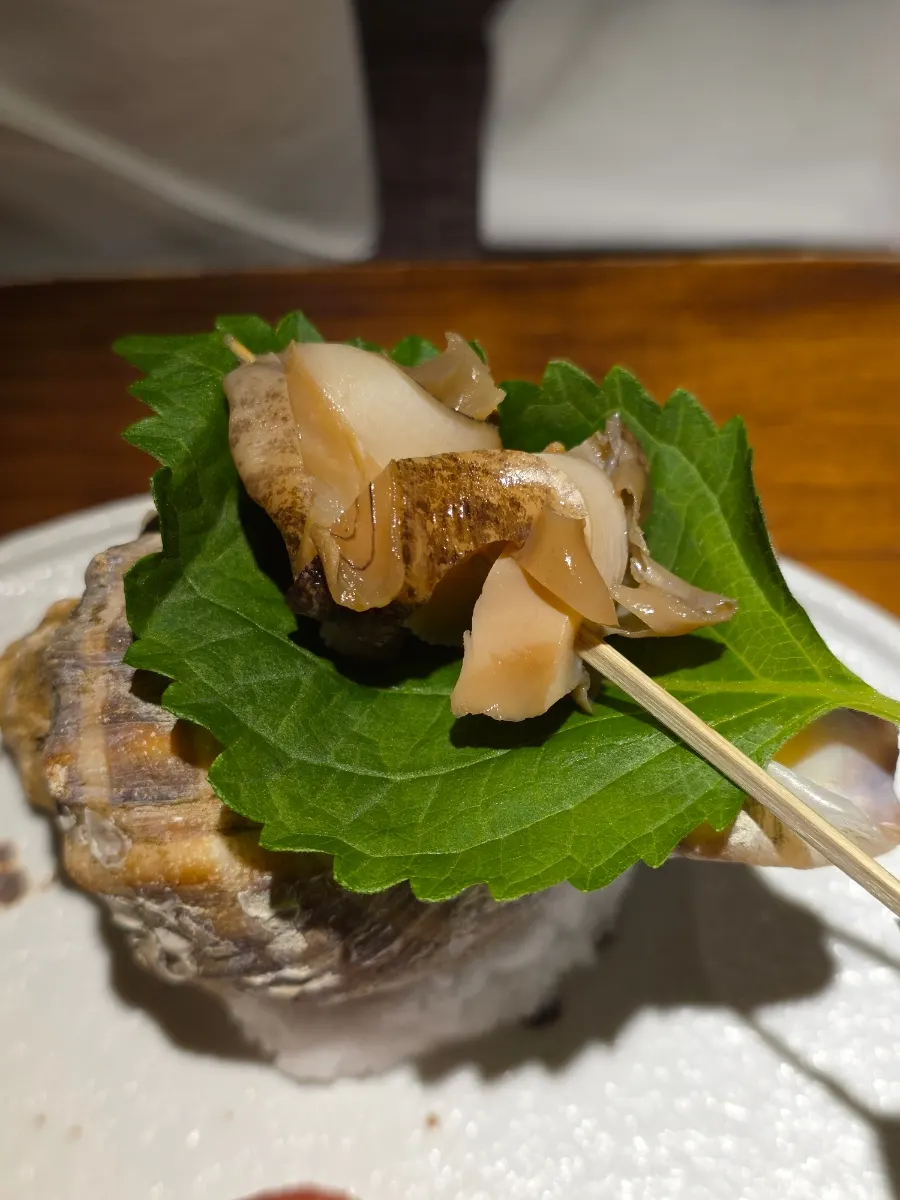
The conch had that distinct crunchy texture, and with what must have been bonito flakes mixed in, the umami got richer the more I chewed.
The fried hairtail was softer and fluffier than expected, and the pollack roe on top added a salty accent that really made it pop.
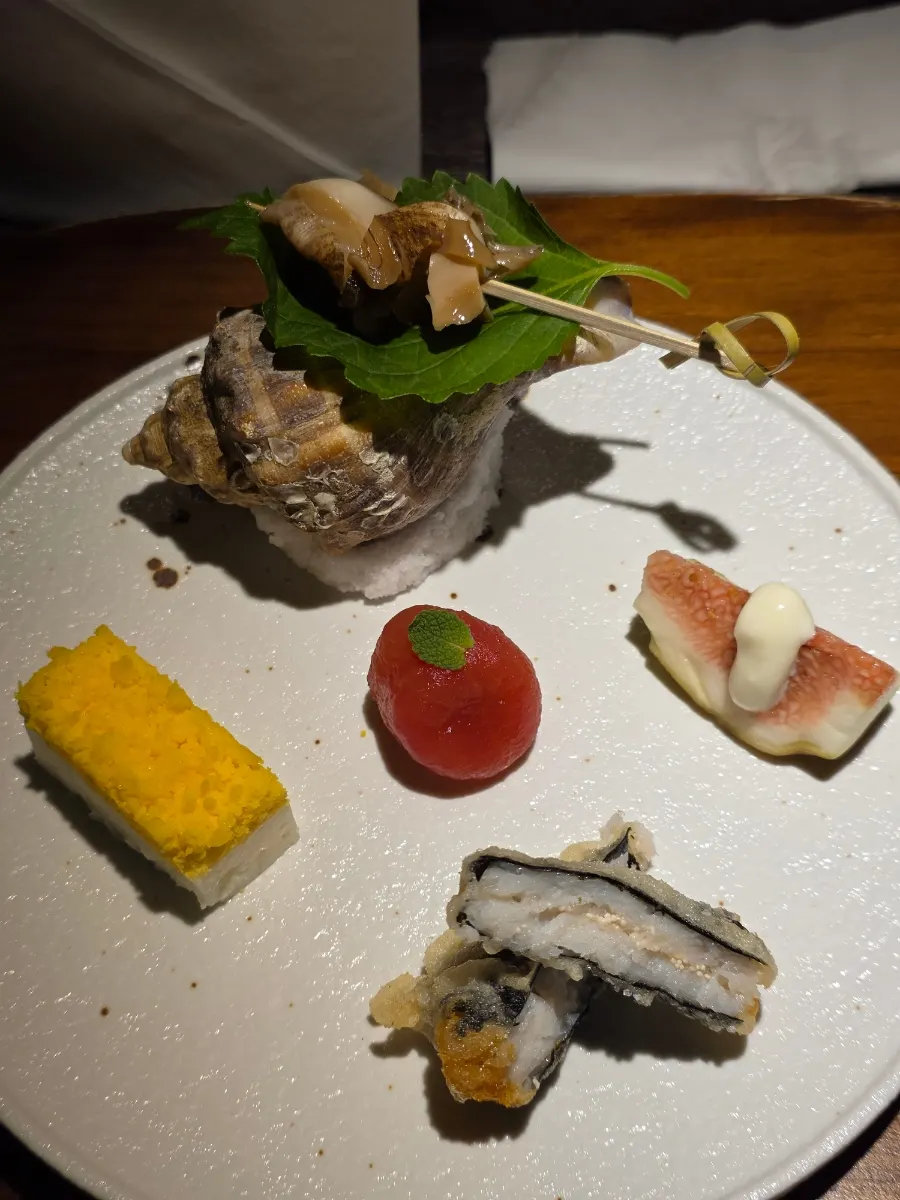
The rest of the small bites used familiar ingredients too, but they tasted different from what I'm used to eating — you can really tell an omakase spot known for its quality apart.
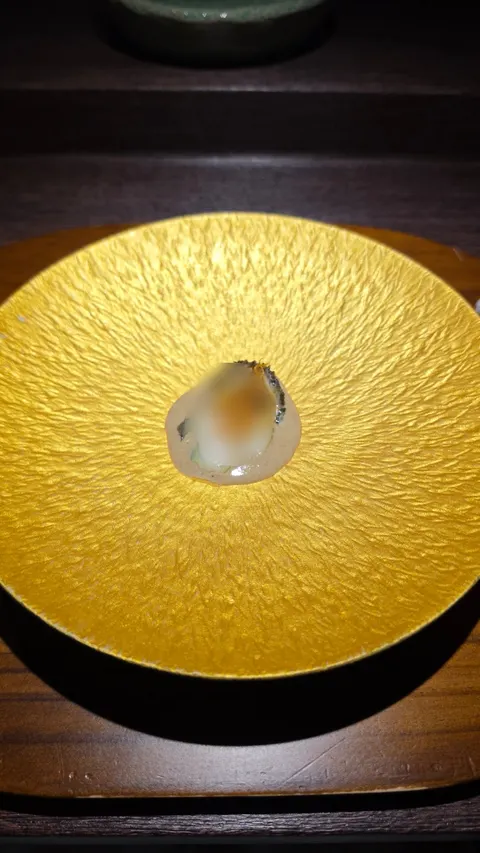
Steamed abalone with snow crab innard sauce
The abalone wasn't huge in size, but we got a whole one each, which was plenty.
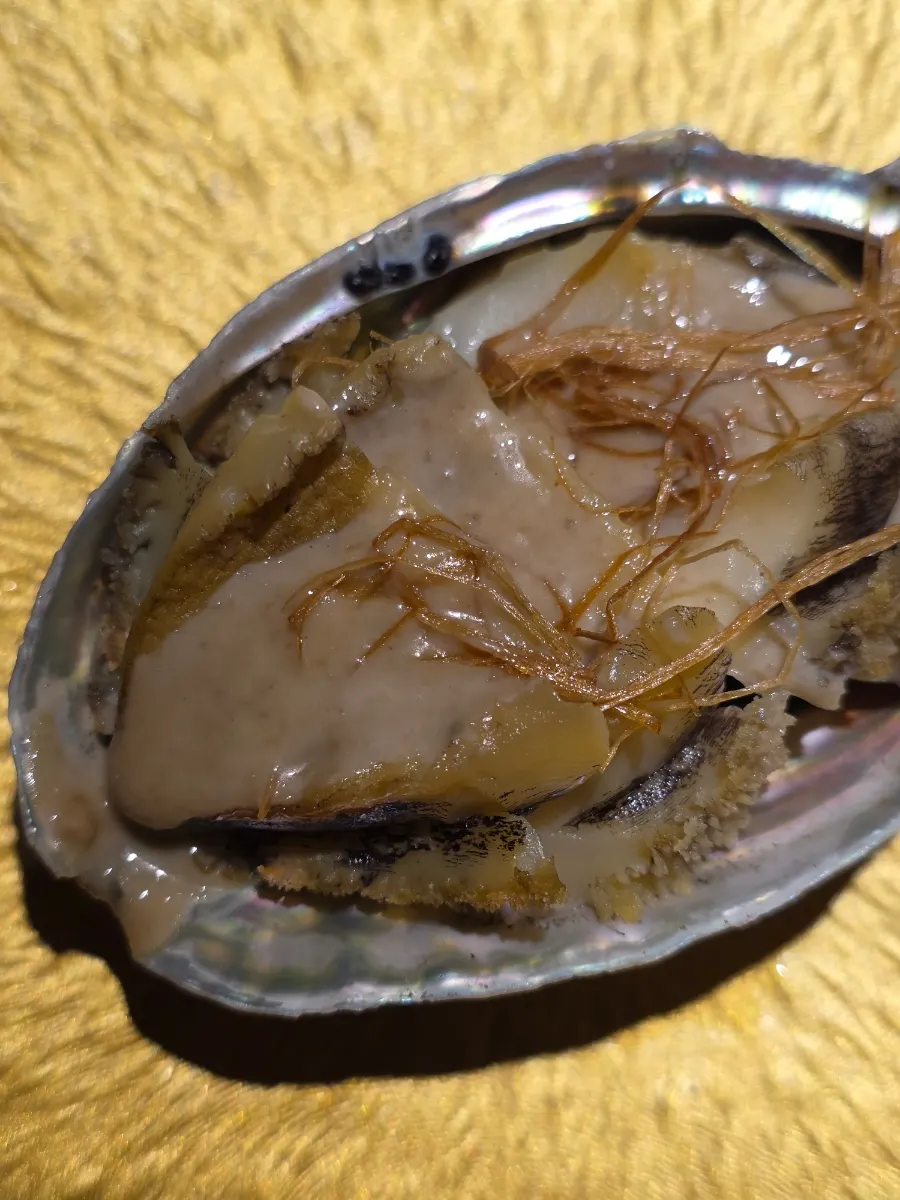
It was appropriately tender while keeping that signature chewy texture of abalone, paired with a snow crab innard sauce that was rich and savory, matching the abalone well. Julienned scallions added interesting aroma and texture too.
Seven pieces of sashimi
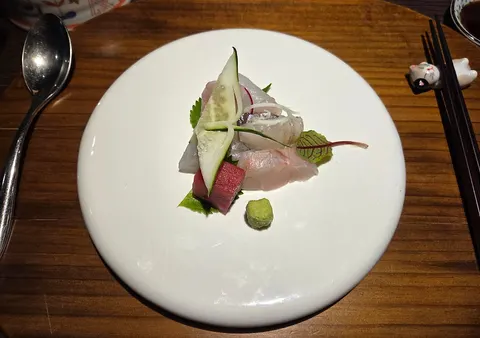
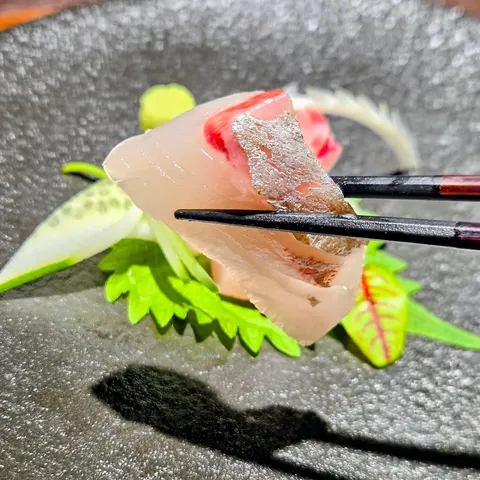
Seven pieces of sashimi — flounder, greater amberjack, mullet, flounder fin (engawa), striped jack, red seabream and more — arrived neatly plated, very omakase-style.
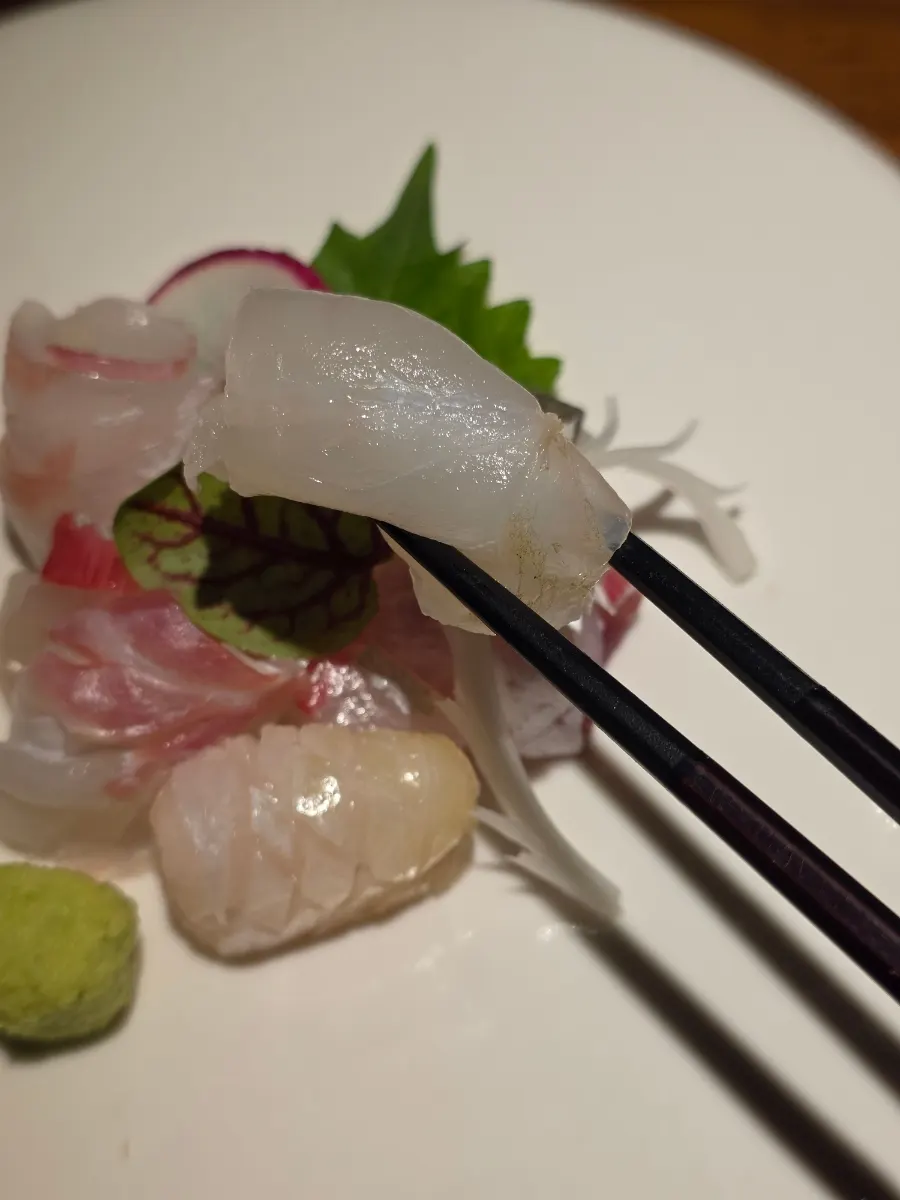
First up was the classic flounder, which didn't seem overly aged, so its signature chewy texture came through well with a clean, subtle umami flavor.
Mullet can be divisive because of its distinct aroma, but the one we had that day had a subtle fattiness and slightly crisp texture. There was almost none of that earthy smell mullet can have, so it turned out much better than expected.
Not pictured, but the flounder fin had incredibly fine scoring cuts, so it had great texture as soon as it hit my mouth — not overly aged to the point of being mushy, but aged just right for Korean palates.
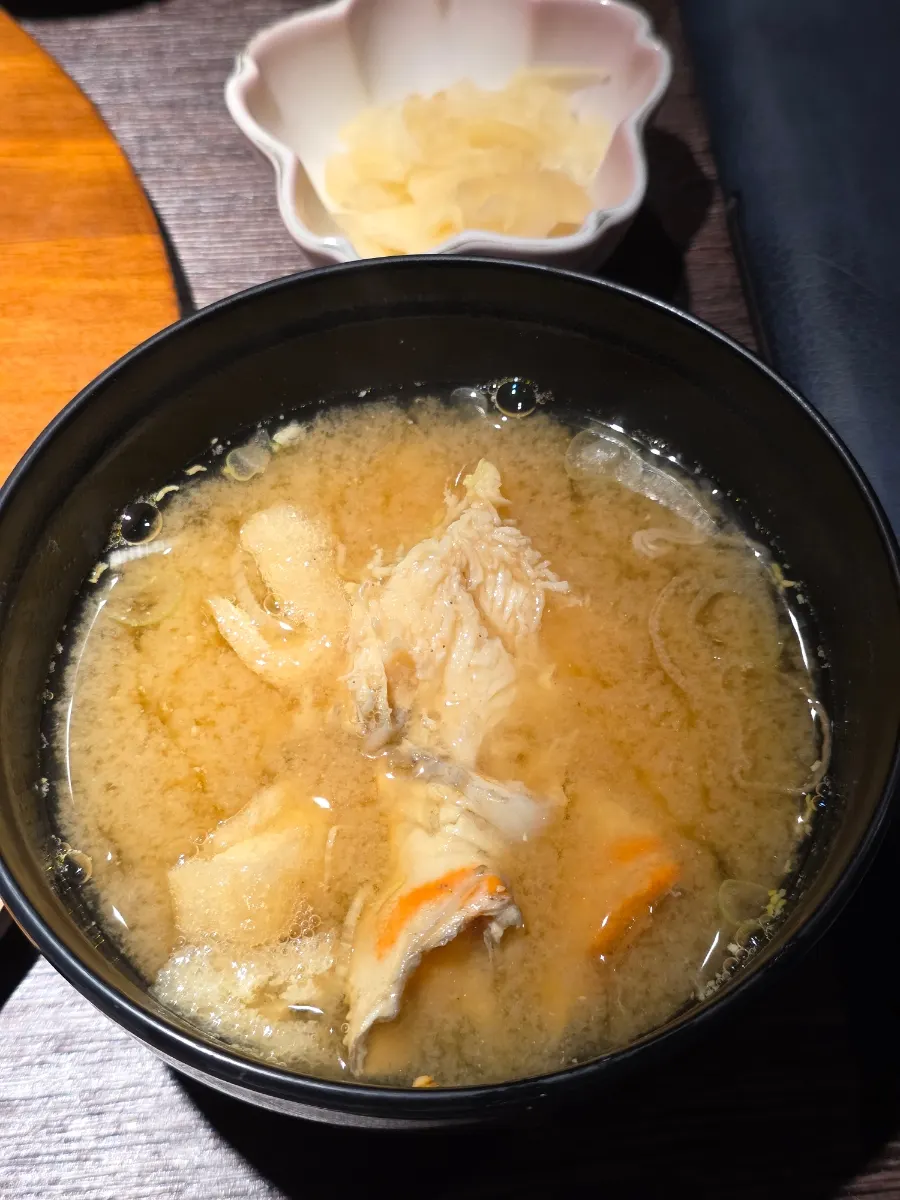
The accompanying soup had snow crab body meat in it, and the meat was fairly plump — as expected, the umami was excellent.
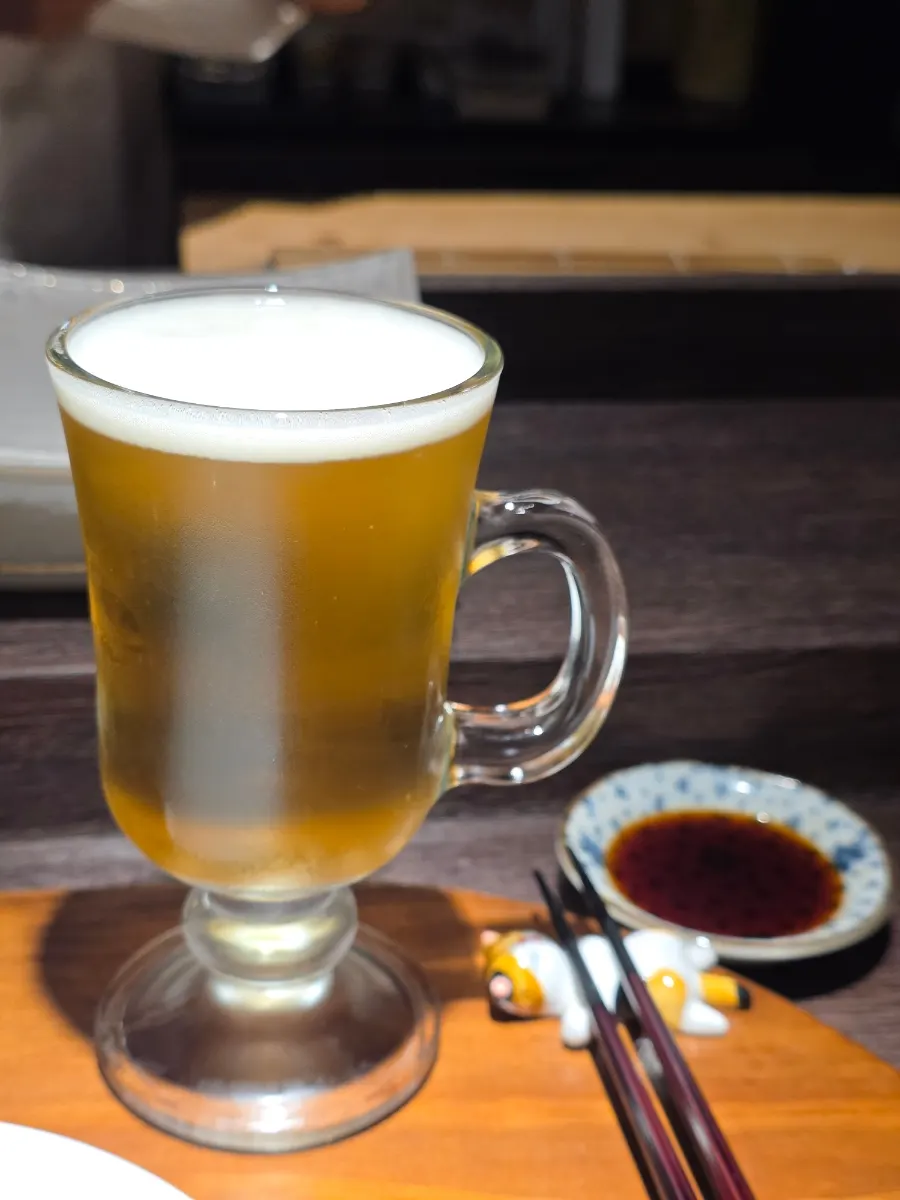
We asked for beer timed with the sushi course. Good for quenching thirst and building up appetite before the sushi began.
Sushi pressed with red vinegar rice
They made each piece right in front of us, and the chef thoughtfully checked whether the rice and wasabi amounts were to our liking. The way it just melts in your mouth — this must be why people go to omakase. Not comparable to supermarket sushi at all!!
Clean, light white fish came out first.
When my boyfriend tried to eat the sushi by hand, they brought a wet towel right away, and noticing he's right-handed, they even placed it thoughtfully on the right side.
Croaker, a summer staple, had a light flavor that let the shari (sushi rice) come through a bit more. Every summer gets hotter, and I just wish it would pass quickly.
The shari had a subtle umami and aroma that made me realize Danya uses red vinegar (akazu) in their sushi rice. It came across more mild than I expected, without any overpowering flavor, which is probably why it stuck with me.
The greater amberjack was thicker than the sashimi version, giving it a better chewy bite.
The flounder fin had looser scoring cuts than the sashimi version, giving a bit more chew, and eating it with rice added some warmth that brought out the fat's nuttiness even more.
The tuna loin leaned more pink, which kept it light while toning down the usual iron-like flavor — I liked that.
Kamatoro (fatty tuna collar) — this is exactly when people say tuna tastes like beef.
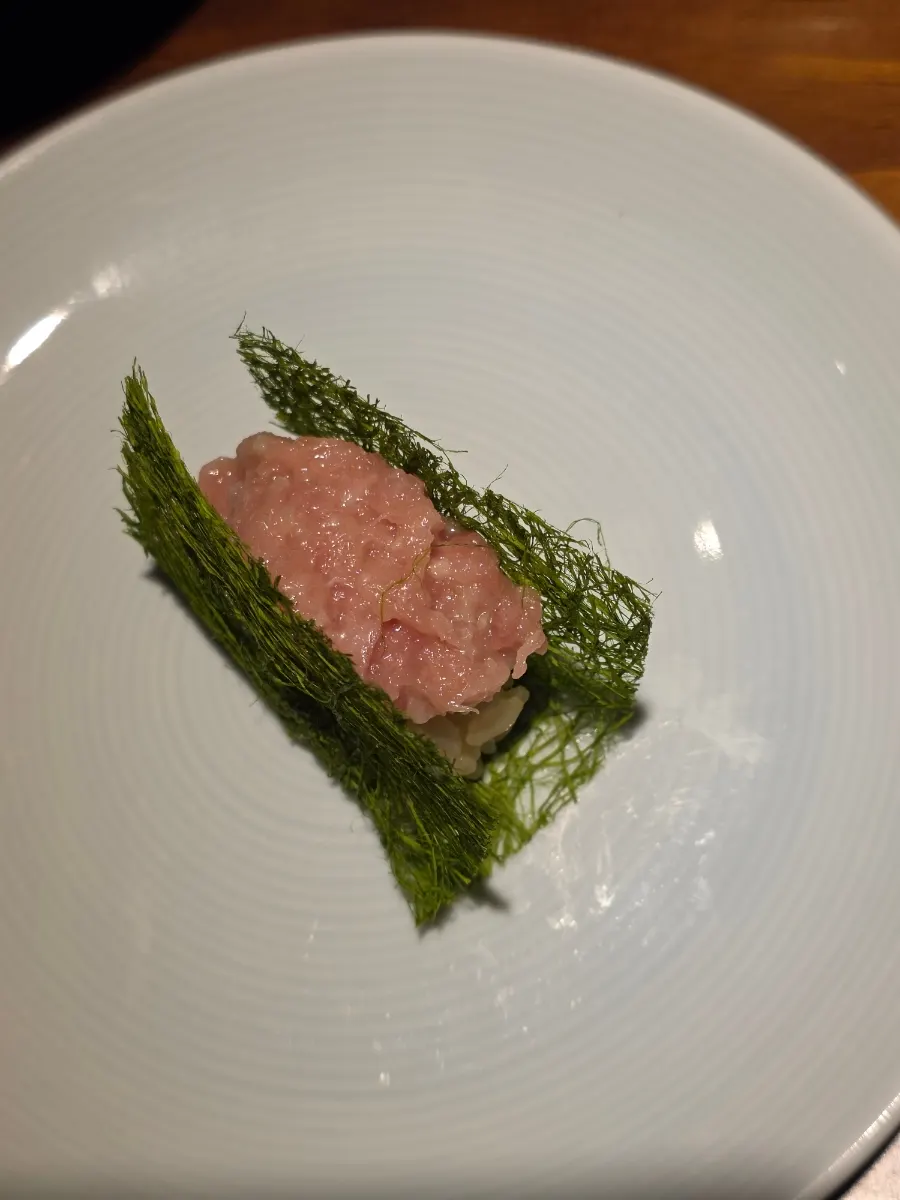
Negitoro made from minced medium fatty tuna belly topped with scallion — the aroma of gamtae (seaweed) blended with the blue-fleshed fish's flavor, coming together surprisingly well without any fishiness.
The snow crab was blanched briefly then chilled in cold water before being placed on top of the leg meat. The meat was soft and moist, melting in my mouth, and I was struck by how sweet the crab tasted.
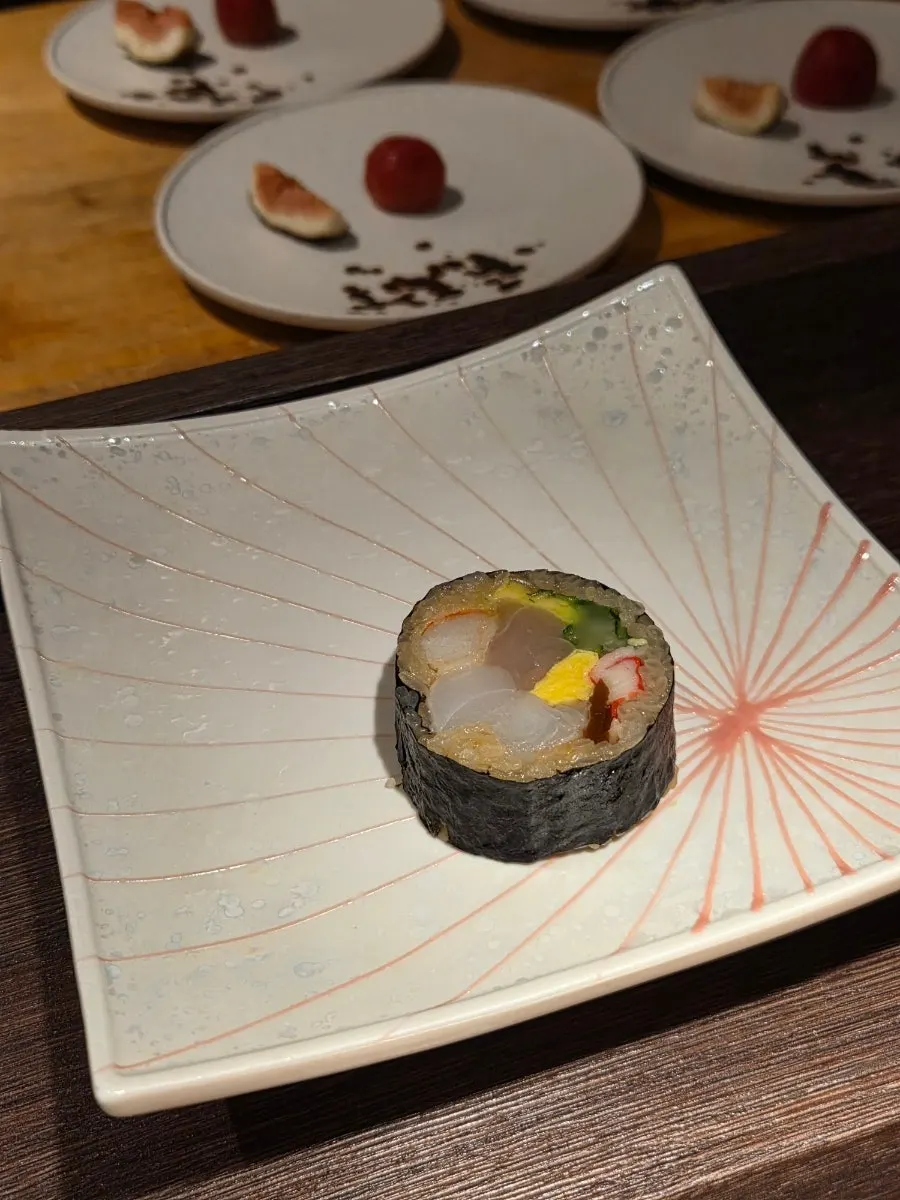
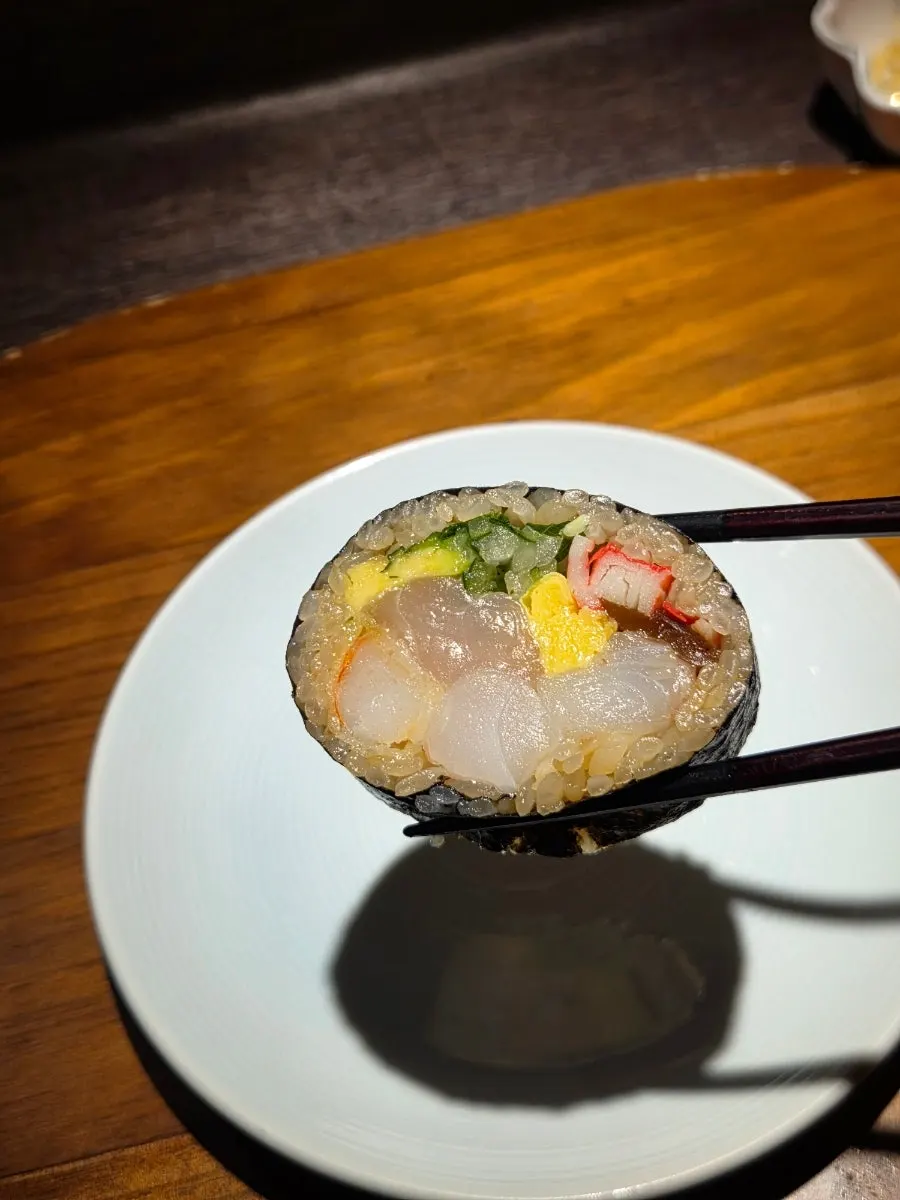
The last piece was futomaki (thick sushi roll), packed with various ingredients for good texture, and the fried shrimp inside added a nice nuttiness.
They remembered I'd mentioned earlier that I can't eat cucumber, so they swapped my boyfriend's futomaki for kelp-cured red seabream instead.
Signature plates and hanwoo striploin steak
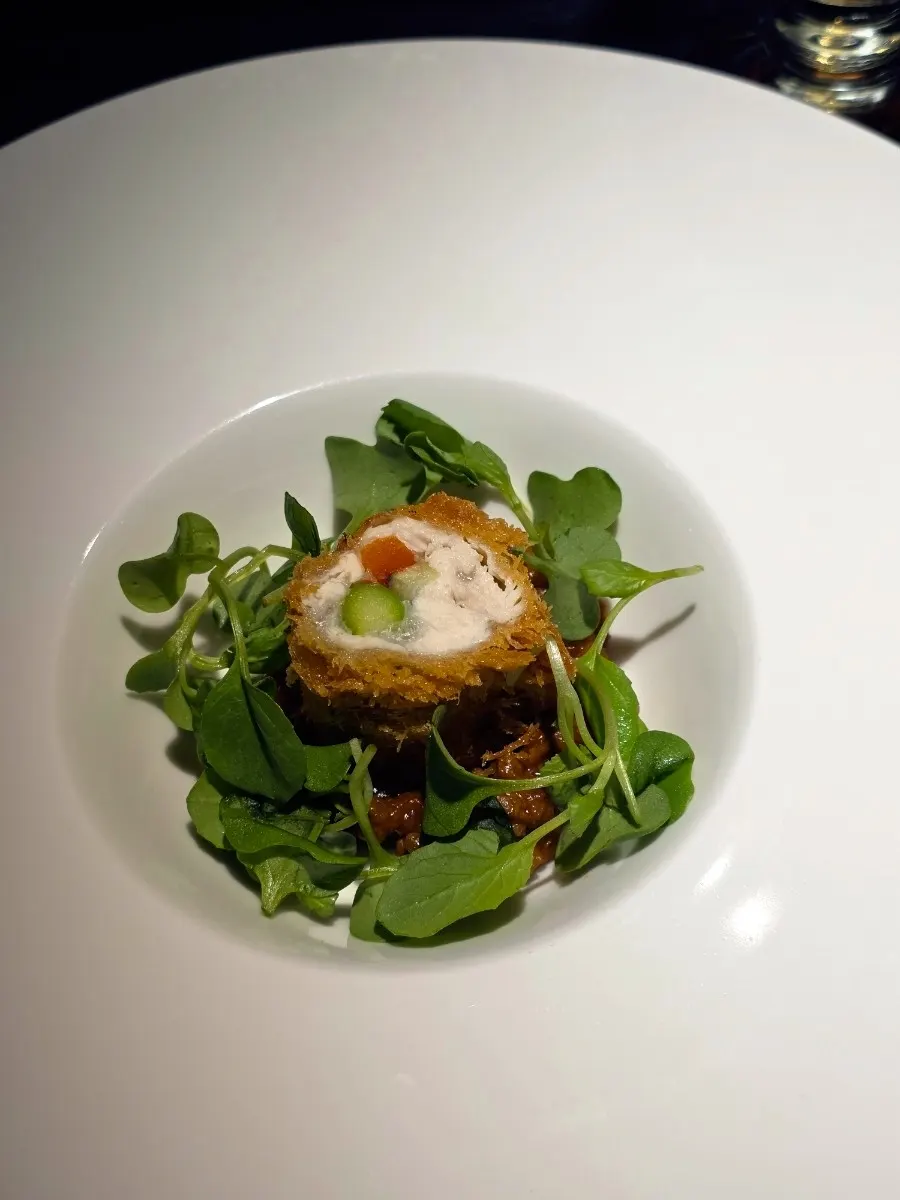
A dish with chicken tenderloin, bell pepper, asparagus and eggplant came out next. It came with Okinawan taco sauce and microgreens, which was a fun change of pace after all the sashimi and sushi. The sauce was great, and the light tenderloin paired with crisp vegetables made this a standout signature dish.
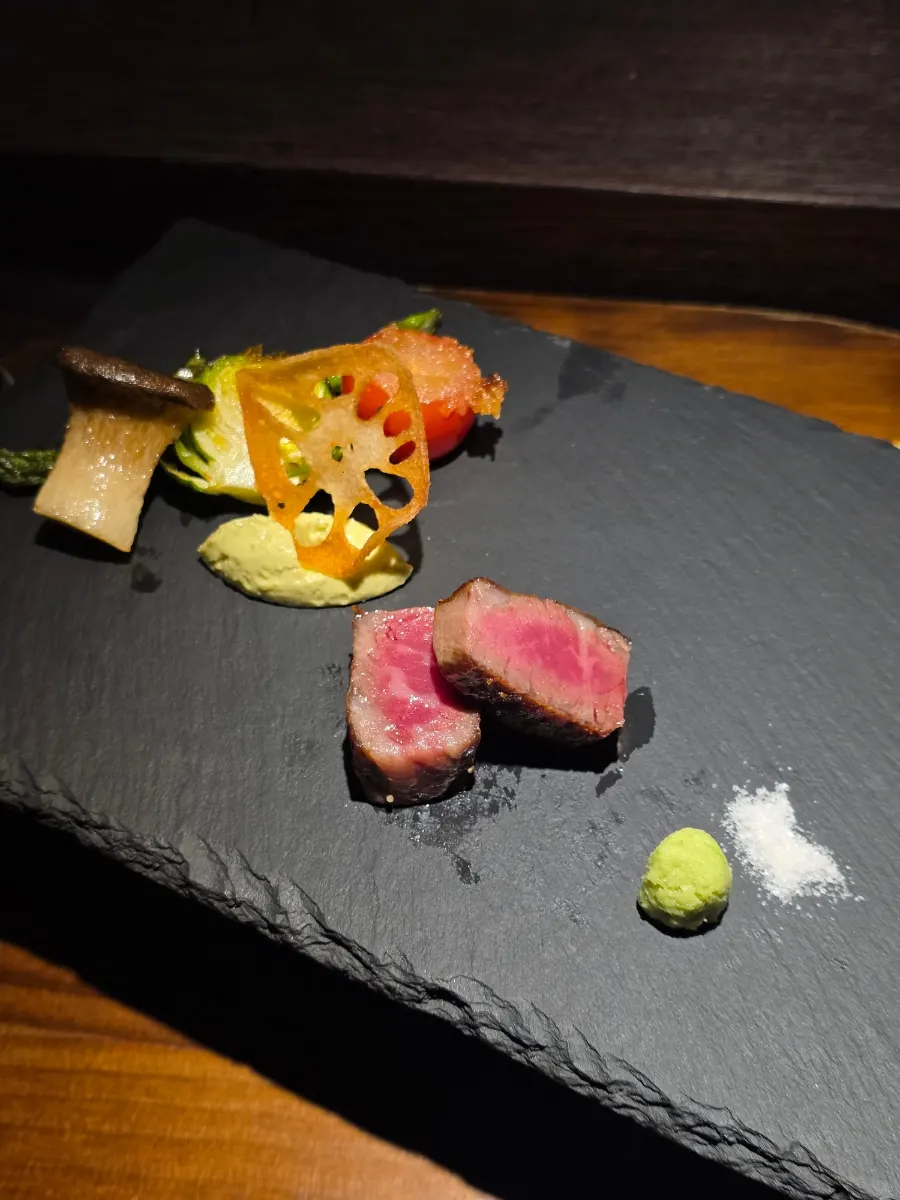
For the meat course, hanwoo (Korean beef) striploin steak arrived. The striploin was cooked medium-rare and tender, served with a basil cream cheese sauce.
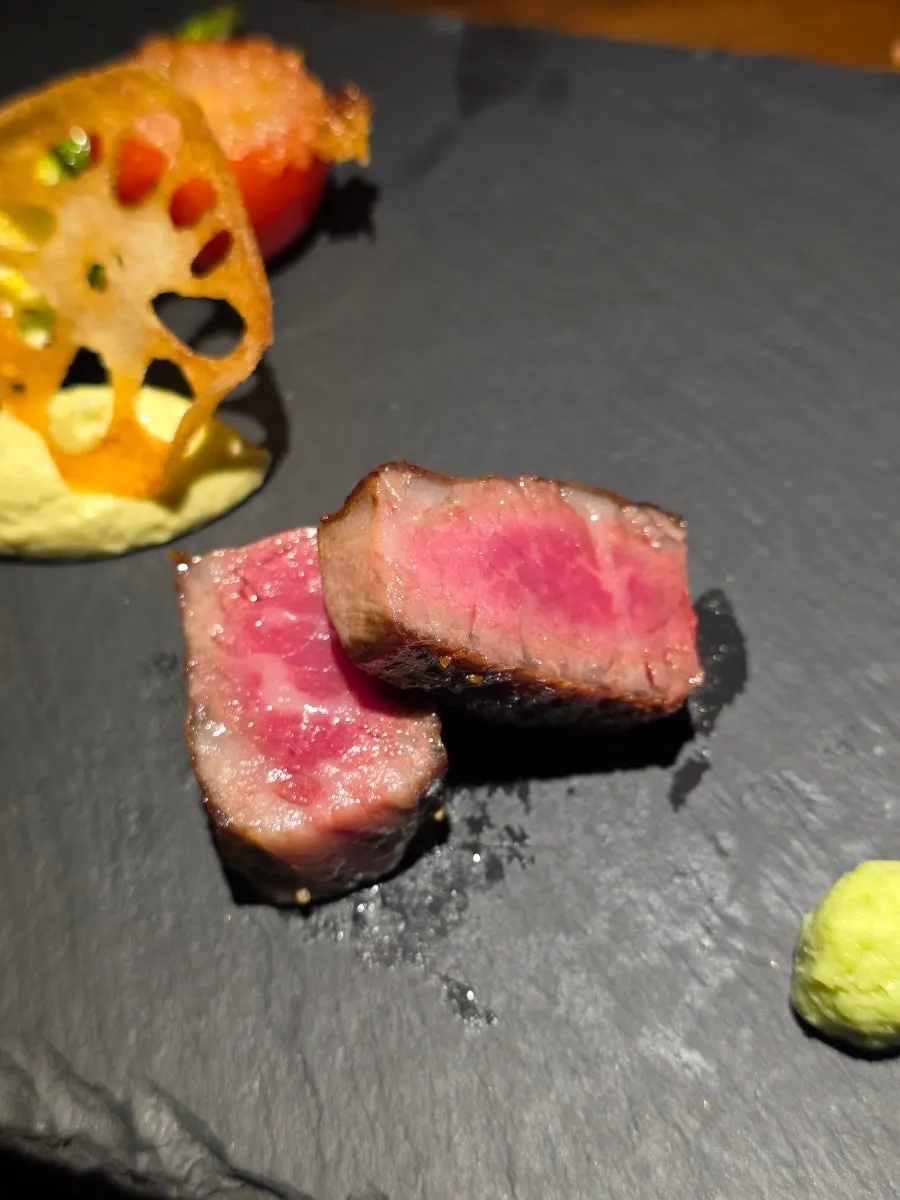
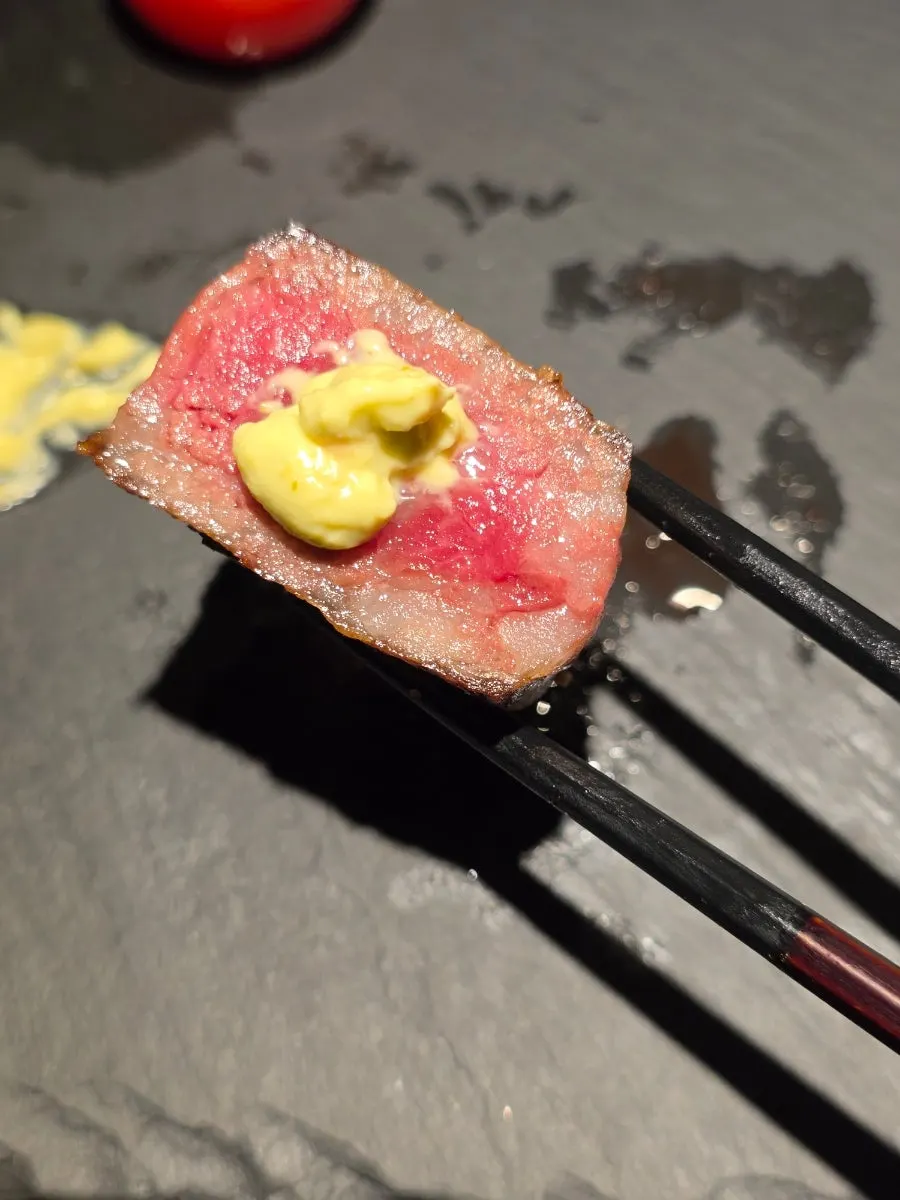
The striploin's signature chew released juices with every bite, and the basil aroma with the creamy sauce added another layer of flavor — I remember the basil cream cheese sauce being more intense than I expected.
Rice course: cold udon with fried anago
For the meal course, cold udon topped with fried anago (conger eel) arrived.
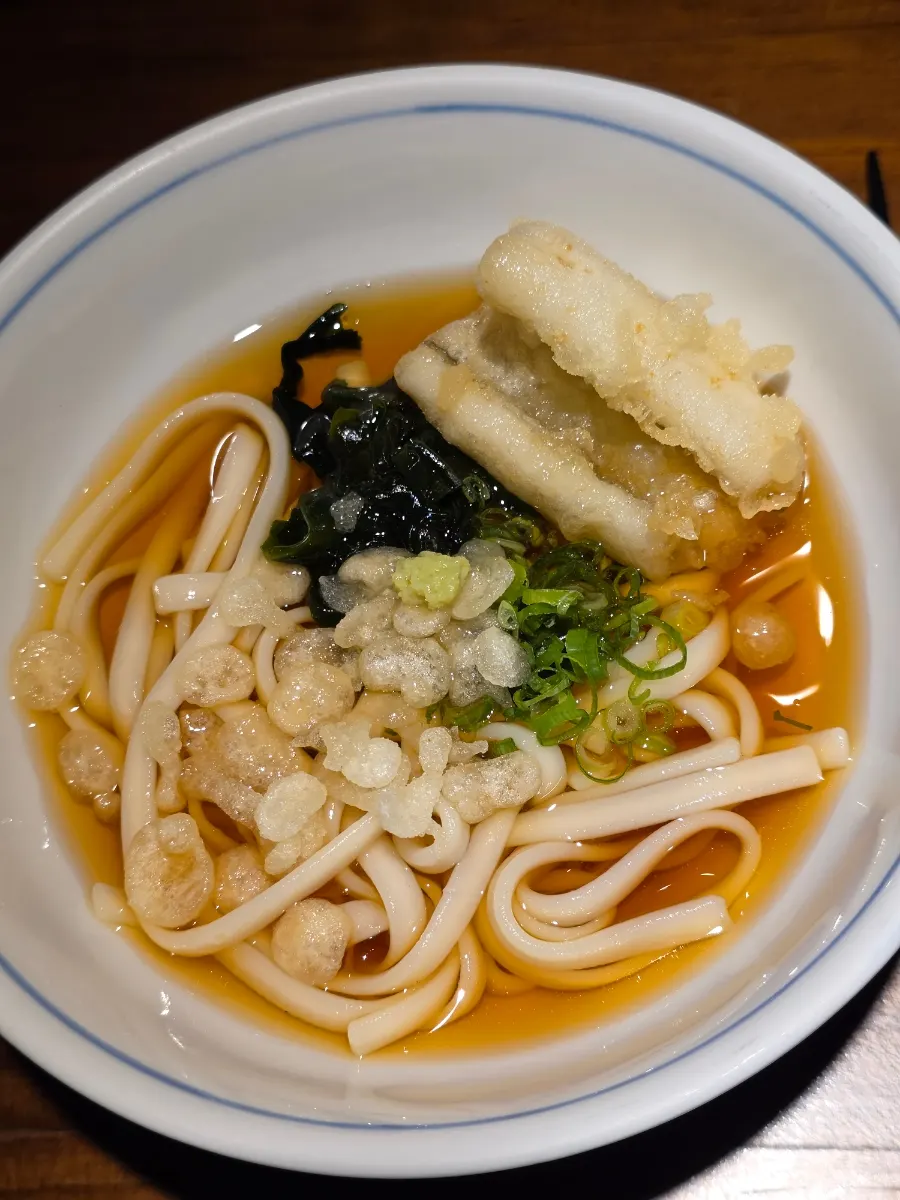
Maybe because of the hot weather, but this cold udon was so good. The refreshing broth, chewy noodles and crispy fried anago all worked together beautifully.
Dessert and the closing drink
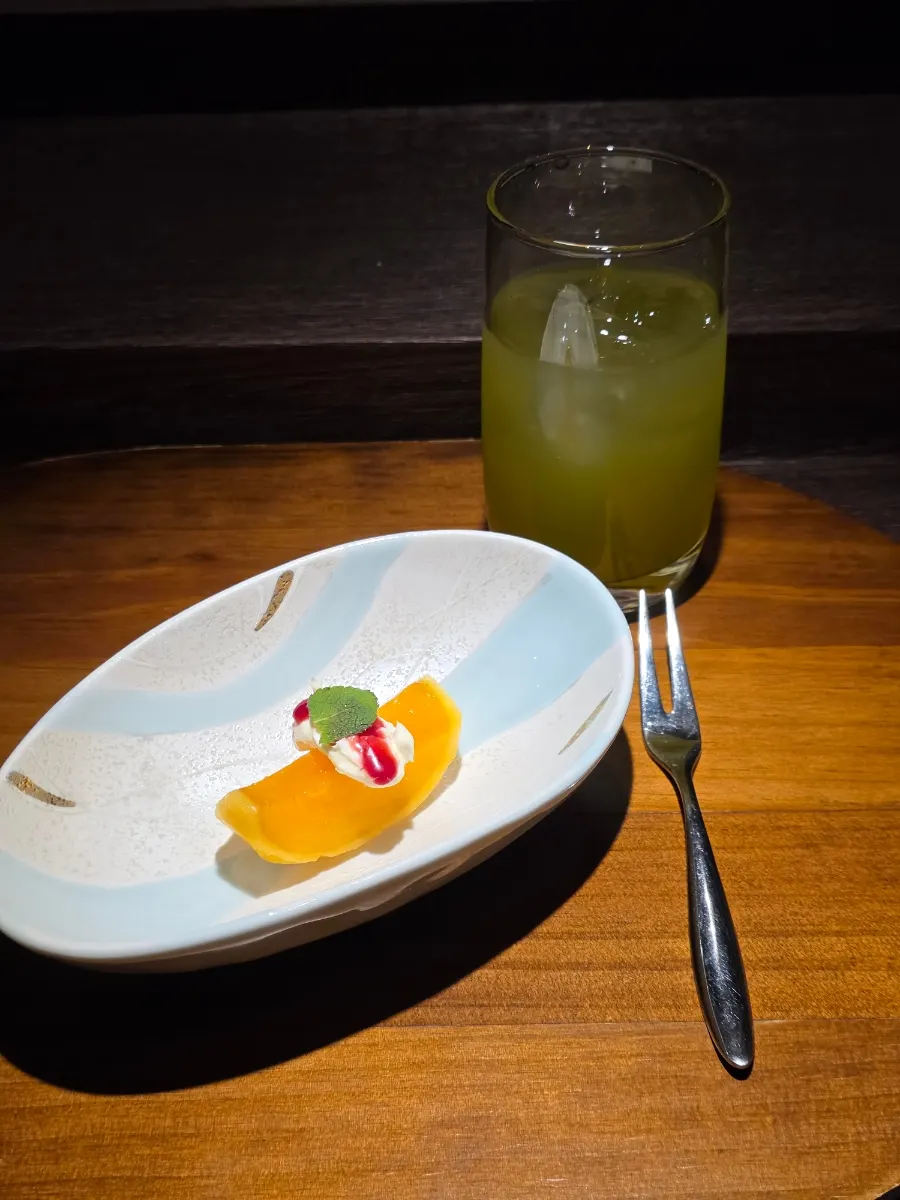
Dessert was a peach compote with cream cheese and raspberry sauce on top, with an intensely sweet flavor and aroma. For the finishing drink, we could choose hot or iced green tea, and we went with iced for a refreshing finish!!
Is the kaiseki course at Danya worth it?
Danya, the omakase spot known for its quality, delivered courteous yet comfortable hotel-style service along with a satisfying space and food lineup — overall a well-priced kaiseki course.
I was a bit worried since I have quite a few food restrictions, but I was able to enjoy even unfamiliar ingredients without much stress. Considering the current dinner prices at high-end sushi spots these days, and factoring in the location and offerings at Seoul Garden Hotel, the price felt fairly reasonable too. If you're looking for hotel kaiseki you can enjoy comfortably at a reasonable price, this is a place worth visiting at least once.
Where it is
58 Mapo-daero, B1F, Mapo-gu, Seoul, South Korea서울특별시 마포구 마포대로 58 지하 1층