Apgujeong SMP clinic for a middle-aged woman's hair whorl: Doteurak
In short
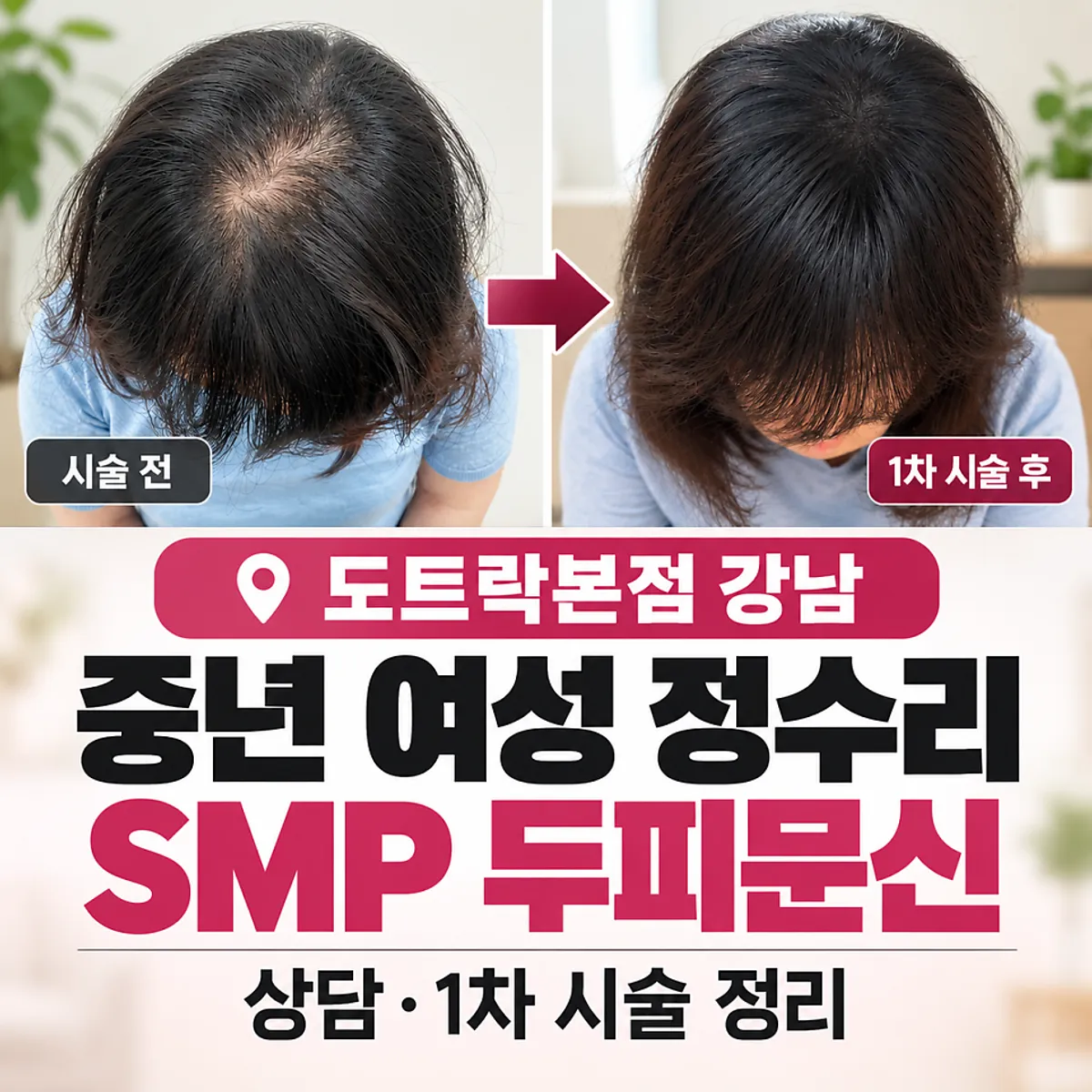
Doteurak is an SMP (scalp micropigmentation) studio on Eonju-ro 172-gil in Gangnam, Seoul, between Apgujeong and Apgujeong Rodeo stations. A middle-aged woman worried about show-through at the crown, parting and hair whorl talked through coverage area and pigment density at Doteurak, then had her first session, which felt like a stinging prickle and added natural-looking density between her existing hair. If crown thinning bothers you, settle the coverage area and the number of sessions in consultation before you book.
Good to know
- Location
- 4F, 12 Eonju-ro 172-gil, Gangnam-gu, Seoul (between Apgujeong and Apgujeong Rodeo stations)
- Hours
- Mon, Tue, Thu, Fri, Sat 10:00–20:00
- Closed
- Wednesdays and Sundays
- Parking
- Available, but paid
- Bus
- Get off at Apgujeong Police Substation stop, then a short walk
as written by the visitor on Sep 14, 2026
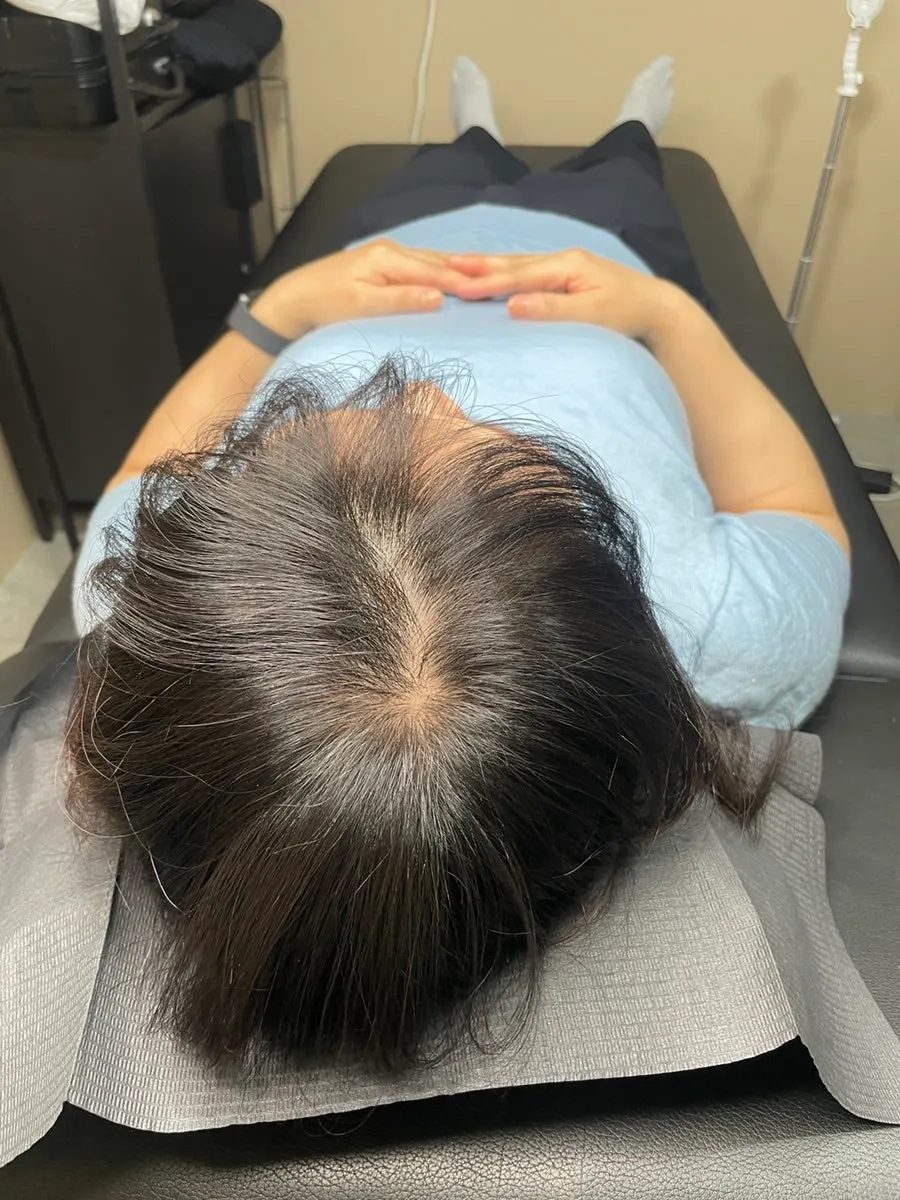
As you get older, you sometimes start noticing things in the mirror that never bothered you before. Women in particular often worry more about their crown parting or the area around their hair whorl showing through than about their hairline, wondering "has my hair really thinned that much?" Bright elevator lighting or a salon mirror can make the crown look especially exposed, which only adds to the worry. In this post I'll go over crown, parting and hair-whorl concerns for middle-aged women, along with what's worth checking when looking into SMP (scalp micropigmentation).
Why the crown and parting look thin on middle-aged women
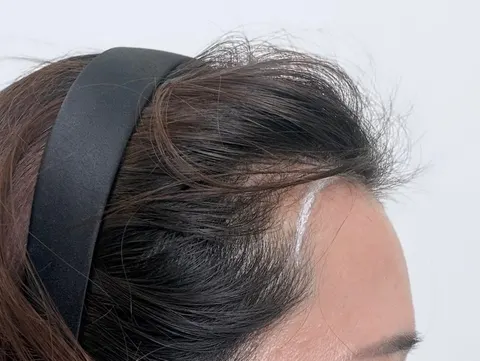
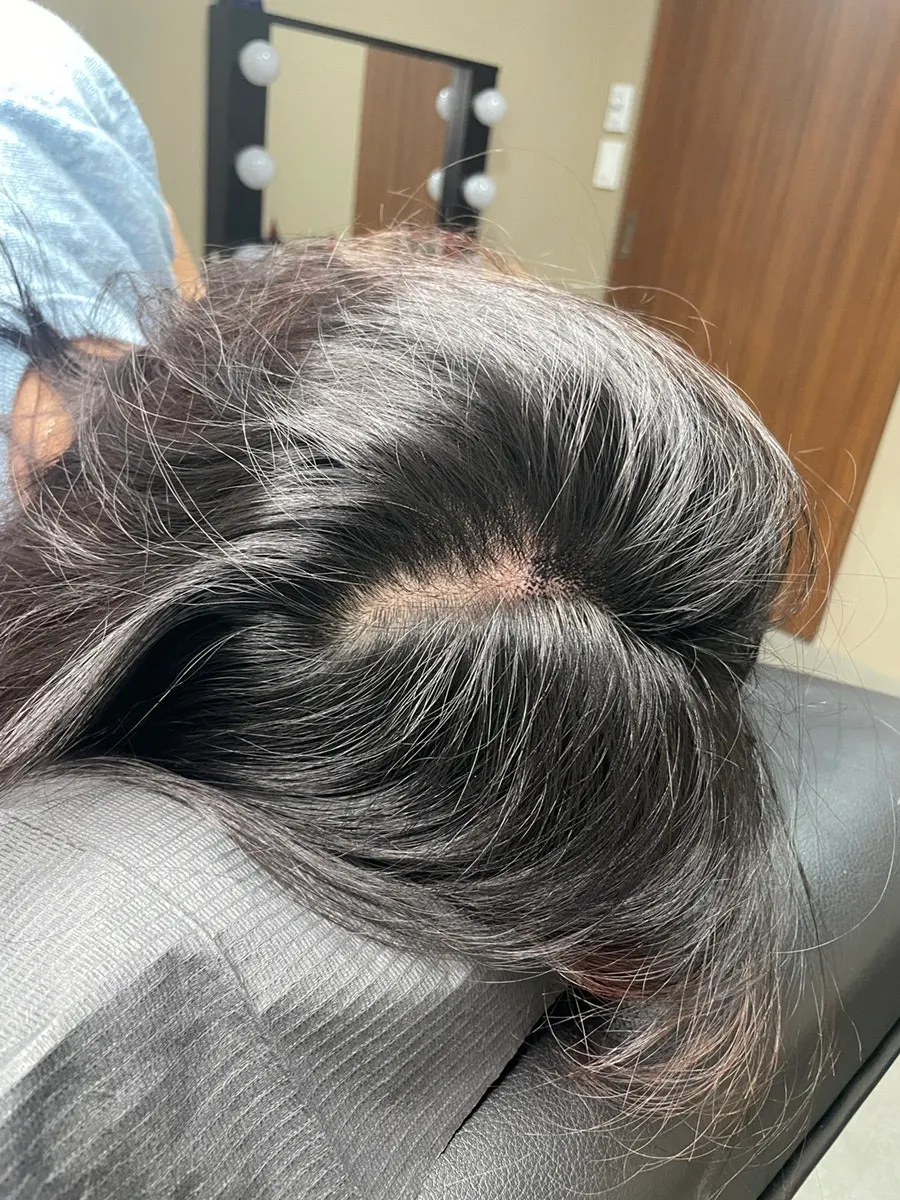
The crown is a spot you can't easily see for yourself. So it's often the first time you notice it looking thin when you catch a photo or a salon mirror shows it to you. Around the hair whorl especially, hair grows in several different directions, so the scalp can show through more than the actual hair volume would suggest.
On top of that, parting your hair the same way for years, or hair getting thinner overall, can make the thin look more pronounced. The important thing is not to jump to conclusions about the cause just because the crown "looks thin." Scalp micropigmentation is a visual cover-up method, not a treatment that makes hair grow.
1. Hormonal changes
After midlife, changes in female hormones can shorten the hair growth cycle. Especially around menopause, hair at the crown and parting can thin, making the scalp show through more. Since individual differences are large, if hair loss suddenly worsens it's worth getting checked by a specialist.
2. Hair aging and a changing scalp environment
As you age, hair itself gets thinner and loses elasticity, which can make it look sparser than before. The crown catches direct light, so this change tends to stand out there. Scalp dryness, changes in sebum, and frequent dyeing or heat styling can also affect hair condition.
3. Stress, nutrition and daily habits
Severe stress, lack of sleep, rapid weight loss, or nutritional imbalance can trigger or worsen temporary hair loss. Lack of protein or iron in particular can affect hair growth. If you've noticed a sudden increase in shedding, it's worth checking both your lifestyle and overall health.

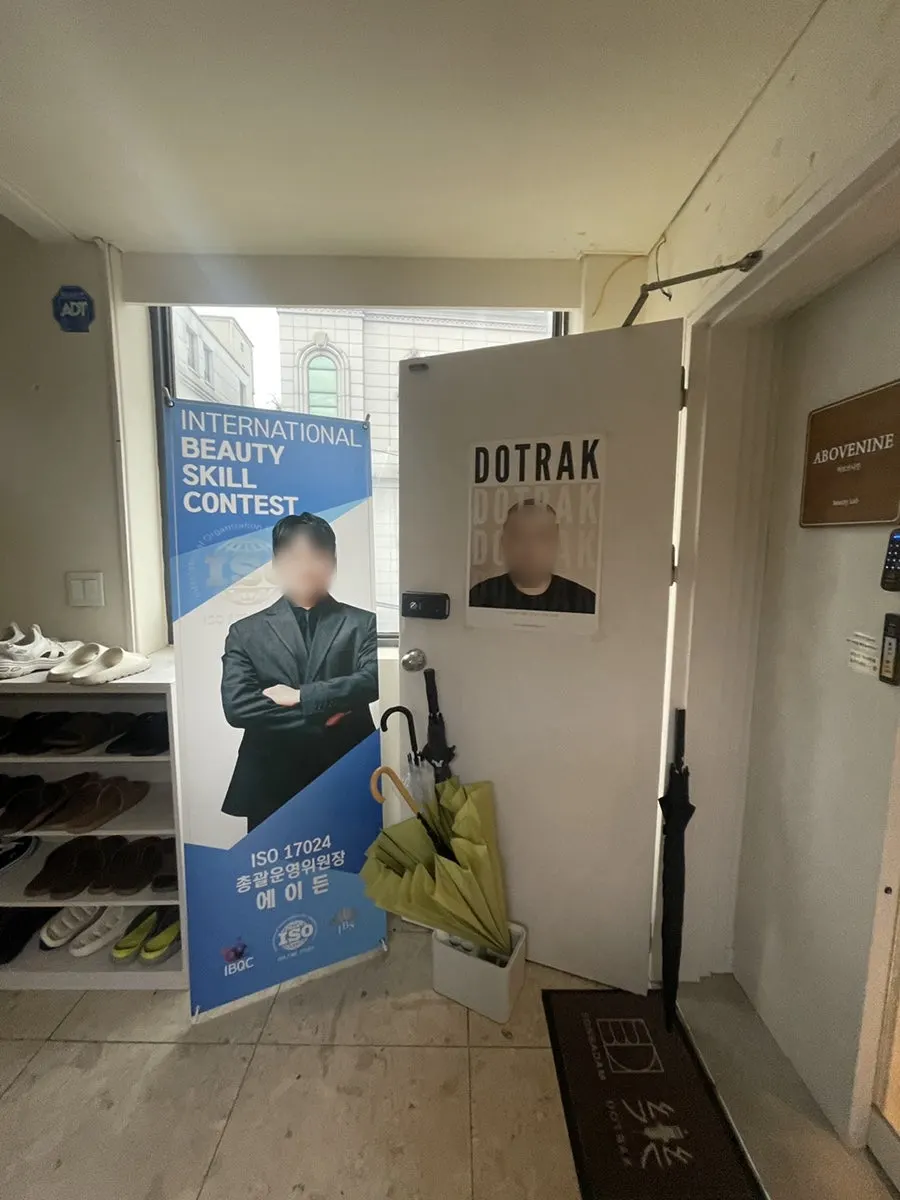
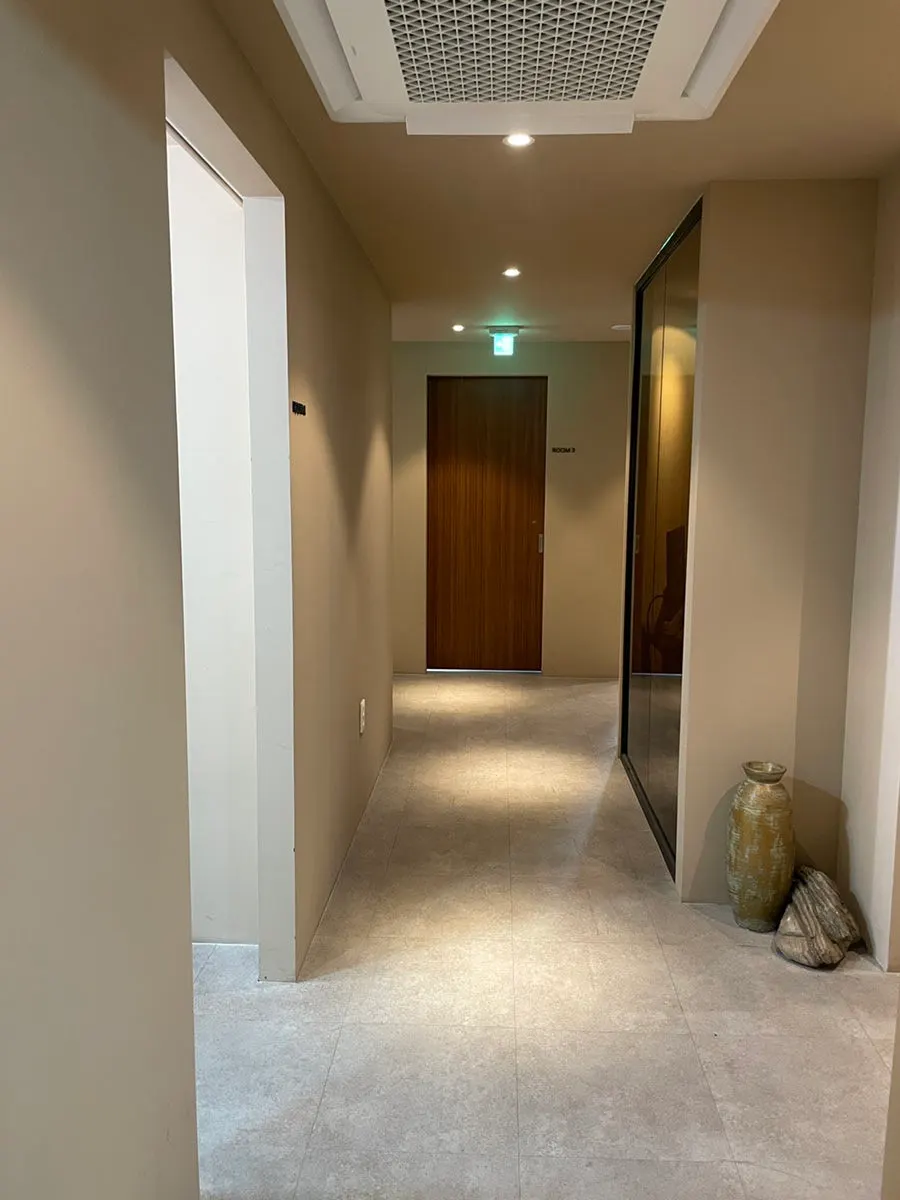
Doteurak in Apgujeong: location, hours and parking
What the name Doteurak means
The name "Doteurak" apparently combines the English word "dot" with the Chinese character 樂 (rak), meaning joy. The idea is that adding tiny dots to the scalp through SMP can naturally soften an appearance concern and help someone regain confidence. In short, Doteurak is meant to convey "gaining confidence through dots, and building a happier daily life."
Address
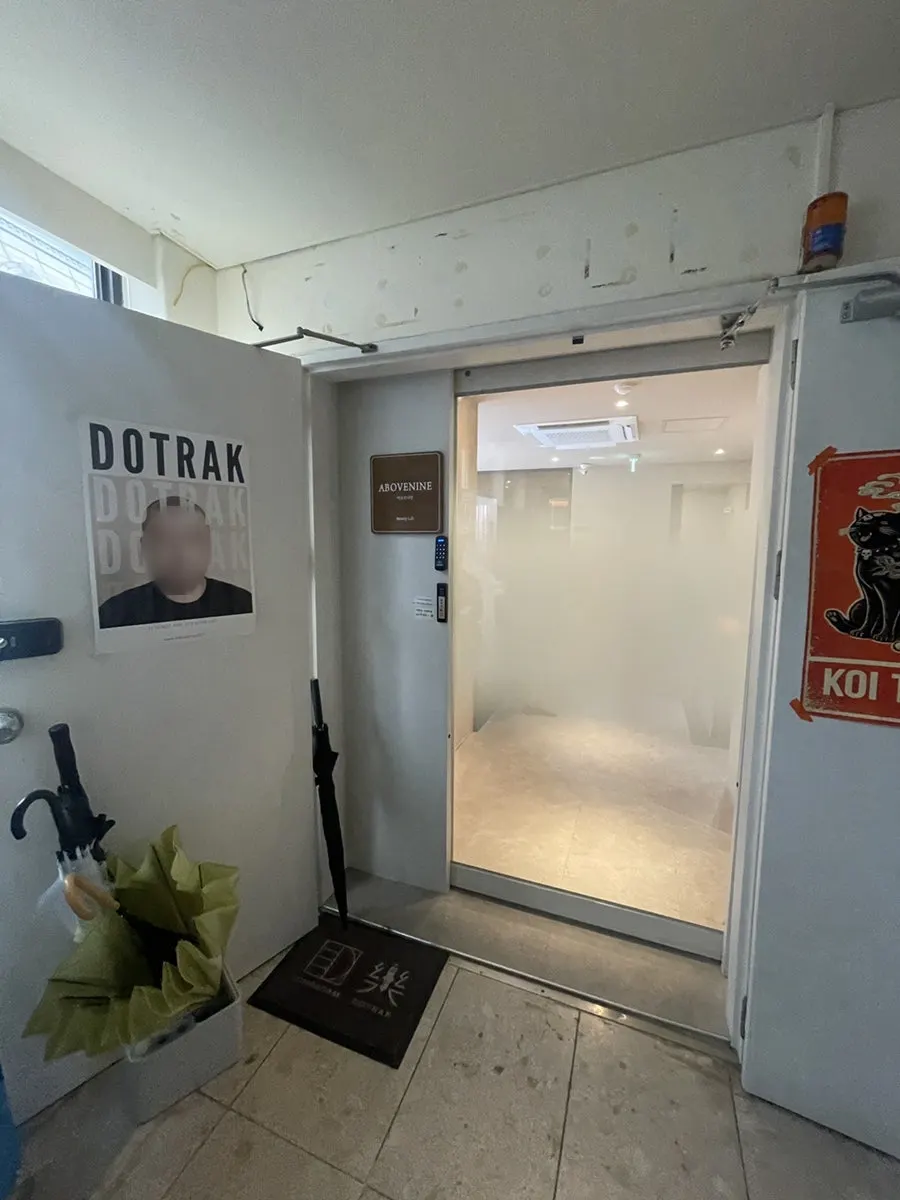
Doteurak's main branch is located at 4F, 12 Eonju-ro172-gil, Gangnam-gu, Seoul. It sits between Apgujeong Station and Apgujeong Rodeo Station, within walking distance of both. If taking the bus, you can also get off at the Apgujeong Police Substation stop. The building is down an alley off the main street, with a guide banner out front that's helpful for first-time visitors.
Opening hours
Open Monday, Tuesday, Thursday, Friday and Saturday from 10:00 to 20:00, closed Wednesdays and Sundays.
Parking
Parking is available but paid, so if you're driving it's worth checking the cost in advance.
What is SMP scalp micropigmentation on a woman's crown?
SMP (Scalp Micropigmentation) deposits pigment in tiny dot shapes on the scalp to create the look of denser hair follicles or hair. It's used to visually add density to areas like the crown or parting where the scalp shows through. It is not a hair-loss treatment that grows actual hair, and getting a natural look that matches your scalp condition and hair color is what matters most.
For a woman's crown or parting, the focus is usually less on areas with no hair at all and more on naturally softening spots where scalp shows brightly between existing strands. So what matters isn't whether the dots themselves are noticeable, but how naturally they blend with existing hair. Rather than covering too wide an area or going for a dark, dense look right away, adjusting gradually based on current hair color and scalp condition can help produce a more natural result.
What the Doteurak consultation checked first
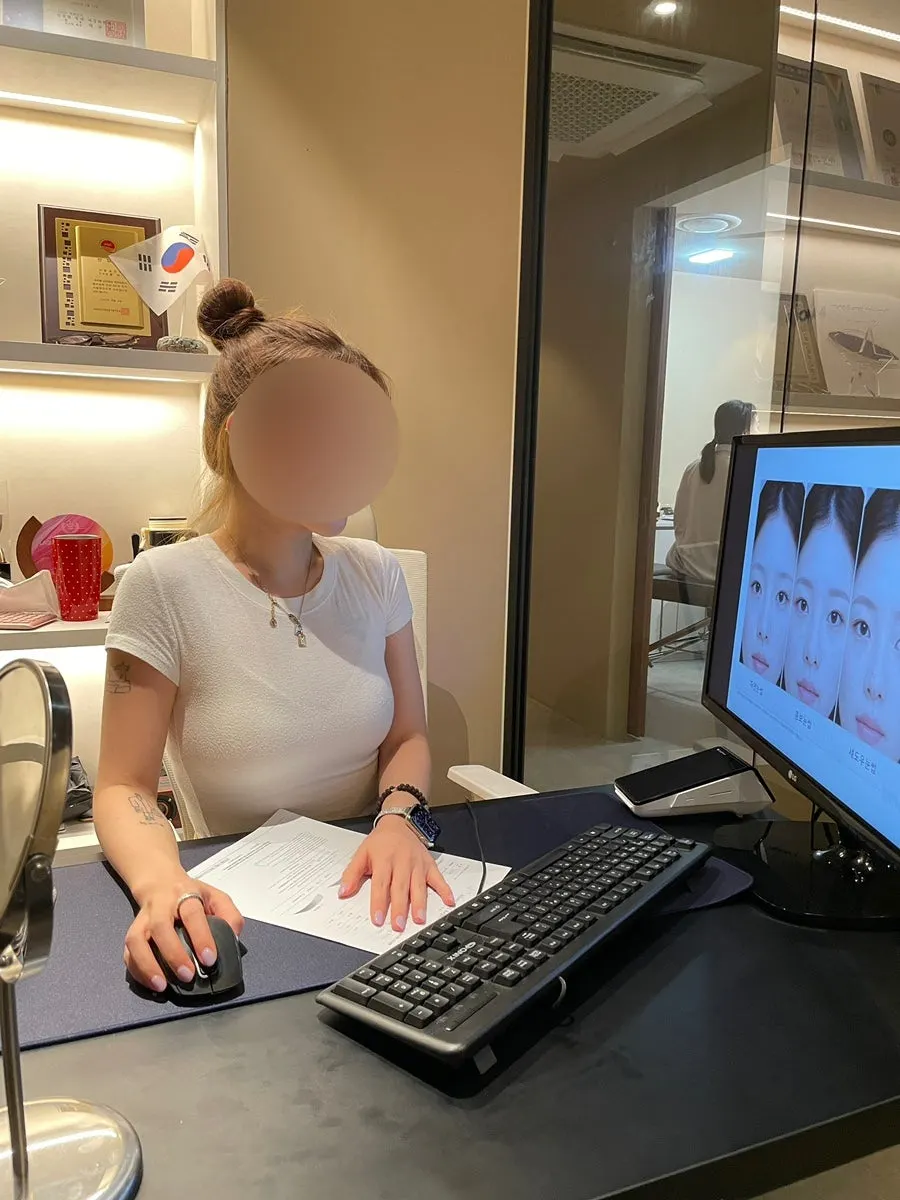
Scalp micropigmentation isn't a matter of simply saying "fill in my crown" and starting right away — the consultation process of checking current scalp condition matters. First they confirm whether the concern is the crown, the parting, or mainly the hair whorl, then decide the coverage area. For women, hair length, parting direction, and habits like tying hair up can all affect where the thinning shows, so the area can differ from person to person.
During the consultation it's also good to mention any skin issues or allergies in advance. Taking photos to record your current state also makes it easier to compare changes across sessions later.
Why women's crown SMP looks different from SMP on a shaved scalp
SMP on a woman's crown can feel a bit different from the method of filling in dots to mimic follicles on a closely shaved scalp, since it's often about adding density between existing long hair. That means going too dark or too sharply defined can actually look unnatural. Starting light and then filling in gaps based on how it settles can help reduce the pressure of getting it right the first time. Reference reviews also mentioned adjusting density and depth over multiple sessions rather than finishing in one go.
The look right after the first session is not the final result
It's hard to judge the final result just from how it looks right after a single session. At first the dots may look slightly more noticeable or the color may seem darker, and there can be a settling-in period afterward. Also, for wider areas like the parting or hair whorl, the approach is often to fill in gradually over several sessions rather than all at once. So even if the first session feels "less filled in than expected," it's worth checking the planned number of sessions and the follow-up plan first.
How much does scalp micropigmentation hurt?
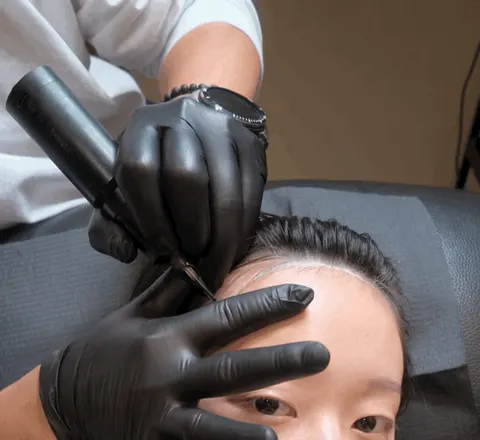
One of the most common questions about scalp micropigmentation is the pain. In this account, the area was larger than an eyebrow tattoo so there was a stinging sensation, but it wasn't unbearable. That said, pain perception varies a lot from person to person, so it's hard to say it will feel a certain way for everyone. If your scalp is sensitive or you react easily to skin irritation, it's worth mentioning that during the consultation, and speaking up right away if anything feels uncomfortable during the session.
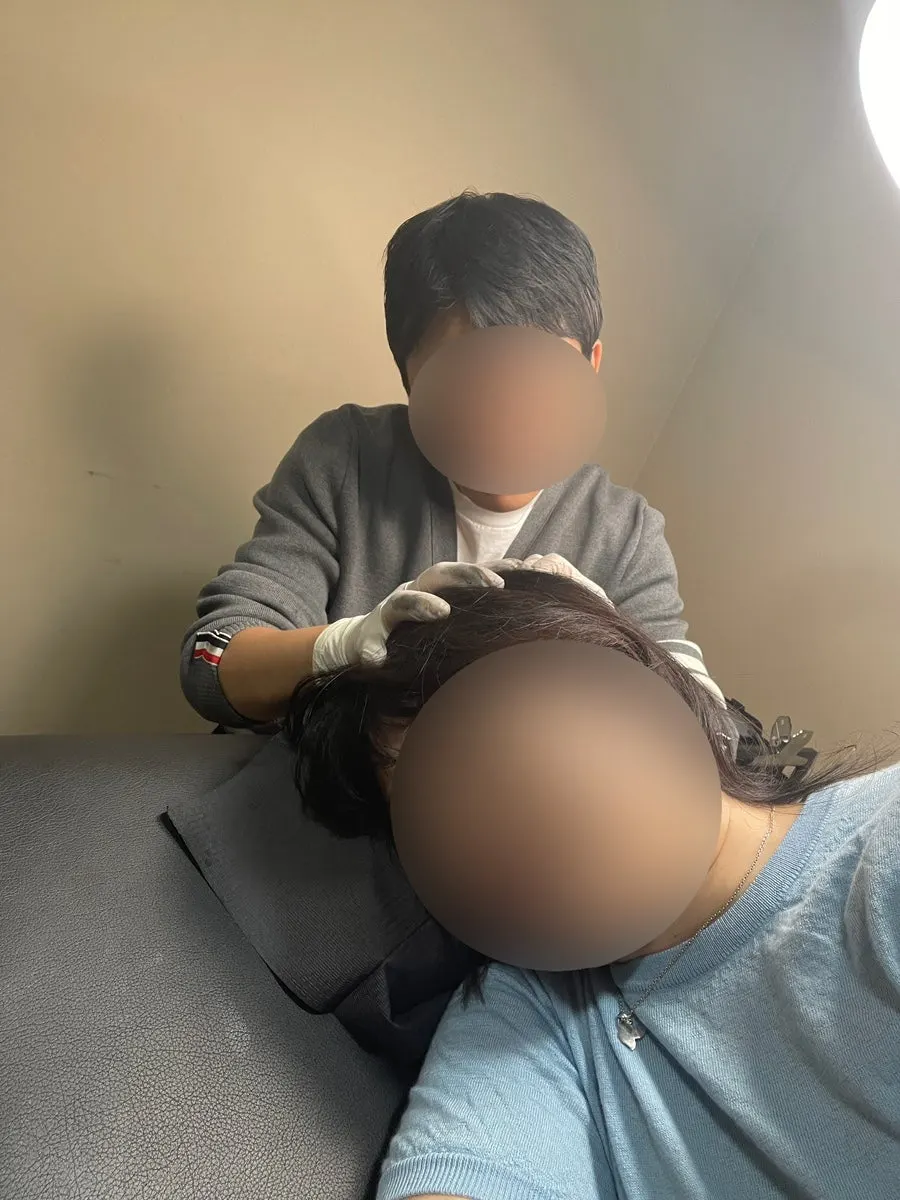
Shampooing and aftercare after an SMP session
It's important not to overly irritate the scalp after the session. In this case the guidance was that shampooing was fine from the next day, though actual aftercare can vary by individual condition and technique, so it's best to follow the guidance from wherever you're treated. There was also an explanation that the first shampoo might turn the water slightly tinted from pigment on nearby hair. Instead of scratching an itch with your nails, tapping gently with your fingers was recommended. Saunas or sweaty workouts were also advised against for a certain period, so if you have plans afterward, it's worth checking in advance.
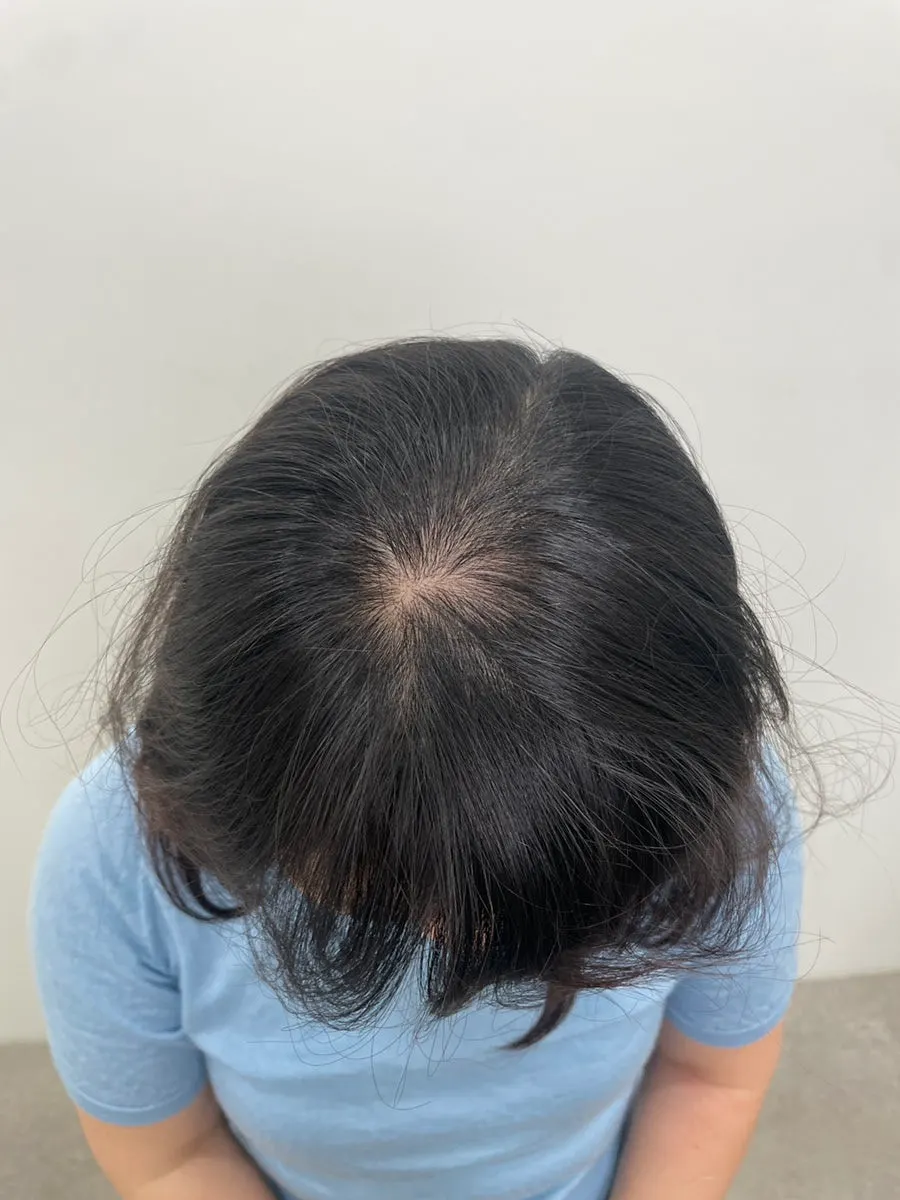
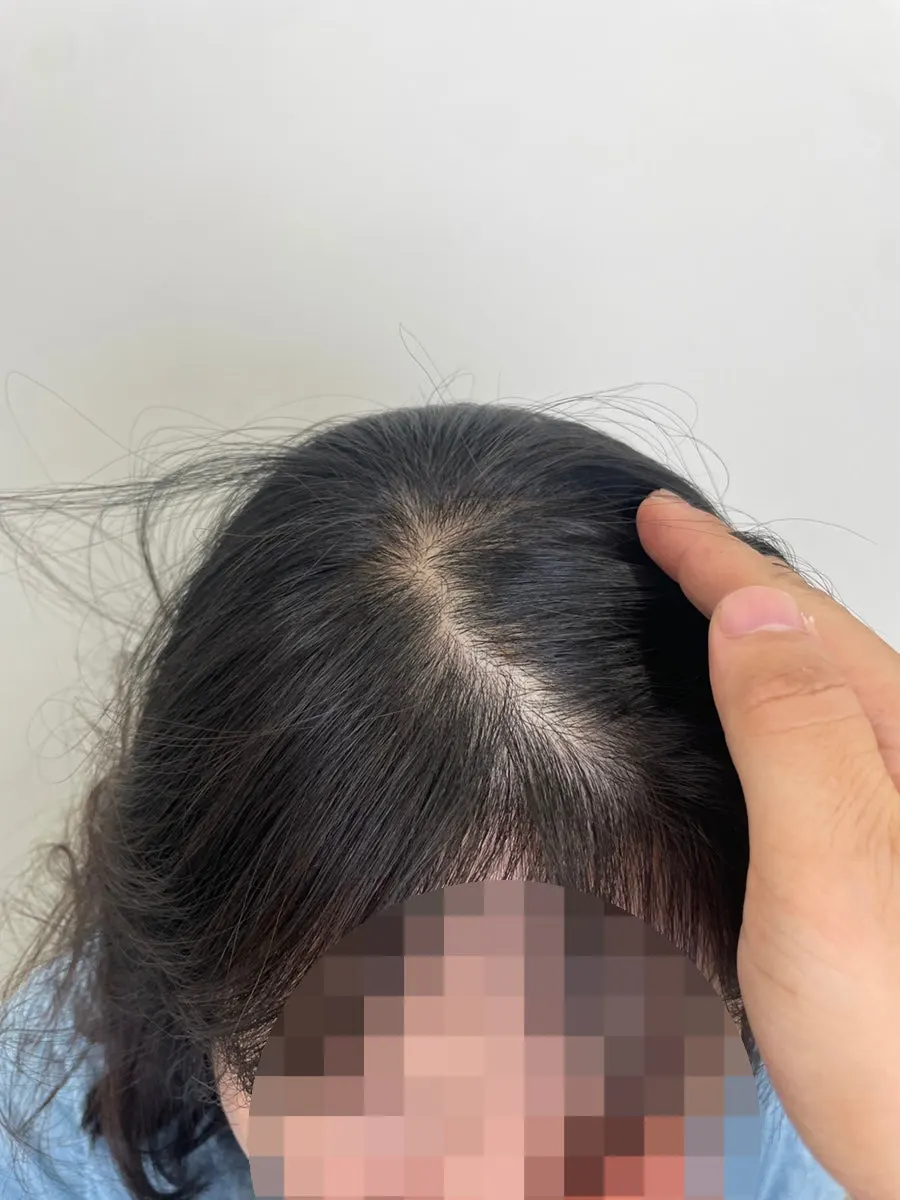
Checklist to bring to an SMP consultation
- Decide which bothers you more, the parting or the hair whorl — coverage area can differ, so it helps to pin down the concern specifically first.
- Check your current hair color and thickness — the scalp effect needs to blend naturally with your existing hair.
- Discuss the exact area to be covered — going wider than necessary can increase both cost and treatment area.
- Ask whether it's done in one session or several — density and depth may be adjusted across multiple sessions.
- Ask about the pigment used and hygiene practices — since this is done directly on the scalp, it's worth confirming hygiene and management basics.
- Mention any allergies or skin issues in advance — sensitive skin can affect both the procedure and aftercare.
- Ask about pain and the recovery process — this makes it easier to plan when you'll return to daily life.
- Check when shampooing is allowed — aftercare guidance can differ by studio.
- Check when exercise or sauna use is allowed — it's good to know in advance when sweat and heat exposure become okay.
- Keep before-and-after photos — comparing at the same angle and lighting makes changes easier to judge objectively.
How the first session at Doteurak actually felt
At first, since it's a procedure done directly on the scalp, pain was my biggest worry. But once I actually had it done, it didn't hurt nearly as much as I expected — just a stinging sensation, so it was fairly comfortable overall. Before starting, they carefully examined my crown and parting and discussed which areas to fill and at what density. They also patiently explained anything I was curious about, which made the whole thing feel less intimidating as a first-timer.
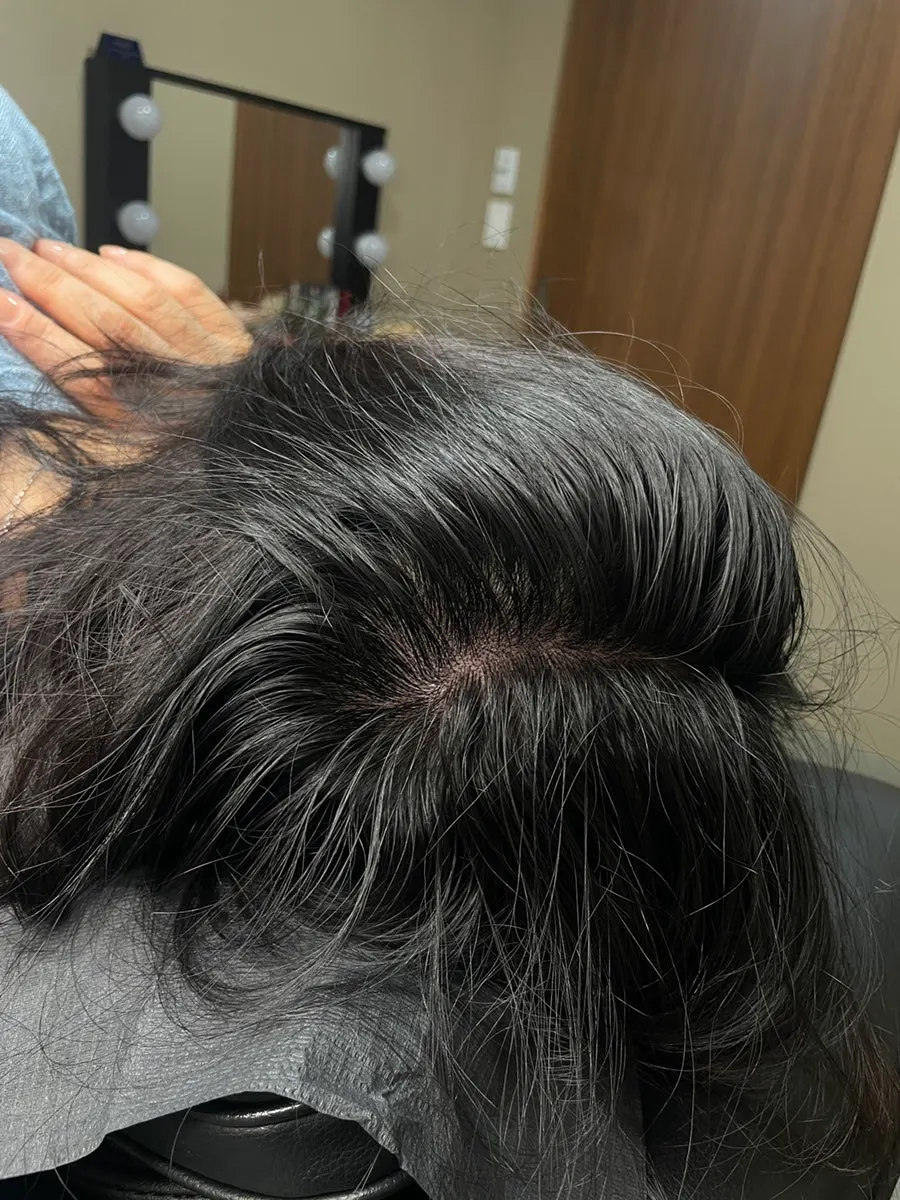
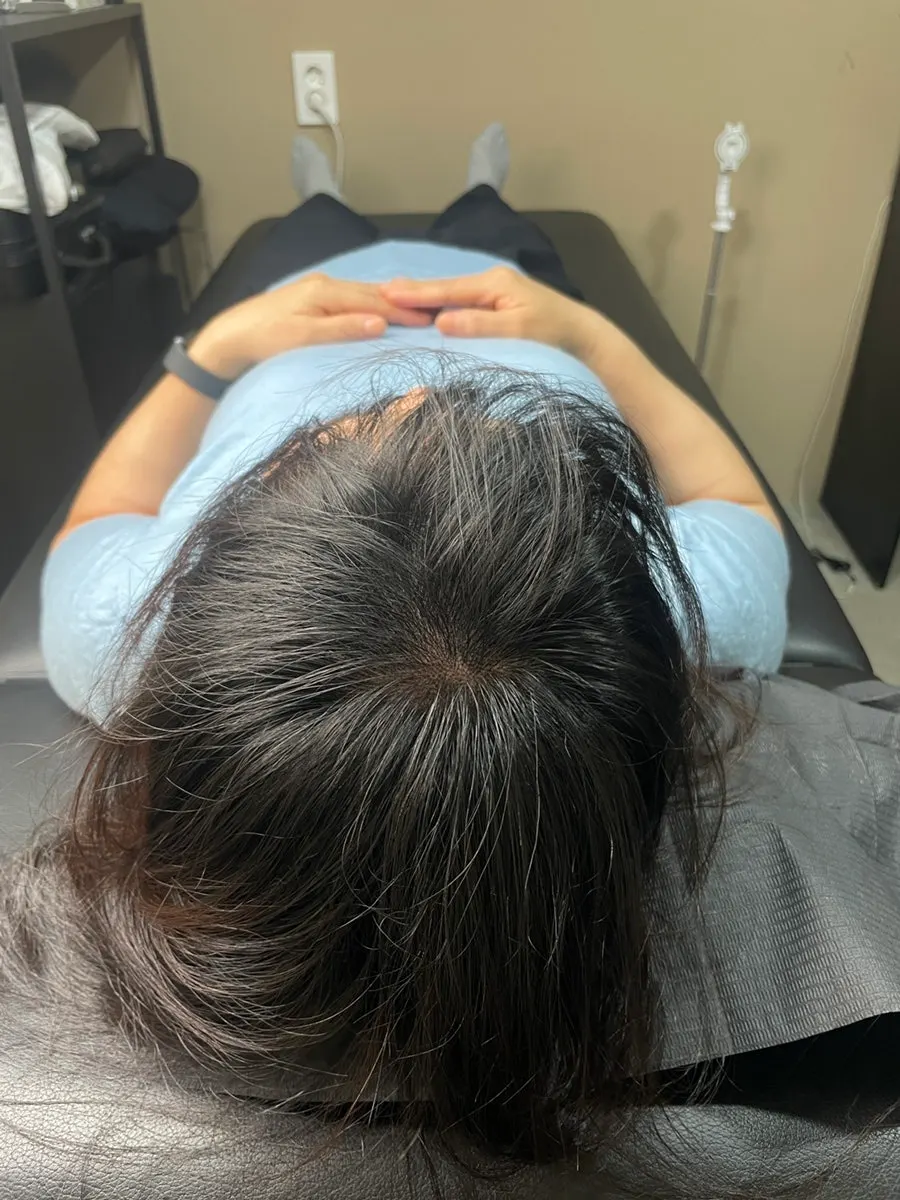
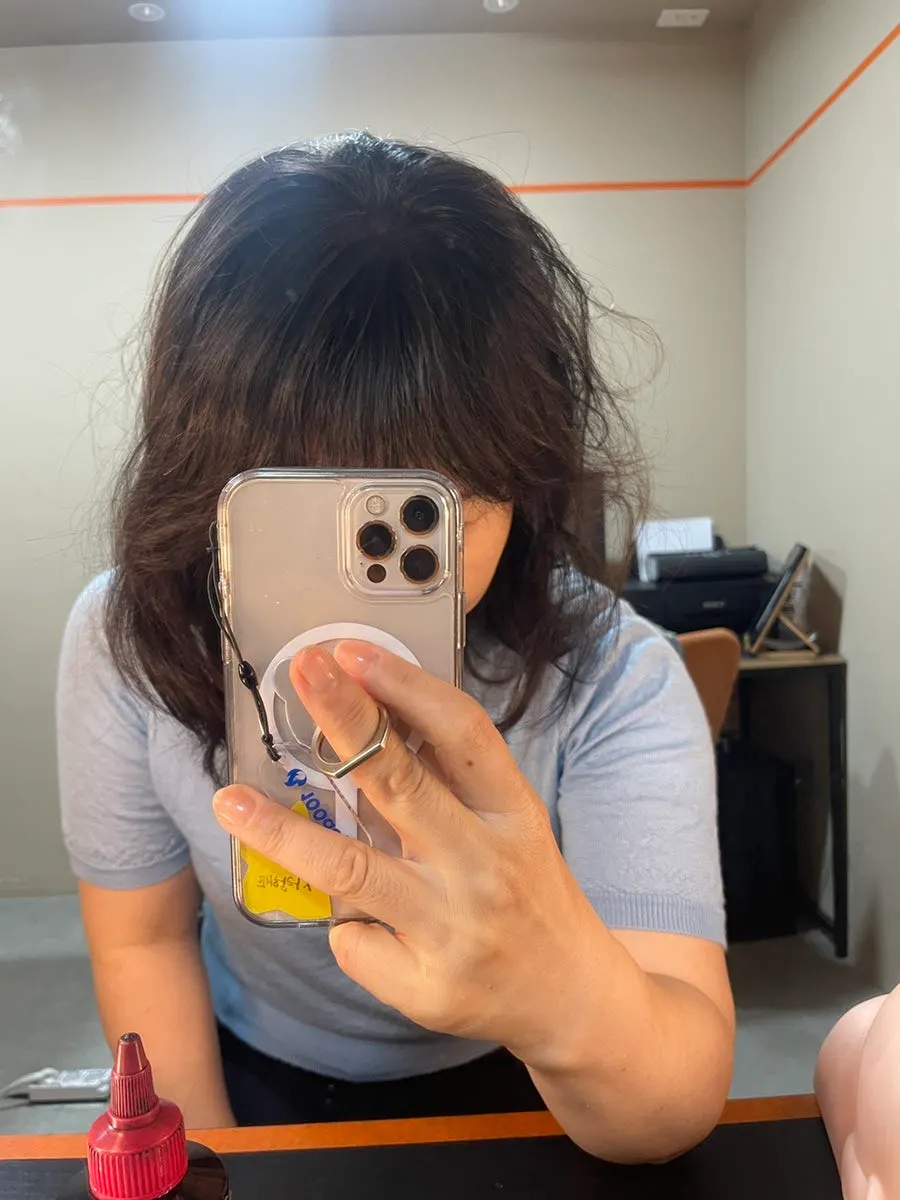
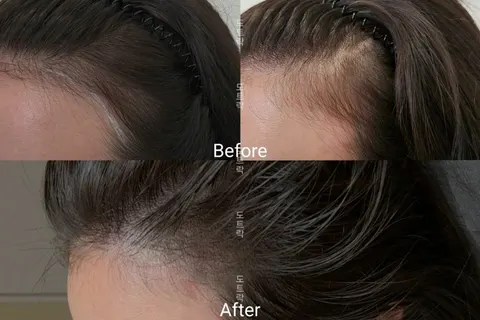
Most of all, I liked how the thin-looking areas around my crown and hair whorl looked noticeably more filled in and natural afterward. Rather than an overly dark look, it felt like a natural sense of density was added between my existing hair, so I was personally happy with the result.
Five things to know before scalp micropigmentation
First, it's best not to think of scalp micropigmentation as the same thing as a hair-loss treatment. SMP is a way of visually softening a thin-looking appearance, and should be thought of separately from hair growth.
Second, it's best not to ask for an overly dark look from the start. For a woman's parting and crown, blending naturally with existing hair matters most.
Third, it's best not to judge the final result from photos alone. Lighting, angle, and hair condition can make before-and-after differences look very different.
Fourth, it's best not to use someone else's pain experience as your own benchmark. Skin sensitivity and pain tolerance vary a lot from person to person.
Fifth, it's best not to guess at your own aftercare. For shampooing, exercise, and sauna timing, it's safer to follow the actual guidance given after your session.
Frequently asked questions about crown SMP
Q1. Do many middle-aged women get crown SMP?
Age matters less than how much the crown or parting shows through and how much coverage you want. It's best to consult to find the right area for you.
Q2. Can SMP be done on the hair whorl too?
Areas around the whorl where the scalp shows through can also be part of the consultation. However, designing around hair direction is important there.
Q3. Is one session enough?
Some cases finish in one session, but reference reviews described a process of filling in gradually over multiple sessions.
Q4. Does scalp micropigmentation make hair grow?
No. Scalp micropigmentation creates a visual sense of density and is different from a treatment aimed at hair growth.
Q5. Can you go back to daily life right after the session?
The reviewer returned to daily life fairly quickly, but this can vary depending on scalp condition and the size of the area treated, so it's best to check individual guidance.
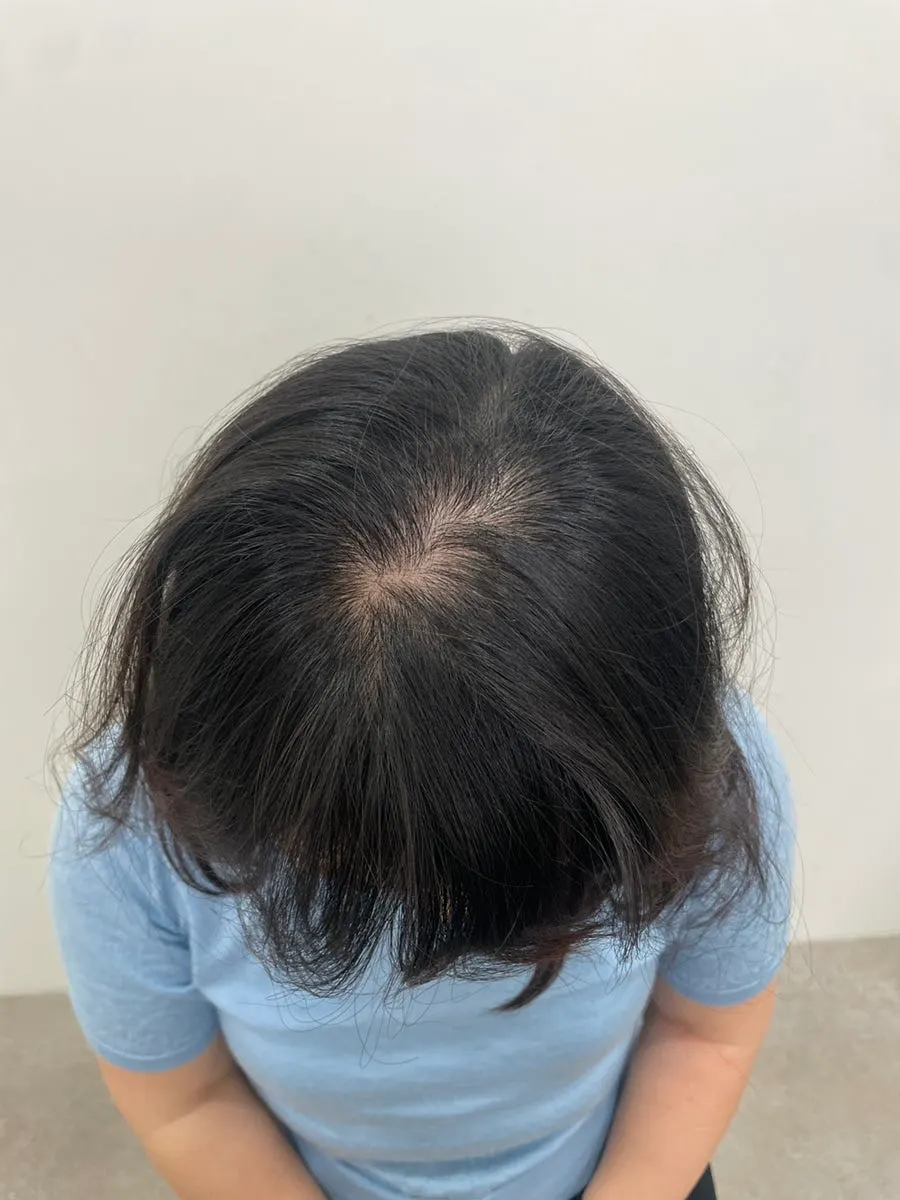
The verdict on a first SMP session at Doteurak
For middle-aged women, concerns about the crown, parting, and hair whorl may feel bigger than they actually are because of lighting, hair direction, and strand thickness, not just hair volume. If you're considering scalp micropigmentation, it helps to first figure out exactly which area you want softened and how naturally. Since blending with existing hair matters most for a woman's crown, it's best to consult thoroughly on area and density before deciding.
- Recommended for: those bothered by the visible show-through at the crown, parting, or hair whorl
- Not recommended for: those expecting scalp micropigmentation to actually grow hair or treat hair loss
Where it is
4F, 12 Eonju-ro172-gil, Gangnam-gu, Seoul, South Korea서울특별시 강남구 언주로172길 12 4층