Hong Kong-style Chinese restaurant in Jung-gu for mala tofu: Huhugwan
In short
Huhugwan is a Hong Kong-style Chinese restaurant on the second floor of an alley off Seosomun-ro near City Hall Station in Jung-gu, Seoul. On a rainy last day of August, lunch for one at Huhugwan's window bar seats was mala tofu (11,000 won), Hong Kong-style fried dumplings and yurinchi (fried chicken with citrus soy sauce). Huhugwan's mala tofu is milder than the Sichuan version, with soft, pillowy tofu that makes a light lunch worth coming back for.
Good to know
- Mala tofu
- 11,000 won
- Location
- 2F, 2 Seosomun-ro 11-gil, Jung-gu, Seoul
- Seating
- Window bar seats available
- Complimentary side dish
- Pickled radish with lemon
- Time of visit
- Lunch
- Price reference
- ₩11,000 ≈ $8.2 (2026-09-15)
as written by the visitor on Sep 6, 2026
A rainy last-day-of-August lunch at Huhugwan near City Hall Station
On the last day of August, with rain drizzling steadily through lunchtime, I ended up at Huhugwan (후후관). The last day of the month is always a busy, focus-heavy day — wrapping up one month and getting ready for the next.
I wanted to use my lunch break to heal a little with some Hong Kong-style cooking.
Hong Kong cuisine is known for its layered, complex flavors, and the answer lies in the city's history. Chinese and Western cooking traditions blended together over time, giving rise to dishes that are uniquely Hong Kong's own.
Dim sum, seafood dishes, mala dishes, fried food, steamed dishes, noodle dishes — Hong Kong chefs apparently make all of it with a single wok. That ability to conjure so many different dishes over high heat with just one wok is really something.
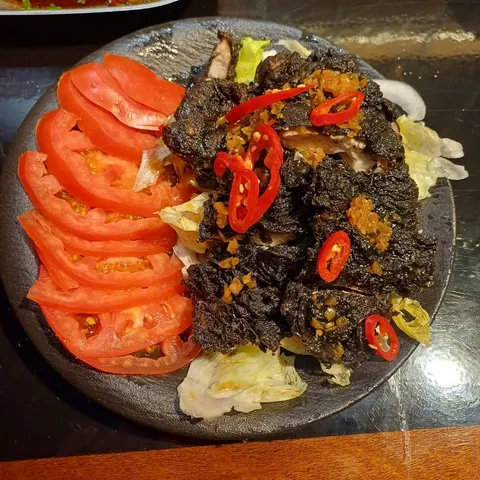
Huhugwan's mala tofu: mild heat and soft, pillowy tofu
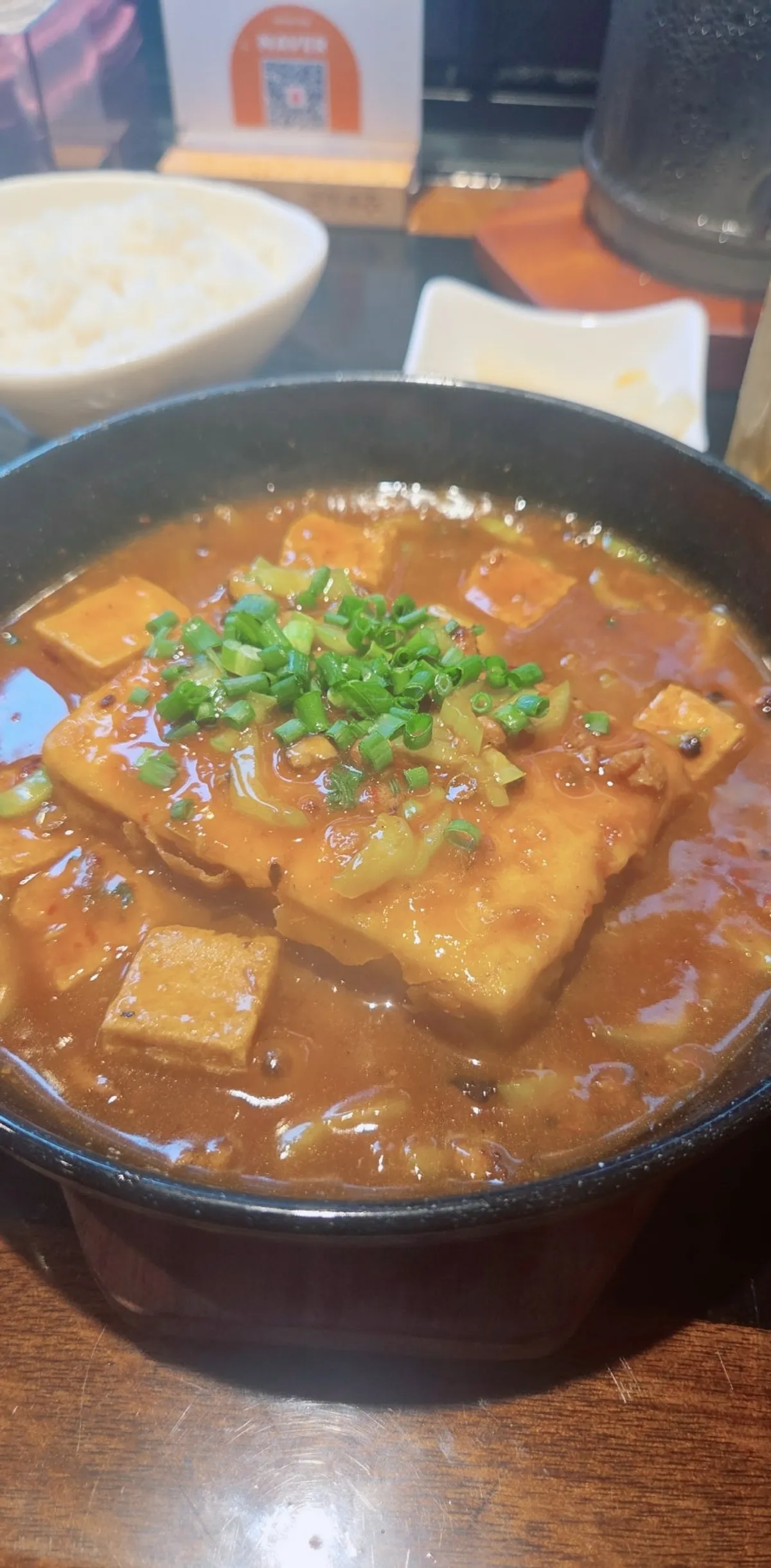
This is the mala tofu. It was genuinely delicious. The mala flavor was much gentler than the intense kick of Sichuan-style versions. The tofu inside was that soft, pillowy texture I love.
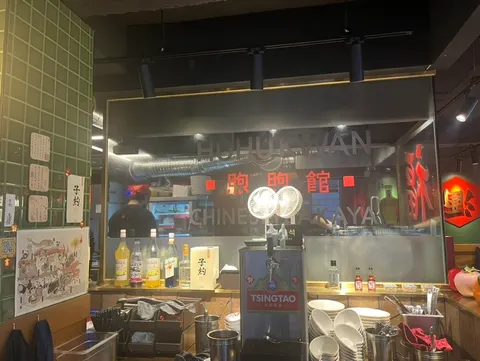
Second-floor Huhugwan: window bar seats and lemon pickled radish
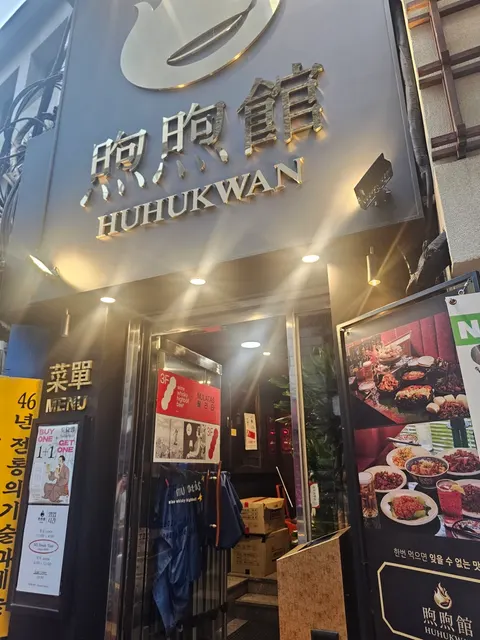
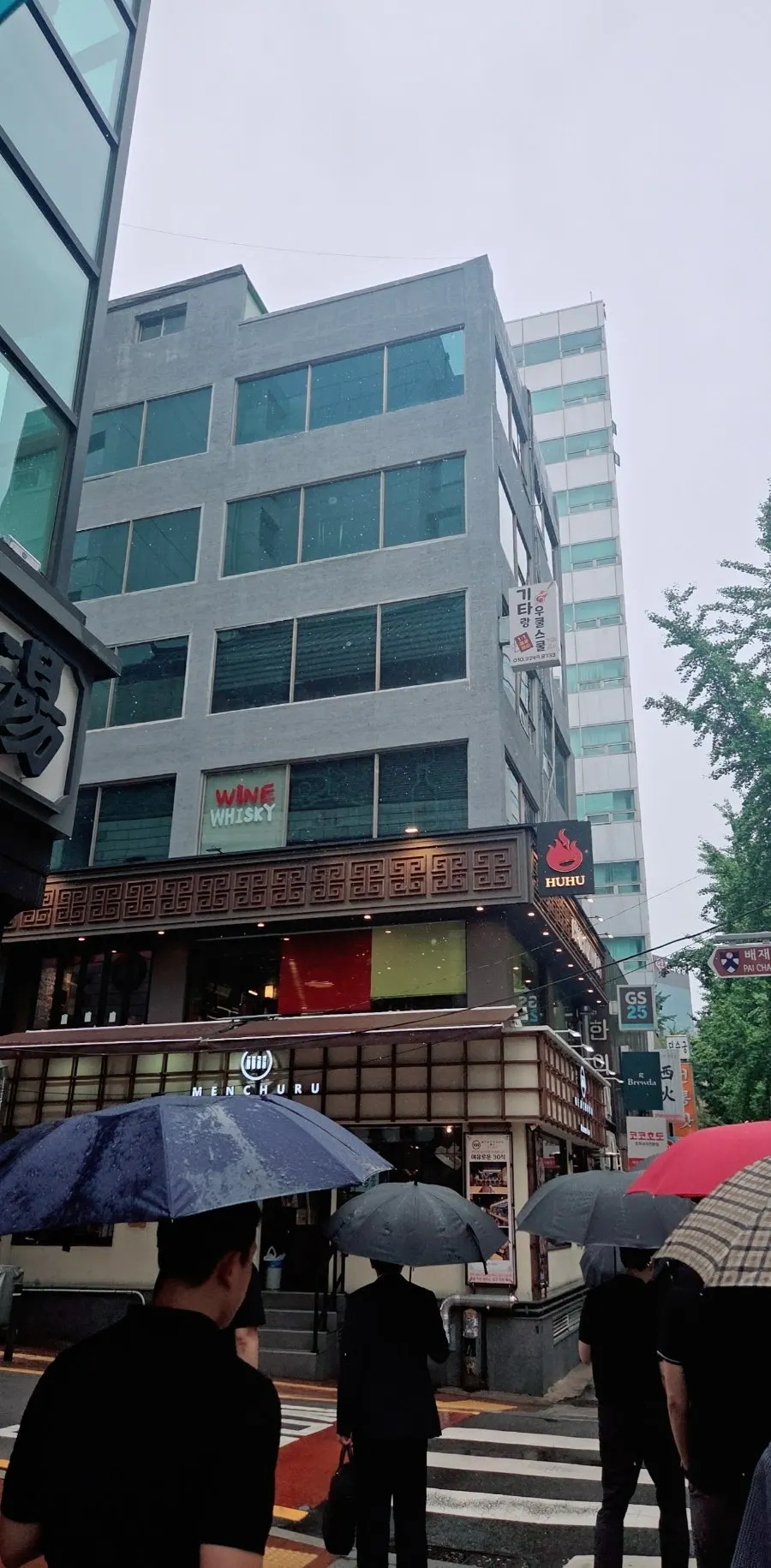
I made my way up to the second floor where Huhugwan is, rain and all.
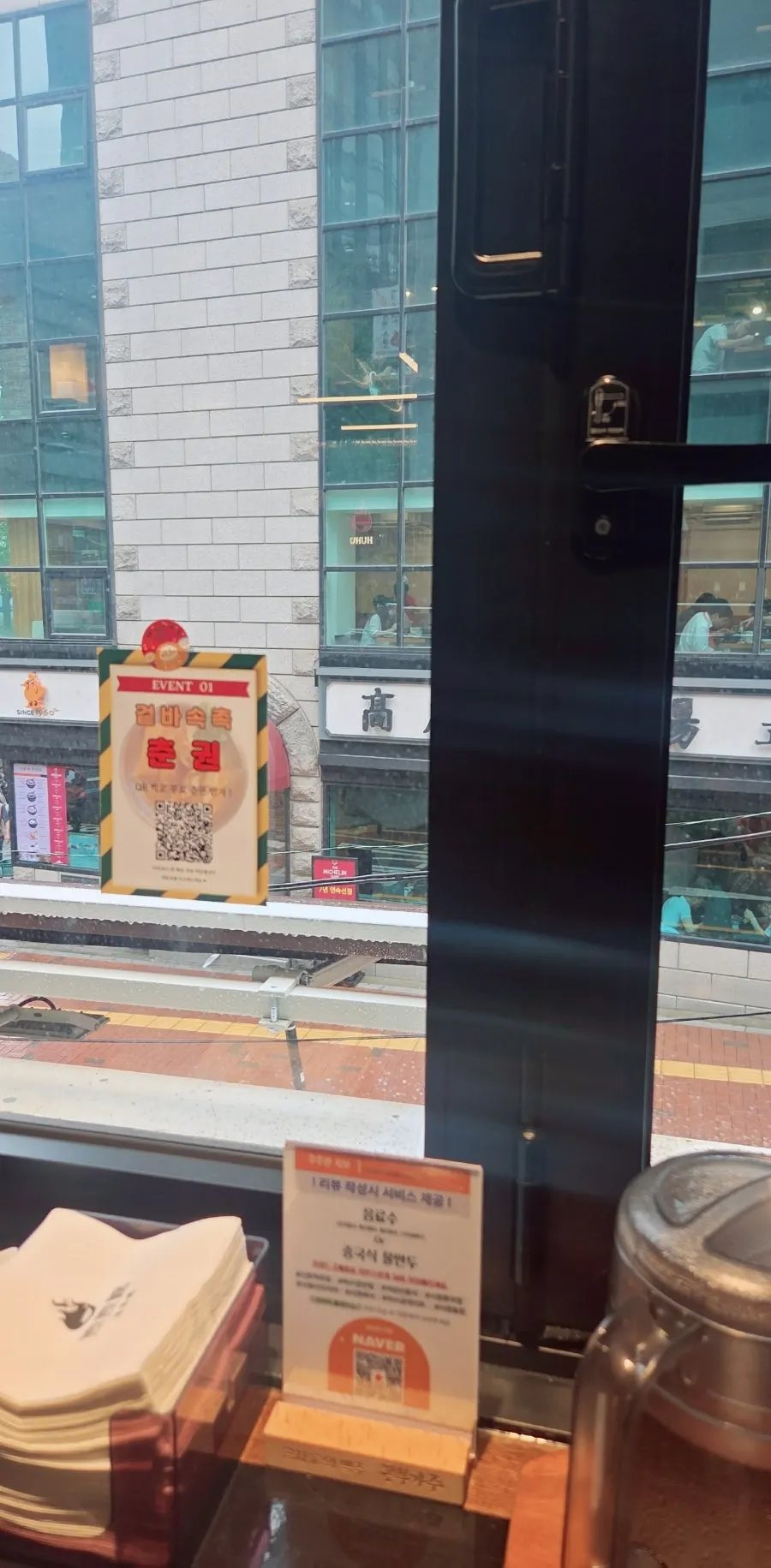
I love sitting at bar seats by the window.
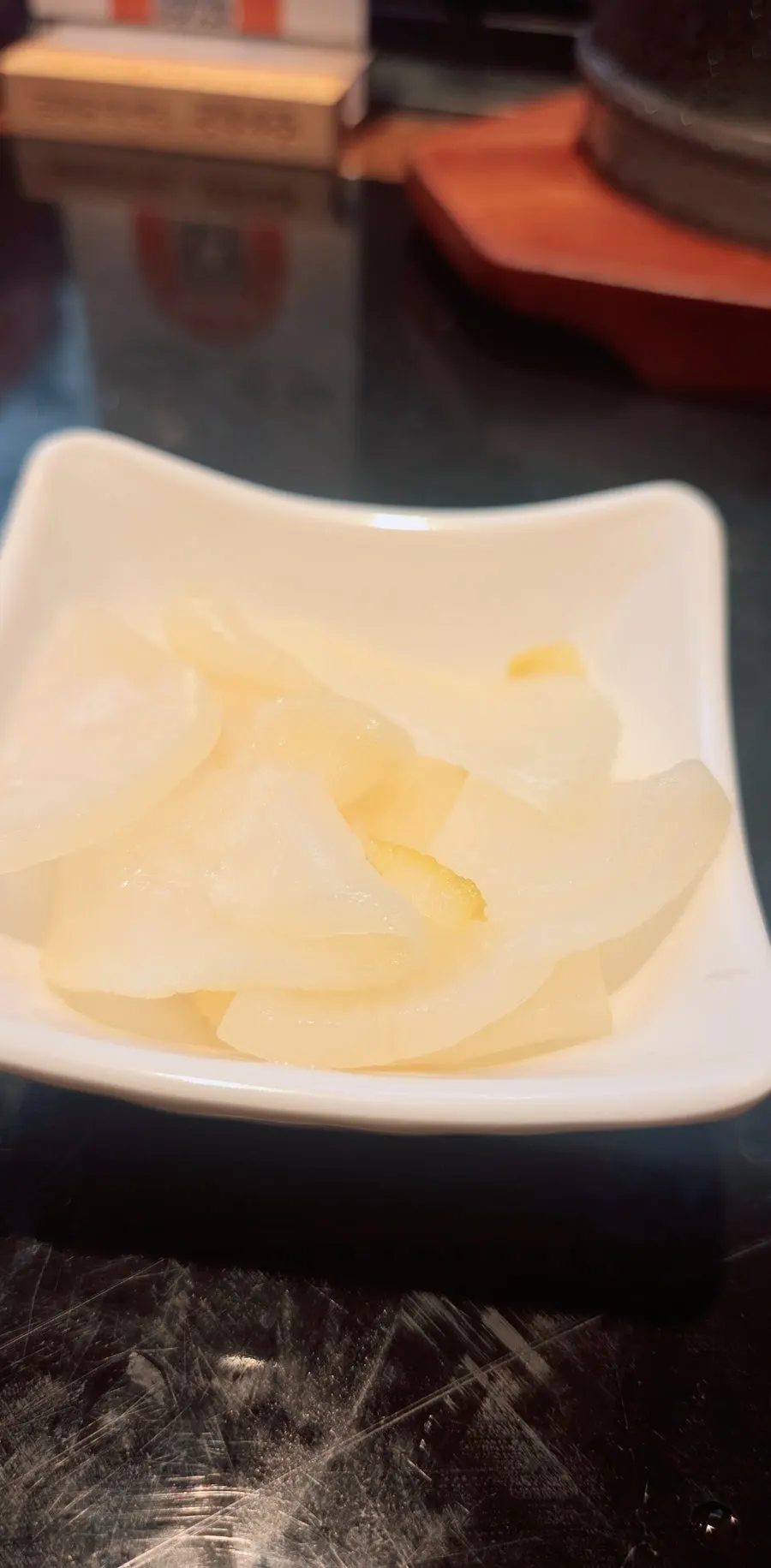
The basic side dish, pickled radish, came with lemon mixed in, adding a nice bit of brightness.
Huhugwan
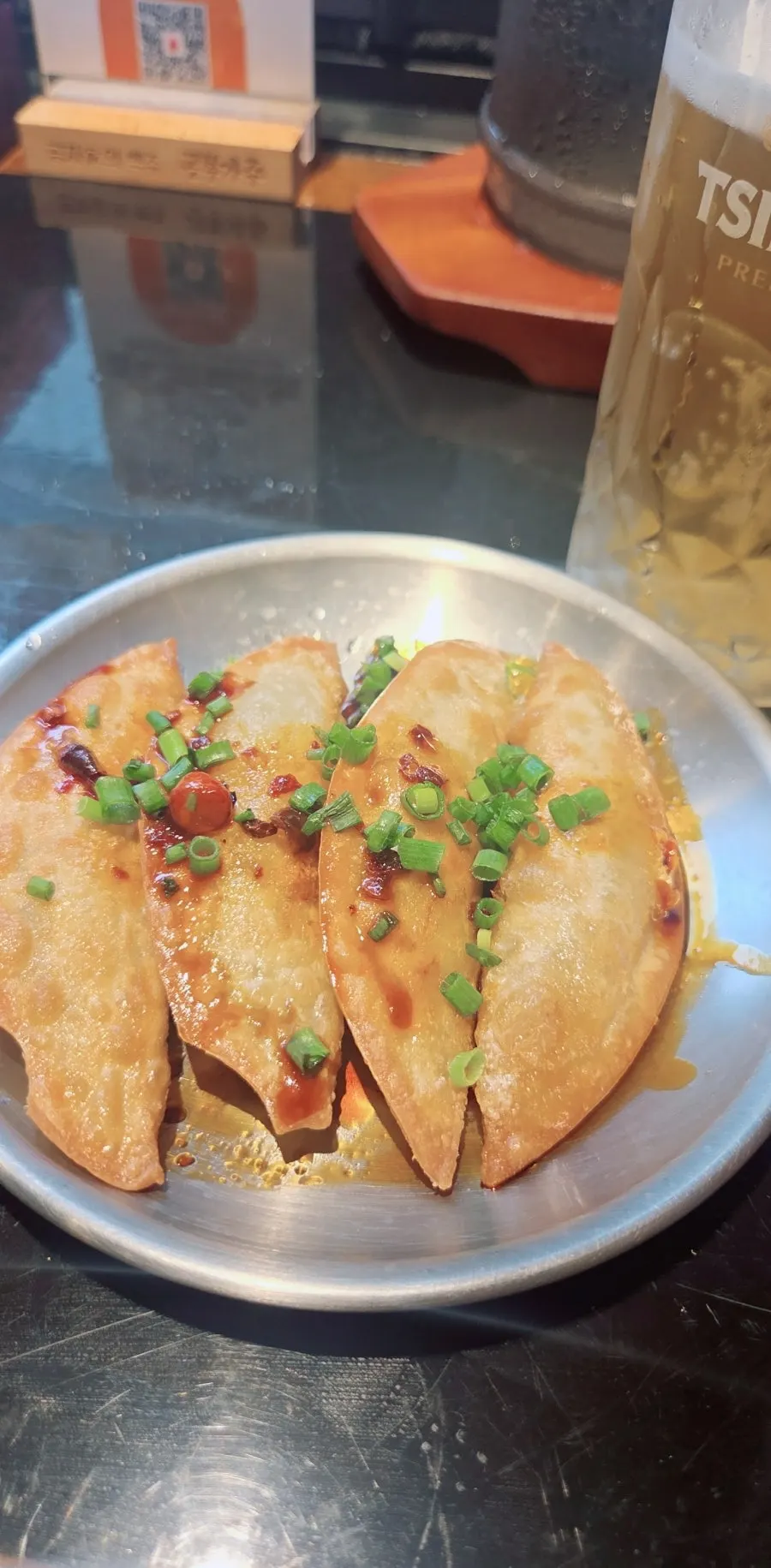
Hong Kong-style fried dumplings: crisp shell and dipping sauce
These are the fried dumplings. Truly delicious. Hong Kong-style fried dumplings are essentially a dim sum dish, and here the level of frying, the crunch, the freshness of the filling, and the depth of the sauce all came together beautifully.
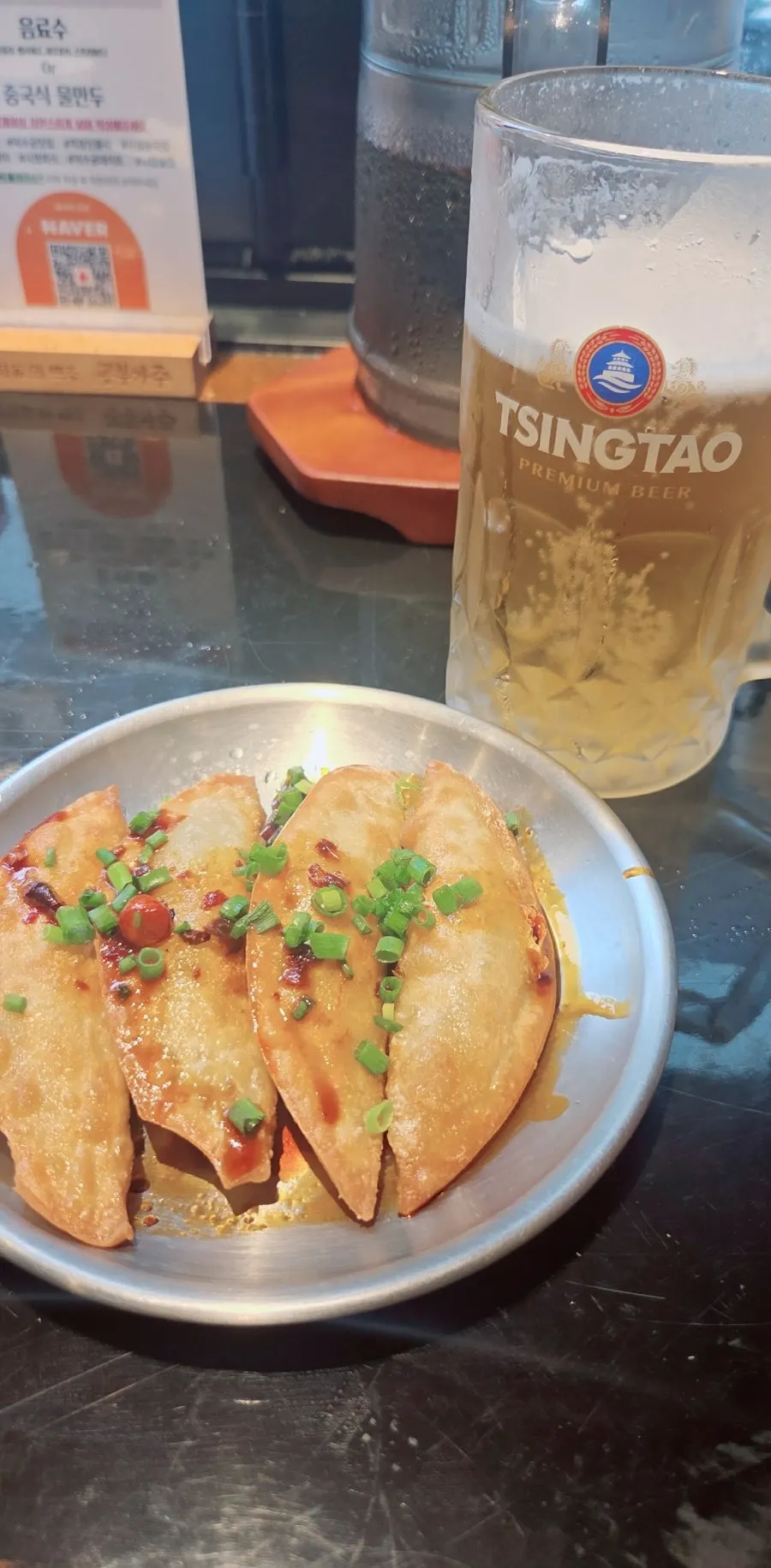
I really enjoyed eating these.
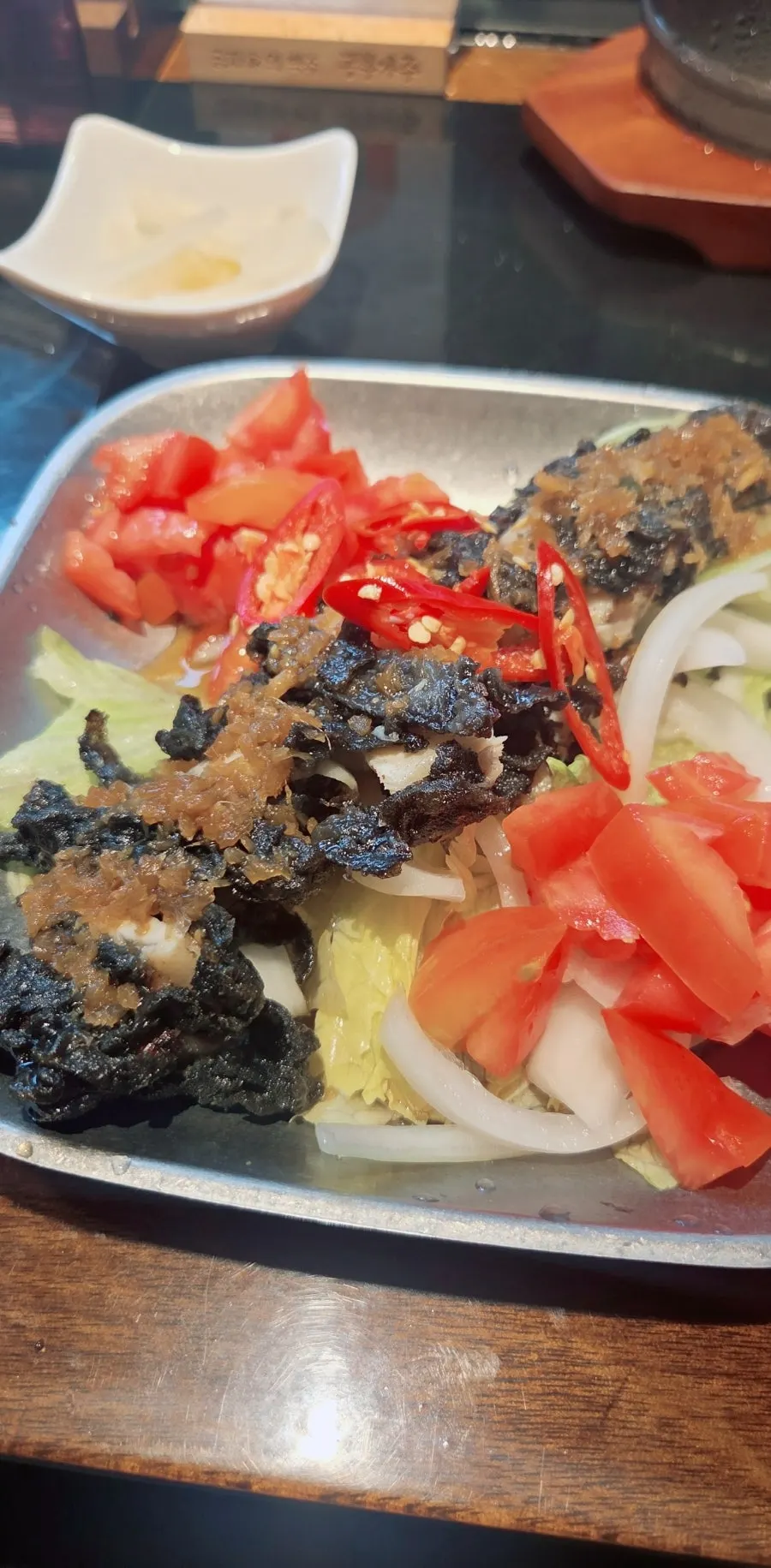
What does Huhugwan's Hong Kong-style yurinchi taste like?
This is yurinchi (유린기) — Hong Kong-style. Really delicious. The flavor was complex and deep. Honestly fantastic.
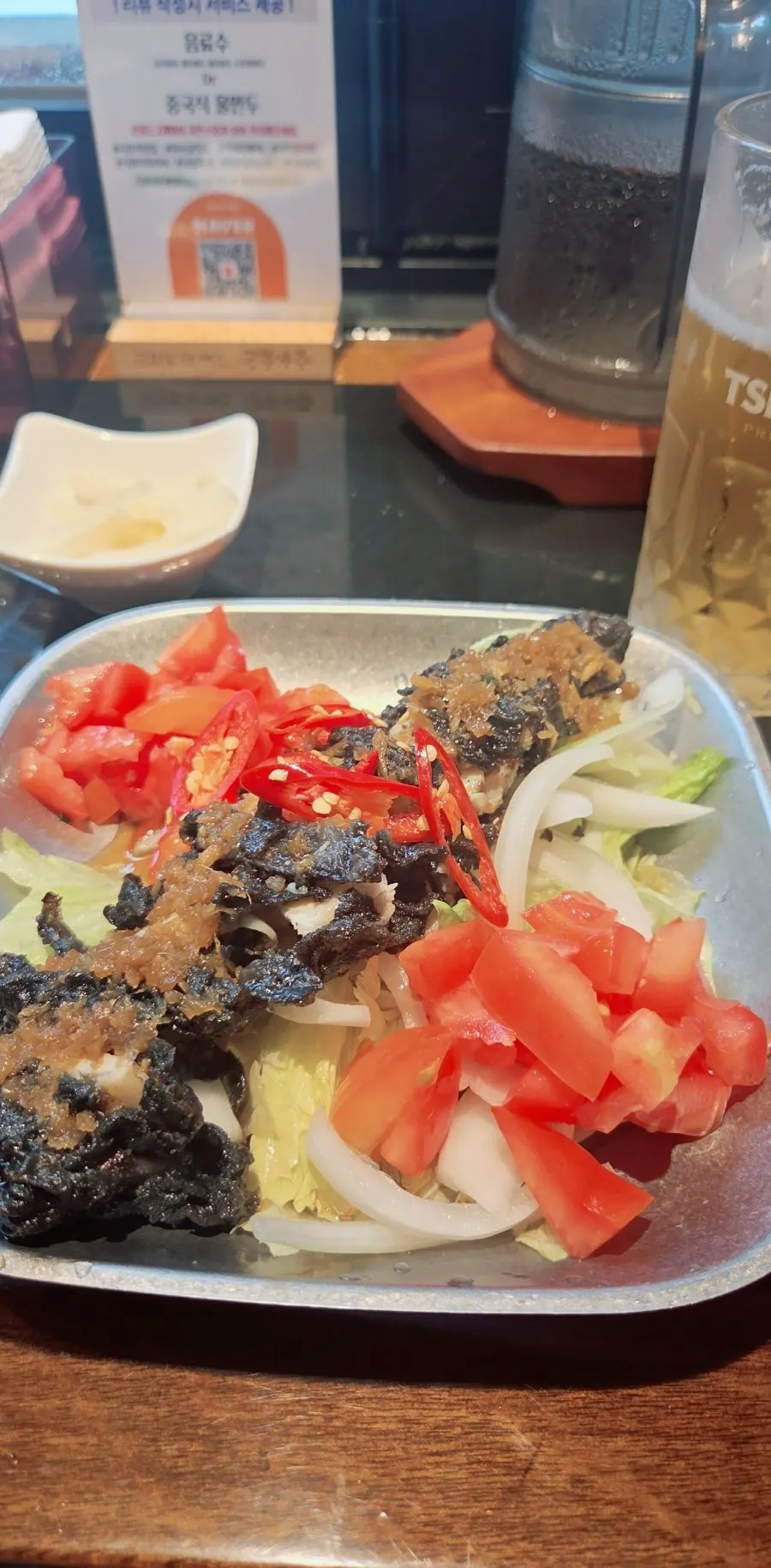
The chicken was properly fried, and it came tossed in a well-made sauce with tomato, onion, and cabbage.
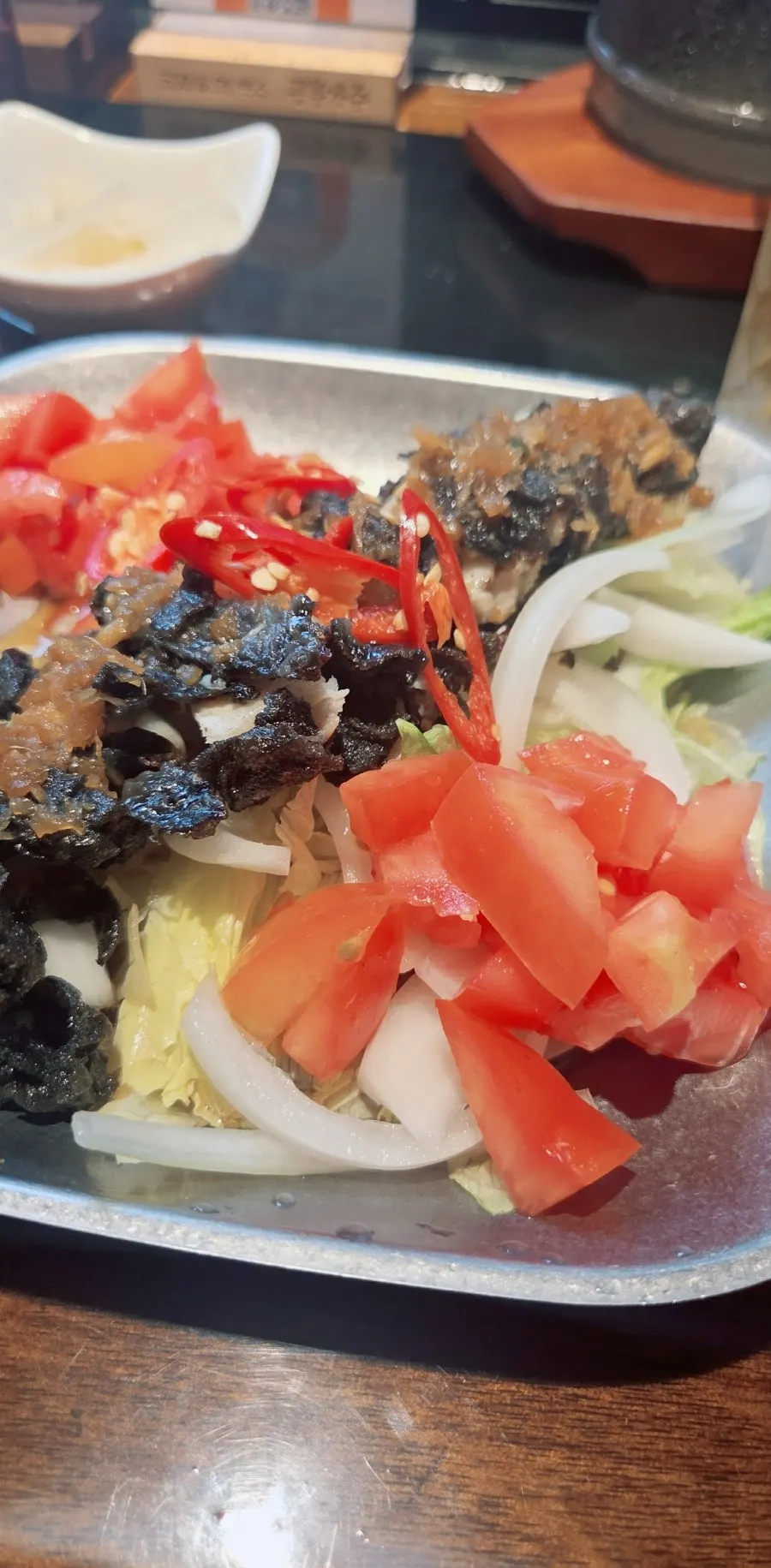
It was the kind of dish I definitely want to come back for.
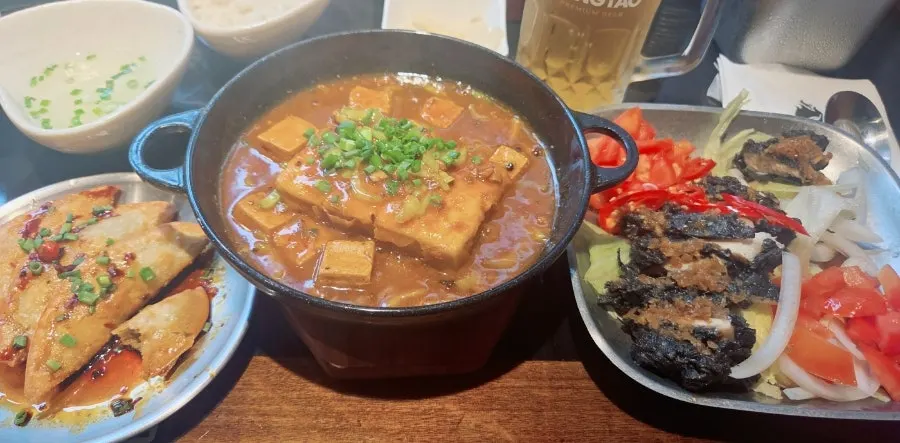
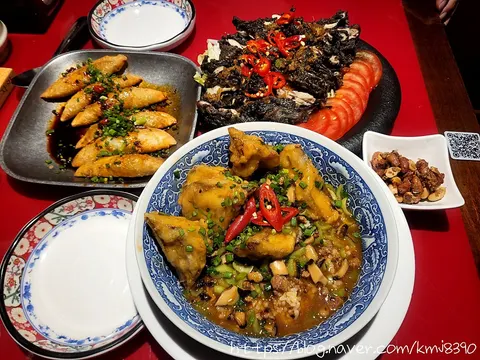
Three dishes on one table, with mala tofu at 11,000 won
I tried to fit all three dishes into one photo. It was a genuinely hearty meal.
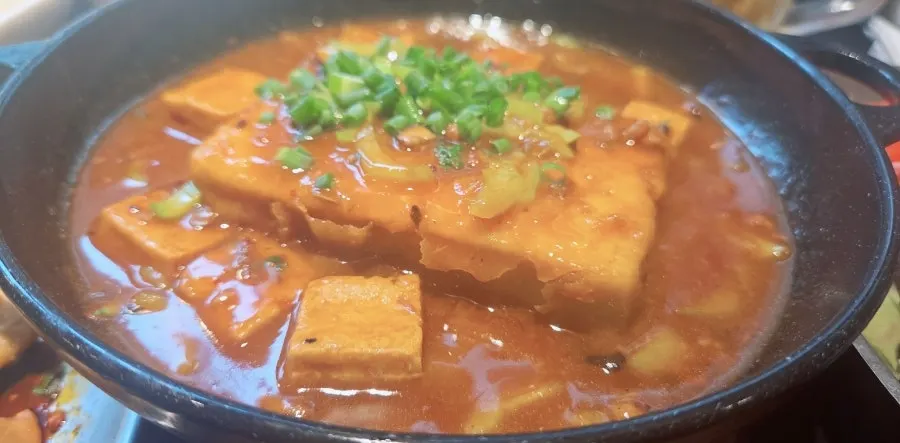
The mala tofu at ₩11,000 in particular felt like the kind of dish you could easily eat for a light lunch.
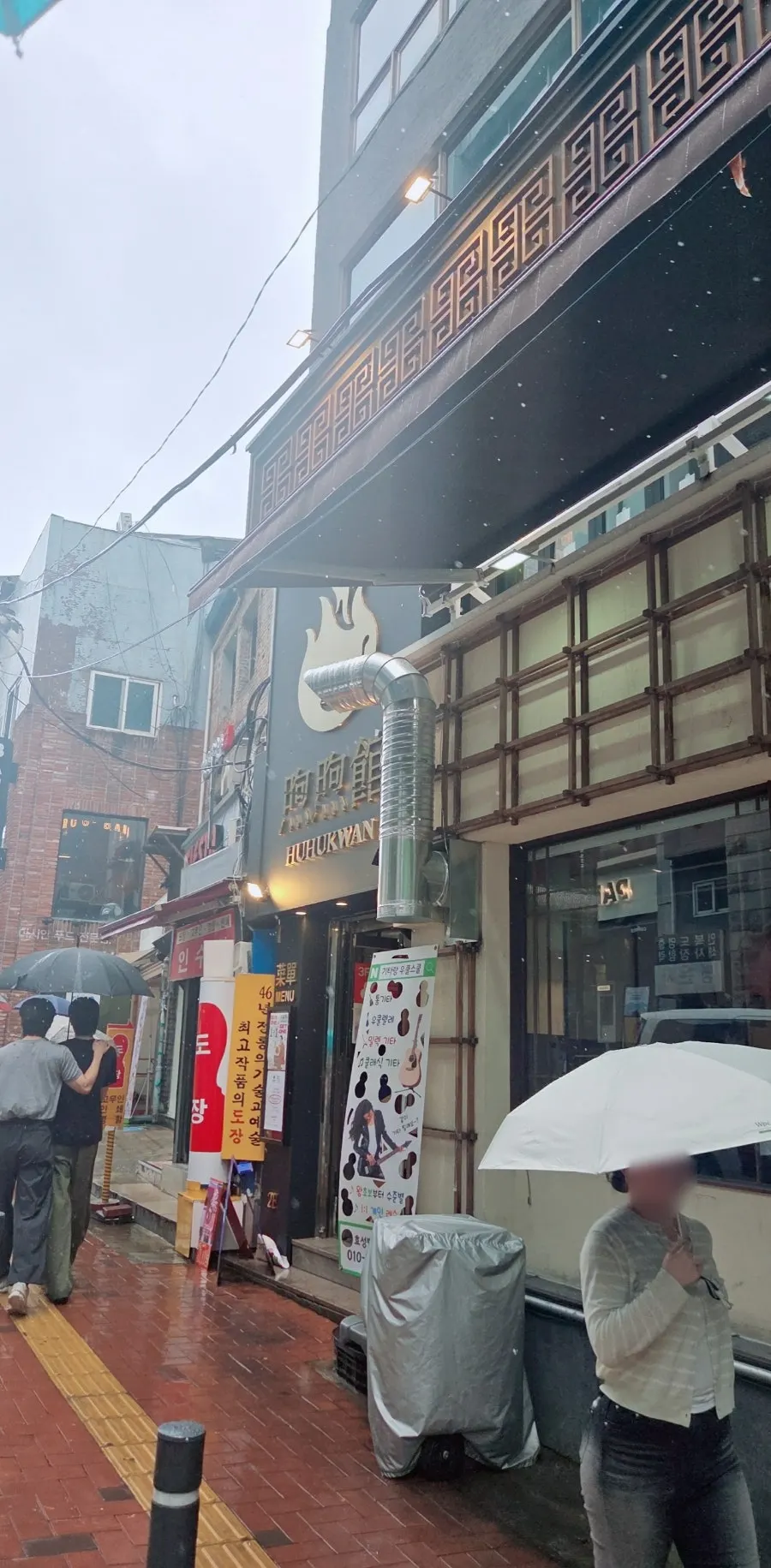
Eating delicious Hong Kong food on a rainy street in front of City Hall, I felt satisfaction rise up from somewhere deep inside.
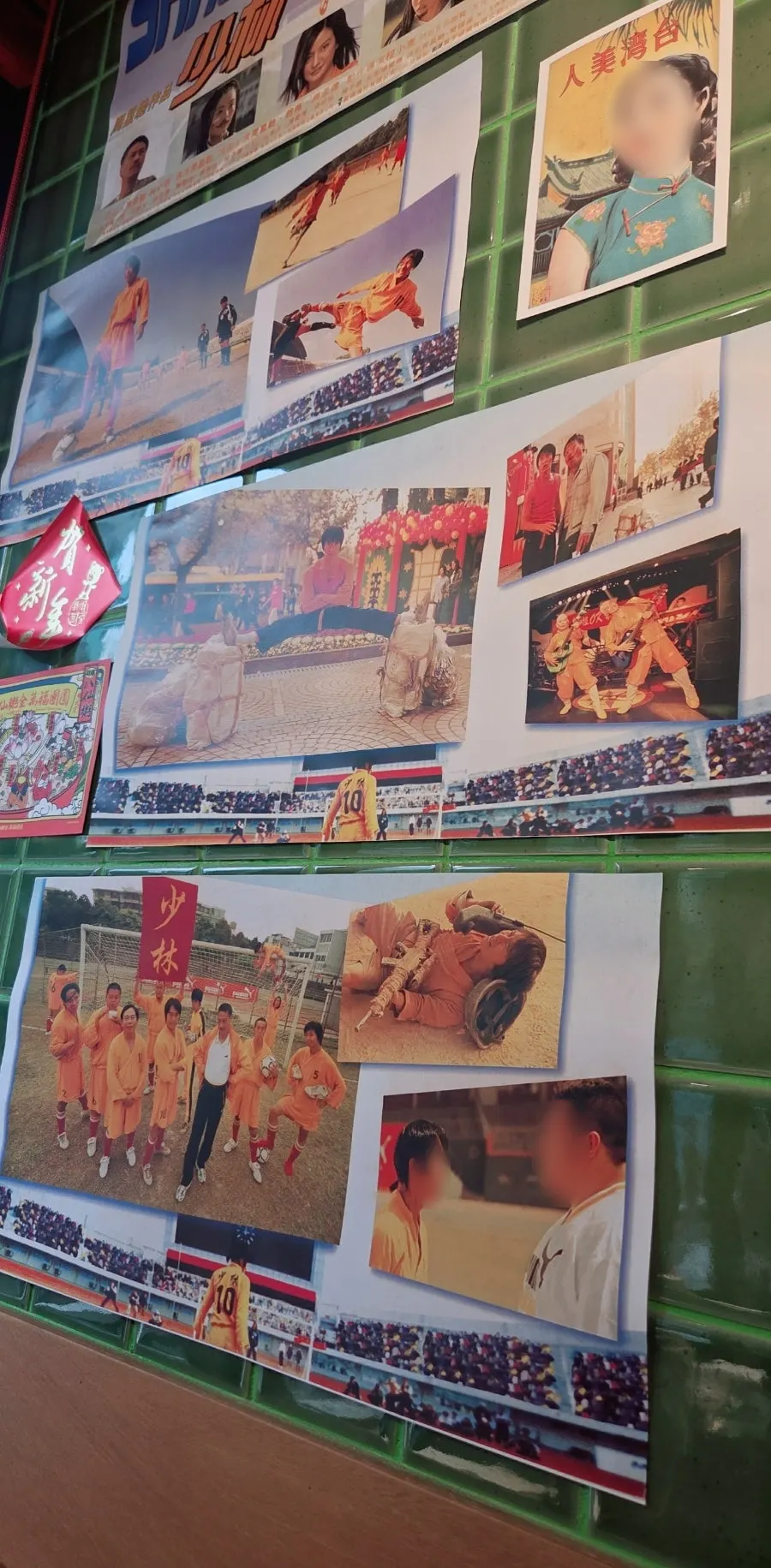
The stylish interior stood out too.
It was such a satisfying lunch. Life really is a continuous series of moments to be grateful for. I want to keep pursuing, to the best of my ability, whatever truth I can within the time and space I've been given, one day at a time.
How is Hong Kong-style mala tofu different from Sichuan mala?
One thing worth clarifying first: the flavor of "mala" (麻辣) itself originally comes from the spice combination native to Sichuan and Chongqing. So "Hong Kong-style mala tofu" isn't really a dish that originated independently in Hong Kong — it's closer to a Cantonese (Hong Kong) reinterpretation of authentic Sichuan mapo tofu.
Among Hong Kong chefs, it's apparently common to describe Hong Kong-style mapo tofu as having "a mild, numbing mala sensation rather than the fiery, tongue-tingling spiciness of Sichuan." In other words, the key is toning down the heat and numbing intensity into something gentler.
How Huhugwan's mala differs from mainland Chinese mala dishes
- Spiciness and numbing sensation: authentic Sichuan/Chongqing versions are bold and direct, while Hong Kong-style is softened and toned down
- Oil and spices: authentic versions use doubanjiang and Sichuan peppercorn generously, while Hong Kong-style uses less and balances with stock and umami instead
- Ingredients: authentic versions use humble ingredients like minced beef and tofu, while Hong Kong-style often tops the dish with premium ingredients like lobster or wagyu
- Intent: authentic versions aim for the spicy, numbing sensation itself, while Hong Kong-style dials that down to let the natural umami of the ingredients shine
This difference connects to a defining trait of Hong Kong (Cantonese) food culture. Cantonese cooking has traditionally prioritized letting the natural, fresh flavor of ingredients shine rather than masking them with spices.
The secret behind why Hong Kong cooking tastes so good
- Wok hei (鑊氣) — a technique of stir-frying quickly over extremely high heat to impart that distinctive smoky, charred aroma from the wok. This smoky flavor is the heart of Cantonese stir-fry umami.
- Freshness above all — as seen in dim sum and seafood dishes, ingredients are prepared while still alive and cooked minimally to maximize their natural flavor.
- A fusion of East and West and regional cuisines — thanks to British colonial rule, waves of immigration from Shanghai, Guangdong, and elsewhere, and its history as an international trading port, Western cooking methods (butter, steak sauce, etc.) blended naturally with regional Chinese cuisines (Sichuan mala, Shanghai-style, and more), creating rich layers of flavor. Topping mala tofu with lobster or wagyu is a product of this same fusion spirit.
- Precise control of heat — a single wok is used for stir-frying, deep-frying, and steaming, with finely tuned heat control developed for each ingredient.
Where it is
2F, 2 Seosomun-ro 11-gil, Jung-gu, Seoul, South Korea서울특별시 중구 서소문로11길 2 2층