Hyehwa dim sum restaurant with mixed knife-cut noodles: Cheonghwawon
In short
Cheonghwawon Daehangno Branch is a Chinese restaurant on Daemyeong-gil near Hyehwa Station Exit 4 in Jongno, Seoul, serving Taiwanese-style Chinese dishes, dim sum and knife-cut noodles in one place. On this visit a group ordered shumai, xiaolongbao and yulinji, a broth-free knife-cut noodle dish tossed in sauce, and shared them all. The dim sum leads with its fillings and juices while yulinji leads with the chew of its wide noodles, so the two never overlap.
Good to know
- Name
- Cheonghwawon Daehangno Branch
- Address
- 36 Daemyeong-gil, 1st and 2nd floors, Jongno-gu, Seoul
- Location
- Near Hyehwa Station Exit 4
- Hours
- Listed as daily 11:00-22:00 (check before visiting)
- Parking
- No dedicated parking; nearby paid lots available
- Ordered this visit
- Shumai / Xiaolongbao / Yulinji (mixed knife-cut noodles)
- Main menu
- Dim sum / Knife-cut noodles / Taiwanese-style Chinese food
as written by the visitor on Sep 22, 2026
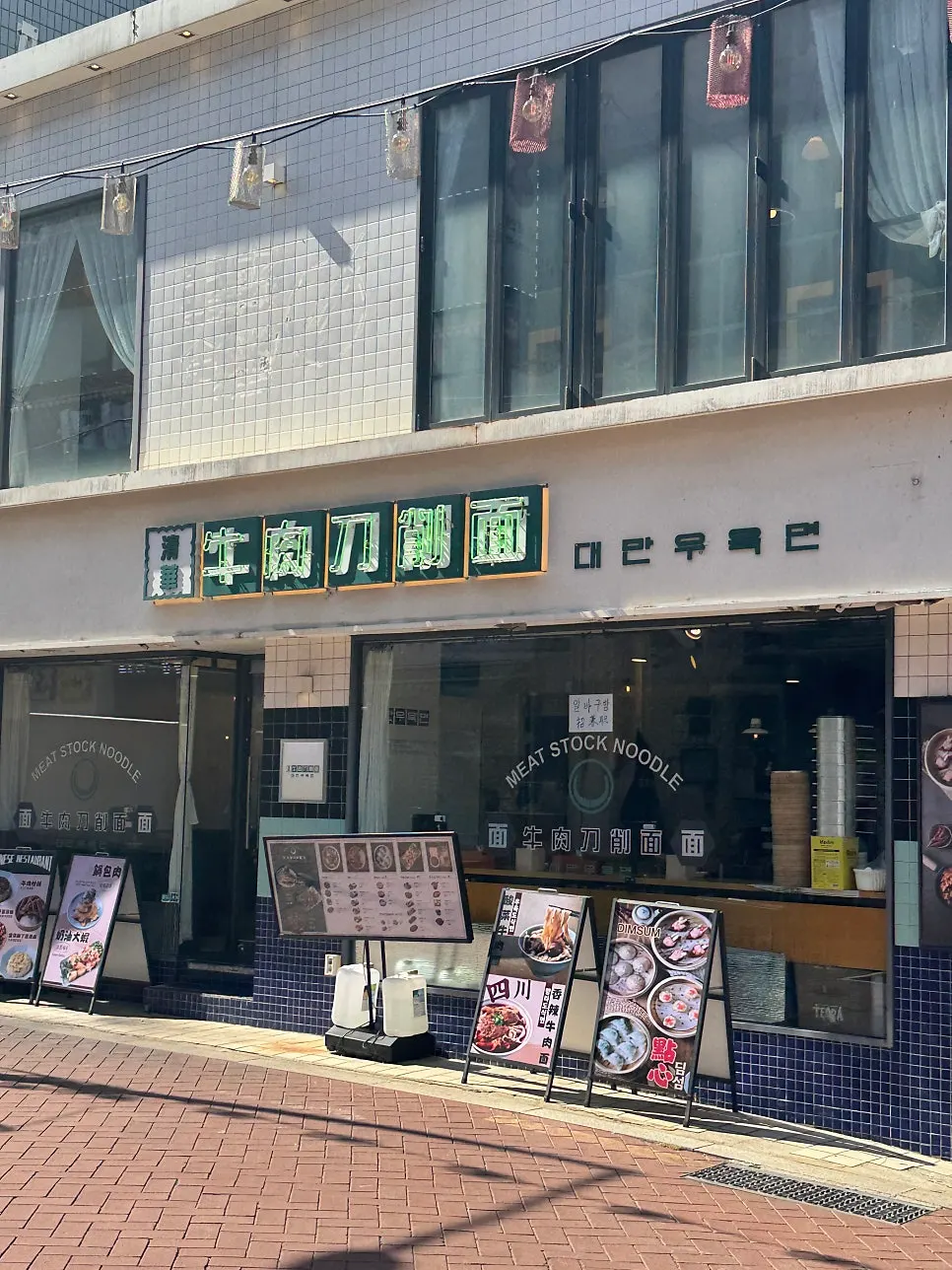
Trying to figure out what to eat in Hyehwa, I found myself craving dim sum and knife-cut noodles instead of the usual Chinese restaurant staples, so I went to Cheonghwawon. Cheonghwawon is a Chinese restaurant on Daehangno near Hyehwa Station serving Taiwanese-style Chinese food alongside dim sum and knife-cut noodles, with menu items like shumai, xiaolongbao and beef knife-cut noodles.
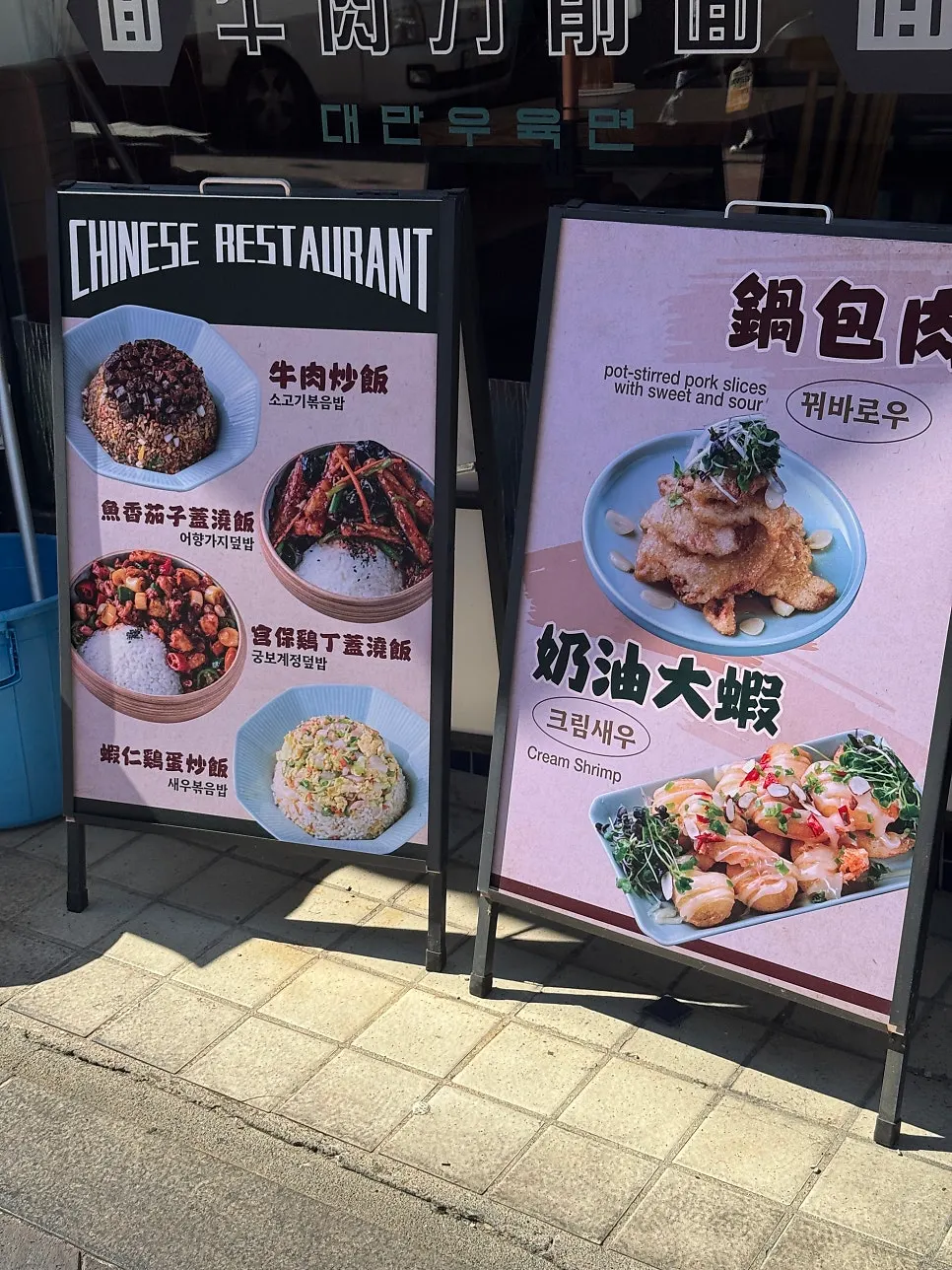
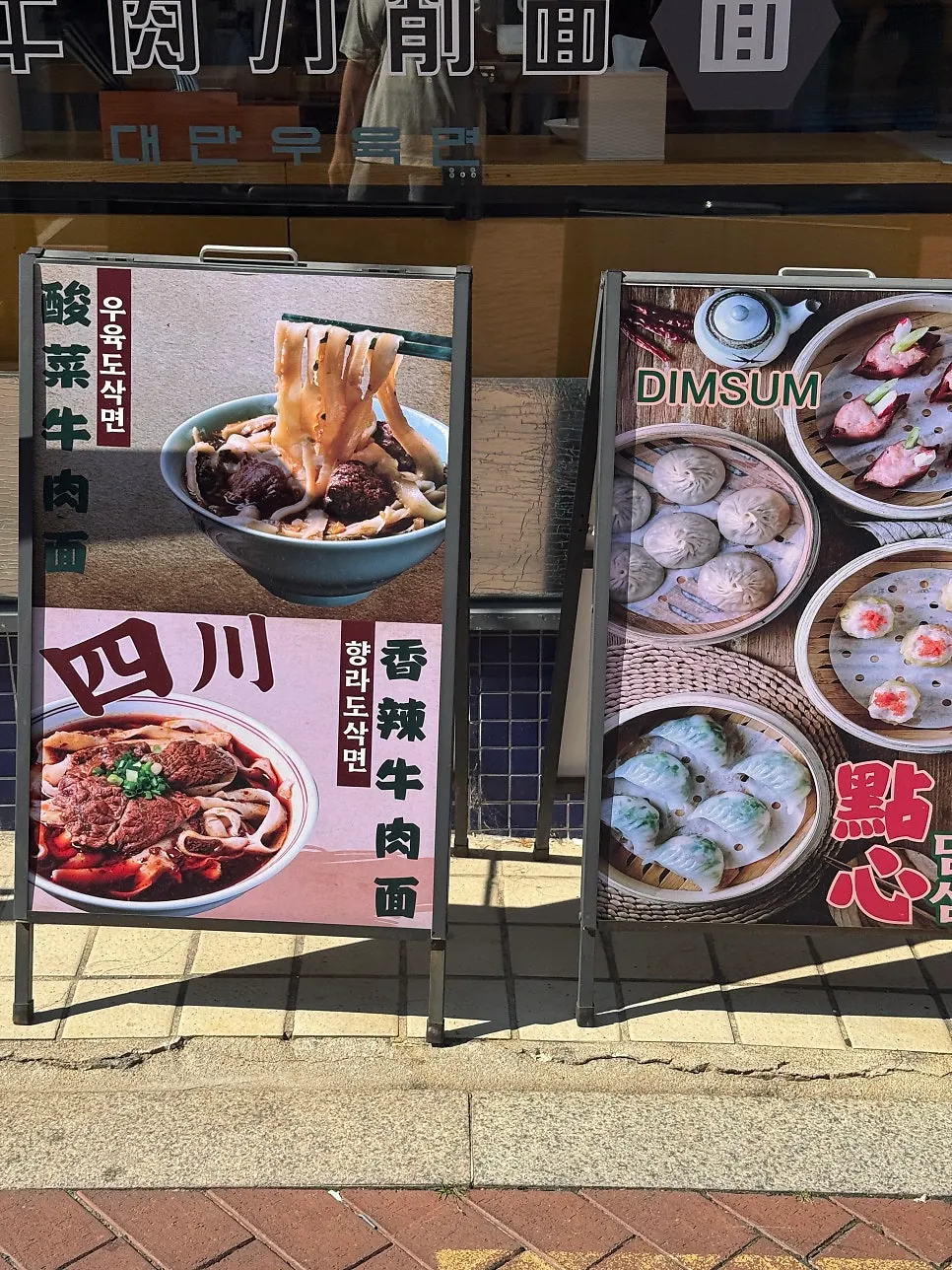
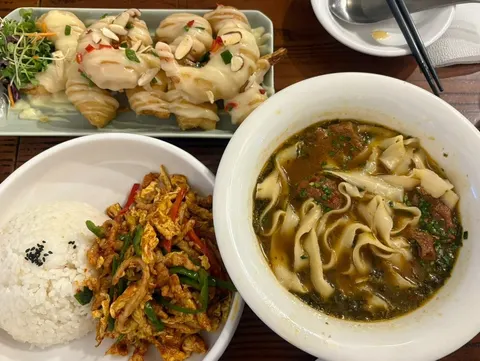
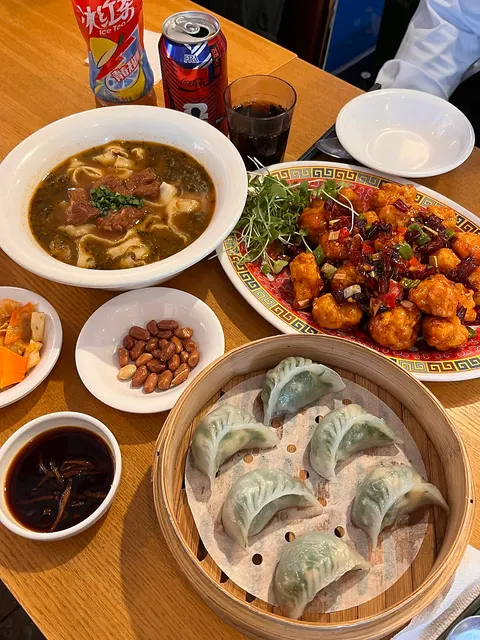
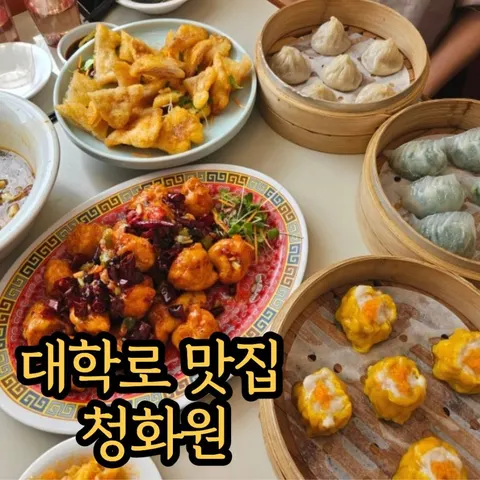
This time we were a group sharing several dishes, so we ordered shumai, xiaolongbao and yulinji, a knife-cut noodle dish. We hadn't really planned to order this much, but once the dishes started coming out one by one, all three turned out to have such different characters that they went great together.
What Cheonghwawon's dim sum and knife-cut noodle menu covers
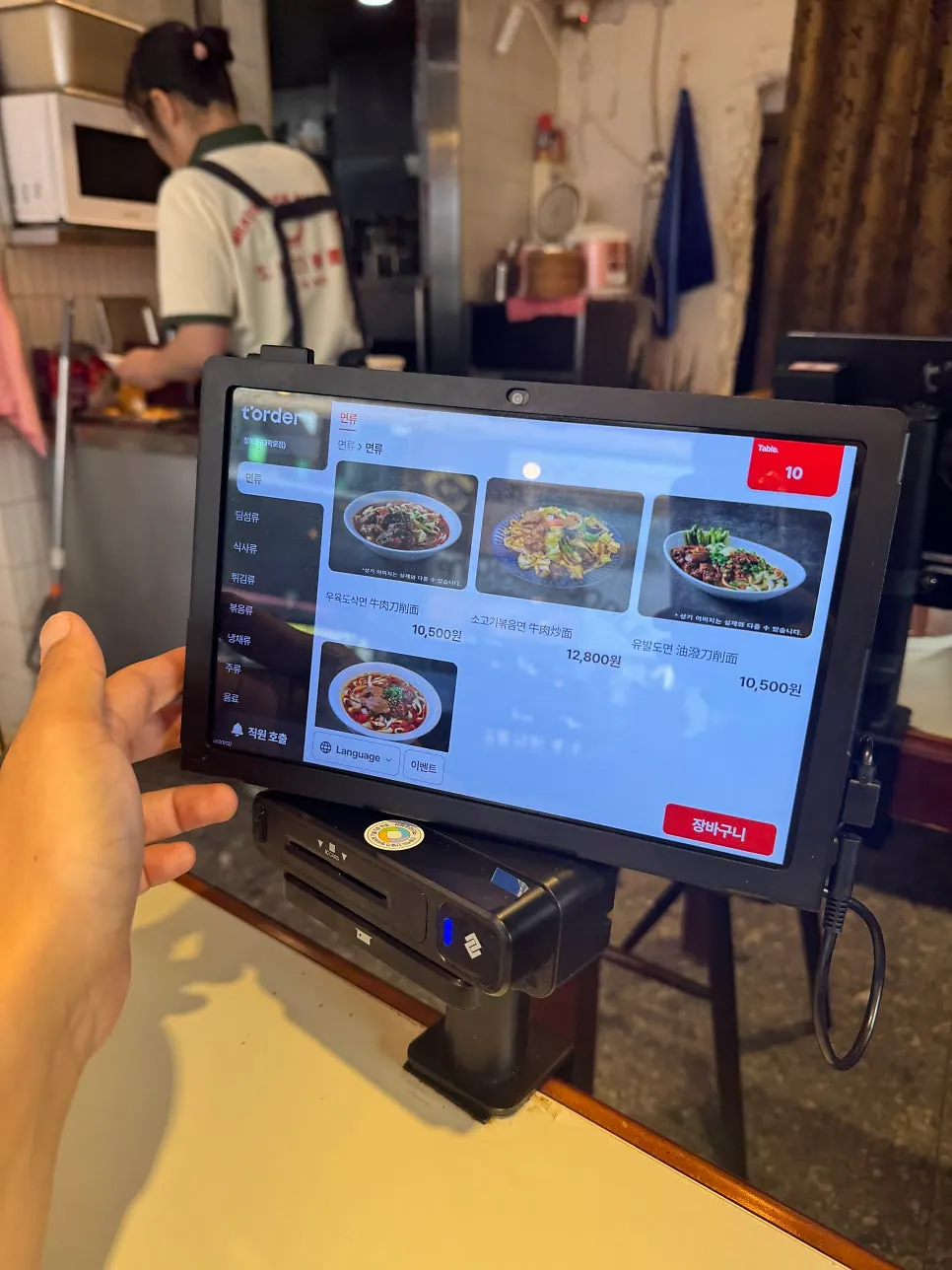
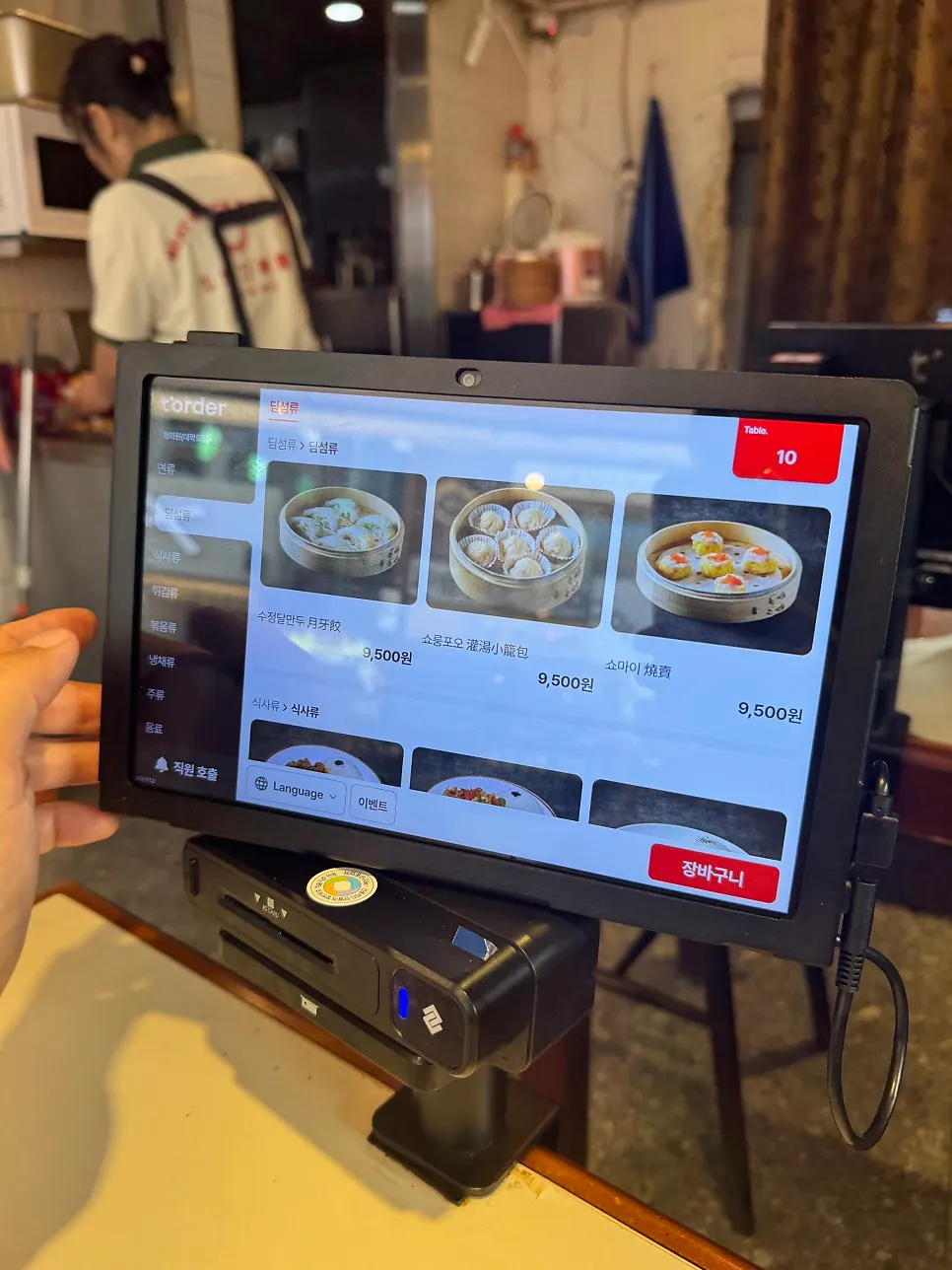
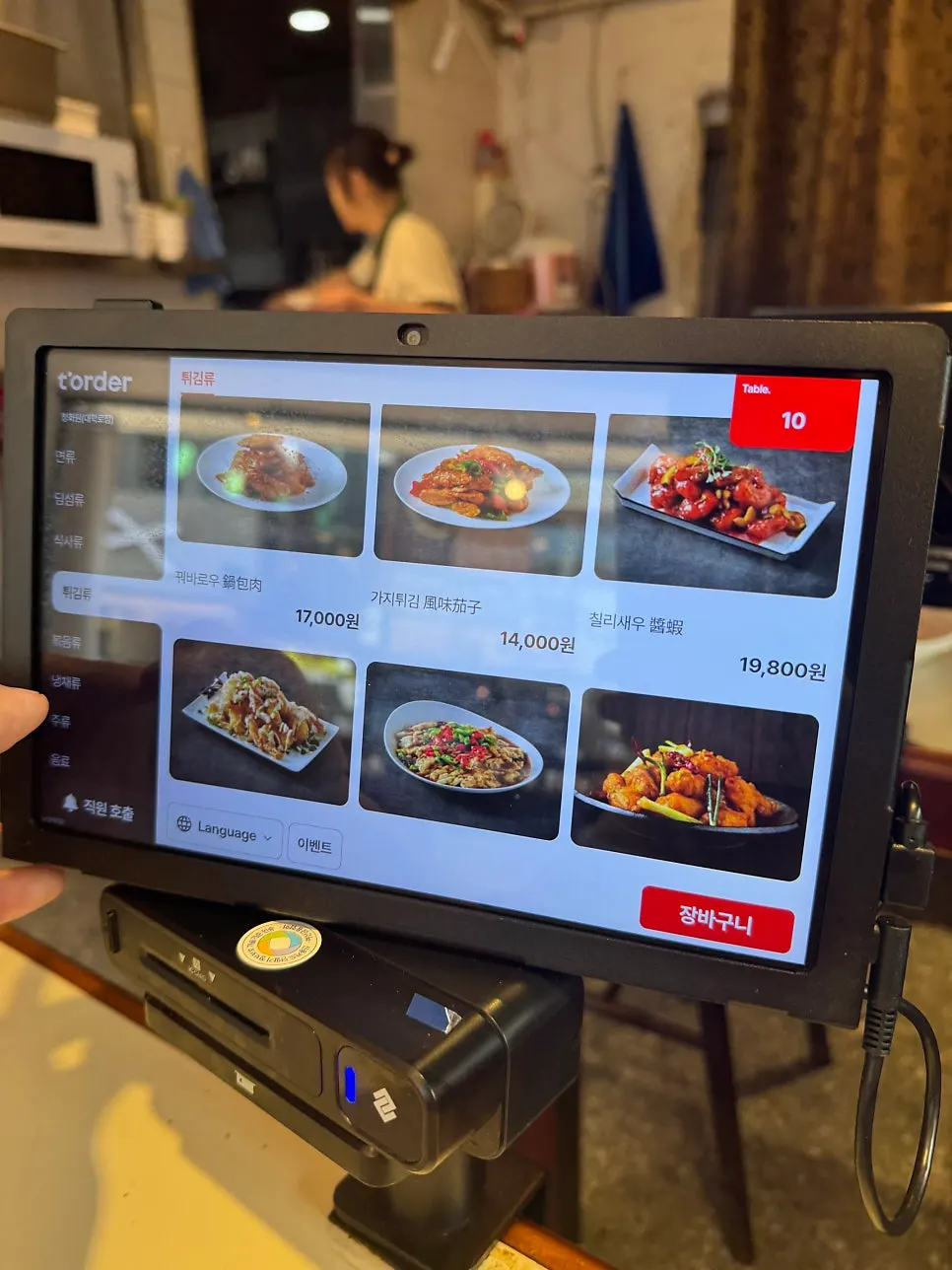
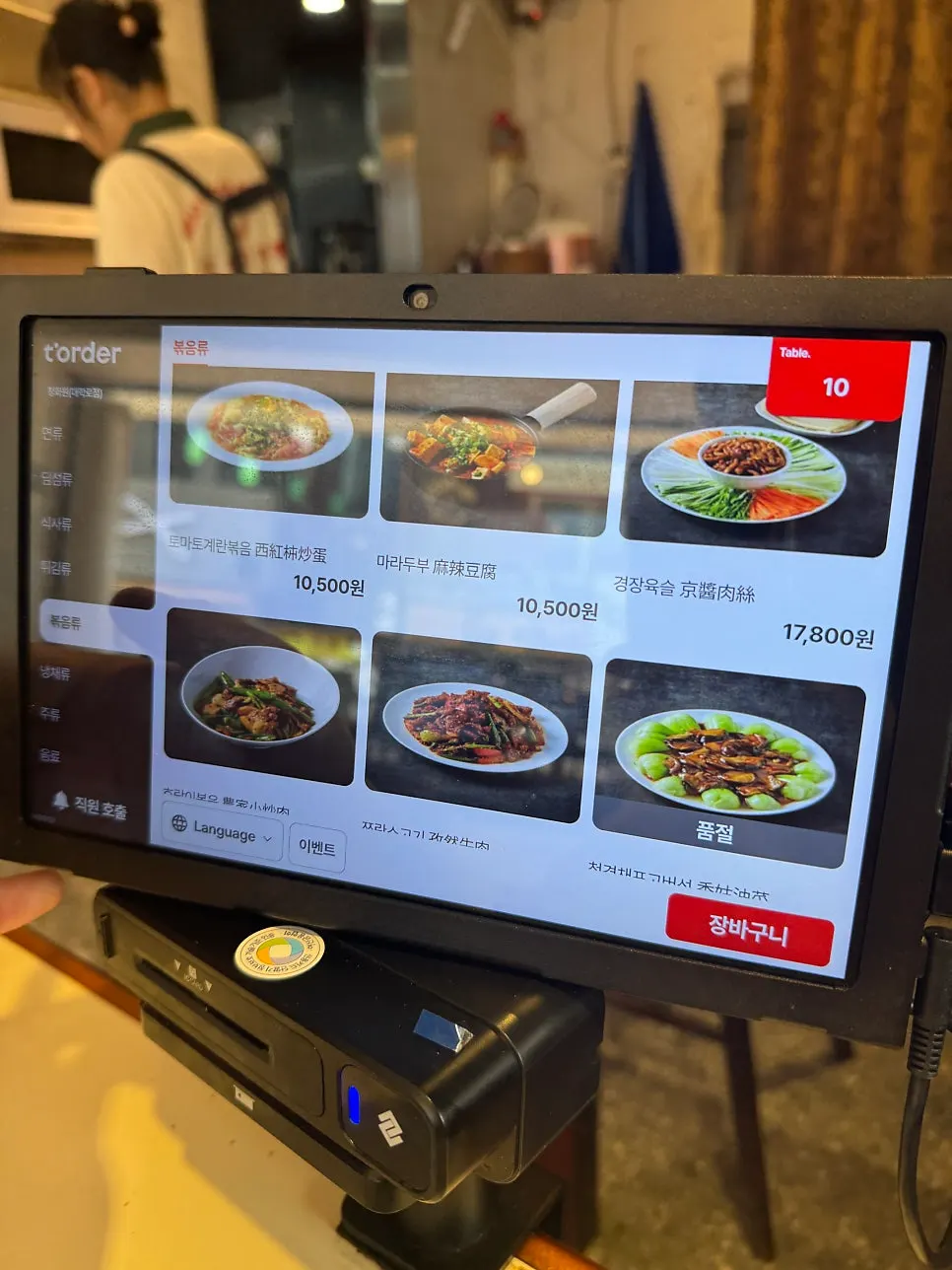
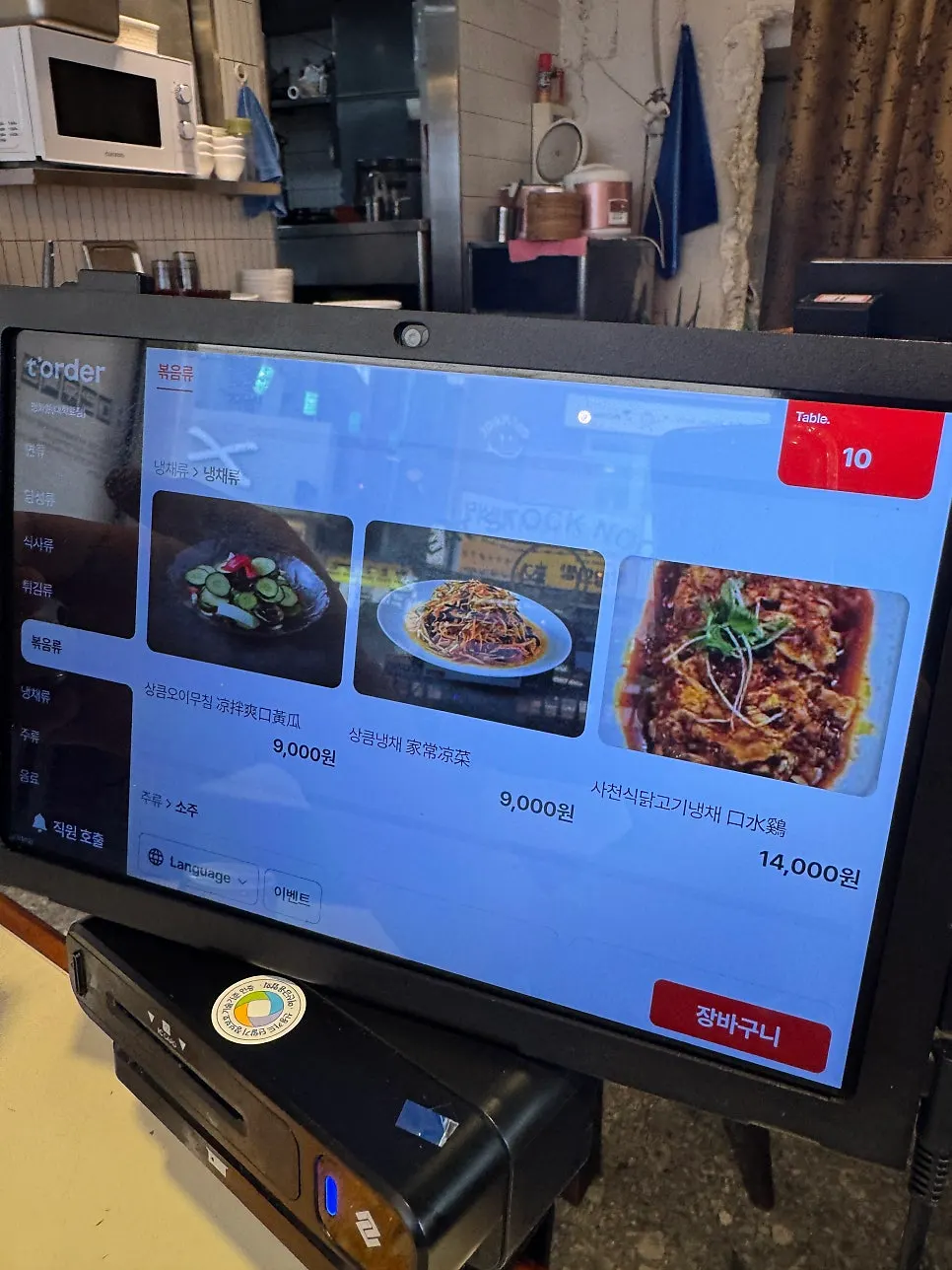
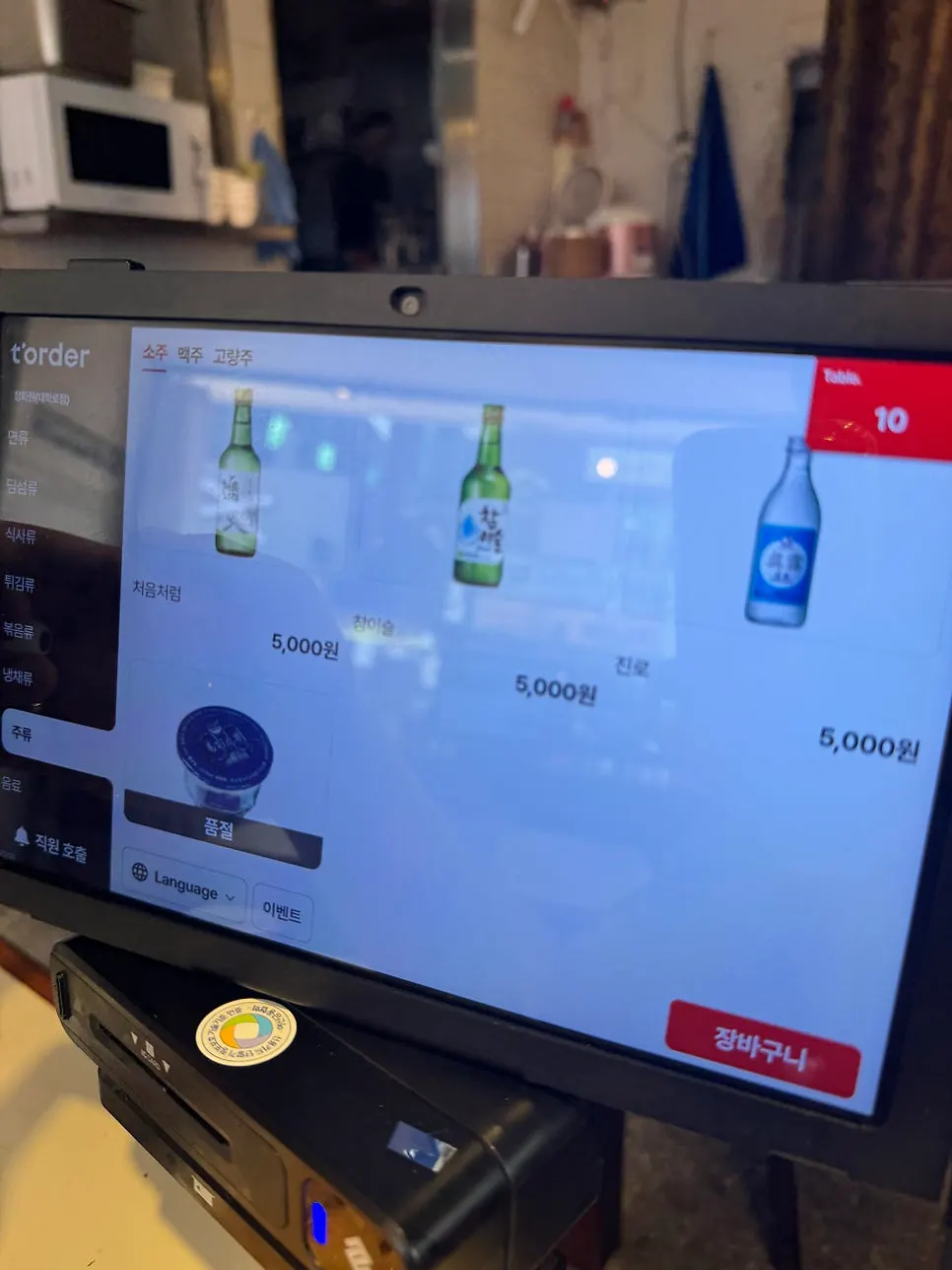
Eating around Hyehwa, given the Daehangno theater-district vibe, I usually end up craving pasta or pork cutlet or meaty dishes, but this time I went a different direction.
Dim sum plus knife-cut noodles.
Looking over the menu, we each picked one shumai and one xiaolongbao, and for the noodle dish I wanted mixed noodles over soup, so I went with yulinji.
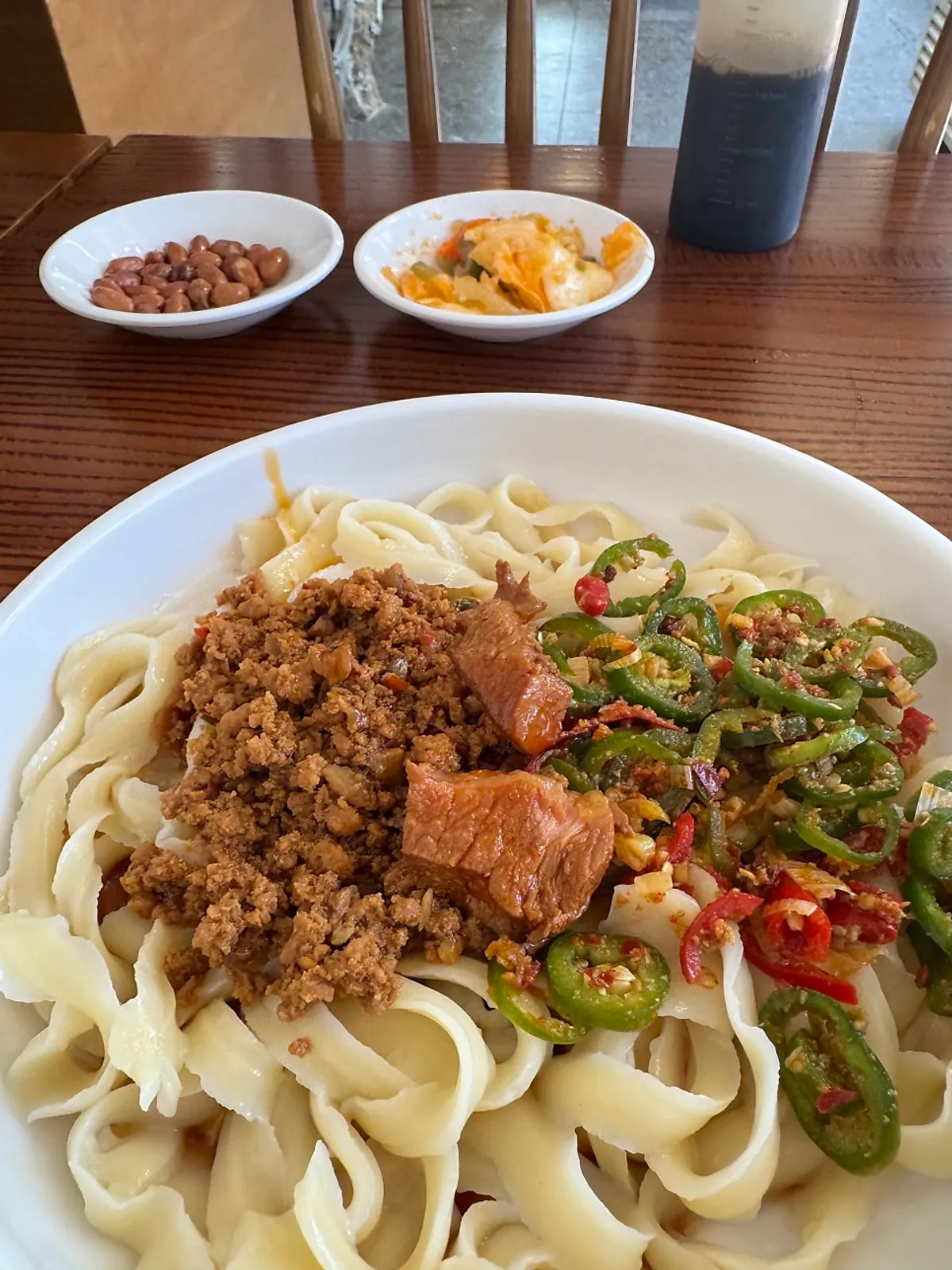
Honestly, just hearing the name "yulinji" might not immediately click for people trying it for the first time. Simply put, it's mixed noodles made with knife-cut noodles — a style where you toss the noodles with sauce and toppings with no broth, so I figured it would go well with dim sum.
Personally, when I eat Chinese noodle dishes I usually go back and forth between soup noodles and mixed noodles, but this time, oddly, I wanted the tossed noodles more than something spicy or rich in broth.
So we ordered and waited for the food to come out.
How are the shumai and xiaolongbao at Cheonghwawon?
We started with the dim sum. Shumai and xiaolongbao are both dim sum, but you can definitely tell them apart once you taste them.
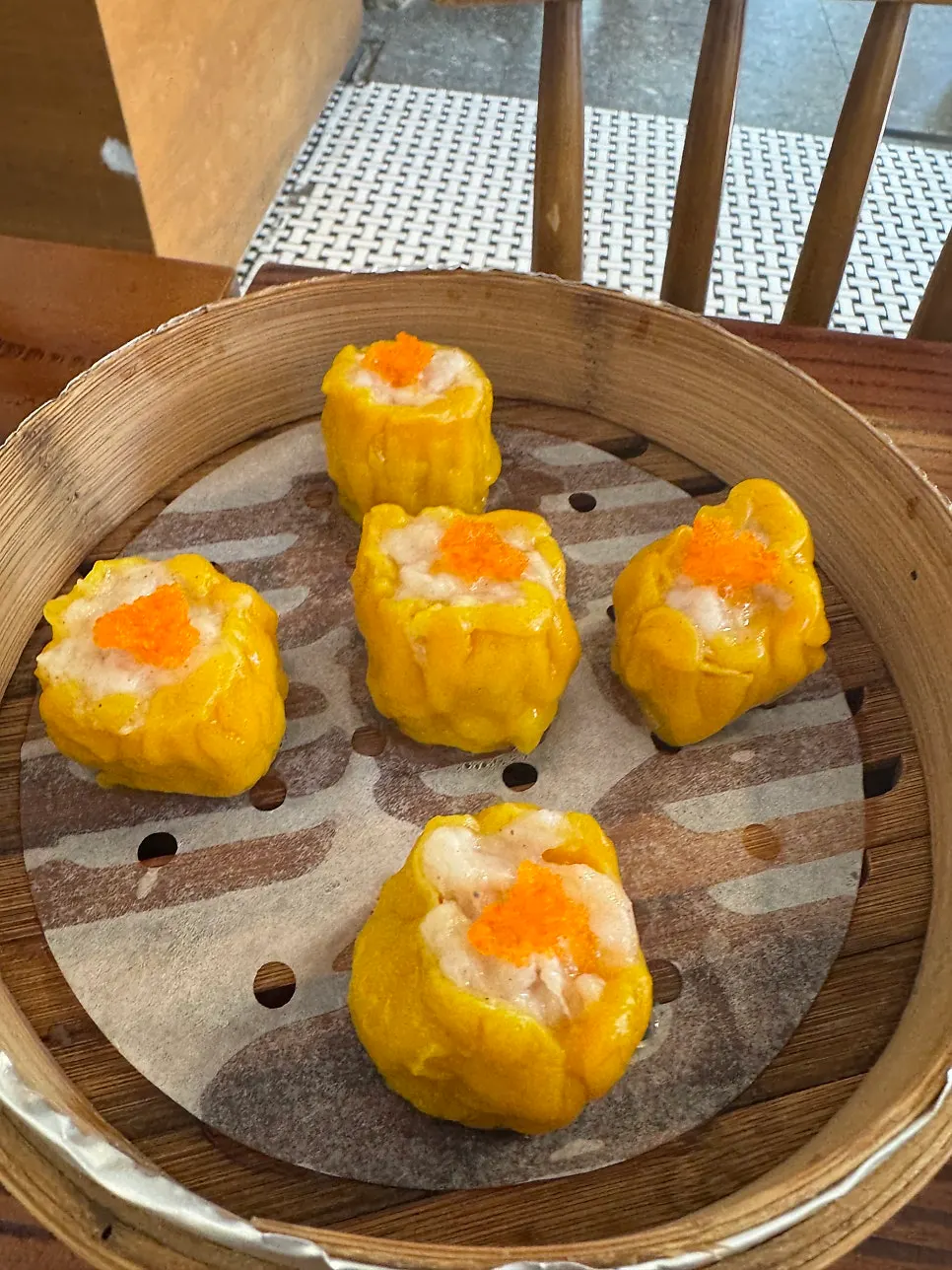
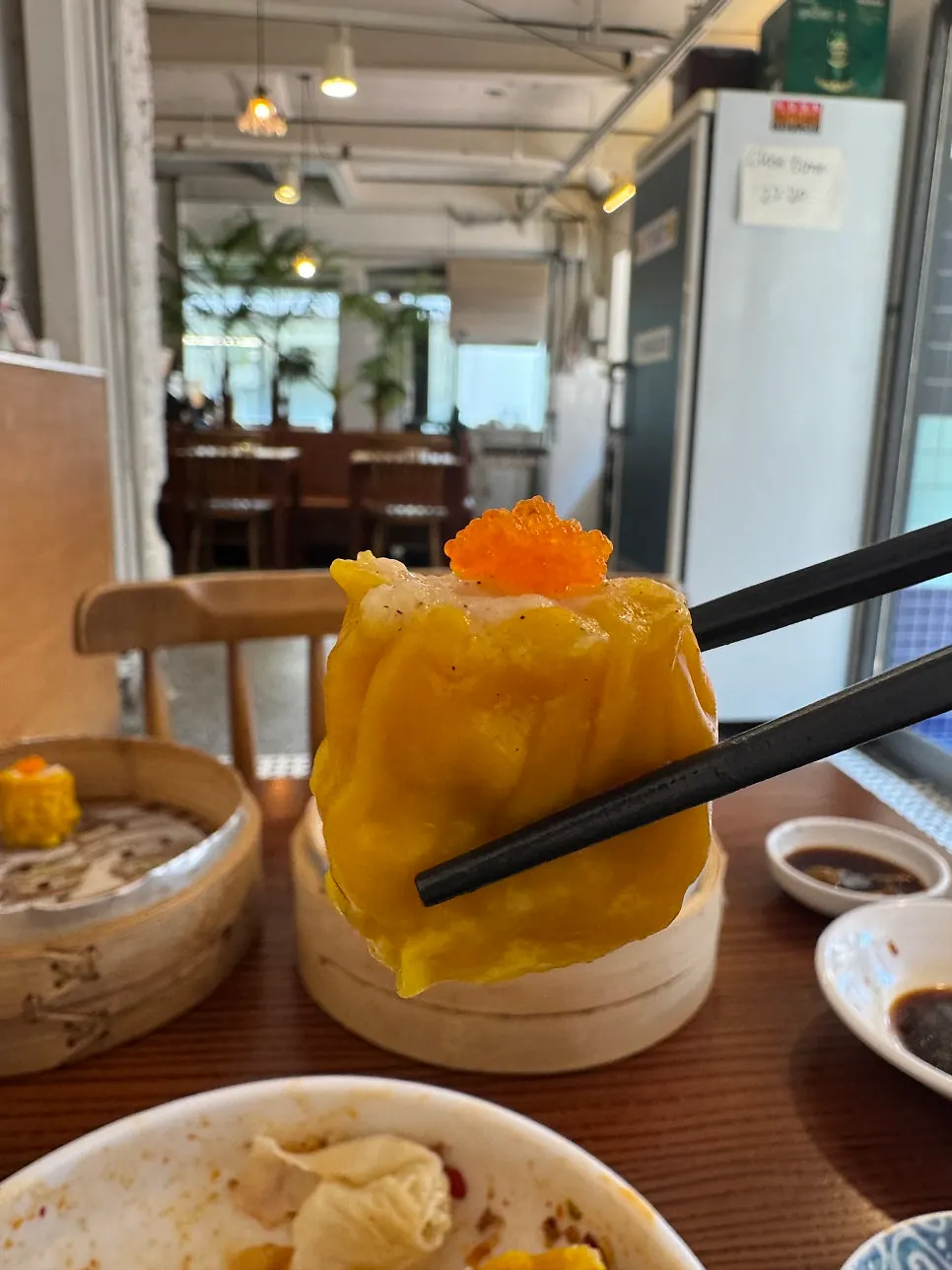
The shumai were a perfect bite-sized size, so you could taste the filling right away. Dim sum can be disappointing when the wrapper is thick but the filling is skimpy, but here the filling and wrapper combo was genuinely fun to eat.
The shumai in particular were shrimp and meat together, so biting in gave a springy texture along with that distinct meaty savoriness.
And then the xiaolongbao.
You really do have to be careful eating xiaolongbao. If you just grab one with chopsticks and pop the whole thing in, the juices inside can wreck the roof of your mouth. Haha.
So I lifted it up gently and checked it out first.
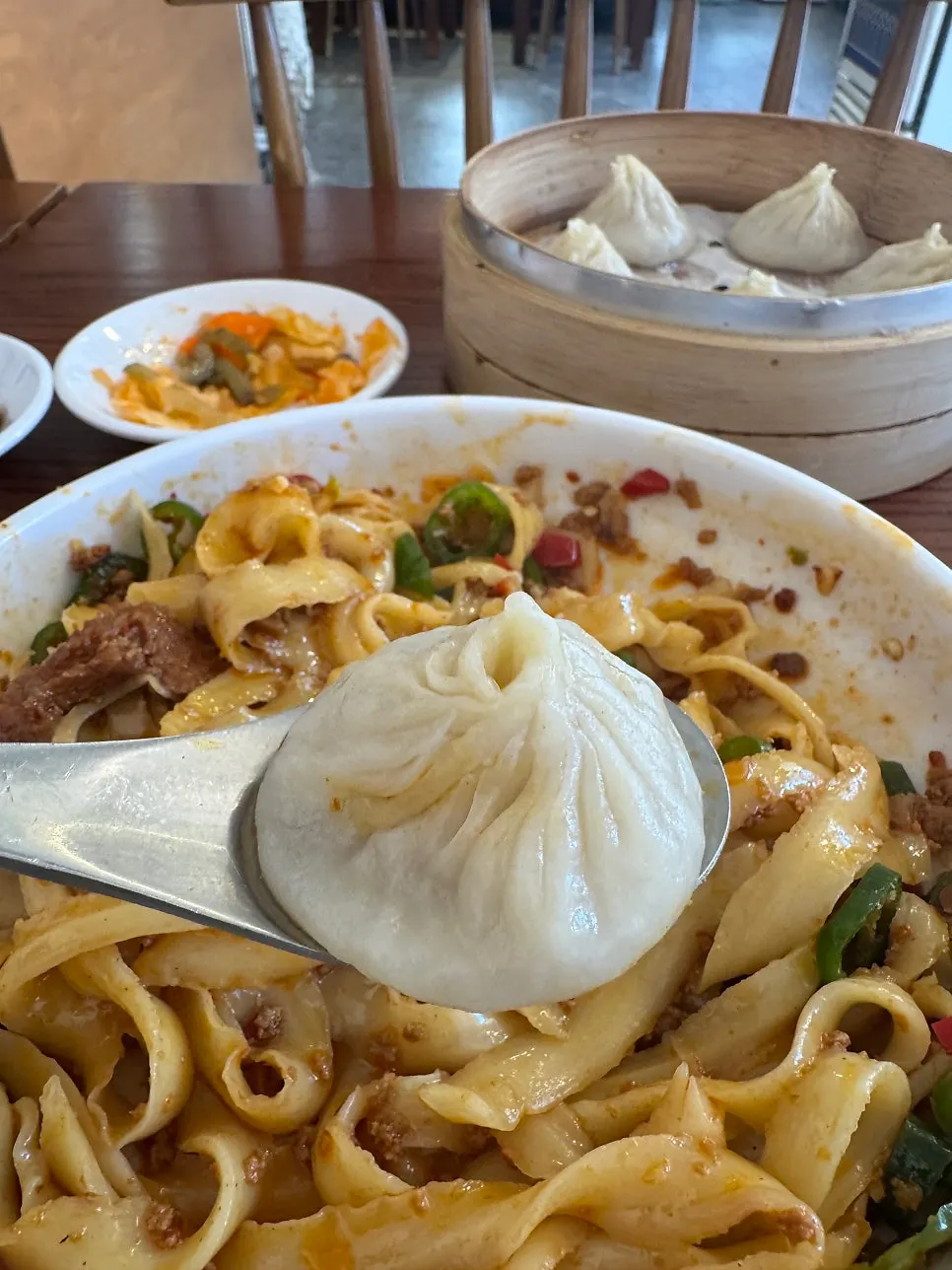
With the juices tucked inside the wrapper, eating carefully gave a different feeling than a regular meat dumpling. It was like eating a dumpling, but the juices inside also gave it a slight soup-dish quality.
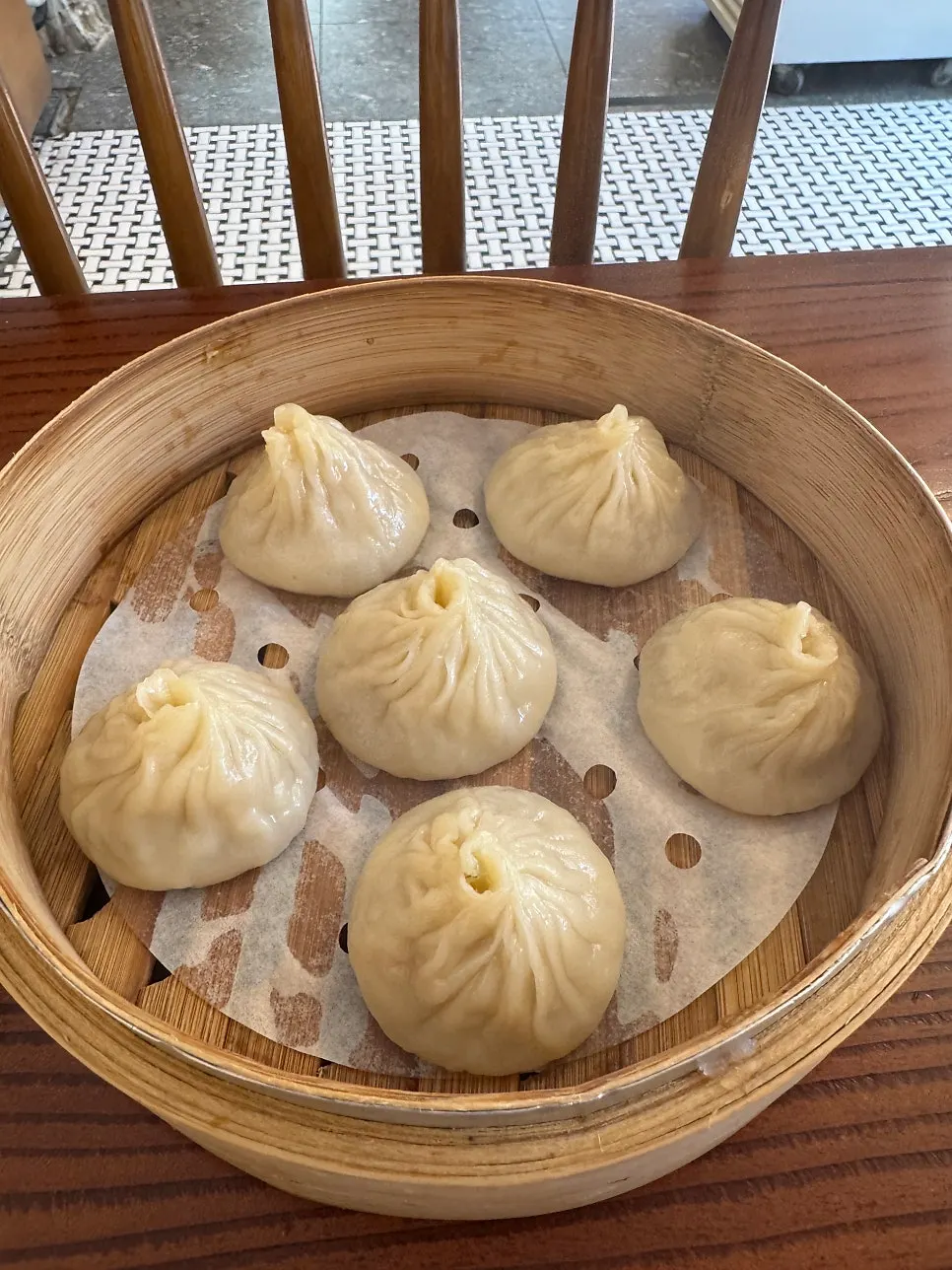
Personally, I think dim sum is more fun when you eat several kinds at once. Taking a bite of shumai, then a bite of xiaolongbao, the texture and flavor shift so much that even though they're both dim sum, it never gets boring.
Yulinji: how the wide knife-cut noodles chew
And the dish I was most curious about that day was yulinji.
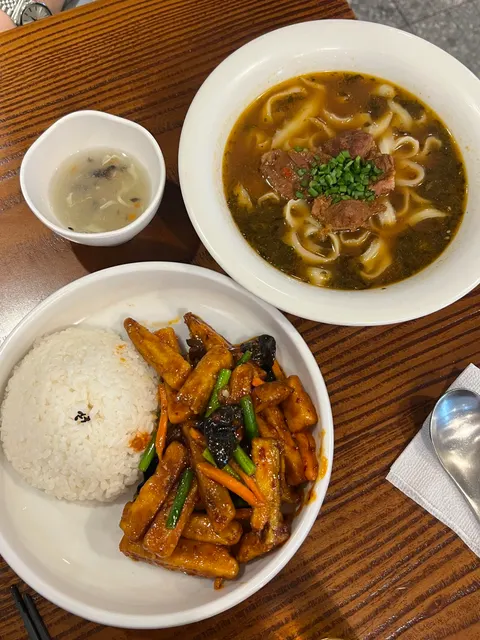
Knife-cut noodles look different from regular noodles right from the start — flat, irregular strands that look like they were sliced thin with a knife, so picking them up already felt different from typical Chinese noodles.
Yulinji is a noodle dish eaten mixed with no broth, so I tossed it well to get the sauce evenly coating the noodles.
Taking one chopstick-full, the distinct texture of the flat knife-cut noodles hit first. Rather than slurping down like thin noodles, there was real enjoyment in chewing the noodle itself.
This was surprisingly fun.
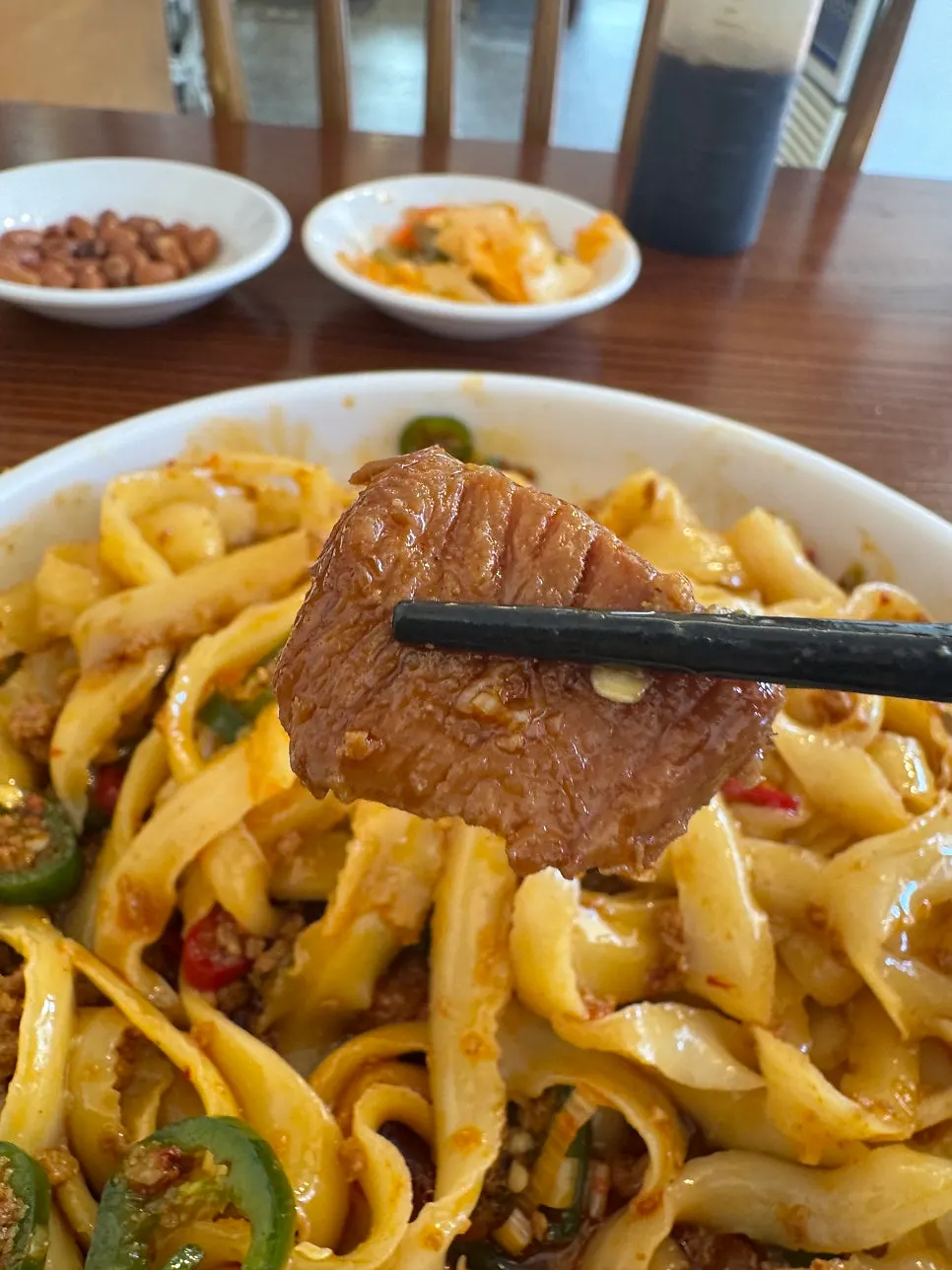
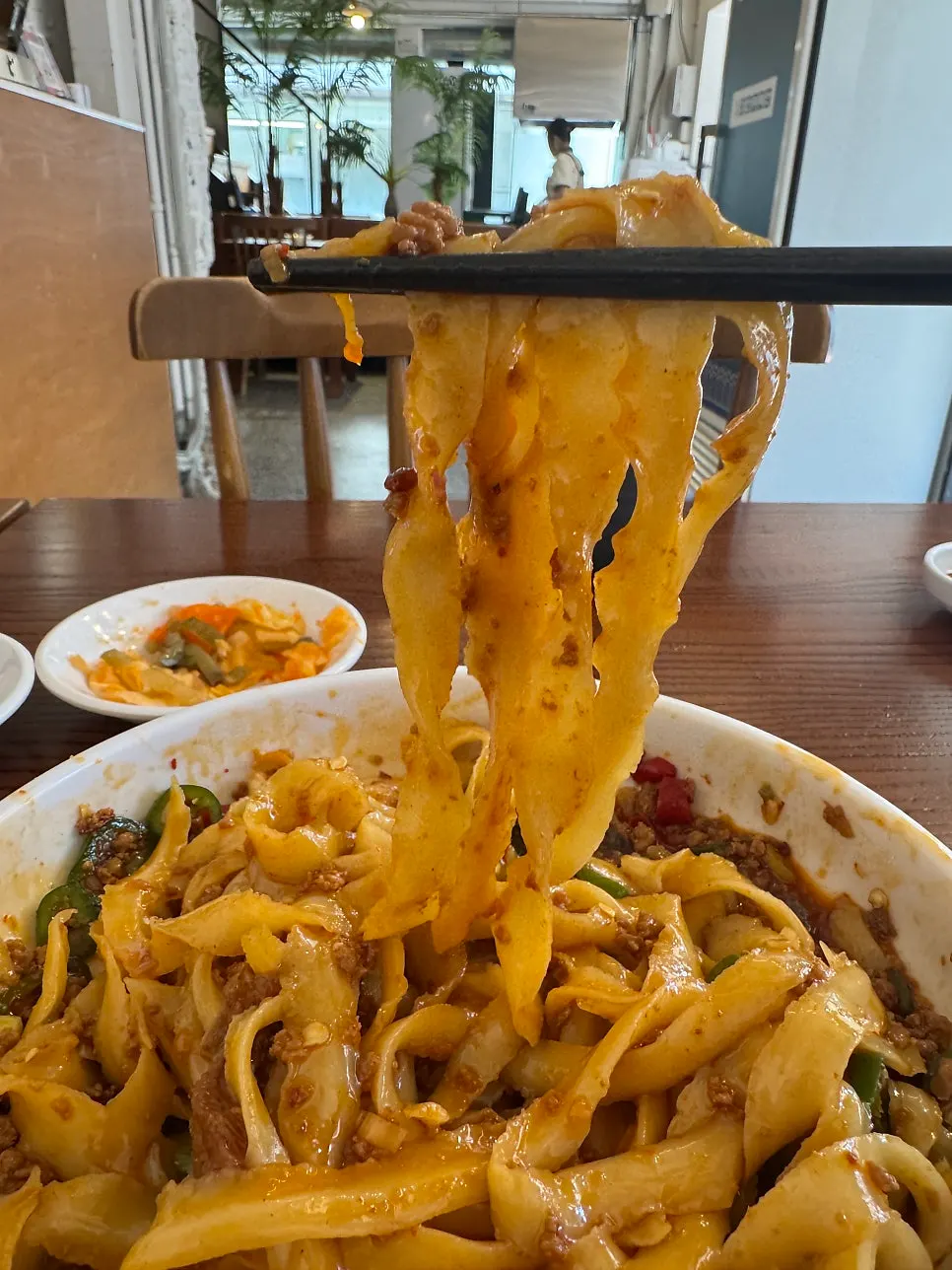
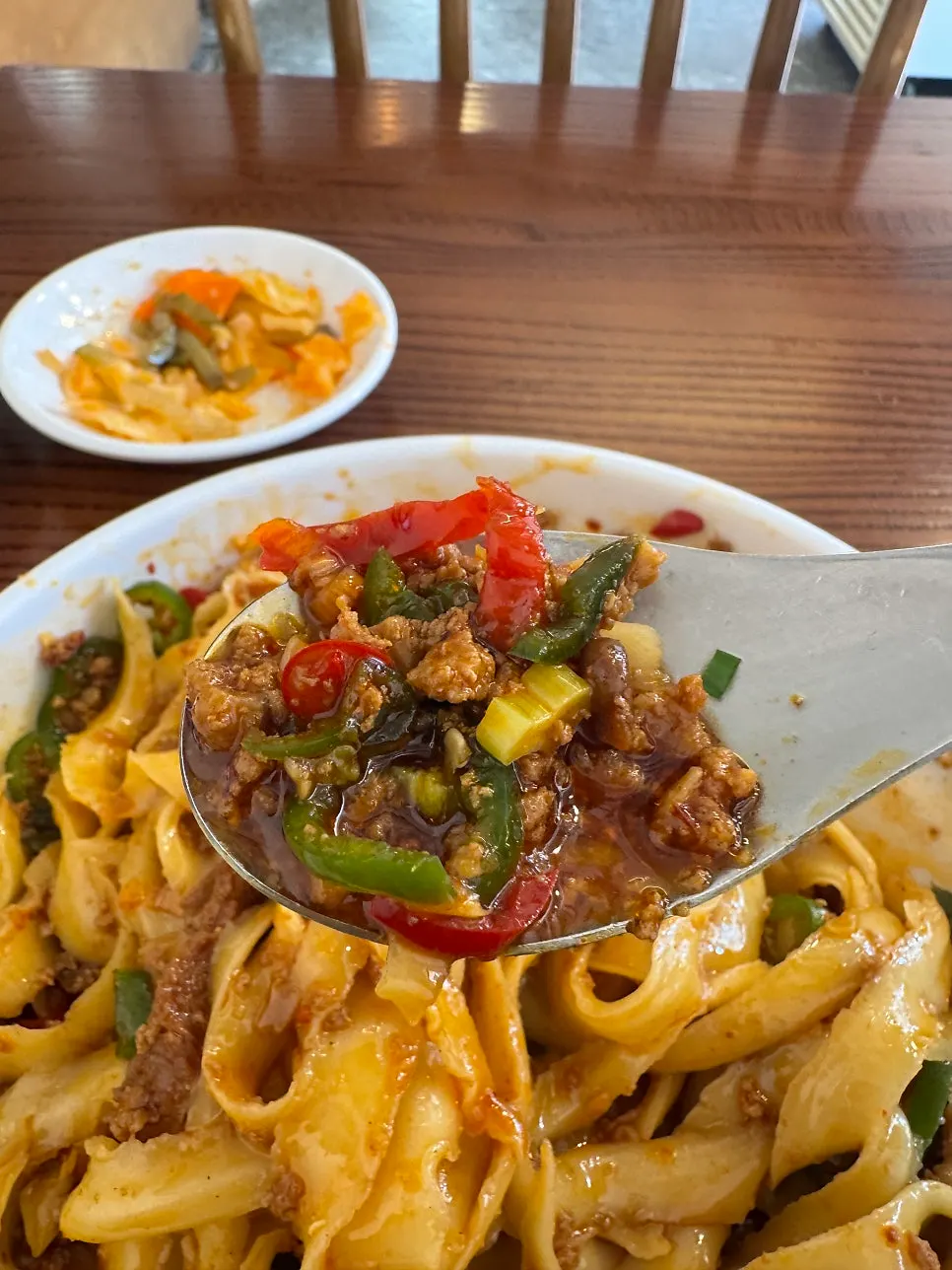
Even with the same style of mixed noodles, eating them as thin wheat noodles or regular Chinese noodles feels quite different from eating them as knife-cut noodles. The flat noodles have more surface area for sauce to cling to, and the noodle's presence when you chew is definitely stronger.
That day I started with the dim sum and then had the yulinji alongside it, and the pairing worked out well. Dim sum is centered on the filling flavor and juices, while yulinji is centered on the noodle and sauce, so they didn't overlap in role.
Honestly, at first I thought knife-cut noodles might feel a bit unfamiliar, but once I started eating, my chopsticks kept going back for more.
"Ah, so this is why people eat knife-cut noodles."
That's exactly the feeling.
Where to eat knife-cut noodles in Daehangno
If you're looking for Chinese food around Hyehwa and want something other than the usual jjajangmyeon or jjamppong, a place like Cheonghwawon where you can get dim sum and knife-cut noodles together is a solid option.
It's especially convenient when you're visiting with a group.
Sometimes one person wants noodles while someone else wants dumplings or dim sum. In that case, ordering dim sum like shumai and xiaolongbao along with a knife-cut noodle dish lets everyone get roughly what they're craving.
We ordered all three that day and shared, and since each dish had its own character, it was much more fun than sticking to just one dish.
The Daehangno location is also convenient for planning your route before or after a meal. Cheonghwawon Daehangno Branch is on Daemyeong-gil in Jongno-gu, Seoul, and is listed as close to Hyehwa Station Exit 4. It's a good spot to pair with a meal before or after seeing a play or performance.
Sharing dim sum and noodles at Cheonghwawon Daehangno Branch
To sum up what we ate this time: the shumai were great for tasting that distinct dim sum filling flavor, and the xiaolongbao were fun for the juices inside as well.
Of the three dishes, the yulinji left the strongest impression in terms of noodle texture.
In particular, knife-cut noodles are wider and thicker than regular noodles, so if you care about that chewy bite, this is a dish worth trying.
Maybe because I love noodles, the yulinji stuck with me the most that day. Eating dim sum, then a bite of noodles, then picking up shumai again — going back and forth like that kept the flavor flow interesting.
At a Chinese restaurant, eating only dim sum can feel a bit lacking, and eating only noodles can leave you missing a side dish, but ordering this way made the meal feel quite full.
If you're looking for Chinese food on Daehangno beyond the usual jjajangmyeon or jjamppong and want dim sum or knife-cut noodles, this combination works really well.
Especially after watching a play or performance in Hyehwa, if you're sharing a meal with friends or a partner, ordering different dishes like shumai, xiaolongbao and knife-cut noodles to share is more fun than everyone ordering their own single dish.
That said, dim sum portions per plate aren't as large as a full meal dish, so if you're visiting with a group, it's worth planning extra dishes based on headcount and appetite.
Eating all three like we did lets you enjoy the differences between them, and if you have a bigger appetite, adding another dish or noodle order is a good idea too.
In the end, what stuck with me from this visit to Cheonghwawon wasn't one flashy dish but the experience of eating dim sum and knife-cut noodles together at the same table.
Starting with shumai, moving on to xiaolongbao, and finishing by twirling the flat knife-cut noodles around chopsticks, the whole lineup flowed naturally.
If you're looking for something a bit different in Hyehwa, it's worth searching for Chinese food on Daehangno and checking out the dim sum and knife-cut noodle options as well.
Next time I visit, I'm curious to try other knife-cut noodle dishes or menu items I didn't get to this time. Of the three we had, the knife-cut noodles' texture stood out the most for being so distinctly different from other Chinese noodles.
Cheonghwawon Daehangno Branch: address, hours, parking
- Name: Cheonghwawon Daehangno Branch
- Address: 36 Daemyeong-gil, 1st & 2nd floor, Jongno-gu, Seoul, South Korea
- Location: Near Hyehwa Station Exit 4
- Hours: Listed as daily 11:00–22:00. Checking before your visit is recommended in case of changes.
- Parking: No dedicated lot; nearby paid parking is available
- Ordered this visit: Shumai / Xiaolongbao / Yulinji (mixed noodles)
- Main menu: Dim sum / Knife-cut noodles / Taiwanese-style Chinese food
- Note: Menu prices and business hours are recommended to be confirmed with the restaurant before visiting
Where it is
36 Daemyeong-gil, 1st & 2nd floor, Jongno-gu, Seoul, South Korea서울특별시 종로구 대명길 36 1층, 2층 청화원 대학로점