Kalguksu restaurant on Jeongdong-gil, Jung-gu: soybean bibim noodles
In short
Tanbaek is a kalguksu (knife-cut noodle) restaurant on Jeongdong-gil, near Deoksugung Palace's stone wall path in Jung-gu, Seoul. A weekend visit at 3pm found the place packed, with walk-ins cut off after 3pm and only reservations accepted from then on; the summer soybean bibim noodles came back with a thick, creamy bean sauce and sweet melon, finished down to the last drop. Reservations are essential for weekend visits to Tanbaek.
Good to know
- Location
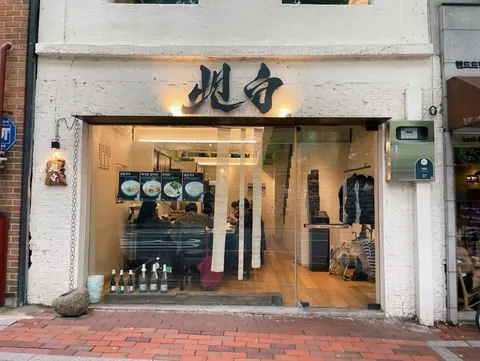
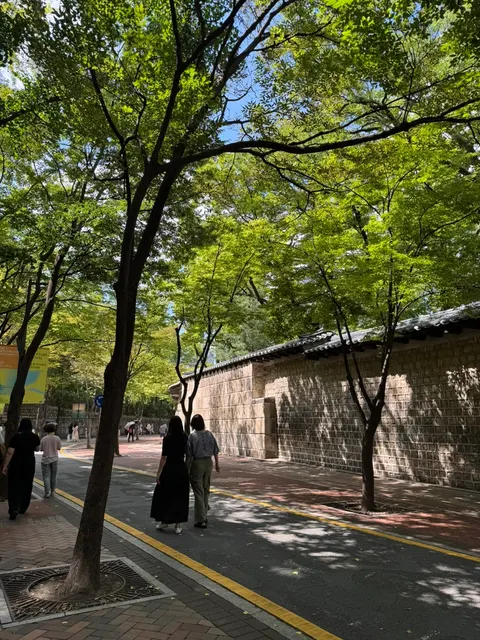
- 37 Jeongdong-gil, Jung-gu, Seoul (Exit 12, City Hall Station, 500m/5min along the stone wall path left of Deoksugung, ivory building 2nd floor left of Jeongdong Theater)
- Seating
- 17 bar seats on 1st floor, 32 table seats on 2nd floor, group seating up to 12 (larger groups split across tables)
- Reservations
- Available via Naver and Catch Table; walk-ins stop after 3pm on weekends
- Parking
- Ewha Jeongdong Building Parking ₩4,000/hr (07:00-22:00) / Kakao T Jeongdong Parking ₩5,000/hr (24hr) / Ewha Girls' High School paid parking ₩6,000/hr (06:00-22:00)
- Makgeolli by the glass
- ₩2,500
as written by the visitor on Sep 7, 2026
Back again to Tanbaek on Deoksugung's stone wall path
Today I went back to Tanbaek, a repeat favorite on Deoksugung's stone wall path!!
The name 'Tanbaek' (탄백) combines characters meaning 'flat/generous' and 'white/to speak plainly' — together meaning 'to speak honestly, without hiding anything.' It reflects the restaurant's intention to serve honest food made with clean, good ingredients.
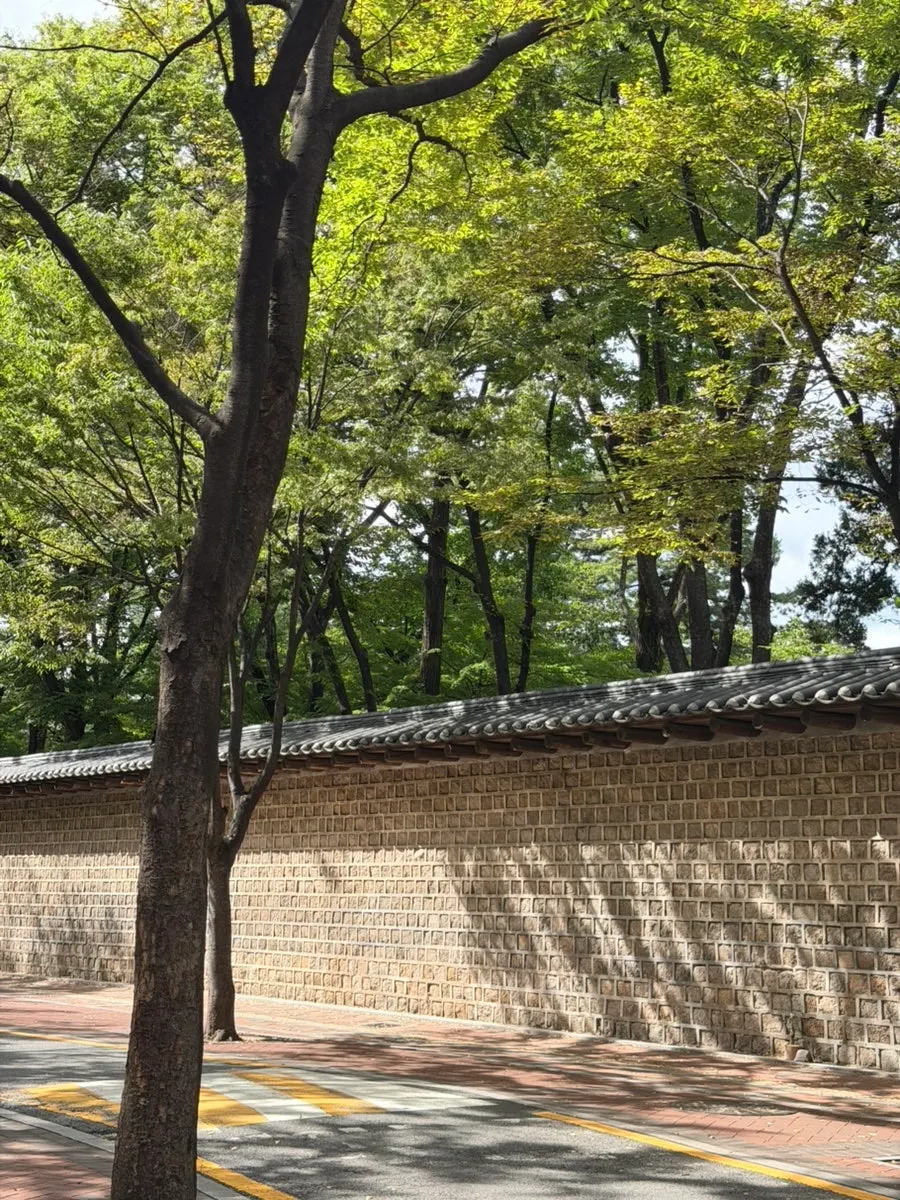
Tanbaek opened on August 15, 2024, Korea's Liberation Day, on Jeongdong-gil, said to be Seoul's most beautiful street. Jeongdong, where Jeongdong-gil is located, sits at the heart of Seoul on the site of a former royal detached palace from the Joseon dynasty — a special place where history and culture still breathe.
After the port opening in the late 19th century brought in Western culture, the area became a center of modern (enlightenment-era) culture. Deoksugung Palace, the former Russian Legation, the Seoul Museum of Art, Jeongdong First Methodist Church, Jungmyeongjeon, and Ewha Hakdang all preserve traces of that era's modern architecture, blending East and West beautifully.
Walk-ins cut off after 3pm on weekends
There's a lot to see nearby, so I visited at 3pm on a weekend, and it was genuinely packed!! After 3pm they stop taking walk-ins and only serve reservation guests. I'd recommend booking ahead if you're going on a weekend.
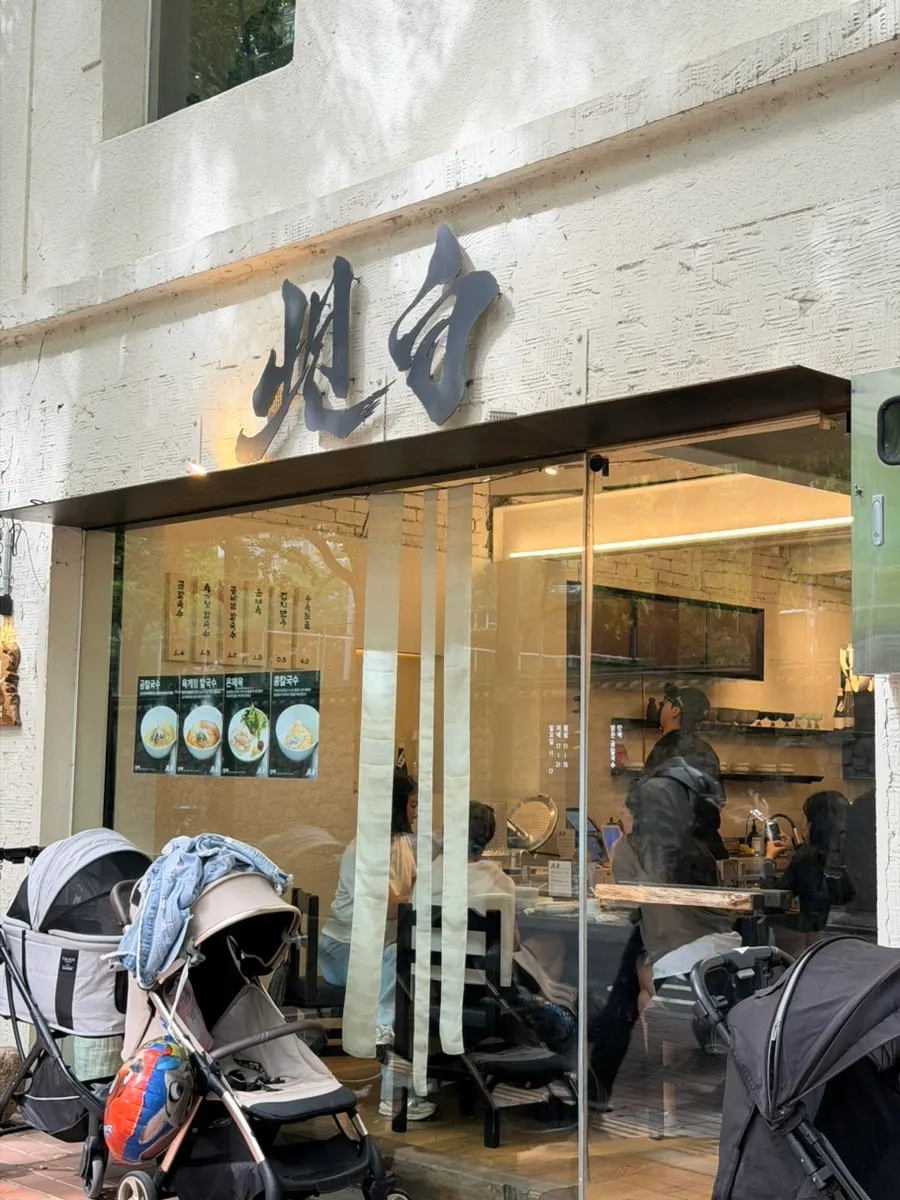
Directions, parking, and seating info
- From Exit 12 of City Hall Station, walk 500m (about 5 minutes) along the stone wall path to the left of Deoksugung Palace; it's the ivory building with a Chinese-character sign on the 2nd floor, left of Jeongdong Theater.
- Parking is available about 250m away at 1. Ewha Jeongdong Building Parking (₩4,000/hr, 07:00-22:00), 2. Kakao T Jeongdong Parking (formerly GS Times Jeongdong private parking, ₩5,000/hr, 24 hours), or 3. Ewha Girls' High School paid parking about 150m away (₩6,000/hr, 06:00-22:00).
- Seating is 17 bar seats on the 1st floor and 32 table seats on the 2nd floor, with group seating up to 12; larger groups are split across separate tables.
- Reservations can be made through Naver and Catch Table.
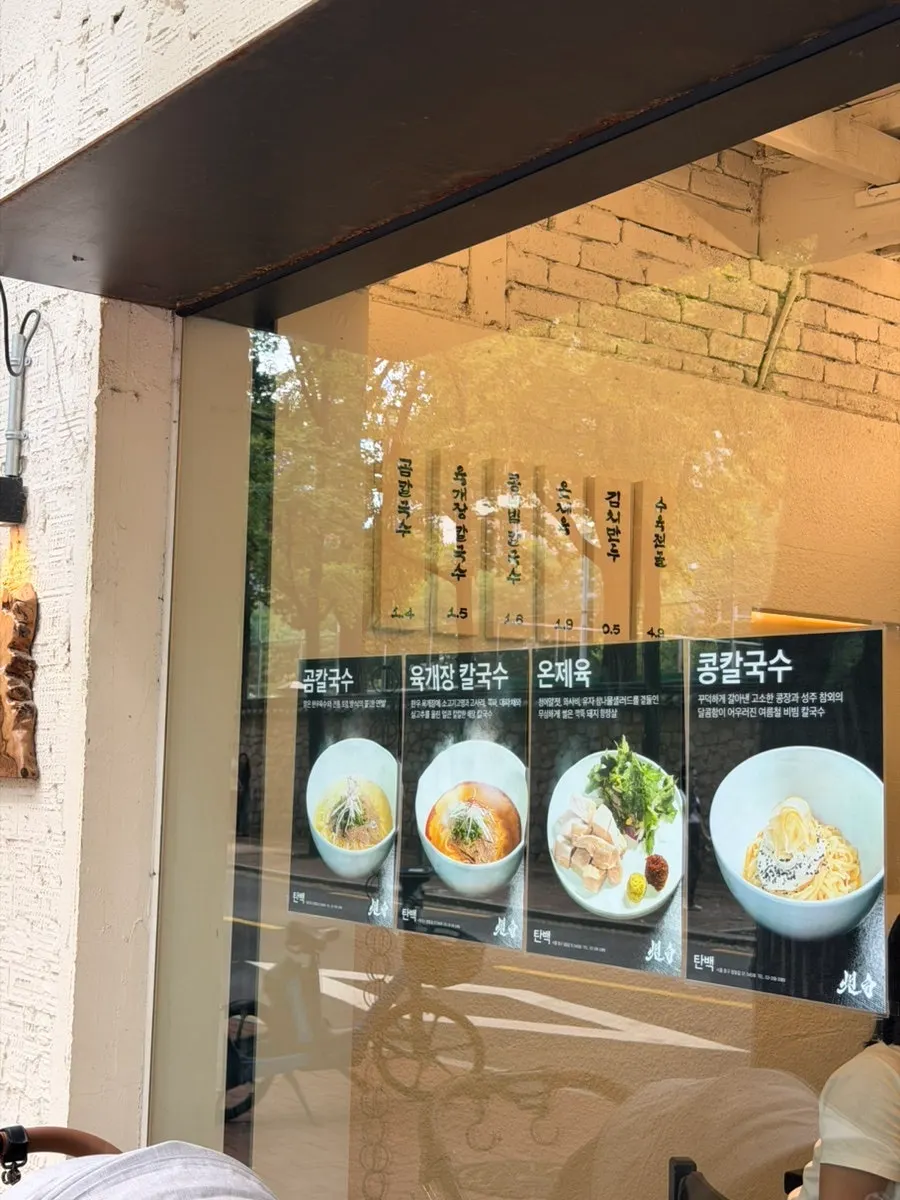
One menu, one mission: kalguksu
The menu keeps it simple — this place bets everything on kalguksu (knife-cut noodle soup).
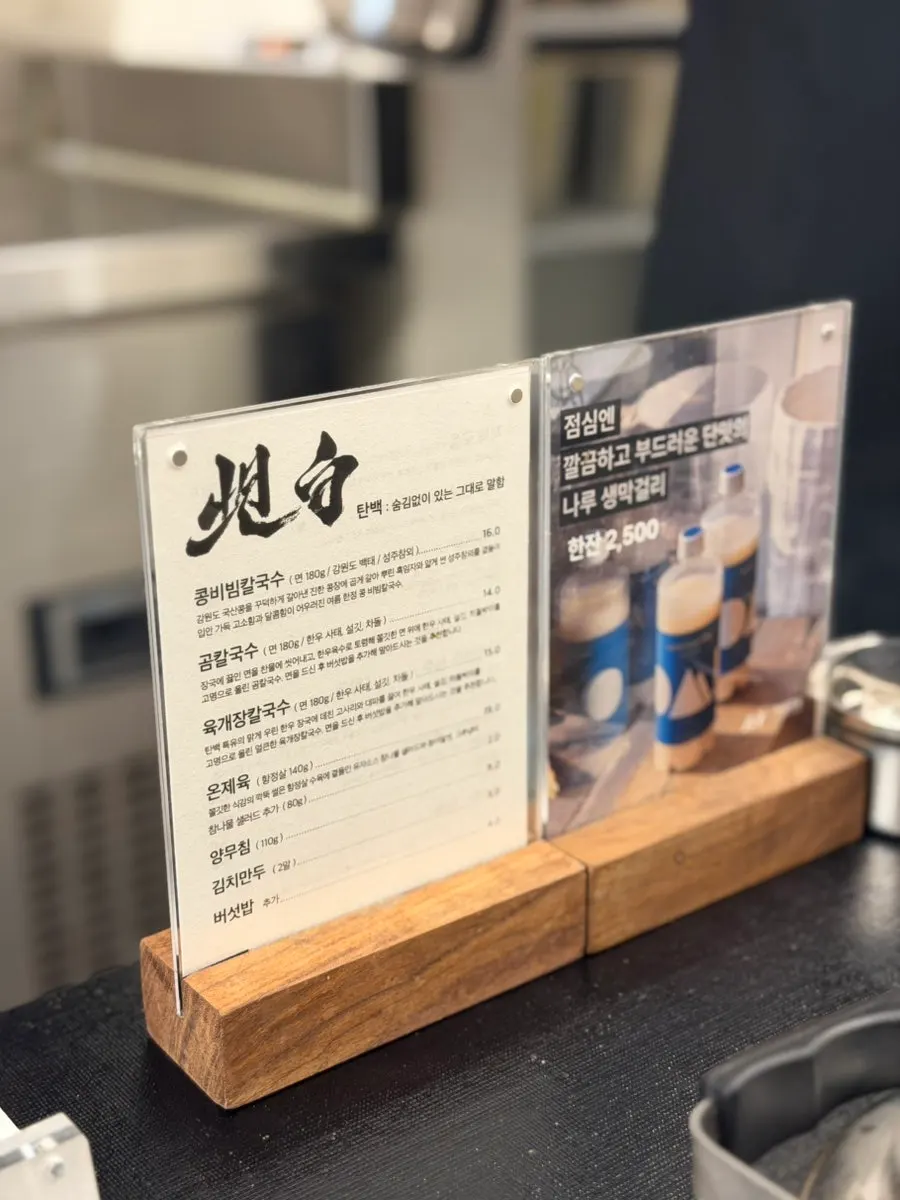
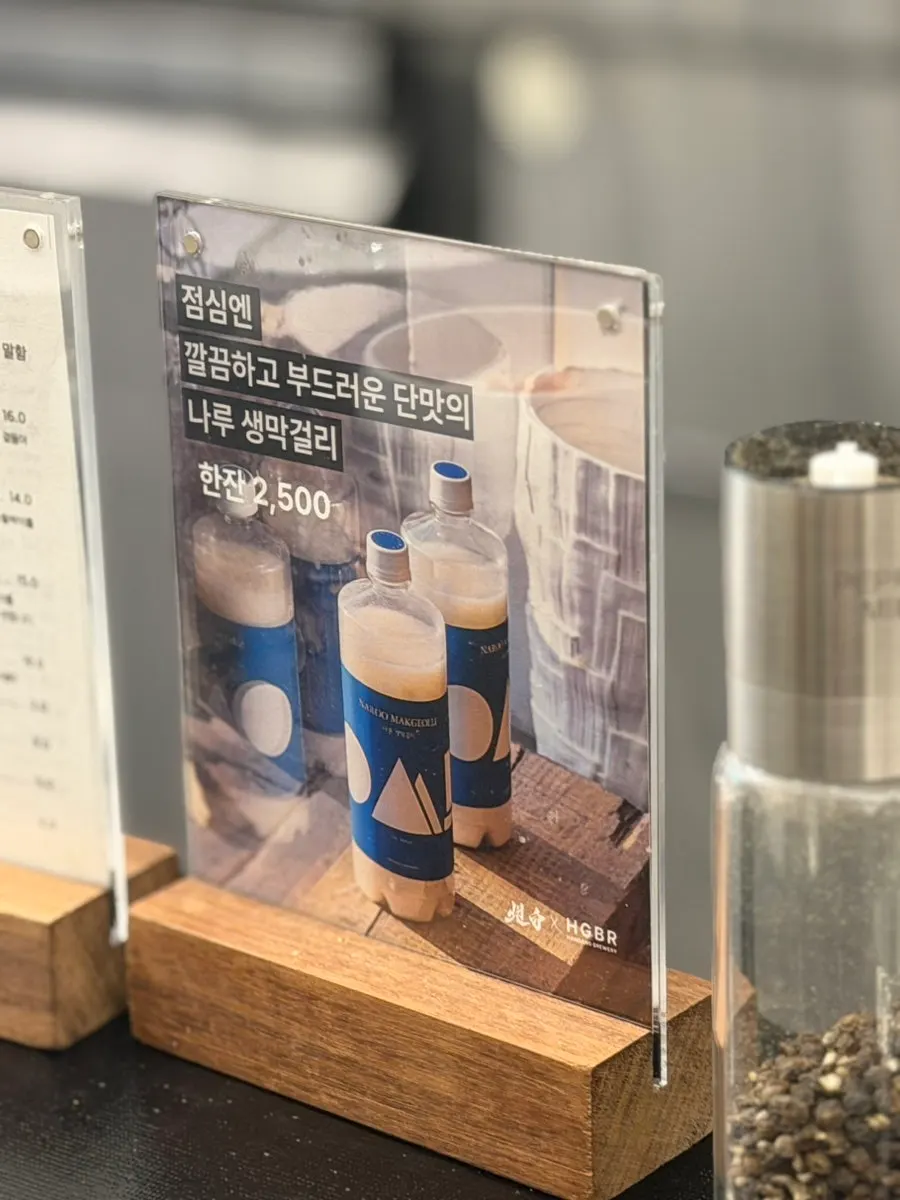
Makgeolli (Korean rice wine) by the glass is also sold, for ₩2,500.
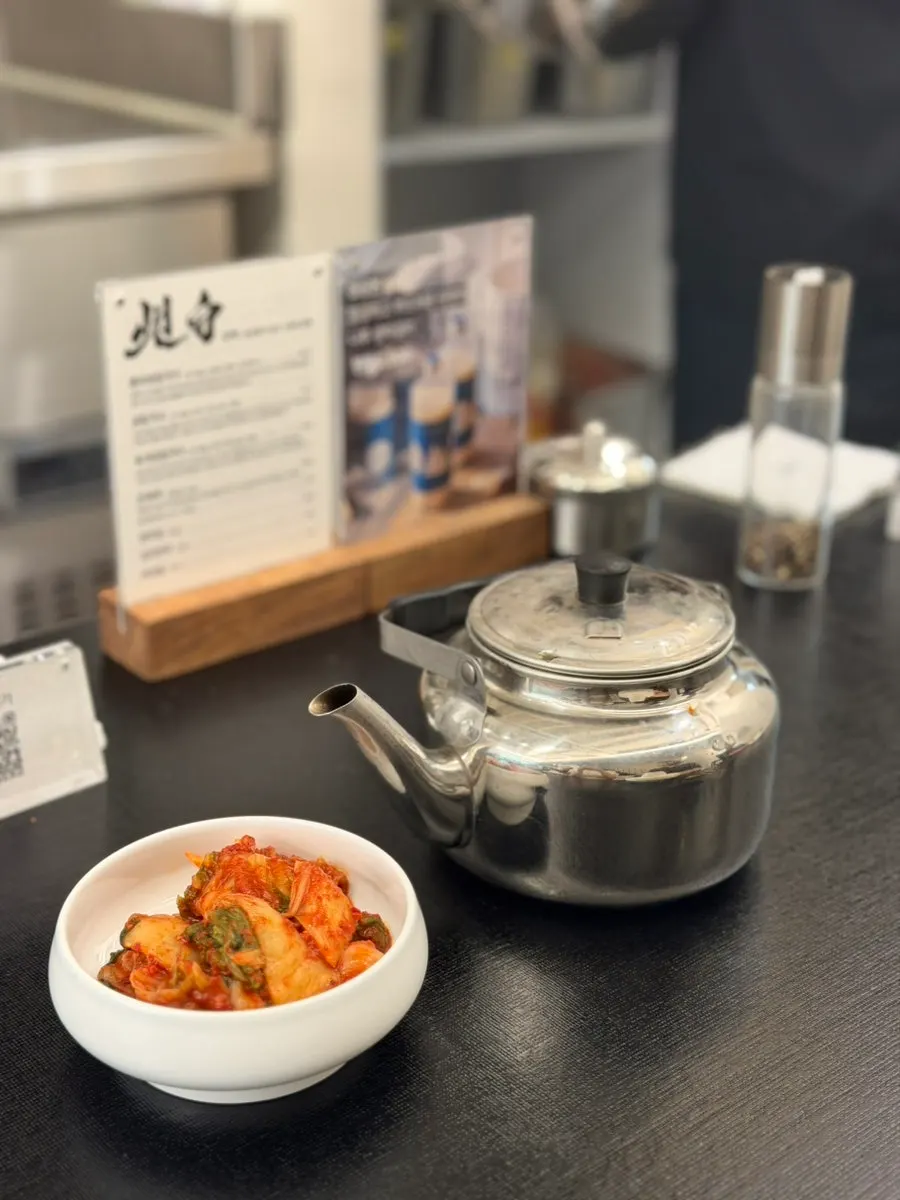
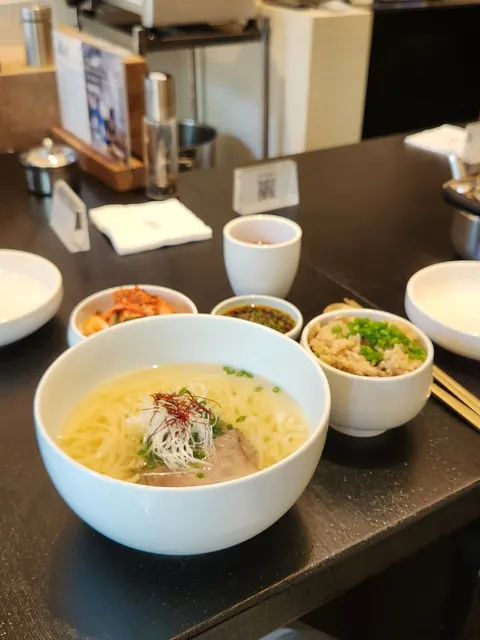
As soon as we sat down, they brought kimchi and cold water.
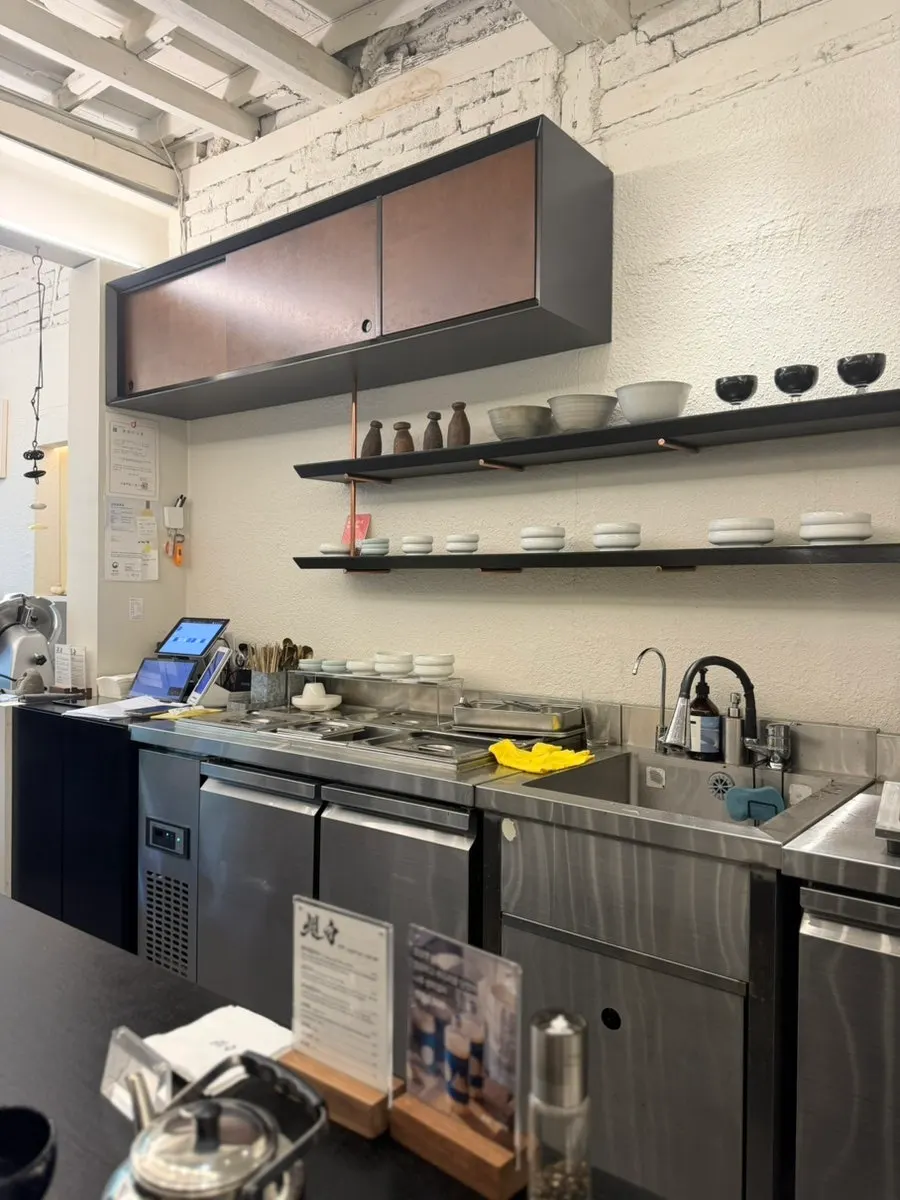
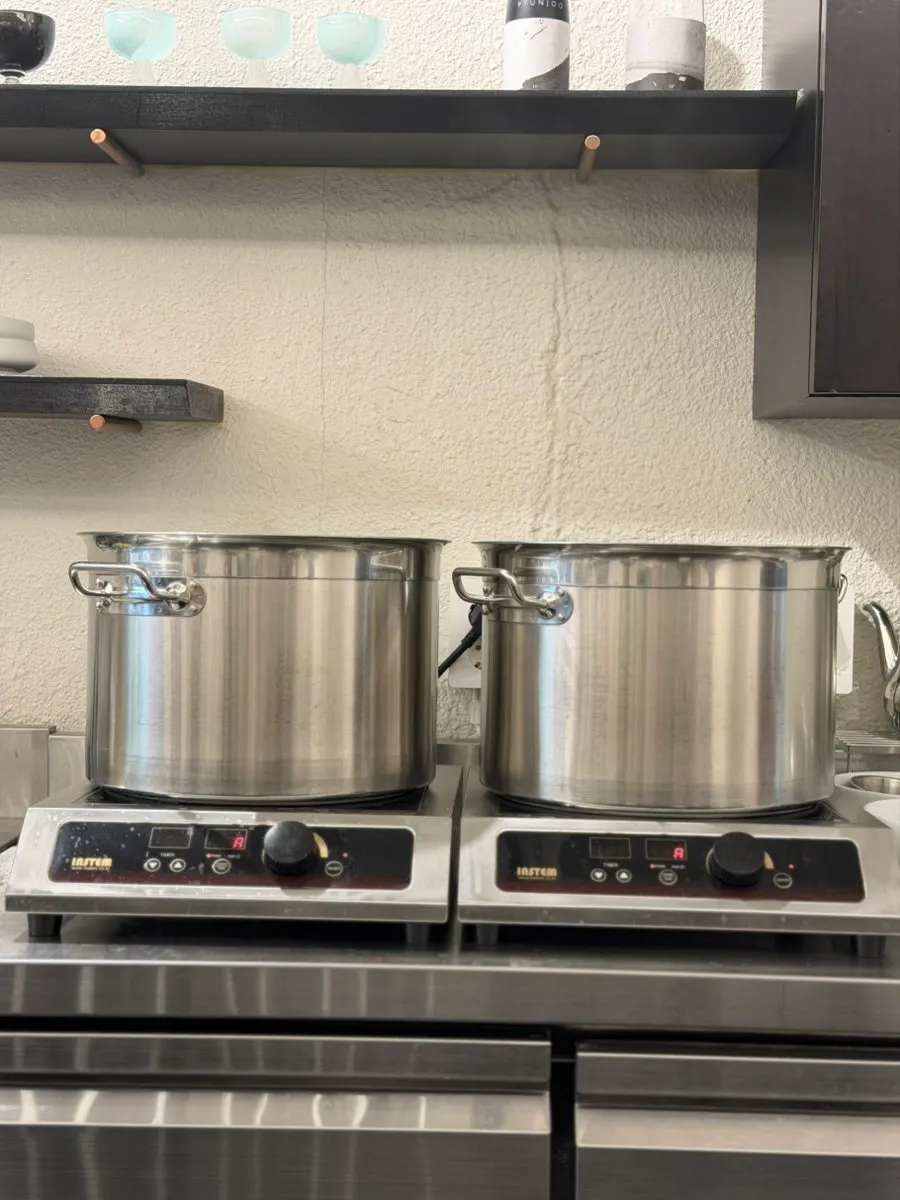
We came back specifically for the summer soybean bibim noodles (kong bibim myeon), which we enjoyed so much last time. I hope they never take it off the menu~~!!! Inside, they kept simmering broth in a big pot the whole time, haha.
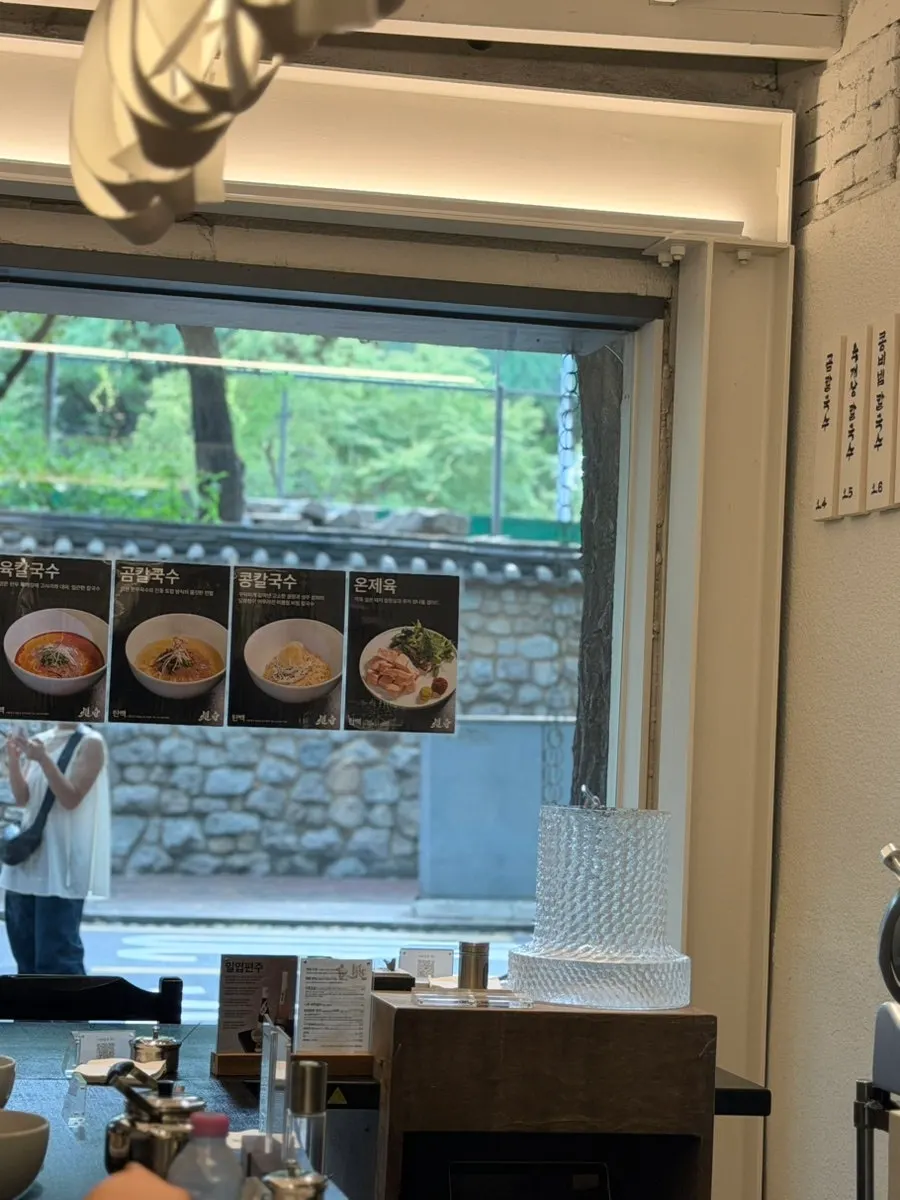
A space with a view of Jeongdong-gil
I loved that you could see Jeongdong-gil from inside the restaurant.
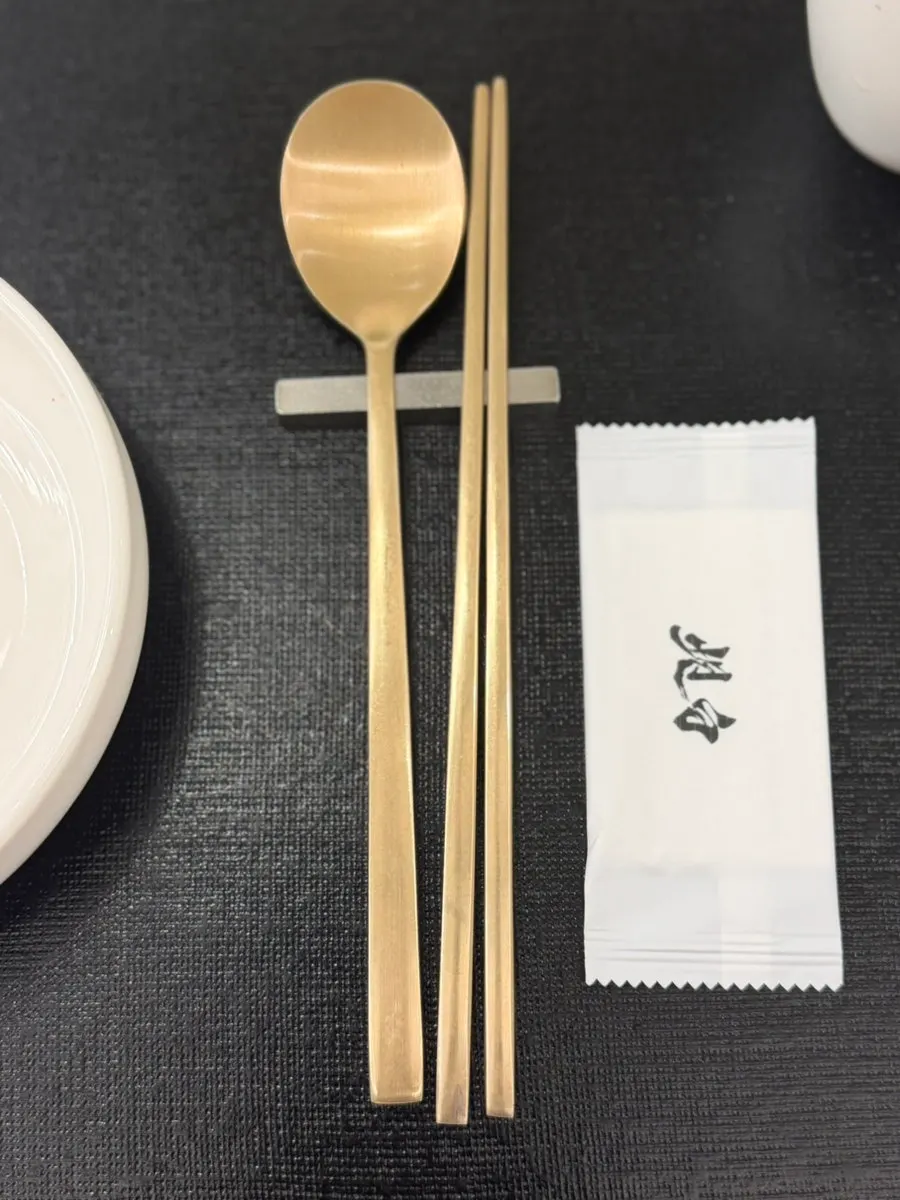
Every single piece of tableware here is so stylish.
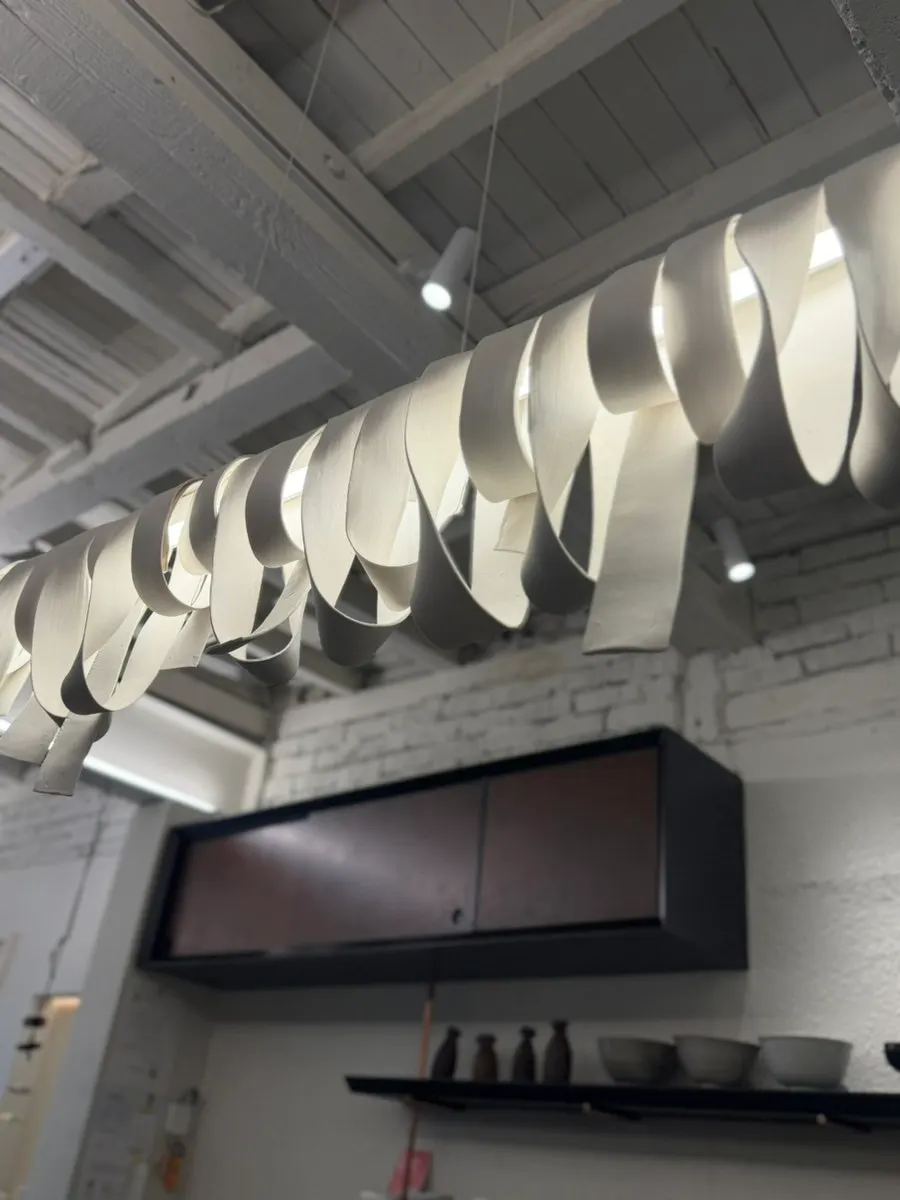
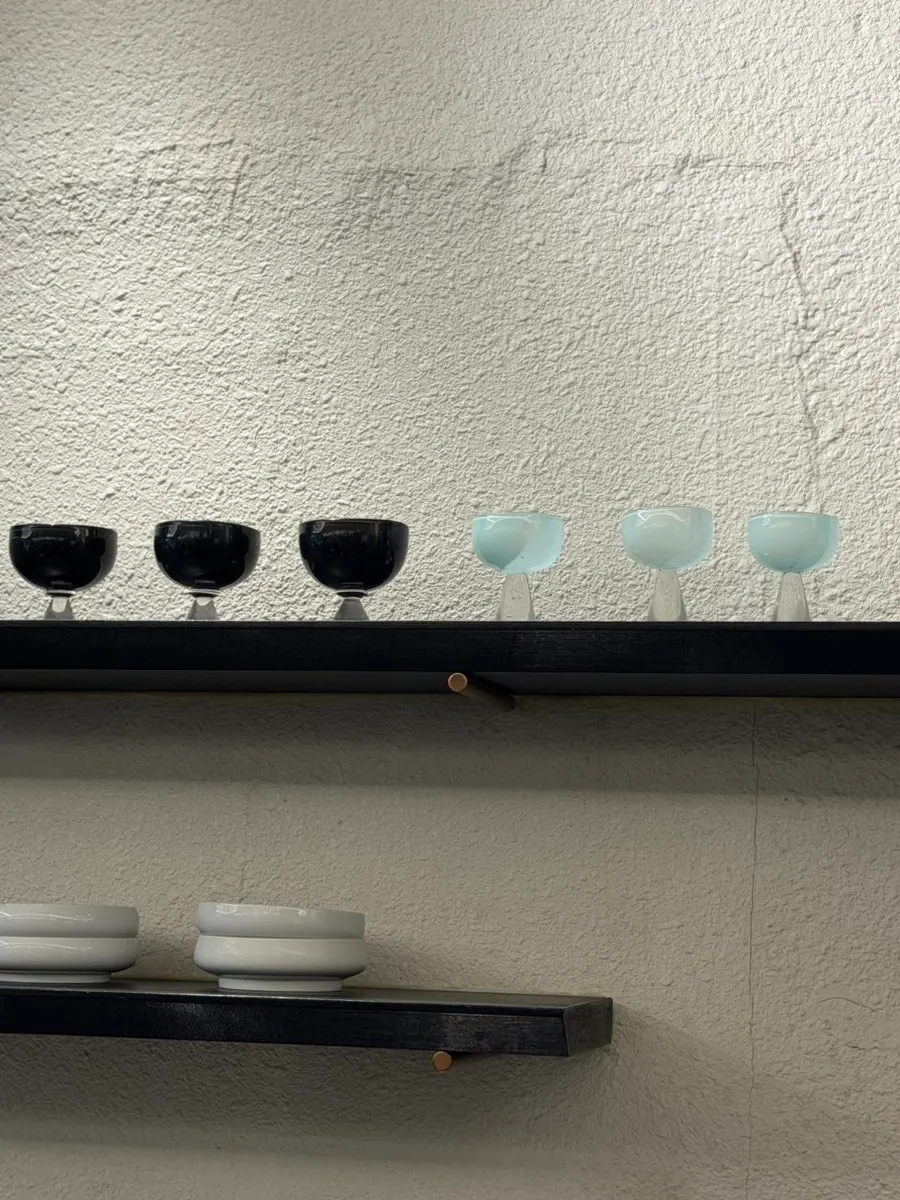
The story of Tanbaek's space began when, during demolition work for the design, a fire-charred wooden beam was discovered in the original structure. Wanting to preserve that charred beauty, they named the restaurant 'Tanbaek,' using the character for 'burnt/charred' (탄), and built the brand concept around it.
Every corner of the restaurant was created together with various Korean craftspeople: a lacquered bar table; installation lighting resembling kalguksu noodle strands by artist Seo Hee-su; hanji (traditional paper) lacquered dozens of times over by paper artisan Kim Seung-hu; white porcelain by ceramic artist Jung Jae-ho that beautifully presents Tanbaek's food; ramie mobiles and patchwork wrapping cloths by artist Jung Su-jung; and antique Joseon-era pieces filling every corner, all coming together to decorate the space beautifully.
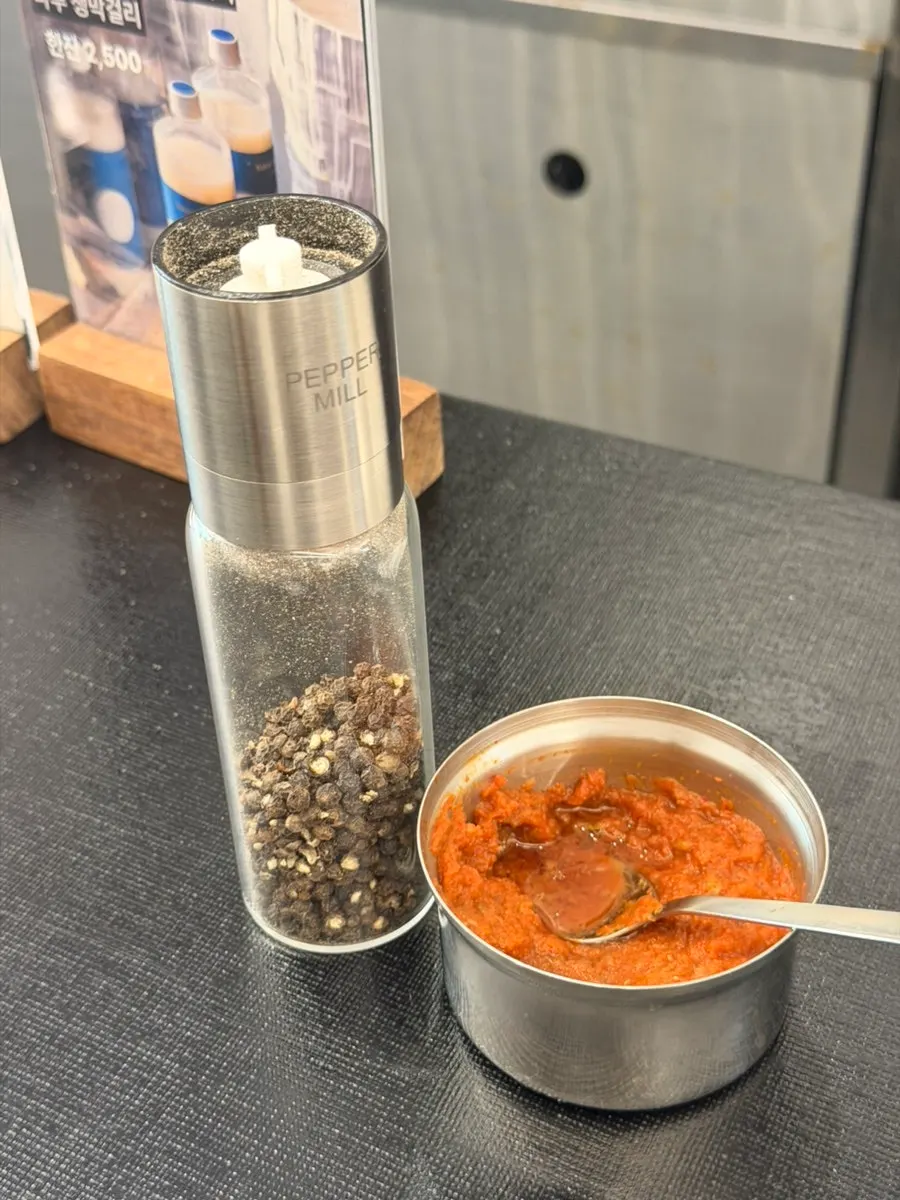
For the beef kalguksu, pepper and chili paste are set out on the table so you can season it midway through.
The thick soybean bibim noodles: how was it?
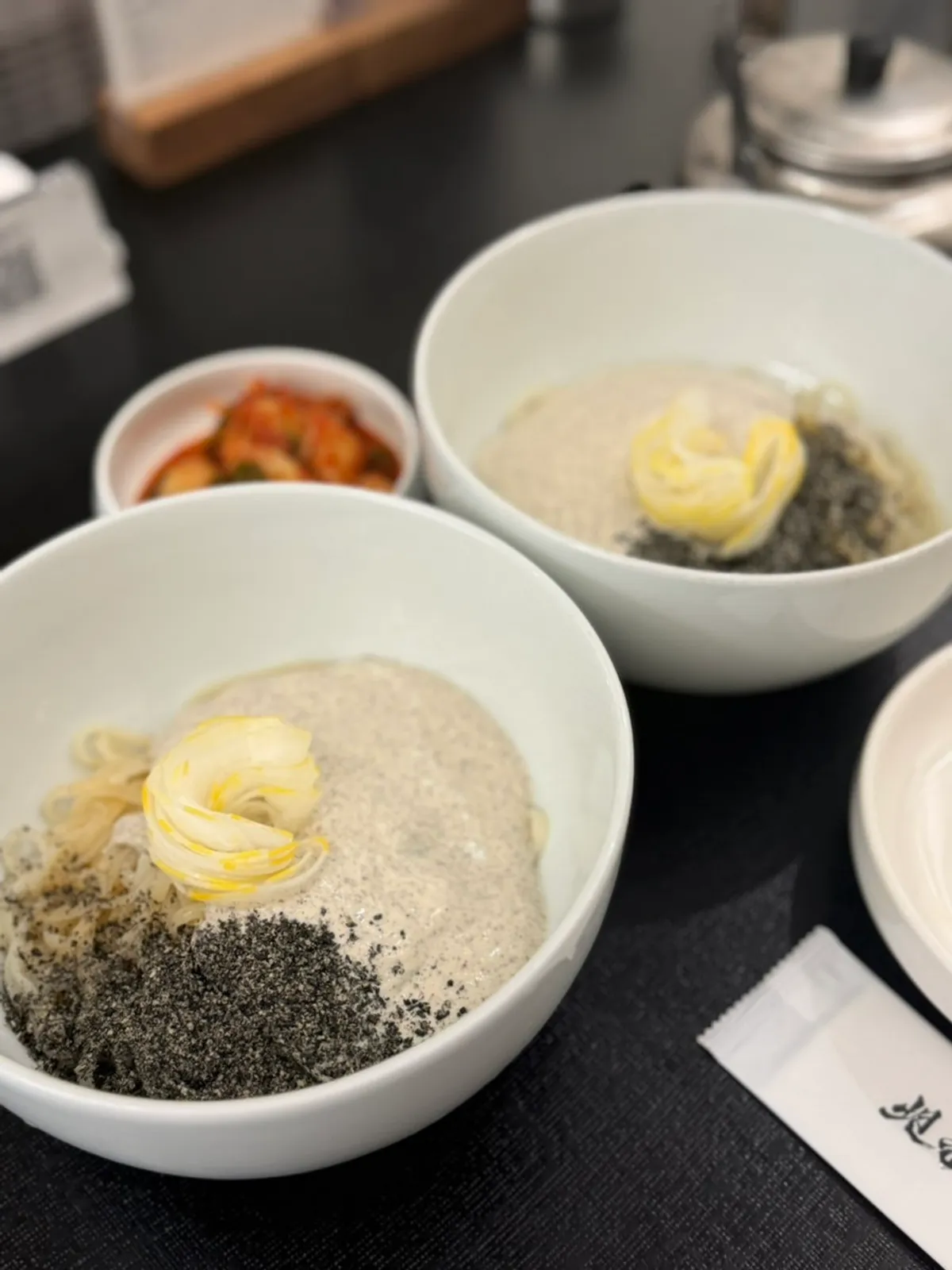
We got the thick soybean bibim noodles!
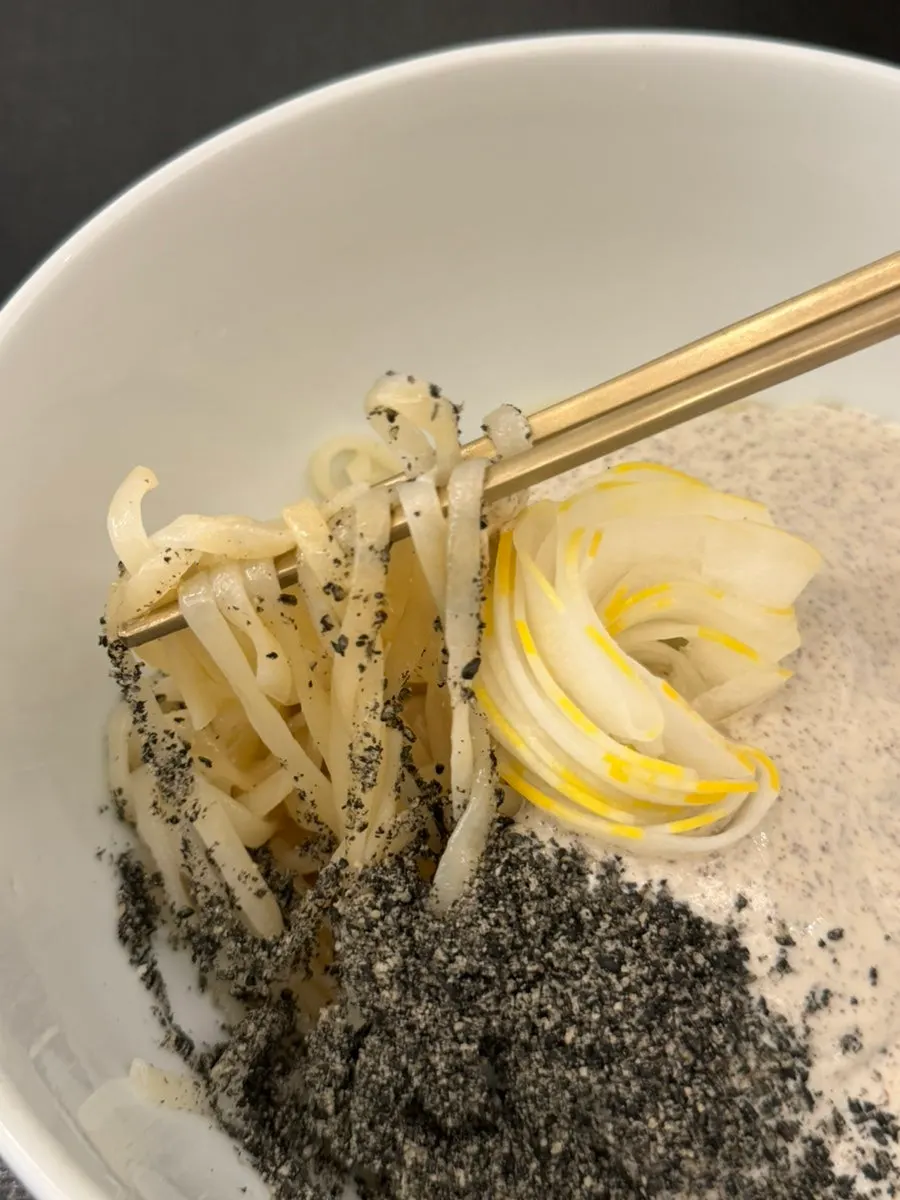
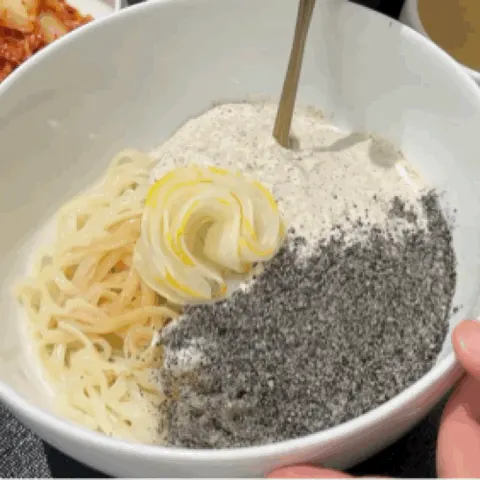
The noodles were really chewy, topped with a thick soybean cream, perilla oil, black sesame and perilla powder, and melon.
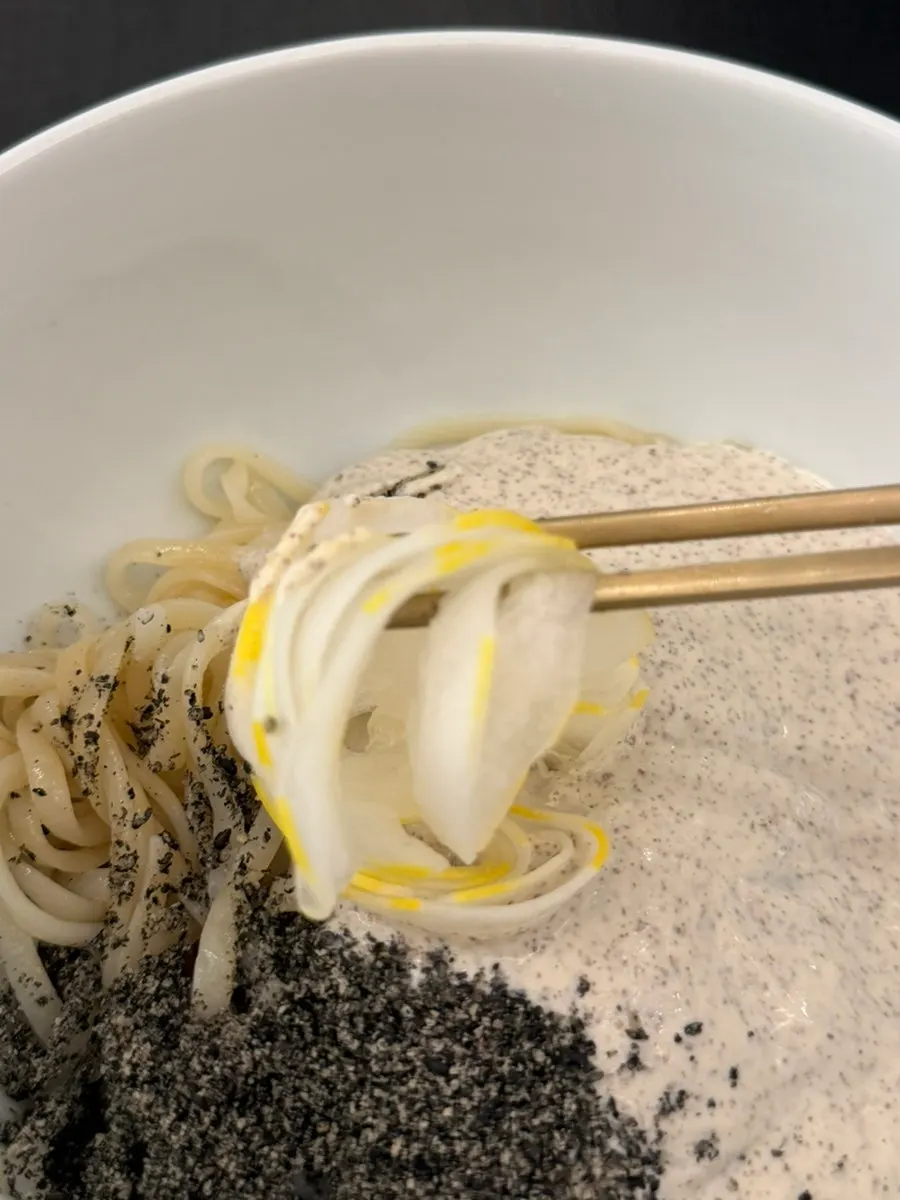
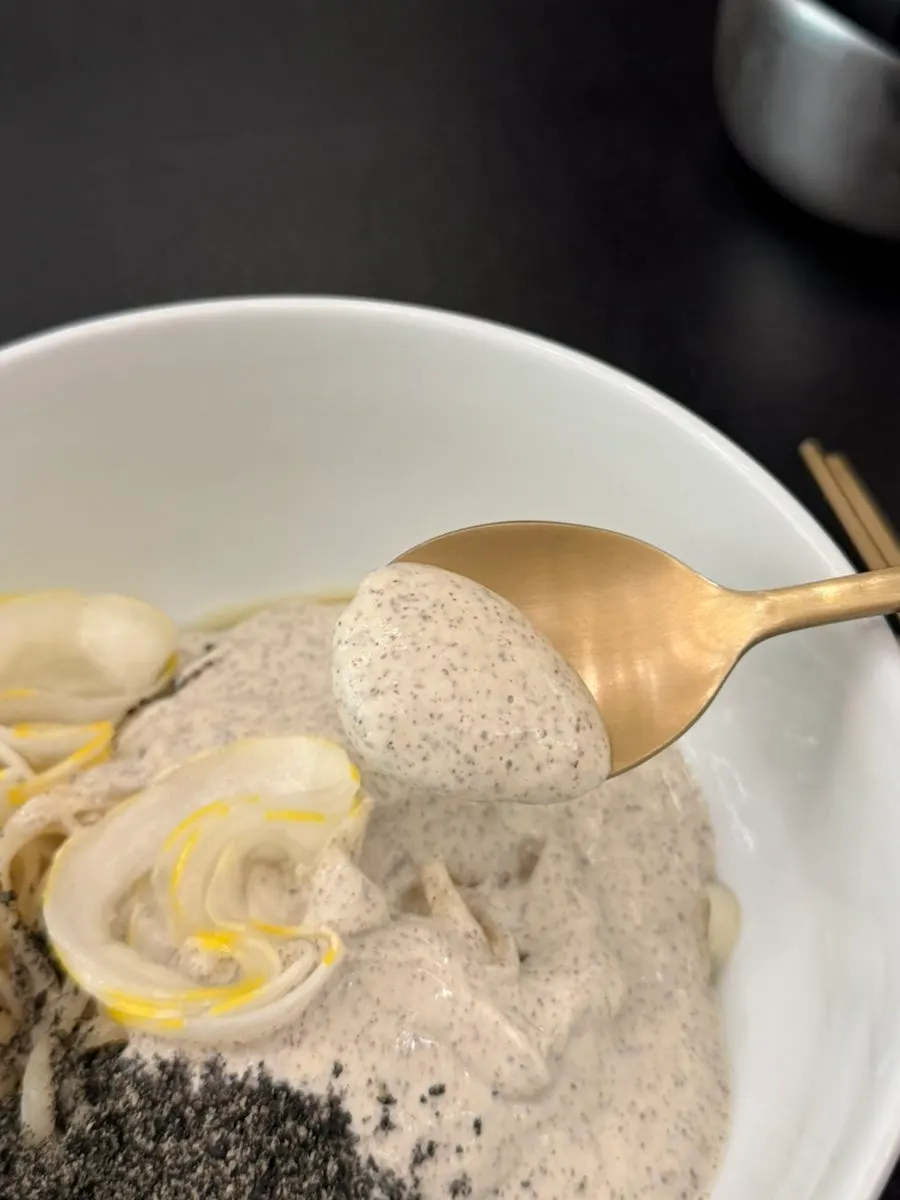
I genuinely don't know how they make that soybean cream so thick and delicious, ugh.
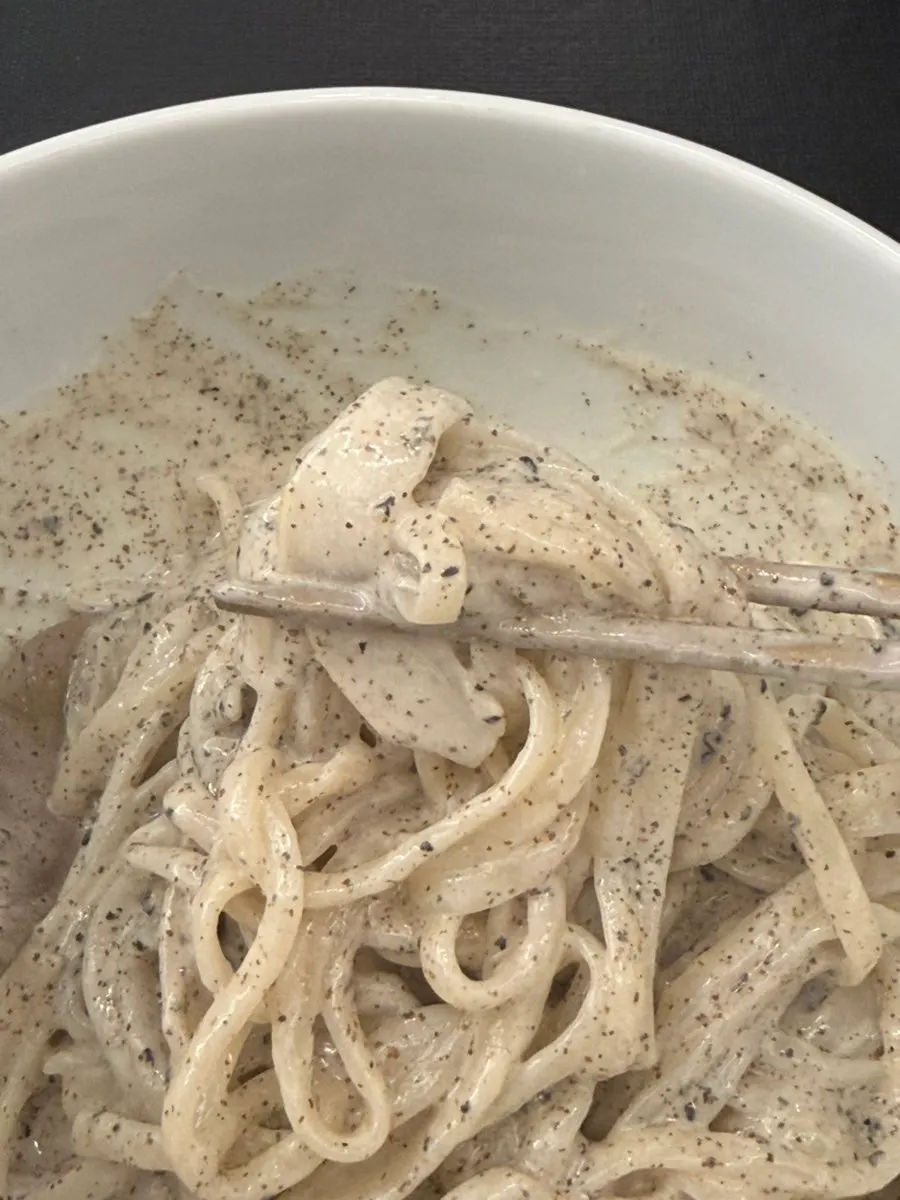
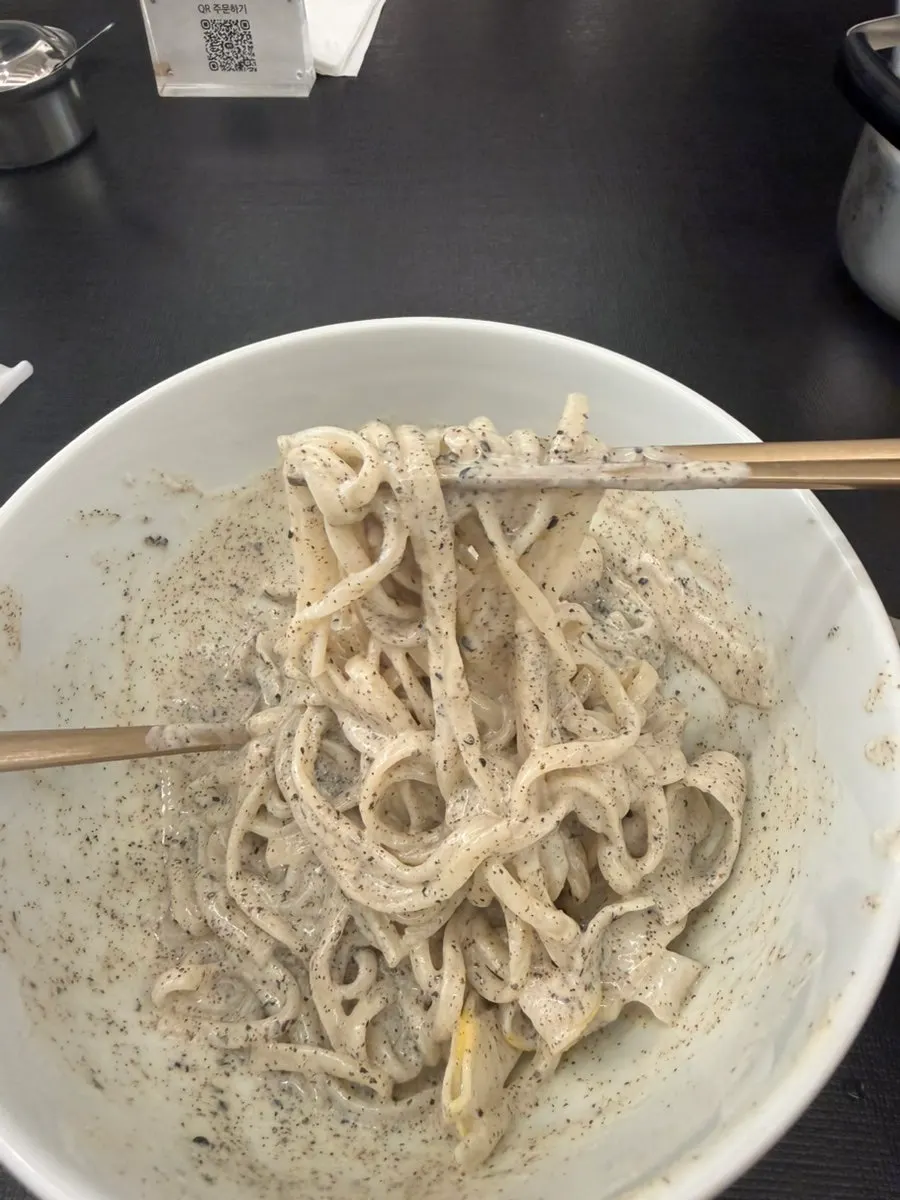
Mix it all together and eat it with the crisp, sweet melon — it's a flavor you won't forget.
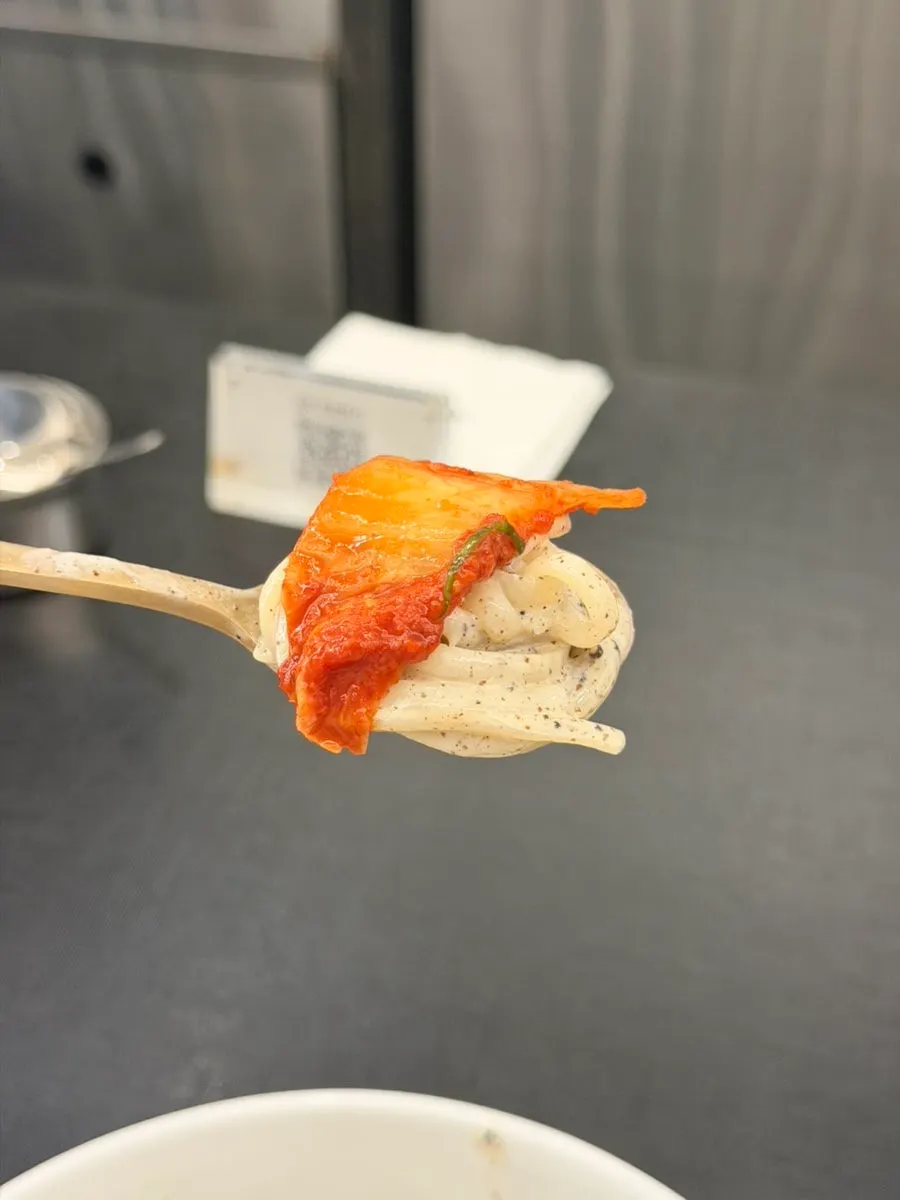
True to a kalguksu specialist, the kimchi is also excellent.
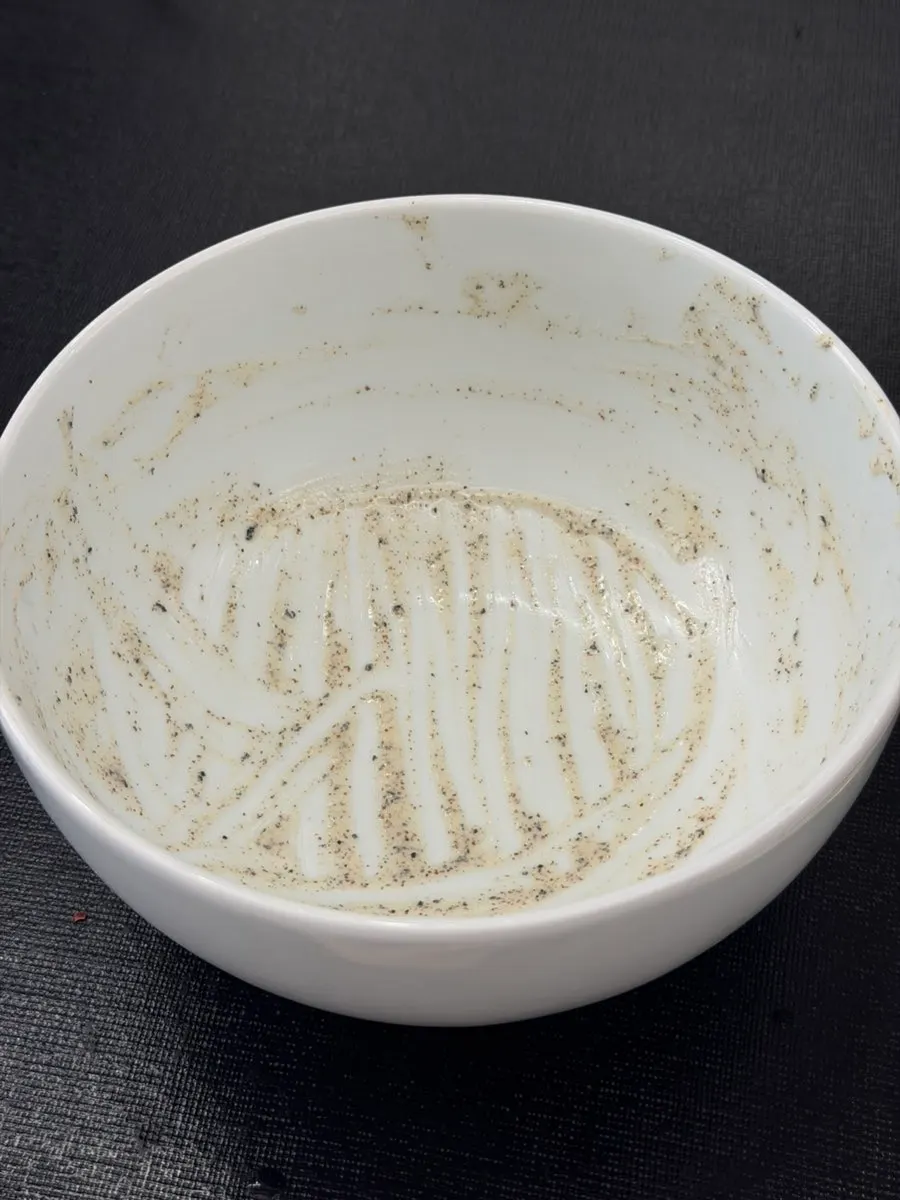
And just like that, we finished off every last bit of sauce — an empty bowl~!!! If you're visiting Jeongdong-gil, I highly recommend Tanbaek.