Sold-out rooms at a Gwanghwamun hanjeongsik lunch: Modam Dining
In short
Modam Dining Gwanghwamun is a hanjeongsik (Korean course meal) restaurant on the basement level of Deoksugung D-Palace in Jongno, Seoul. Visiting on a weekday lunch, the writer ordered the Korean beef 1++ bulgogi hot pot set (₩39,000 per person) and found every room already full, with an actual matchmaking meeting happening at the table across the way. Dishes came out timed to each table's own pace, making it a natural fit for family gatherings or matchmaking meals full of conversation.
Good to know
- Address
- 10 Saemunan-ro 2-gil, Jongno-gu, Seoul, B102 & B103, basement level 1, Deoksugung D-Palace, South Korea
- Hours
- 11:00–22:00
- Weekday break time
- 15:00–17:00
- Parking
- Deoksugung D-Palace parking lot
- Menu ordered
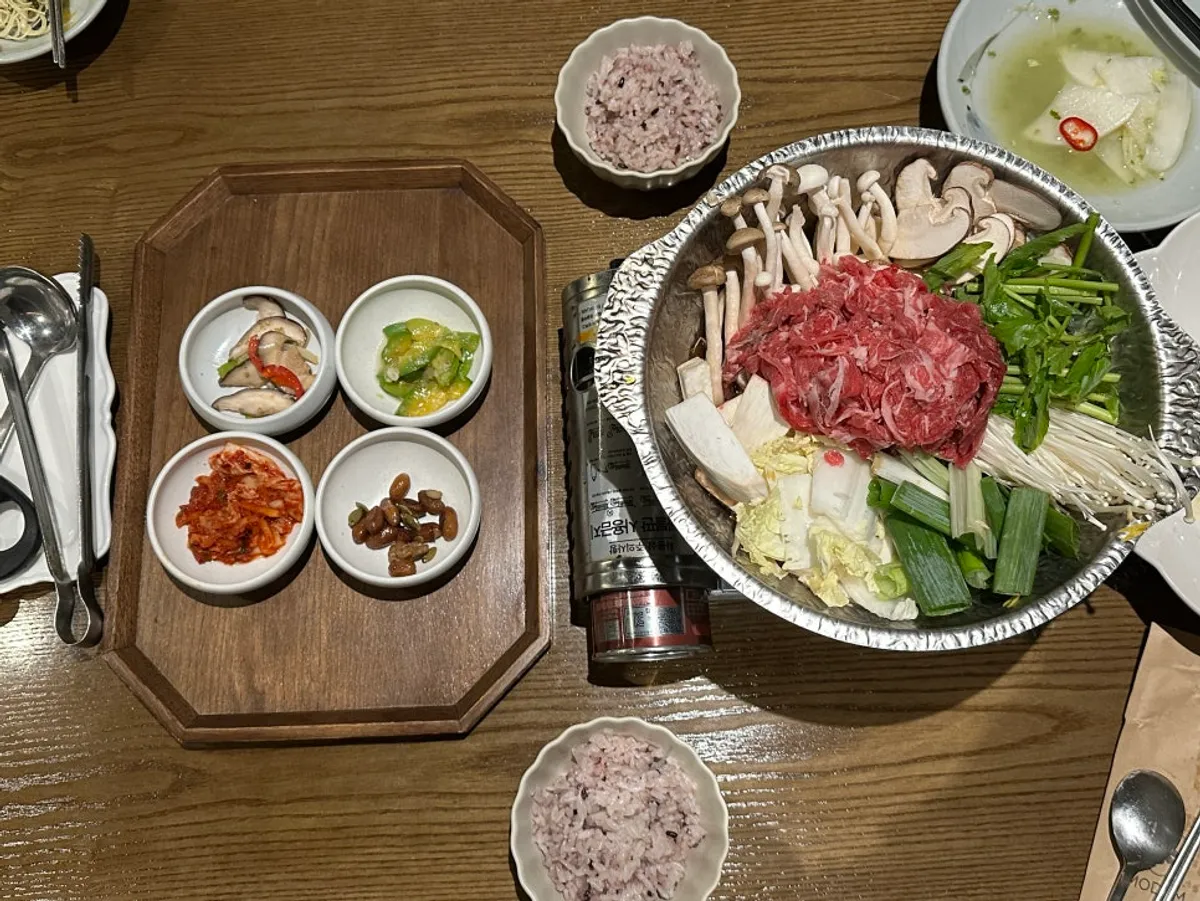
- Korean beef 1++ bulgogi hot pot set, ₩39,000 per person
- Seating
- Private rooms plus partitioned hall seating
as written by the visitor on Sep 7, 2026
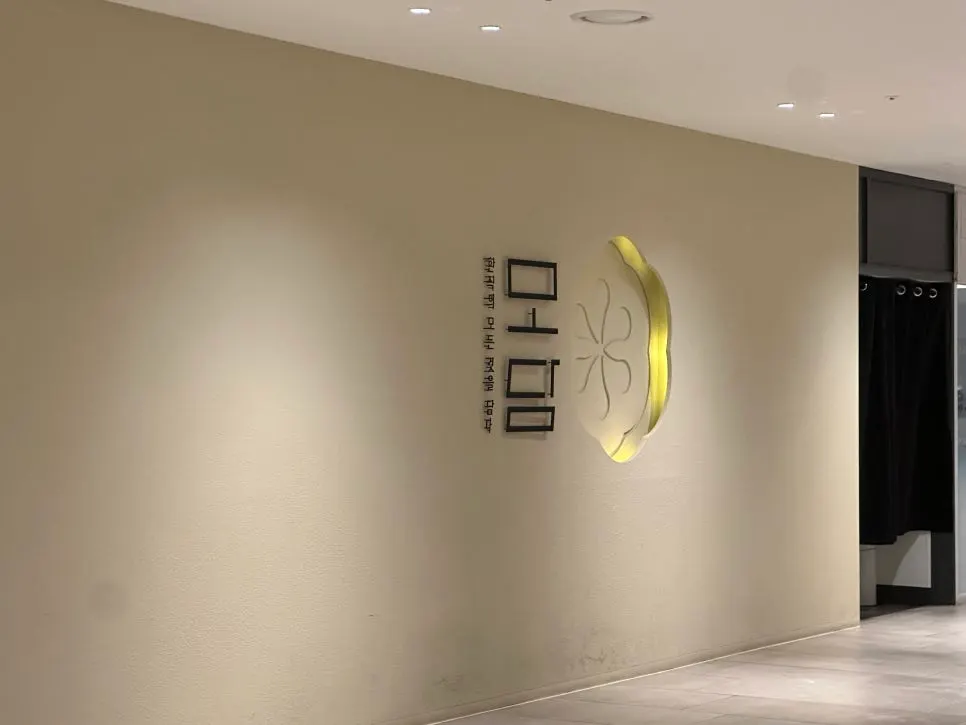
I had a lunch appointment in Gwanghwamun and decided on Korean food, so I went to Modam Dining Gwanghwamun.
Since it serves hanjeongsik (Korean course meal) and has private rooms, it's a place people often choose for quiet occasions like family meals with parents or matchmaking meetings. We visited on a weekday lunch, and the rooms were already completely full, with plenty of diners in the hall too. At the table right across from us, a real matchmaking meeting was taking place — it made it obvious why this place is such a popular meeting spot for hanjeongsik in Gwanghwamun.
Location and how to get to Modam Dining Gwanghwamun
- Address: 10 Saemunan-ro 2-gil, Jongno-gu, Seoul, B102 & B103, basement level 1, Deoksugung D-Palace, South Korea
- Hours: 11:00–22:00
- Weekday break time: 15:00–17:00
- Parking: Deoksugung D-Palace parking lot
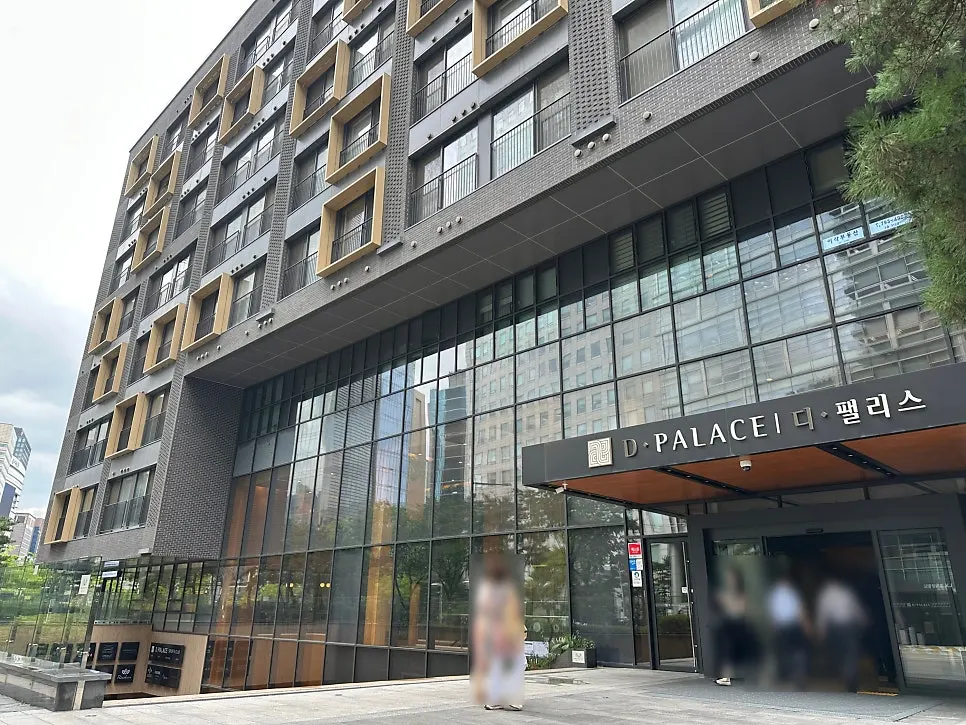
Modam Dining Gwanghwamun is on the basement level of Deoksugung D-Palace. It's conveniently placed between Gwanghwamun, Gyeongbokgung and Seodaemun, so it was easy to reach for a workday lunch or family meal in the Gwanghwamun area. Once you enter the building, head down to the basement level with the shops and follow the signs to find Modam Dining. If you're driving, you can use the building's basement parking lot, which is handy for family gatherings that come by car.
A Gwanghwamun meeting spot where an actual matchmaking meeting was underway
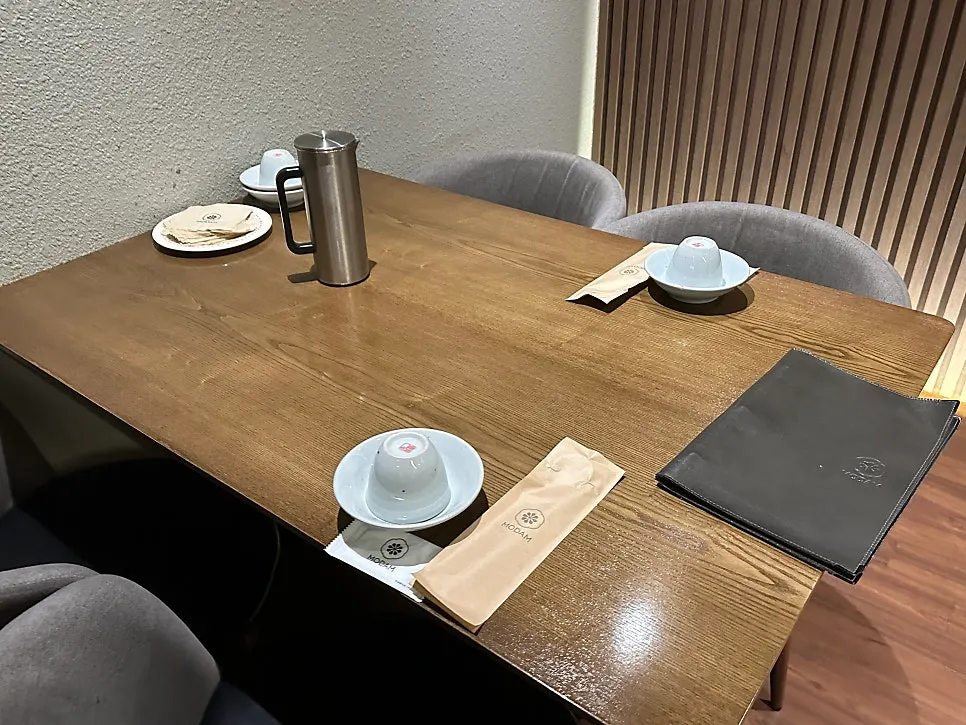
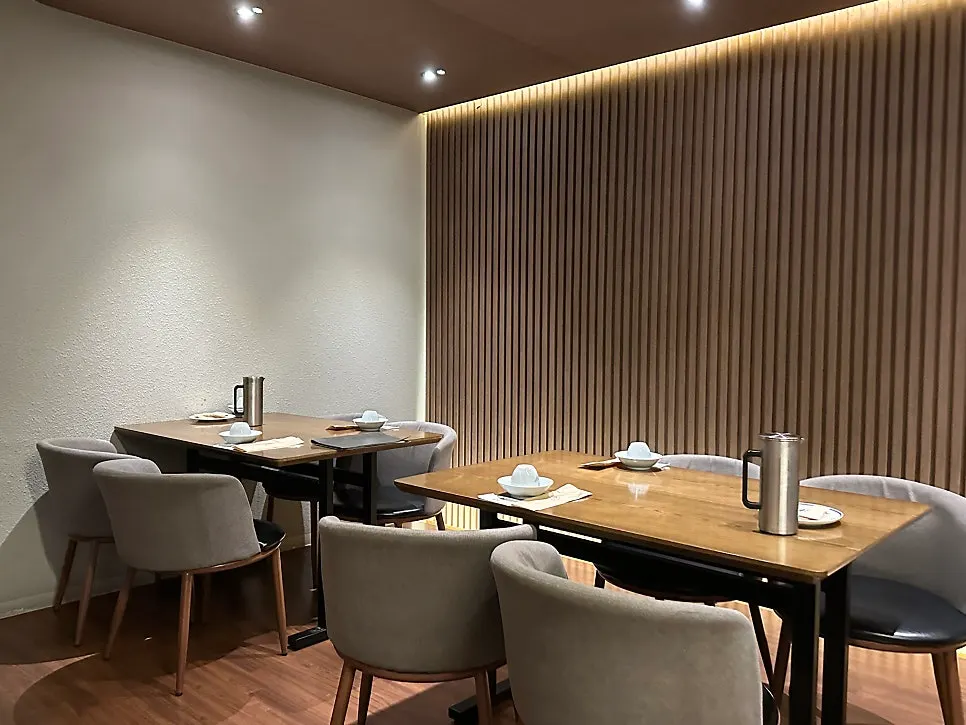
The whole place felt calm from the entrance onward. With beige tones and wood used tastefully throughout and lighting that wasn't too bright, it felt closer to a formal dining space than a typical Korean restaurant.
Q. Is Modam Dining Gwanghwamun a good spot for a matchmaking meeting?
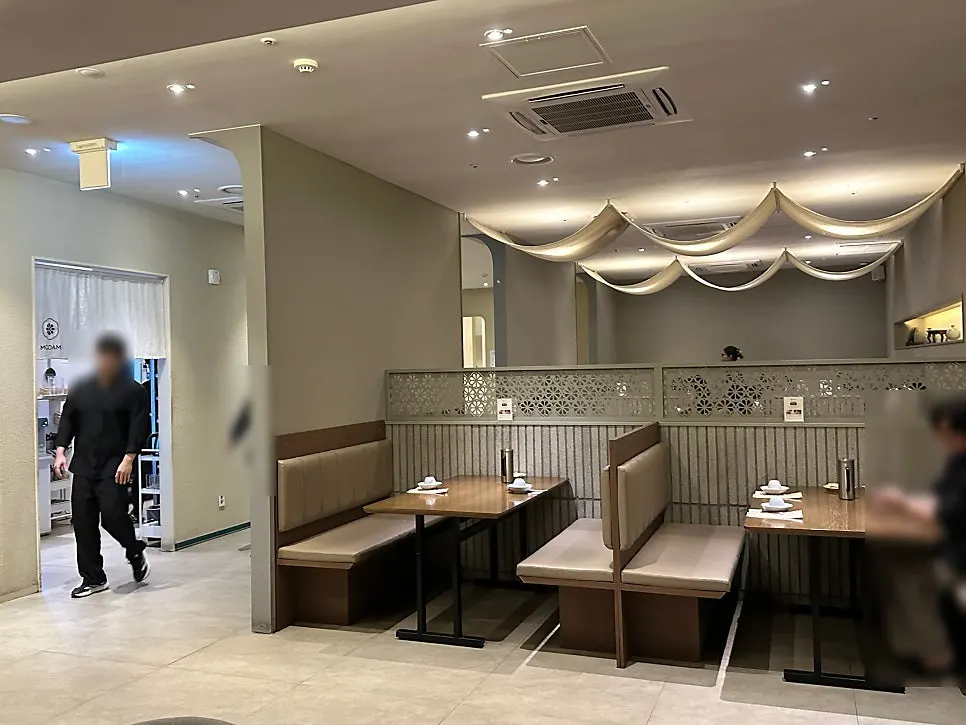
When I visited on a weekday lunch, every room was in use, and the table across from us was hosting an actual matchmaking meeting. With private rooms available and the hall divided by partitions, it seemed well-suited for occasions that call for quiet conversation.
Inside, there are private rooms for dining separately, and even the hall seating is divided with partitions, giving some sense of separation from the next table. We visited during weekday lunch hours, and almost every room was occupied, with plenty of guests in the hall as well.
Even on a weekday, the rooms were packed and the hall had plenty of guests too. If you need a room for a family gathering or matchmaking meeting, it's a good idea to reserve ahead to get the time and seating you want.
In particular, at the table across from us, both families were actually holding a matchmaking meeting. Since you can enjoy a hanjeongsik course in a quiet setting, it seems many people choose this as a spot for matchmaking meetings in Gwanghwamun or family gatherings with parents. Even while eating, it wasn't overly noisy, so it was easy to talk with company while eating slowly.
The ₩39,000 Korean beef 1++ bulgogi hot pot set
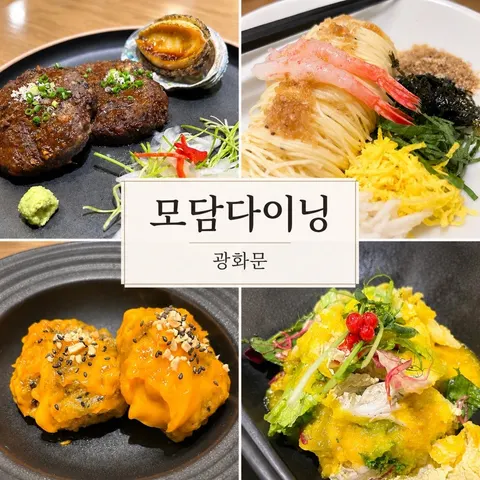
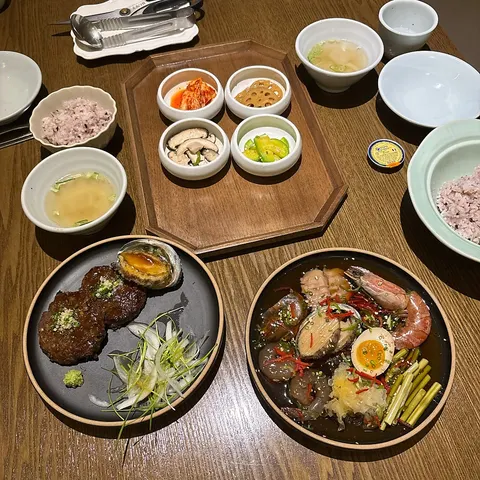
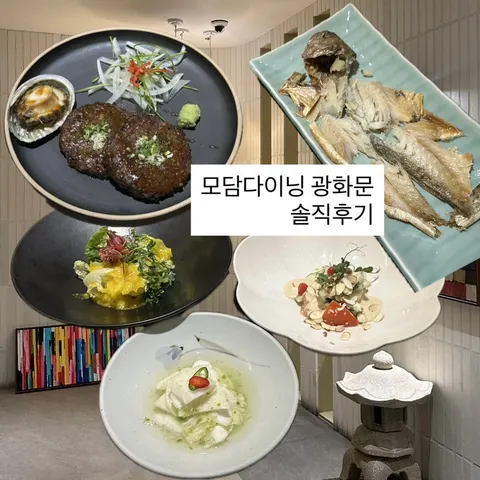
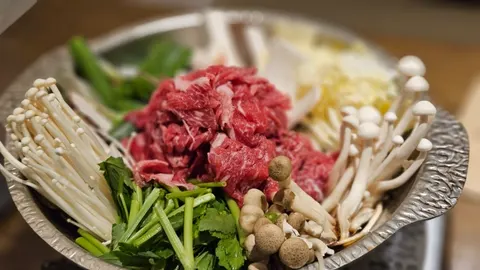
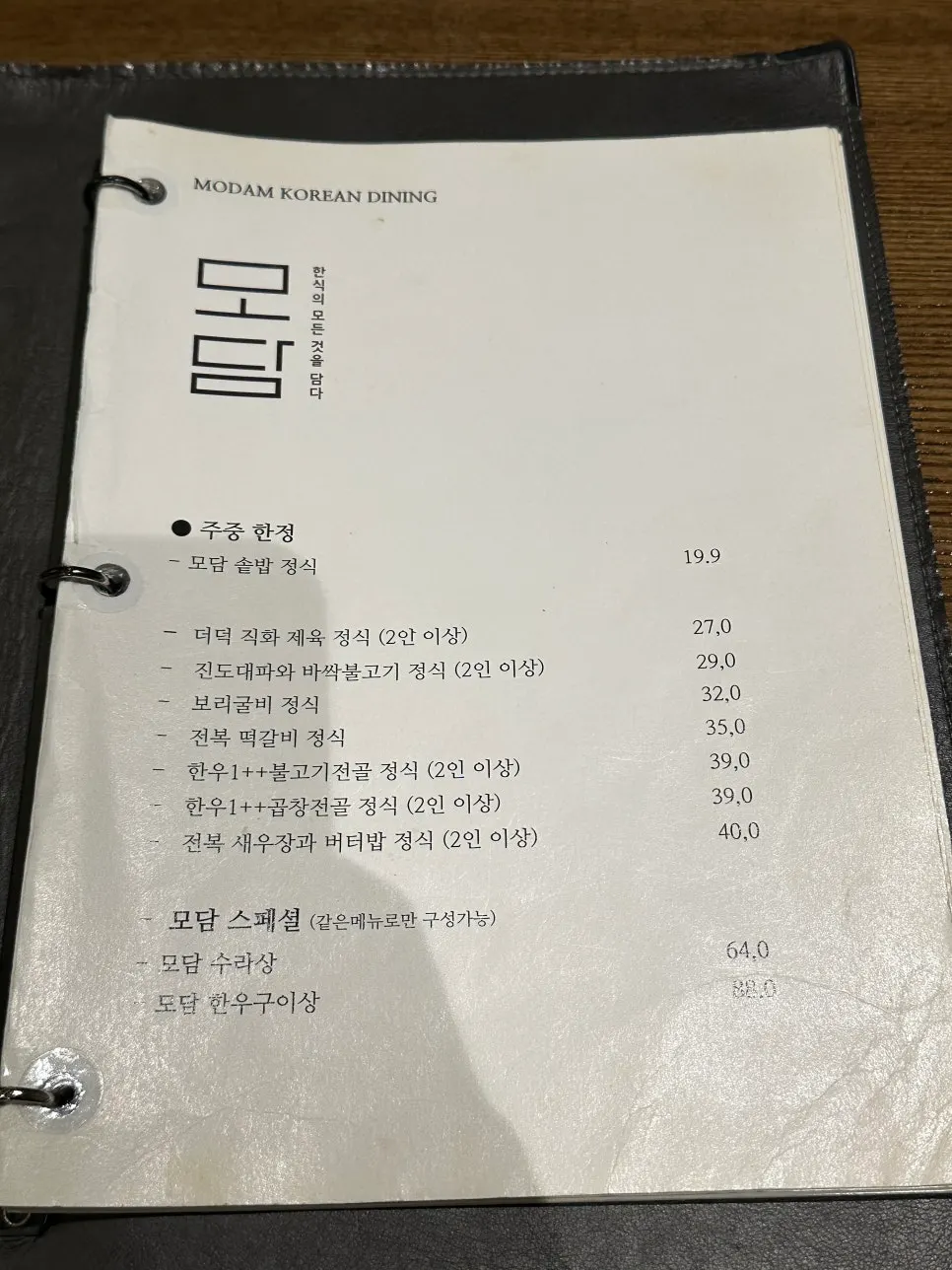
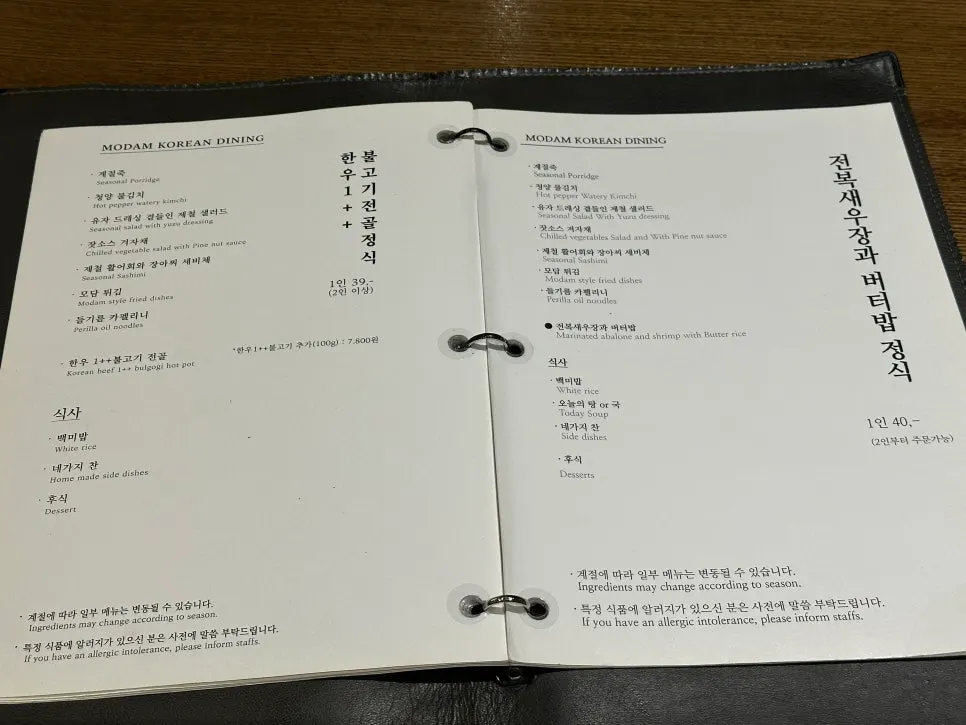
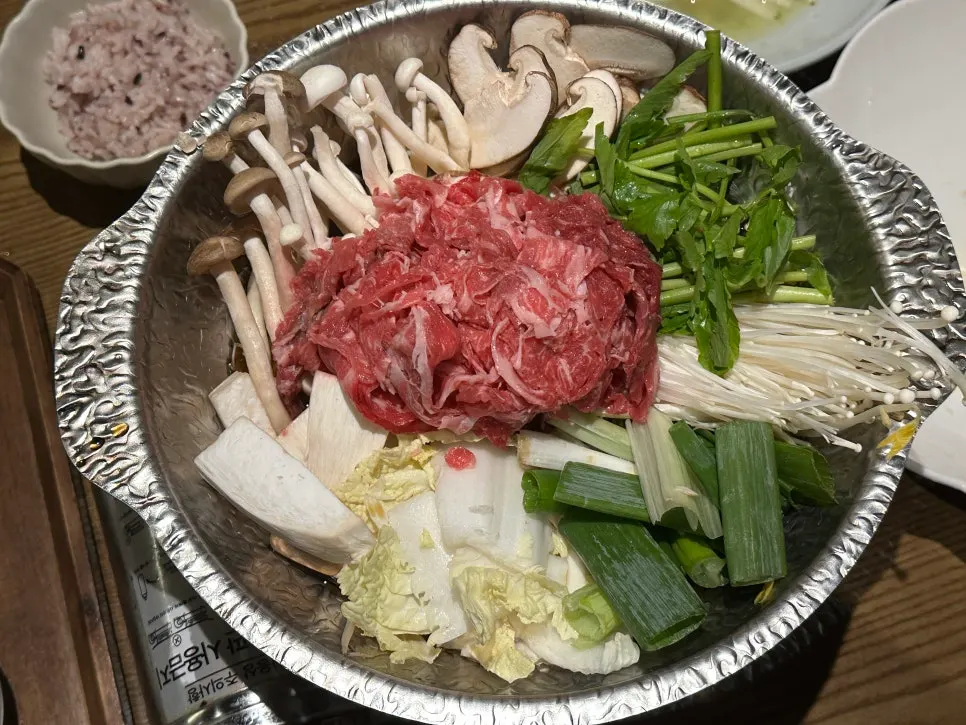
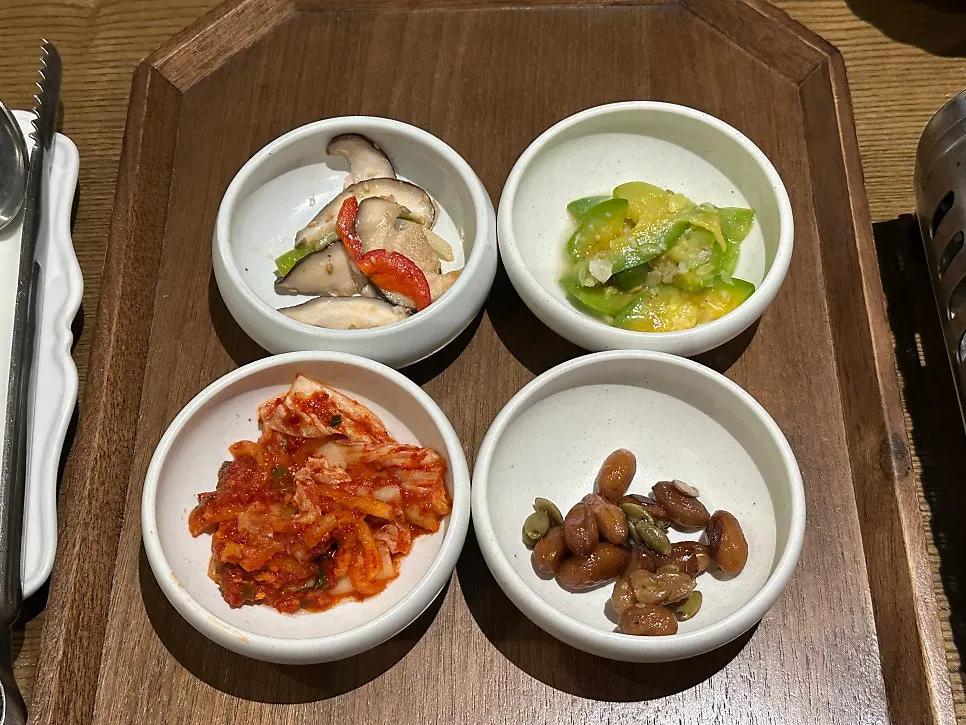
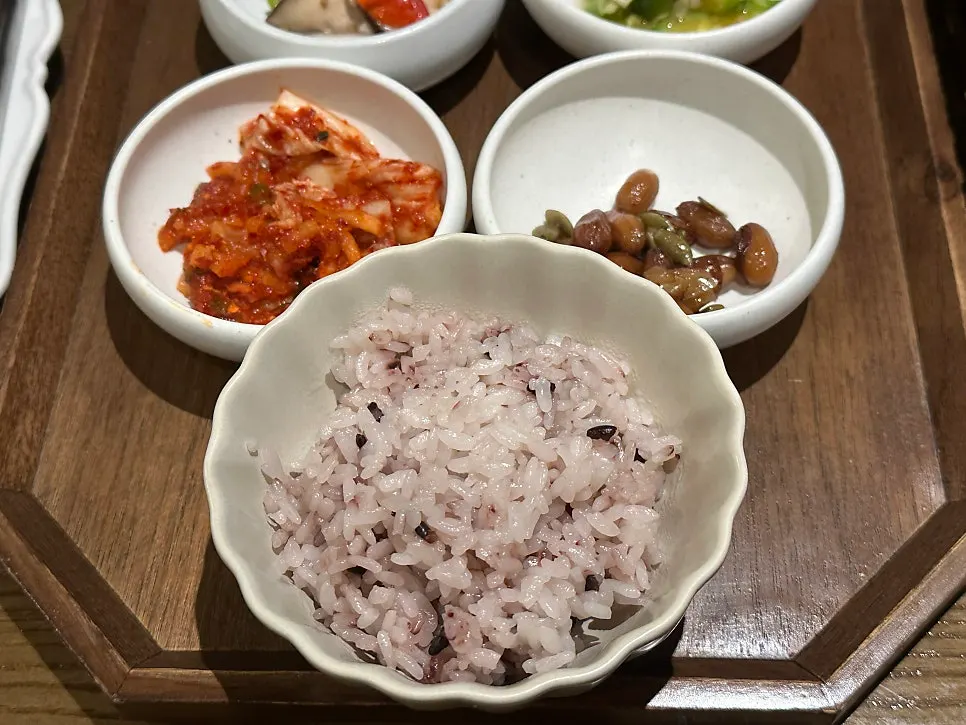
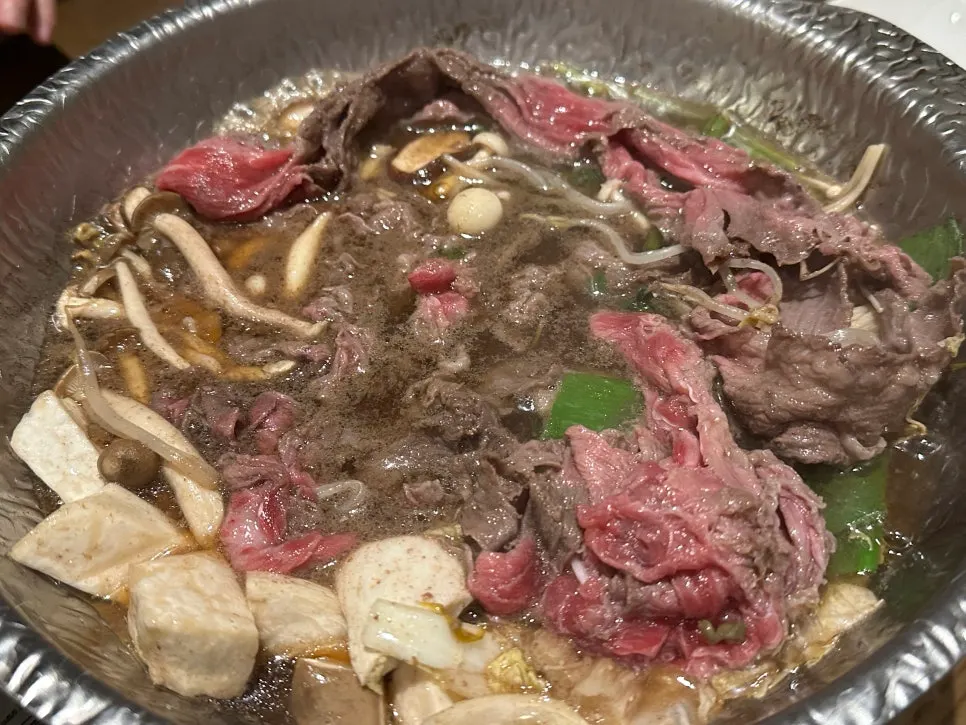
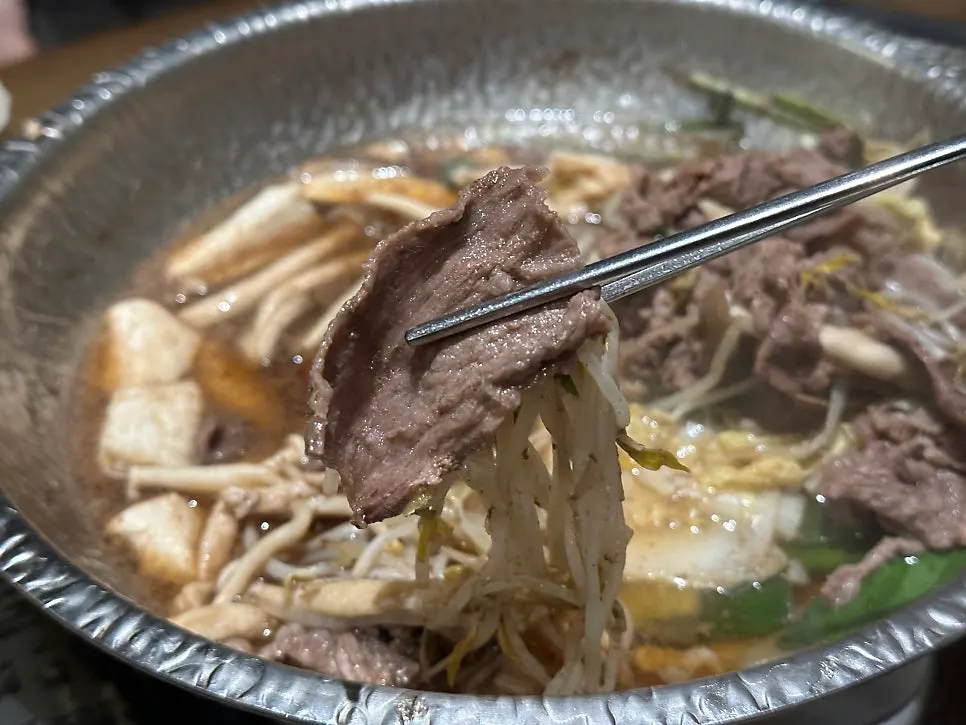
Modam Dining Gwanghwamun doesn't run just one set menu — you can choose from several hanjeongsik courses depending on the main dish. The one we ordered was the Korean beef 1++ bulgogi hot pot set, ₩39,000 per person. Rather than just the main hot pot, the meal moves through a seasonal porridge, cheongyang chili water kimchi, seasonal salad, pine nut sauce mustard greens, seasonal raw fish with pickle ceviche, Modam fritters, and perilla oil capellini, before finishing with the Korean beef bulgogi hot pot, rice, and four side dishes.
Q. Is the menu suitable for eating with parents too?
Overall it's grounded in Korean food, and even the capellini uses thin noodles like somyeon with perilla oil and Korean-style garnishes, so it didn't feel unfamiliar at all. The meal finishes with bulgogi hot pot, rice and side dishes, so the overall menu composition felt comfortable for visiting with parents too.
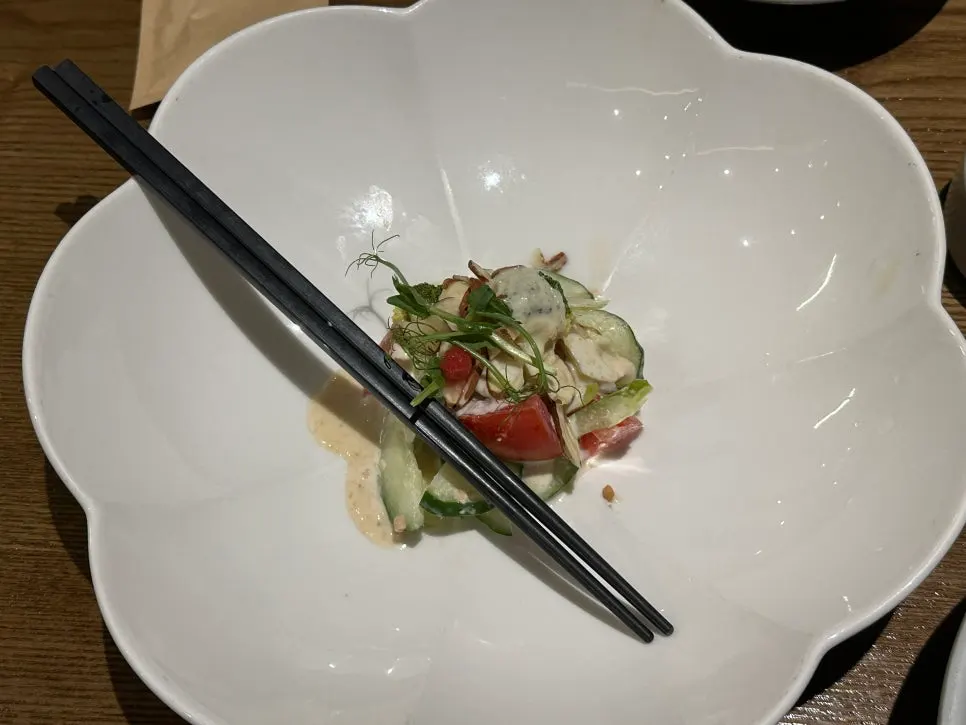
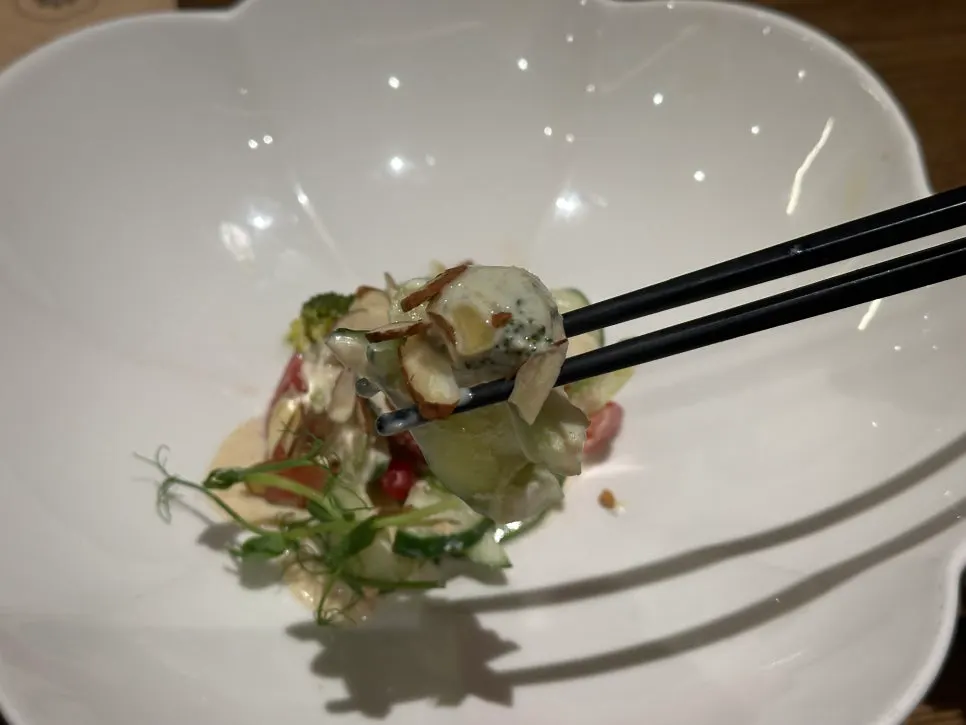
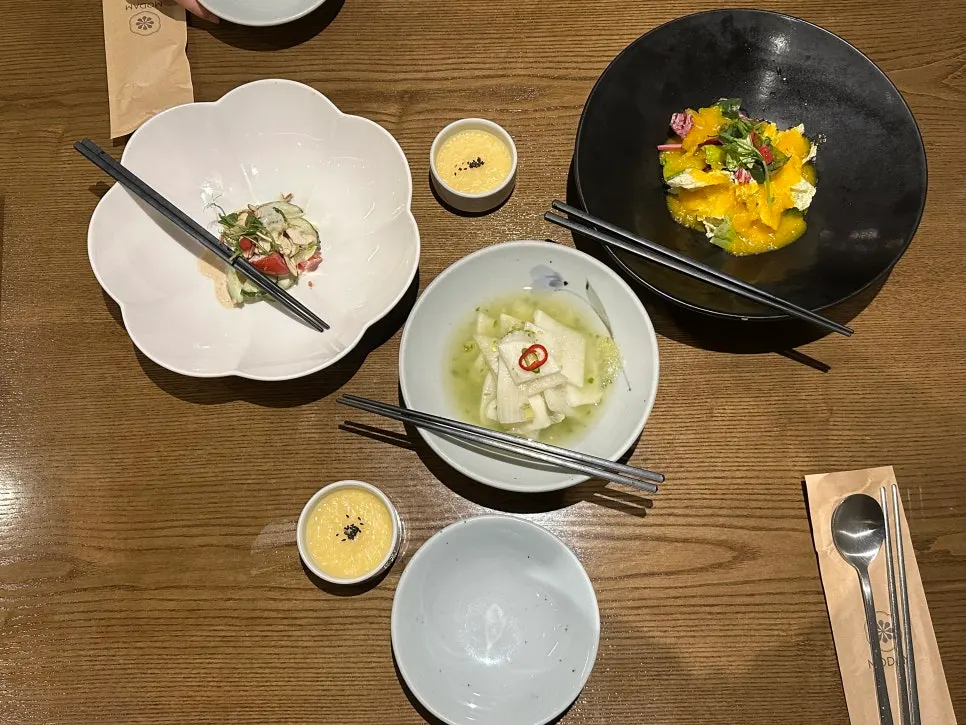
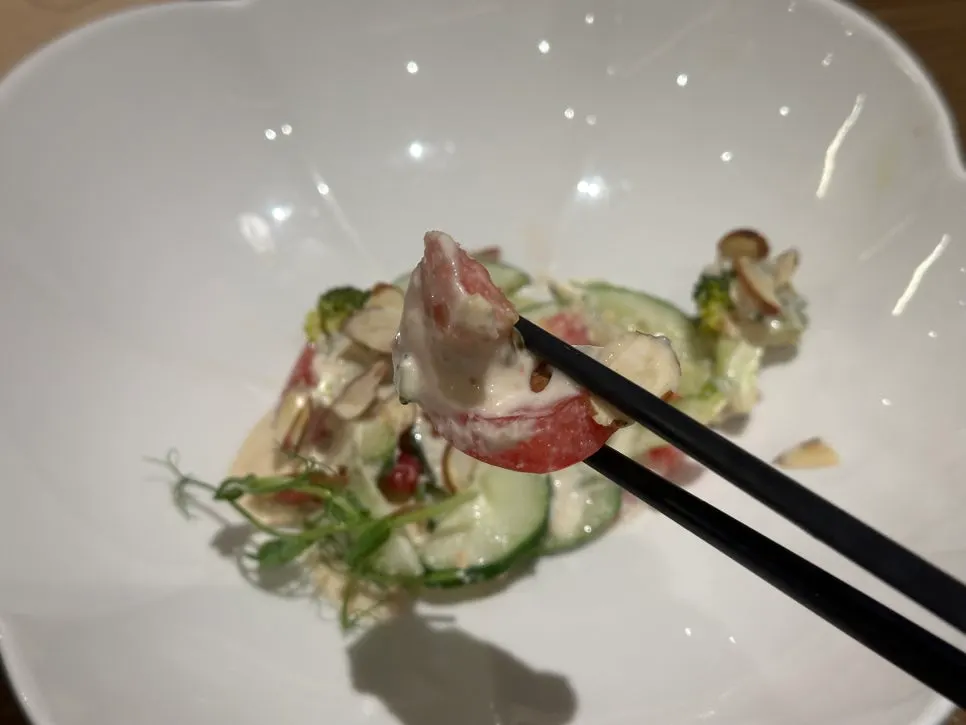
As starters, mung bean porridge, cheongyang chili water kimchi, seasonal salad, and pine nut sauce mustard greens came out. Separate chopsticks were provided for each dish so everyone could serve themselves, which was convenient for a group meal.
Seasonal porridge – a light start with mung bean porridge
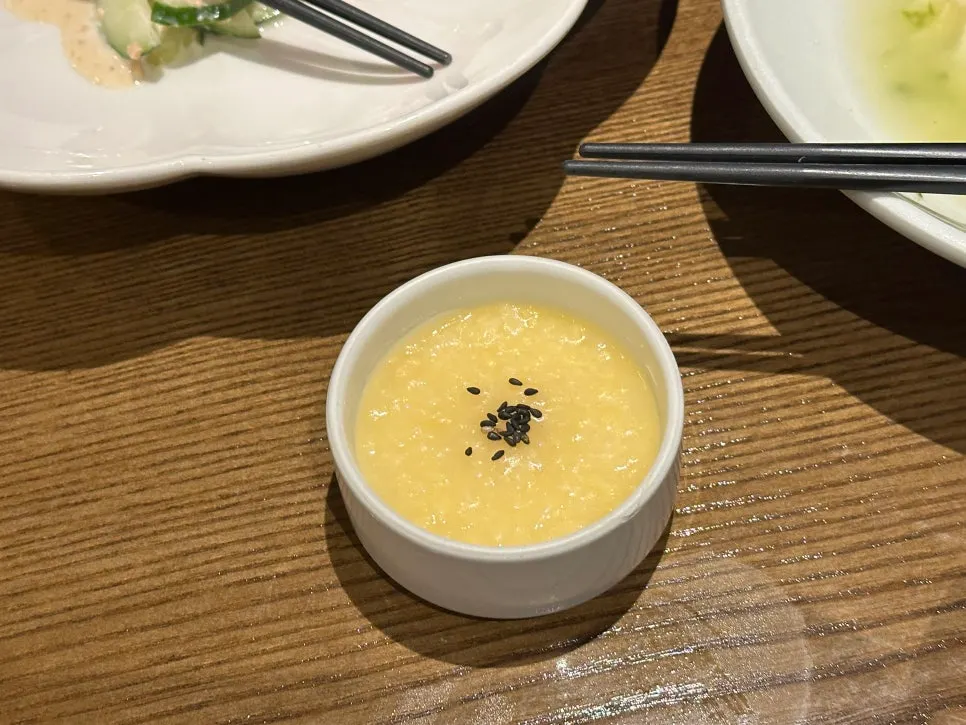
The first dish was the seasonal porridge, mung bean porridge. It comes in a portion just light enough to ease into the meal before the many dishes to come, and the mild, savory flavor unique to mung beans came through first. It wasn't too thick or too watery, going down smoothly, so it felt like no burden as a first dish. Starting with a warm porridge rather than something heavily seasoned made for a natural transition into the next course.
Cheongyang chili water kimchi
The cheongyang chili water kimchi that came alongside it got more attention than I expected. The cool, refreshing broth had just a touch of heat from cheongyang chili, leaving a cleaner aftertaste than typical water kimchi. It wasn't spicy enough to overpower the other dishes. After eating something rich like the fritters or perilla oil capellini, a spoonful of this cleared the palate, and I kept reaching for it right through the main bulgogi hot pot.
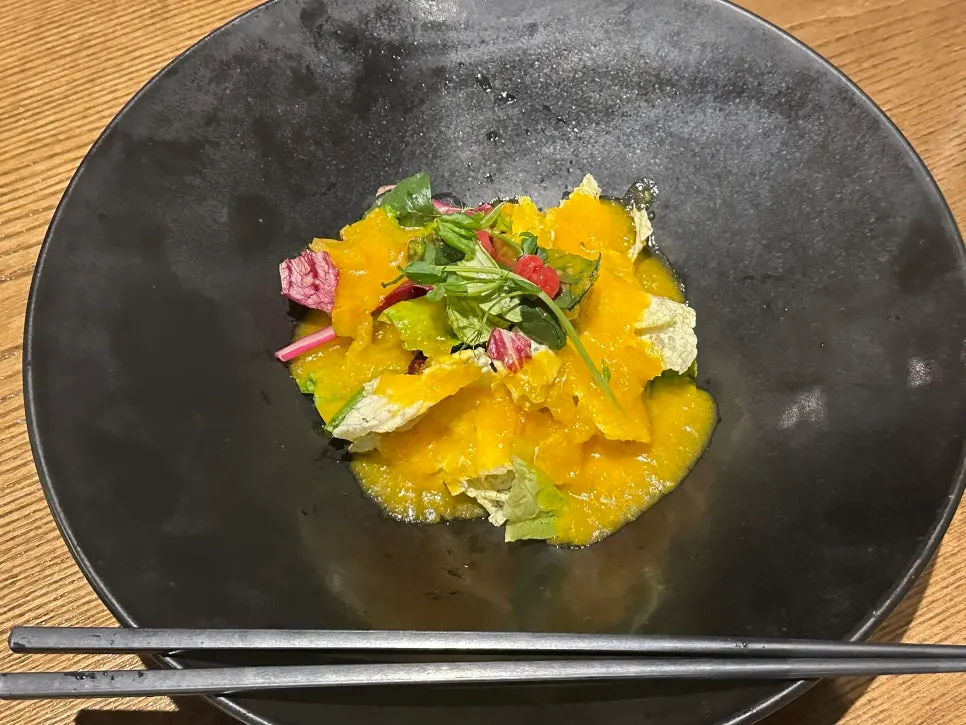
Seasonal salad with yuzu dressing
Next was the seasonal salad with yuzu dressing. Several kinds of vegetables came on one plate, arranged so the colors didn't overlap, making it visually pretty from the moment it landed on the table. Rather than just piling on vegetables, the colors and textures were well balanced. The vegetables were crisp and fresh, and the yuzu dressing had that distinctive tangy-sweet, fragrant flavor. After the plain mung bean porridge, the bright salad felt like it woke the appetite back up, making the order of the starters feel natural.
Pine nut sauce mustard greens
Among the starters, the pine nut sauce mustard greens suited my taste especially well. The crisp vegetables were generously coated in a nutty pine nut sauce — at first the flavor felt soft and nutty, then the sharp bite of mustard crept in as I kept eating. Despite being a pine nut sauce, it wasn't overly heavy or greasy; the mustard helped balance the flavor.
With crunchy nuts adding texture and nuttiness on top of that, it was clearly a step above a plain salad. If the yuzu salad earlier was the light, refreshing appetite-opener, the pine nut mustard greens were richer and deeper — the contrast between the two was clear. Personally, of all the starters that day, this was the one I'd want to eat again.
Seasonal raw fish with pickle ceviche
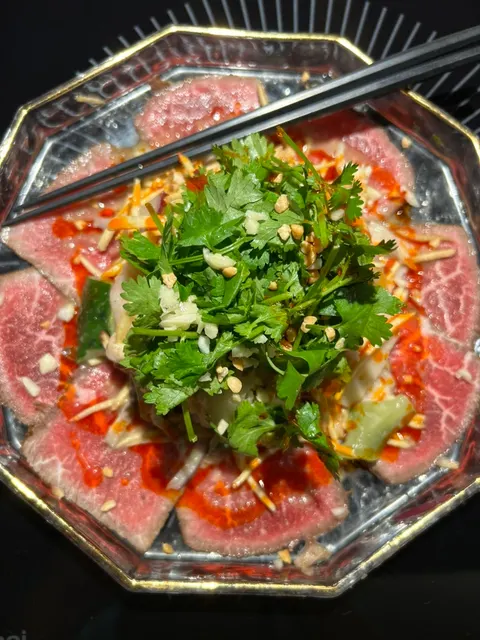
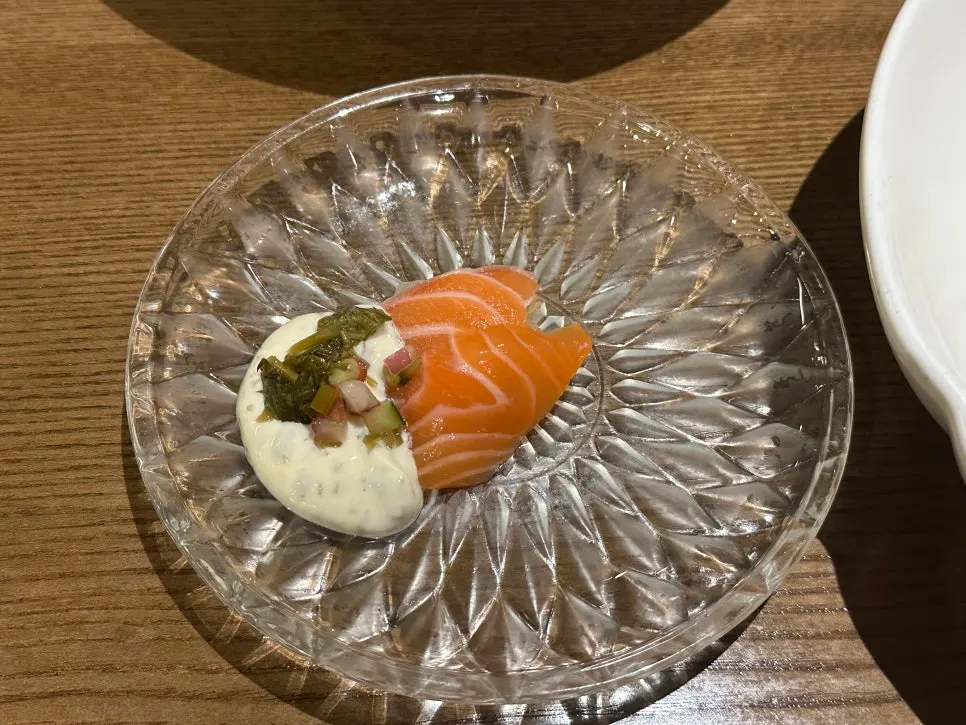
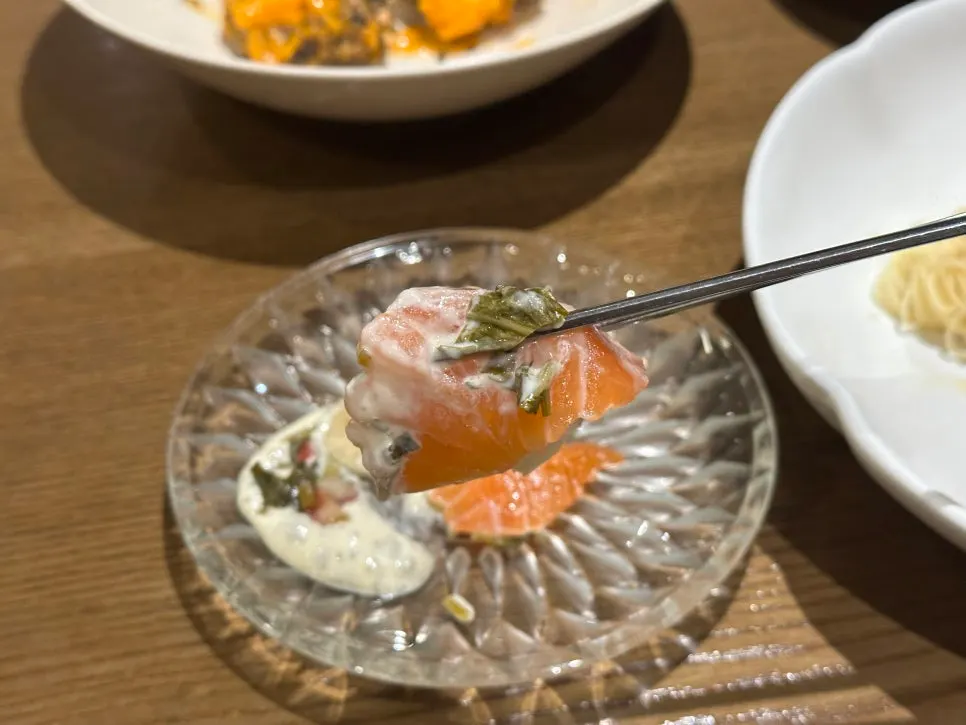
Next came the seasonal raw fish with pickle ceviche, served as salmon sashimi that day. Thick-cut salmon came with a sauce made from pickles, giving it a different flavor direction from typical salmon sashimi.
The salmon itself had its usual soft, rich flavor, and the tangy, salty pickle sauce cut through that richness nicely. It was interesting that instead of the usual soy sauce and wasabi dip, pickles were worked into the sauce, folding it naturally into a Korean course. The portion wasn't large, which made it a good light bite before moving to the next dish.
Modam fritters
The Modam fritters turned out to be shiitake mushroom fritters. Thick shiitake pieces came coated in an orange-tinted batter with seasoning on top, and I wondered at first whether they'd still be crisp — but the first bite was crunchier than expected.
The batter shattered crisply on the outside while the thick shiitake inside stayed chewy and moist. What I liked especially was that even with the seasoning on it, the batter didn't go soggy. The seasoning itself was sweet with a touch of spice, pairing well with the mushroom's aroma. Crisp outside, moist inside, with the mushroom's flavor building as you chewed — along with the pine nut mustard greens, this was one of the dishes I remembered most.
Perilla oil capellini
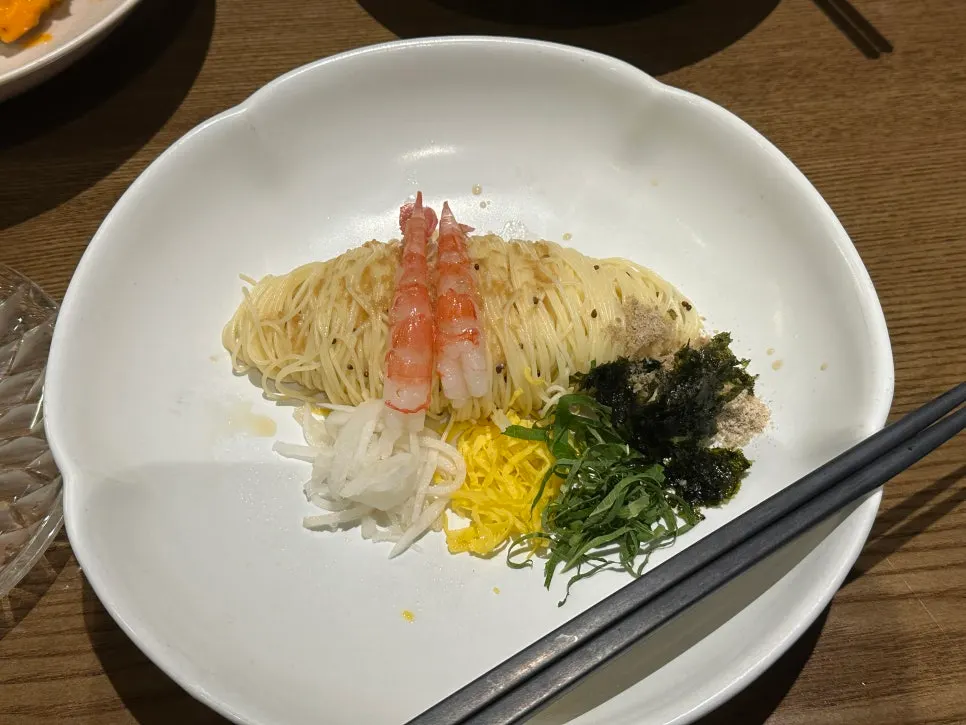
The perilla oil capellini that followed was interesting just for the fact that a noodle dish showed up midway through a Korean course. Capellini noodles sat in the center, topped with sweet shrimp, seaweed, scallion, egg and radish — five colors that made it pretty to look at. Before eating, I mixed everything thoroughly so the shrimp and toppings coated the noodles evenly.
The nutty aroma of perilla oil came through first, and as the toppings mixed in, the texture shifted slightly with every bite. Add in the soft, rich flavor of the sweet shrimp, and it didn't taste bland even without heavy seasoning. Capellini is much thinner than regular pasta, so the texture felt closer to somyeon noodles — meaning even parents' generation, who might not be used to pasta, could eat it without much unfamiliarity. Since familiar Korean ingredients like perilla oil and seaweed anchored the flavor, despite the name
Where it is
서울특별시 종로구 새문안로2길 10 덕수궁디팰리스 지하 1층 B102호, B103호