Paju Korean restaurant for ureong doenjang hot pot: Okdengjang
In short
Okdengjang (옥된장) Paju Yadang Branch is a Korean restaurant four minutes from Yadang Station in Paju, Gyeonggi. I return about every six months for bubbling ureong doenjang hot pot, neat side dishes, and draft Terra beer. Verdict: deeply savory and clean.
Good to know
- Location
- Four minutes from Yadang Station
- Event
- Draft Terra beer event available
as written by the visitor on Sep 10, 2026
Ureong doenjang jjigae I crave every six months
A restaurant I stop by about once every six months is one of my very favorite regular spots. Okdengjang (옥된장) in Paju is that kind of place for me.
Just when I am about to forget it, I start craving doenjang jjigae (soybean-paste stew) and the savory flavor of ureong (freshwater mud snails). I think Okdengjang does ureong doenjang jjigae best.
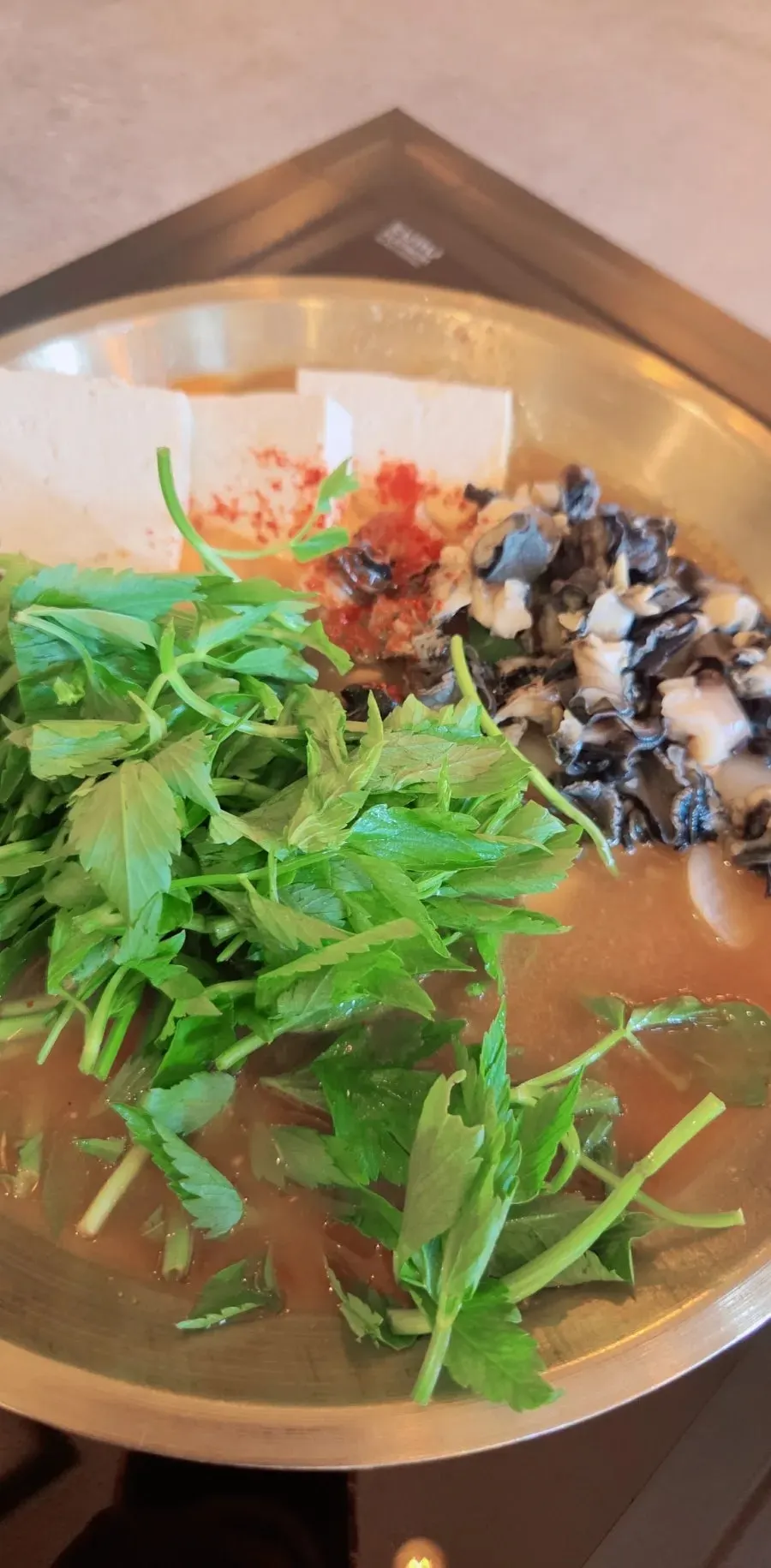
What a proper visual. The doenjang broth is wonderfully clean with ureong, minari (water parsley), and all kinds of vegetables.
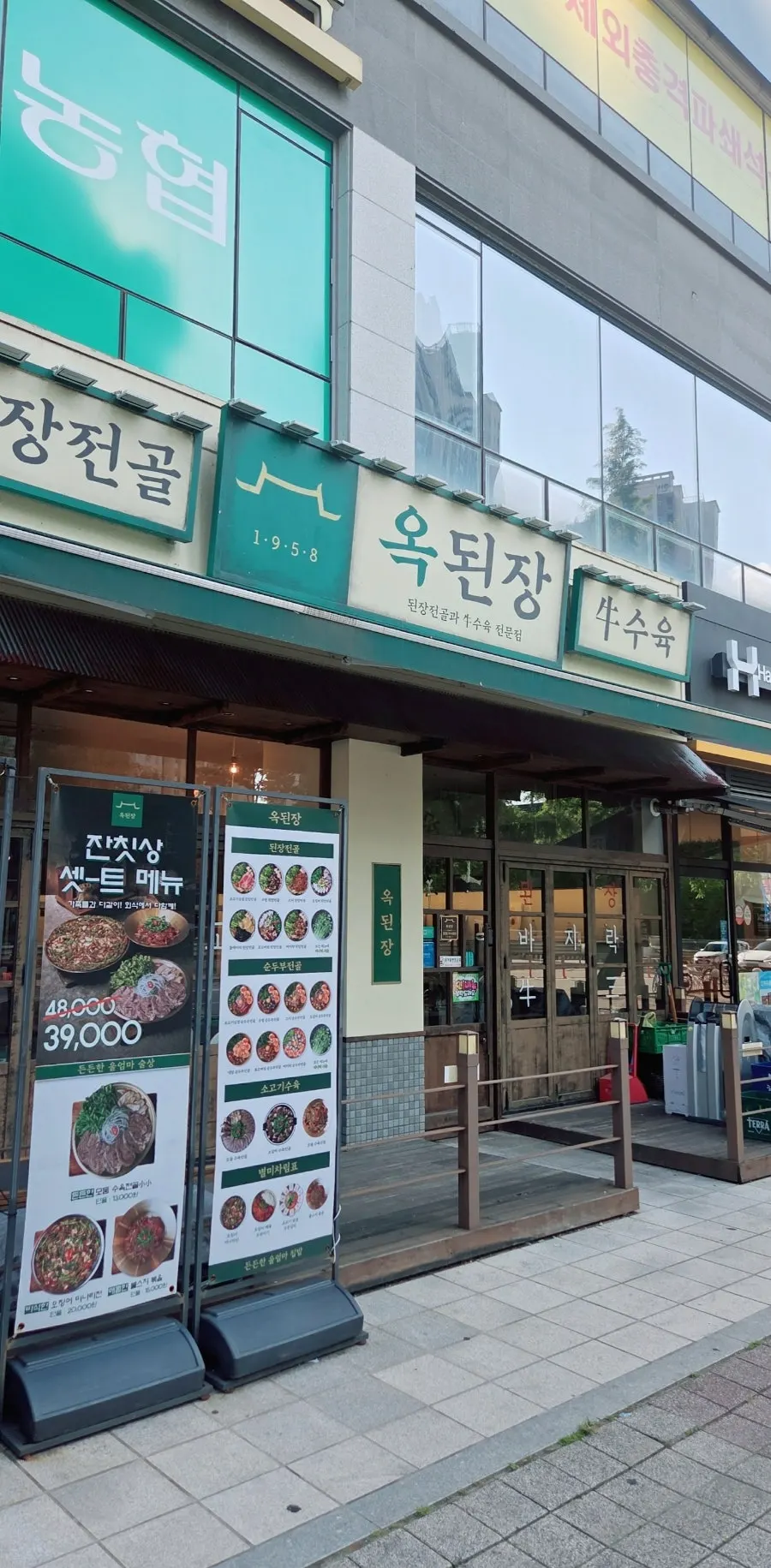
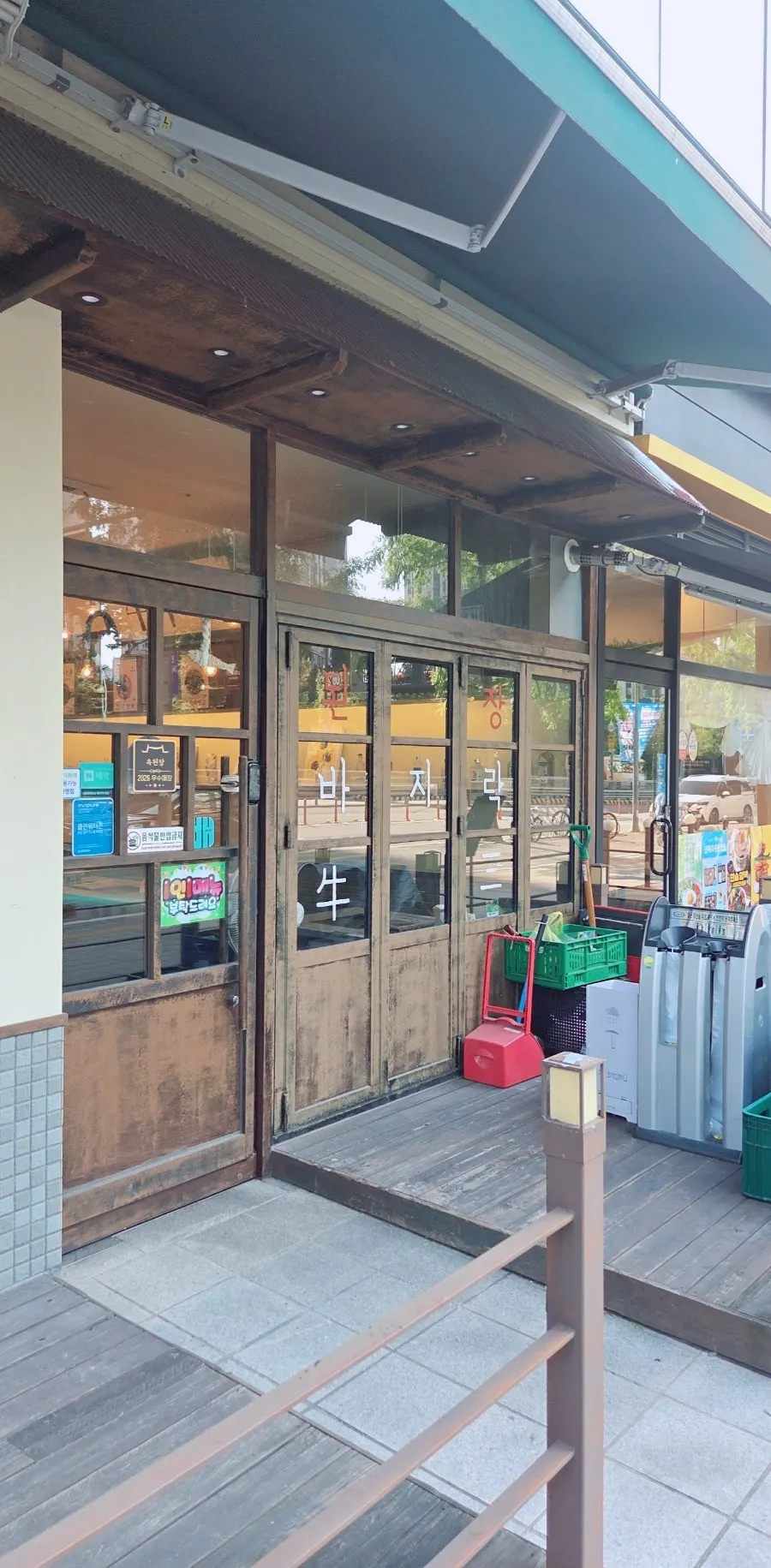
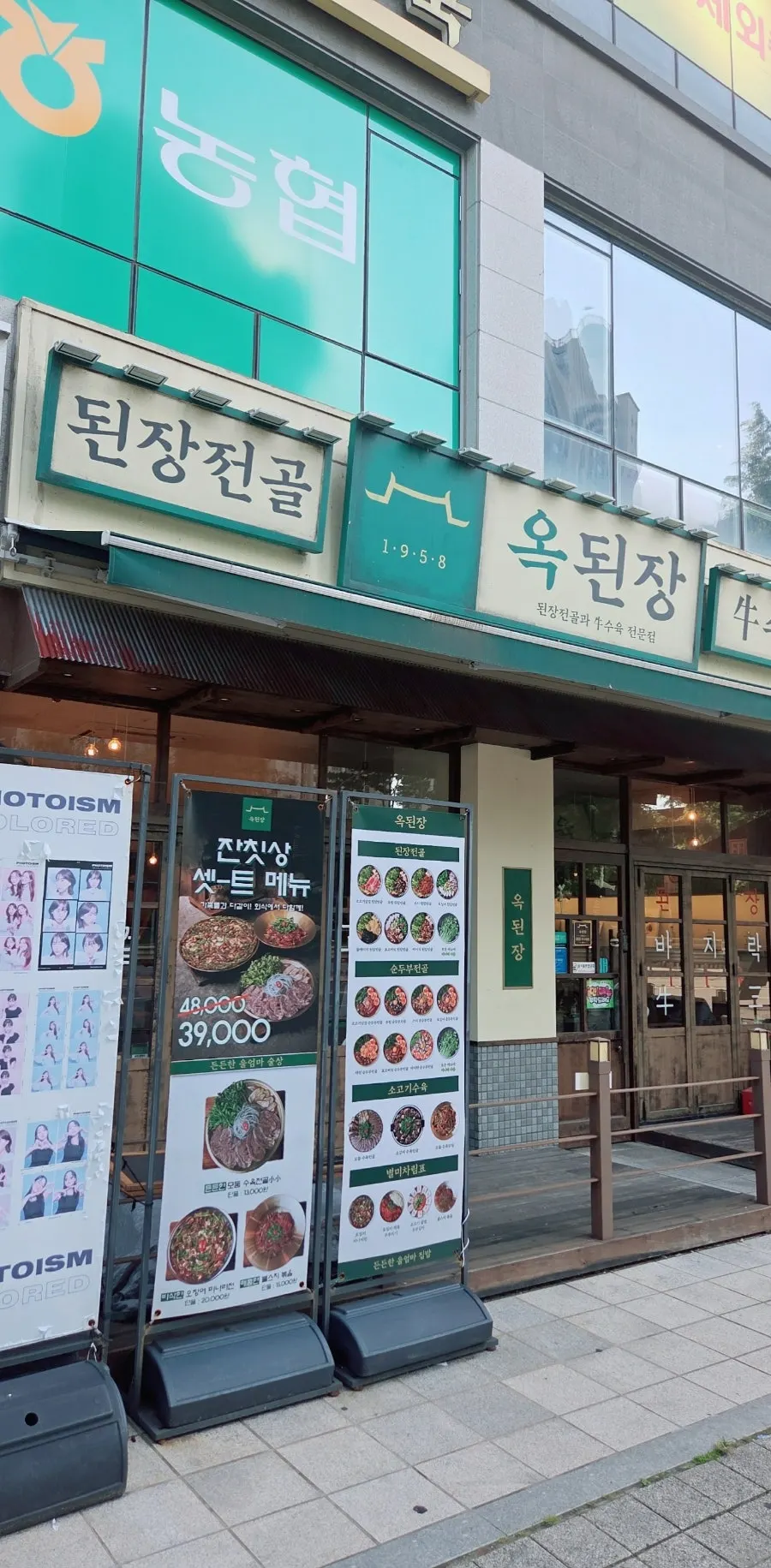
Okdengjang near Yadang Station
It is four minutes from Yadang Station in Paju.
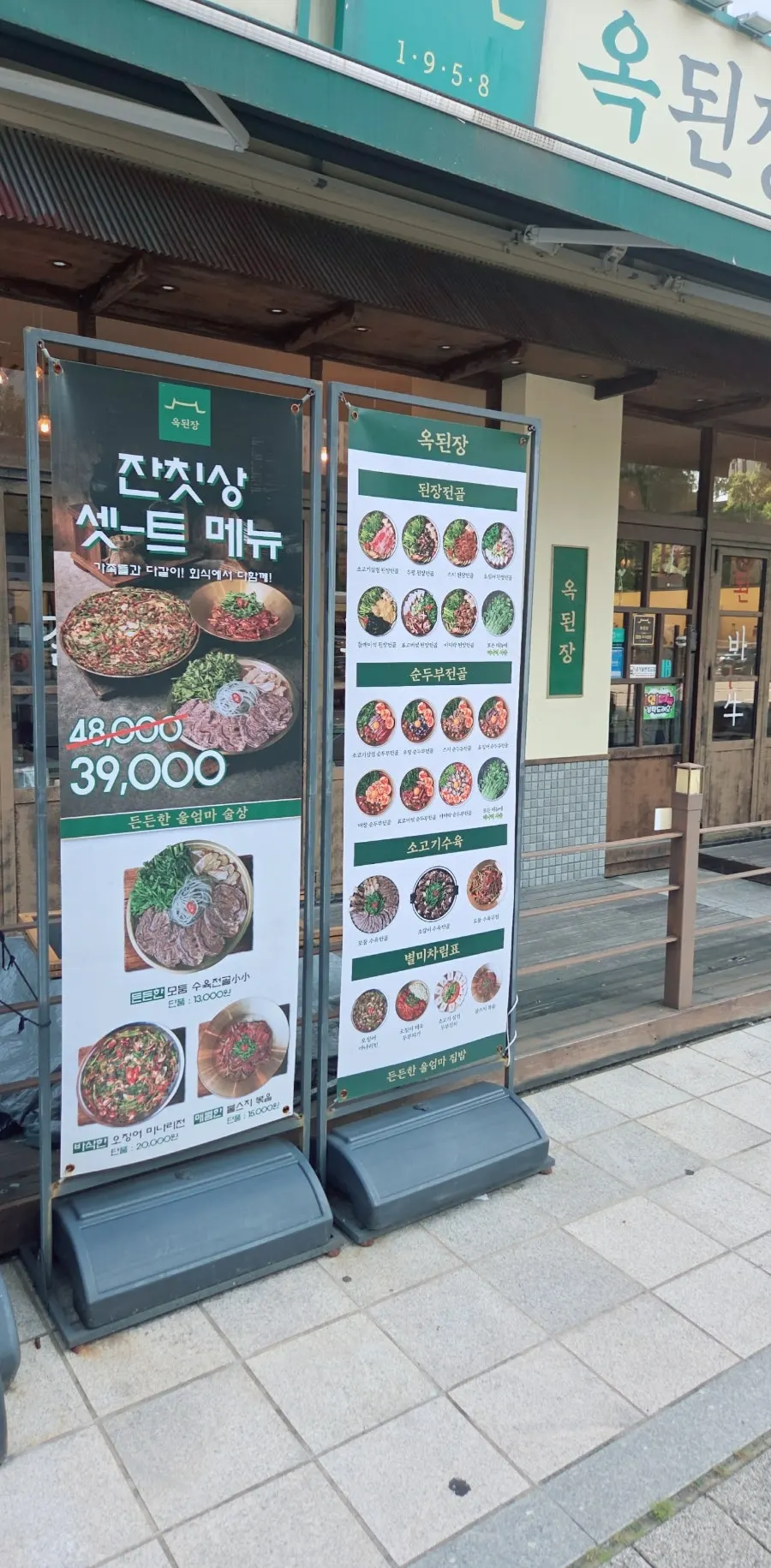
I love that this restaurant, with its history and tradition, has become a franchise and can be found in many areas.
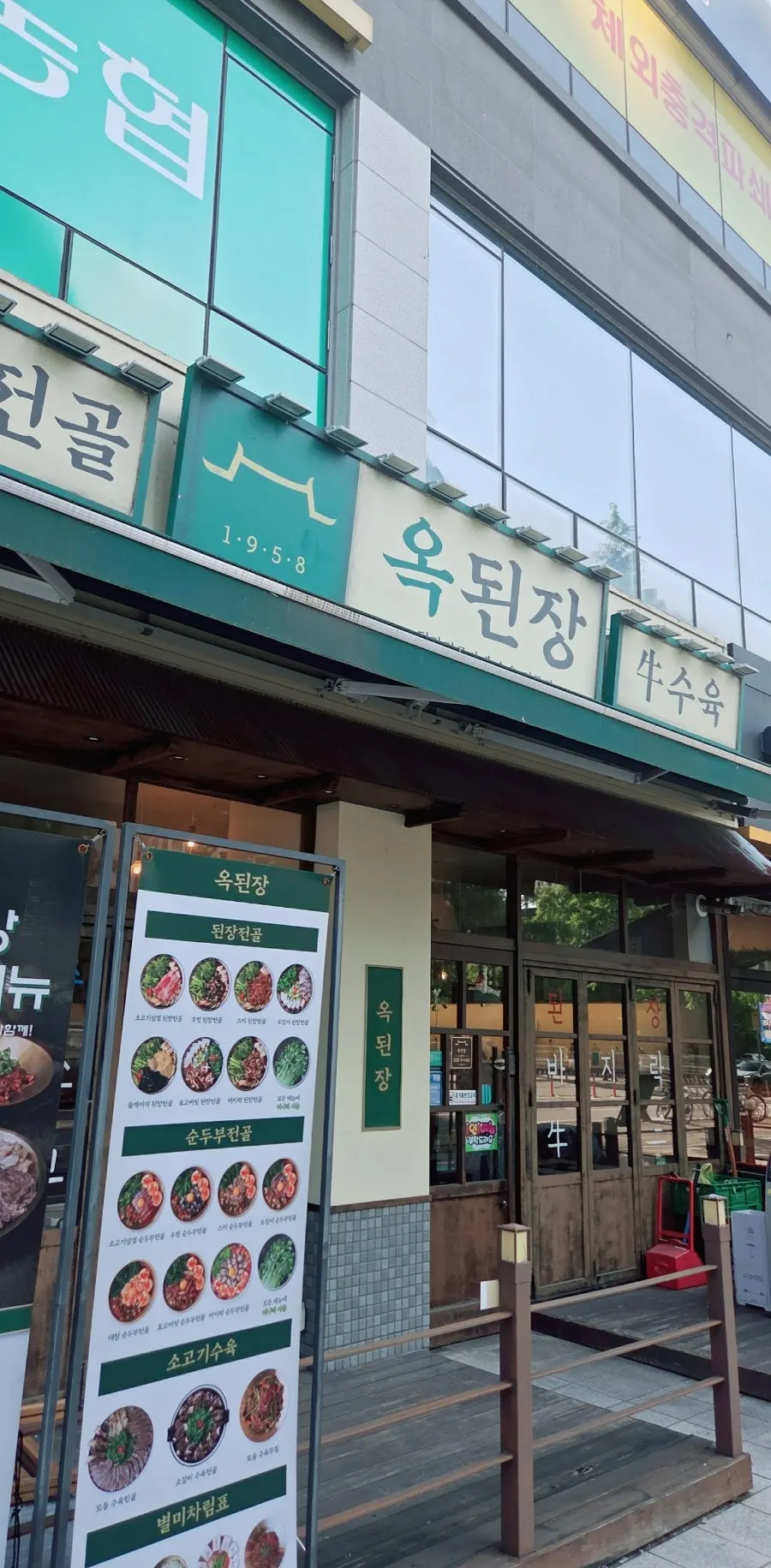
The menu and draft beer event
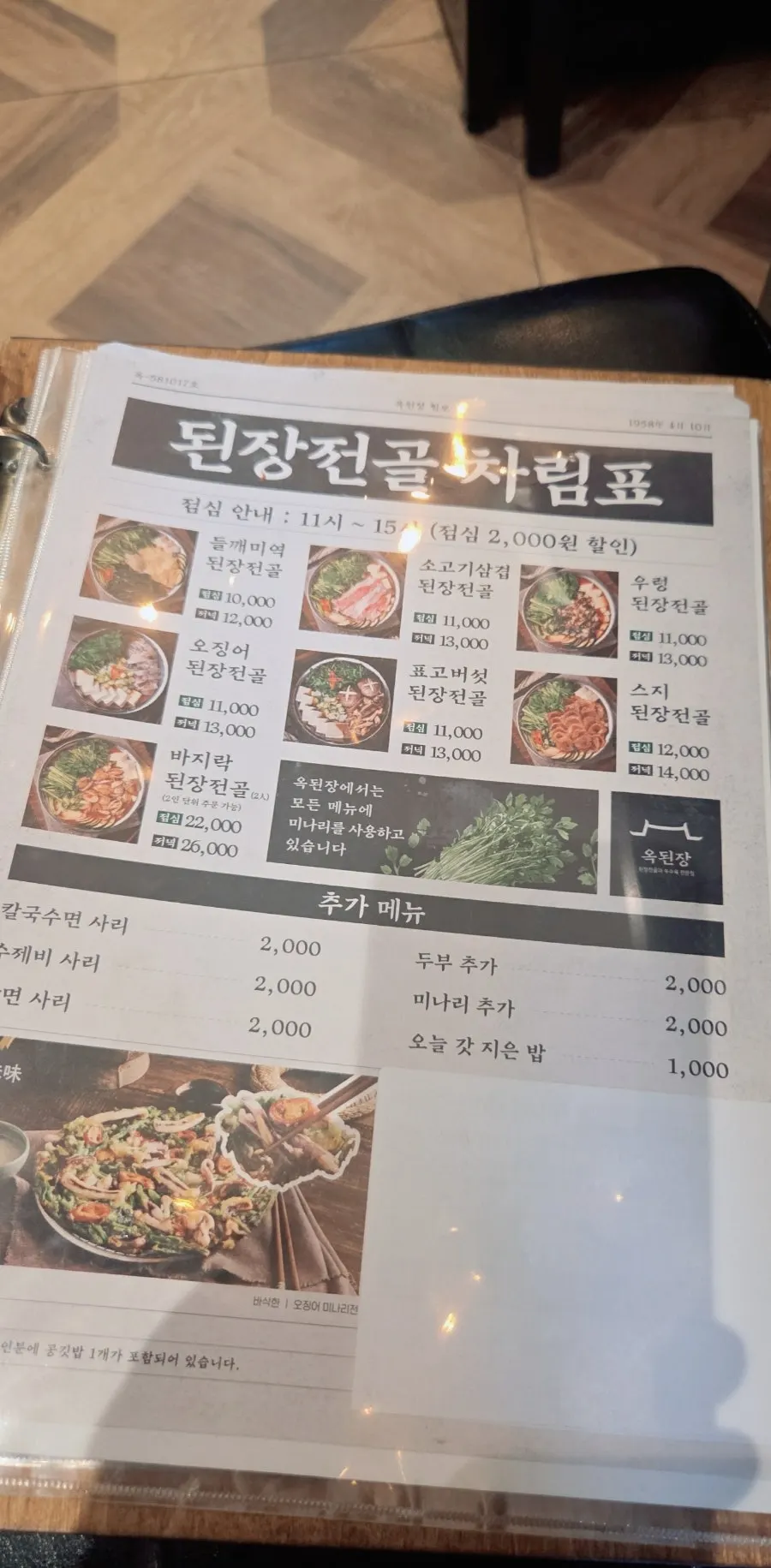
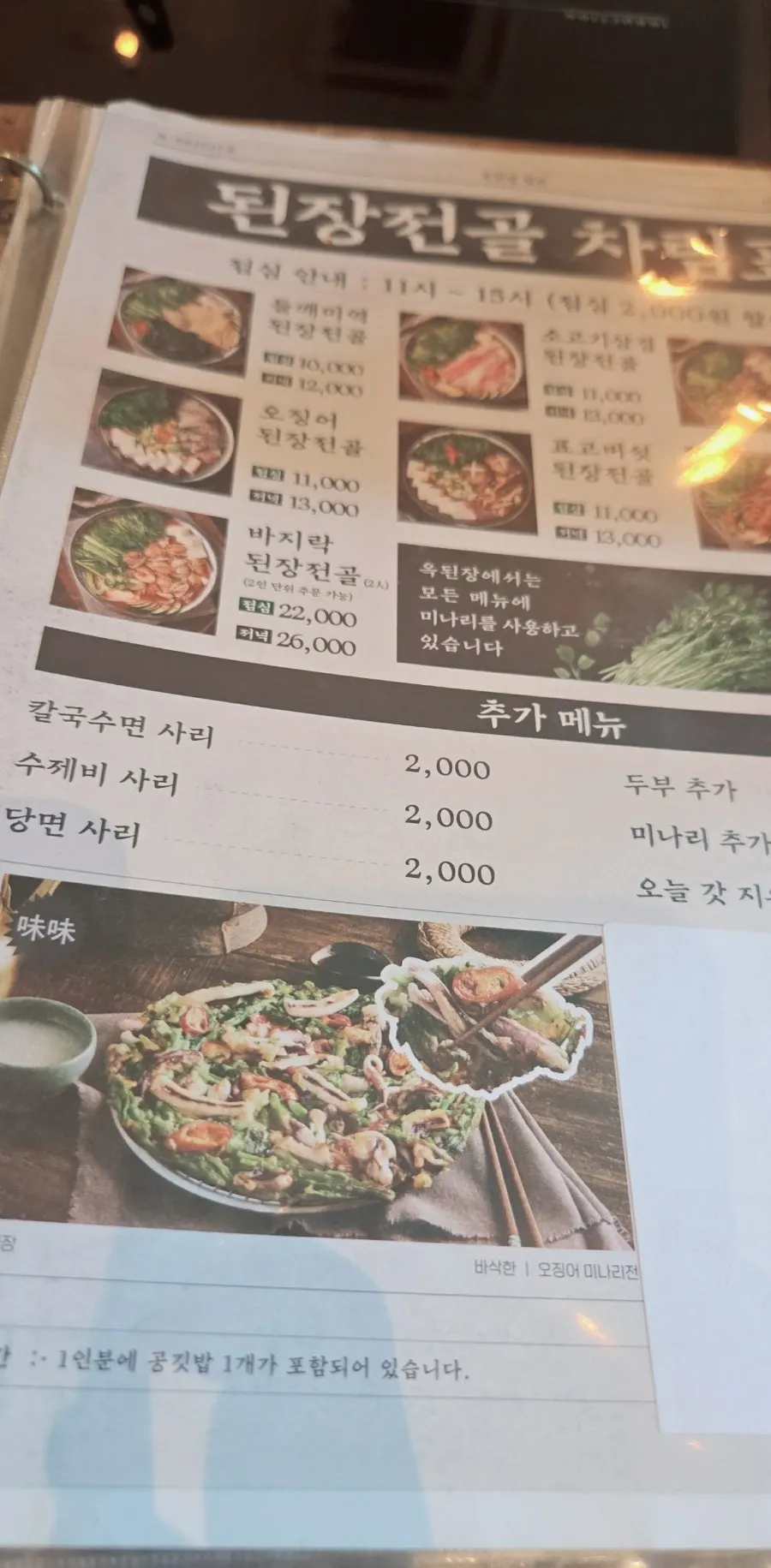
There are lots of menu options.
The clam doenjang jjigae looks as though it would be delicious too.
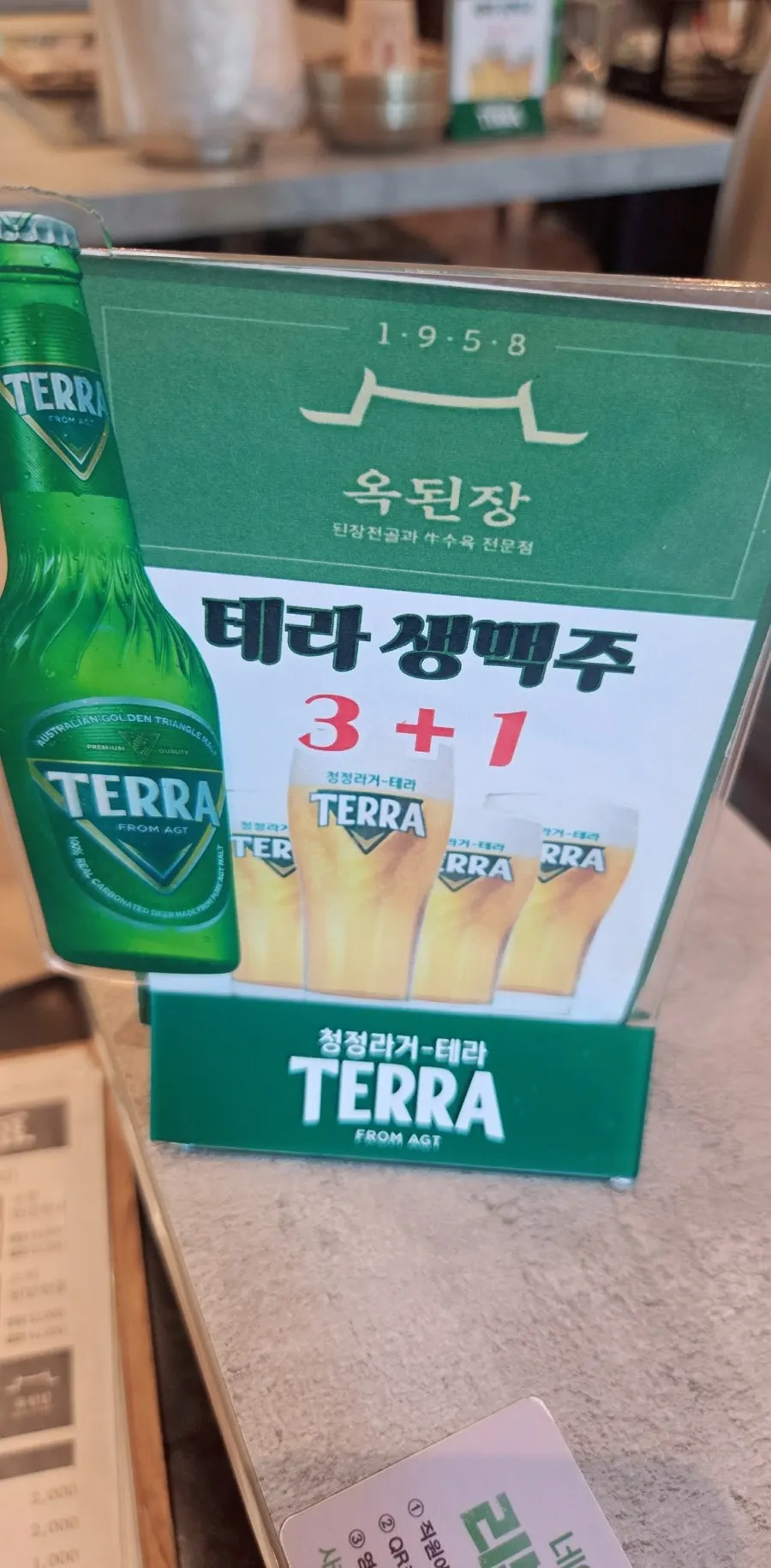
They are running a draft Terra beer event.
A meal of bubbling ureong doenjang hot pot
Of all the doenjang hot pots, ureong doenjang hot pot is easily my favorite.
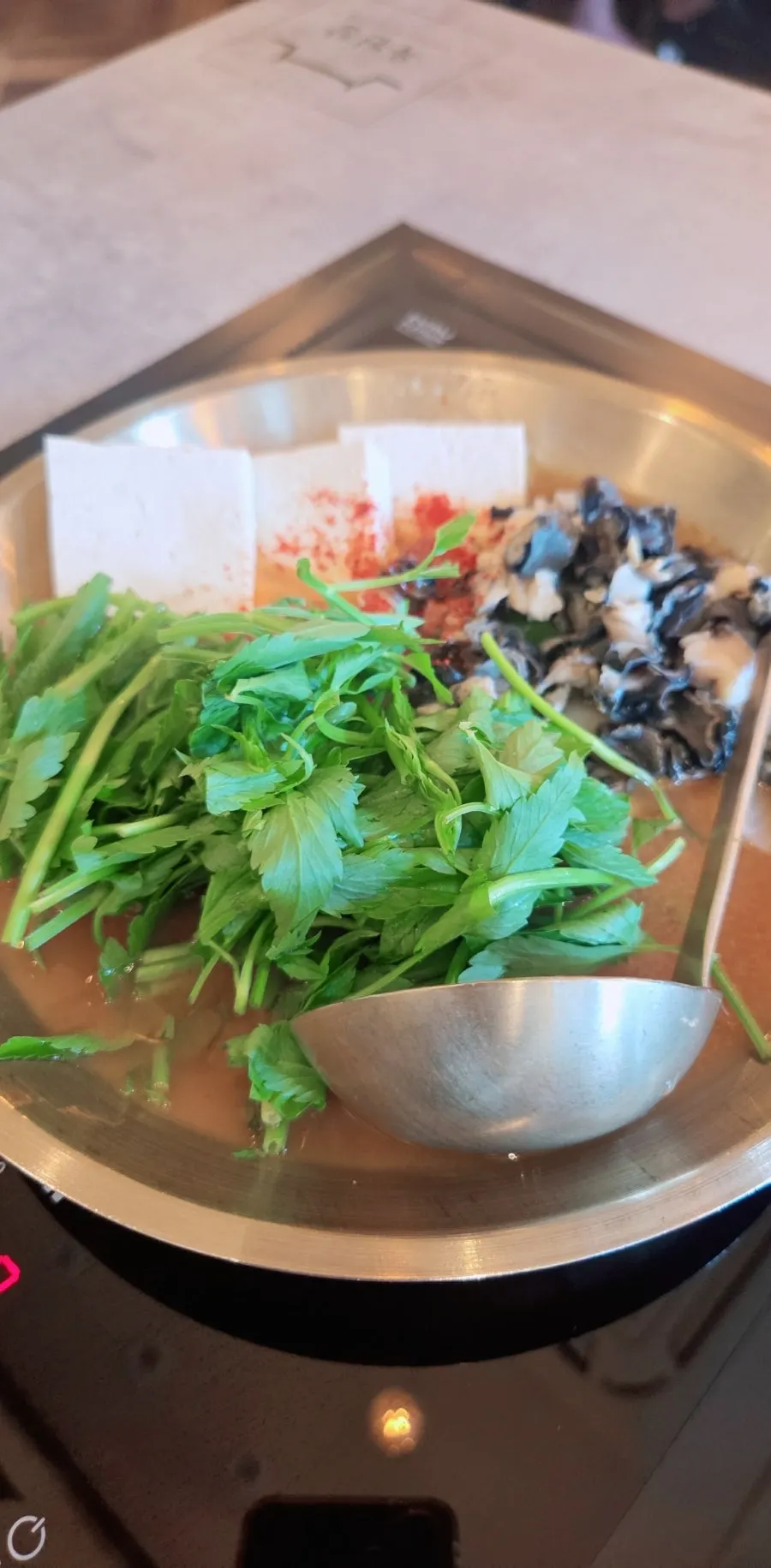
It looks perfectly suited to being a proper full meal.
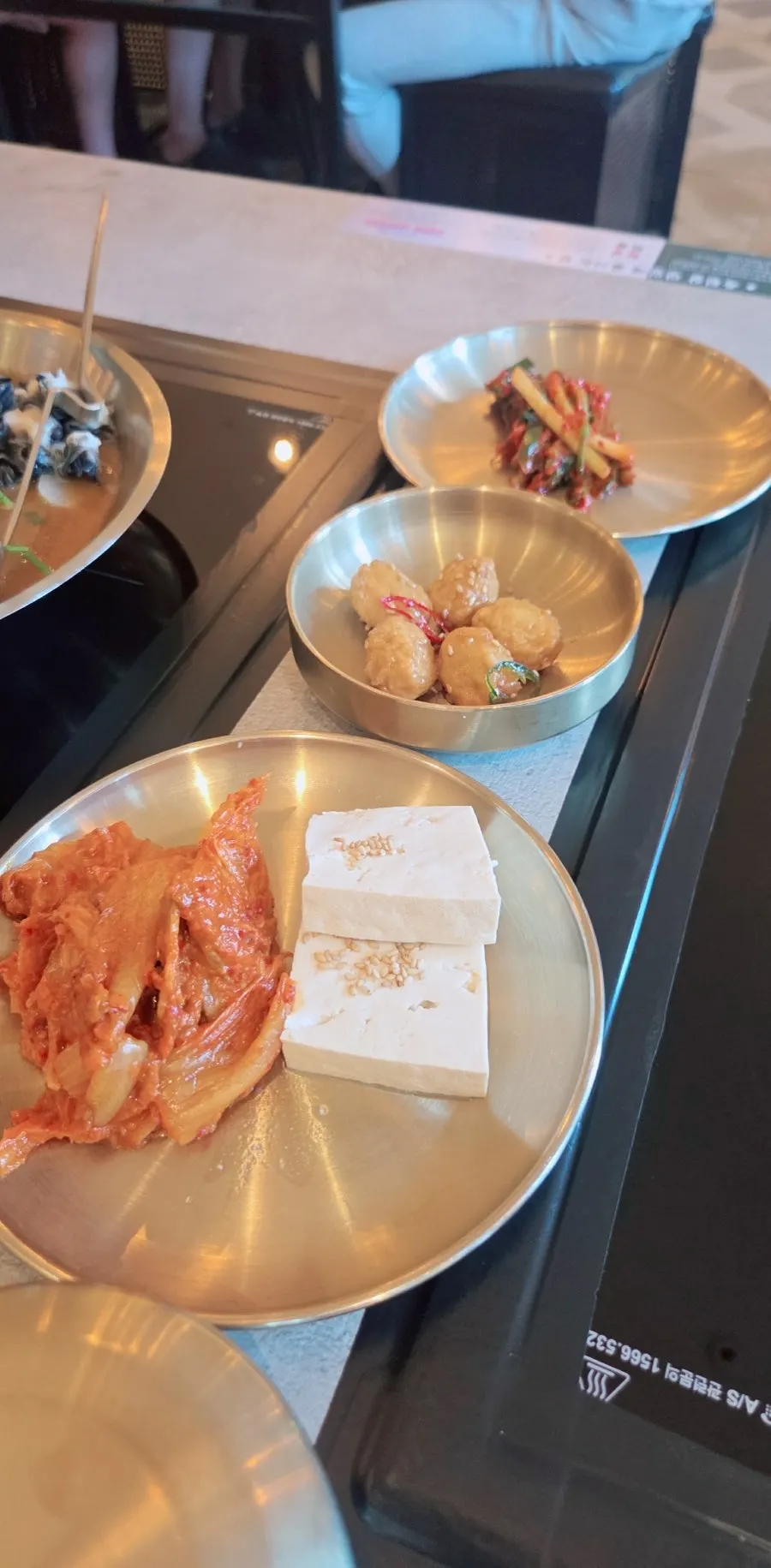
The side dishes are served neatly too.
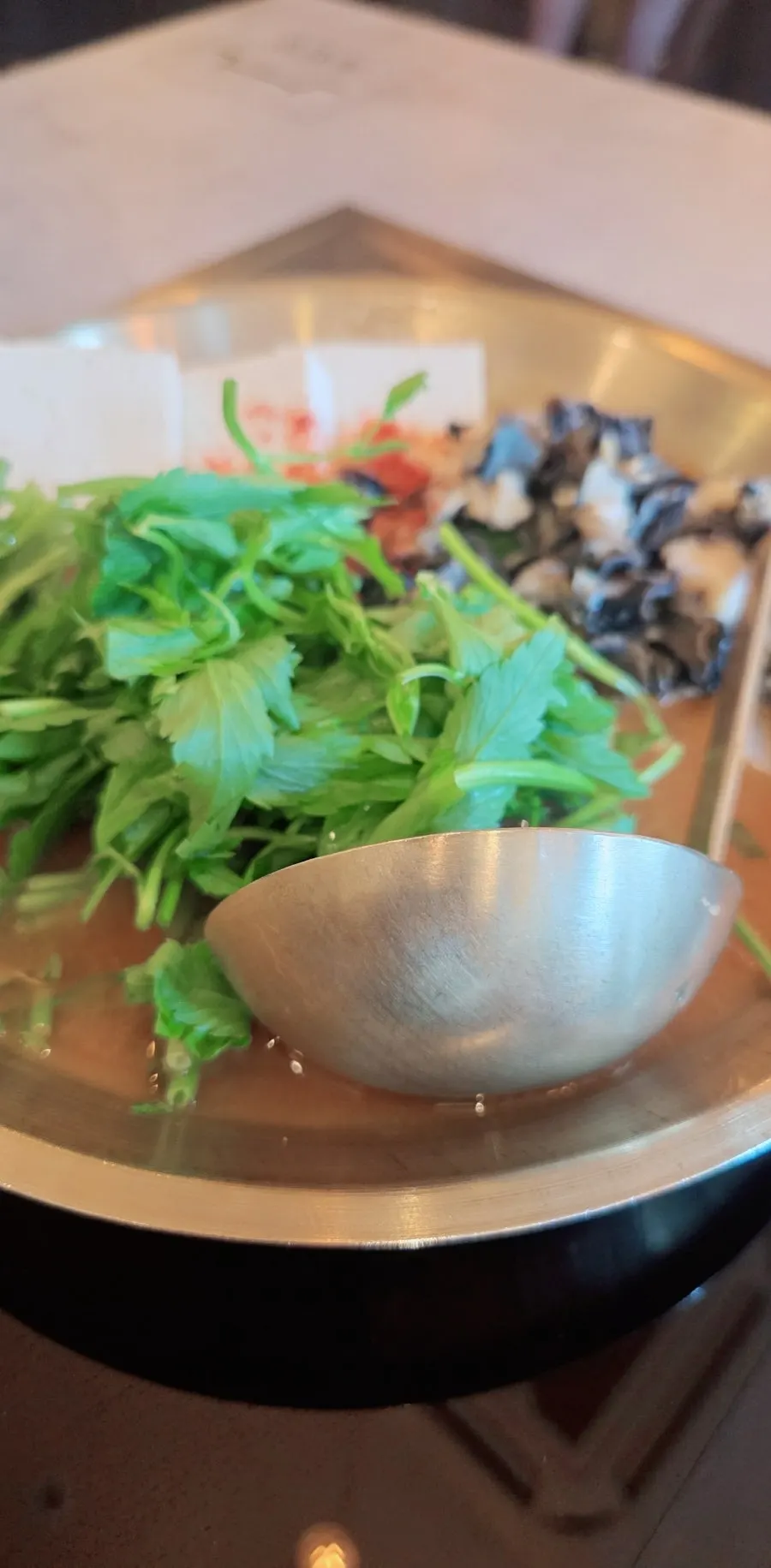
When you eat it bubbling away, you can appreciate its taste, aroma, and depth even more.
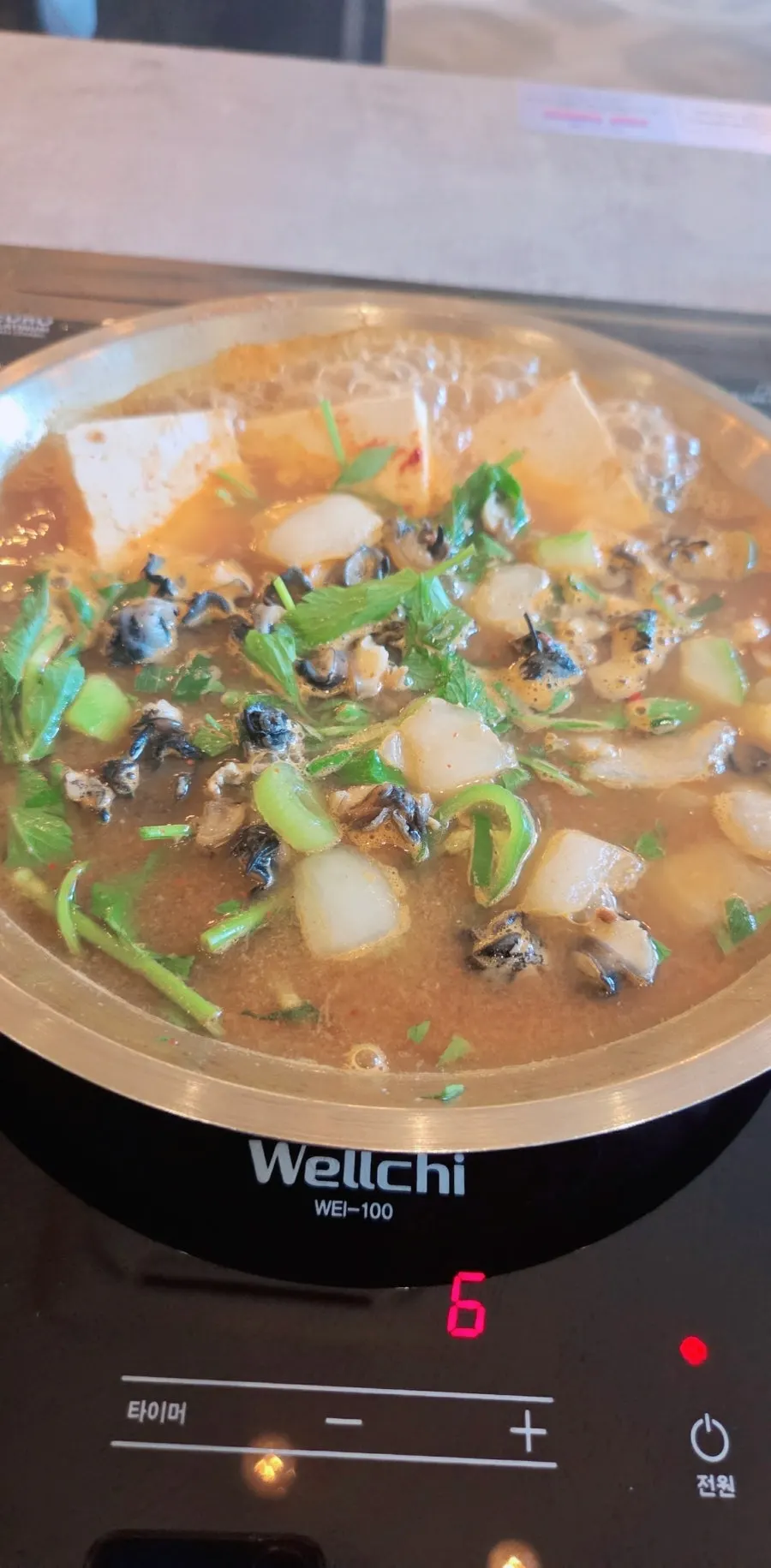
This is when it has come to a boil to some extent; scoop up the broth and ureong, and the depth and savoriness are simply art.
I think this look is even better. It is seriously delicious.
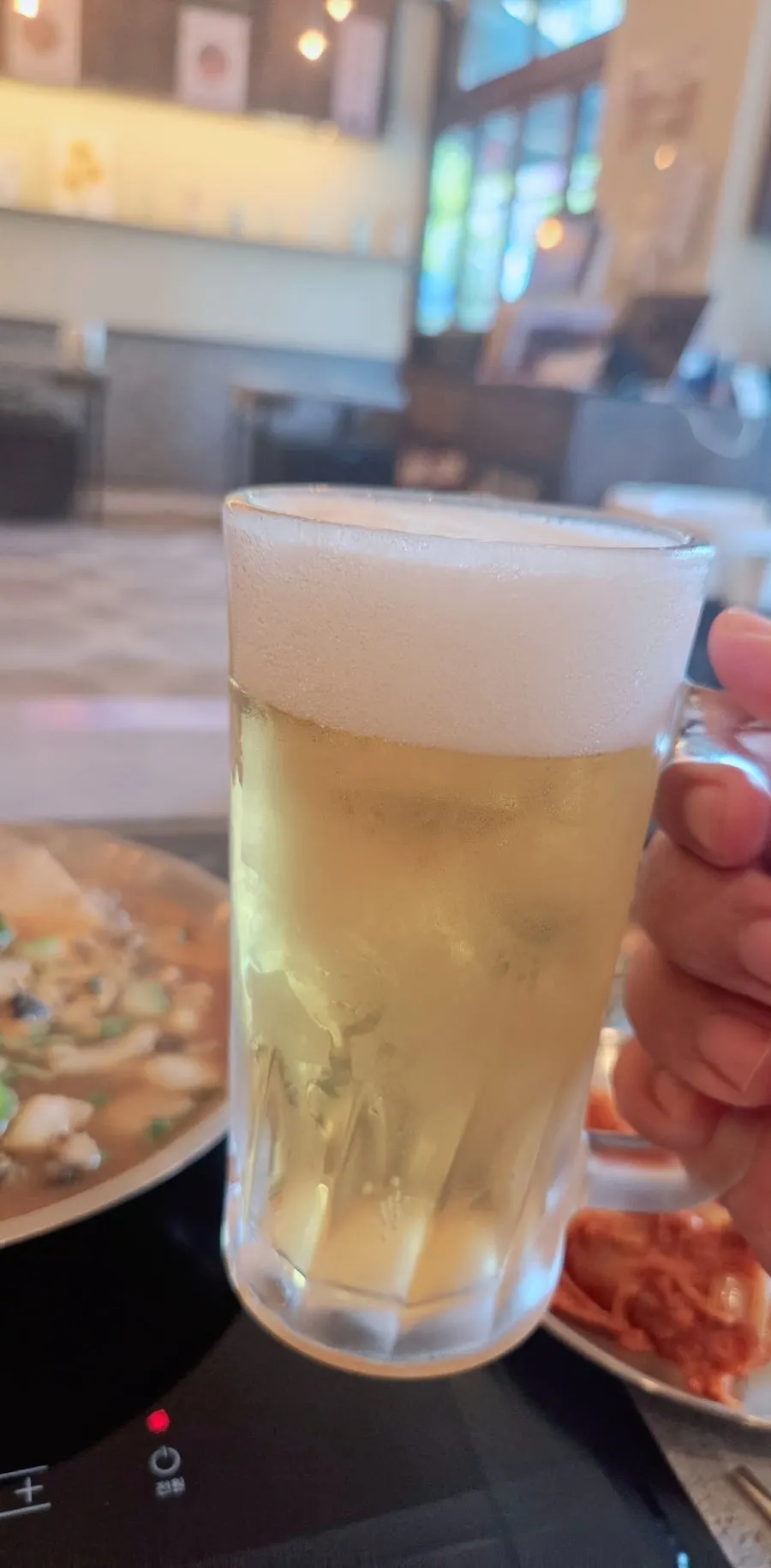
Ureong doenjang hot pot and draft beer are quietly such a proper pairing. I had a truly delicious meal. I highly recommend Okdengjang near Paju's Yadang Station.
The origins of doenjang jjigae and the taste of ureong doenjang jjigae
Doenjang jjigae is a stew based on doenjang, a traditional Korean fermented food, and its roots go back as far as the Three Kingdoms period. The culture of fermenting soybeans to make jang developed naturally from the Korean Peninsula's climate and soybean-growing conditions, and it is such an old tradition that Chinese records note that Goguryeo people were skilled at making jang (jangyang, 醬釀).
- From the Three Kingdoms through the Goryeo period, the method of making jang by preparing meju soybean blocks and soaking them in brine became established, and soy sauce and doenjang began to diverge at this time.
- During the Joseon period, making jang became an annual household event, while cooking doenjang into stew spread widely as everyday food. It established itself as both a basic accompaniment to rice, supplementing protein and salt, and a soupy dish.
- Regional variations such as gangdoenjang and country-style doenjang jjigae emerged and continue to this day.
In other words, rather than a dish invented by one particular person at one particular time, doenjang jjigae can be seen as a representative Korean everyday food that naturally took hold as jang fermentation culture developed.
Ureong doenjang jjigae adds ureong—rather than the freshwater snail daseulgi—to regular doenjang jjigae. Its natural sweetness and umami blend with doenjang's saltiness and earthy richness, making the broth even deeper. The ureong stays pleasantly chewy rather than turning tough even when simmered for a long time, adding a satisfying bite; although it is a freshwater ingredient, it has almost none of its characteristic earthy or fishy smell when properly cleaned and is known for its clean flavor. Because of ureong's distinctively rich taste, it is also often enjoyed as gangdoenjang, reduced until there is only a little broth.
A note when eating ureong
Ureong is known as a low-fat, high-protein ingredient containing minerals including iron, taurine, and calcium, and it is low in calories. However, freshwater ureong can carry a risk of parasitic infection, so it is important to cook it thoroughly.
Where it is
102-103 Hosu Plaza, 1070 Gyeongui-ro, Paju-si, Gyeonggi-do, South Korea (경기도 파주시 경의로 1070 호수프라자 102호, 103호)경기도 파주시 경의로 1070 호수프라자 102호, 103호