Hongdae Pyeongyang naengmyeon restaurant worth a broth refill: Anok
In short
Anok is a hanok Korean restaurant in Hongdae, Seoul, a 6-minute walk from Hongik University Station. At an early-autumn lunch, Anok served Pyeongyang naengmyeon (cold buckwheat noodles) good enough to order a broth refill, plus clear pork gomtang and pork tail jjim. Even for a diner who has worked through most of Seoul's Pyeongyang naengmyeon restaurants, Anok's mild broth and buckwheat noodles were impressive.
Good to know
- Location
- 13-4 Hongik-ro, Mapo-gu, Seoul, a 6-minute walk from Hongik University Station
- Dishes ordered
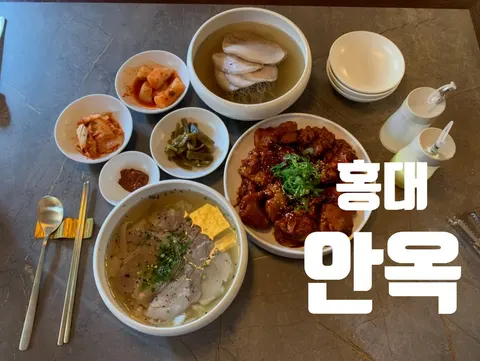
- Pyeongyang naengmyeon (cold buckwheat noodles), clear pork gomtang, pork tail jjim
- Seating
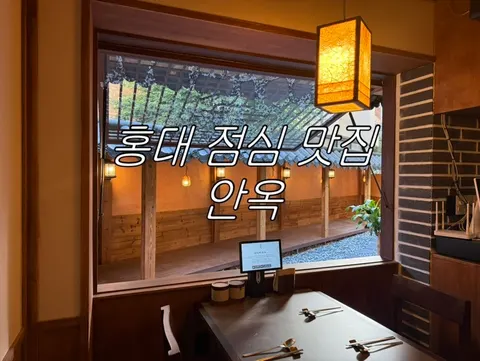
- Mostly tables for two and four in a spacious hanok interior
- Time of visit
- Lunchtime in early autumn
as written by the visitor on Sep 22, 2026
I was grateful for the chance to visit Anok, a brand-new restaurant that just opened in front of Hongdae, for lunch in early autumn once the heat had passed. It feels a bit awkward to introduce a great restaurant with my clumsy writing, but I want to give an honest review based purely on my own experience, focused only on the taste.
What we ate at Anok: naengmyeon, pork gomtang and pork tail jjim
At Anok I had pyeongyang naengmyeon (cold buckwheat noodles), gomtang, and pork tail jjim. The naengmyeon first — the taste was truly amazing. The buckwheat noodles paired with the clear broth made for a wonderful combination.
The pork gomtang had a clear broth that was really clean and light — outstanding. The pork tail jjim was spicy yet tender, with the texture of the tail meat holding up beautifully. Already feeling like this place is going to be a hit, and it seemed like the kind of restaurant that would also win over foreign tourists visiting Hongdae.
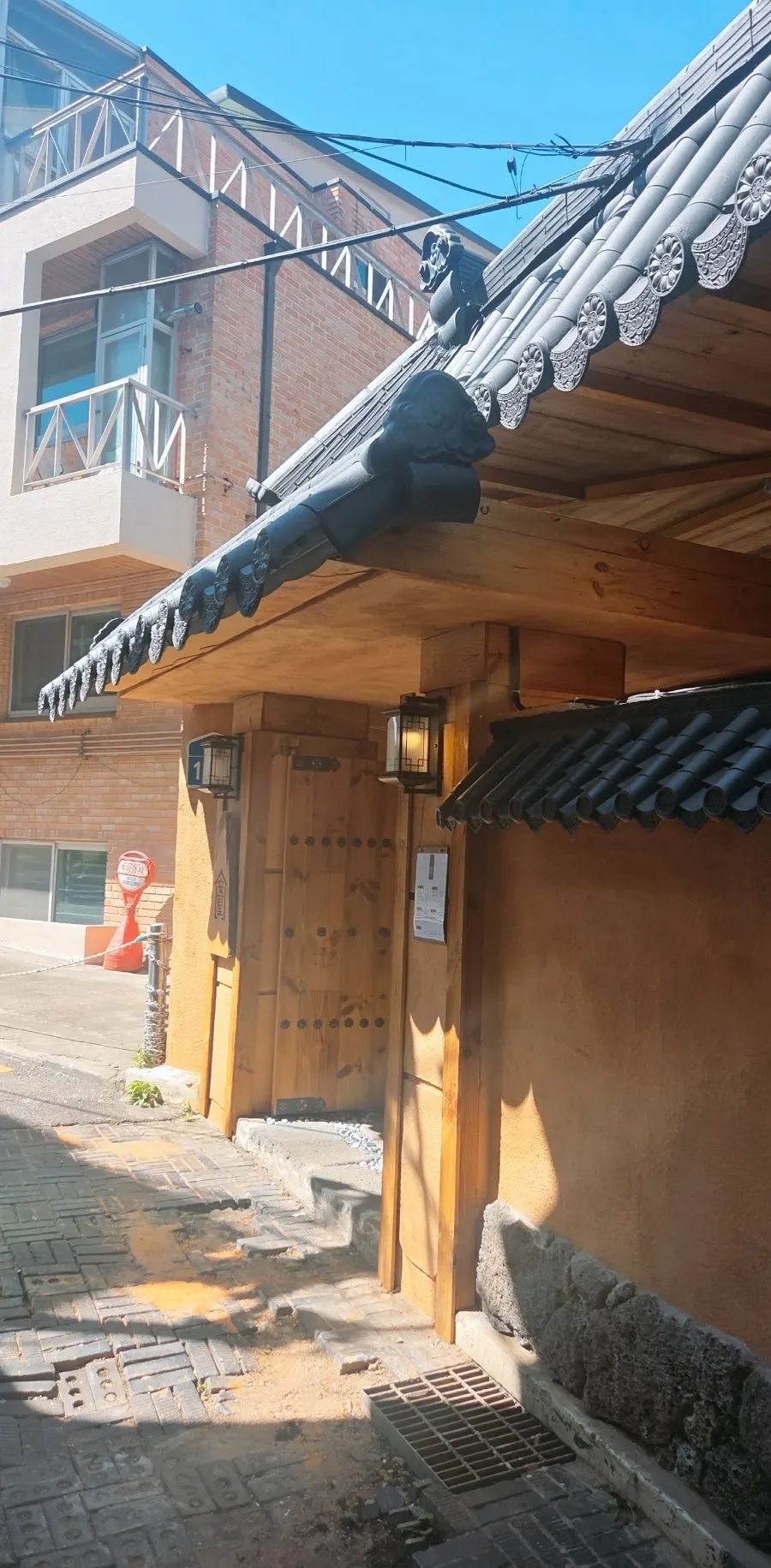
Finding Anok: a tiled-roof hanok 6 minutes from Hongik University Station
Anok is about 6 minutes from Hongik University Station, and its hanok (traditional Korean house) interior really stands out.
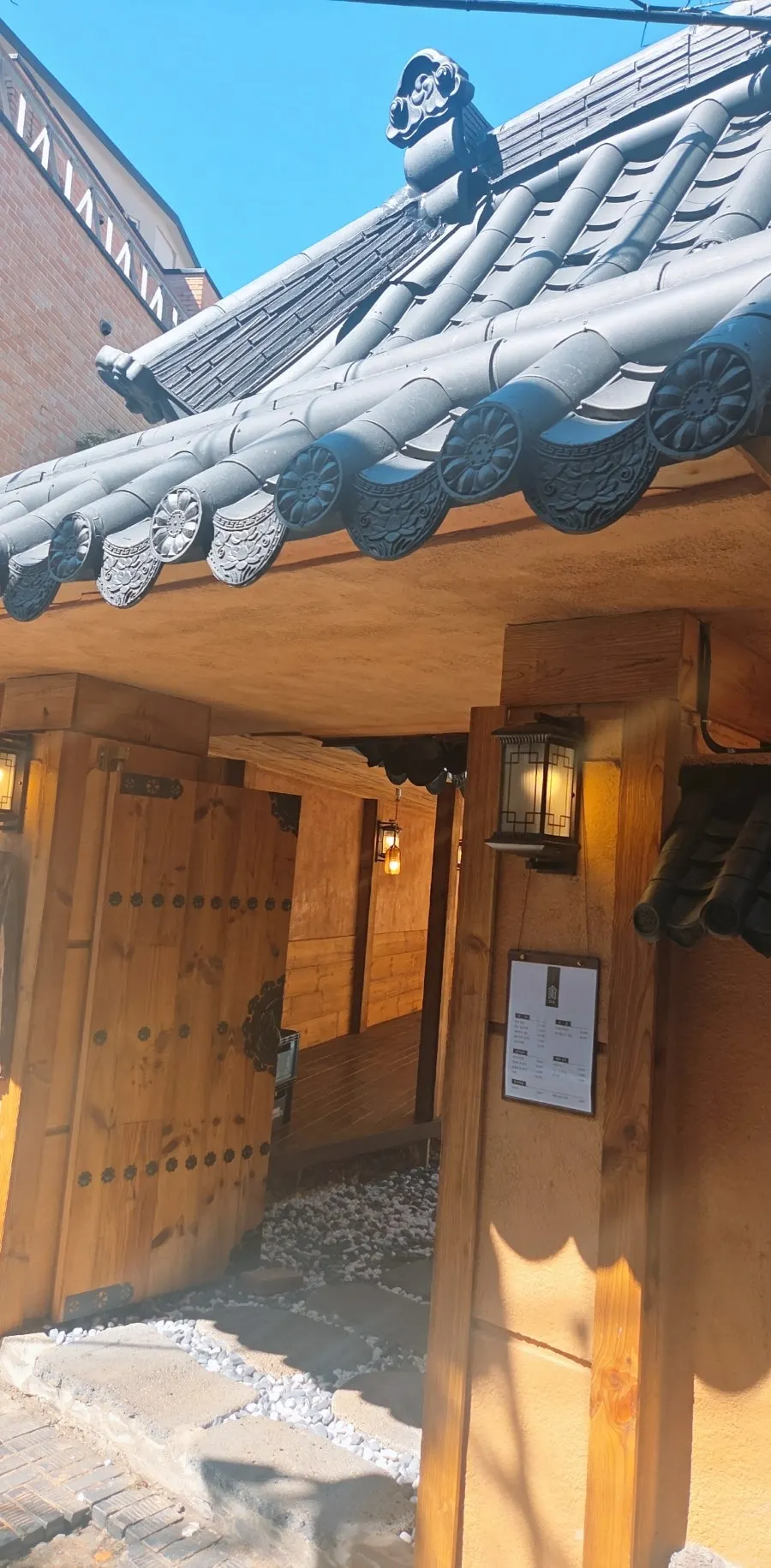
Walking into the tiled-roof house, I felt like I had stepped back into the Joseon dynasty.
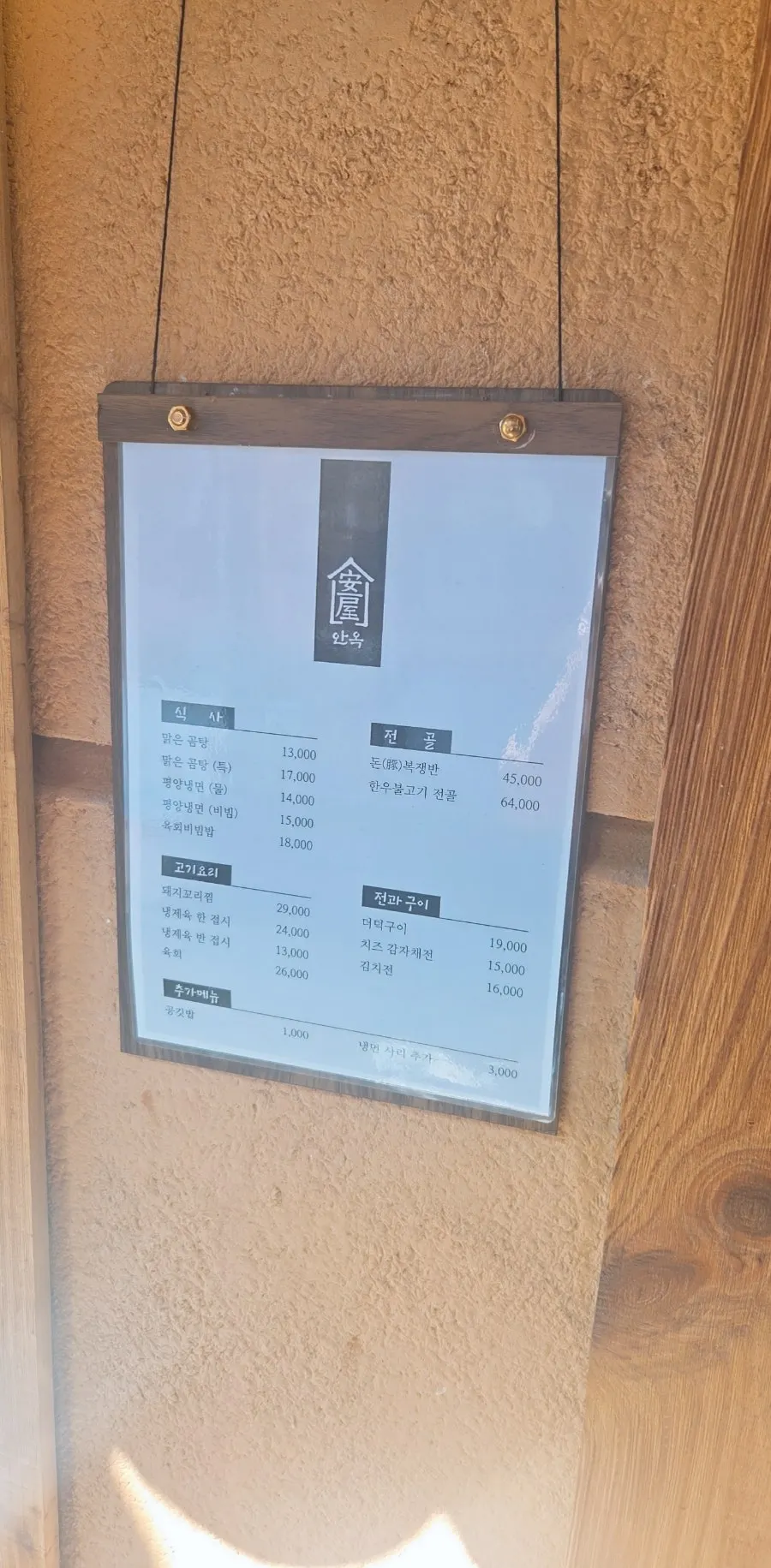
The menu board is clean and simple.
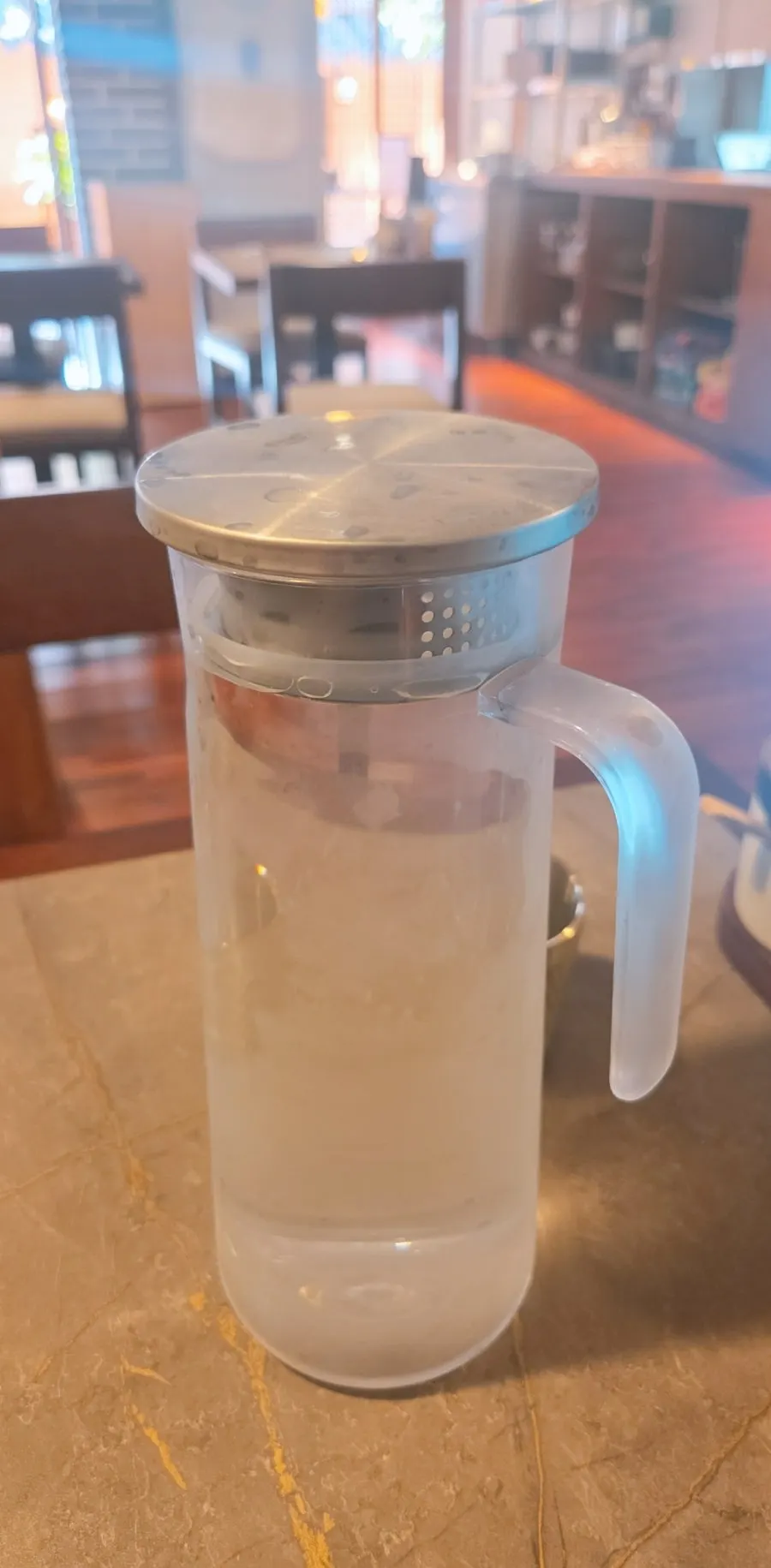
The water was really good.
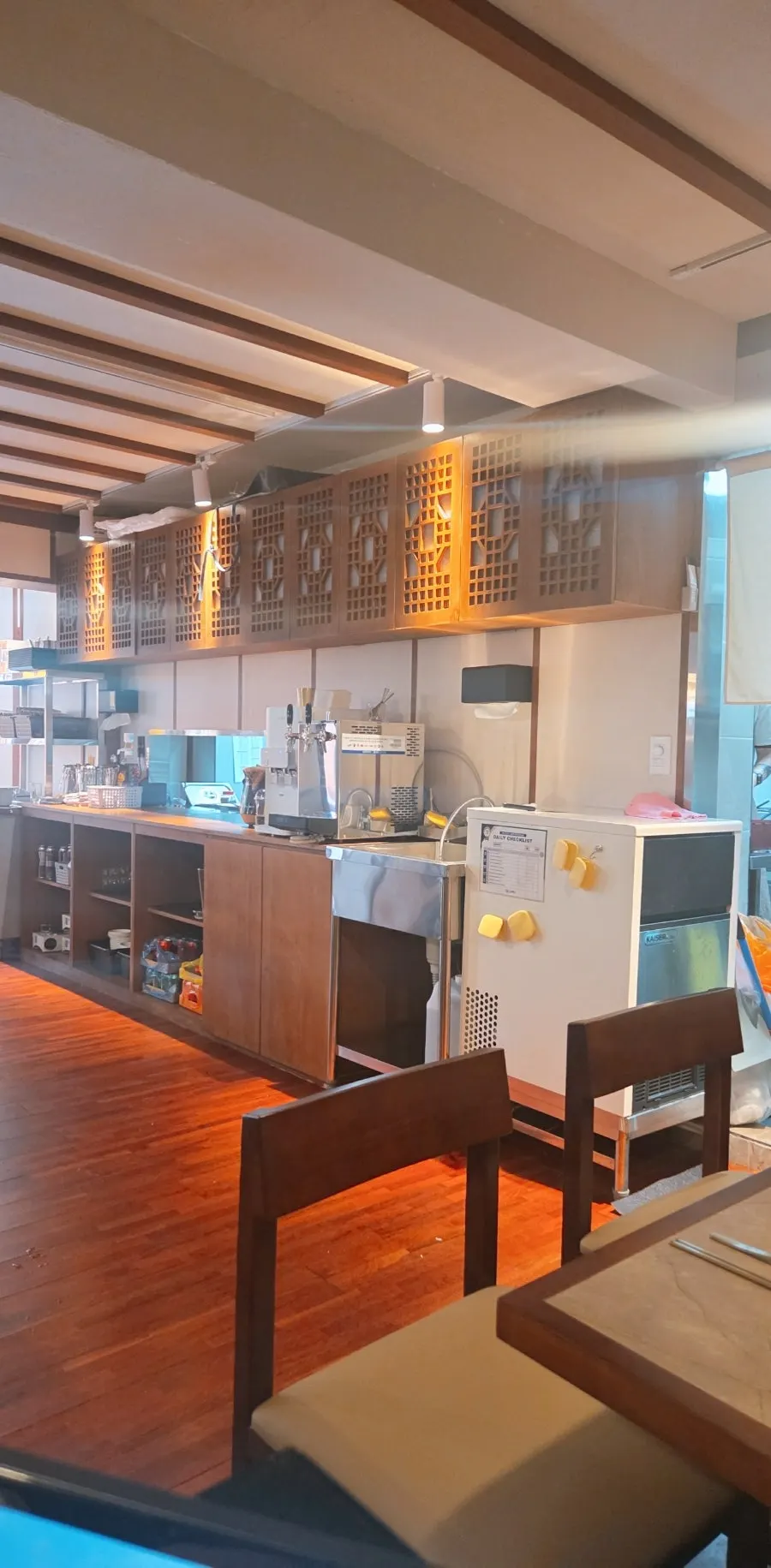
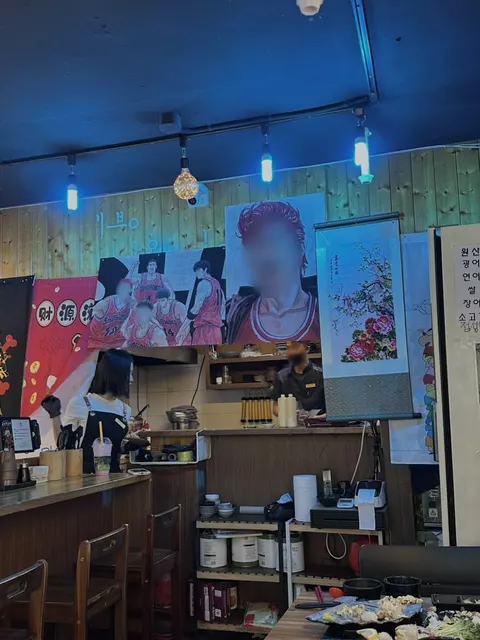
The interior is spacious and well laid out, with a good mix of two- and four-person tables that made it feel comfortable.
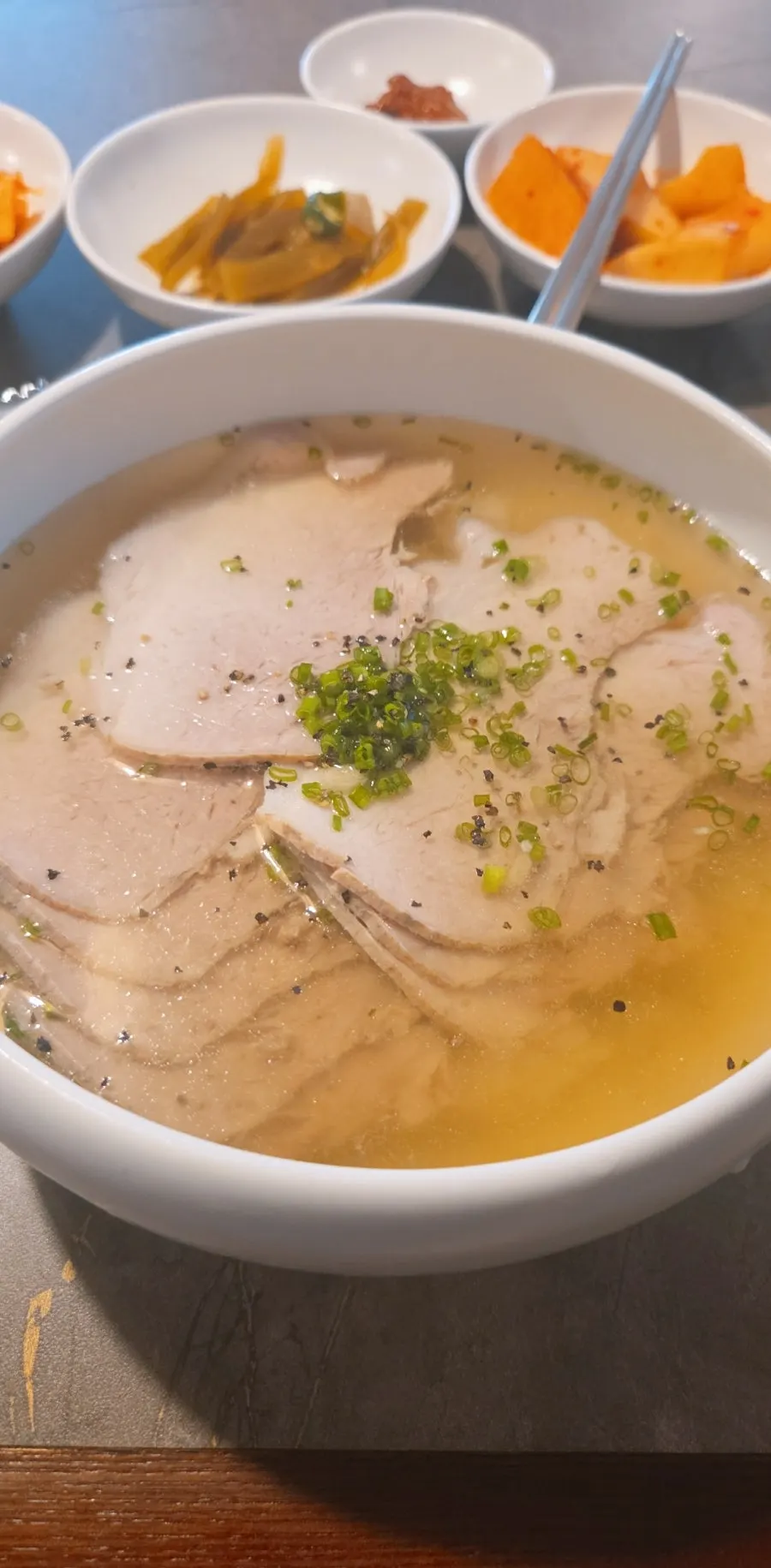
Why Anok's clear pork gomtang broth tastes so clean
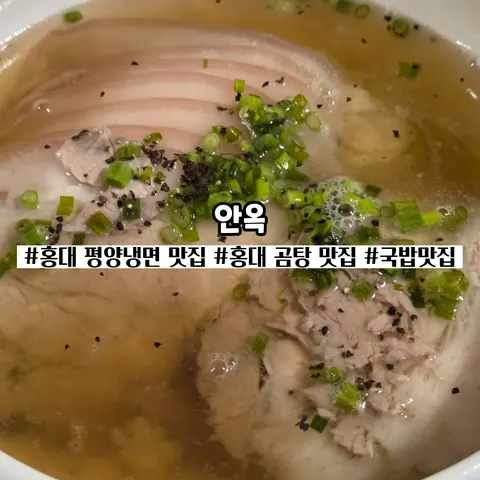
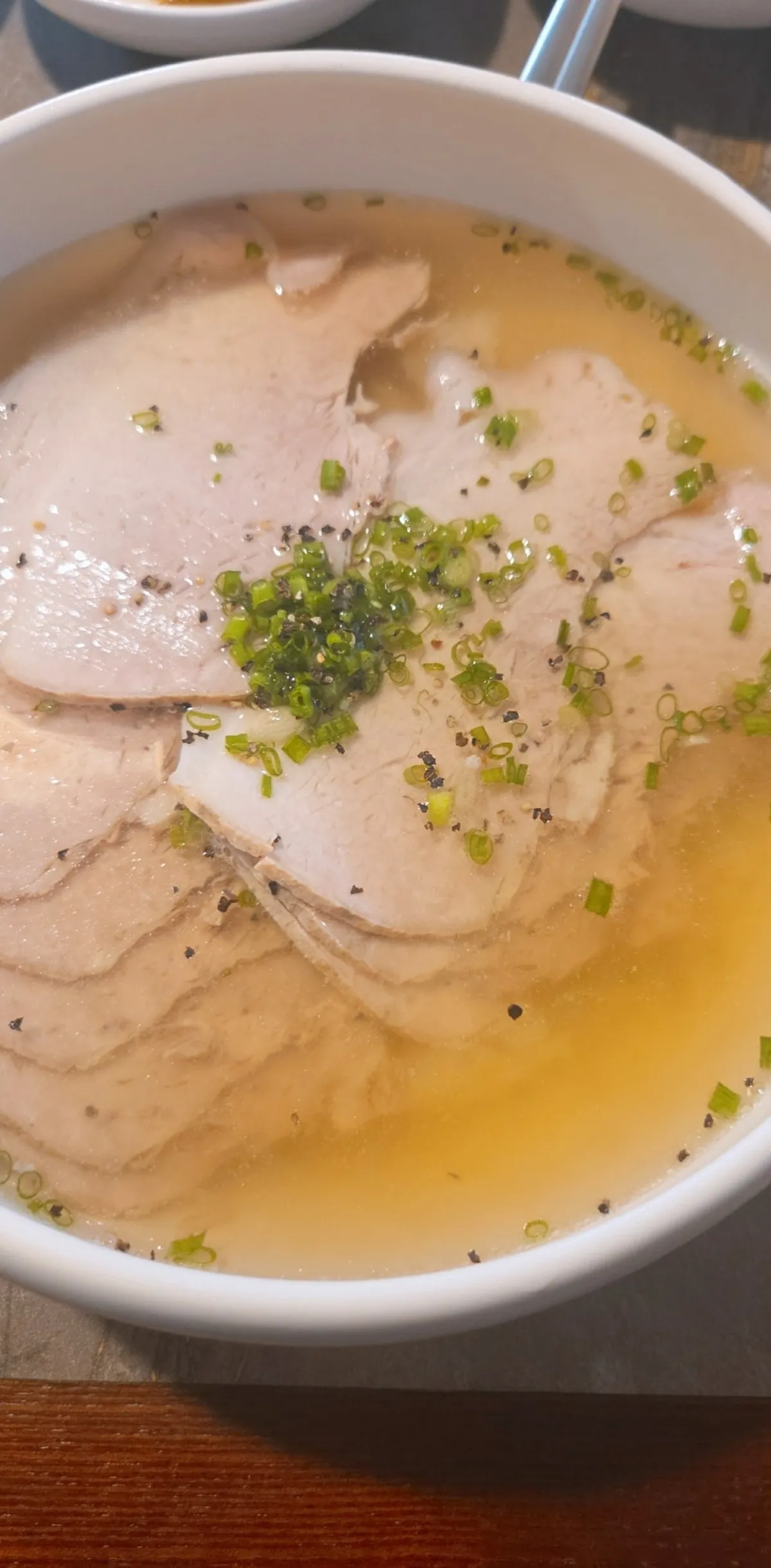
This is the clear pork gomtang. The boiled pork was really delicious.
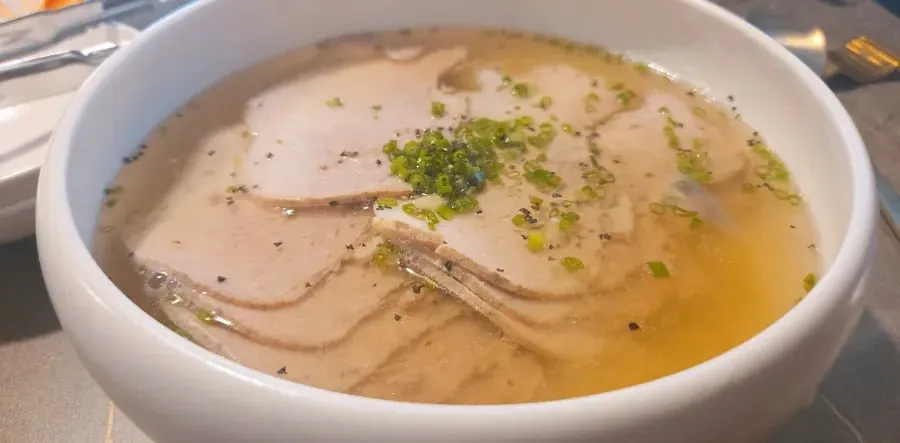
The broth was refreshing and clean.
I thought the gomtang was very well made.
Anok's pork tail jjim: spicy, tender skin and chewy meat
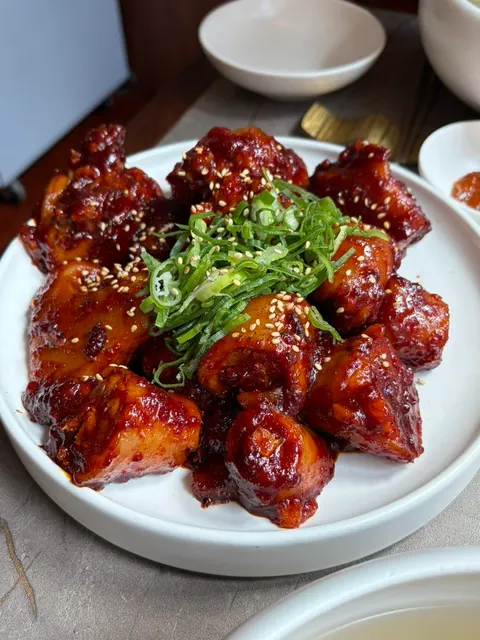
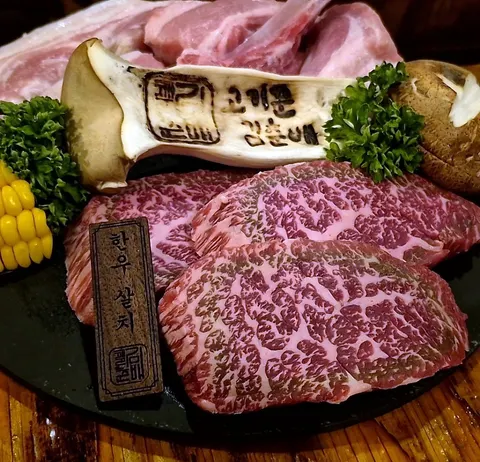
This is the pork tail jjim. Spicy, soft, tender, with chewy meat inside — for someone like me who loves a mix of textures, it was an absolute top-tier dish.
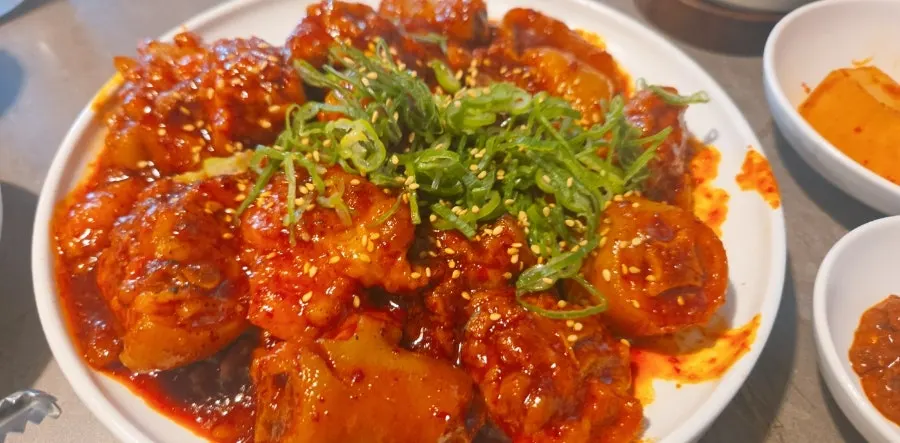
I think I really enjoyed eating it.
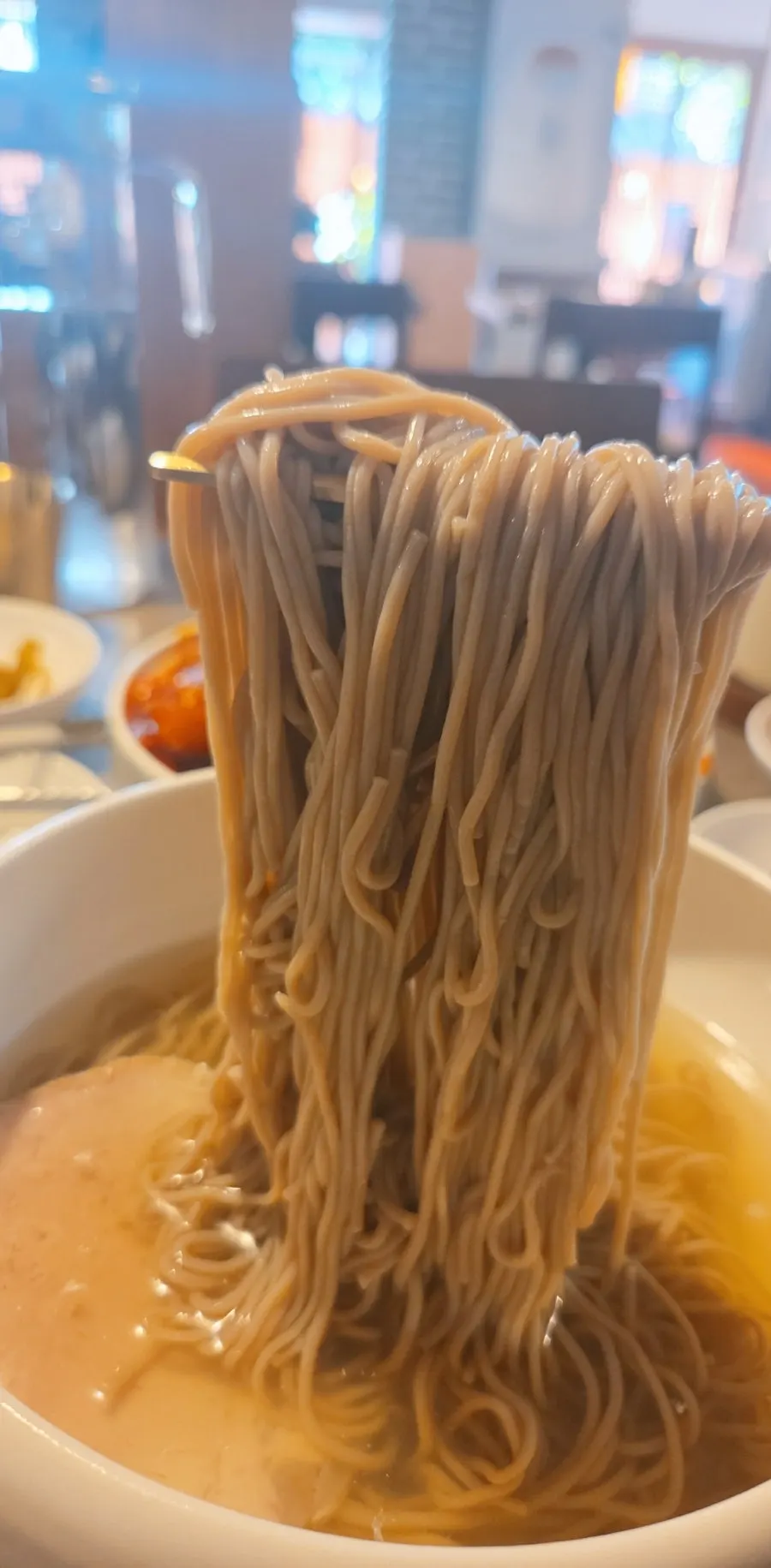
How does Anok's Pyeongyang naengmyeon rate against Seoul's classics?
I had the pyeongyang naengmyeon, and the taste was truly like art. I think I've been to nearly every naengmyeon restaurant out there. Each place has subtly different flavors, and I love savoring those differences — Anok's naengmyeon suited that taste of mine perfectly.
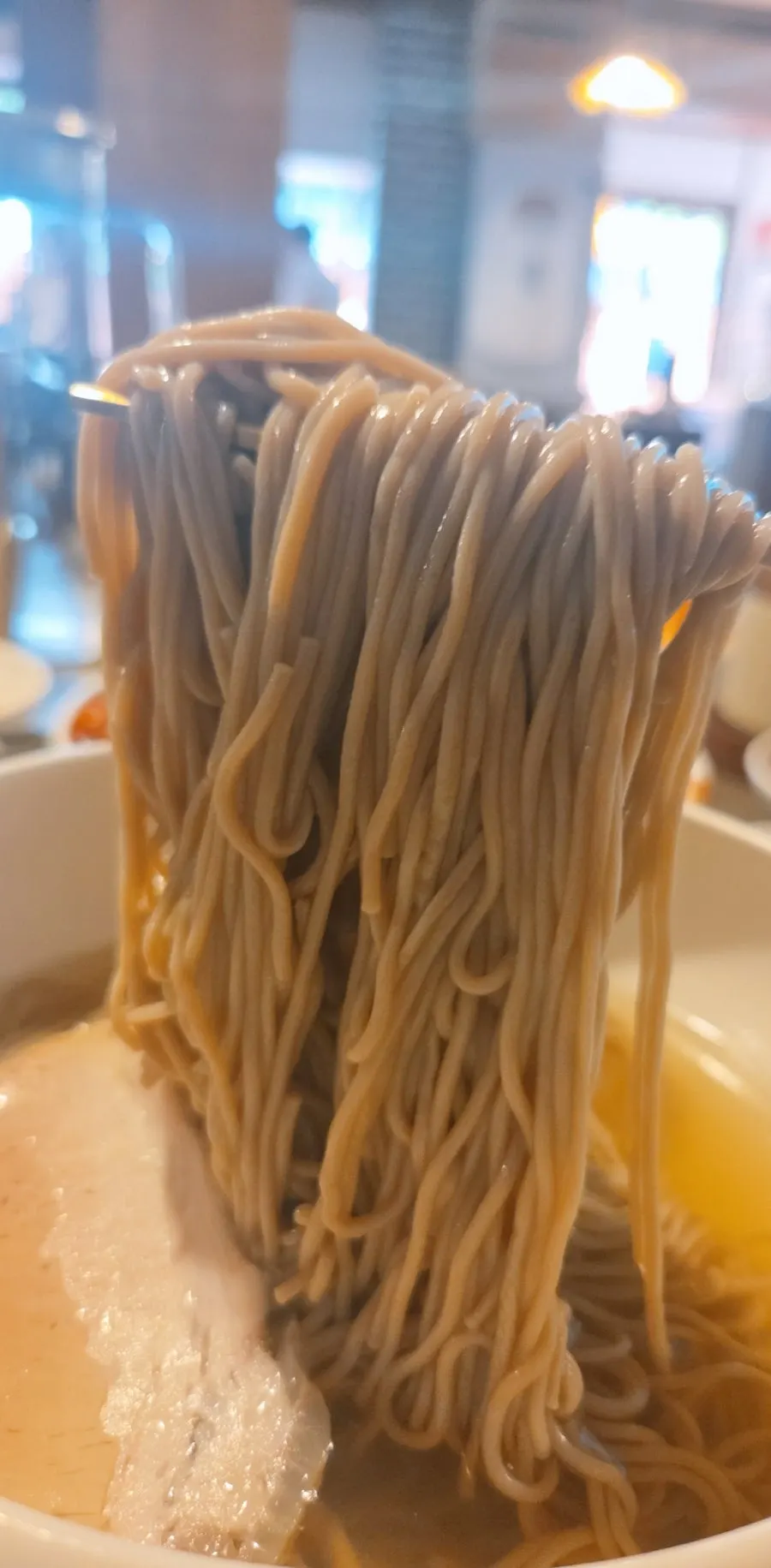
It was so good that I asked for extra broth.
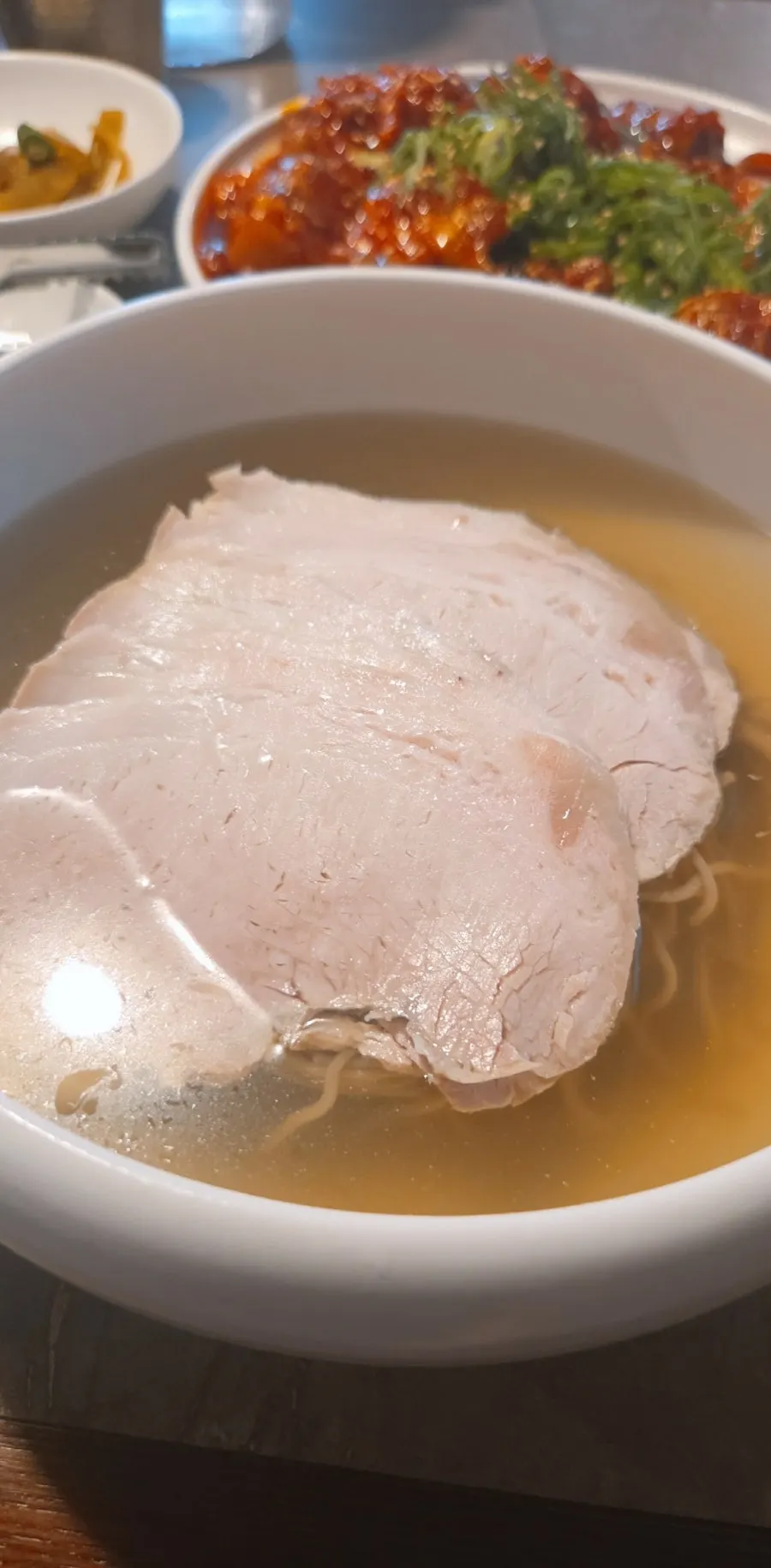
Even the naengmyeon comes with a generous amount of boiled meat on top.
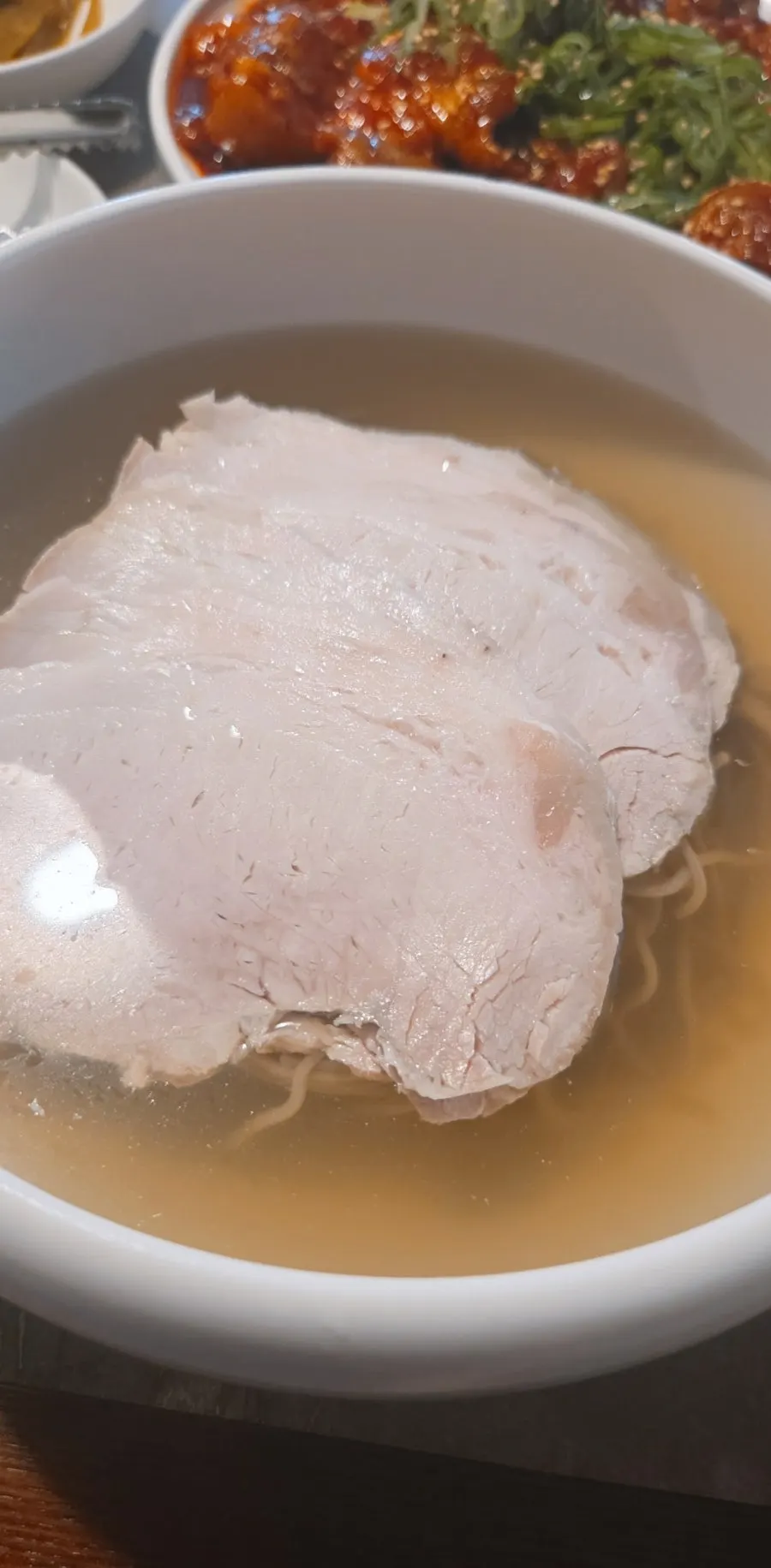
It was so delicious I ate it with genuine admiration!
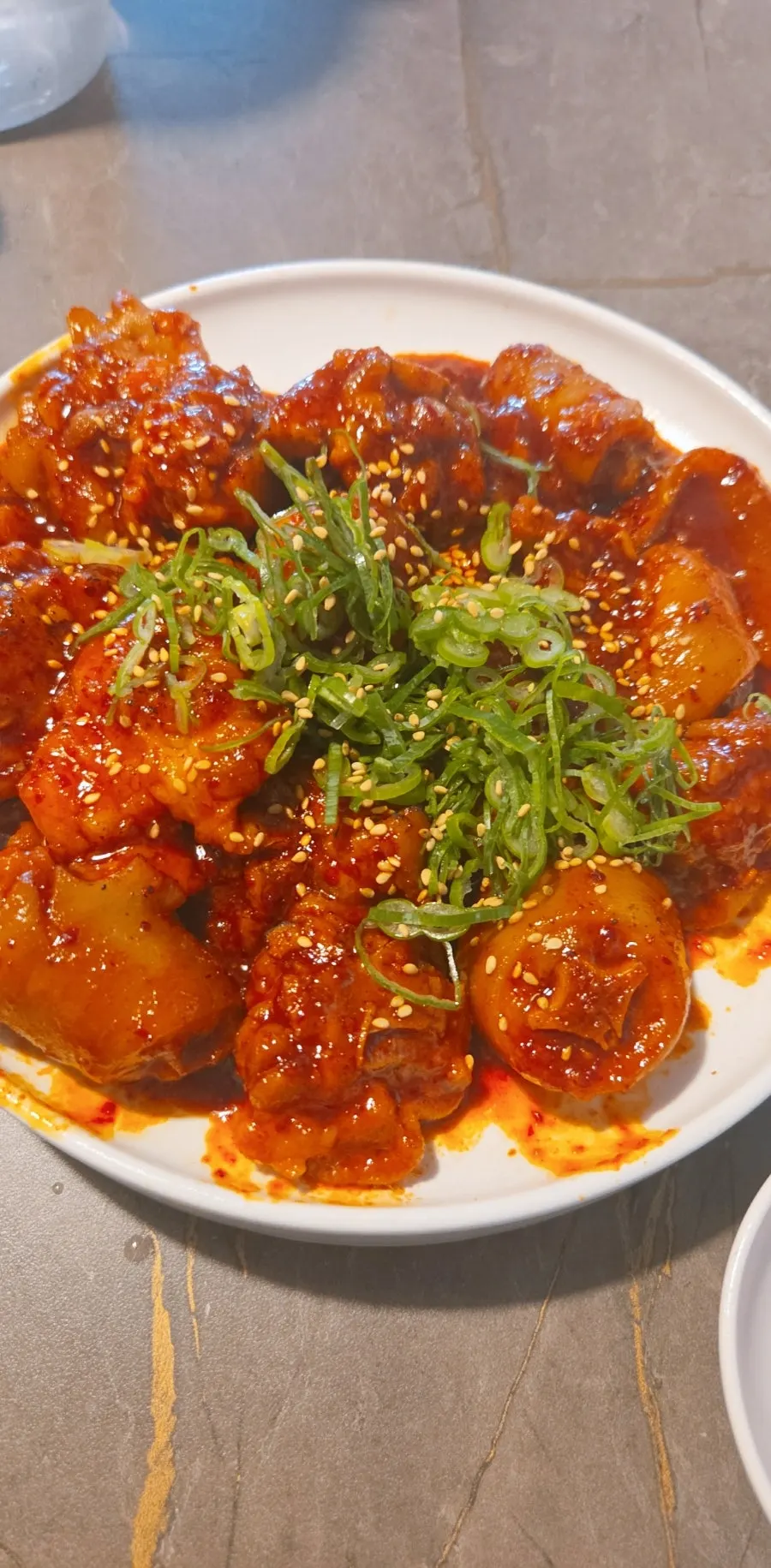
The pork tail jjim also seemed like it would make a great late-night drinking snack.
Why Anok looks set to become a Hongdae hotspot
I really love newly opened restaurants, because the care put into the interior, the food, and the atmosphere is always different. I strongly recommend Anok. I felt grateful and happy to get to experience, ahead of time, a place that seems destined to become a Hongdae hotspot before long.
(Useful info) Where Pyeongyang naengmyeon comes from
Pyeongyang naengmyeon is a regional dish that has been made since the Joseon dynasty, centered on the Pyeongan province area and especially the city of Pyeongyang. It's said to have originated from the custom of eating cold noodles while sitting on the hot floor of an ondol (heated floor) room in the cold northern winters — originally it was a midwinter food, not a midsummer one. The harsh soil and cold climate of Pyeongan province suited buckwheat cultivation, so a noodle culture based on buckwheat developed there, which became the origin of naengmyeon.
After the Korean War, displaced people who came south brought pyeongyang naengmyeon with them, and old, long-running restaurants in Seoul have kept the tradition alive to this day.
What Pyeongyang naengmyeon tastes like
- High-buckwheat noodles: a high proportion of buckwheat flour gives the noodles a texture that breaks apart easily, coarser and nuttier than chewy wheat noodles.
- Mild broth: a clear, mild broth based on beef stock and dongchimi (radish water kimchi) juice, not sharp or strong but with a subtle savory depth. It can taste bland at first, but the deeper flavor grows on you the more you eat.
- Minimal seasoning: unlike hamhung naengmyeon, it uses almost no spicy sauce or strong seasoning, letting the ingredients' natural flavor shine.
Health benefits of buckwheat noodles
- Nutrition from buckwheat: buckwheat is rich in rutin, which can help strengthen capillaries and support healthy blood pressure. It's also high in fiber, which is good for digestion and gut health.
- Low-fat, low-calorie: the mild, non-greasy broth makes it relatively lighter than many other noodle dishes.
- Probiotics from dongchimi broth: when fermented dongchimi juice is used, it contains lactic acid bacteria that can support gut health.
- Protein boost: the sliced boiled beef or boiled egg garnish also adds a good dose of protein.
That said, people with a buckwheat allergy should be careful, and since the broth contains sodium, it's best not to overdo it.