Hongdae hanok restaurant with landscape paintings and gomtang: Anok
In short
Anok is a hanok Korean restaurant tucked up an alley near Hongik University Station in Mapo, Seoul. Landscape and bird-and-flower paintings hang in the wooden interior, and the writer ordered clear pork gomtang, whose rice is warmed in the broth (torim) before serving, Pyongyang naengmyeon and pork tail jjim, eating them in order from the mildest broth to the boldest seasoning. Anok is worth remembering when you want a quiet, unhurried Korean meal in Hongdae.
Good to know
- Address
- 1F, 13-4 Hongik-ro, Mapo-gu, Seoul (about a 7-minute walk from Hongik Univ. Station Exit 9)
- Hours
- Daily 11:00–22:00, last order 21:00
- Closed
- Every Monday
- Dishes ordered
- Clear pork gomtang, Pyongyang naengmyeon, pork tail jjim
- Side dishes
- Napa cabbage kimchi, kkakdugi (radish kimchi), gungchae (lettuce stem), seasoning sauce
- Parking
- Nearby public parking lot
- Reservations
- Accepted
as written by the visitor on Sep 16, 2026
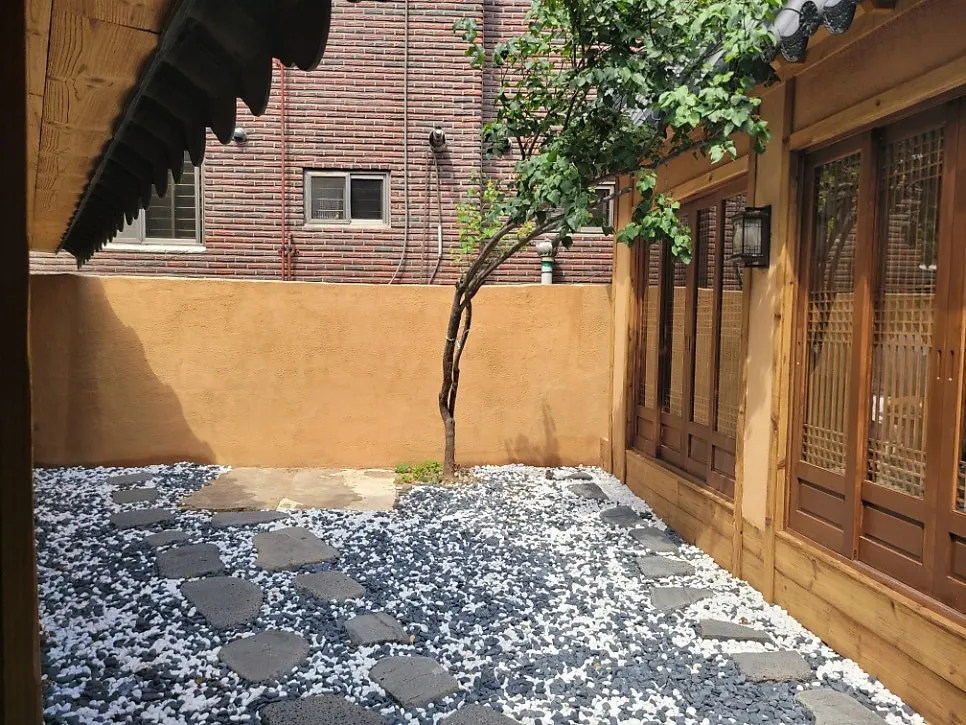
Today I visited Anok (안옥) for a Korean meal tucked into an alley in Hongdae. Standing in front of the gate, the impression isn't so much 'restaurant' as 'being invited into a hanok.' With its tiled roof, wooden gate, and a small courtyard laid with white gravel, it's a place whose atmosphere is clearly different from most Hongdae restaurants. We ordered three dishes: clear pork gomtang, Pyongyang naengmyeon, and pork tail jjim.
A hanok hidden up a Hongdae alley
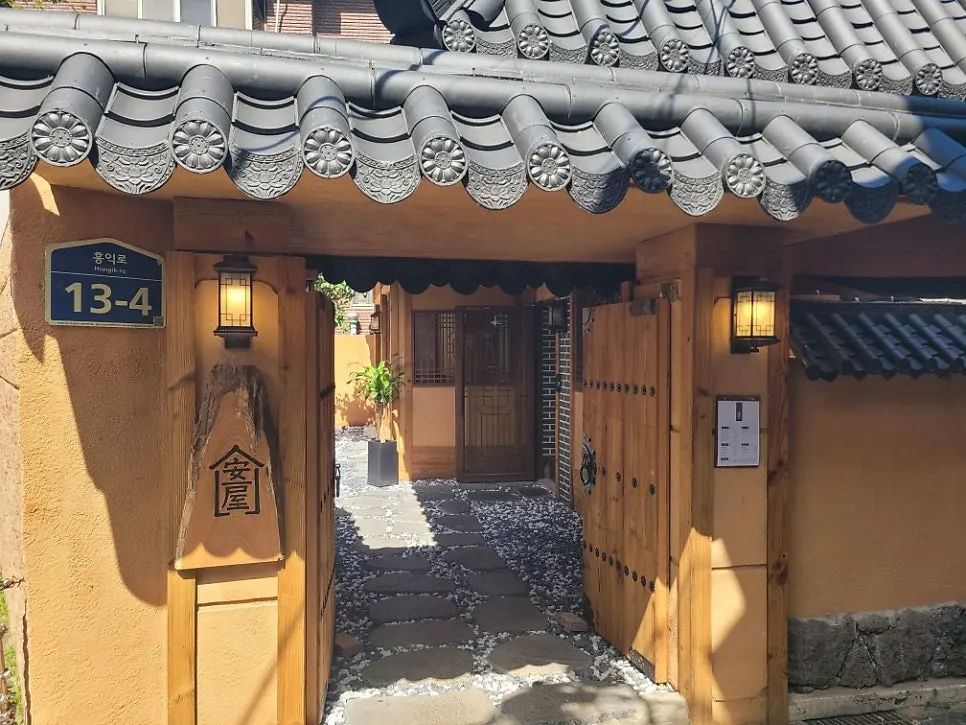
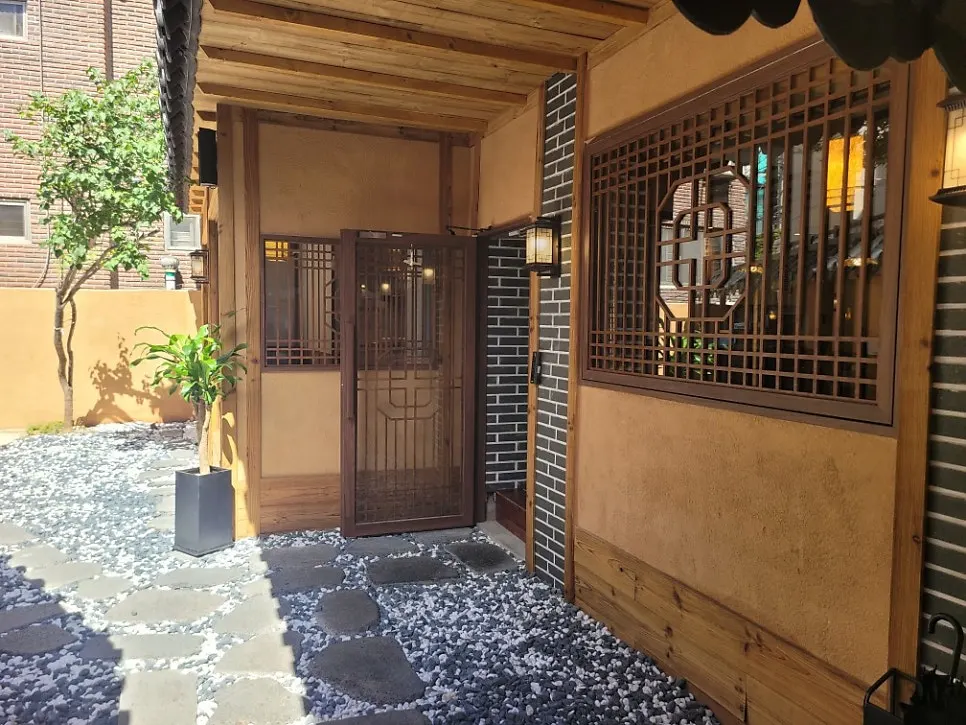
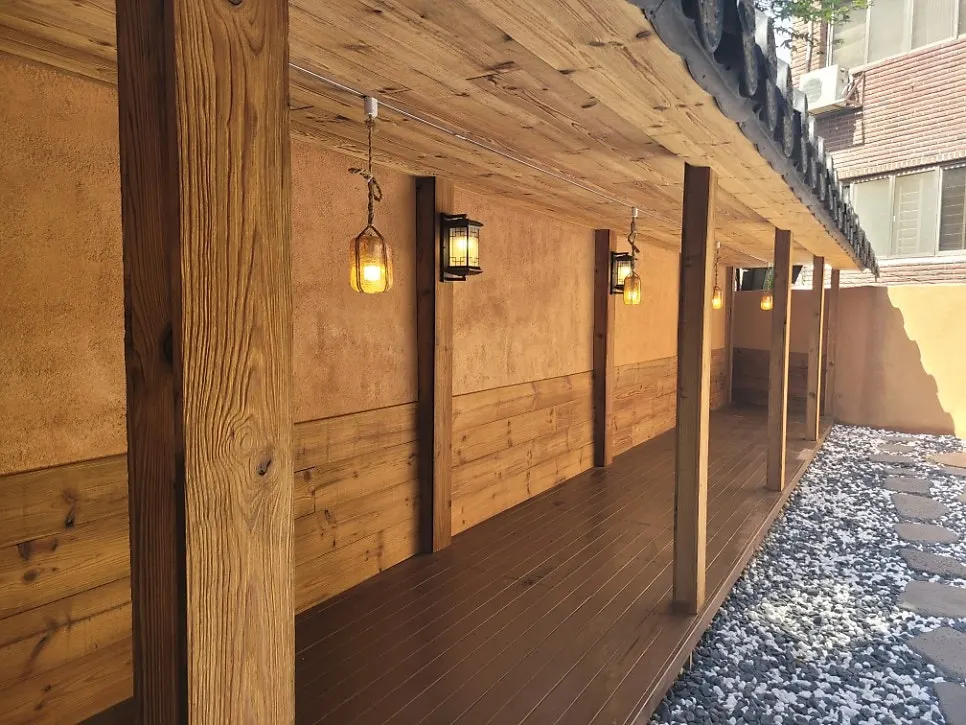
Once you pass through the gate, stone paths, wooden eaves, and traditional lattice windows flow naturally into one another at Anok. The sunlit courtyard felt even calmer in person than in photos, and the short walk from the entrance to the interior felt like an experience in itself.
Many Hongdae restaurants go for a bright, casual look, but Anok is a bit different in tone. It keeps the atmosphere of an old hanok intact while still feeling put-together overall, which makes it a good fit for lunch or a quiet get-together.
Inside Anok: wood, landscape paintings and bird-and-flower art
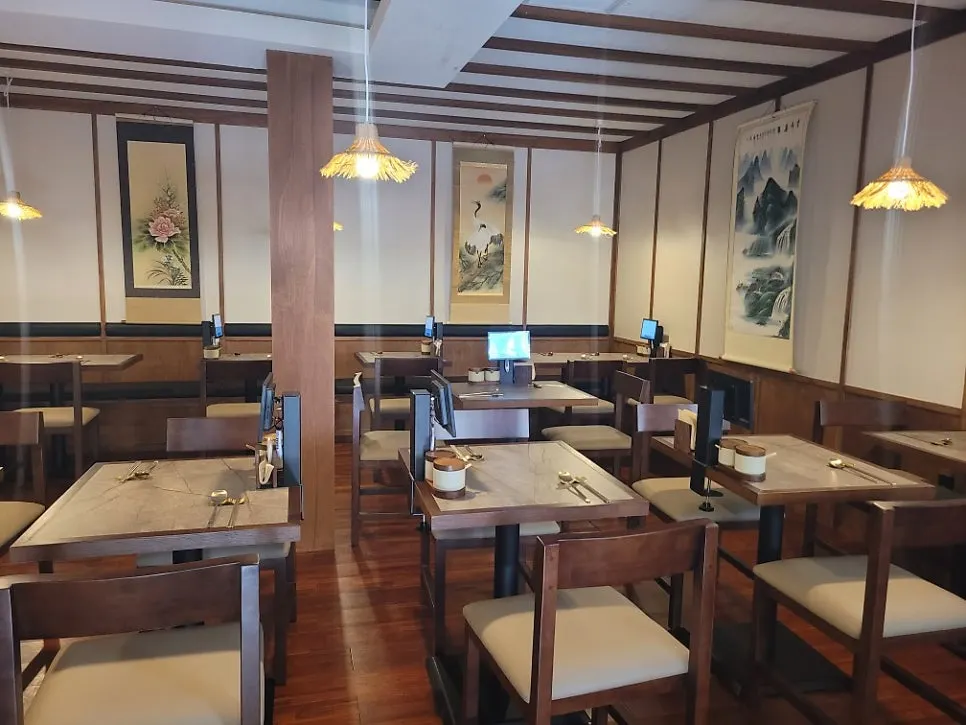
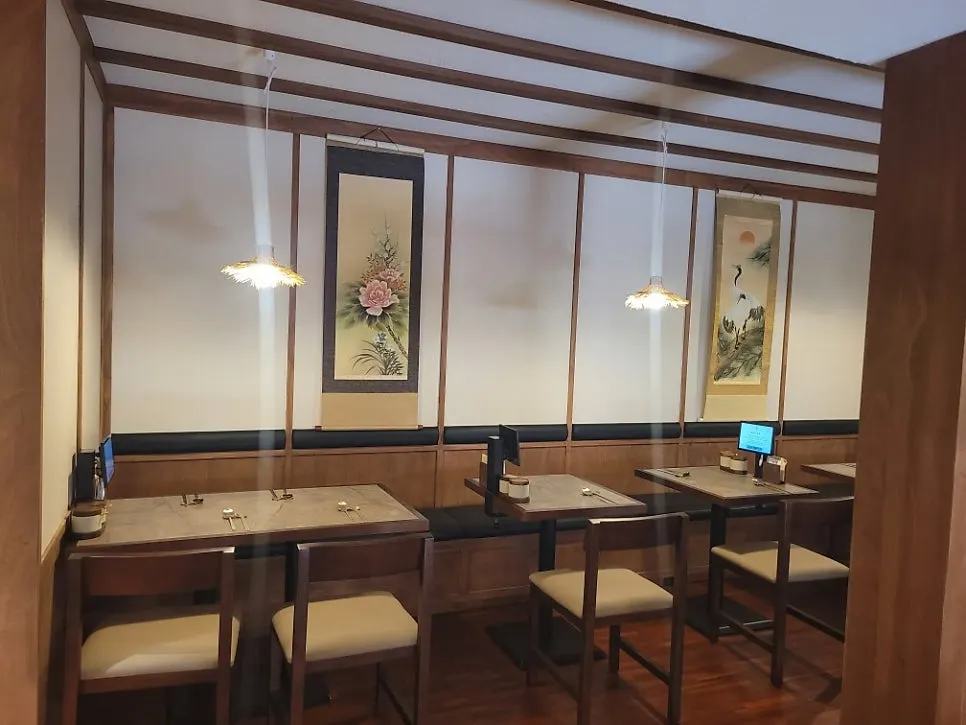
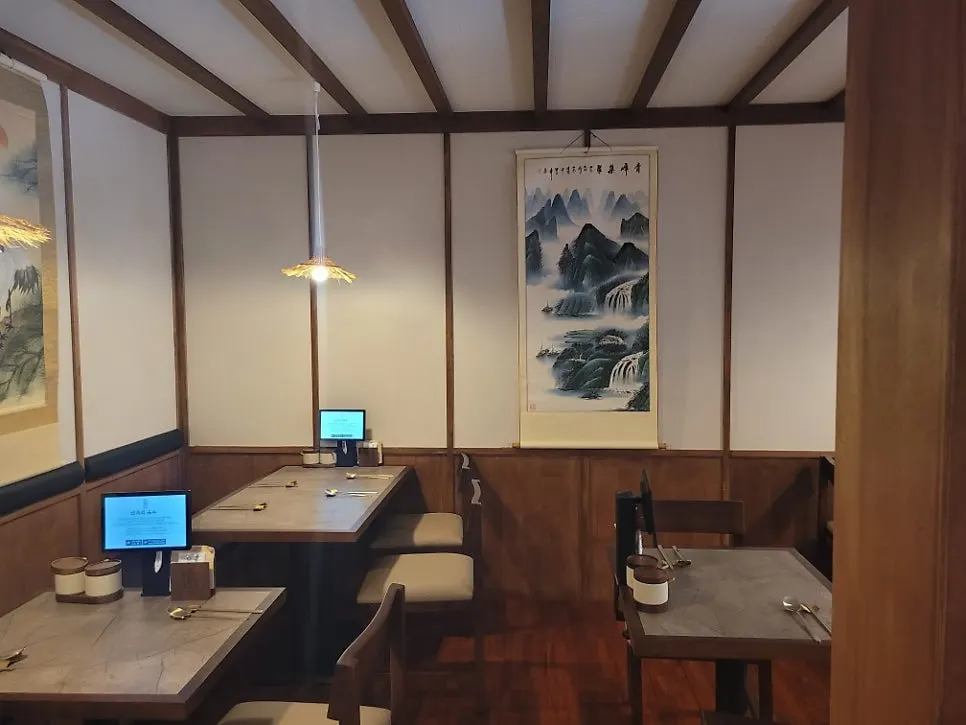
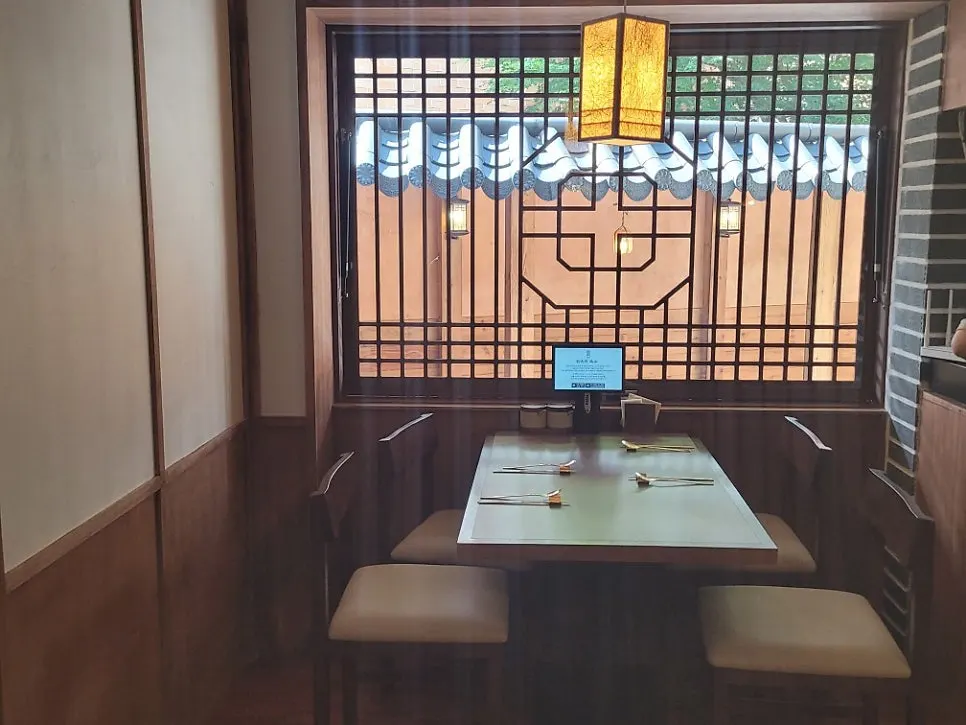
Anok's interior centers on dark wood tables and chairs, with landscape paintings (sansuhwa) and bird-and-flower paintings (hwajodo) hanging on the walls. The lighting doesn't spread brightly across the room but softly lights up each table, keeping the space calm.
The tables aren't packed tightly together, which made conversation easy, and it didn't look like a stressful spot for a solo visit either. I liked that the mood carries through from the hanok exterior into the actual dining space, rather than the hanok look being just for show. It's worth checking hours or waits before you go, and avoiding peak times should let you enjoy the space more comfortably.
Anok's side dishes: gungchae and seasoning sauce
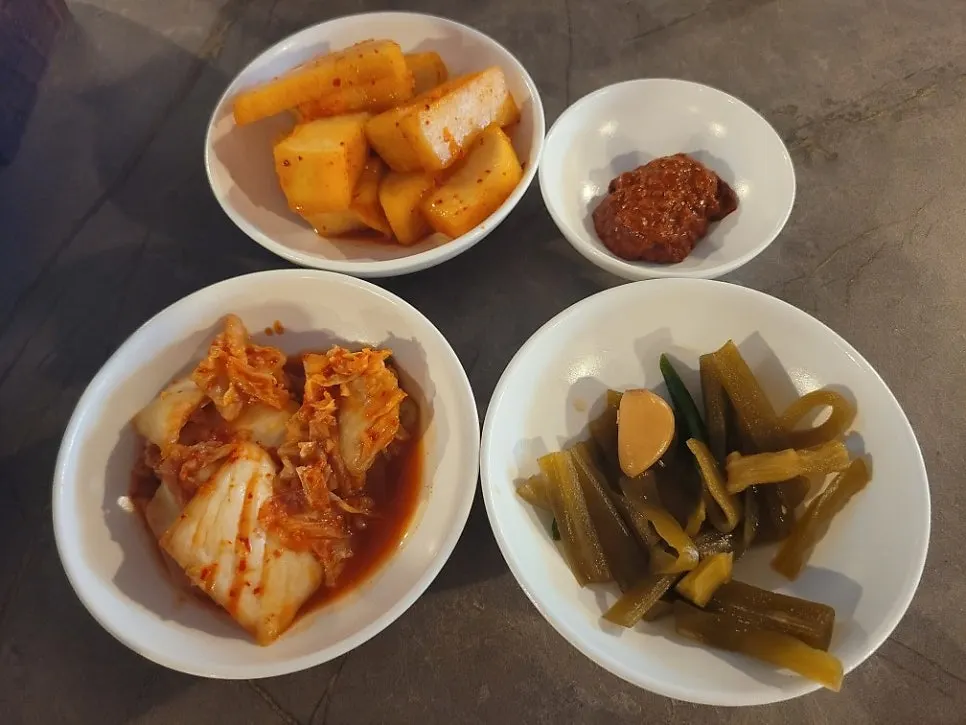
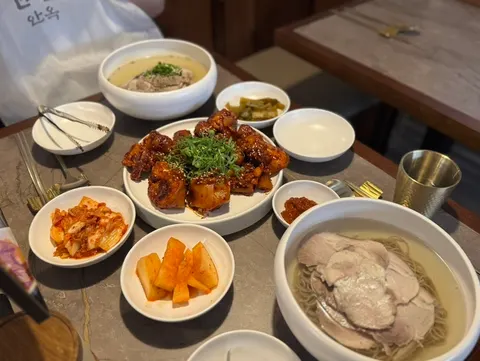
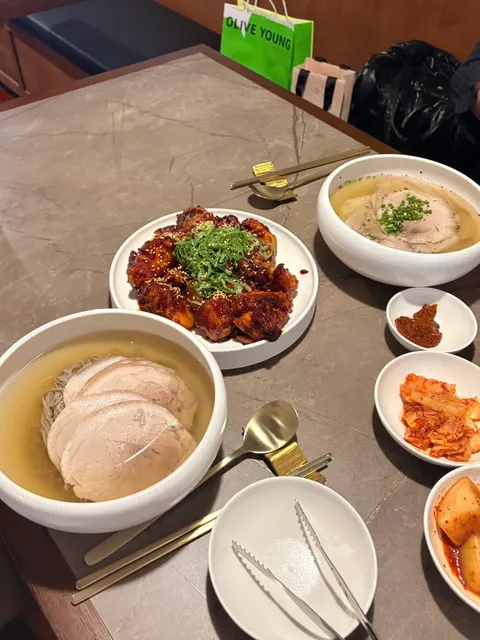
Once you order at Anok, napa cabbage kimchi, kkakdugi (diced radish kimchi), gungchae (a seasoned vegetable side), and a seasoned sauce arrive. The side dishes aren't complicated, so they don't get in the way of the main dish's flavor.
Gungchae in particular has a crunchy texture and a salty-yet-refreshing taste that's good for clearing the palate after eating meat, while the kimchi pairs well with the soup dishes.
Clear pork gomtang with rice warmed in the broth
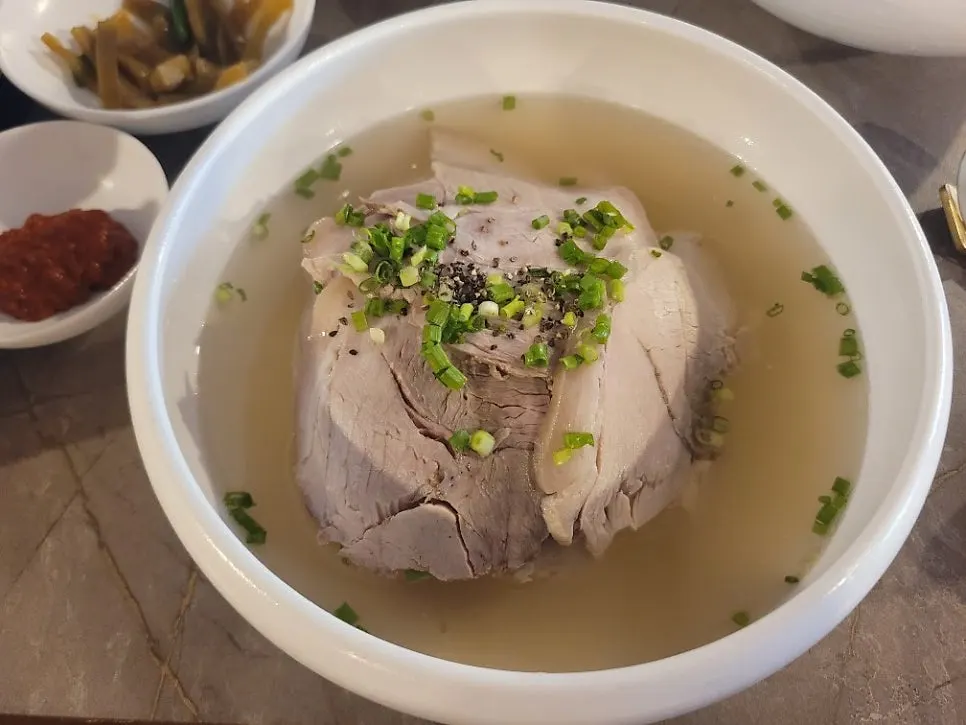
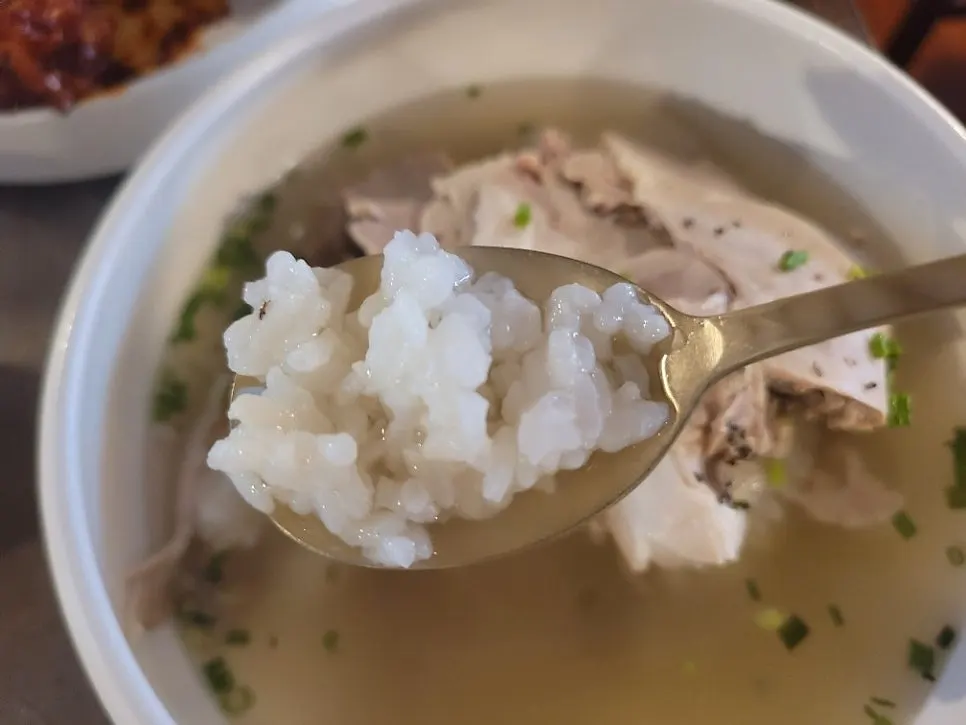
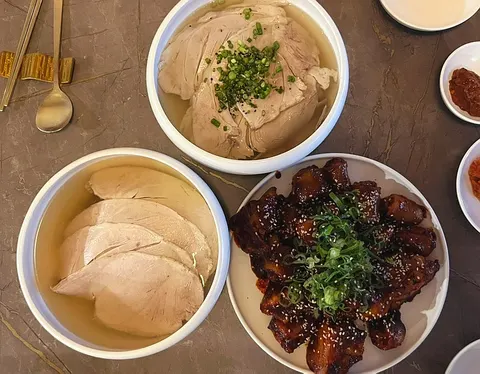
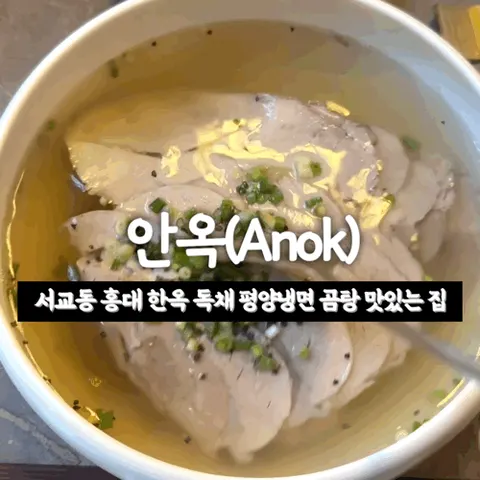
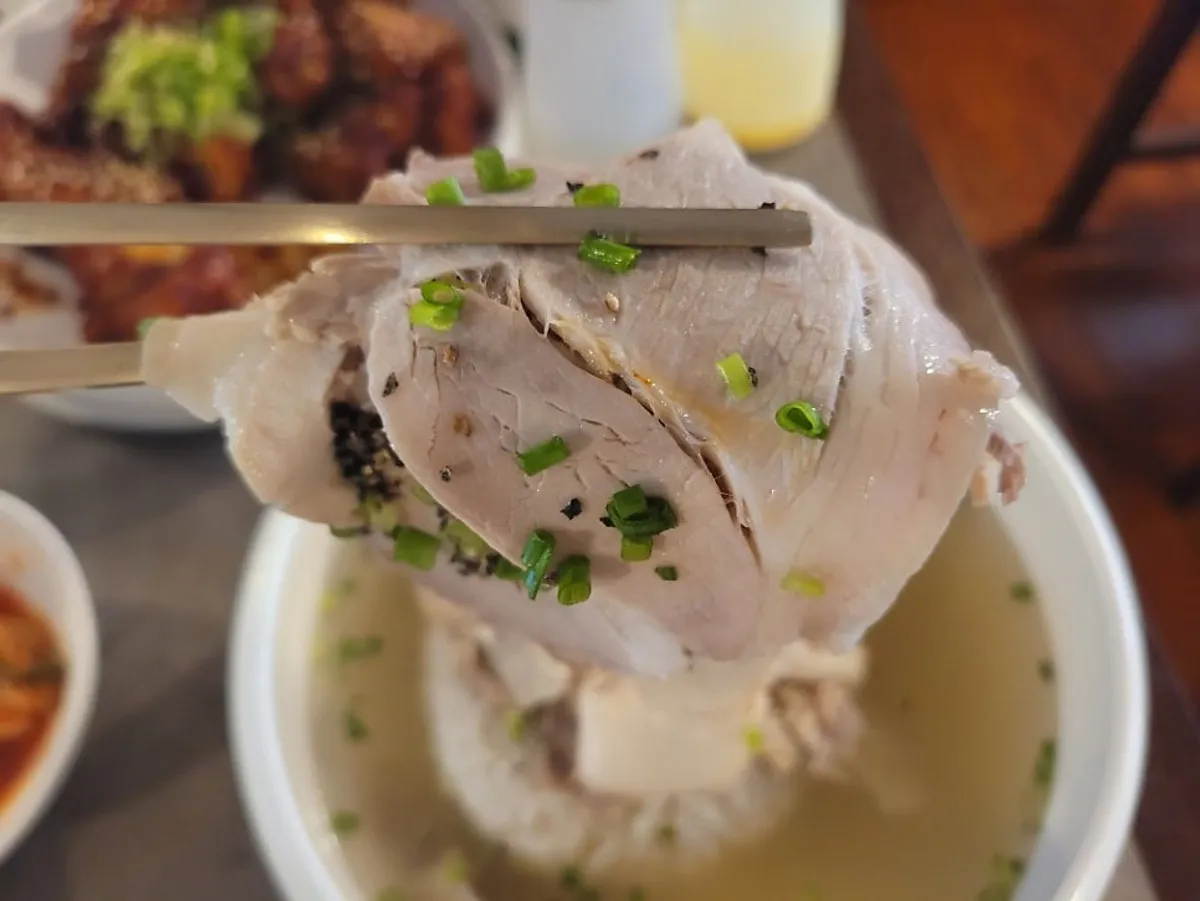
The first dish to arrive, Anok's clear pork gomtang (pork bone soup), shows its broth's clarity even in a photo. Several thin, wide slices of pork sit on top, along with a simple scattering of chopped scallion and pepper.
Rather than pushing the flavor with heavy seasoning, the broth calmly shows off the umami that comes from the pork itself. The thinly sliced meat goes down smoothly, and the fattier parts add a nutty richness. The rice comes torem-style — poured into and warmed by the broth — which makes the whole bowl feel even more comforting, a good fit for lunch.
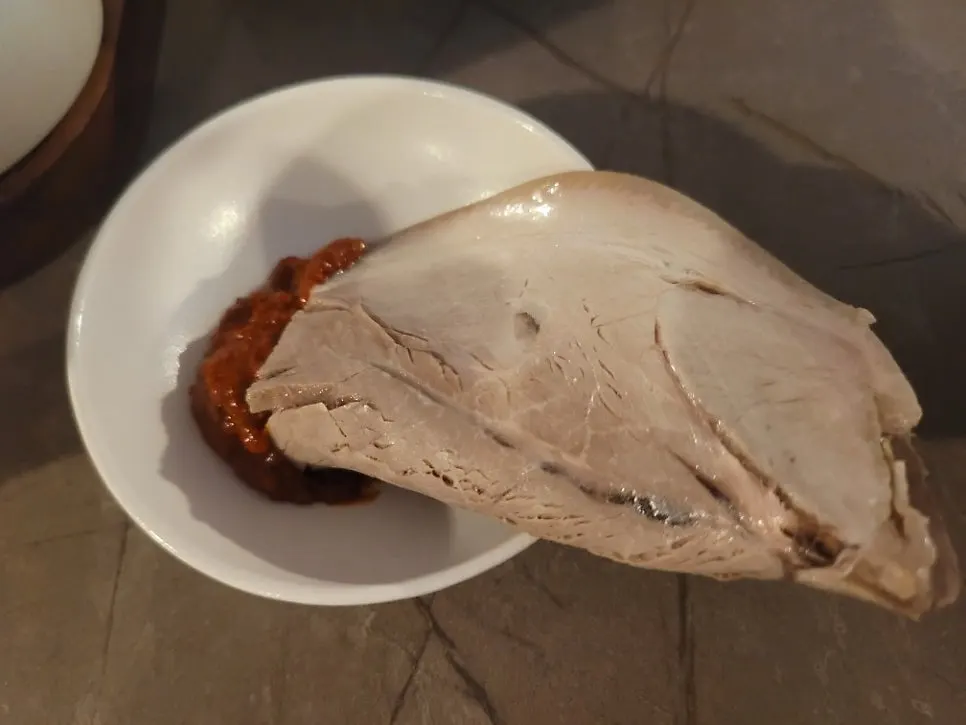
Adding a little of the accompanying seasoned sauce to the meat brings a spicy accent to the mild broth. If you're looking for a not-too-intense soup dish among Hongdae restaurants, this bowl should be satisfying.
Pyongyang naengmyeon topped with thick-cut pork
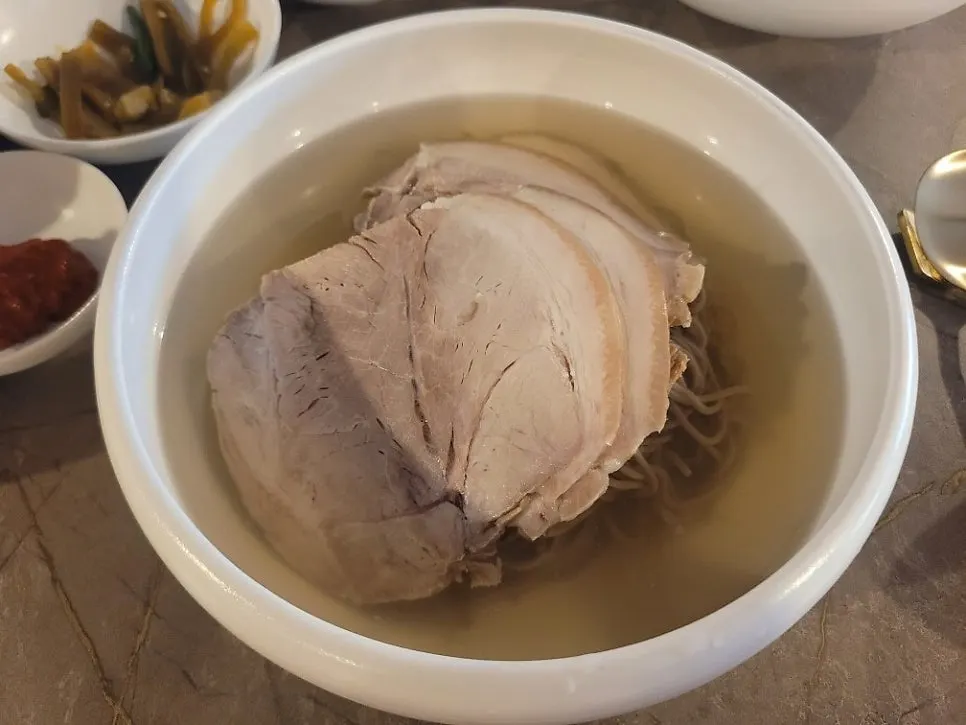
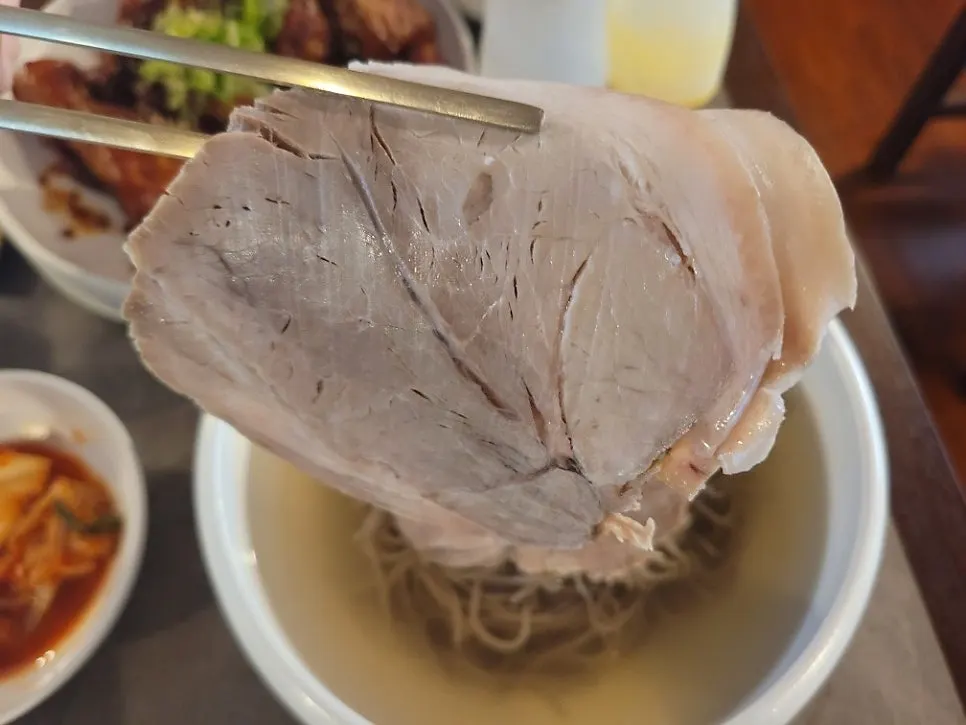
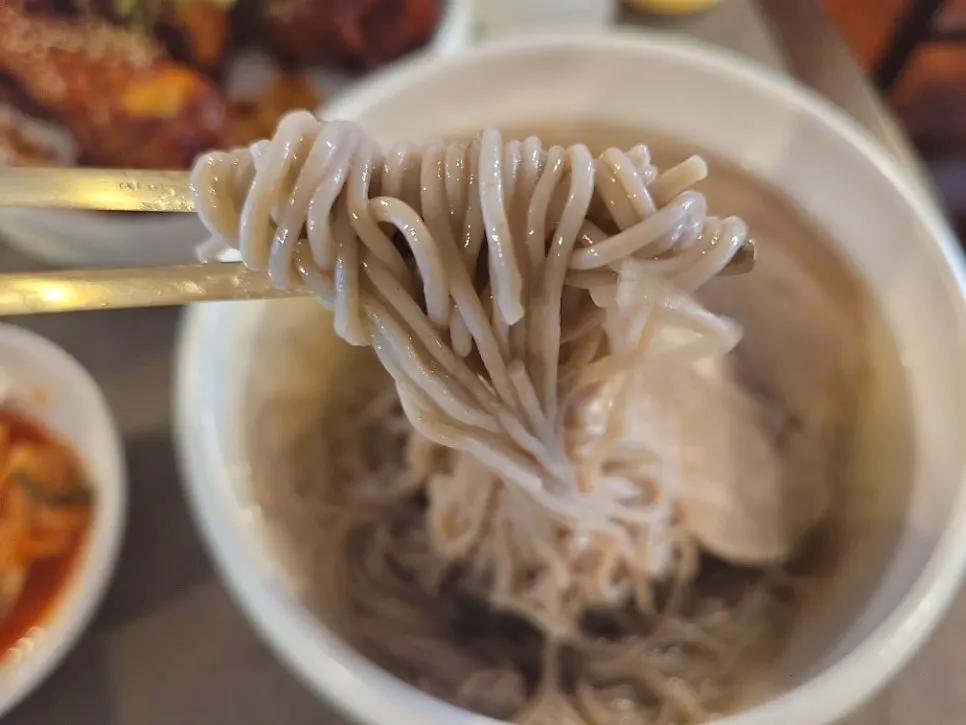
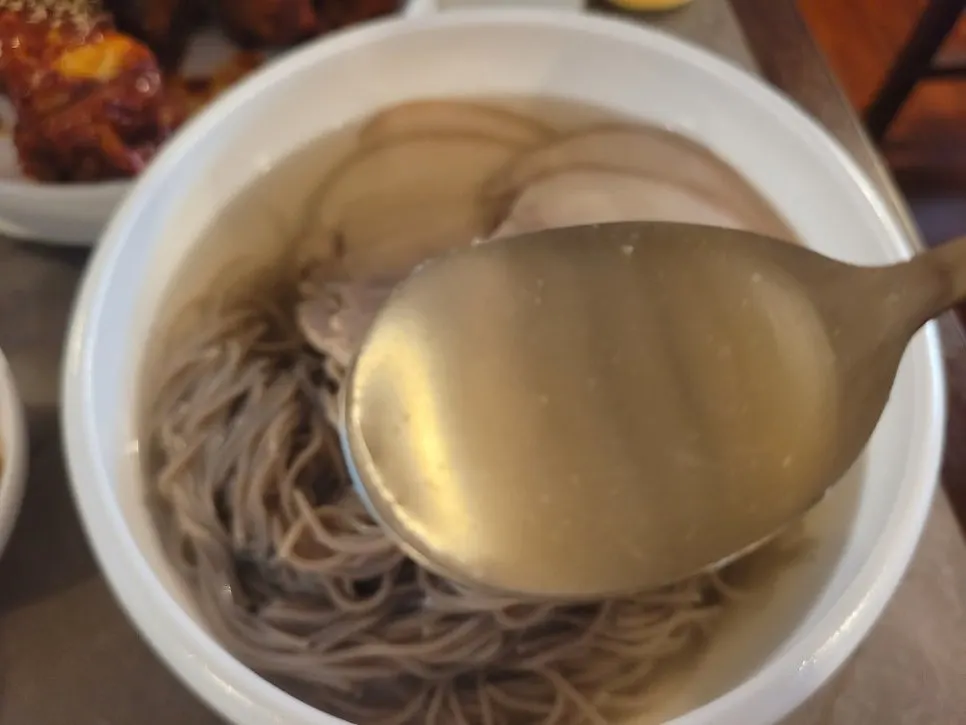
Anok's Pyongyang naengmyeon (cold buckwheat noodles) came in a wide bowl, with clear broth, noodles, and a generous garnish of chunky pork looking quite appetizing. I tasted the broth first — instead of strong sweetness or sourness, it leans mild and calm, giving a clean first impression.
The noodles aren't overly chewy and break apart softly; eaten with the meat, they naturally pick up a bit of meaty aroma. The thick-cut pork in particular is piled on generously, so this doesn't feel like 'just noodles' but a full, satisfying meal.
Adding kimchi or pickles partway through shifts the flavor once, and then you find yourself reaching for the broth again. If you like this kind of mild noodle flavor, the appeal grows the more slowly you eat it.
Pork tail jjim in bold, rich seasoning
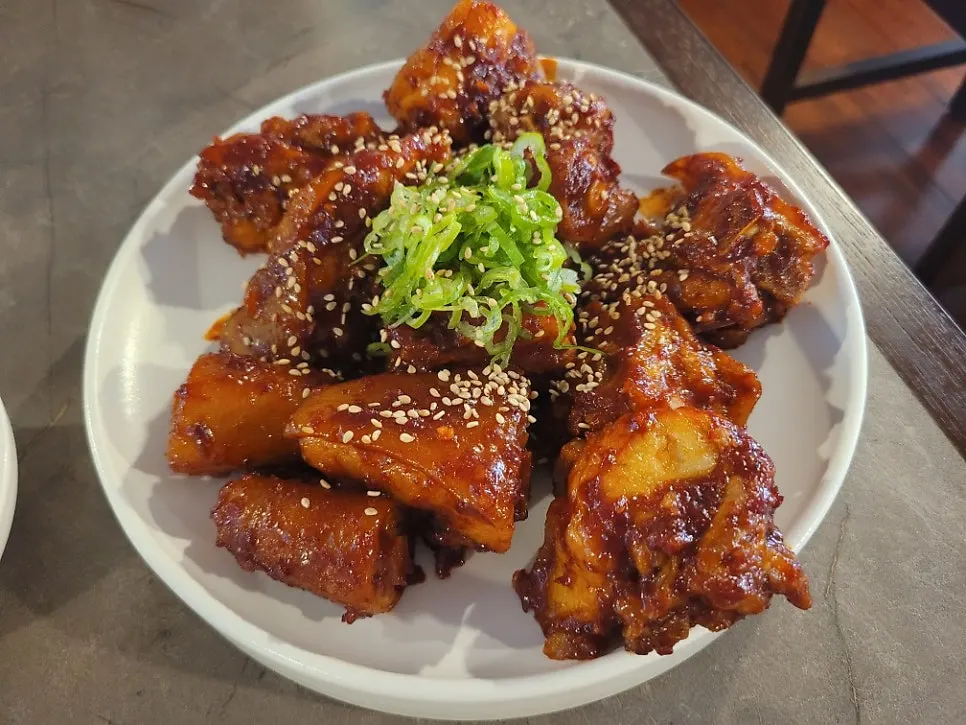
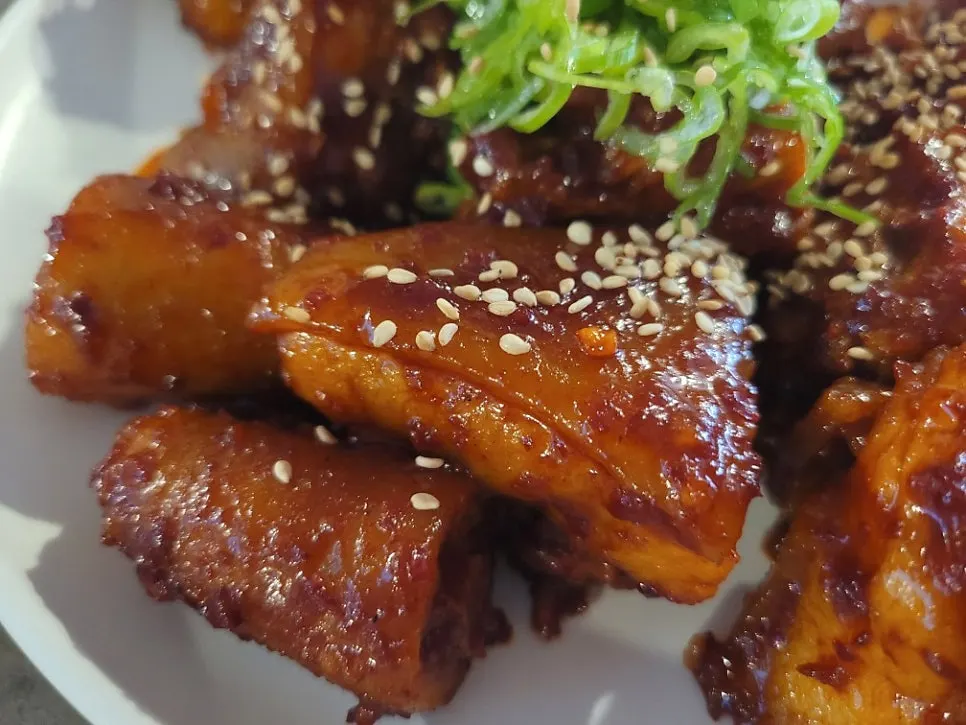
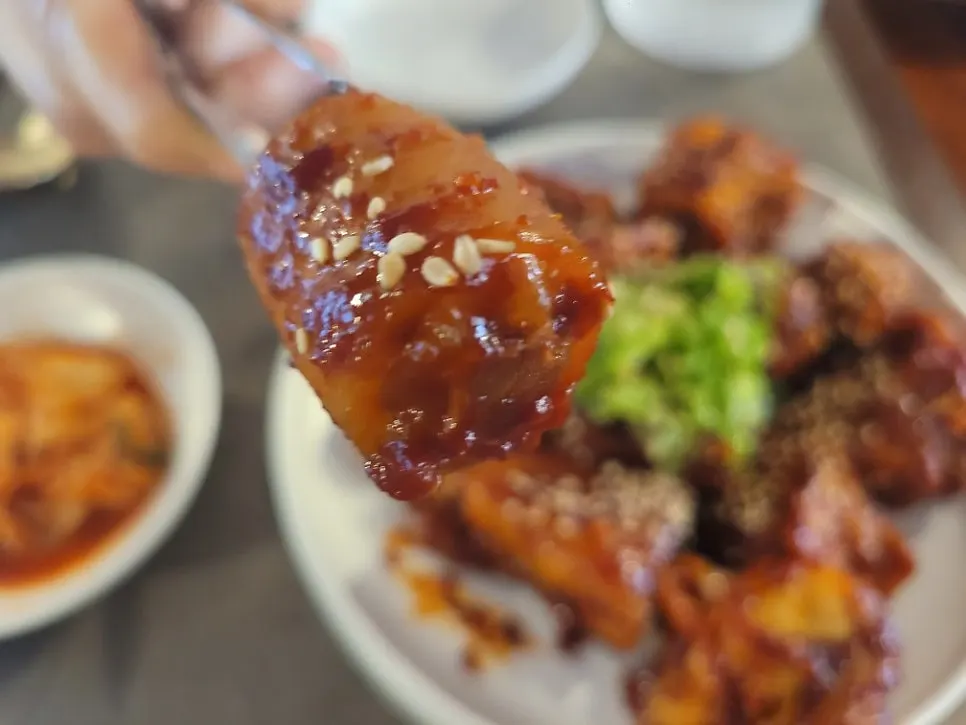
The third dish was pork tail jjim (braised pork tail). Large-cut pieces of pork tail are evenly coated in a glossy red sauce, topped with sesame seeds and scallion.
If the first two dishes were mild, this one is clearly rich. With meat, skin, and cartilage all in one bite, the texture shifts several times within a single piece. The seasoning centers on a sweet-and-spicy flavor that keeps you reaching for more, and if you like chewy cuts, this will be especially satisfying. If there are two of you, it's a good idea to order this alongside a soup dish and share.
How the three dishes eat together as one meal
Ordering clear broth, cold noodles, and a rich braised dish together at Anok made the meal flow naturally. The gomtang is a comfortable way to start, the Pyongyang naengmyeon resets the palate midway, and the pork tail jjim leaves a strong final impression. Alternating between the three, none of the flavors overlapped, so I never got tired of eating even by the end.
The space suits the food well too. Thanks to the hanok's wood tones, low lighting, and calm table setup, this is a place better suited to taking your time than to eating quickly and leaving. If you're looking for a calmer Korean dining space among Hongdae restaurants rather than a loud, flashy one, Anok is worth remembering. Each dish has a clear personality, yet the overall flavor direction isn't overly intense — I'd like to come back and try other dishes too.
Anok location, hours, parking and reservations
- Address: 1F, 13-4 Hongik-ro, Mapo-gu, Seoul (about 7 min walk from Hongik Univ. Station Exit 9)
- Hours: Daily 11:00–22:00 (closed every Monday, last order 21:00)
- Parking: Nearby public parking lot
- Reservations: Available