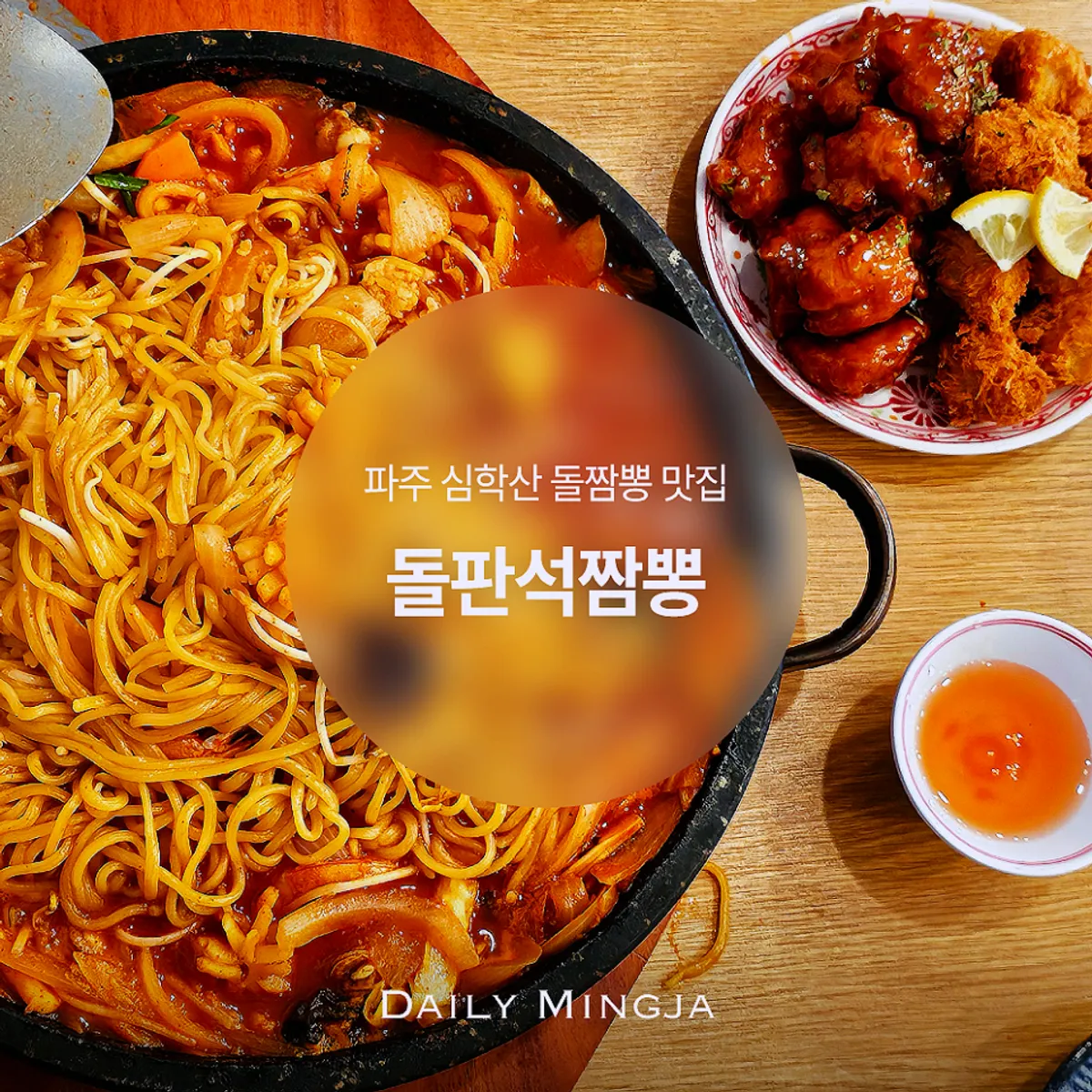
Paju Chinese restaurant, large stone-plate jjamppong for three
In short
Dolpanseok Jjamppong Paju Simhaksan Branch is a stone-plate jjamppong (spicy noodle soup) and jjajang (black bean noodle) restaurant behind Simhaksan mountain in Paju, Gyeonggi. Three adults, including the writer's mother, ordered the large nurungji (scorched rice) stone-plate jjamppong and the donchi-tang set of pork cutlet and chicken, and the heat of the stone plate cooked the broth down until it tasted close to stir-fried jjamppong, with the scorched rice at the bottom scraped clean. The flavor is spicy, sweet and salty, so it can feel strong if you prefer mild food, but the nurungji stone-plate jjamppong at Dolpanseok is worth one order if you visit Simhaksan.
Good to know
- Menu ordered
- Large nurungji stone-plate jjamppong + donchi-tang set
- Portion guide
- Medium suits 2 people, large suits 3–4
- Self-serve bar
- Danmuji (pickled radish), onions and other basic side dishes; free unlimited rice refills
- Parking
- Standalone building with a wide front yard and plenty of parking space
- Groups
- Venue rental and group reservations available
- Dessert
- Rice crackers and Yakult provided
- With children
- Microwave available for warming baby food
- Donchi-tang
- Prepped the same day and cooked to order, sold in limited quantity
as written by the visitor on Sep 14, 2026
An honest review of Dolpanseok Jjamppong, a restaurant I finally visited near Simhaksan in Paju. It's a Chinese restaurant, but what if you paired it not with sweet and sour pork but with chicken and pork cutlet instead? Here's my real review of stone-plate jjamppong (spicy noodle soup) that stays hot and delicious from the first bite to the last.
Spicy, salty, sweet — all three addictive flavors in one meal. What if you paired Chinese food not with sweet and sour pork but with pork cutlet and chicken instead? That's the appeal of stone-plate jjamppong, which never cools down while you eat.
What kind of place is Dolpanseok Jjamppong near Simhaksan in Paju?
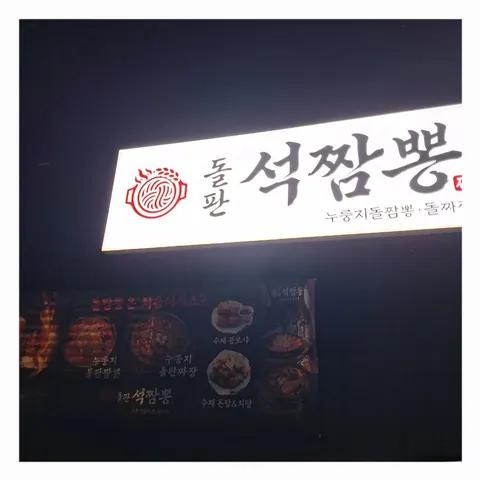
Dolpanseok Jjamppong Paju Simhaksan Branch is a stone-plate jjamppong and jjajang (black bean noodle) restaurant located behind Simhaksan, near the back side of Unjeong. This neighborhood has quite a few hidden gem restaurants, and lately I've been going around discovering these Simhaksan spots since I live nearby. The stone-plate jjamppong place I visited today was distinctive and appealing overall, so I wanted to write about it!
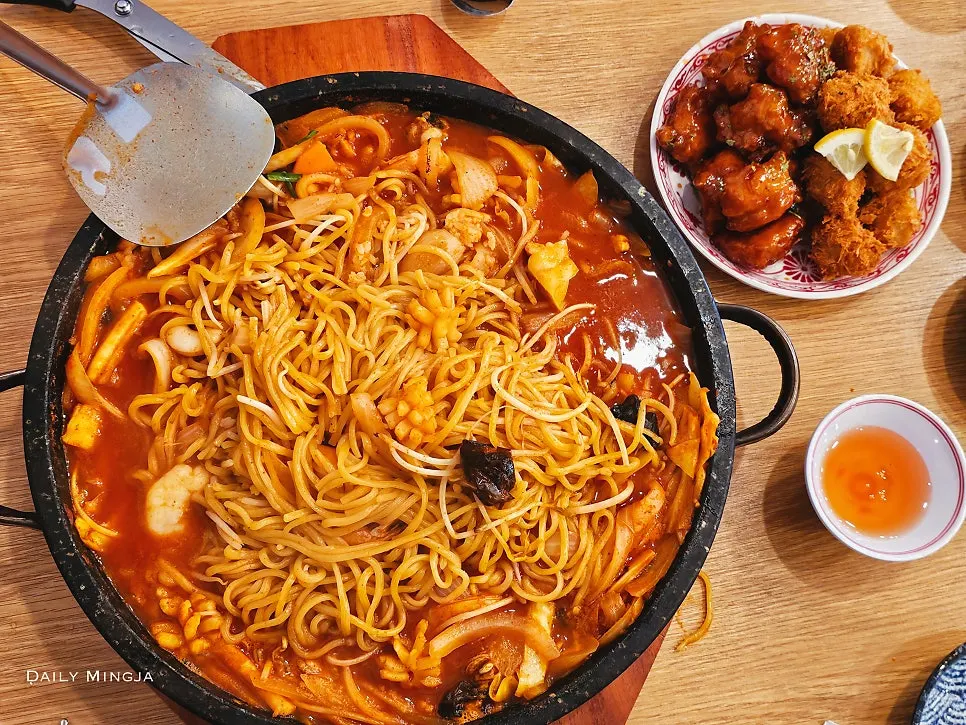
First, let me share some mouthwatering food photos. This is the legendary visual of stone-plate jjamppong that stays hot until the very end!
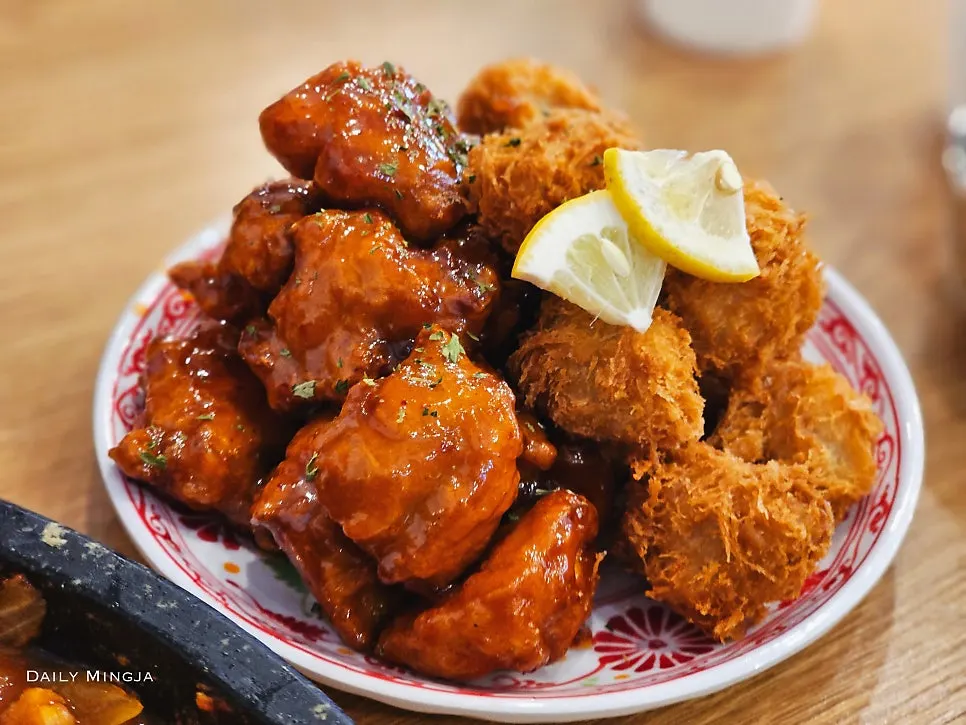
Usually with Chinese menu items like jjamppong and jjajang, the side dish of choice is sweet and sour pork. But at Dolpanseok Jjamppong, this Paju Simhaksan restaurant, you can get sweet and sour-style dishes made with seasoned chicken and pork cutlet instead.
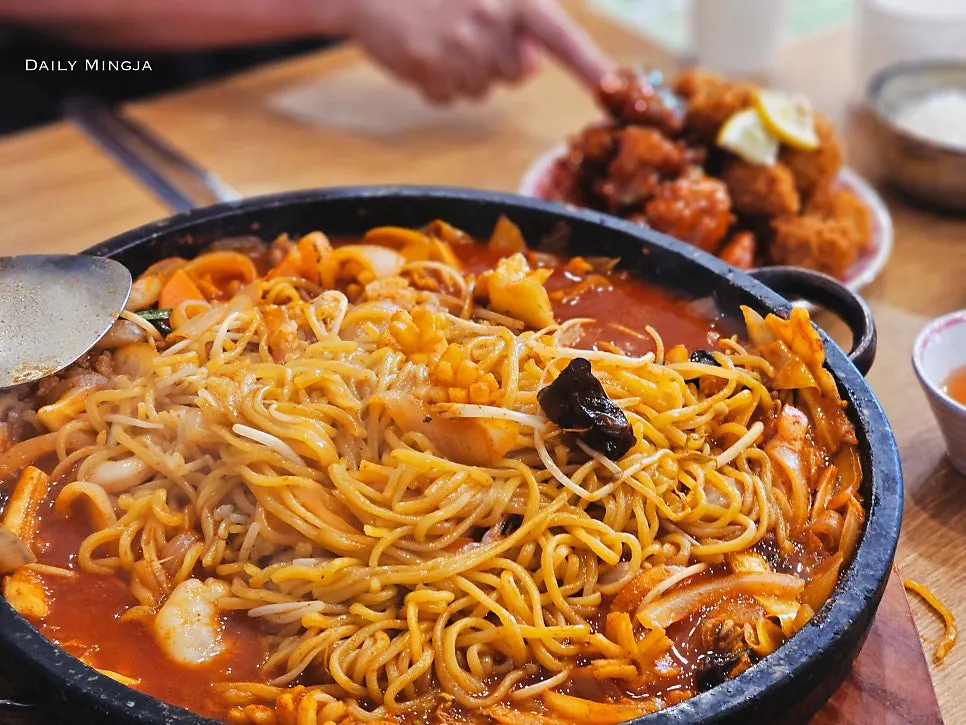
Let's dig into the detailed review, pricing info, and what makes stone-plate jjamppong so appealing below.
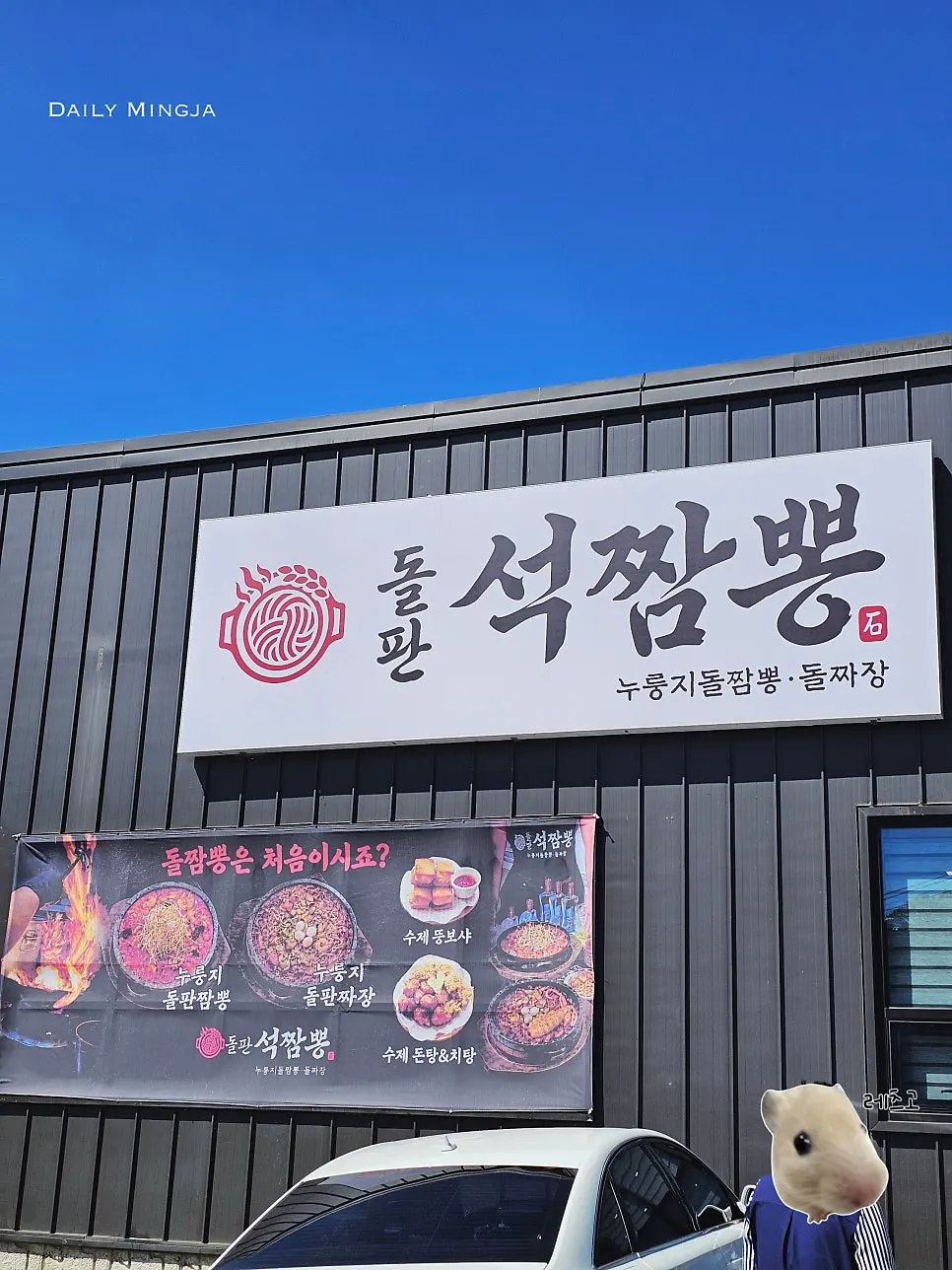
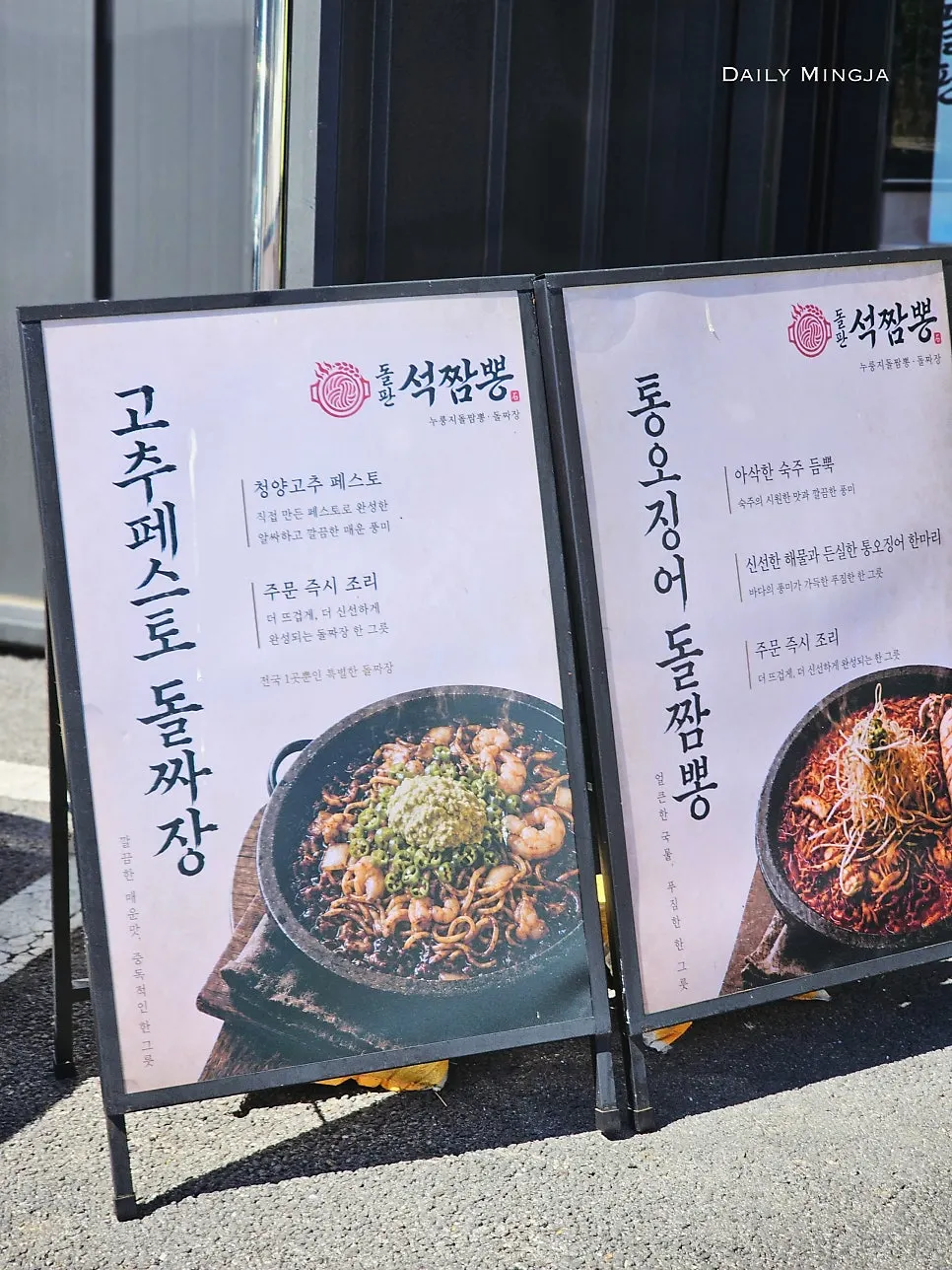
Parking and what the inside of Dolpanseok Jjamppong looks like
Dolpanseok Jjamppong is located just off the road heading to Simhaksan, so it's easy to find if you just punch it into your navigation.
Q. Is there a lot of parking at Dolpanseok Jjamppong? A. Really, really a lot. It's a standalone building with a very large front yard, so there's plenty of parking space. The restaurant also handles private hall bookings and group reservations, and with parking this spacious, I thought the accessibility was great.
The interior atmosphere is comfortable and clean. Stone-plate jjajang and jjamppong near Simhaksan have gotten quite popular lately, so I was curious how this place would compare.
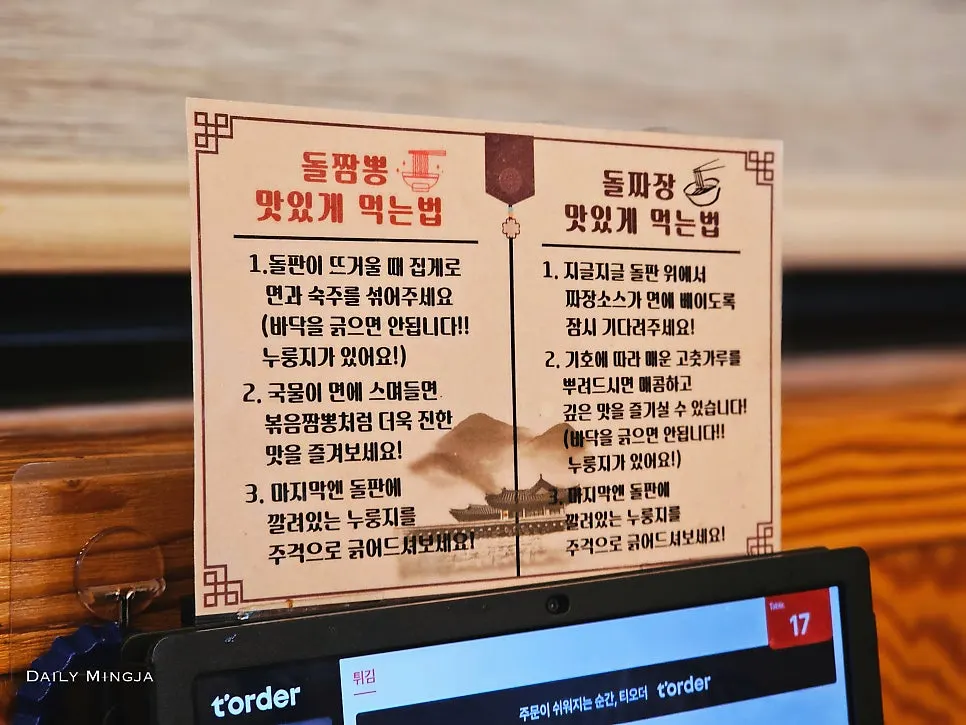
When you eat stone-plate jjamppong or jjajang, you absolutely have to try the scorched rice (nurungji) stuck to the bottom of the plate. When it first arrives and you're stirring in the seasoning, be careful not to accidentally scrape all the way to the bottom with the spatula!
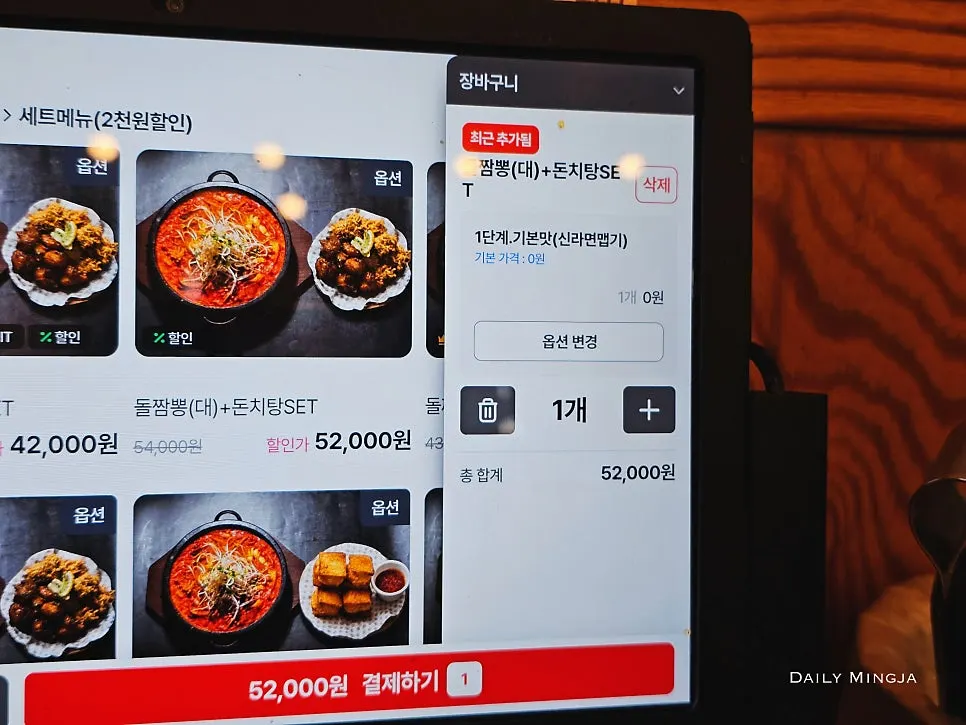
Medium or large stone-plate jjamppong for three adults?
Today I visited with three adults, including my mom! Dolpanseok Jjamppong's stone-plate jjamppong comes in medium and large sizes — medium seemed right for 2 people and large for 3–4, so we went with the large stone-plate jjamppong and the donchi-tang set.
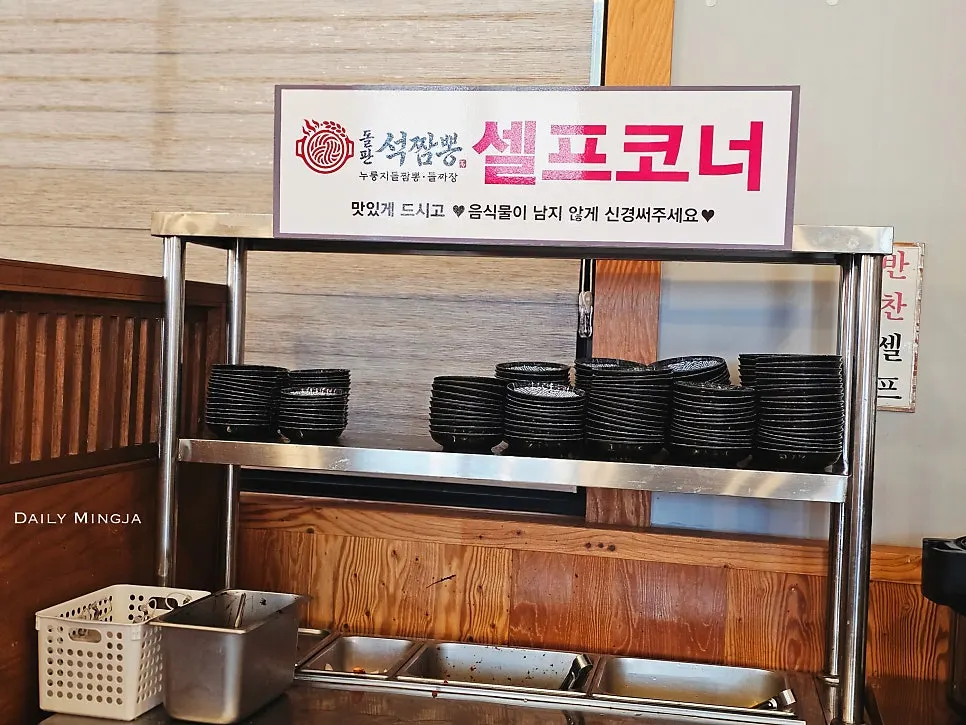
The self-serve bar and free unlimited rice at Dolpanseok Jjamppong
The self-serve bar at Dolpanseok Jjamppong, this stone-plate jjamppong spot near Simhaksan in Paju. You can help yourself to basic side dishes like danmuji (pickled radish) and onions, and on top of that, rice refills here are unlimited and free!
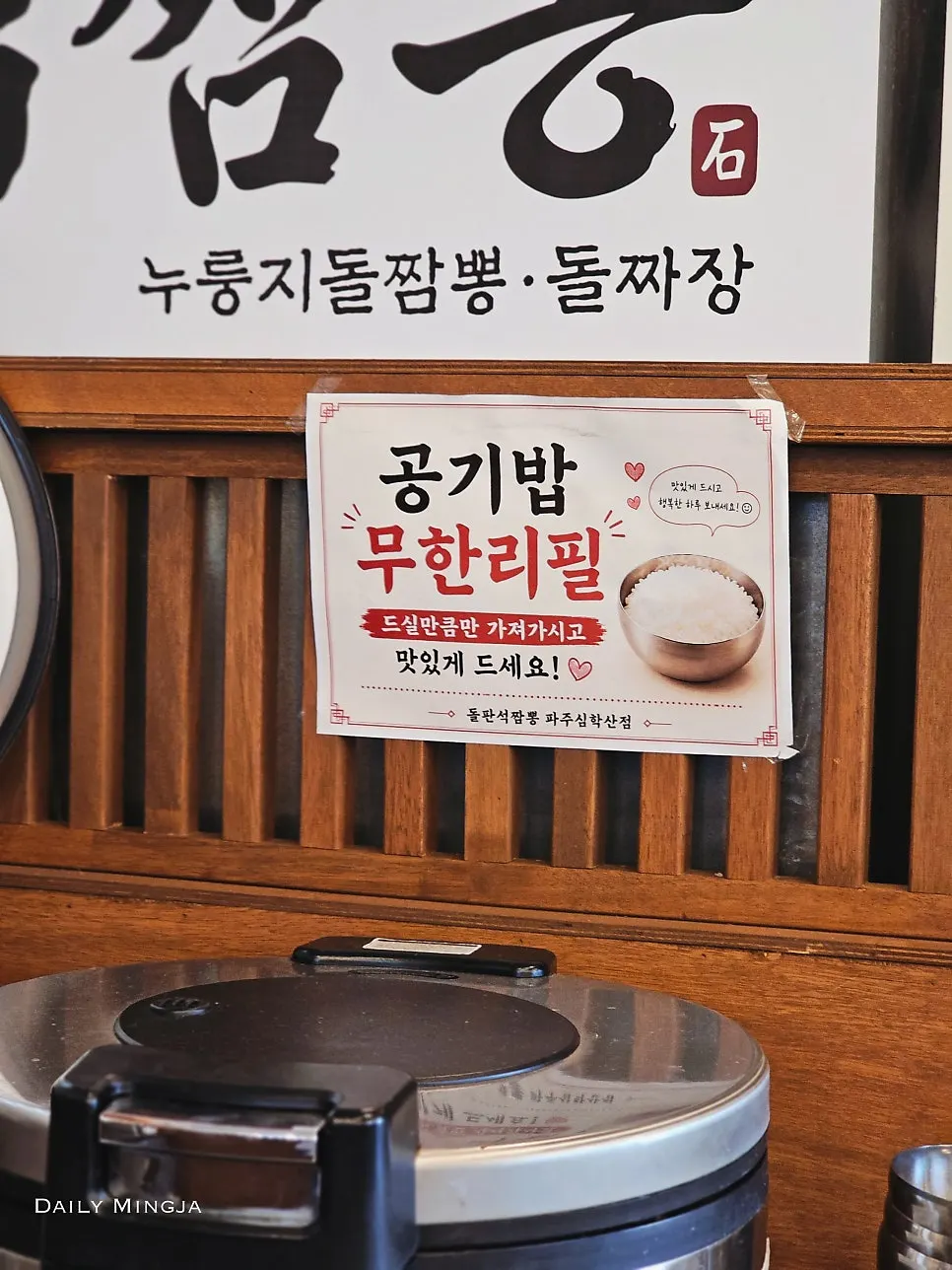
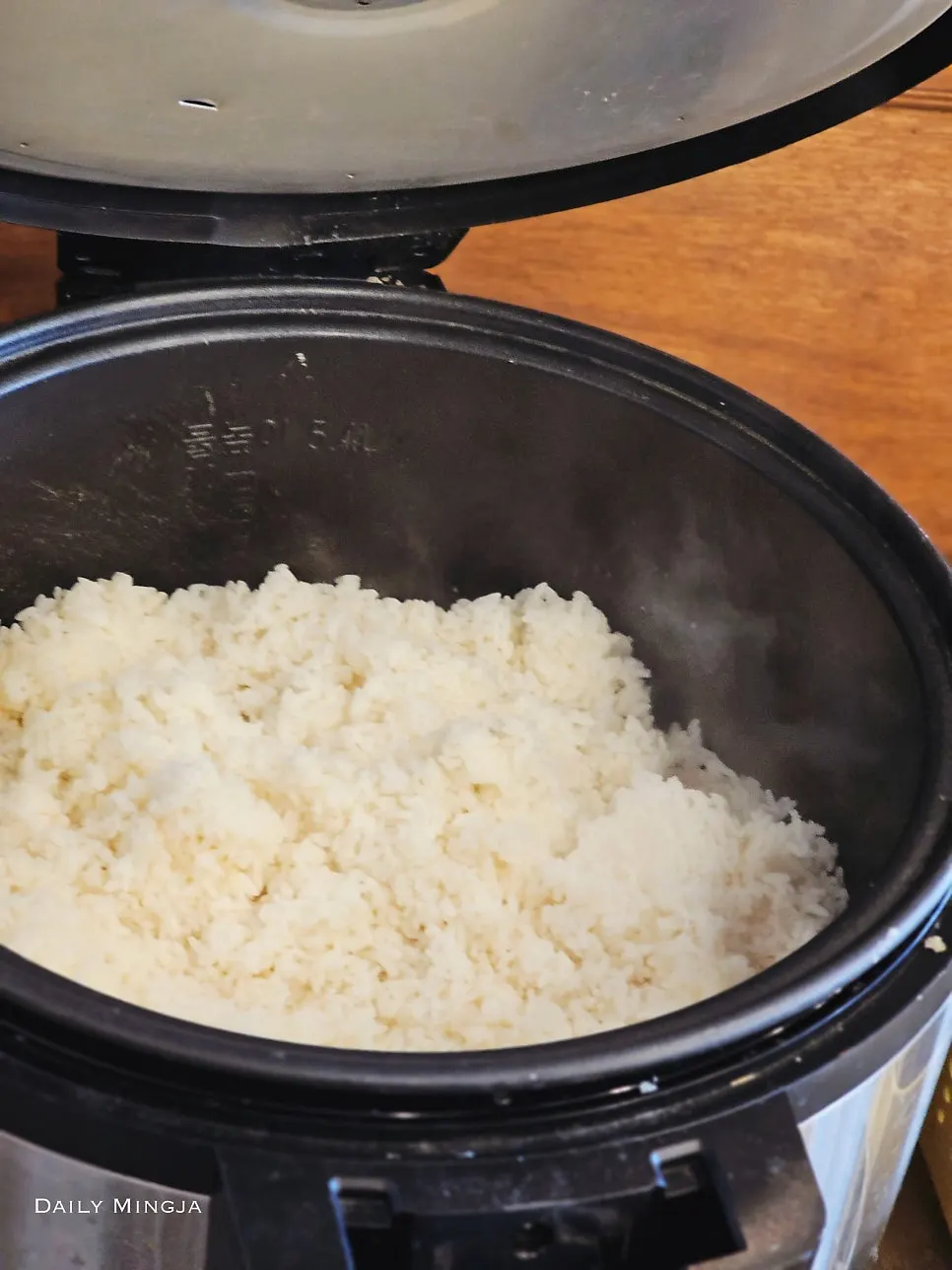
You can take as much rice as you'll actually enjoy eating without wasting it! I'm not much of a rice person so it was a bit of a shame for me, but rice lovers could stuff themselves happily alongside the delicious stone-plate jjamppong and jjajang.
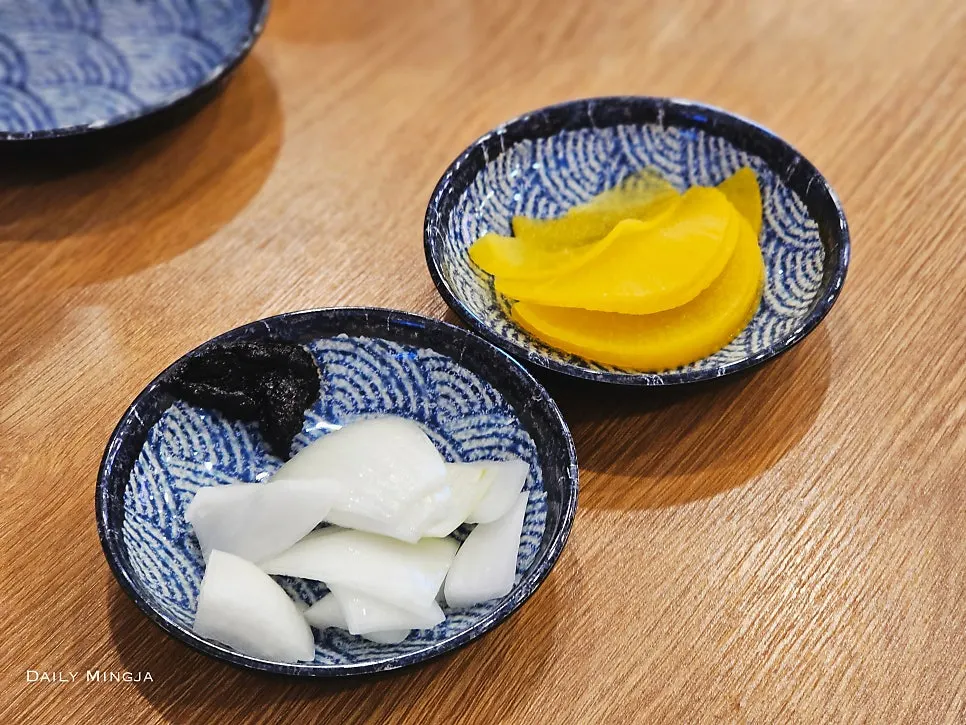
The basic side dishes felt pretty similar to any other Chinese restaurant.
Large nurungji stone-plate jjamppong: a bowl that stays hot to the last bite
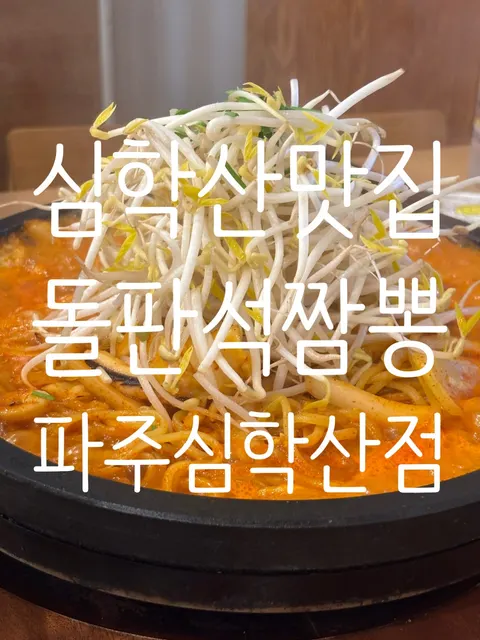
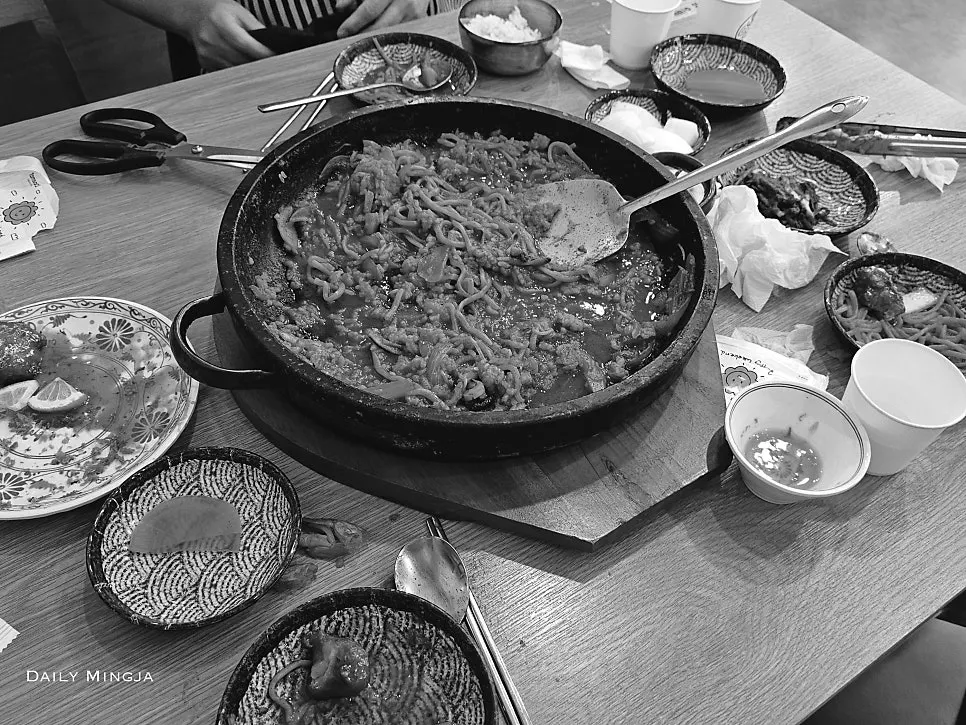
Bubbling on a hot stone plate, finished with the nutty flavor of scorched rice — the signature spicy stone-plate jjamppong! It finally arrived — the nurungji stone-plate jjamppong, sizzling and steaming on the piping hot plate! The visual alone was overwhelming. The mountain of bean sprouts piled on top seemed to be the visual highlight.
Thanks to the heat of the hot stone plate, the jjamppong broth soon reduced down thick and self-simmering, releasing a spicy, deep smoky-fire aroma that hit my nose hard (it really was intense). The big stone plate was piled tower-high with whole squid, chunky shrimp, mussels and other seafood, and generously layered with bean sprouts and vegetables — I was amazed by the portion, enough for maybe 4 people.
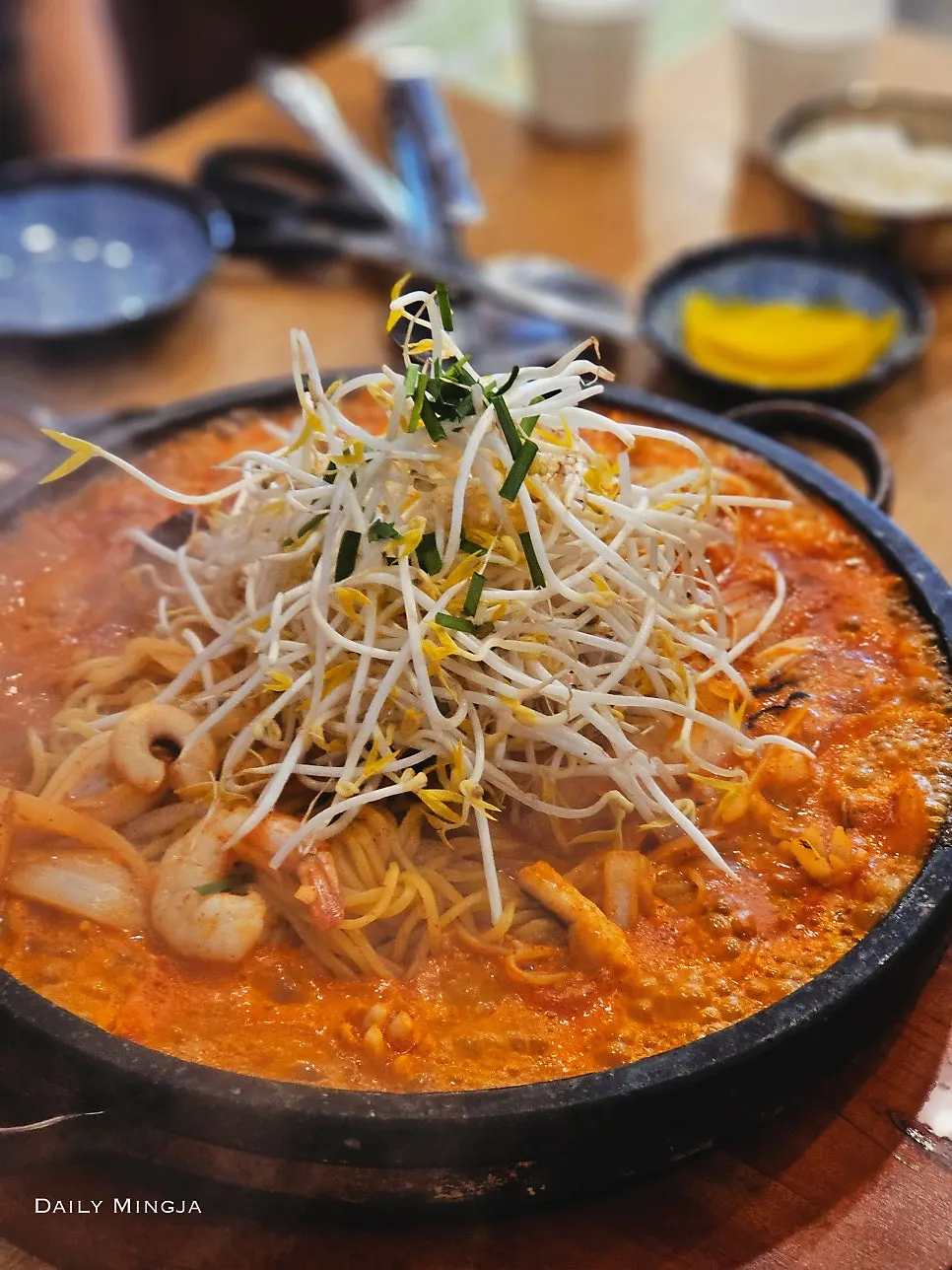
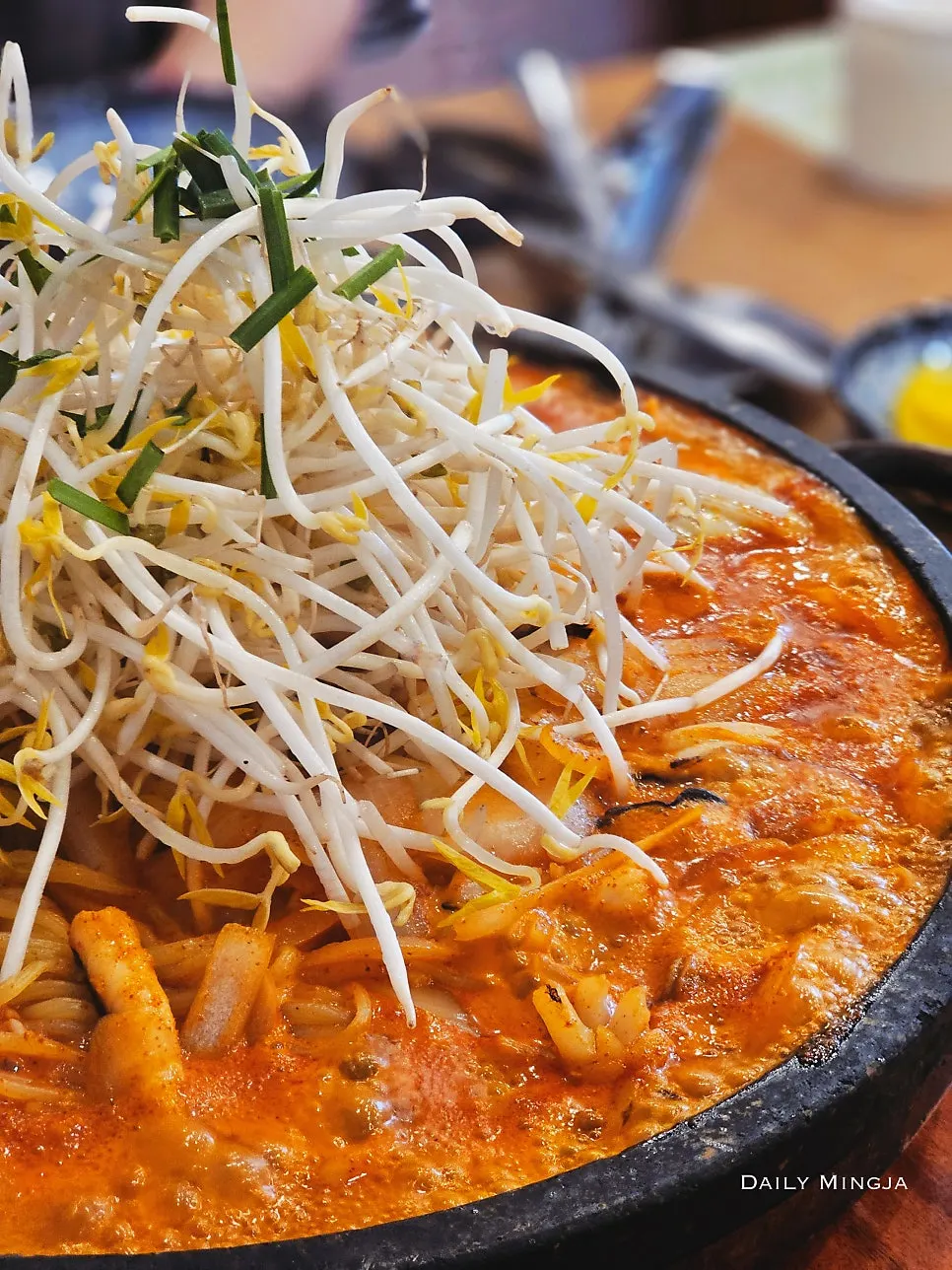
To describe the flavor: it's much denser than a regular jjamppong broth, with a heavy smoky-fire taste and a sharp savory kick spreading through your whole mouth. Since the stone plate never cools and keeps its temperature, the intense heat and rich flavor of the first bite stay exactly the same all the way through :)
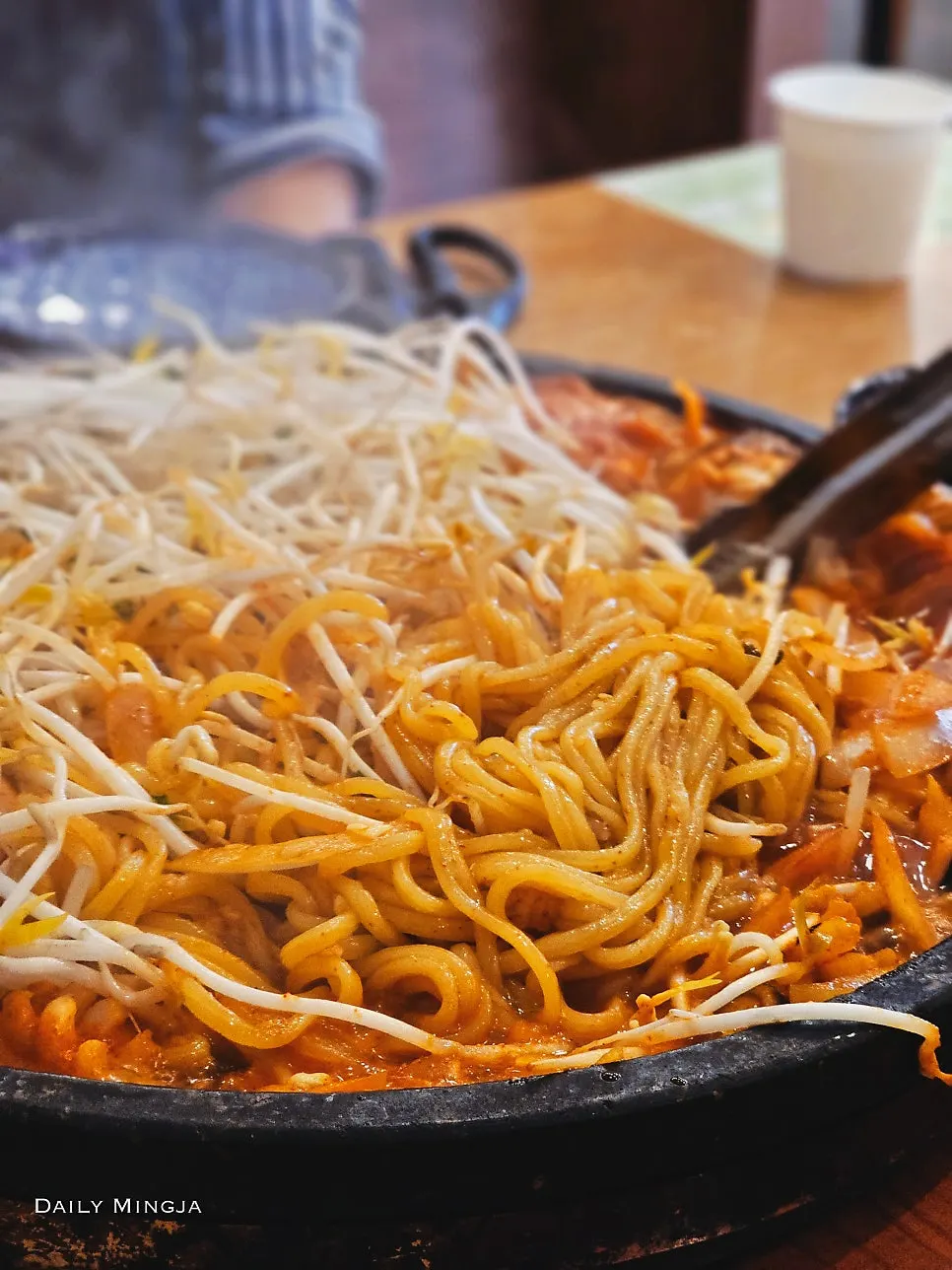
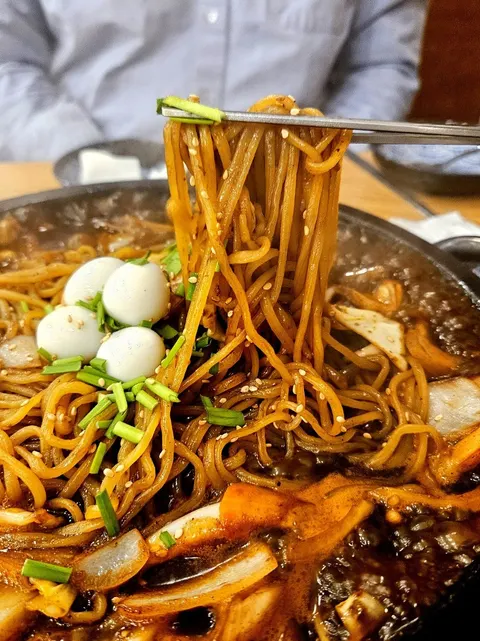
The noodles stay springy thanks to the heat of the stone plate! Scooped up in a big bunch along with the smoky bean sprouts and chewy squid, the texture is incredible. Once you've eaten your way through most of the noodles, the scorched rice stuck to the bottom is the real highlight!!
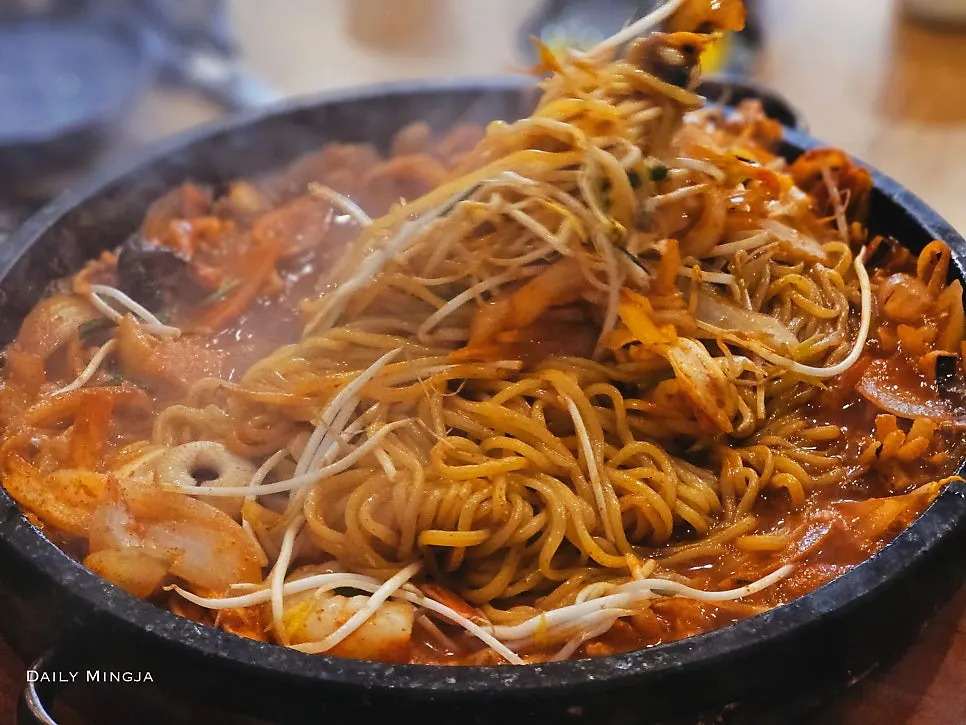
The jjamppong itself was delicious, but the scorched rice, soaked through with the thick, spicy jjamppong sauce, chewy on the outside and crispy inside with a savory nuttiness, was incredible too. Being able to enjoy the noodles, seafood, and scorched rice almost like a full course, I found myself scraping the plate clean to the very last spoonful, amazed the whole way.
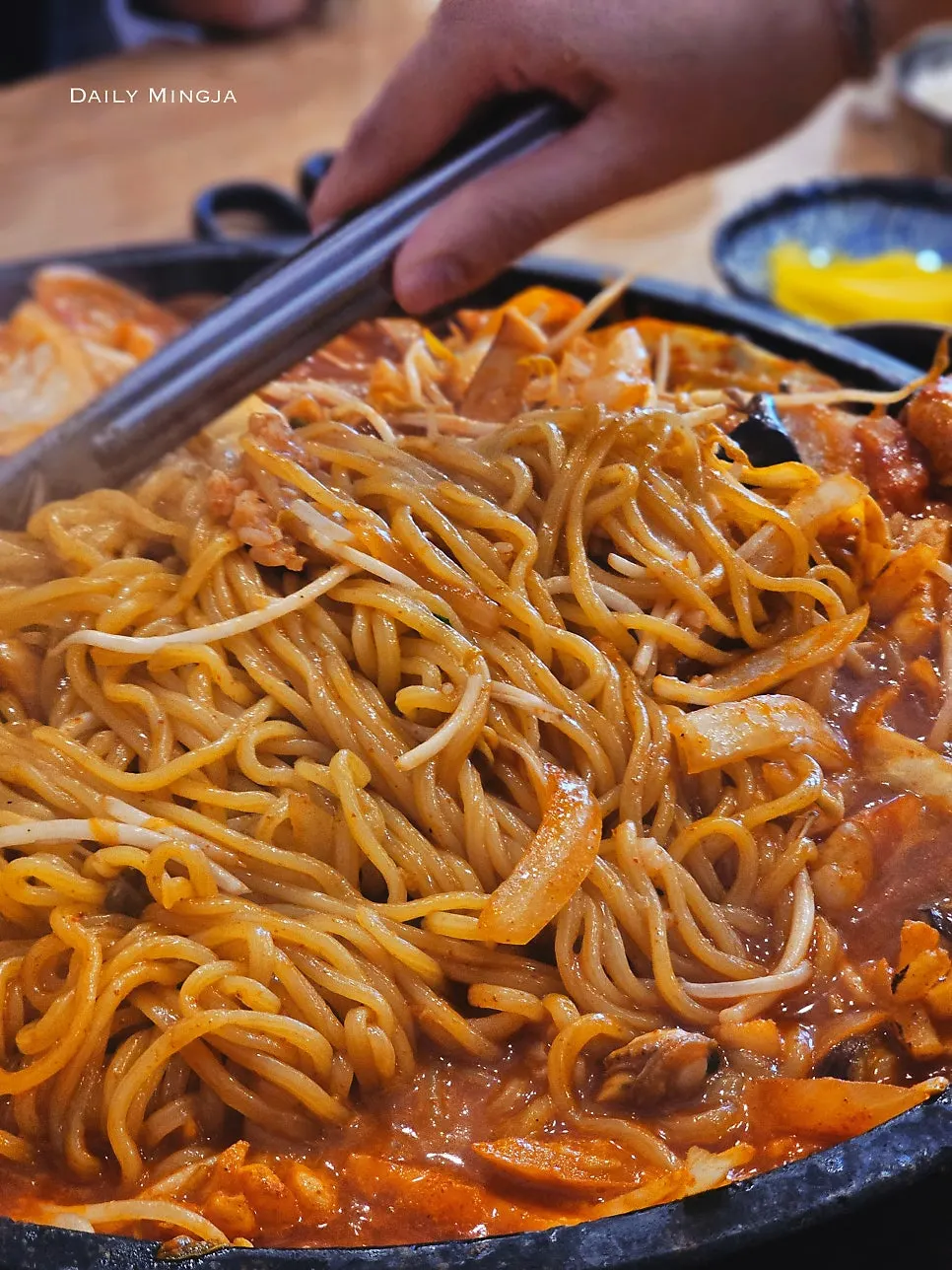
At first I expected a jjamppong you eat with plenty of broth, but once it reduced down, the verdict was that it tasted closer to stir-fried jjamppong.
How to eat the donchi-tang set: pork cutlet and seasoned boneless chicken
Dolpanseok Jjamppong's donchi-tang is a side dish served as a full plate of thick pork cutlet and tender boneless chicken, prepped fresh and cooked to order the same day. It's a limited quantity item, so order before it sells out. At first I thought, what's this instead of sweet and sour pork? But the visual and portion were impressively generous.
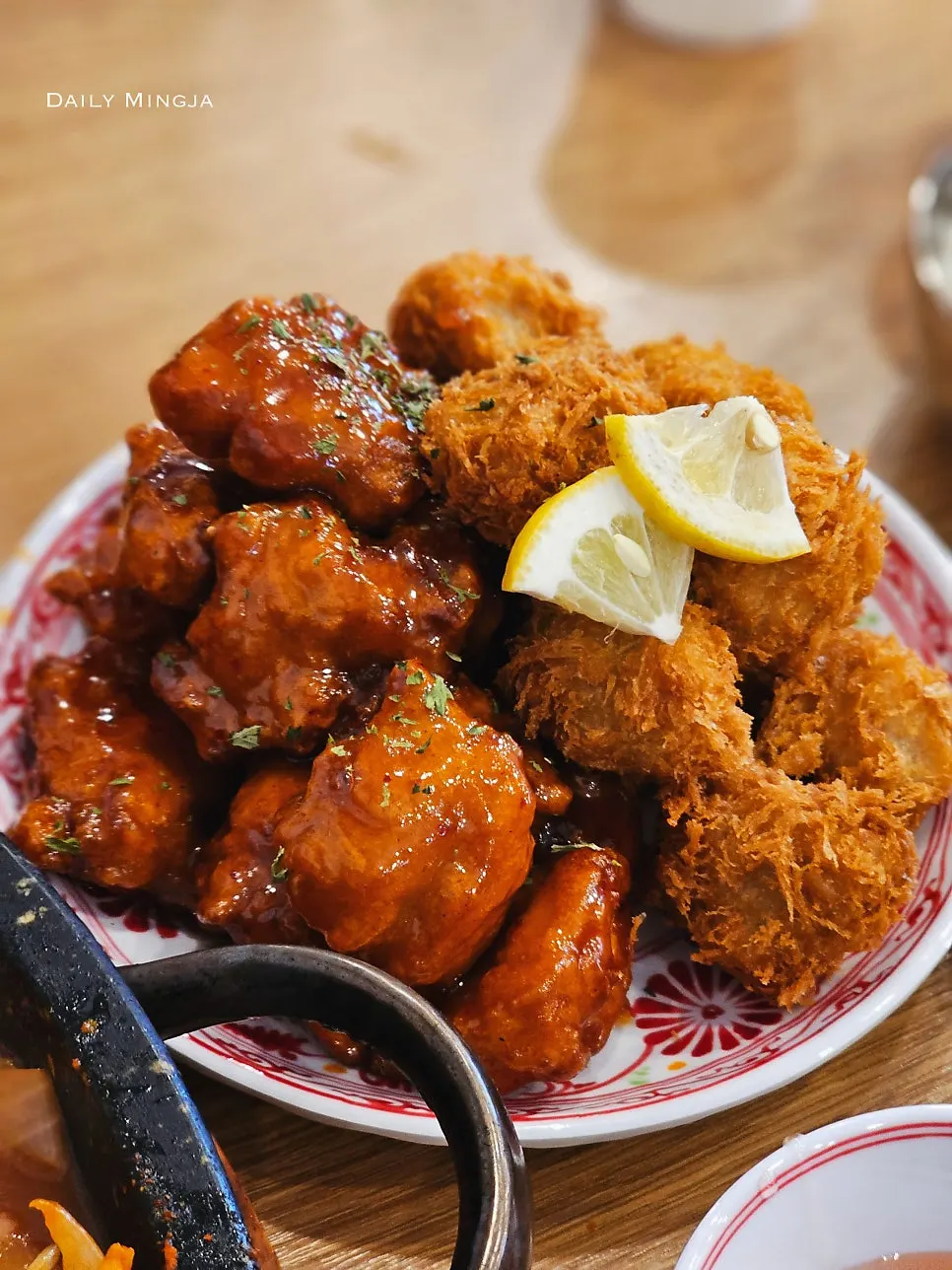
The boneless chicken comes seasoned yangnyeom-style, while the pork cutlet is prepared fried plain. They also bring out a sauce, kind of like a menbosha-style sauce, similar to sweet and sour sauce, meant to be eaten together with the pork cutlet.
Even when I drizzled the tangy sweet and sour sauce generously over the pork cutlet, the crispy exterior held up beautifully to the end. The sound while eating was a full-on crunch!
One bite of the hearty, clean-tasting pork loin cutlet, then one bite of the soft, juicy sweet-and-sour boneless chicken! Alternating between the two was genuinely fun haha. Crispy on the outside, juicy on the inside, with no gamey aftertaste at all, and the sweet, tangy sauce clung to it perfectly — paired with the spicy, sharp nurungji stone-plate jjamppong, it created the perfect spicy-sweet balance, an amazing combo.
The crispy, sweet-and-tangy donchi-tang was excellent as a side to cool down the spice. It leaned a bit sweeter, which made it feel even more intense! But what stuck in my mind most vividly even after leaving was, without a doubt, the nurungji stone-plate jjamppong.
That heat sizzling on the hot stone plate down to the last bite, and the deep smoky-fire flavor drawn out of the seafood and vegetables, soaked richly into the noodles and scorched rice... it really was a flavor hard to find anywhere else!
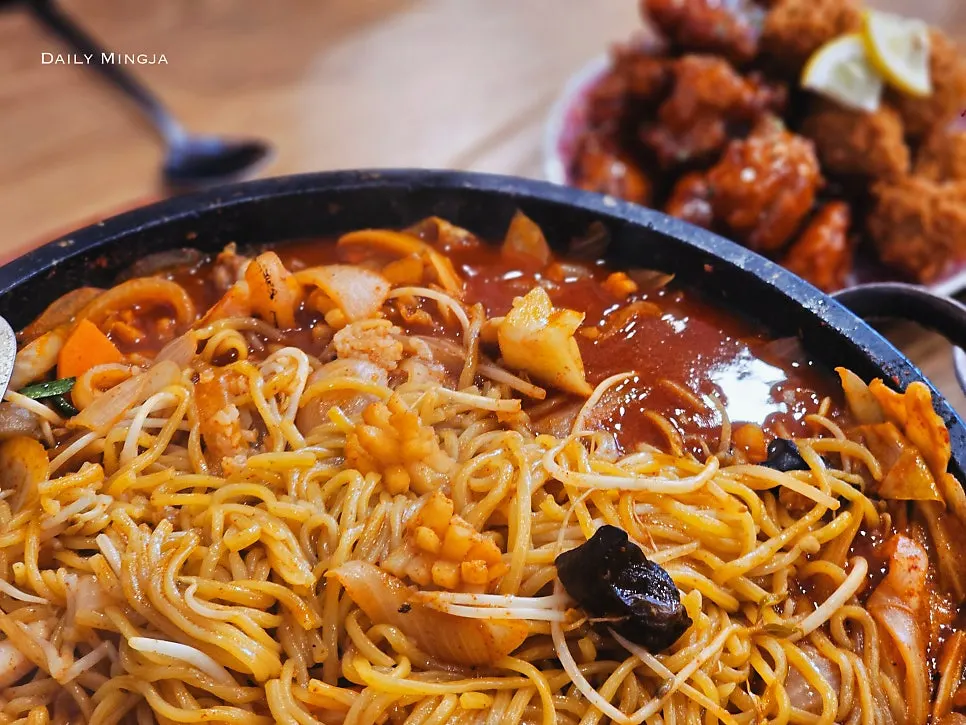
If donchi-tang played the role of a solid supporting side dish, the true star of this restaurant is the thick, sharp broth reduced down on the stone plate and the spicy sticky-rice scorched rice stuck to the bottom.
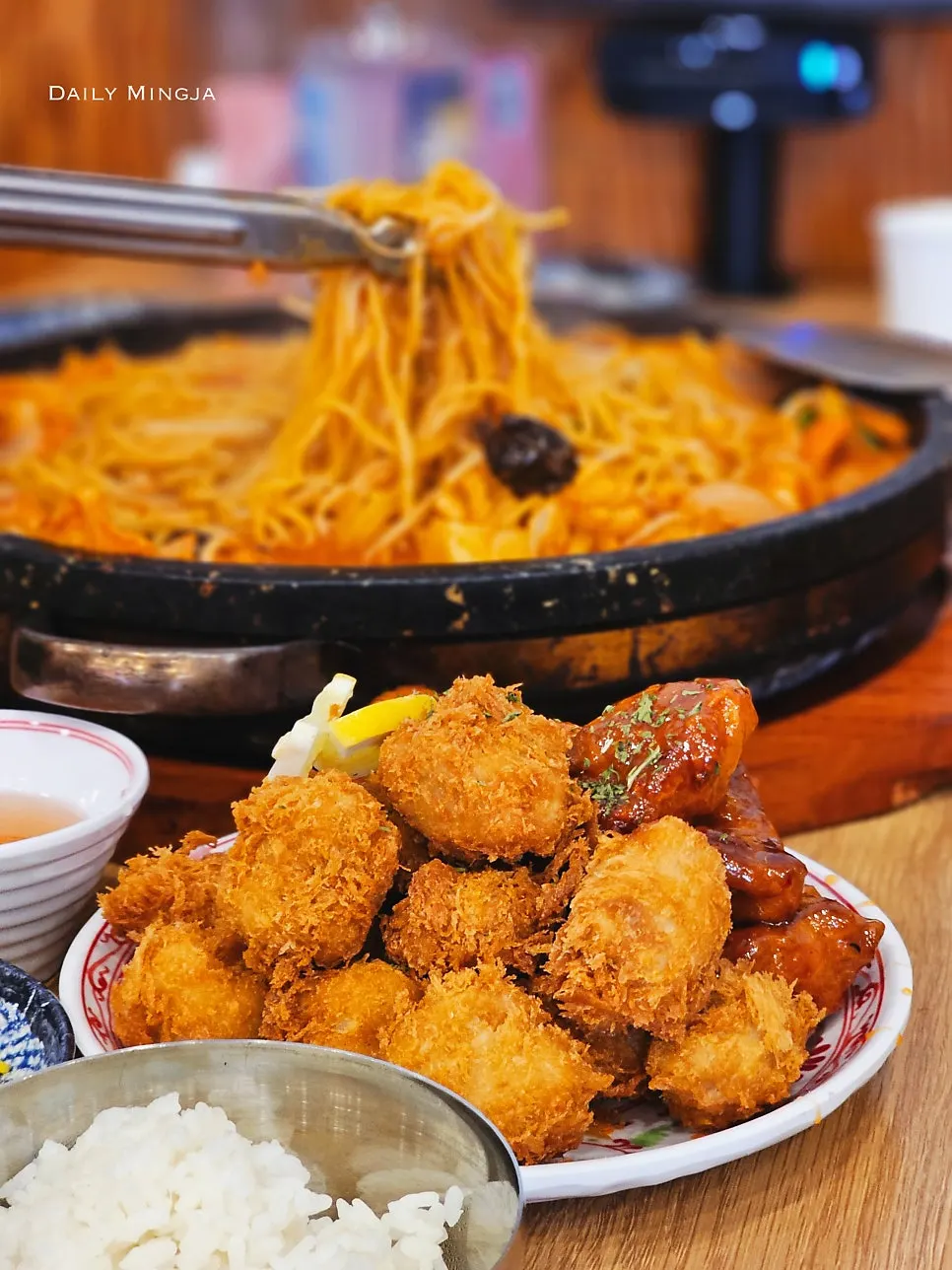
If you're heading toward Simhaksan in Paju, whatever else you do, I confidently recommend trying this nurungji stone-plate jjamppong at least once.
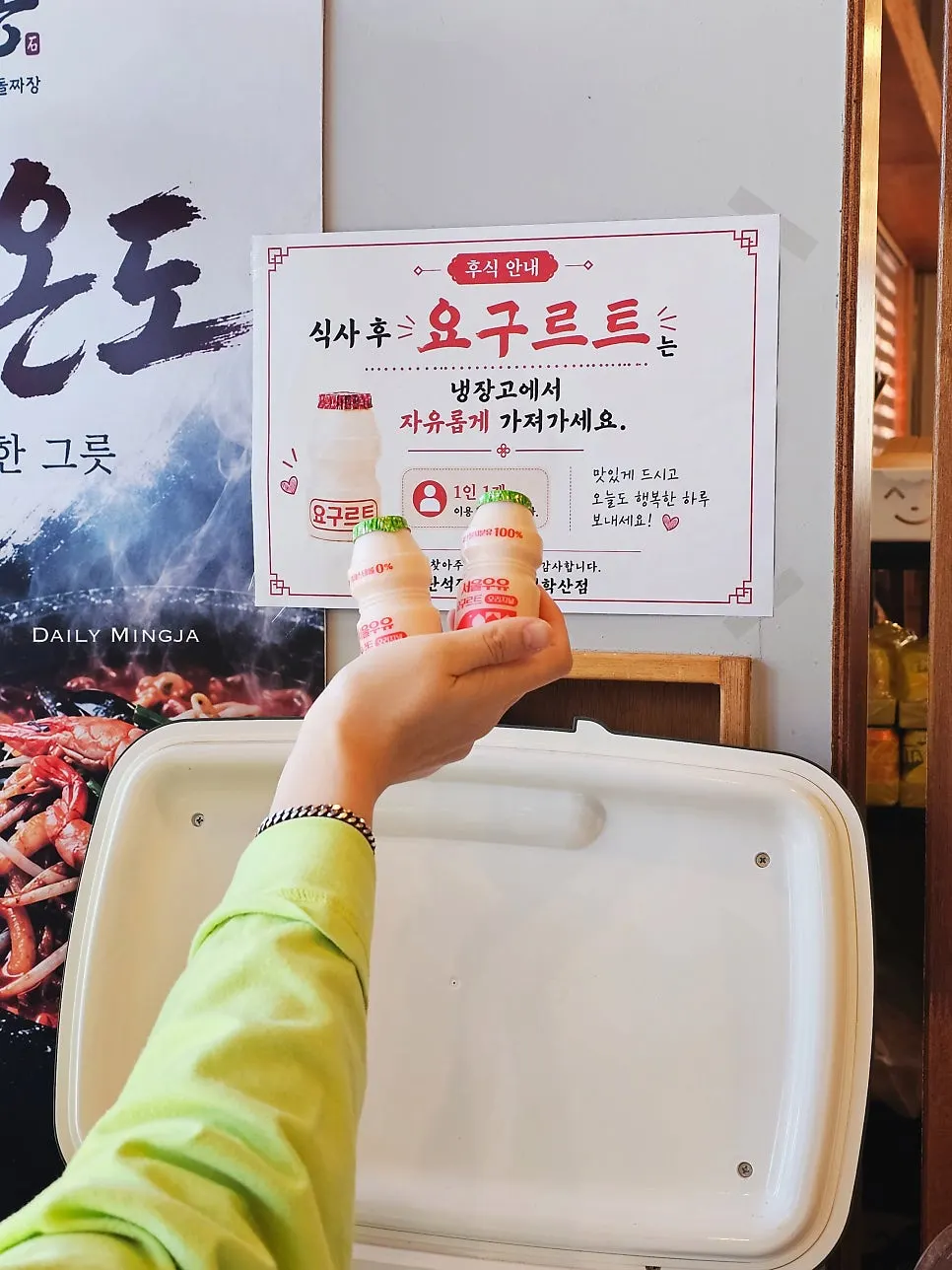
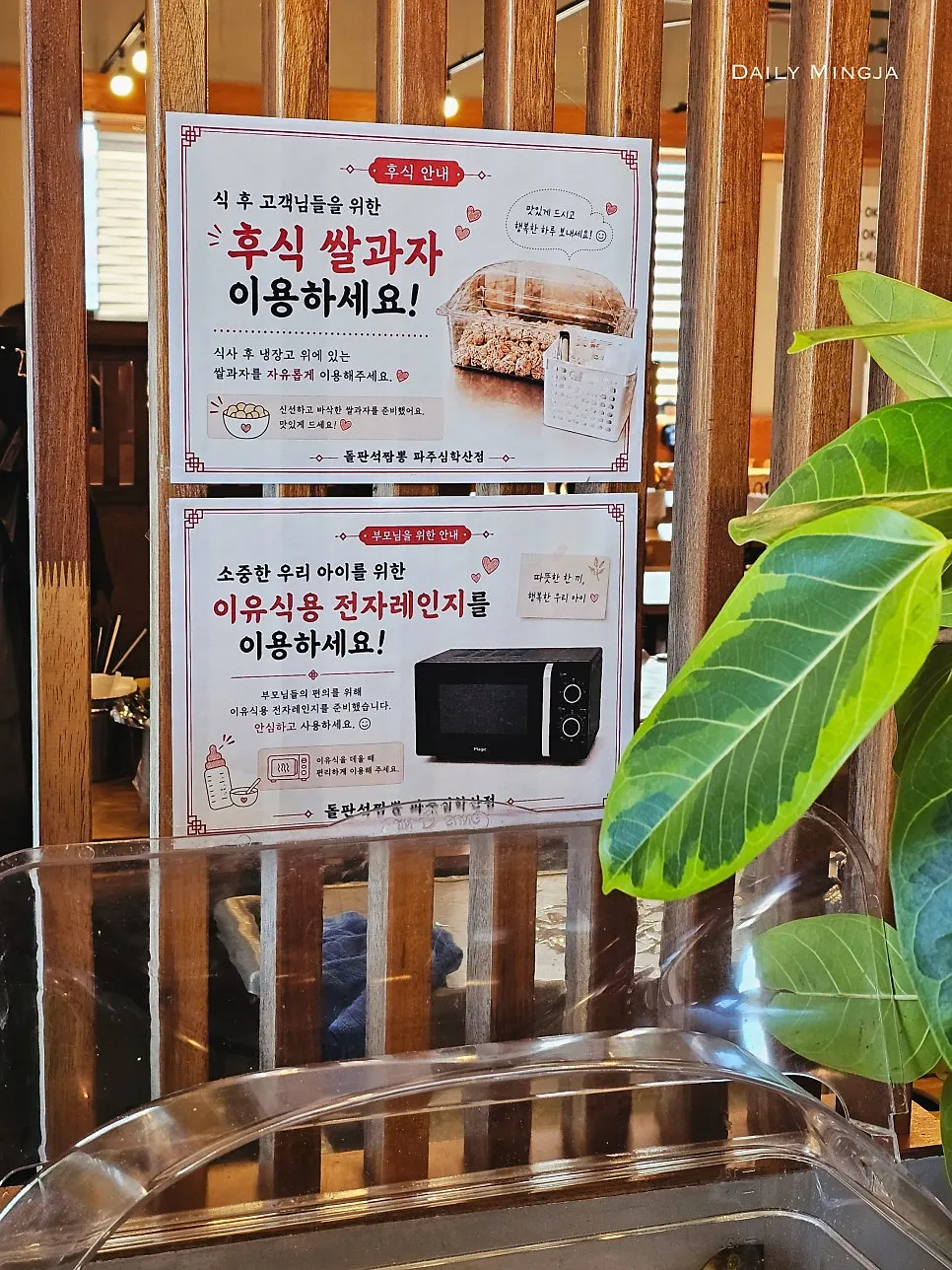
Dessert and conveniences for families with young children
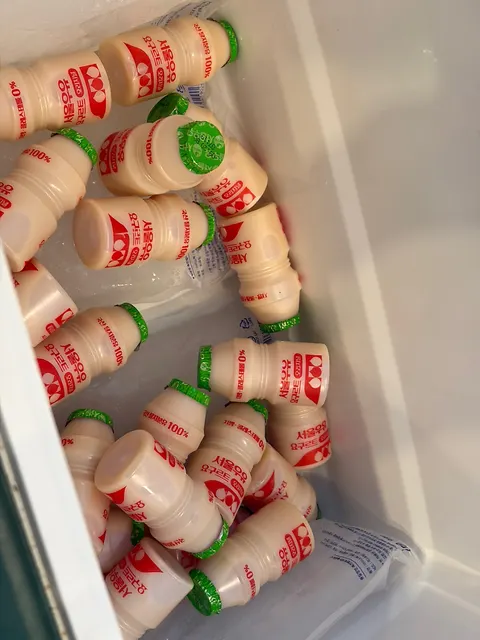
At Dolpanseok Jjamppong, you get to leave with a rice cracker and a Yakult after your meal — the kind of generosity Korean diners love. And for customers with kids, there's a separate microwave for warming baby food, a small thoughtful touch I really appreciated.
Who will enjoy Dolpanseok Jjamppong in Paju?
Another delicious meal today! The flavors are spicy, sweet, and salty — intense enough that people used to modern eating-out flavors would probably enjoy it a lot. But if you prefer a healthier, milder taste, it might feel a bit too intense. That said, since I myself am used to delivery-food flavors, the intensity of Dolpanseok Jjamppong really hit the spot for me.
Where it is
8-38 Dolgotji-gil, 1st floor, Paju-si, Gyeonggi-do, South Korea경기도 파주시 돌곶이길 8-38 1층