Yongin corrective exercise center for back pain: Joseph Therapfit
In short
Joseph Therapfit is a posture analysis and corrective exercise center on the 5th floor of Sinbong Jonghap Sangga in Sinbong-dong, Suji-gu, Yongin, Gyeonggi. After chemotherapy, a surgery that ran more than ten hours, and a few back tweaks during strength training, the writer had a posture analysis at Joseph Therapfit with sticker markers, front, back and side posture photos and a gait recording, then did two corrective exercise sessions a week apart. Small moves like raising the shoulder 1cm and breathing to open the ribcage got the body responding first, and the writer left wanting to keep going for at least three months.
Good to know
- Location
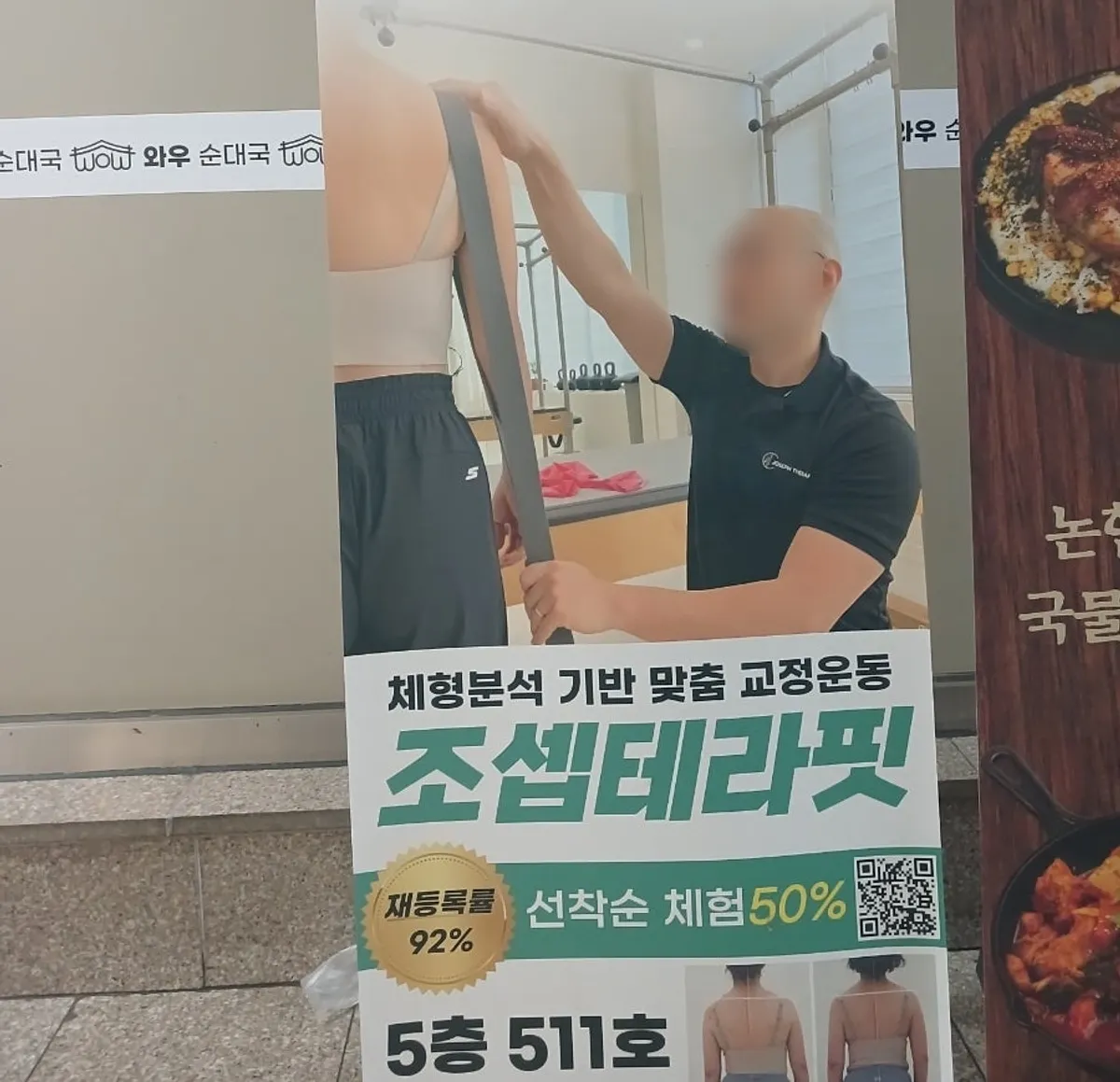
- Unit 511, 5th floor, Sinbong Jonghap Sangga, 84 Sinbong 1-ro, Suji-gu, Yongin, Gyeonggi
- Parking
- Underground parking in the building is available
- Facilities
- Separate changing rooms for men and women
- What to bring
- Clothes to change into are provided for the posture assessment, so there is no need to pack workout gear
- Booking and hours
- Check Naver Place before visiting
- Program
- Day 1: consultation, posture analysis and bedding setup; Day 2, one week later: corrective exercise
as written by the visitor on Sep 17, 2026
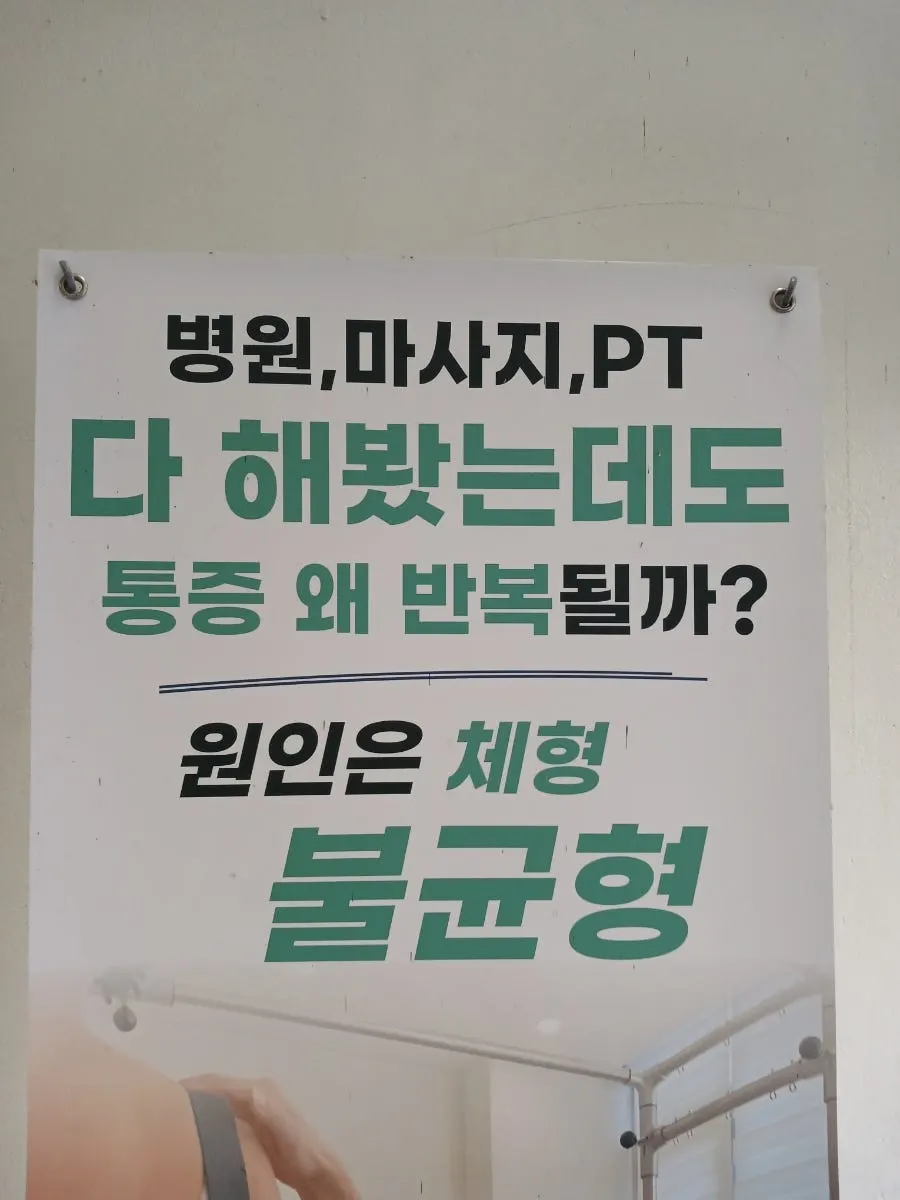
When I started blogging, my niece told me, "Auntie, you should sign up for Superchart." So I did. Then while looking around for places near my house, I came across Joseph Therapfit, a posture correction center in Suji, on the 5th floor of Sinbong Jonghap Sangga in Sinbong-dong.
Why a back injury after cancer surgery led to a posture analysis
Honestly, posture analysis was something I'd wanted to try properly, sponsorship or not. After going through chemotherapy and a surgery that lasted over ten hours, I started exercising again — and after tweaking a back that had never once given me trouble in my whole life, a few times, during strength training, my thinking changed.
I felt like I first needed to know what state my body was actually in, and find the intensity and movements that matched that state. So when I saw Joseph Therapfit, I decided I had to go check it out.
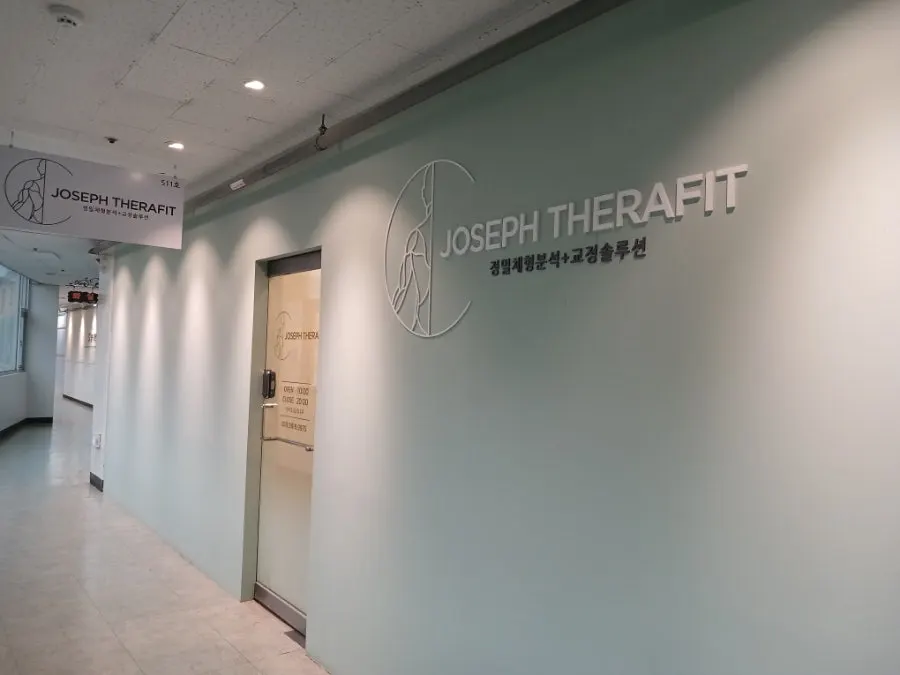
Joseph Therapfit: location, parking and changing rooms
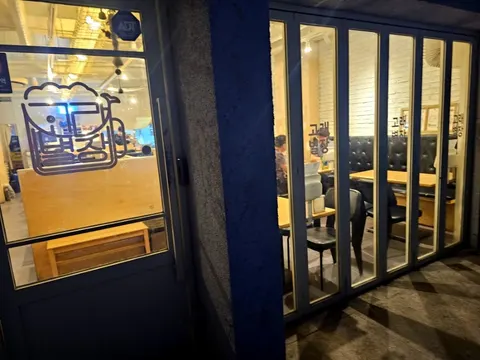
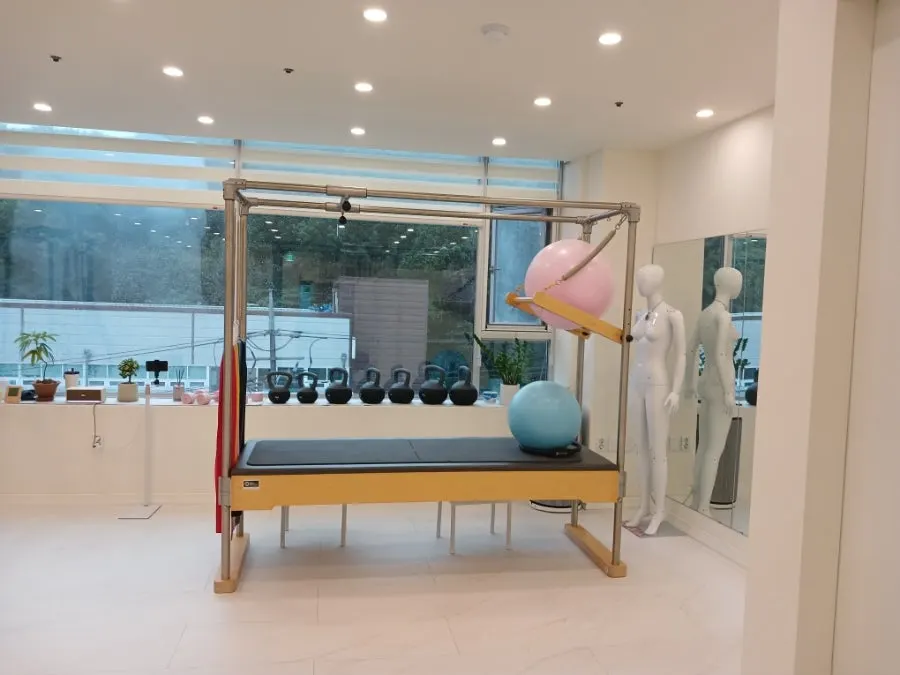
Joseph Therapfit is on the 5th floor of Sinbong Jonghap Sangga in Sinbong-dong, Suji-gu, Yongin.

You can use the building's basement parking lot, so it's convenient if you're driving over.
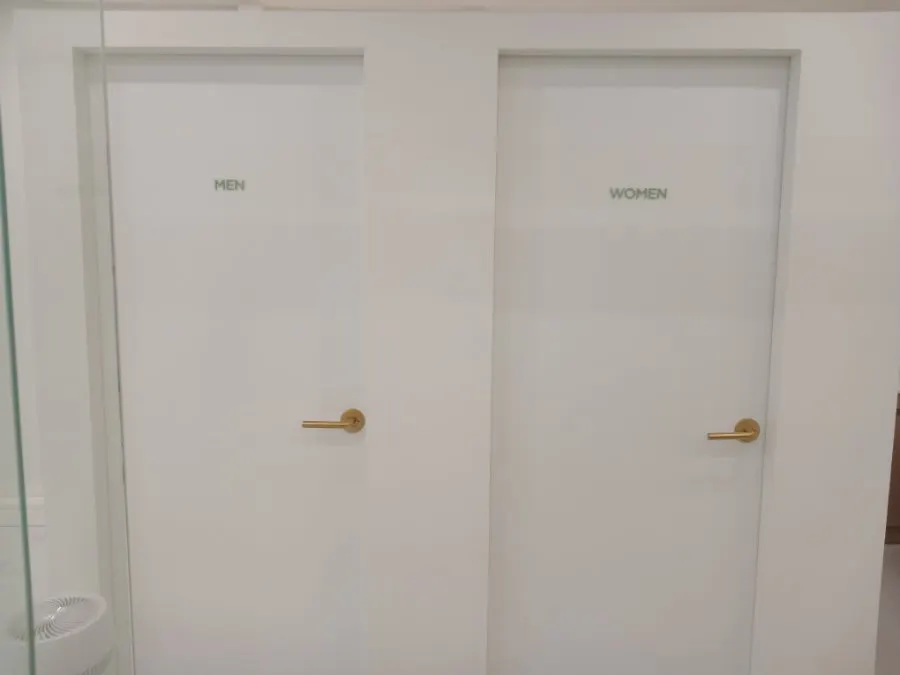
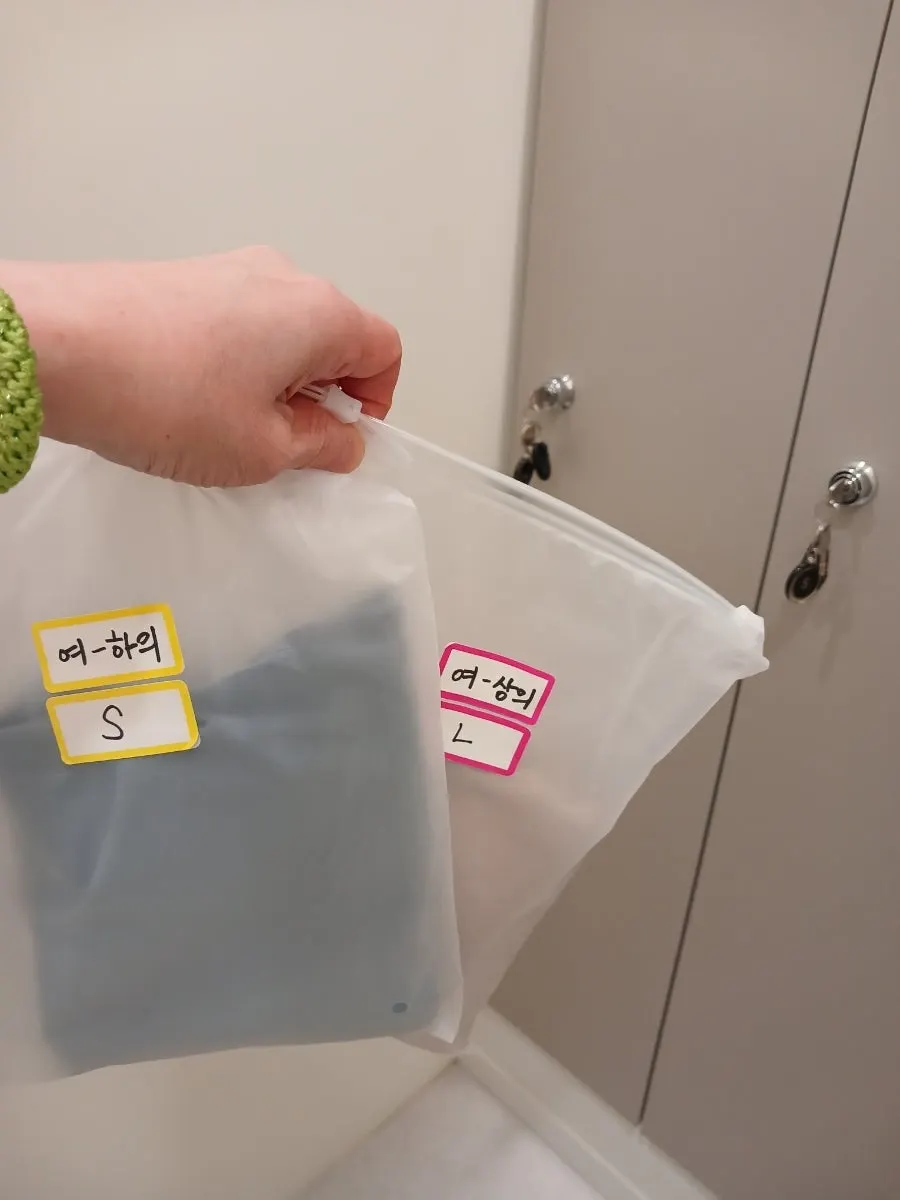
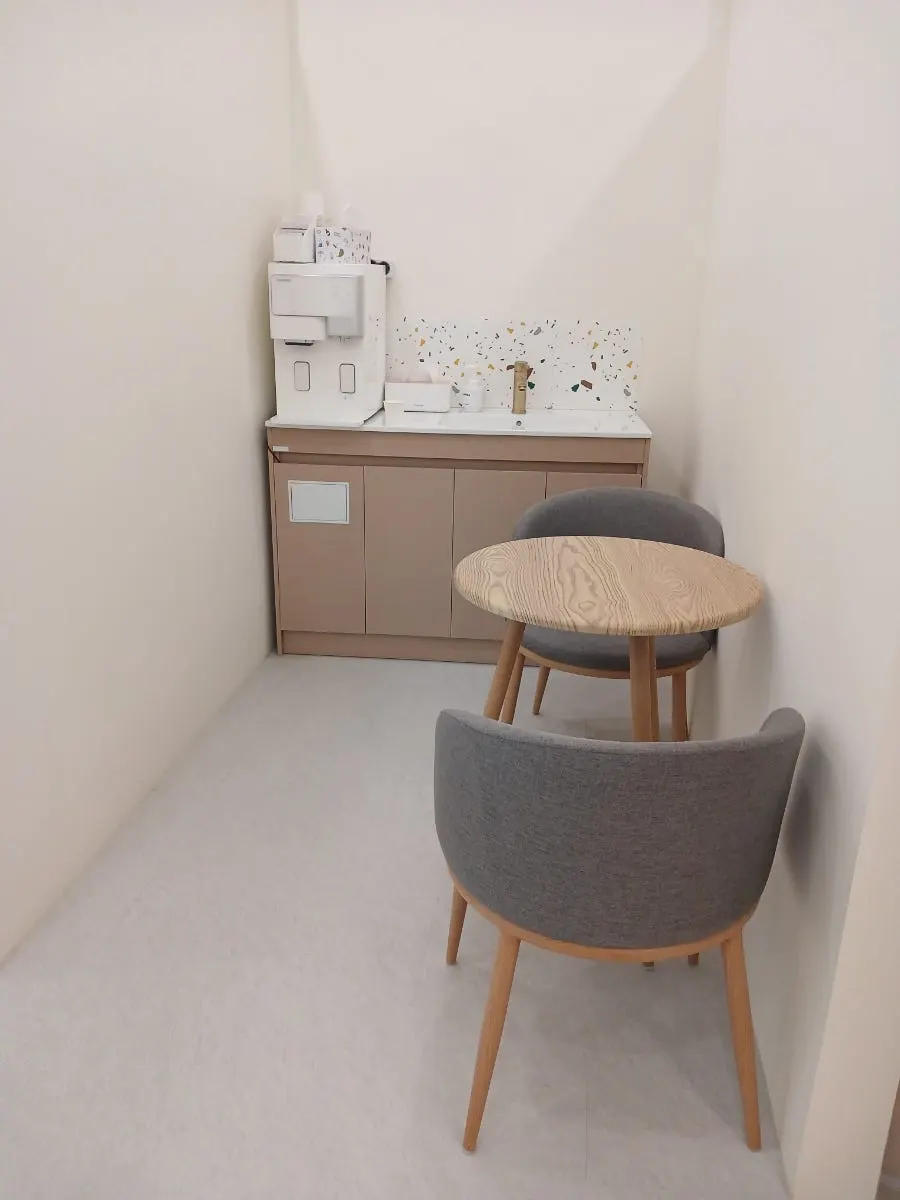
Once inside, there are separate changing areas for men and women. Before the posture analysis, they also provided clothes to change into so my posture and movement would be easier to observe, so I didn't need to bring my own workout clothes to get the assessment done.
- Joseph Therapfit Posture Analysis & Corrective Exercise Center
- Location | 5th floor, Sinbong Jonghap Sangga, Sinbong-dong, Suji-gu, Yongin
- Parking | basement parking available in the building
- Separate changing areas for men and women
- Change of clothes provided for the posture diagnosis
- Booking & hours | check Naver Place before visiting
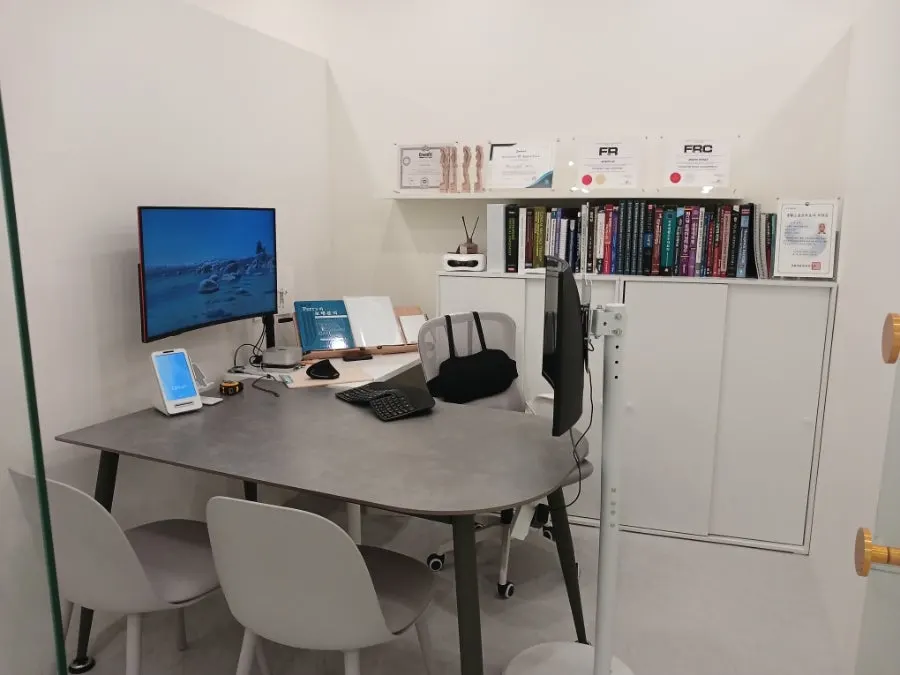
Day 1 at Joseph Therapfit: consultation to posture photos
On the first day, I didn't jump straight into exercise. The trainer listened fully — to what I'd been through with the big surgery and treatment, my usual exercise habits, and the times I'd tweaked my back. Whenever I asked something, they didn't rush, listened all the way through, and explained things one by one so I could actually understand.
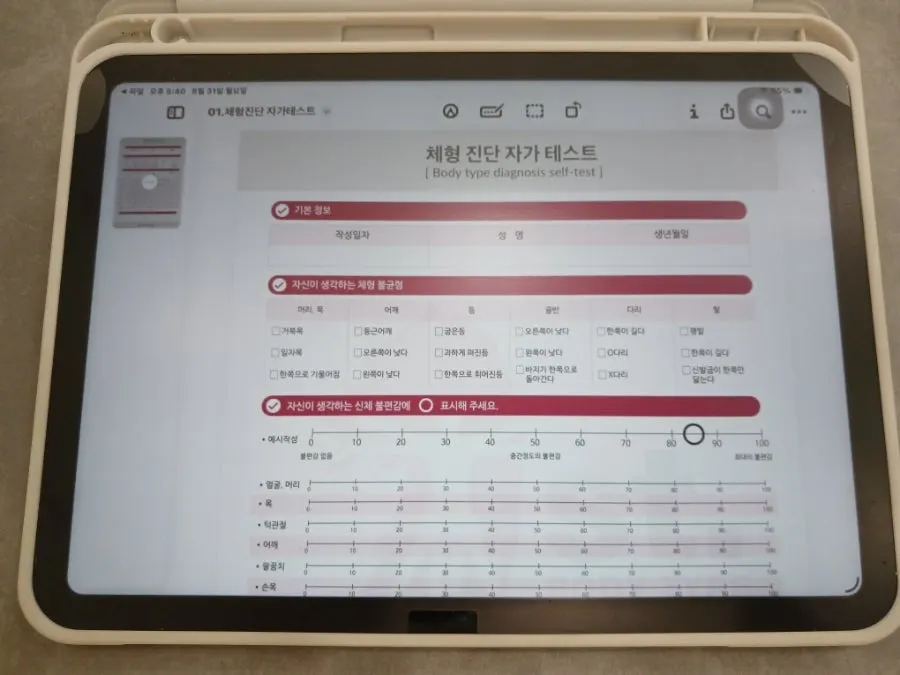
I filled out a self-assessment first, checking off the spots that usually bothered me and what I felt were my posture issues. Then red stickers were placed along my spine and major joints, and front, back, and side photos were taken. I also walked around and did several movements — moving and tilting my body side to side — all captured on camera.
They said all this footage would then be analyzed on a computer for posture, joint alignment, and movement, turning it into data. So day one's posture analysis was more detailed and took longer than I expected.
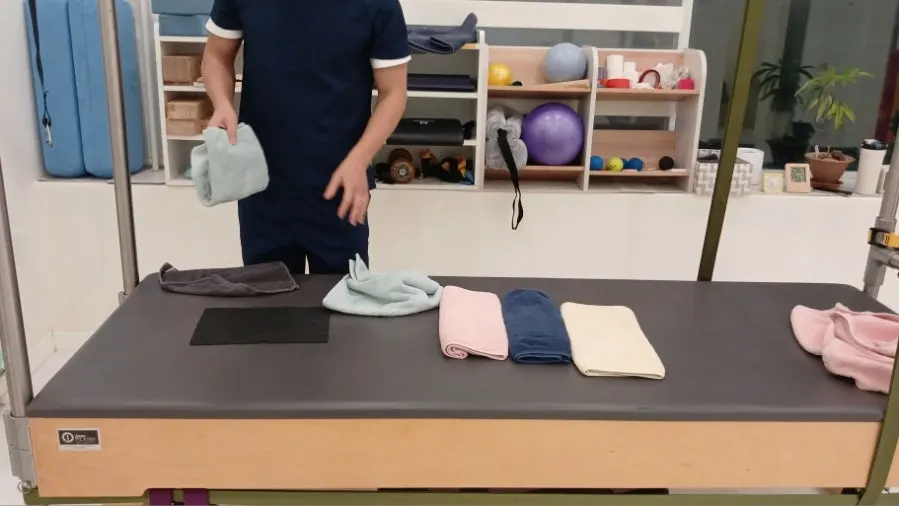
Bedding setup and what to practise at home
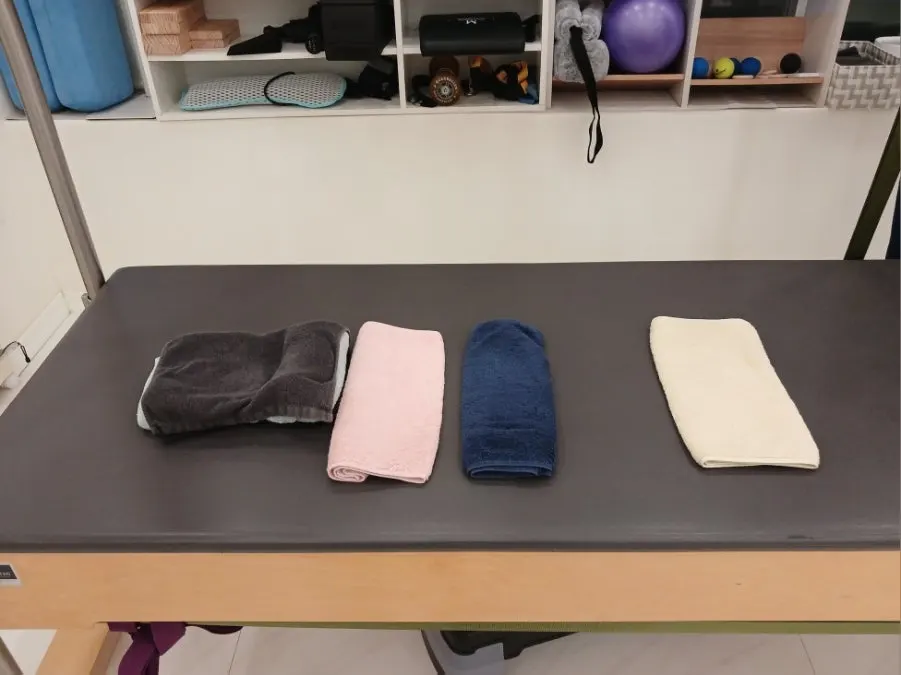
After the analysis, they set up bedding to match my body shape. They adjusted the height to fit the curves formed at my head, shoulders, and lower back when lying down, and told me to lie down comfortably at home for at least 10–15 minutes a day and let my body relax.
Raising the shoulder 1cm and breathing to open the ribcage
According to the trainer, my shoulder sat about 1cm lower than the baseline position for my body type. That meant the muscles around my neck were slack, so the strength supporting my shoulder was weak, while my neck and shoulders were actually tense and stiff at the same time.
So they told me to try, in everyday life, tucking my chin slightly and lifting my lowered shoulder by about 1cm to set my posture. The breathing was different from the diaphragmatic breathing I already knew, too. Instead of focusing on expanding my belly, I practiced breathing that opens the chest and ribcage while inhaling, to stretch out the upper body. I kept this posture and breathing in mind for a week, even while standing or walking.
One week later: the second corrective exercise session
On day one, when the trainer told me the muscles on either side of my back sat at different heights, I honestly couldn't tell even when I touched them myself. But by the second visit a week later, going through the movements one by one, I started to feel — little by little — which side's muscles I was relying on more.
"Try easing off the strength on this side." "Feel the right side stretch a bit more, and feel the muscle tighten on the left."
Even for the same movement, the trainer adjusted my posture down to the smallest detail like this. They kept explaining beside me until I could feel it in my own body, fine-tuning my form for every single movement. Following along like that, I gradually started to notice the muscle differences I hadn't been able to feel at first.
Knowing my body type isn't the end of it. These are postures and movements built up over decades, so the body needs repeated practice to learn new movement.
What changed in the before-and-after photos
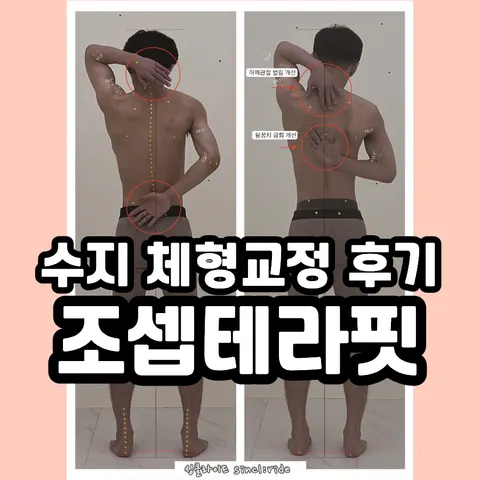
Left is Before, right is After. In the After photo, the neck rotates less than in Before, and the sideways tilt of the torso is more clearly visible.
For this photo, look at the back-of-neck line and shoulder height. In the second photo, the back of the neck sits a little closer to the centerline, and the previously lowered shoulder has risen, narrowing the gap in shoulder height between the two sides.
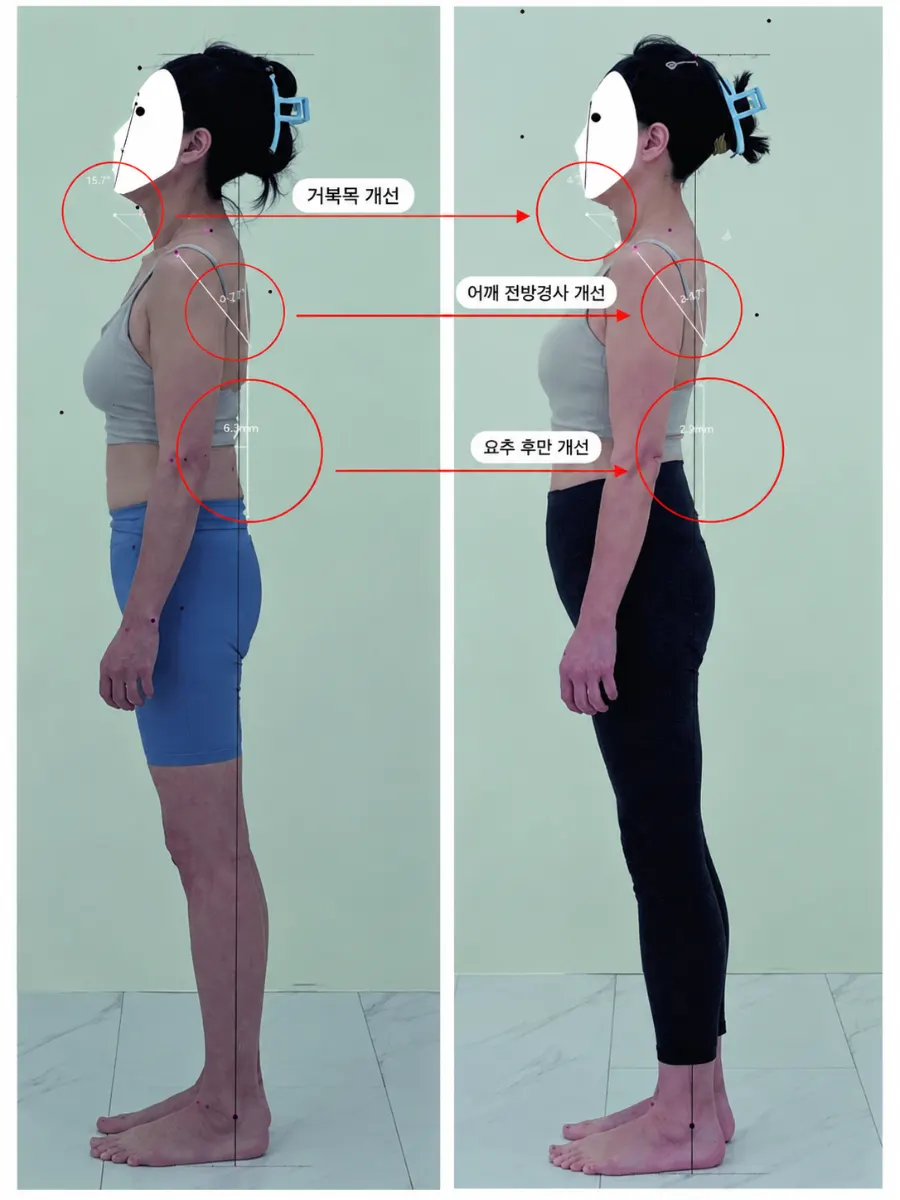
For this photo, look at how far the neck juts forward, how rounded the shoulders are, and the line of the lower back. In the second photo, the chin juts forward less, the shoulders sit a little more pulled back, and the upper body looks more upright. The lower back line, which had been pushed forward, is also a bit less pronounced.
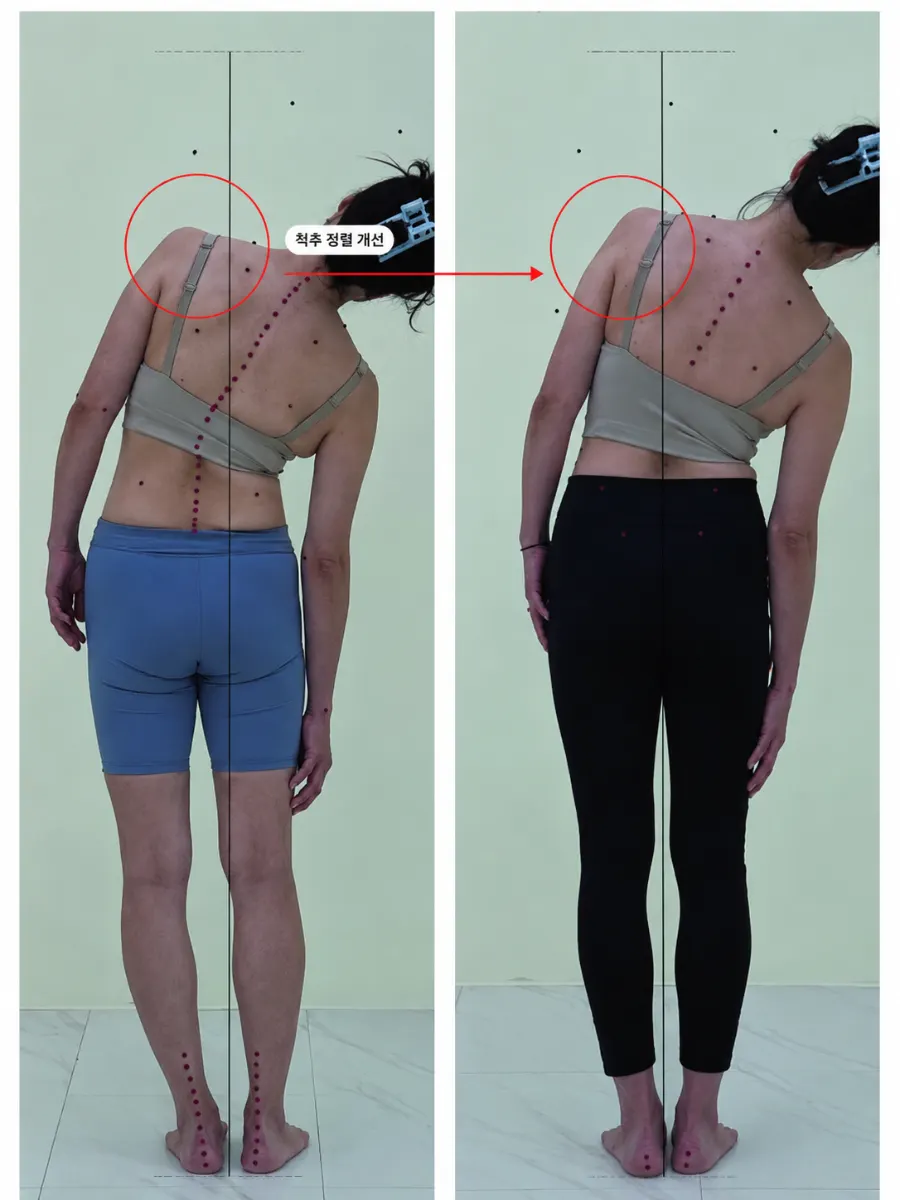
For this photo, look at the spine line and shoulder position when tilting the body sideways. In the second photo, the sideways curve of the spine runs a little more evenly, and the shoulders look less collapsed.
I can't say two sessions completely changed a posture built up over years. But comparing the photos, I understand so much more clearly how I've actually been standing and moving all along.
Small movements, but the body already knew
After coming home from the second session, my body ached for about two days. I hadn't lifted anything heavy or done any big workout. And yet a fairly strong stimulus lingered in my body.
"Ah, I used muscles that day that I almost never use normally." I felt firsthand that even small movements, when they target the right muscles, can become quite a big stimulus for the body.
I once saw a blonde woman in the U.S., walking in high heels after Mass. Her posture was so straight and her stride so confident that I assumed she was young — but up close, she turned out to be a grandmother. That's when I realized how differently a straight posture and a confident stride can make a person look, no matter their age.
Now I've added one more thing to that thought. Beyond just looking good, I want to properly learn the posture and movement that suit my own body, so I can use it well for a long time without getting hurt.
This time I only managed two sessions, but the next time I'm back in Korea for my cancer follow-up checkup, I want to sign up the moment I arrive and stick with the trainer for at least three months. I want to keep at it properly until the posture and movement I learned truly become my own.
Where it is
511, 5th floor, Sinbong Jonghap Sangga, 84 Sinbong 1-ro, Suji-gu, Yongin-si, Gyeonggi-do, South Korea경기도 용인시 수지구 신봉1로 84 신봉종합상가 5층 511호