Yongin Chinese restaurant lunch fried rice: Doseogwan Dwitjip
In short
Doseogwan Dwitjip is a Chinese restaurant in Giheung-gu, Yongin, Gyeonggi. Its 9,500-won lunch-only fried rice comes with jjajangmyeon and jjamppong broth, alongside satisfying mini tangsuyuk and spicy gochu jjamppong. Verdict: a hearty, flavorful meal with plenty to enjoy.
Good to know
- Address
- 18-21 Guseong 2-ro, Giheung-gu, Yongin, Gyeonggi-do, South Korea
- Hours
- Tue–Fri 11:00–20:00 / Sat–Sun 11:30–15:30 / Closed Mondays
- Parking
- Street-side parking is available near the restaurant
- Rice
- Free bowls of rice
- Fried rice
- ₩9,500; limited to 20 orders at lunch
- Gochu jjamppong
- ₩10,000
- Mini glutinous tangsuyuk
- ₩10,000
as written by the visitor on Sep 9, 2026
Doseogwan Dwitjip, a great Chinese restaurant in Giheung-gu, Yongin—its jjajang, jjamppong, tangsuyuk, and fried rice are delicious!
Located behind Cheongdeok Library, it has such a friendly-sounding name right from the start. There is a wide range of Chinese dishes, from jjajang and jjamppong to fried rice and glutinous tangsuyuk, so it is a lovely place for a filling meal.
Doseogwan Dwitjip restaurant information
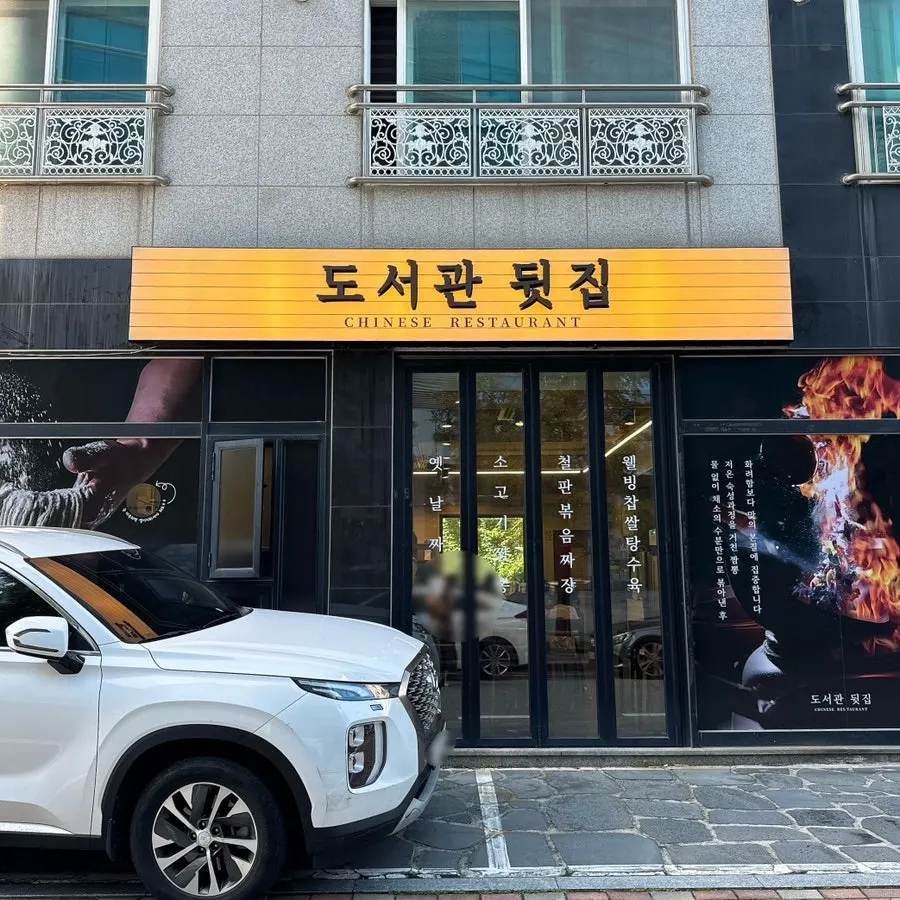
It is on the first floor at 18-21 Guseong 2-ro, Giheung-gu, Yongin, Gyeonggi-do. Hours are 11:00–20:00 Tuesday through Friday and 11:30–15:30 Saturday and Sunday; it is regularly closed every Monday. Street-side parking is available near the restaurant.
A cozy, café-like interior and self-service bar
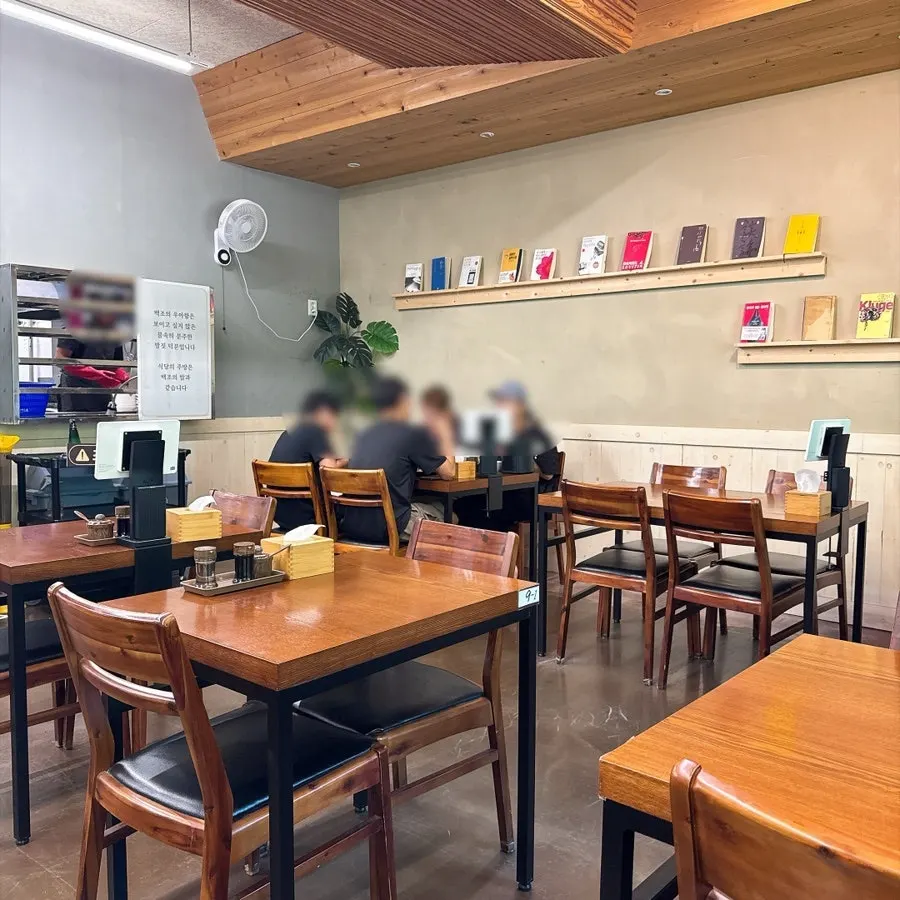
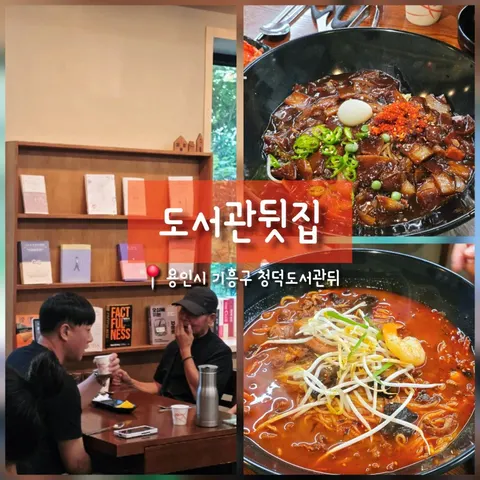
The restaurant is neat yet cozy, almost like stepping into a stylish café. True to the name Doseogwan Dwitjip (“Behind the Library”), books are displayed along one side of the space.
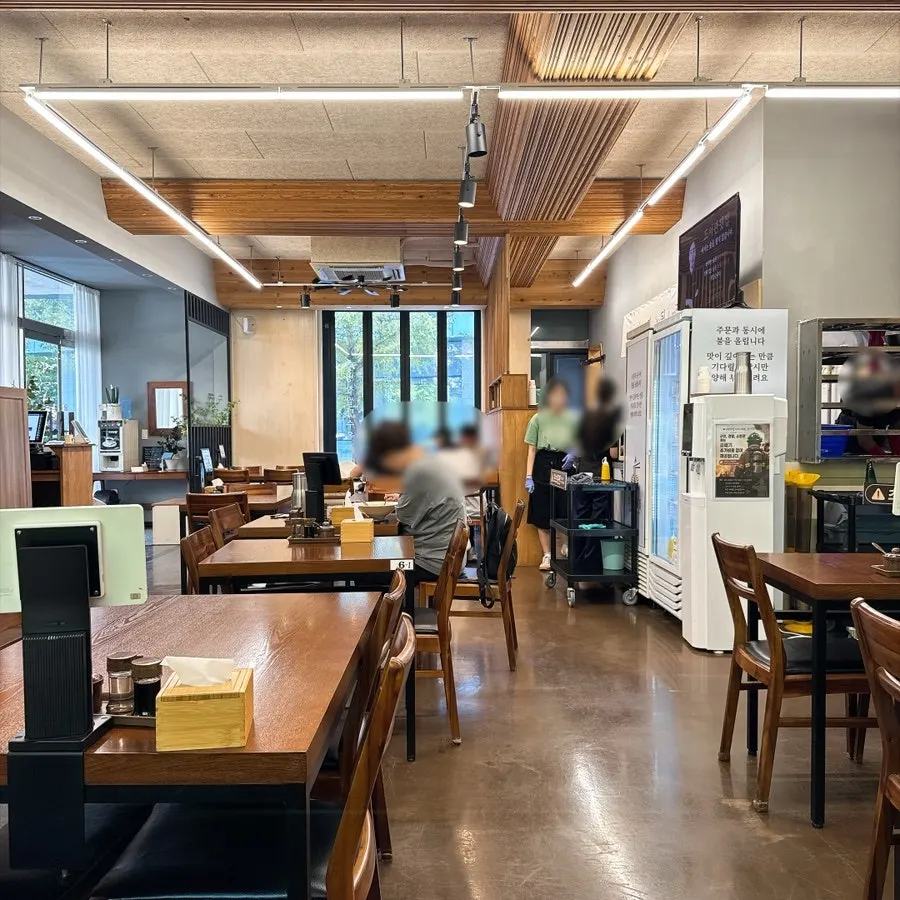
When I visited on a weekend afternoon, the place was full of diners. It is already known among local residents as a great spot for jjajang, jjamppong, and tangsuyuk. It is a wonderful place to enjoy delicious Chinese food in a relaxed, cozy setting.
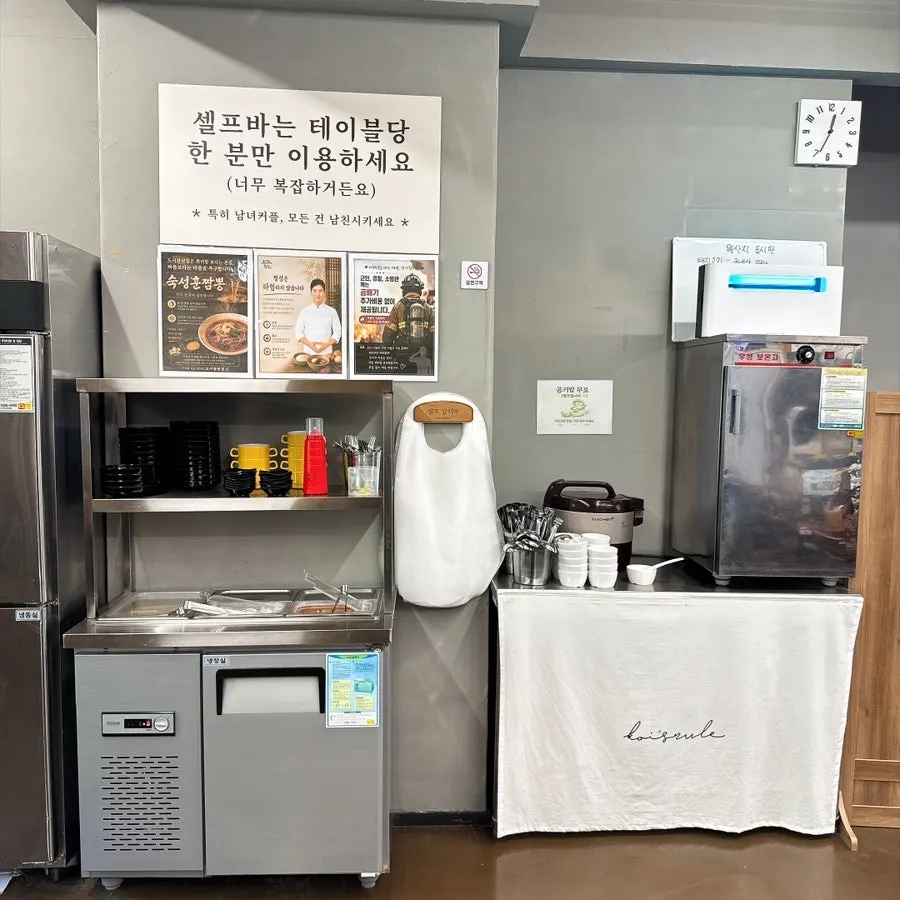
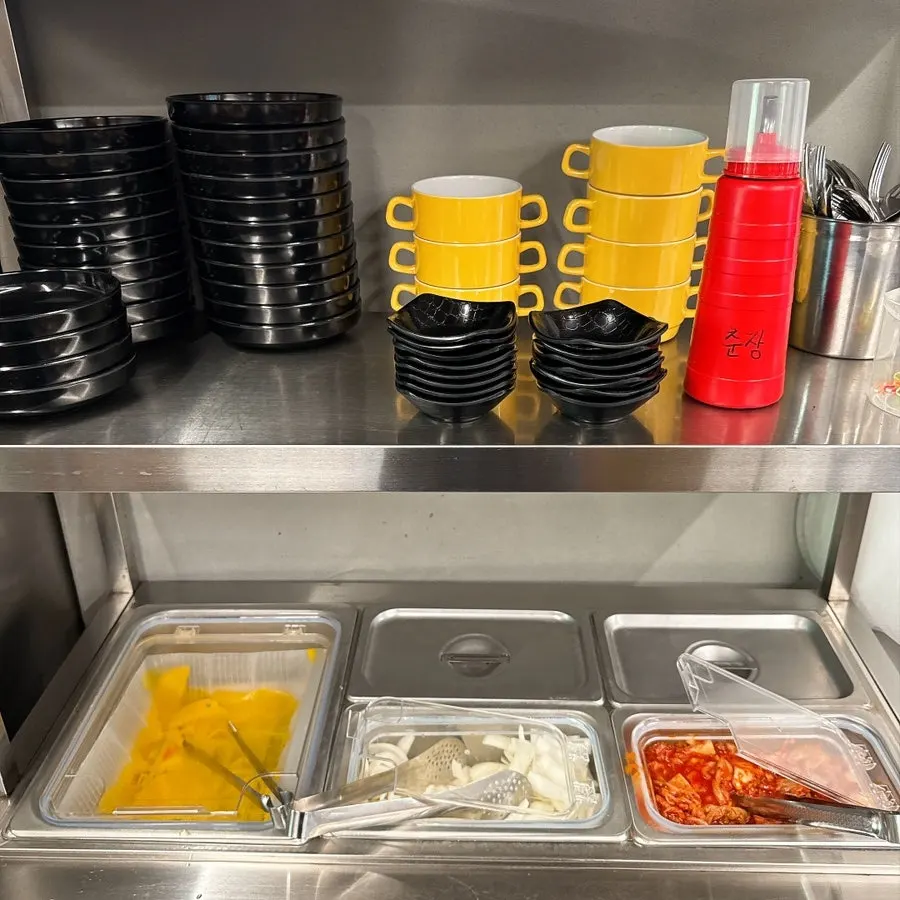
There is a self-service bar at the back of the restaurant. You can conveniently help yourself to danmuji (yellow pickled radish), onion, kimchi, chunjang (black bean paste), and any extra tableware you need.
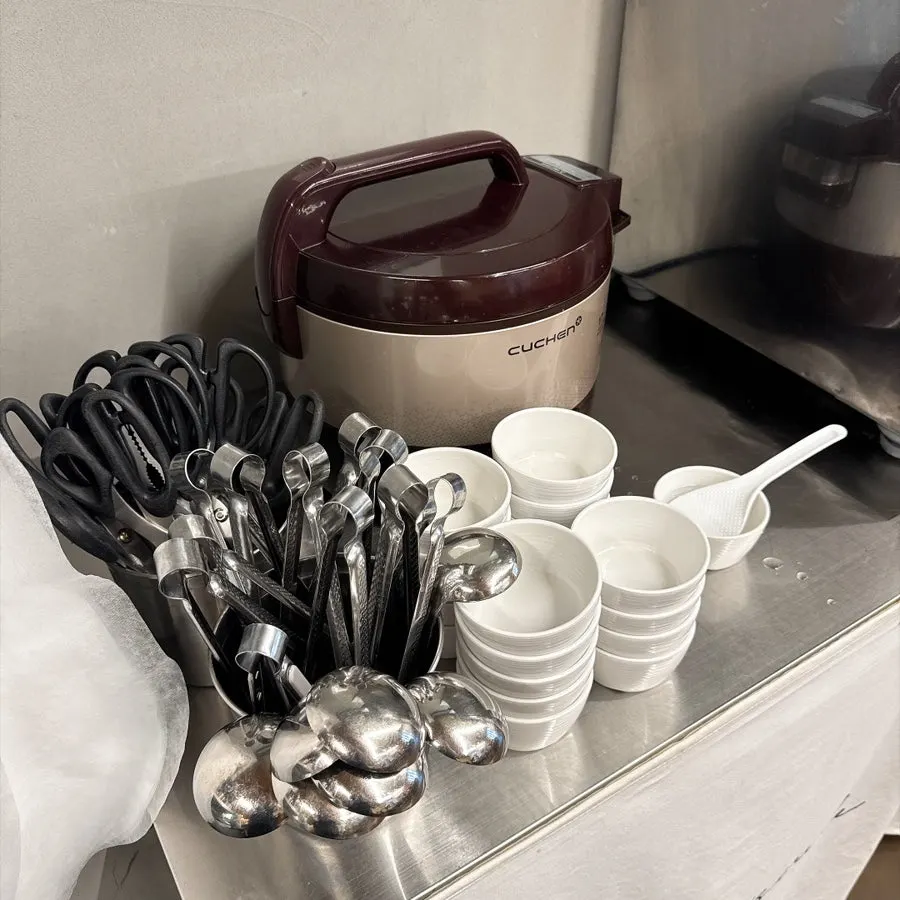
There is also a rice cooker on one side. Bowls of rice are free, so you can make your jjajang or jjamppong meal even more satisfying.
Menu and prices
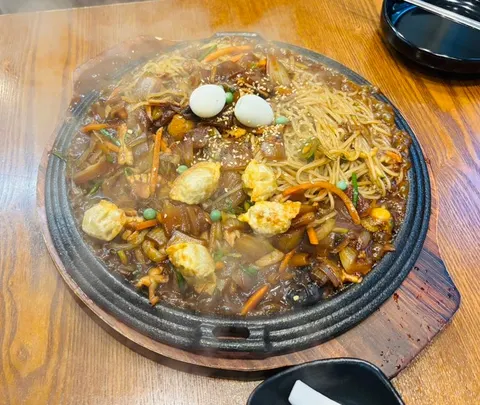
- Jjajangmyeon: Old-fashioned jjajang ₩8,000 / Gochu jjajang ₩9,000 / Sizzling stir-fried jjajang for 2 ₩22,000 / Children’s jjajang, under age 7 ₩4,000
- Jjamppong: Aged hun jjamppong ₩9,000 / Gochu jjamppong ₩10,000 / Beef jjamppong ₩12,000 / Snow cheese jjamppong ₩11,000
- Rice dishes: Fried rice ₩9,500 / Beef jjamppong rice ₩12,000 / Soft tofu jjamppong rice ₩9,000 / Spicy soft tofu jjamppong rice ₩10,000
- Sides: Mini glutinous tangsuyuk ₩10,000 / Small glutinous tangsuyuk ₩20,000 / Fried dumplings, 4 pieces ₩3,000 or 8 pieces ₩6,000
There are also good-value one-person sets pairing a main dish with a side. Depending on the season, you may find dishes such as milmyeon (wheat noodles), cockle jjamppong, and oyster jjamppong, so it is easy to choose something that suits your taste.
Mini glutinous tangsuyuk for dipping or pouring sauce
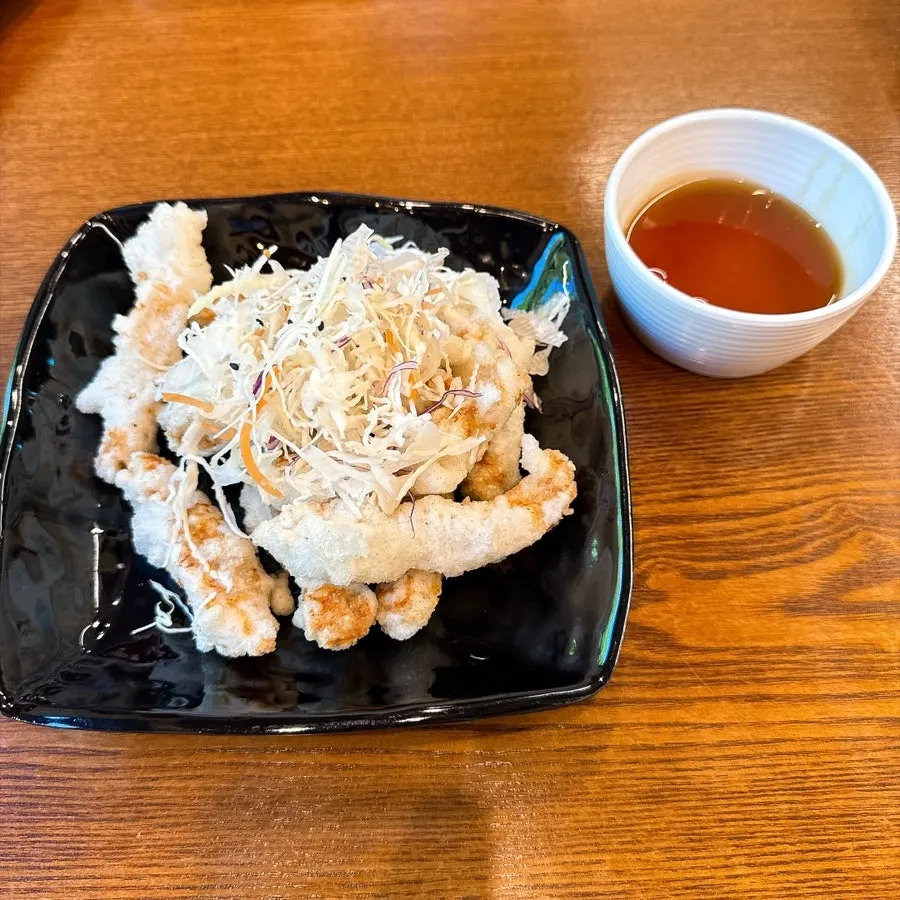
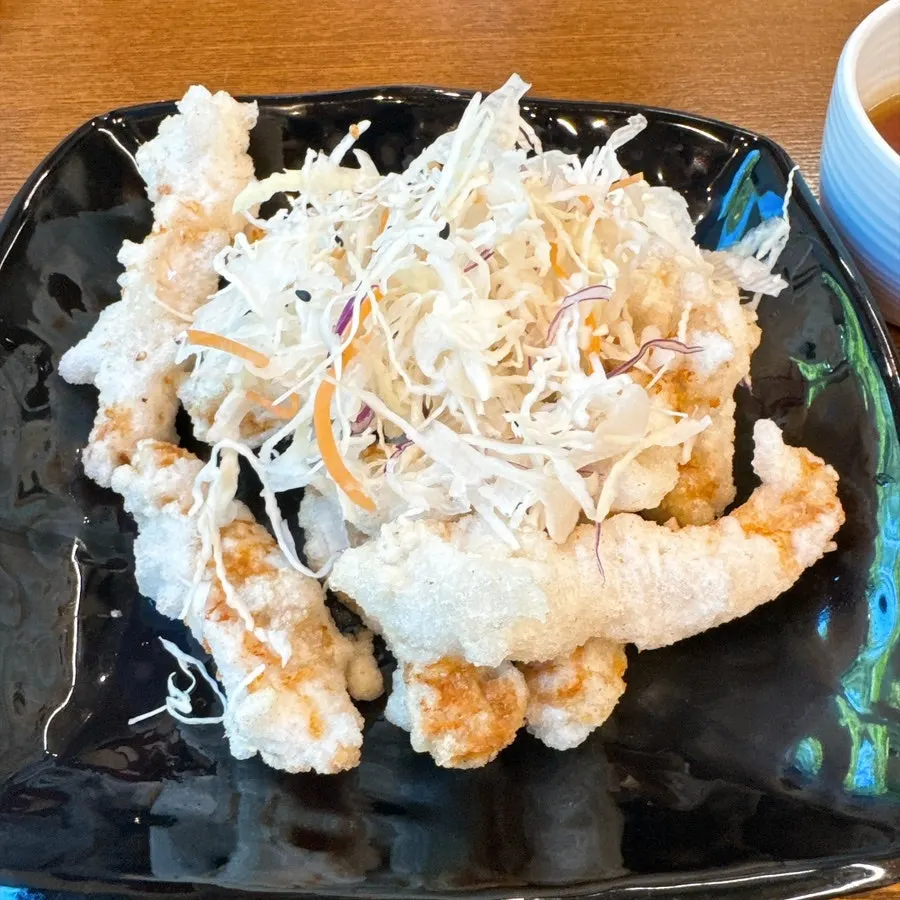
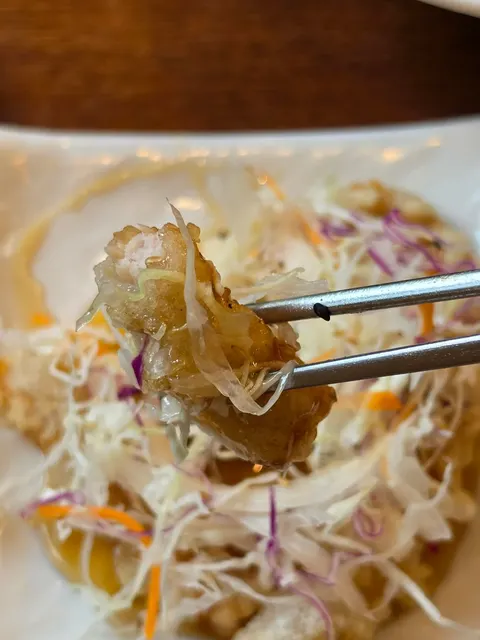
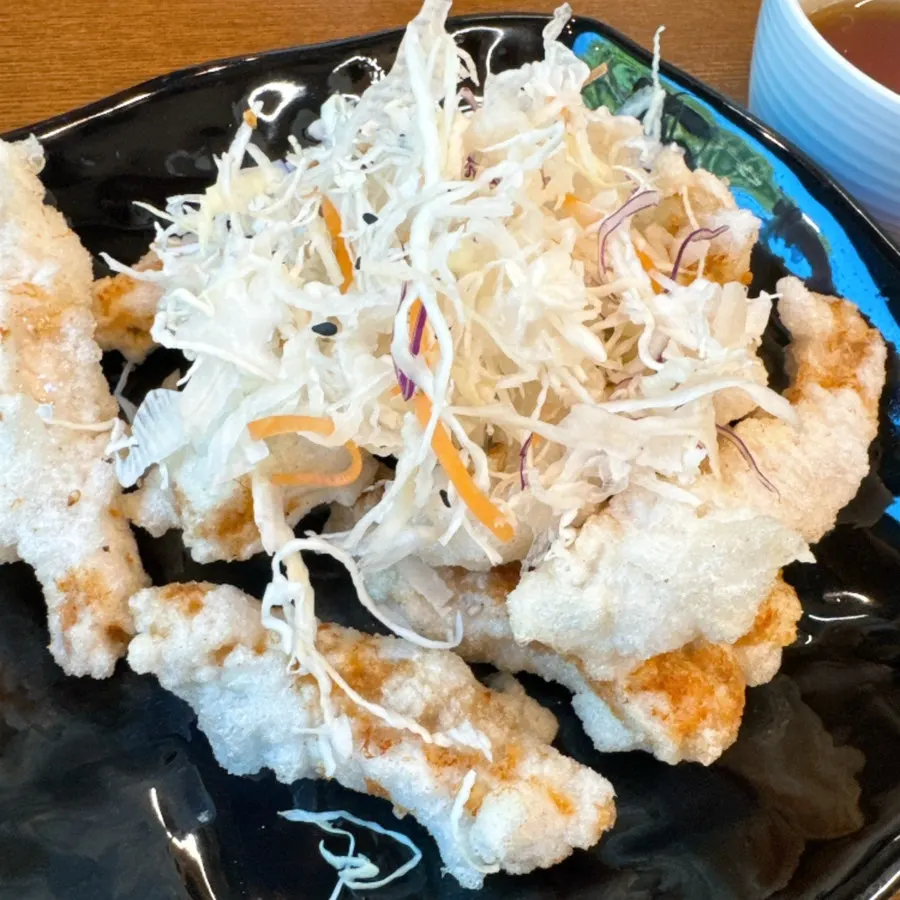
The mini glutinous tangsuyuk is ₩10,000. Crisply fried tangsuyuk (sweet-and-sour fried pork) is topped with finely shredded cabbage, and it looks appetizing from the start. The sauce comes separately, so you can dip each piece or pour it over, whichever way you prefer.
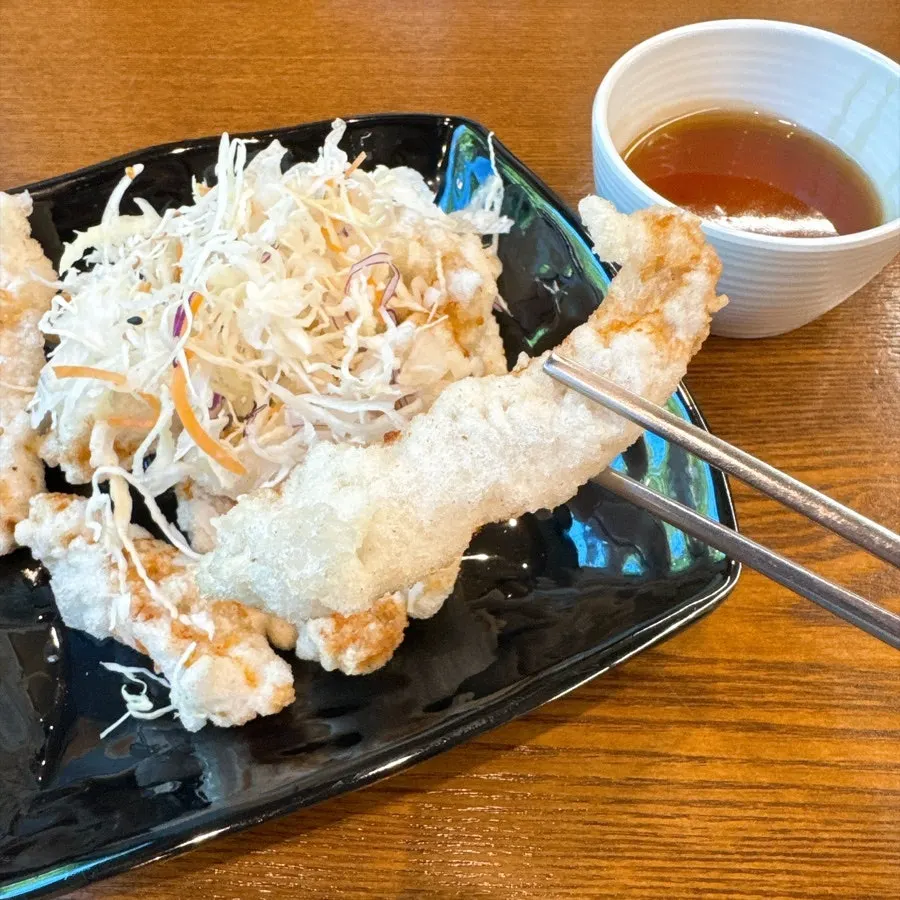
One bite and it is exactly the kind of glutinous tangsuyuk that is crispy outside and chewy inside. The signature chew of the glutinous coating meets tender, clean-tasting meat, and a subtle nuttiness spreads as you chew.
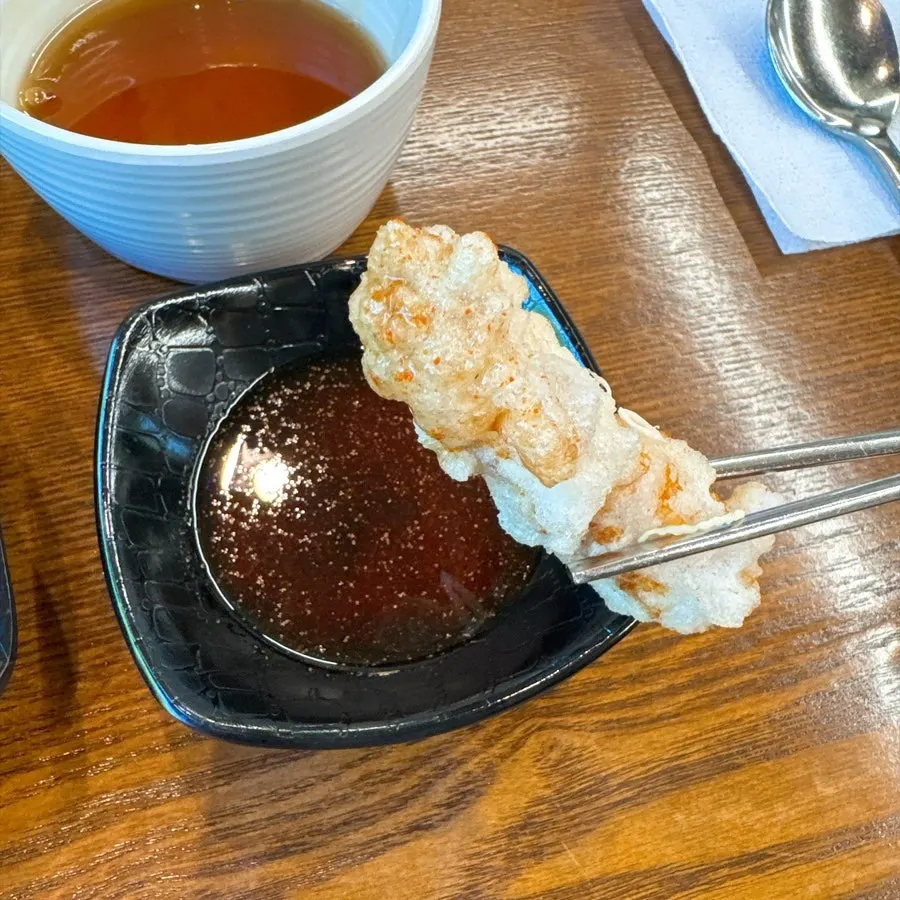
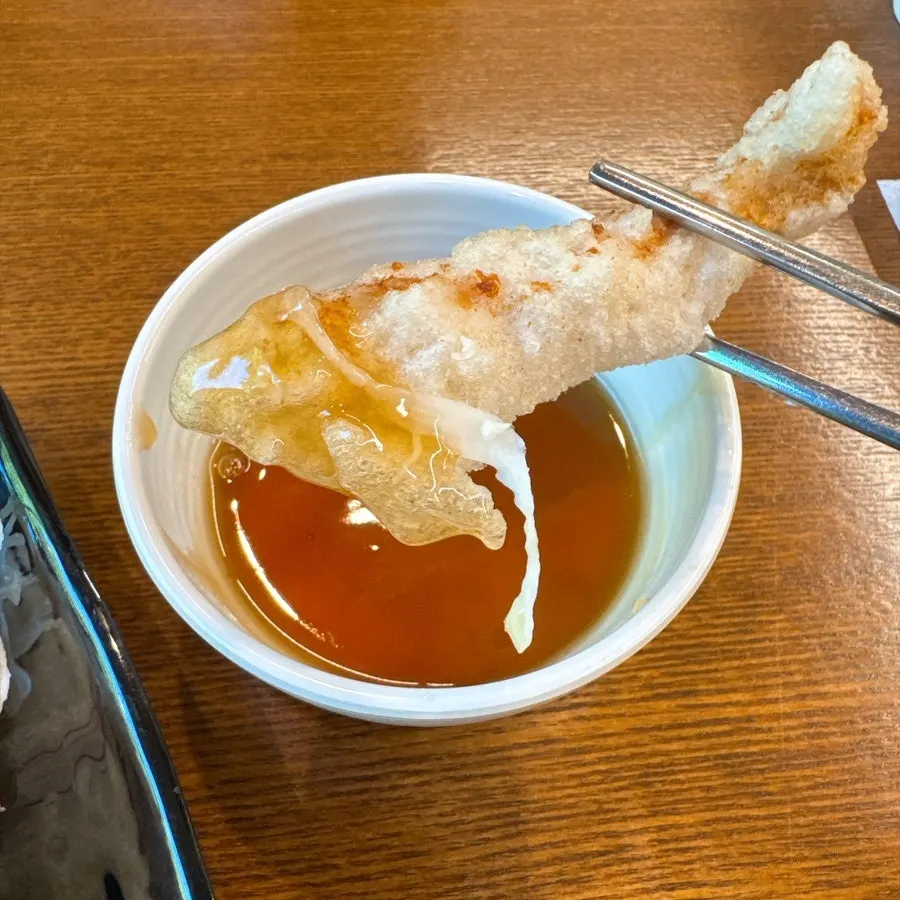
The batter is pale and clean-looking, and I was pleased that it tasted light without greasiness or any meaty odor. A dip in the tangsuyuk sauce adds a delicious sweet-and-tangy note.
Lunch-only fried rice, limited to 20 orders
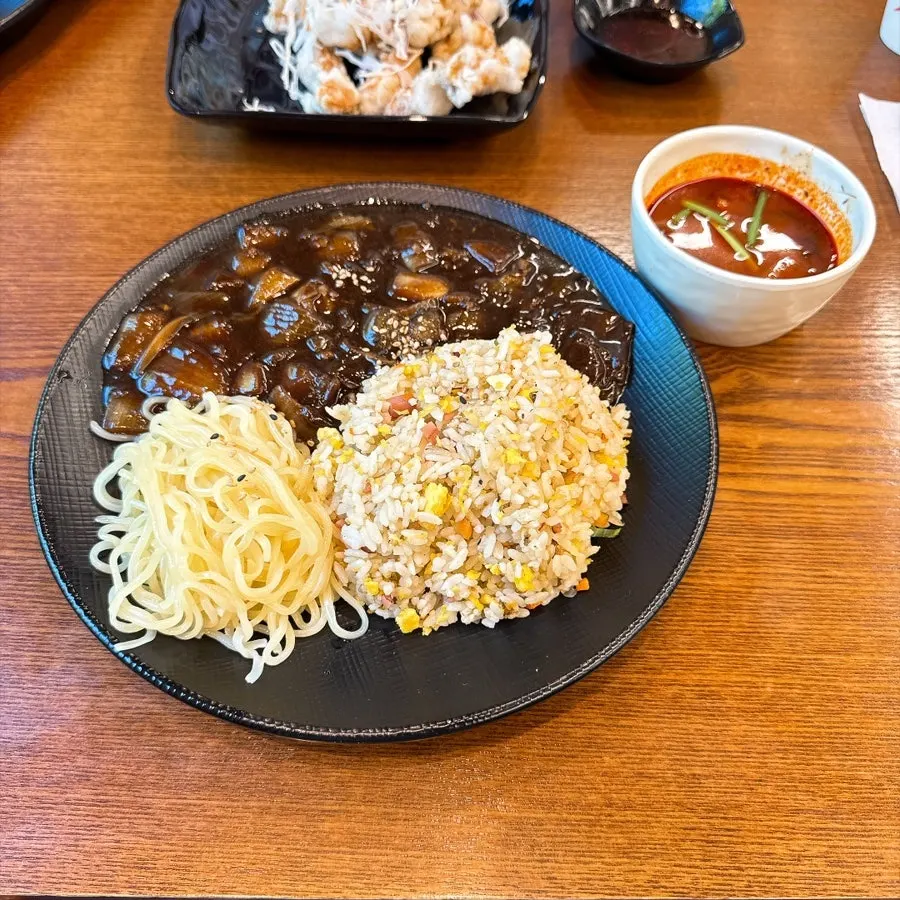
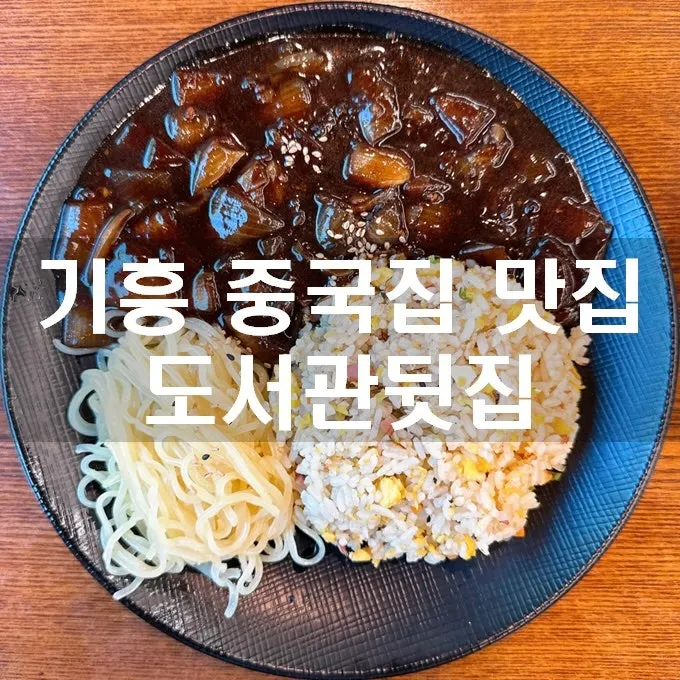
The fried rice is ₩9,500 and limited to 20 orders during lunch. I arrived at the right time and was able to order it. With jjajang sauce, jjajangmyeon, and jjamppong broth all served with the fried rice, one order is incredibly generous. I especially loved that a fried-rice dish also includes noodles, letting you enjoy jjajangmyeon too.
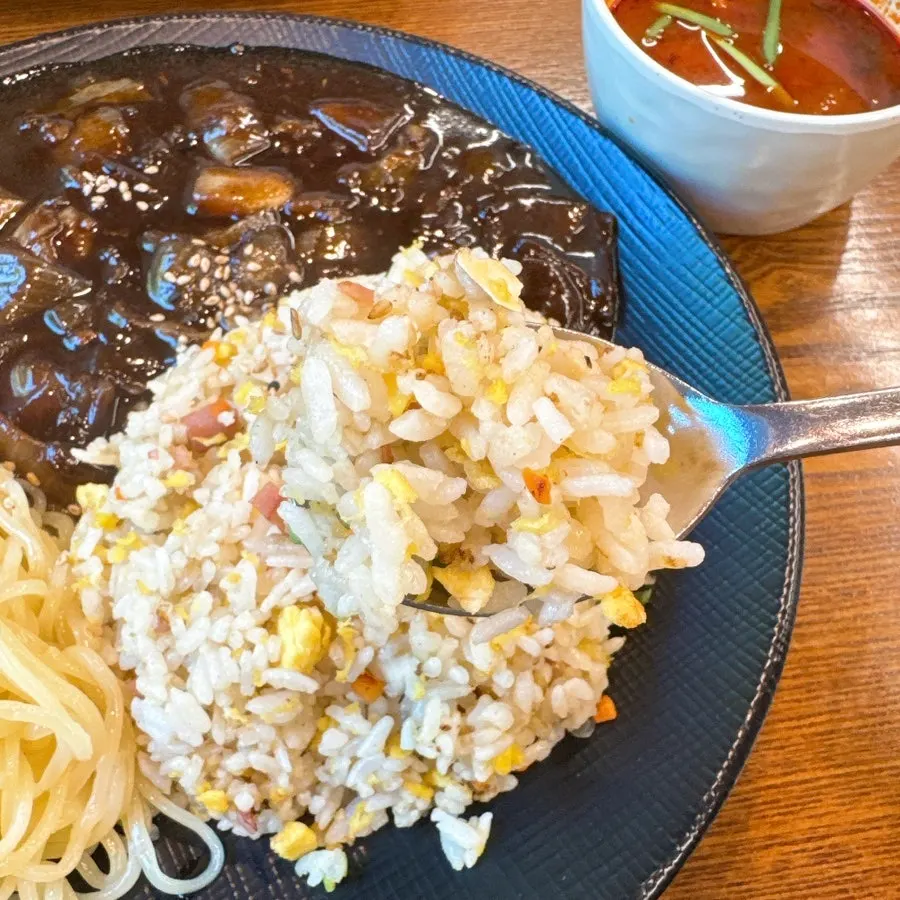
The fluffy, separately fried grains carry a subtle smoky wok flavor. Each bite brings out a nutty, clean taste. It does not feel heavy with oil; the gentle wok aroma and savory nuttiness come together so well that I kept reaching for more even on its own.
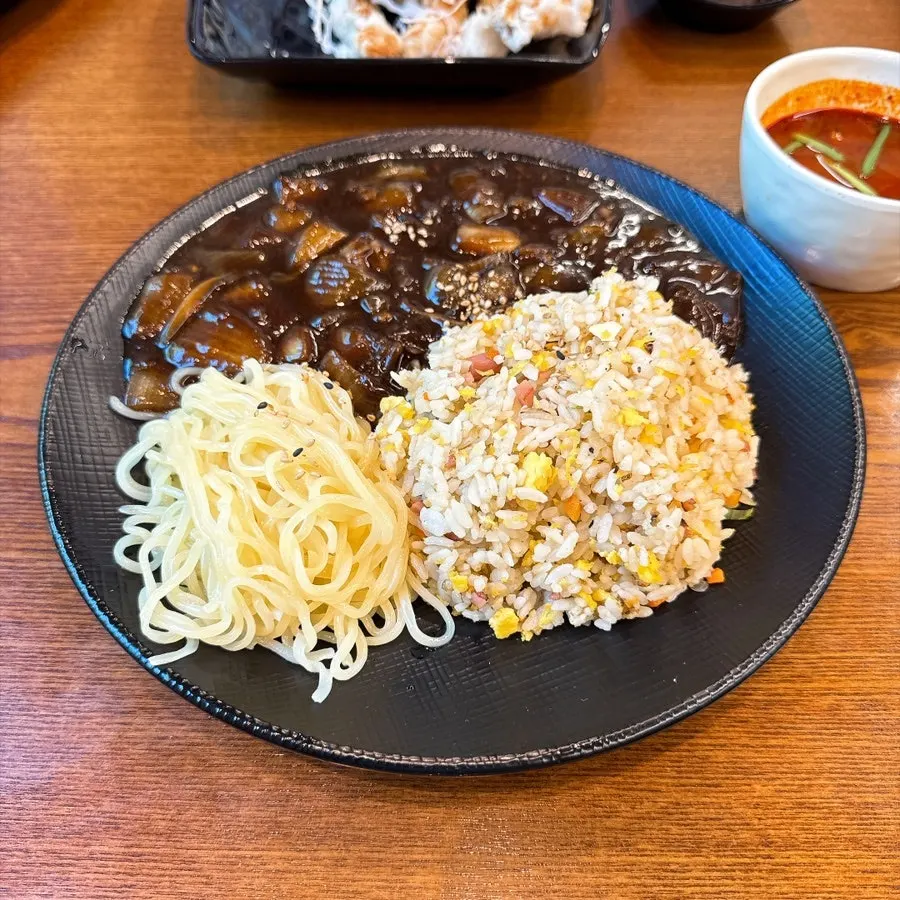
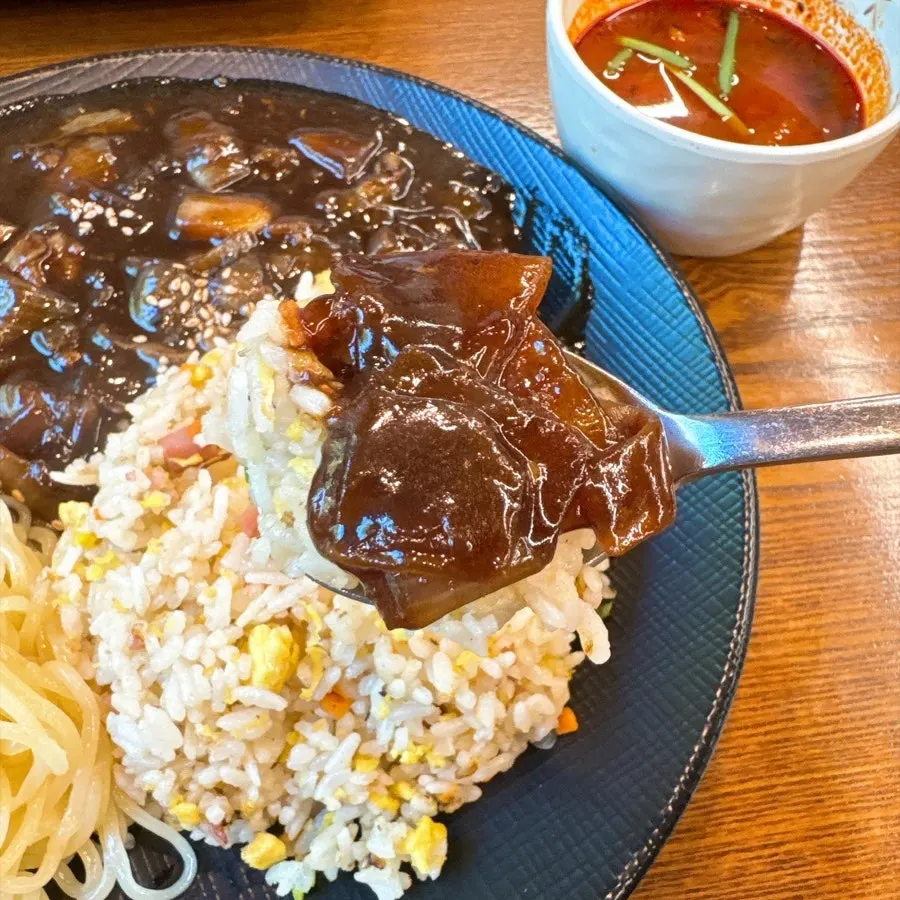
The jjajang sauce brings out the sweetness of onion beautifully and balances it with the savory depth of chunjang. It has that savory, lightly sweet flavor of old-fashioned jjajang. Paired with the wok-scented fried rice, the sweet-savory jjajang adds even more umami and is truly delicious.
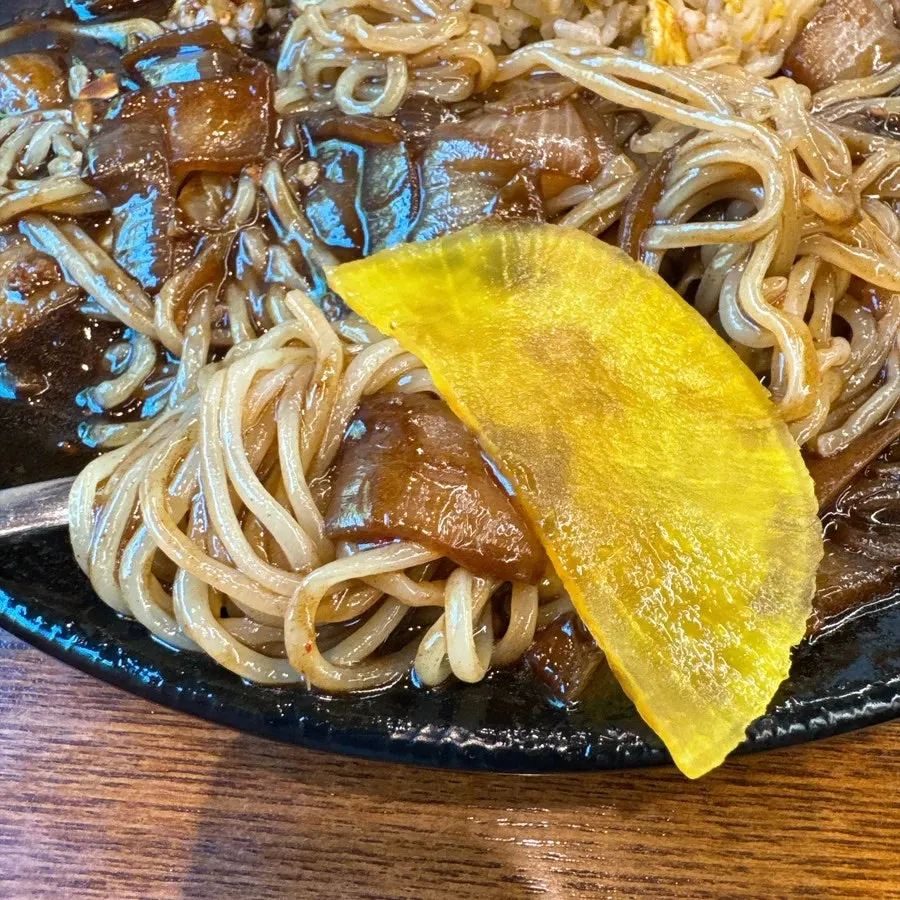
The accompanying noodles are slightly thin, but because they are house-made, they have a lovely texture. They are chewy yet soft, and the jjajang sauce clings to them nicely, making them delicious in a different way from the fried rice. One fried-rice order gives you jjajangmyeon and jjamppong broth as well, making it a very satisfying meal!
Spicy, deep-flavored gochu jjamppong
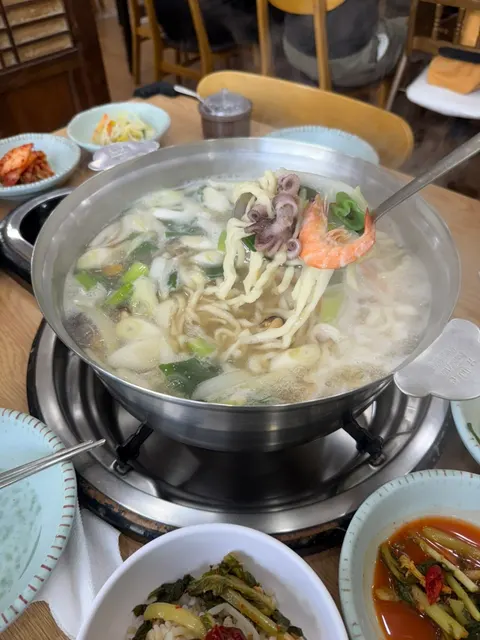
The gochu jjamppong is ₩10,000. Its red, rich broth is generously filled with scallops, shrimp, beef, wood ear mushrooms, and mung bean sprouts.
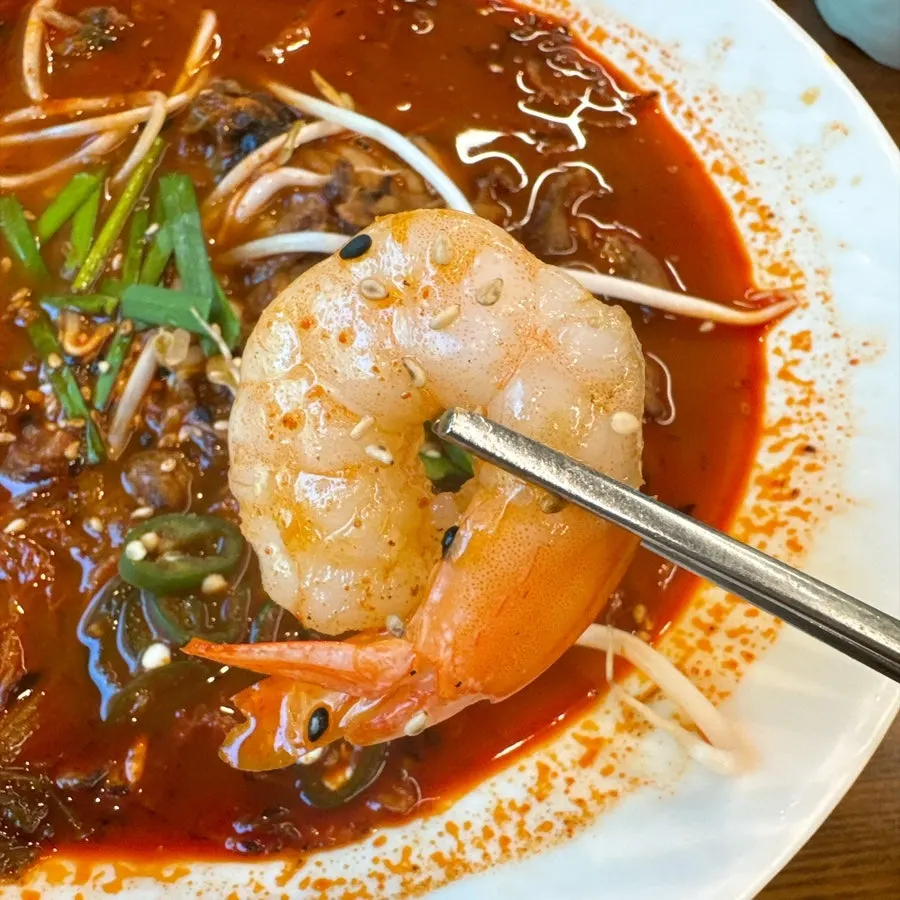
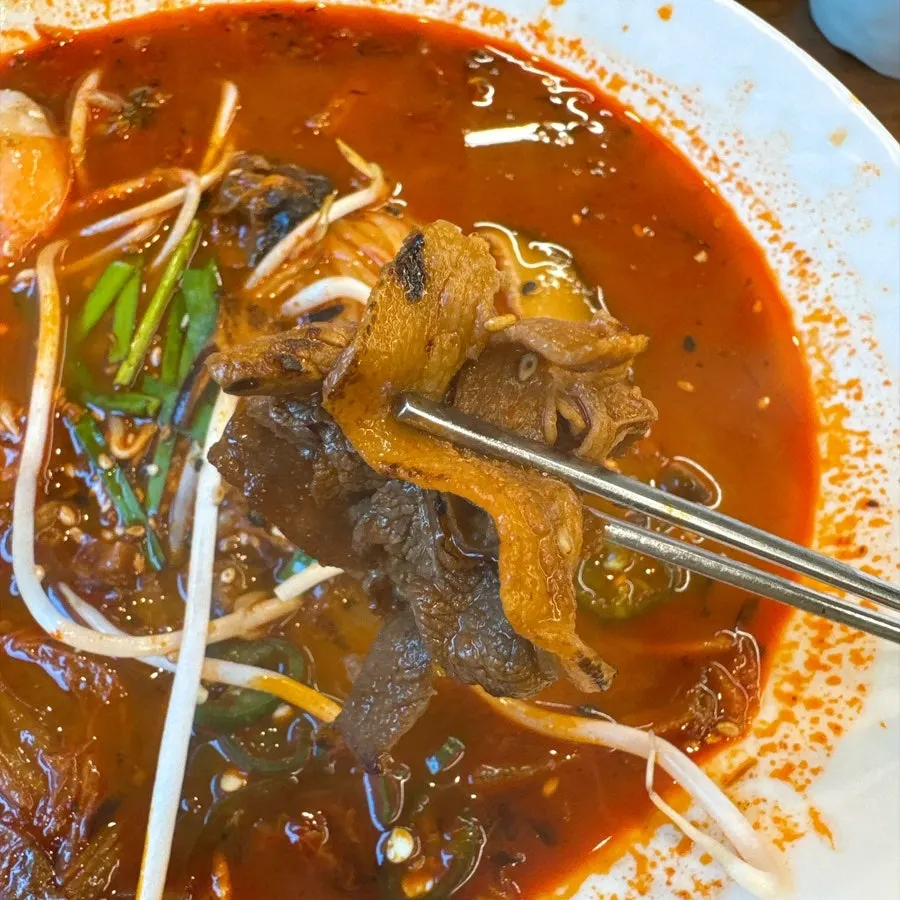
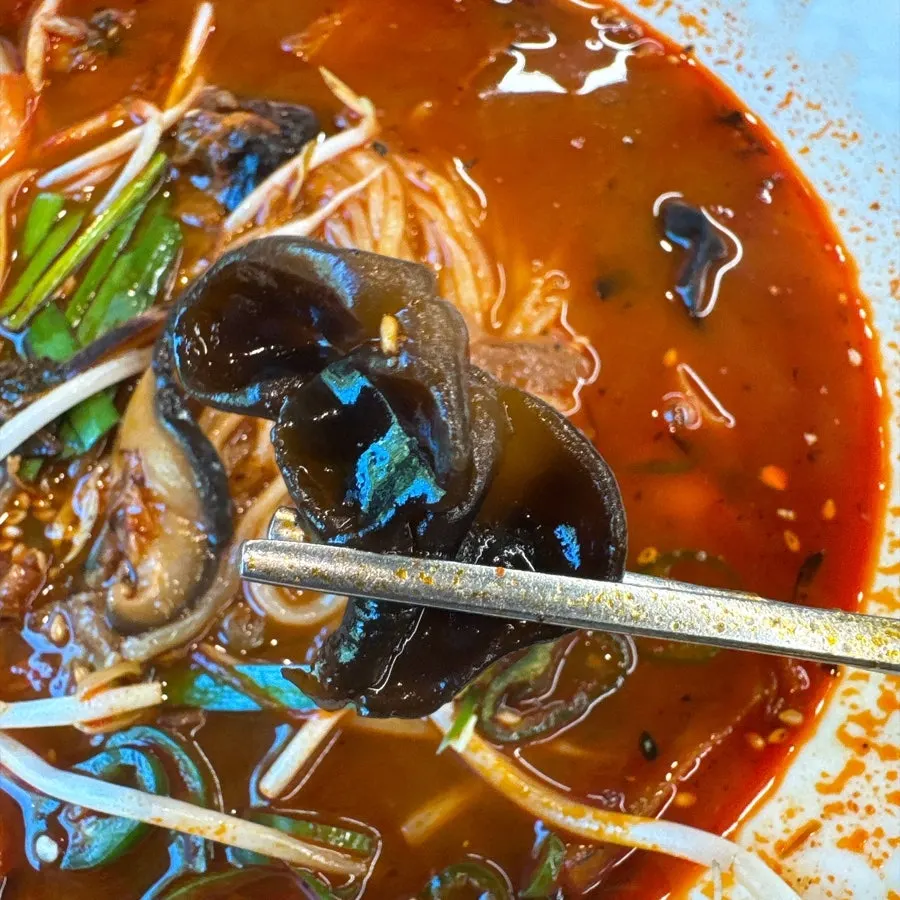
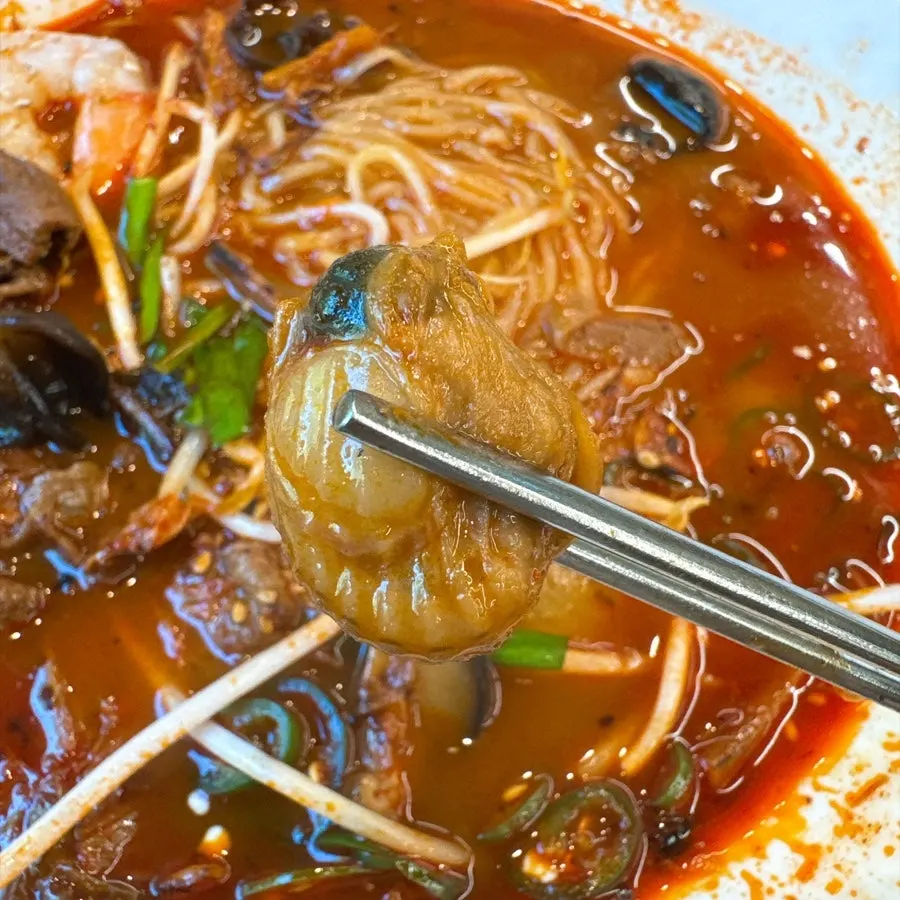
A sip of the broth brings a sharp chili warmth right up front, followed by deep, concentrated umami. Perhaps because it is stir-fried with vegetable stock rather than water and aged at a low temperature for more than 12 hours, it has a deep flavor where the vegetables’ and seafood’s natural sweetness meets rich umami.
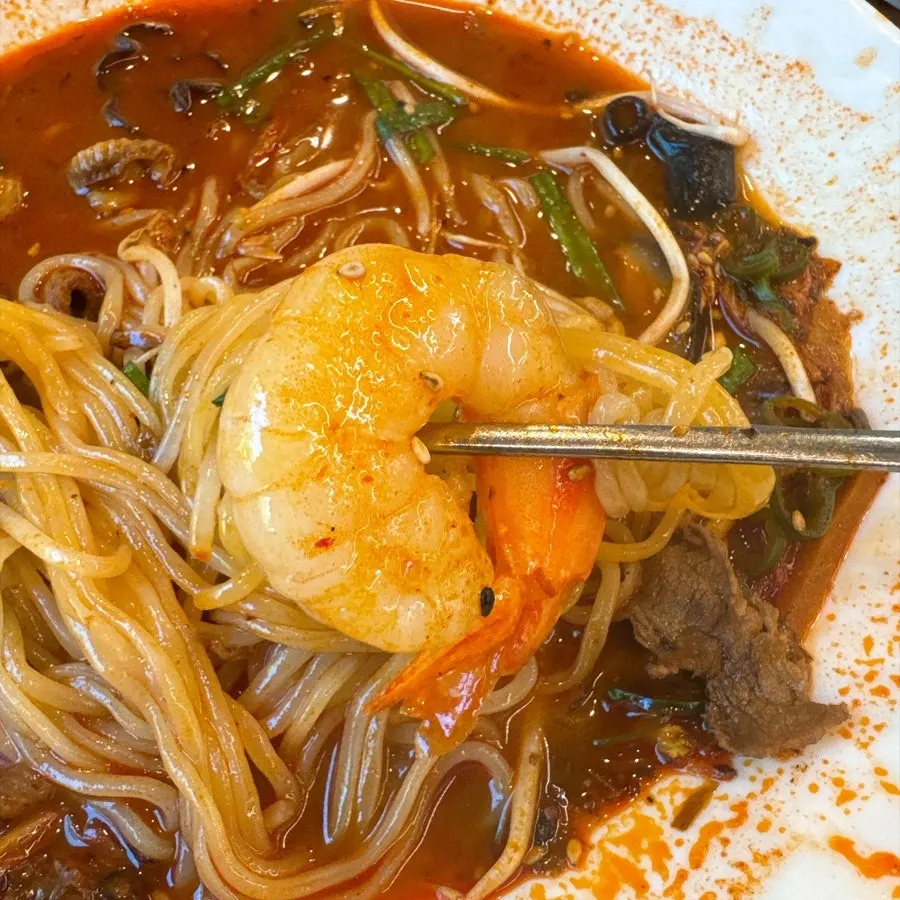
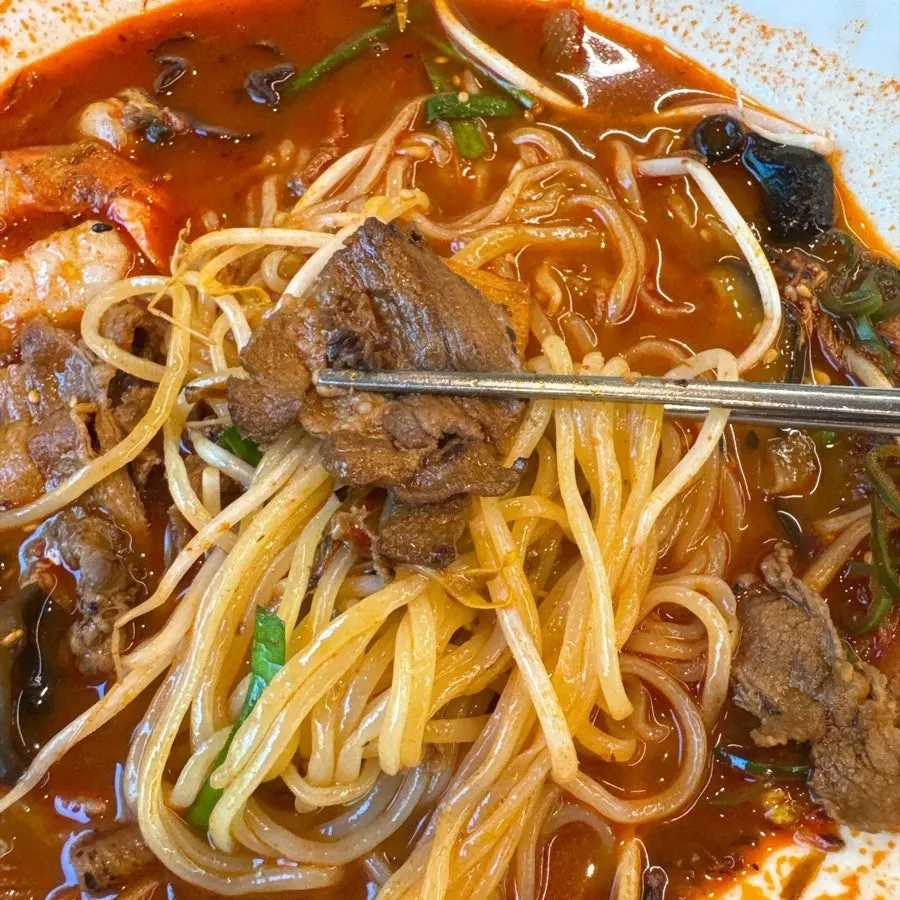
It is pleasantly spicy yet clean-tasting, with a refreshing finish that keeps drawing you back with every spoonful. The rich, spicy broth coats the soft-slippery noodles perfectly, and eating it with seafood such as shrimp or scallops adds a refreshing umami note. So delicious!
Final thoughts
I recommend Doseogwan Dwitjip, a Chinese restaurant in Giheung-gu, Yongin, for jjajang, jjamppong, tangsuyuk, and fried rice!
Where it is
18-21 Guseong 2-ro, Giheung-gu, Yongin, Gyeonggi-do, South Korea경기도 용인시 기흥구 구성2로 18-21 1층